Unusual and interesting photos from around the world, taken in the 20th century (21 photos)
Let's look at how different countries lived and what they had to offer throughout the 20th century. 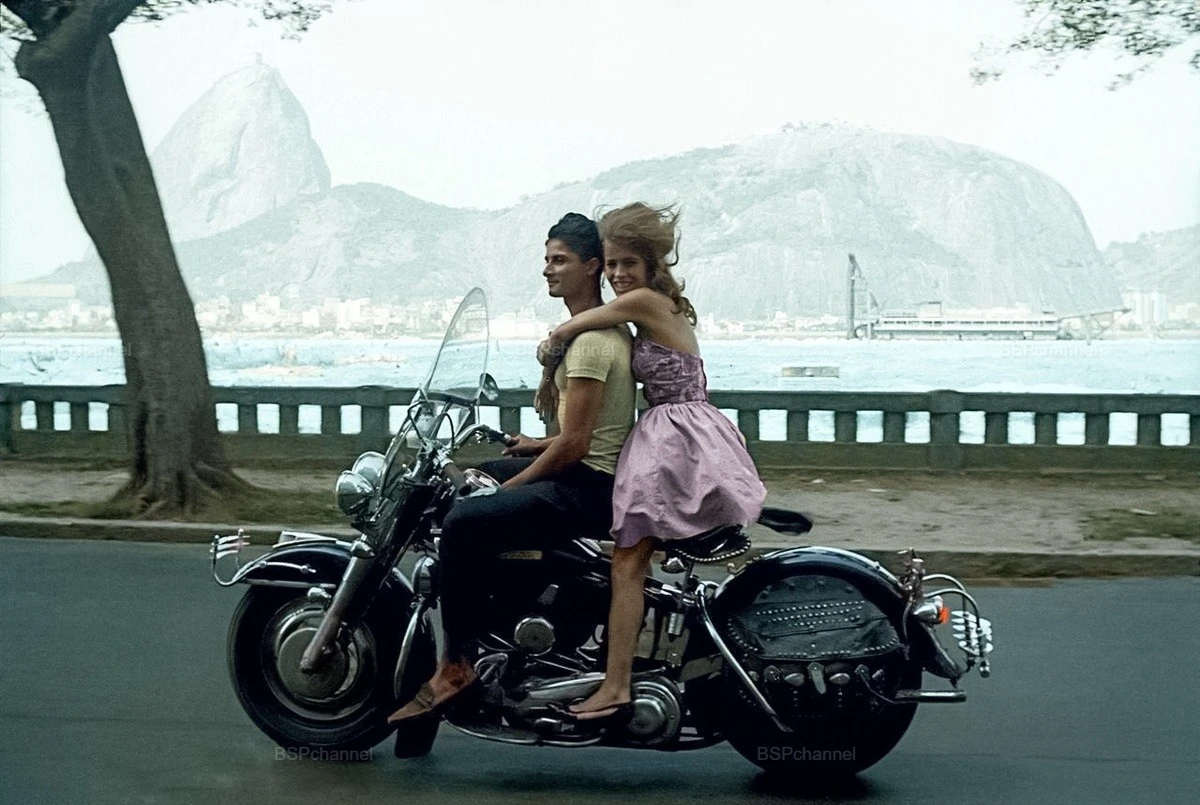
School in Tanzania, 1934-1936. 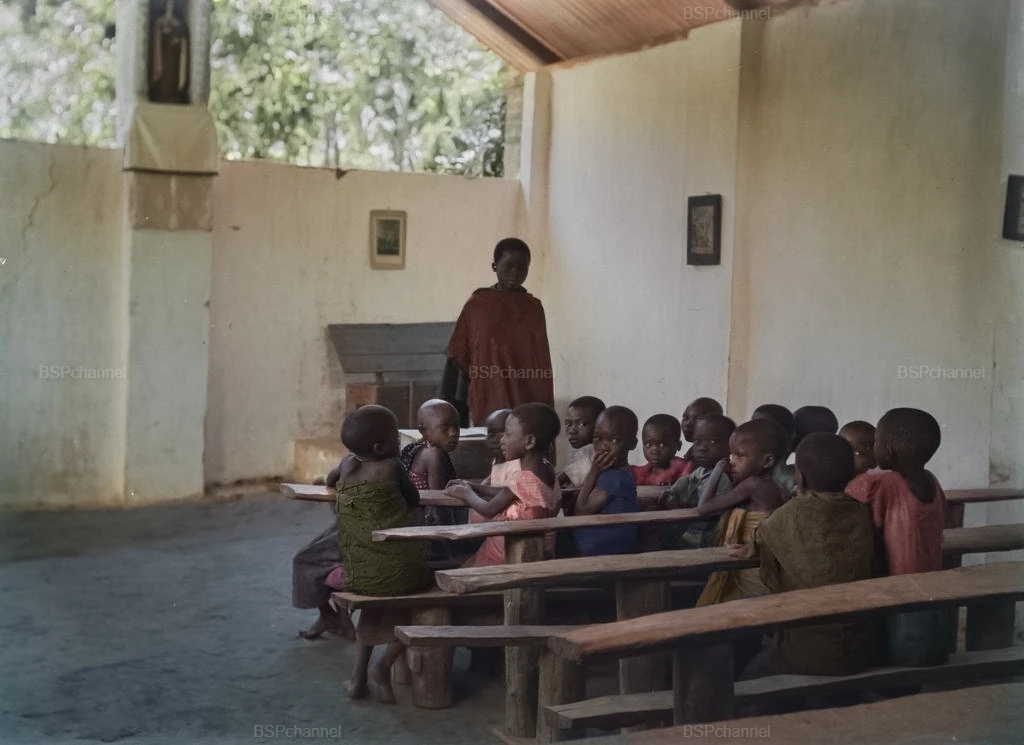
Tanganyika was the name of what is now Tanzania at the time. It was originally a German colony, established in the late 19th century. Following Germany's defeat in World War I in 1919, the League of Nations granted Tanganyika a mandate to Great Britain. From 1922 onward, it was officially known as the Mandate Territory of Tanganyika. In 1961, Tanganyika gained independence from Great Britain, becoming a sovereign state. In 1964, it united with the island of Zanzibar to form the new nation of Tanzania (a merger of the names Tanganyika and Zanzibar).
Obelisk in Heliopolis. Cairo, Egypt, 1950-1977. 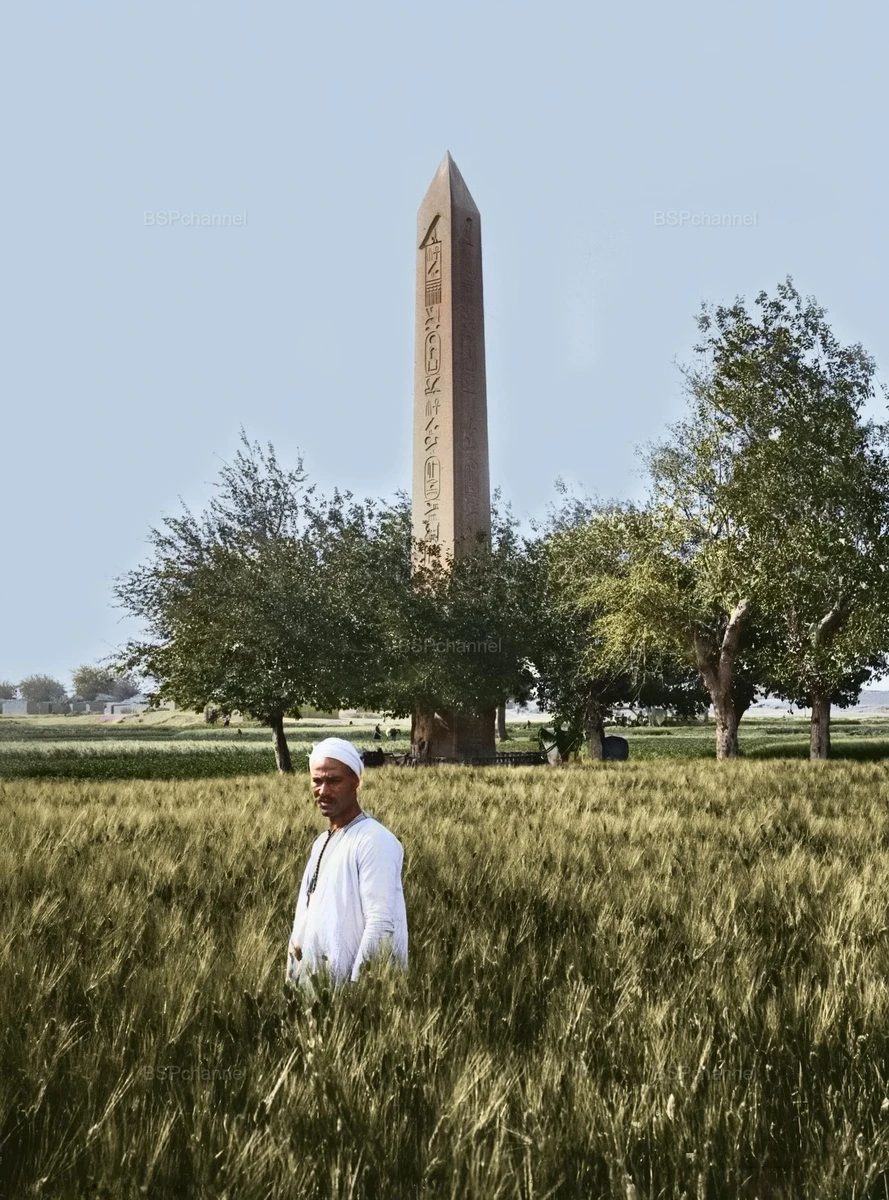
Photograph from the collection of G. Eric and Edith Matson
A married couple in traditional Mongolian costume. Mongolia, 1920s. 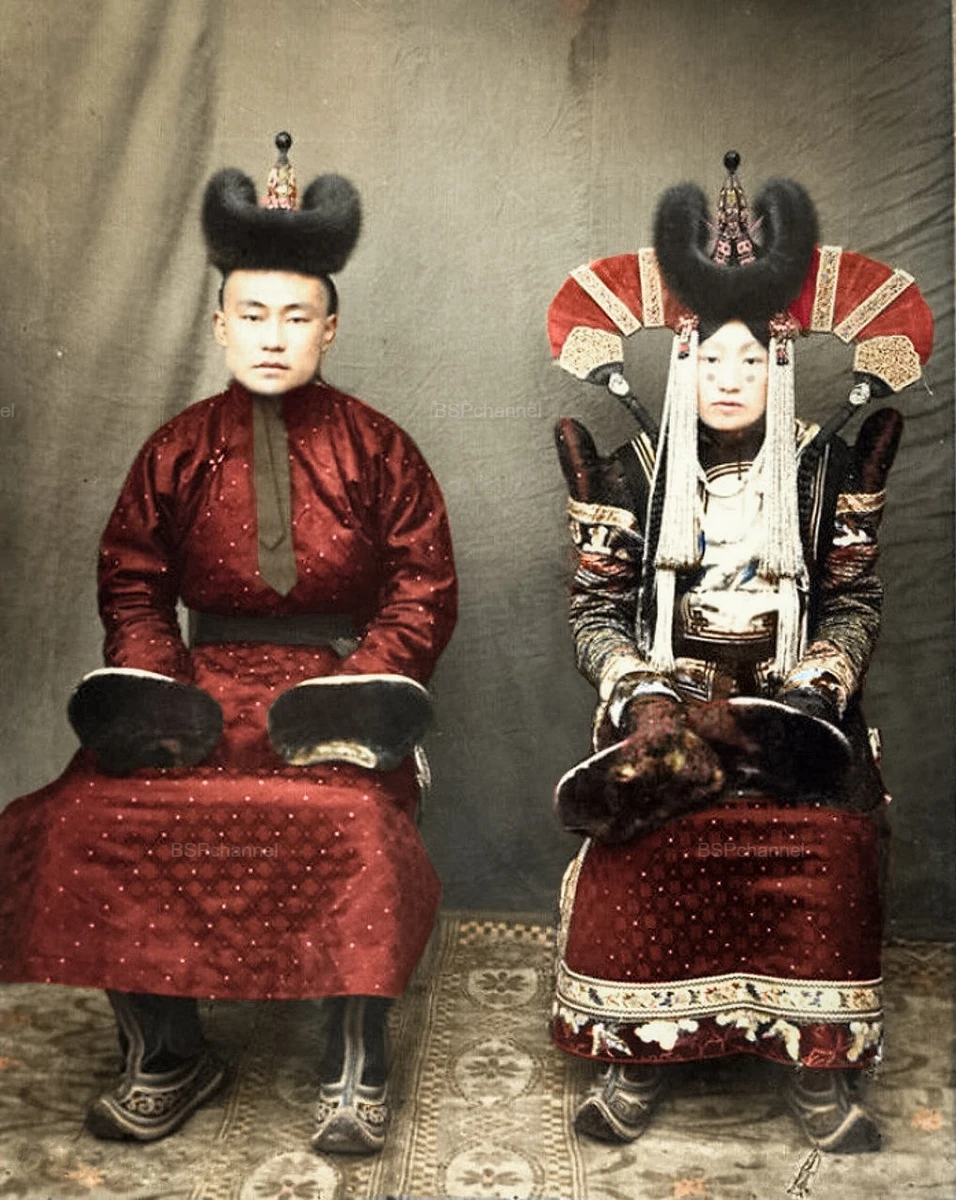
A couple on a motorcycle. Rio de Janeiro, Brazil, 1963. 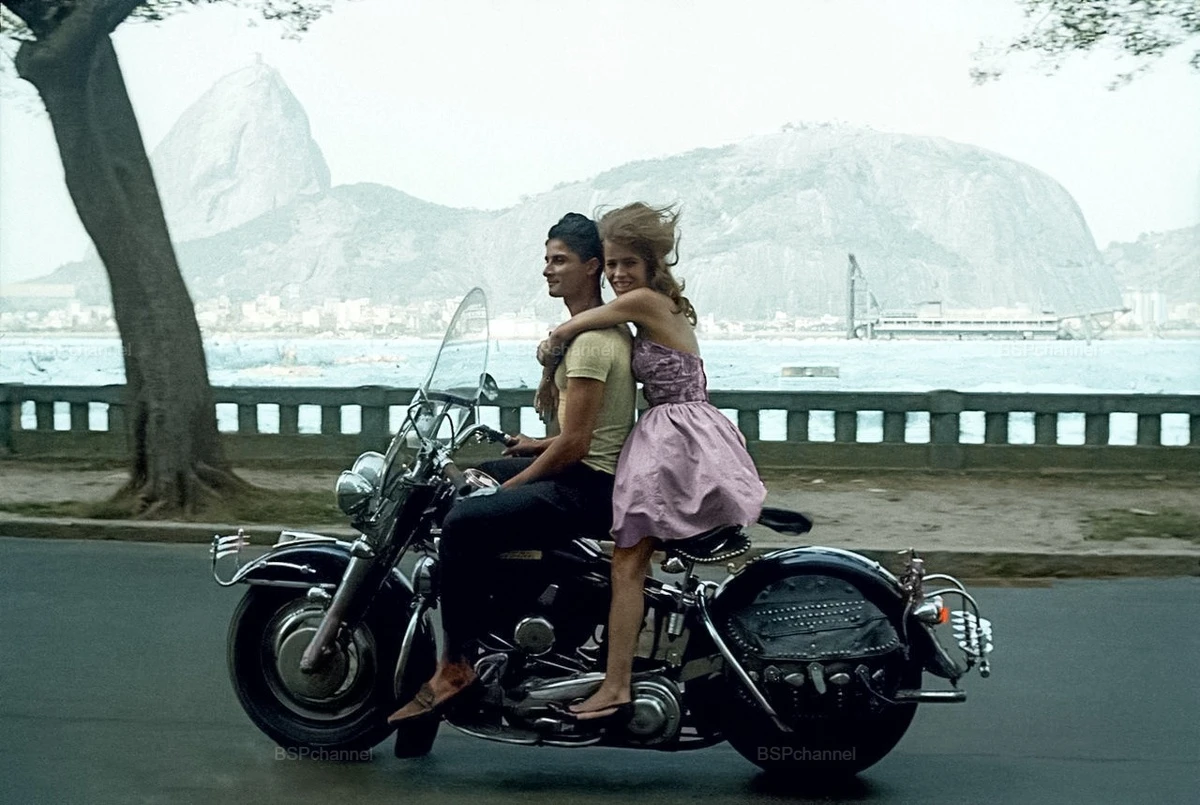
Photographer: Frank Horvath
Woman with fruit on her head. Freetown, Sierra Leone, 1960. 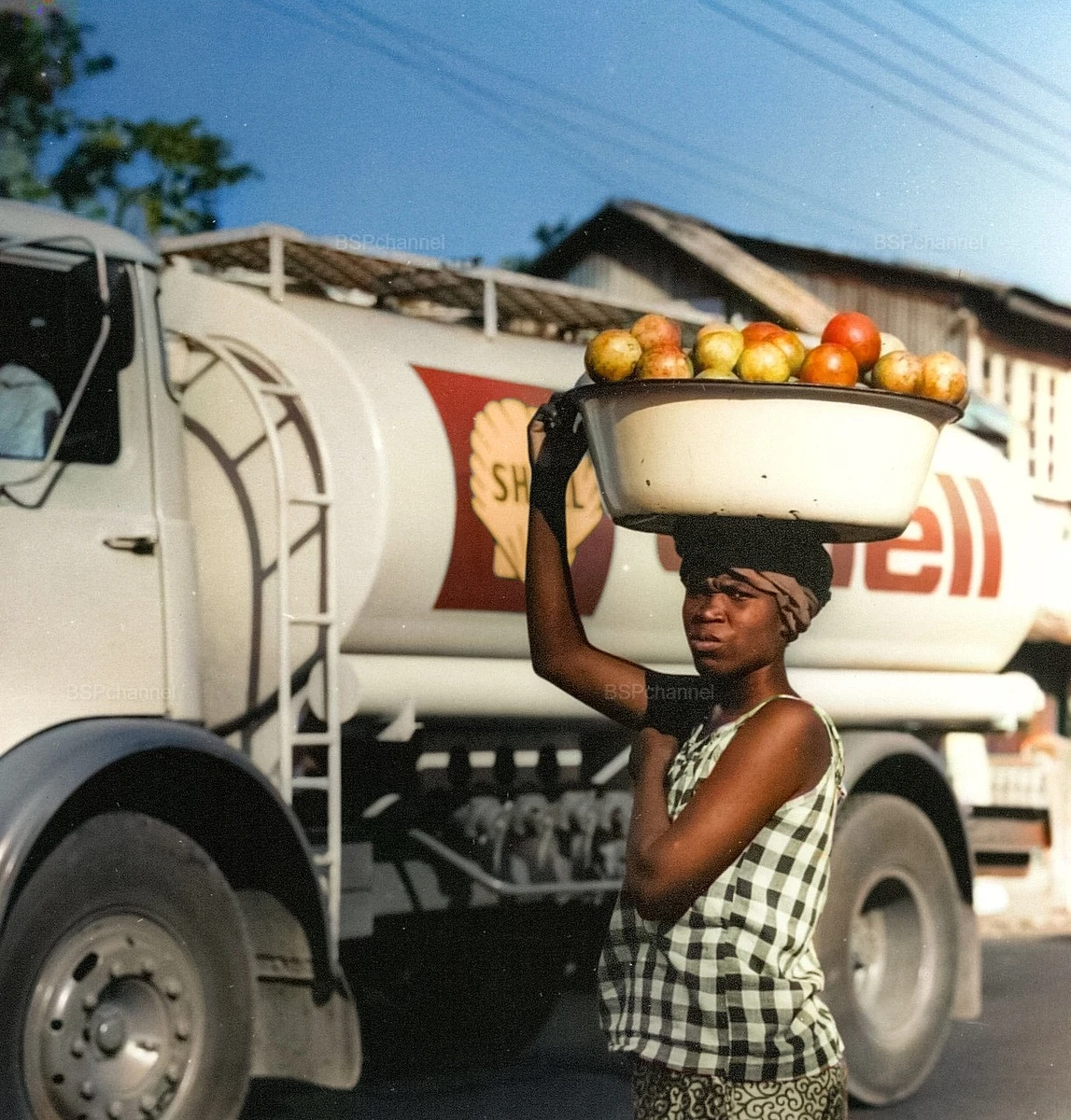
Photographer: Gerhard Vetter
Soviet geologists in Cuba, 1963-1964. 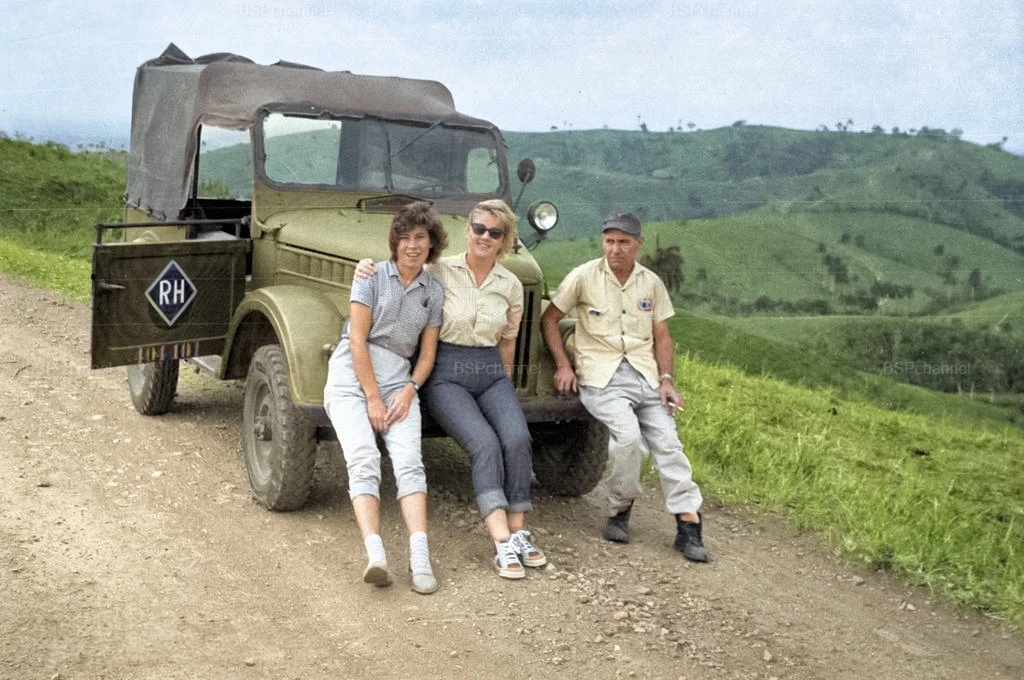
Arab woman with baskets. Sharon Valley (now Israel), 1920. 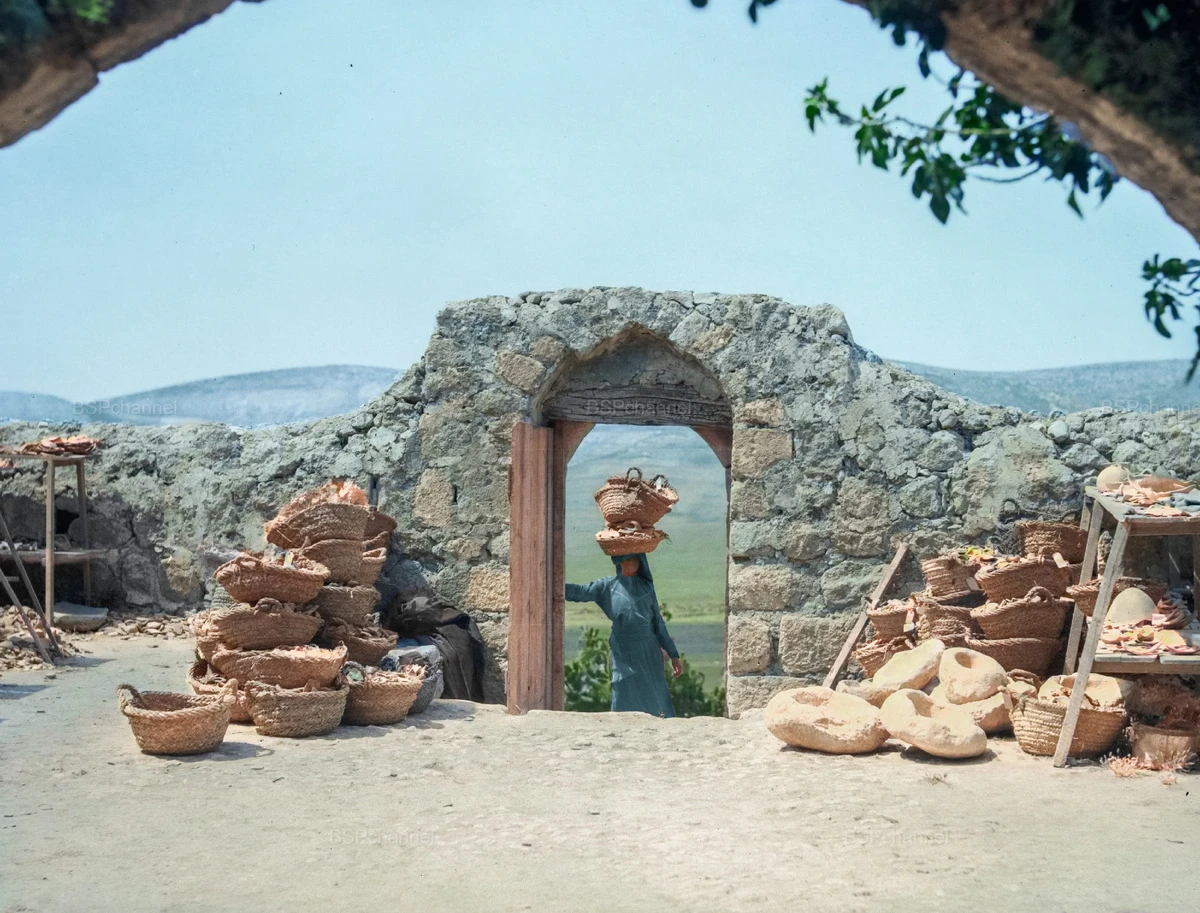
Photograph from the collection of G. Eric and Edith Matson.
Cameroon, 1940s. 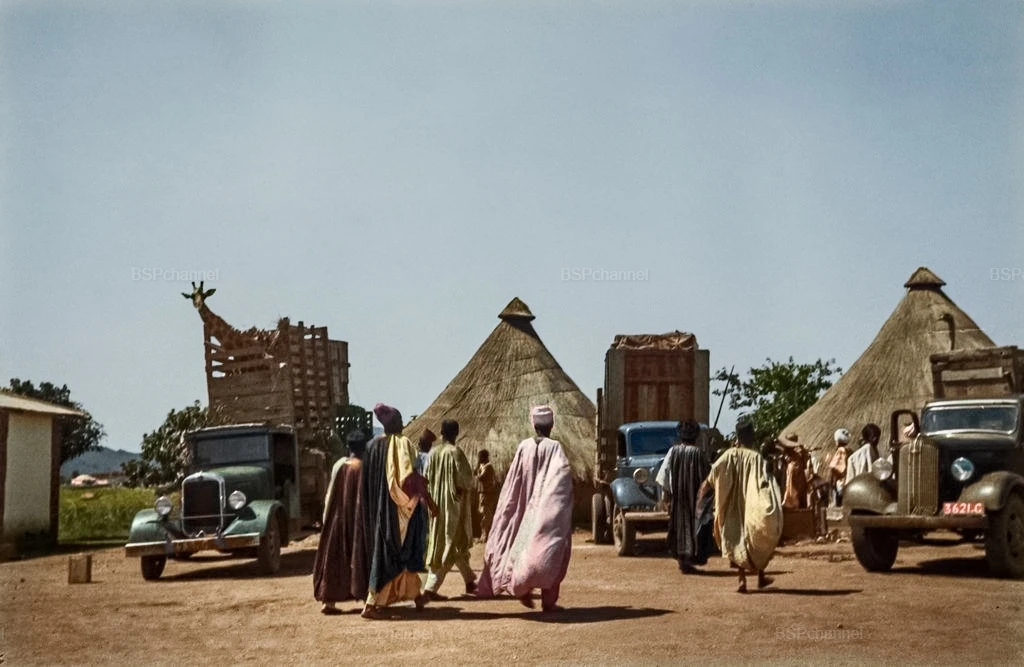
Dutch Indies (Indonesia), 1938. 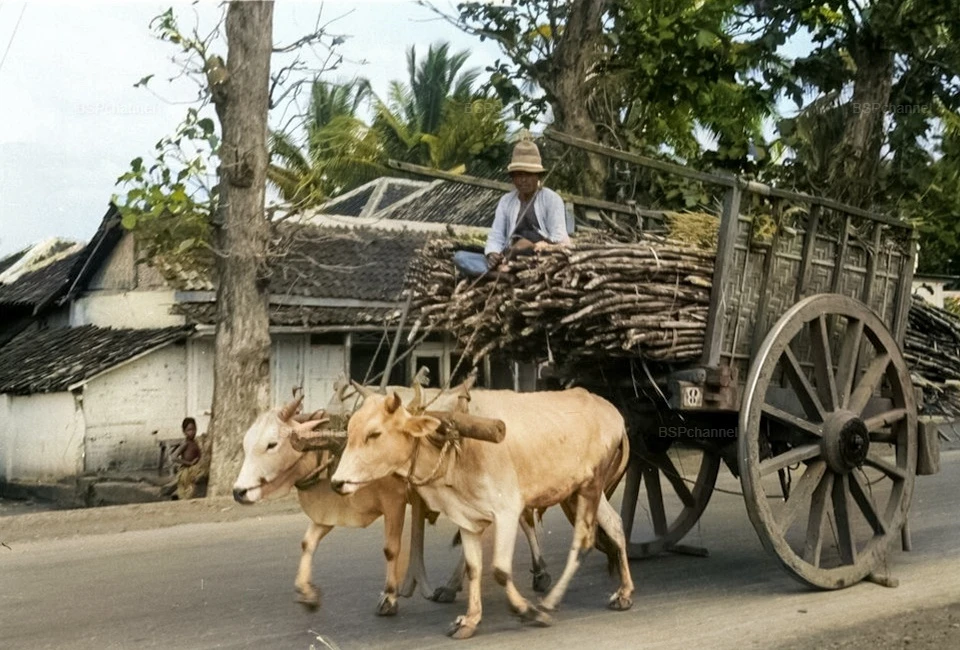
Theresia, a three-year-old daughter of a Pelli Bay Indian, stands next to a snowman carved by her father, 1951. 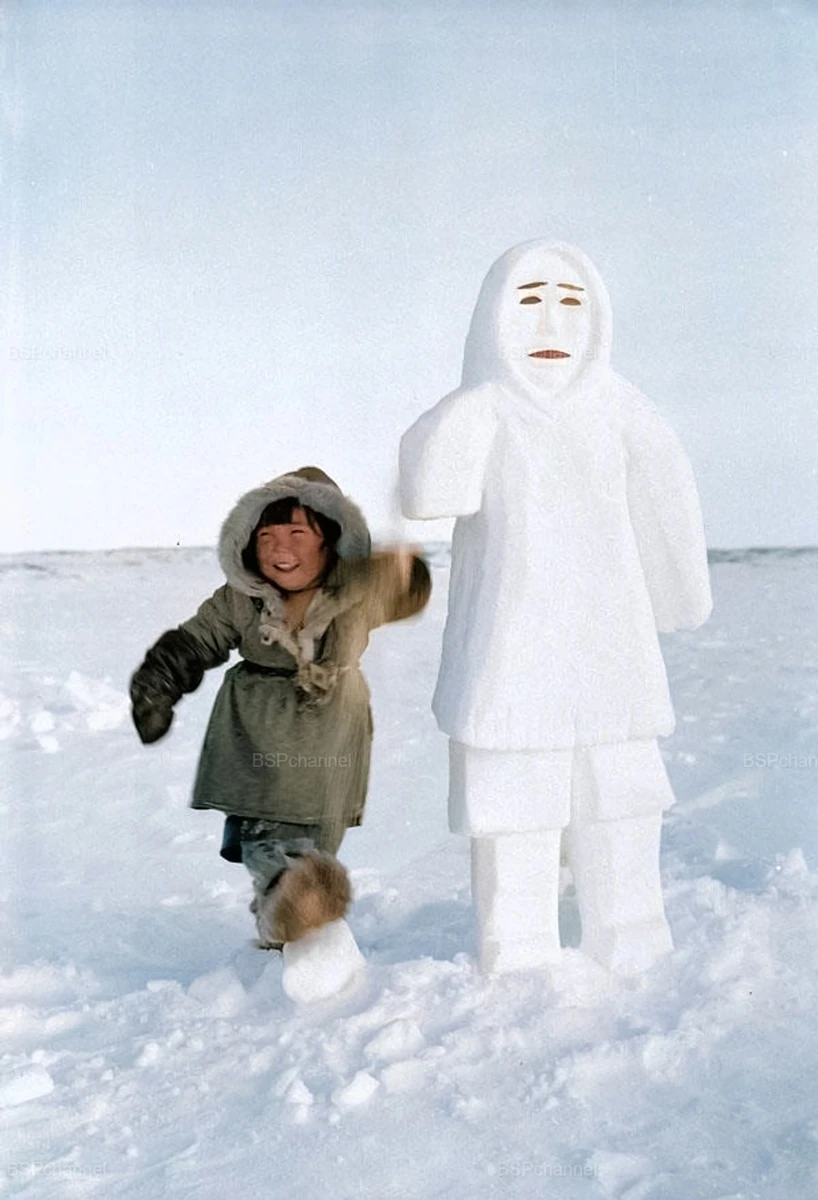
Photographer: Richard Harrington
Tombs and Mosques of Sultan al-Ashraf. Cairo, Egypt. 1900-1920. 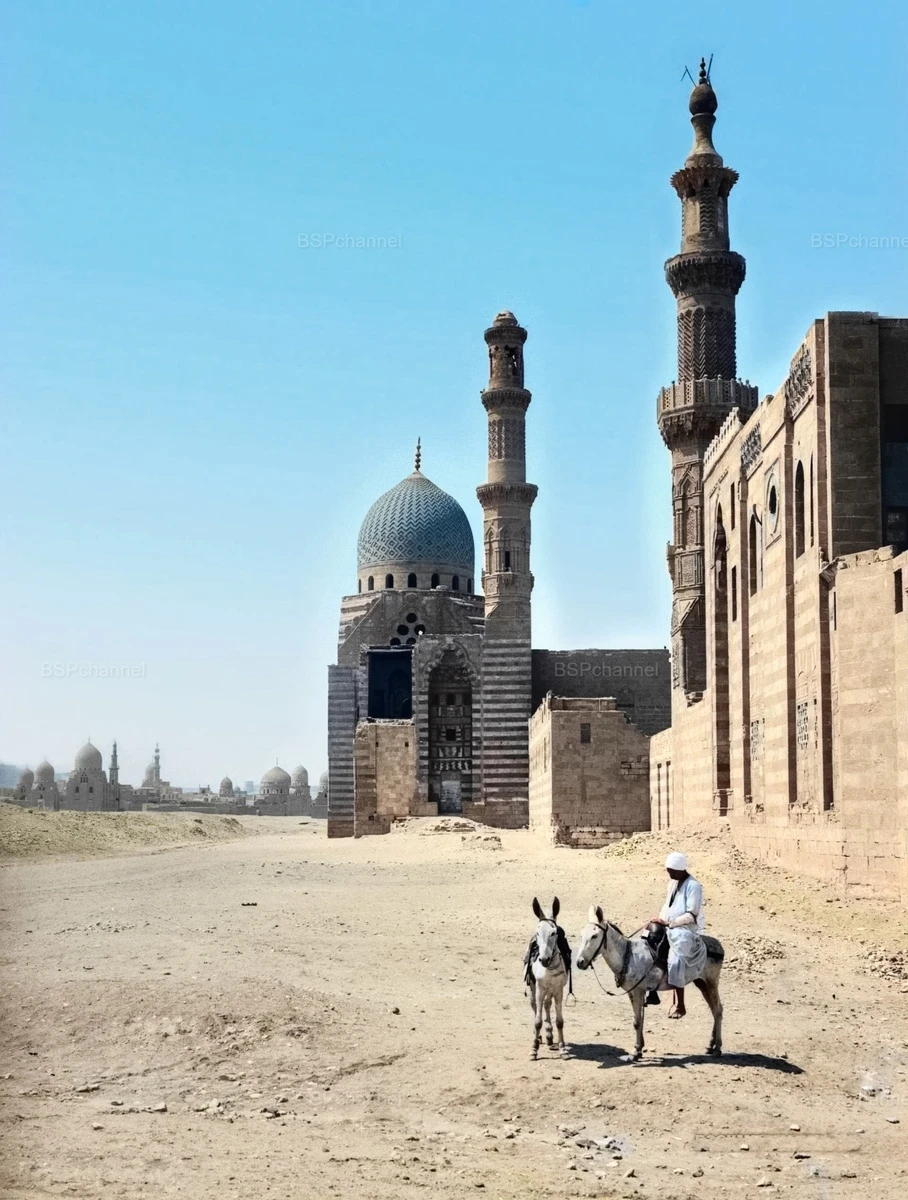
Oil fires. Kuwait, 1991. 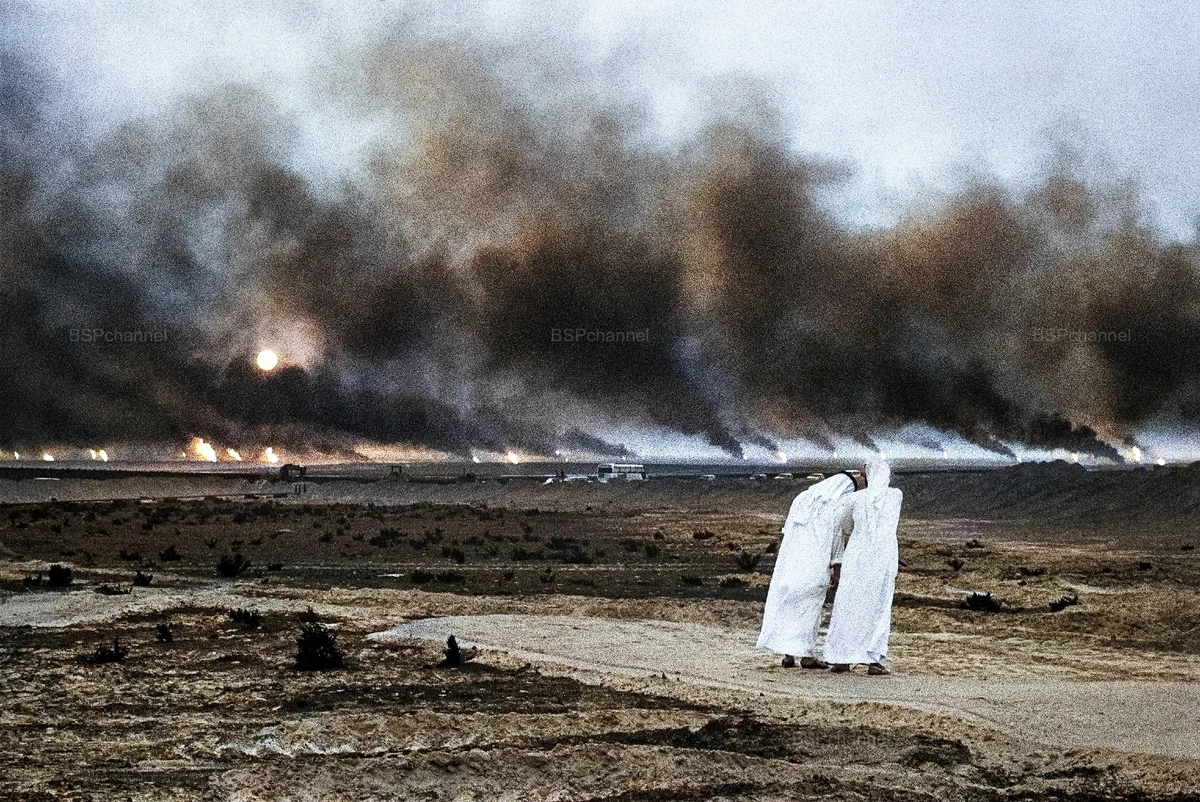
Photographer: Sebastião Salgado
One of the most dramatic and visually stunning aftermaths of the Gulf War. Retreating under the onslaught of coalition forces, Iraqi troops set fire to more than 600 oil wells, turning the Kuwaiti deserts into a hellish spectacle: black plumes of smoke blotted out the sun, the sky turned crimson, and the ground was covered in oil sludge. The flames raged for months until international rescue teams, including experienced "oil firefighters" from around the world, brought the blaze under control.
A Swedish weightlifter celebrates after lifting weights at the Olympic Games. Montreal, Canada, 1976. 
Pictured is Swedish weightlifter Lennart Dahlgren (full name Folke Lennart Roland Dahlgren), known by the nickname "Hoa-Hoa." Although he only finished eleventh at the Olympics, missing the podium, he is remembered for a truly stunning photo.
Child Protection Center. São Paulo, Brazil, 1996. 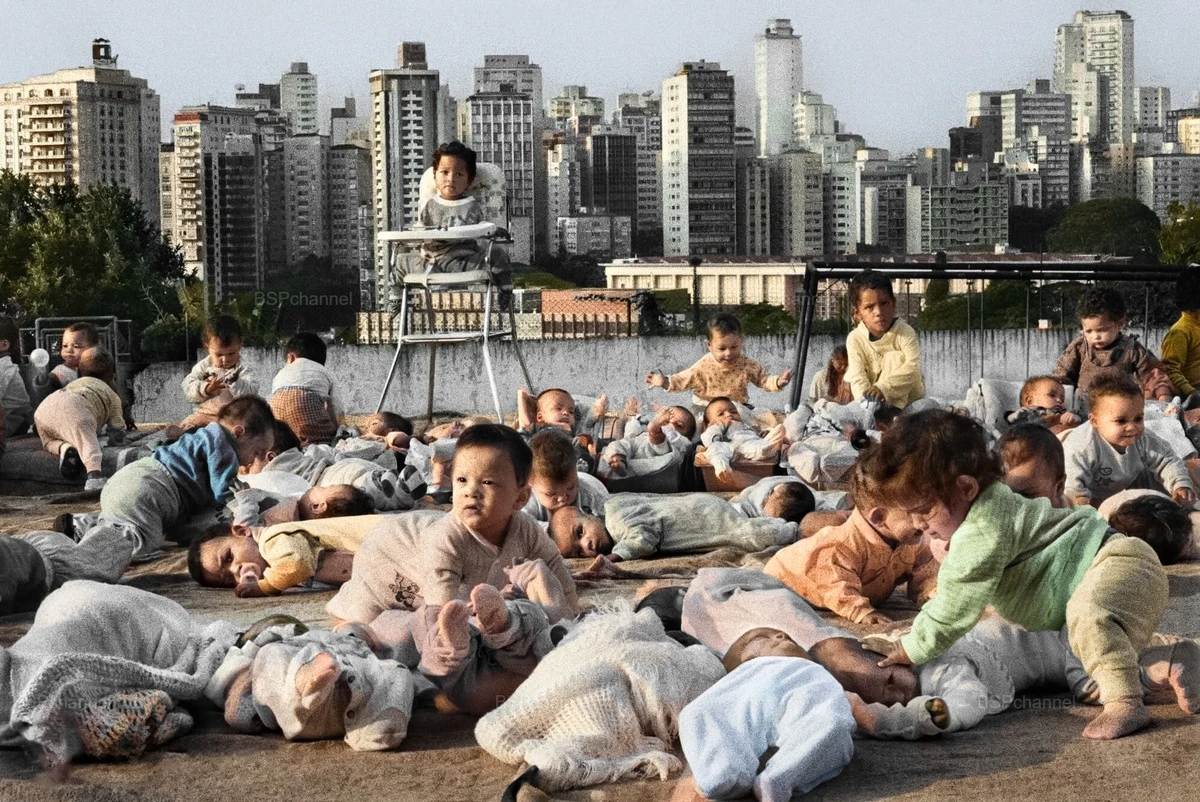
Photographer: Sebastião Salgado
This photo shows children abandoned by their parents playing on the flat roof of the FEBEM center in the Pacaembu district of São Paulo. The facility houses 430 children: 35% were found abandoned on the city streets, while the rest were deliberately abandoned by their parents, unable or unwilling to care for them.
Fisherman. Magdalena, Colombia, 1939. 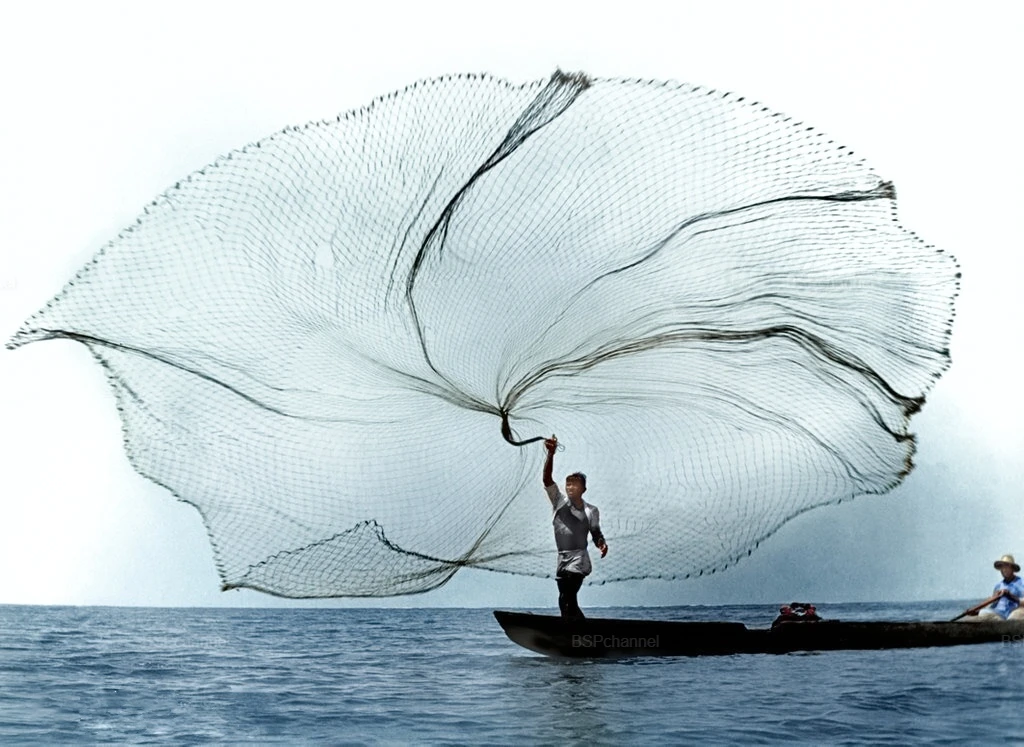
Photographer: Leo Matis
German East Africa (Tanzania), 1901-1905. 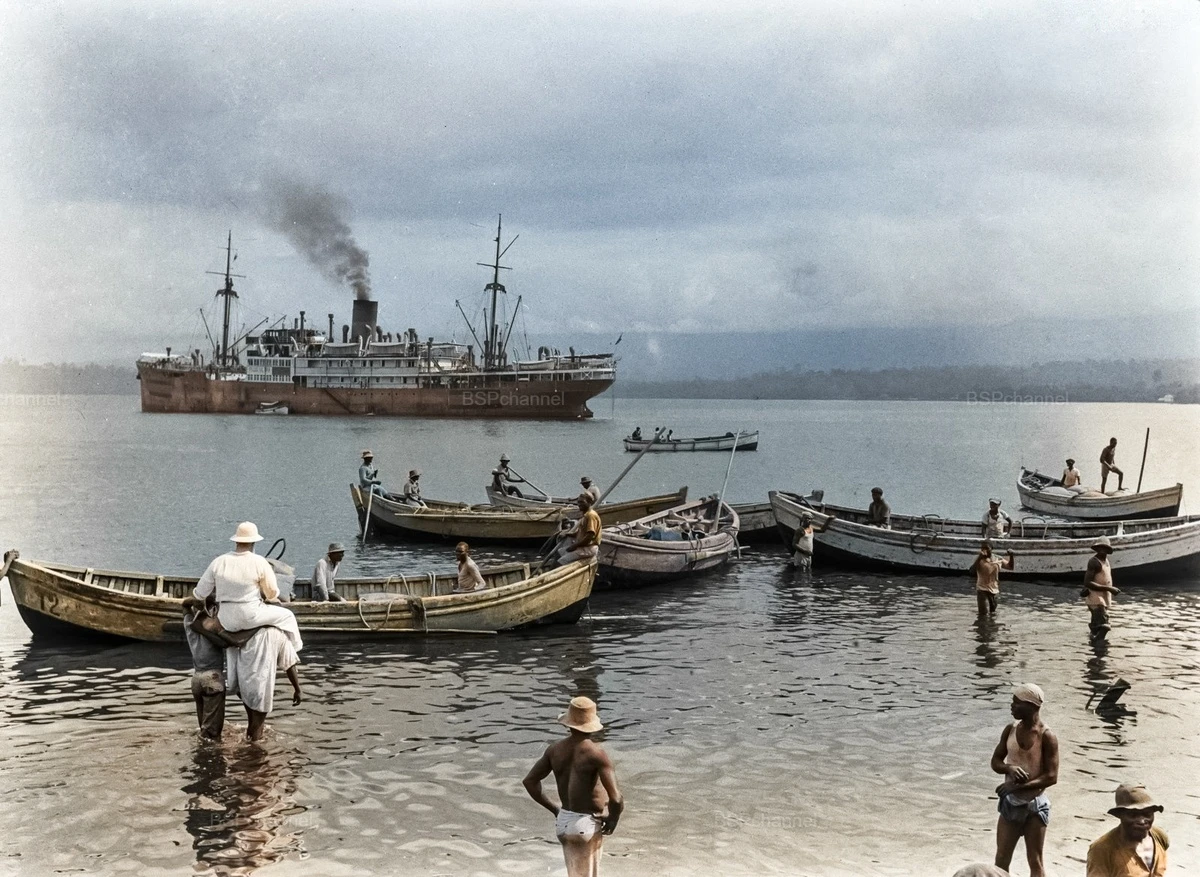
Photographer: Viktor Karl Uhlig
A period of harsh colonial rule marked by widespread resistance from the local population and the repressive policies of the German authorities. During these years, the German Empire consolidated its control over the colony, actively developing plantation agriculture: coffee, rubber, and sisal were grown using forced African labor. Roads, railways (including the famous Tanzania Railway), and administrative centers were built—but all this was accompanied by harsh exploitation and violence. Particularly tragic were the years 1905–1907, during the Maji Maji Rebellion, which engulfed the southern regions of the colony. Although the rebellion began in 1905, its preconditions—discontent with taxes, the forced labor system, and the destruction of the traditional way of life—had already been brewing in the first years of the century. German troops brutally suppressed the rebellion, resulting in the deaths of 75,000 people.
A bridesmaid and two girls carrying flowers enter St. Mark's Church. New South Wales, Australia, 1930s. 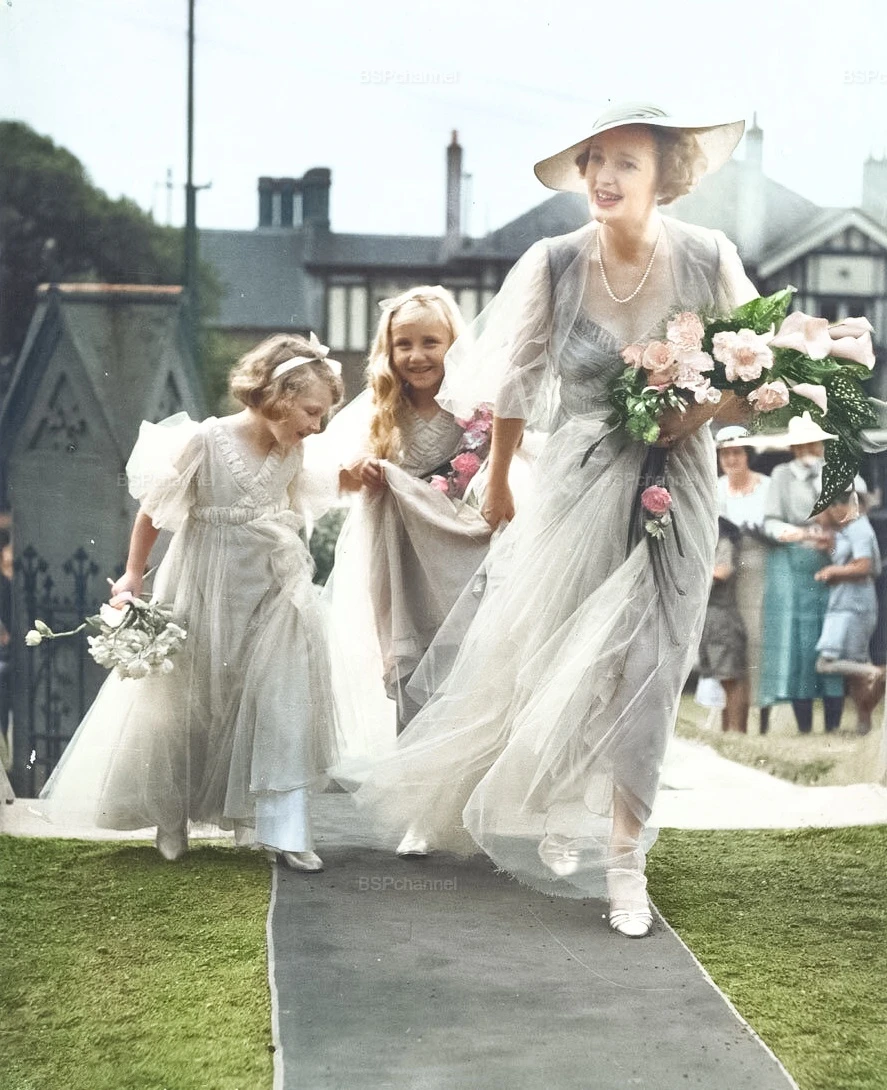
Photographer: Sam Hood
Sudan, near Wad Medani, 1976. 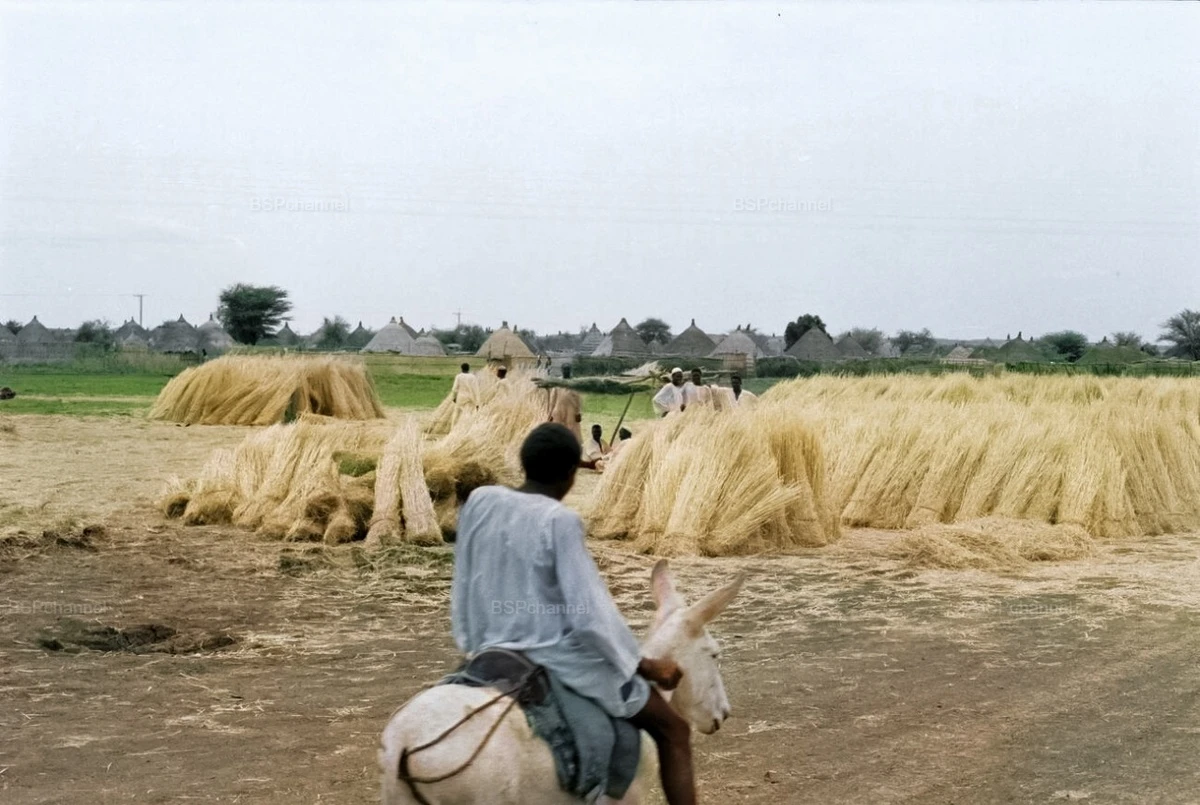
Photographer: Jan Treilen
In the new village on the outskirts of the city, stacks of reeds and straw served as the main material for the roofs and walls of huts and houses.
Tourists at the Giza Pyramids. Egypt, early 20th century. 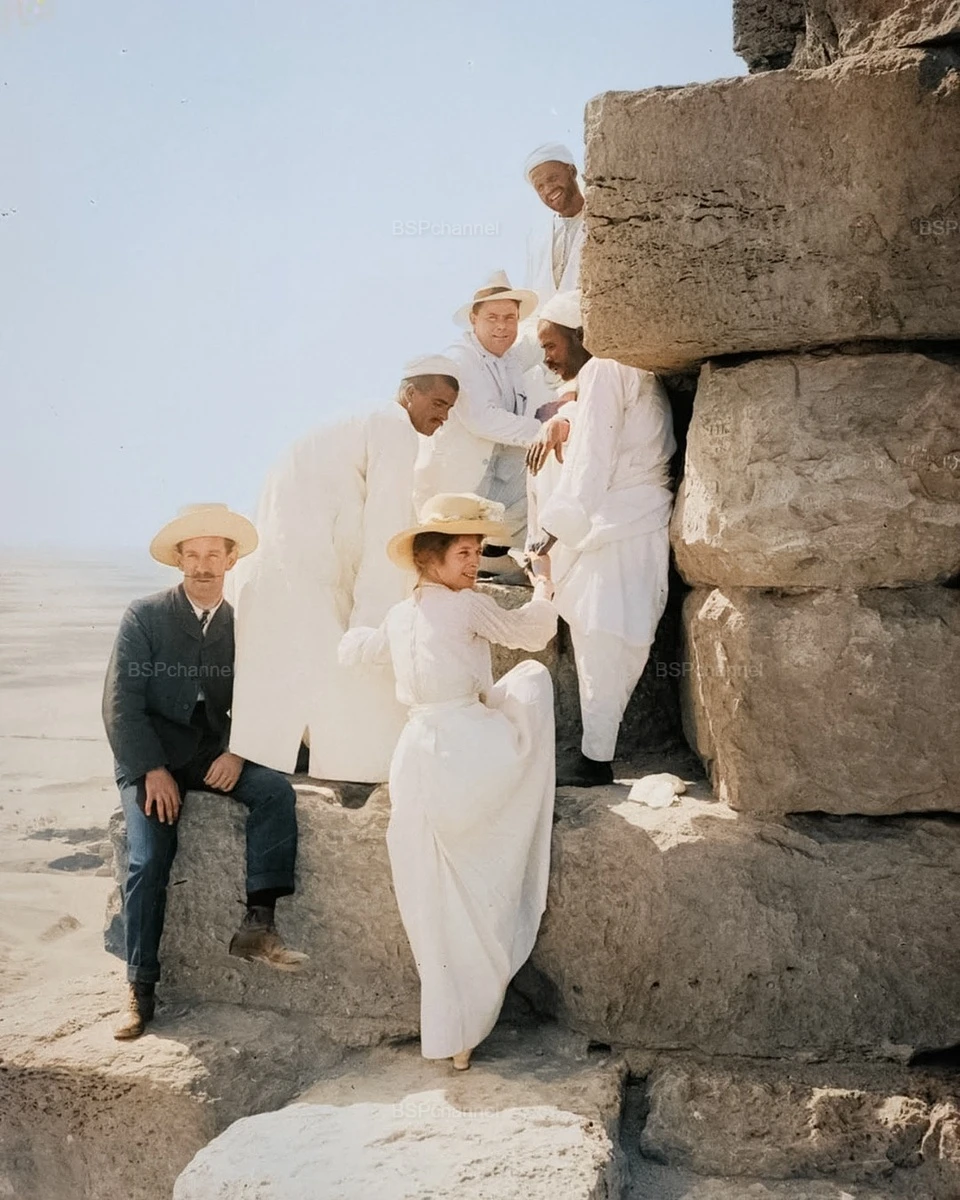
A woman carries flowers on her head. Port of Spain, Trinidad, 1956. 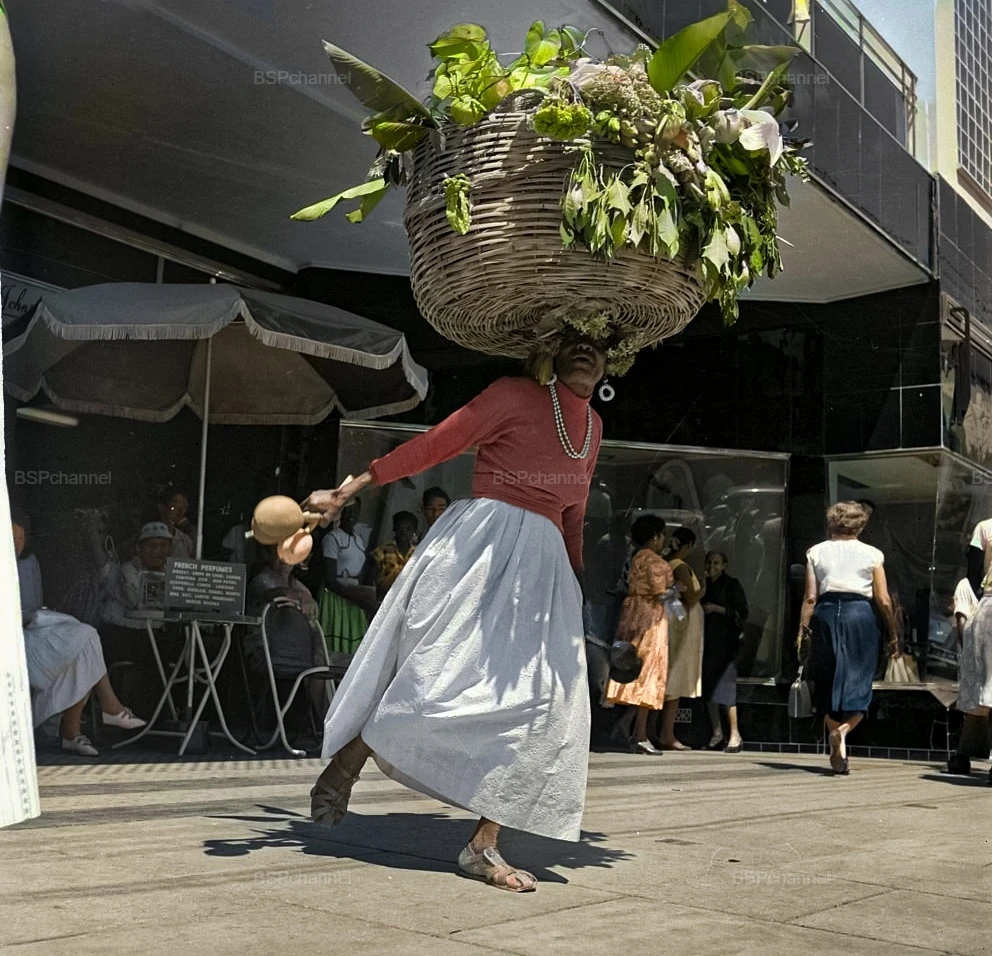
This method of carrying loads, combining practicality and grace, was common in the Caribbean and reflected both local traditions and the cultural heritage of the African and Indian communities that inhabited the island. Port of Spain in the mid-20th century was a city where the colonial past, tropical everyday life, and the growing desire for independence (Trinidad would achieve it in 1962) intertwined.
because!