Remember the magician in the black mask? Who was he really? And why did the entire "magic" industry hate him? (14 photos)
In the late 90s and early 2000s, television was swept up in a veritable magic frenzy: shows featuring stunts, illusions, revelations, and grand theatrical deceptions drew millions of viewers. 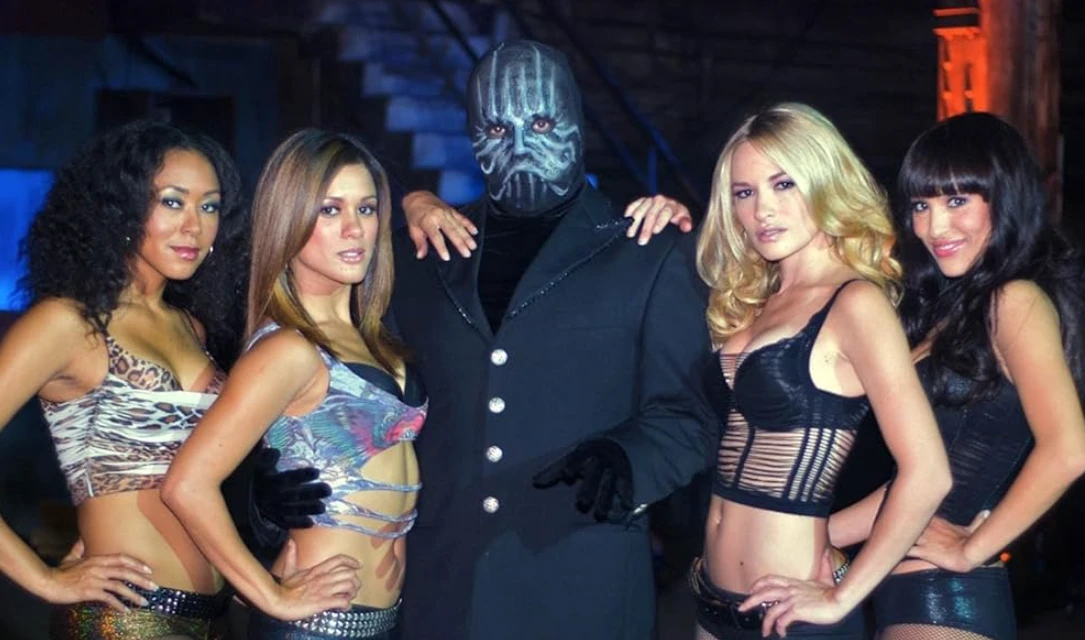
Among all these programs, one stood out in particular: "Secrets of the Great Magicians. Beyond the Tricks," in which a man named "Mr. M" entered the arena, instantly becoming a symbol of mystery. He wore a black mask, concealing his face and voice, and a cult following grew around his image.
For some, he was a hero who opened the doors to a hidden world of illusion. For others, he was a violator of sacred rules, a man who revolutionized an entire industry. His appearance sparked controversy, people tried to discover his name at any cost, and he gradually became a legend surrounded by rumors. 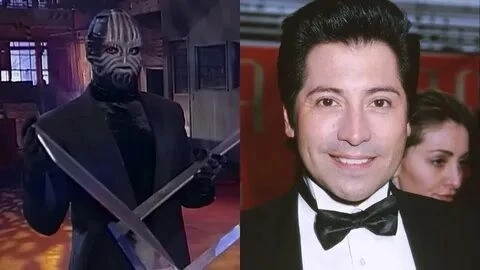
Over the years, this "magician in a black mask" has raised more questions than answers. Who is he? Why did he hide his face? Why did his image become so controversial that it led to a veritable war in the world of professional magicians? This story is much deeper than it seems at first glance—and far more dramatic than a typical television scandal.
A Childhood Under the Lights: The Birth of an Illusionist 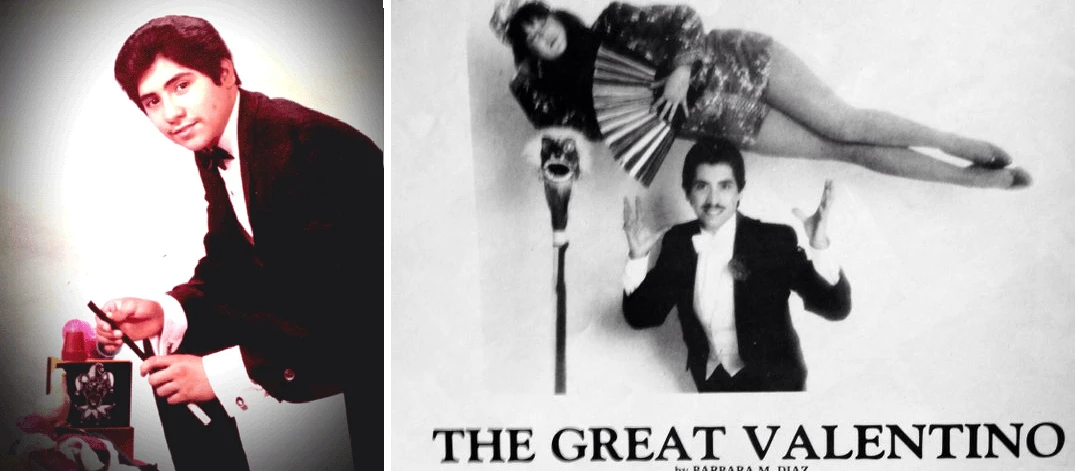
The future "Magician in the Black Mask," nicknamed Val Valentino, was born into a family where magic was part of everyday life. His father, himself passionate about the art of illusion, considered magic not just entertainment, but a way to develop character, imagination, and artistry. He repeated a phrase to little Leonard that would later become his life credo: "Magic is 95% show and only 5% trick."
The boy's surroundings were filled with props, books on classic illusions, antique magic kits, and memories of great performances. But most importantly, his father forced him to practice endlessly, teaching him not just the mechanics of "disappearing" or "levitating," but how to work with an audience, how to move correctly, create tension, and captivate an entire crowd. 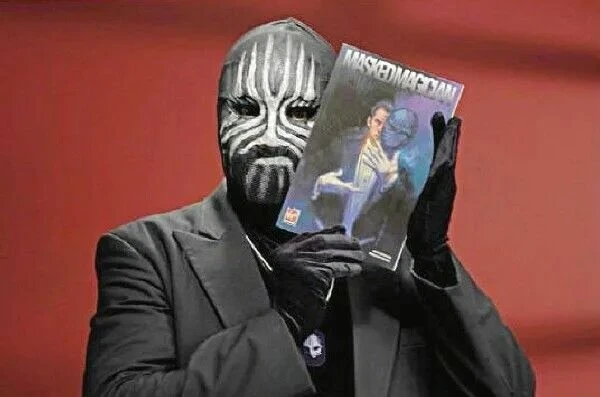
By his teens, Leonard Montano (his real name) already possessed a set of skills that others could only dream of: an understanding of magic, sleight of hand, confidence, artistry, a sense of rhythm, and the ability to build a show. He truly dreamed of becoming great.
But the path to the heights of the illusion world almost always turns out to be much more difficult and longer than it seems in youth.
Early Successes and the Bitterness of Defeats 
By the early 1990s, Leonard Montano was no longer a novice. He adopted the nickname Val Valentino, performed in Las Vegas, appeared in matinees, performed magic tricks, and even created his own unique acts. However, his name as an illusionist never became "that one name" that evokes whispers of admiration (as happened with figures like Houdini) or that draws millions of spectators.
The magic industry is a closed world where status, connections, and original illusions are valued far more than hard work. To achieve fame, it's not enough to simply master standard tricks. You need to have a unique style and charisma, devise revolutionary tricks, or cultivate the friendships and support of wealthy American producers.
Leonard had a little of everything, but nothing in excess. He was good, but not charismatic, like the then-rising (for example) magicians Criss Angel or David Blaine. Talented, but not outstanding.
And perhaps this long-standing feeling of his own undervalued talent repeatedly drove him toward the idea that would one day change his life.
How and why did Val Valentino become a whistleblower? 
When the Fox network began developing a concept for a show that would debunk magic illusions, the producers faced an obvious problem: finding an experienced and talented magician willing to publicly violate the unspoken code of their profession.
In other words, this person would essentially have to sell the knowledge that feeds the entire industry, every magician and illusionist worldwide. After all, if people knew the secrets of the most complex and marketable tricks, they would hardly want to go to the show, meaning many magicians and illusionists would be left without a living.
For almost a year, Fox couldn't find a professional willing to reveal the most intimate secrets of the world of illusionists; almost all the industry's masters refused. But Val Valentino, after hearing the proposal, agreed. And only on one condition: he would wear a mask and conceal his true voice. 
He offered his official explanation later, in a four-minute speech on the final episode: magic, he said, was losing popularity, giving way to video games and movies; audiences were no longer amazed by the talent of illusion; so he decided to reveal the biggest secrets of illusionists to increase interest in the art; he sought to encourage magicians to "let go of old and outdated tricks" and move forward, invent something new and surprising to modern audiences.
These words sounded beautiful, especially the appeal to the love of art. But many magicians saw this as a betrayal of their profession, especially when he began revealing completely new tricks in the show's second season.
As renowned American magician Criss Angel emphasized, Valentino's show was devoid of creative essence, as audiences come to illusionist performances for the art itself, not for dry explanations of tricks.
Millions, ratings, and international fame 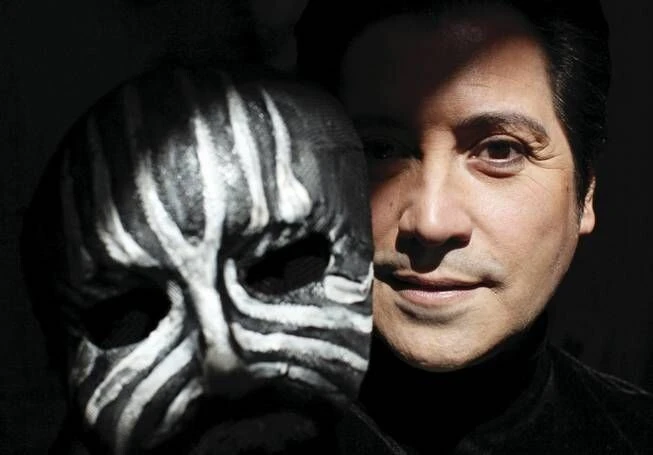
The very first episode of the program became a sensation. In November 1997, the episode attracted 24.2 million viewers, becoming Fox's highest-rated special at the time. It was an audience Valentino could only dream of in his career.
The show was sold abroad, rerun countless times, and new episodes were released. Money flowed in: producers, investors, the network, and, of course, Valentino himself—all earned millions of dollars. 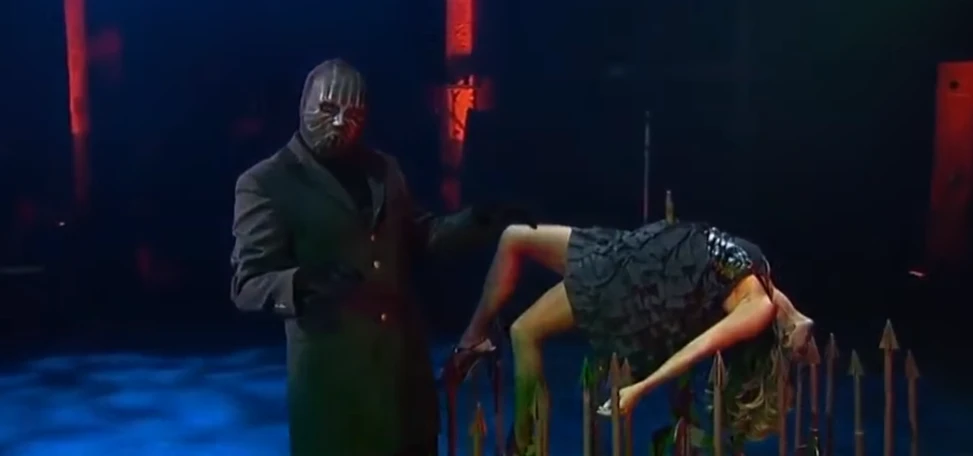
The exact amounts were never disclosed, but experts are certain Valentino earned a fortune in the millions.
Why did the magic industry hate him? 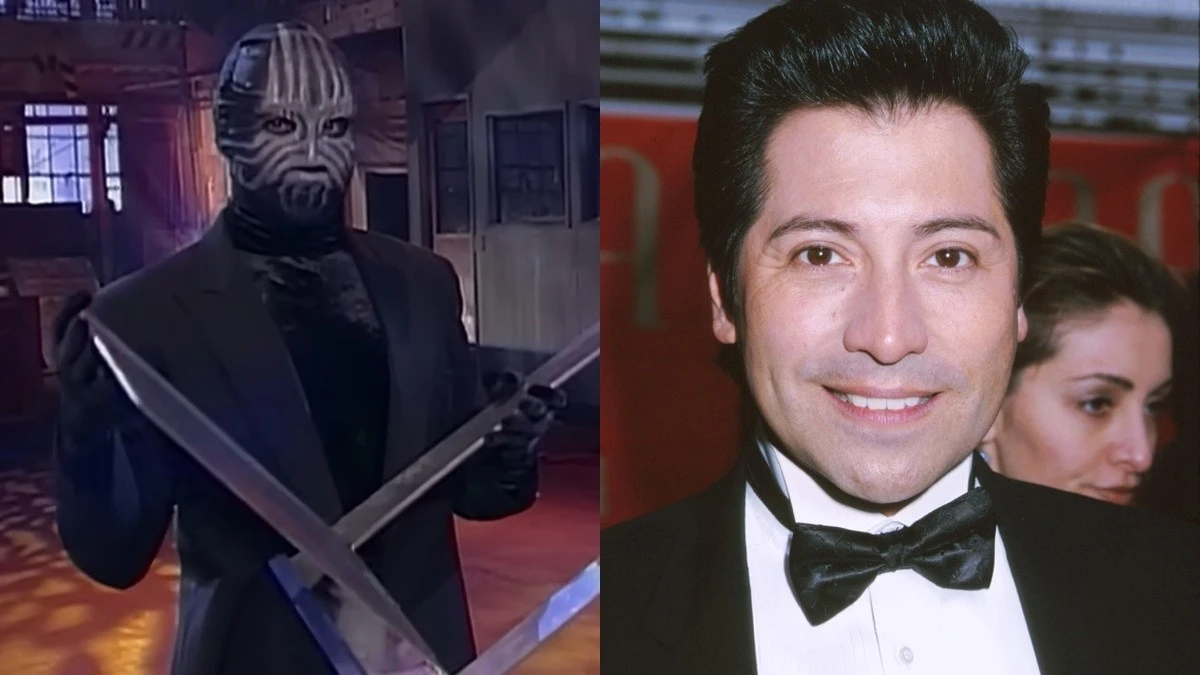
Although Valentino had achieved what he had been striving for for years: worldwide fame, media attention, and the status of a figure no one could ignore, he also acquired another kind of fame – the fame of a traitor.
The world of magicians took the appearance of a masked whistleblower as a personal insult. There were several reasons for this hatred.
First, as we mentioned above, Valentino had broken the ancient, unspoken "code of silence." This was a sacred, unspoken tradition; it was permissible to reveal certain minor or personal tricks, but he had destroyed many tricks that had been kept secret for decades on live television.
Secondly, the revelations caused significant financial damage to the magic industry. Many complex tricks cost private illusionists tens of thousands of dollars, sometimes more. For example, married couple Kevin and Cindy Spencer were forced to cancel two expensive acts from their program, losing their investments. Other artists lost funding and entire shows: producers feared their projects would not be profitable, as audiences, having seen the revelations, might consider the secrets of their tricks too obvious. As a result, magicians who had spent time and money building unique props faced significant losses and reduced opportunities.
Thirdly, many artists claimed that Valentino performed incorrect, cheap, and even dangerous versions of tricks, misleading audiences about how truly powerful illusions work.
Fourthly, according to most of his colleagues, the main reason for Valentino's success was a simple combination of factors: money, ratings, and the chance to finally reach the top of a loser who had only managed to build a name for himself through the most nefarious means (by exposing other people's tricks). 
The united hatred was so strong that he was effectively expelled from the professional community.
He received threats of boycotts and calls to cancel his performances even from leading producers who provided venues for magicians in the US and Europe. Finding venues for his own shows, finding people to perform, and acquiring, ordering, or making the necessary props became increasingly difficult for Valentino. He literally became an outcast in the International Society of Magicians.
Losing interest and producers refusing to work with him 
And as soon as the Fox show's ratings began to decline, Valentino's fate was sealed. The producers, who had previously seen him as a gold mine, now realized they no longer needed him. The scandal had run its course. The magic community treated him like a pariah.
Inviting him to any other show would have meant opening a front against the entire magic industry. Magicians refused to work with networks that supported Valentino, including popular ones. Many producers simply didn't want to associate with Valentino. Even from Las Vegas, where he had previously performed quietly. 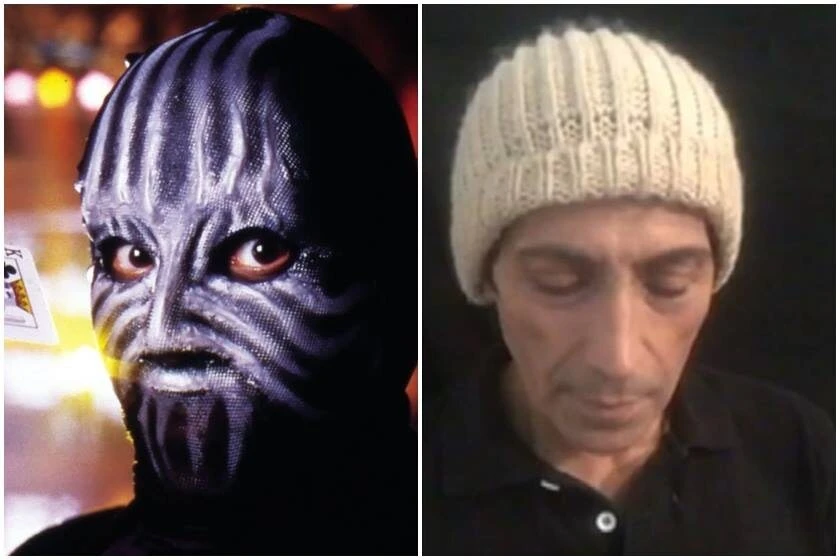
In other words, Valentino lost all his previous contracts and offers and became a hostage to the image he had created. The mask brought him fame, but it took away his life's work.
After the Fox television show ended, it became clear that Valentino could no longer perform as a regular magician. Viewers only wanted more revelations from him. He tried to revive the image in other formats, investing his own resources in projects, but success was short-lived.
His professional life effectively ground to a halt.
The world of magic and conjuring survived, becoming even more vibrant. 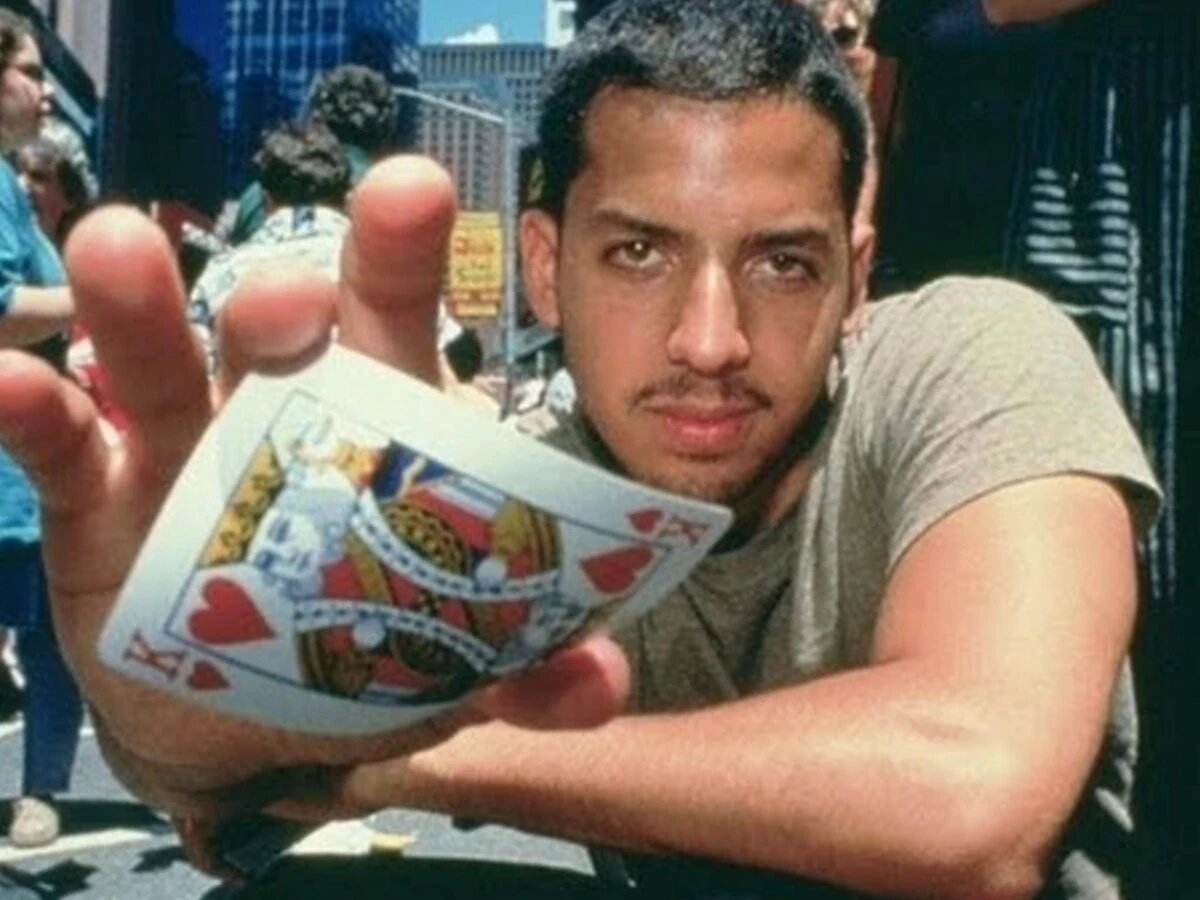
Valentino claimed that magic was "dying," that audiences had become indifferent. But the reality turned out to be the opposite.
In the same year, 1997, when the first episode aired, David Blaine debuted, introducing the world to a completely different approach – street magic, simple, intimate, yet incredibly captivating. Valentino's show became just a raucous episode in the overall history of the art.
So the story of Val Valentino is the story of a man who broke with tradition, outdid himself, and became a prisoner of his own success. He wanted fame, and he got it. He wanted recognition, and he got it, but not the kind he expected. He wanted to change magic, and he did change it, but at the cost of losing his place in this world forever.
He went down in history not as a great illusionist, but as the most famous traitor to his profession, who sacrificed his career for money.