Why the Japanese are ashamed and unable to take vacations (7 photos)
A recent survey in Japan found that approximately 60% of Japanese workers feel guilty about taking vacation. And if they're sick, they almost always show up for work. It's their own fault if they get infected, and they should be ashamed! 
The famous Japanese word "karoshi" 
A Japanese person working until 11 AM is a CLASSIC
This is a purely Japanese word, known in other languages. Because dying at work from overwork may happen in other countries, but only in Japan is it a stable social phenomenon. And no matter what new requirements the authorities introduce to combat this, nothing works. The Japanese themselves don't take vacations! Paid leave utilization rates in Japan remain low, and many workers still struggle to get time off.
Why the Japanese don't take vacations 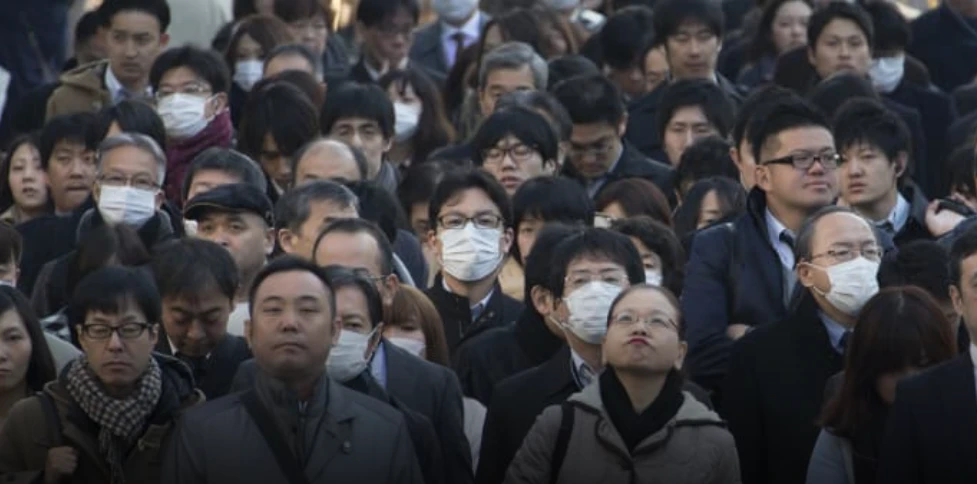
Tired Japanese go to work in the morning even though they're sick
The fact is, they experience psychological pressure if they take their well-deserved vacation. It's not their bosses who are to blame, but the psychology of the typical Japanese. When asked why they feel guilty, young people say they're not bothered by "causing problems for colleagues" or "because others are still working." The most ironic thing is that in a social survey, 69.2% of Japanese people said vacation interferes with their work! 27.8% noted that unexpected tasks make it difficult to plan vacations. 14.3% noted that colleagues or managers don't take vacations themselves. Furthermore, 10.5% of respondents feared a negative impact on their performance evaluations. 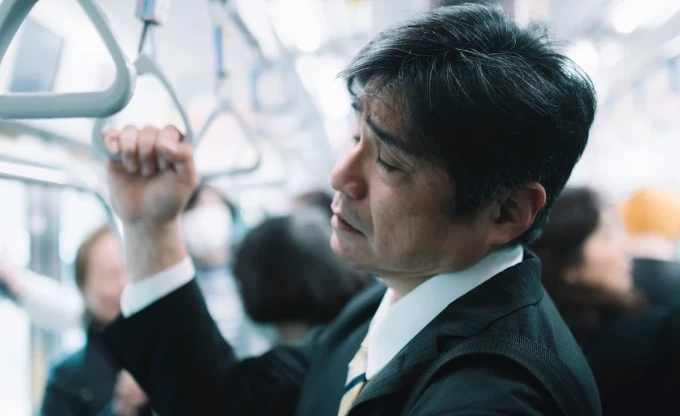
Sleeping standing up like an elephant is a skill common in adult Japanese.
And 26.06% of young people consider skipping vacations a virtue. This is the highest rate among all generations! And you say young people don't want to work. For some reason, everyone thinks that older people don't know how to relax, but the survey shattered all stereotypes. Young people in their 20s and 30s are even more workaholics. Incidentally, these same young people often work overtime and rarely ask their elders for help. 
The Japanese gave us karaoke and karoshi; what a versatile nation...
The deep cultural roots of Japanese anxiety
It's become so common for young people to associate vacation with anxiety, guilt, and a feeling of betraying their colleagues. "I go to work even when I'm sick, because work will stop if I rest." "I feel anxious when I decide to take a vacation." "Coworkers judge parents who skip work because their child has a fever." "I think about work even on holidays." This sentiment has been ingrained in Japan for CENTURIES. Even during the Edo period, people worked diligently to pay taxes. The entire country lived by the motto "he who doesn't work, neither shall he eat." And since the emperor is the sun, the sun watches whether you work all day long. They didn't even need bosses to keep their backs straight. Then feudalism disappeared, and an era of economic growth and technological advancement began. And then the slogan was born: "Can you fight 24 hours?" You were expected to feel pride in your long hours. This outlook on life reinforced the belief that "not taking a vacation" was a virtue. 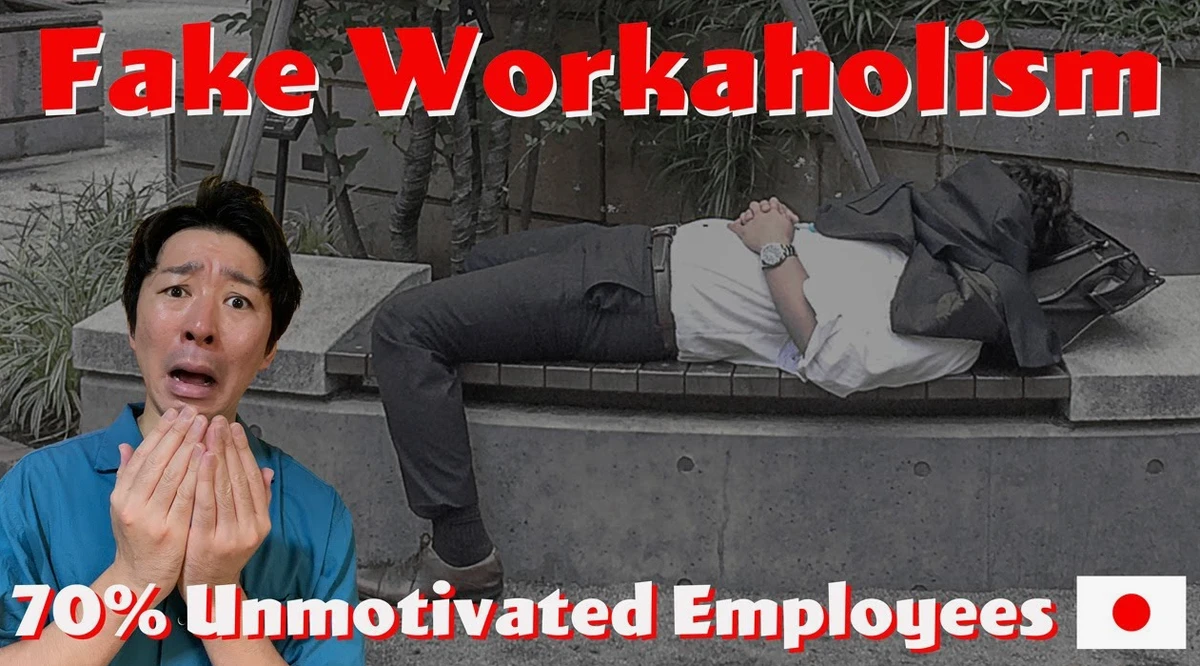
Where we learned to imitate frenetic activity, the Japanese taught.
In Japan, from an early age, we are taught not to disturb others and to respect group cohesion. This simultaneously puts terrible pressure on individuals who create problems. Even in school, students are still given certificates of merit for excellent attendance. So, if you were sick and didn't show up, but still passed your exams, you're still not a very good student. It's truly a case of "fatigue being the measure of performance here." And in this deep-seated system of personal responsibility, all companies are "rotten from the inside" according to this pattern: each employee is trained only for their own skills. Only one person knows how to use Excel, for example. And if he goes on vacation, NO ONE can fill out the spreadsheet for him. 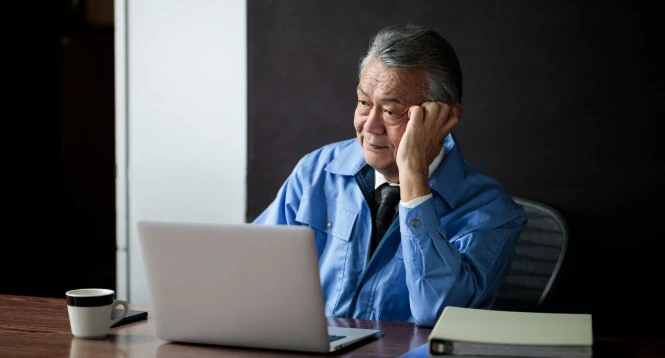
The worst part is that the company's leaders can't be replaced either, and when they die, downright panic sets in.
Companies simply don't feel the need to train even two people in the same skills so they can cover for each other during vacation. Why bother? After all, the Japanese themselves don't want to take vacations. You could literally delegate all the responsibilities to one person, and they'd be stuck. And this same hyper-responsibility of the Japanese created and nurtured this monster. So, by all means, take vacations; don't be afraid to be replaceable!