Cybertruck Owner Sues Tesla After Accident, Calls Musk an "Irresponsible Huckster" (1 photo + 1 video)
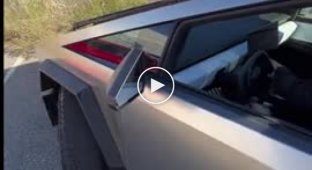
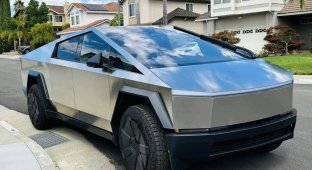
Lawsuits from victims of Tesla electric vehicle accidents that occurred with the vehicle's safety systems activated are no longer uncommon, but the lawsuit filed by a Cybertruck pickup truck owner in Texas stands out due to its related claims. She accuses Tesla's board of directors of allowing Elon Musk to lead the company and produce unsafe vehicles. 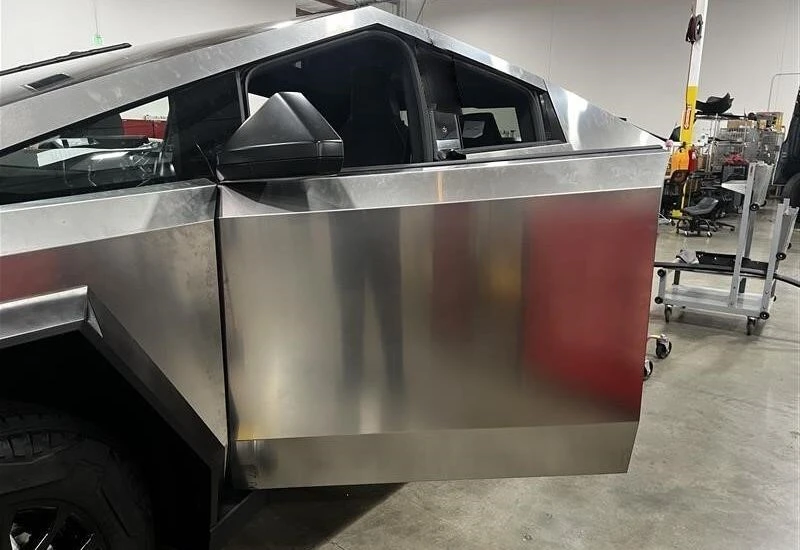
According to Electrek, the lawsuit is filed by Texas resident Justine St. Amour, who purchased a used Tesla Cybertruck with the FSD system activated in February of last year and was involved in an accident in August of that year that could not have been prevented even with her active intervention in the vehicle.
According to the case file, on August 18, 2025, the plaintiff was driving a Cybertruck pickup truck with an active FSD system at a Houston interchange, attempting to make a turn at a Y-shaped junction on an overpass. The truck, in automatic mode, followed a right-hand turn, but lost its trajectory at a widening of the roadway and went straight ahead, striking a concrete barrier and a light pole. Another section of the road ran under the overpass, and if the impact with the light pole had not thrown the truck backward, it could have fallen a considerable distance due to inertia, significantly increasing the damage.
According to the plaintiff, when the truck veered off course, she grabbed the steering wheel and attempted to correct the situation, but this was unsuccessful. The lawsuit seeks $1 million in compensatory damages, as well as punitive damages against Tesla. The plaintiff also accuses the company's board of directors of negligently retaining Elon Musk as CEO, believing him to be insufficiently competent in product development and safety matters. Specifically, Musk is accused of rejecting Tesla engineers' recommendations to incorporate not only radar but also lidar sensors in active safety systems, which would have improved the system's ability to recognize obstacles and moving objects on the road. As is well known, after developing Tesla's proprietary Autopilot system, the CEO concluded that it should rely on neural networks acting as a substitute for the driver's human brain and a camera system that replaces the eyes. Tesla abandoned other types of sensors to save money.
In the lawsuit, Saint-Amour calls Musk "an aggressive and irresponsible salesman with a history of making dangerous design decisions and overpromising about the capabilities of his products." The plaintiff's representatives call the FSD system in its current form "defective and unreasonably dangerous," in part due to false marketing claims. The lawsuit classifies FSD as a Level 2 autopilot system under the SAE classification, requiring continuous driver involvement. The inclusion of the words "full self-driving" in its name, according to the prosecution, creates a false and dangerous impression among Tesla customers about the capabilities of the on-board automation.
There is also a complaint about Tesla's non-disclosure policy, which prevents FSD users from sharing data about its operation and effectiveness. The NHTSA has previously noted that such restrictions affect its ability to conduct relevant investigations related to FSD. Tesla already lost a fatal accident case this year in which FSD was only partially at fault, and although a pre-trial settlement could have limited the company's damages, its overconfidence resulted in it having to pay $243 million.