Cilantro: why Mexicans adore it, while Europeans spit it out (5 photos)
Cilantro's history dates back at least 5,000 years. Its seeds were found in Tutankhamun's tomb, it's mentioned in the Bible, and it was cultivated by the Romans and Persians. But only in the 21st century was science able to explain why this ancient plant evokes such polarized reactions—and why your attitude toward it was likely predetermined even before you were born. 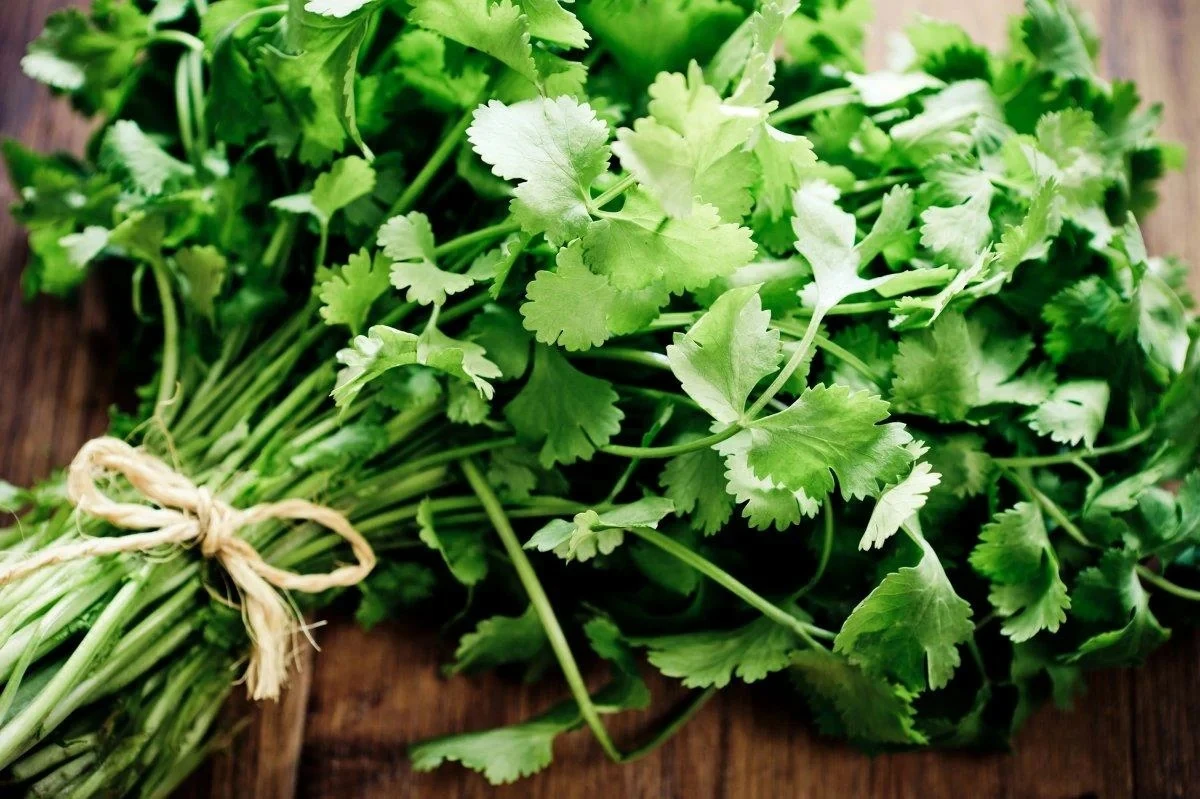
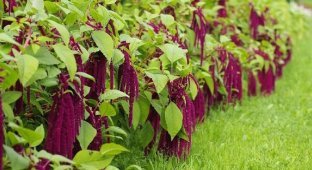
I'll haunt your nightmares
The Molecule of Discord
Coriander (Coriandrum sativum) is an annual plant in the Apiaceae family, related to carrots, parsley, and dill. We call the leaves "cilantro" and the seeds "coriander," although they are the same plant. The fundamental difference lies in the chemical composition: the leaves contain aldehydes, which are almost absent in the seeds. These aldehydes are what create that controversial aroma.
The key compounds are trans-2-decenal and trans-2-dodecenal. For most people, they smell fresh, citrusy, and slightly grassy. However, about 4-14% of the population perceives these same molecules as the scent of soap, dirt, or crushed bedbugs. The difference isn't in the molecules—they're identical. The difference lies in the receptors that these molecules detect.
In 2012, a team of geneticists led by Nicholas Eriksson conducted a genome-wide association study (GWAS) among 14,604 participants of European descent. The results were confirmed in a second sample of 11,851 people. The scientists discovered a single nucleotide polymorphism, rs72921001, on chromosome 11, in the olfactory receptor gene cluster. The prime suspect is the OR6A2 gene, which encodes a receptor that specializes specifically in aldehydes.
Carriers of the C allele of this polymorphism were significantly more likely to report a soapy taste in cilantro. The mechanism is simple: their OR6A2 receptor reacts more strongly to trans-2-decenal, sending an intense "soap" signal to the brain. People with the A allele receive the same signal, but weaker—and it gets lost in the background of other, more pleasant aromatic notes. 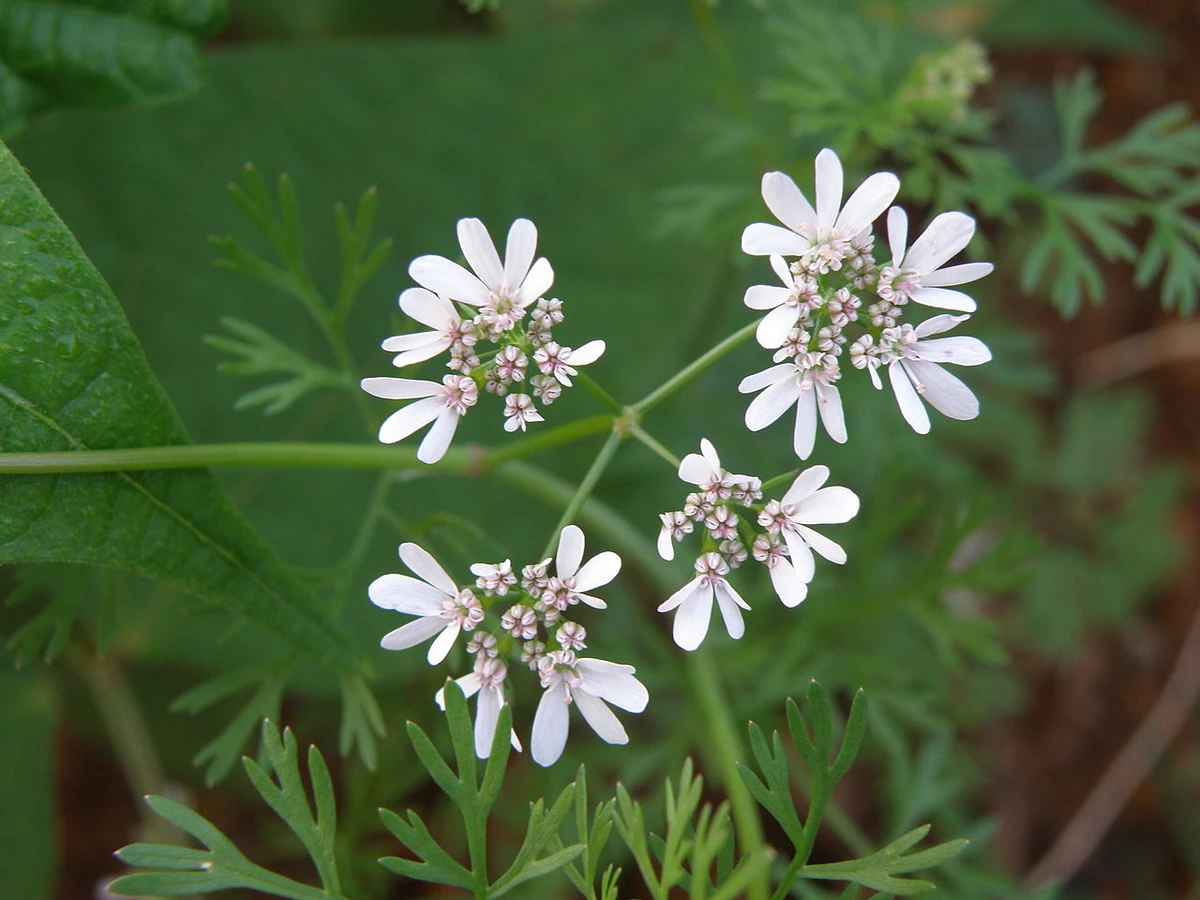
Flowering Cilantro
The Geography of Disgust
If aversion to cilantro were distributed evenly, it would simply be a genetic trait, like eye color. But the distribution turned out to be uneven—and that's where the real intrigue begins. A 2012 University of Toronto study revealed a striking pattern among 1,639 young Canadians of diverse backgrounds.
East Asians (Chinese, Japanese, Koreans, Vietnamese, Thai) showed the highest percentage of haters—21%. Europeans came in second with 17%. People of African descent—14%. South Asians (Indians, Pakistanis)—7%. Hispanics—just 4%. Finally, people of Middle Eastern descent showed only a 3% aversion rate—meaning 97% of them love cilantro.
The paradox is striking: the cultures that use cilantro most often have the lowest percentage of haters. Mexican, Indian, and Middle Eastern cuisines are literally built on cilantro—and it is precisely these cultures that are least likely to dislike it. The question arises: which comes first—genes or habit?
The answer is likely "both." Twin studies have shown that the heritability of cilantro odor perception is 52%, while that of taste is 38%. This means that genetics explains approximately half of the variation, with the rest coming from environment and experience. People raised in cultures where cilantro was frequently consumed may have adapted to its taste even with the "unlucky" genotype. Or—and this is a more intriguing hypothesis—millens of culinary selection gradually reduced the frequency of the "soapy" allele in populations where cilantro was an important part of the diet.
Bedbugs, Soap, and the Ancient Greeks
The name "coriander" comes from the Greek "koris" (bug) and "annon" or "aneson" (anise). The ancient Greeks, unaware of genes or aldehydes, grasped the key: this herb smells like a crushed insect. Two and a half thousand years later, chemists confirmed their accuracy down to the molecule.
The brown marmorated bug (Halyomorpha halys)—the very same "stink bug" that has infested homes around the world—defends itself from predators by secreting a pungent secretion from glands on its abdomen. The main components of this secretion are trans-2-decenal and trans-2-octenal. The former is the same aldehyde that gives cilantro its characteristic aroma. When someone says, "Cilantro smells like bedbugs," they're not exaggerating or making a mistake. They're stating a chemical fact.
The connection to soap is no less literal. Saponification, the process of soap production, involves the hydrolysis of fats in the presence of alkali. Byproducts of this reaction include aldehydes, including trans-2-decenal. These are what give soap its characteristic "clean" scent. The OR6A2 receptor, tuned to these molecules, doesn't distinguish their source: cilantro, a bug, or a bar of laundry soap all send the same signal to the brain. People with a hypersensitive variant of the receptor receive this signal so loudly that it drowns out all other notes. 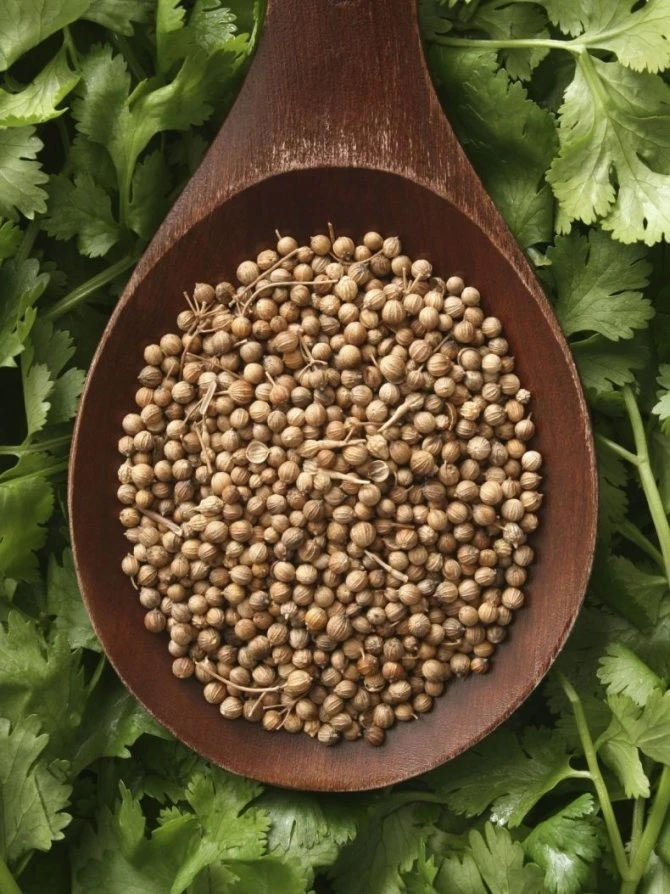
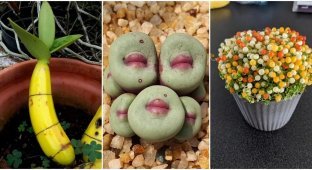
The same Pokémon, but leveled up
The spice of happiness from a royal tomb
Humanity's relationship with cilantro began long before anyone thought about its taste. About half a liter of coriander seeds were found in the tomb of Tutankhamun, who died around 1323 BC. The seeds were part of funerary offerings—the Egyptians believed the pharaoh would need sustenance in the afterlife. References to coriander in Egyptian papyri date back to 1550 BC, and possibly as far back as the Fifth Dynasty (c. 2500 BC).
The Egyptians called coriander "the spice of happiness"—according to some sources, due to its reputation as an aphrodisiac. The Roman naturalist Pliny the Elder wrote in the first century CE that the best coriander was Egyptian and recommended it as an antidote for snake bites. Apicius, the author of the oldest surviving cookbook, included coriander in approximately 70 recipes. The Bible compares manna from heaven to coriander seeds: "And the house of Israel called the name thereof Manna: and it was like coriander seed, white" (Exodus 16:31).
From the Mediterranean, coriander spread to the East and West. The Chinese have cultivated it since the 4th century CE, calling it "yuan cai"—"fragrant vegetable." In China, it was believed that eating the seeds with a pure heart led to immortality. Persians, Thais, Indians, and Mexicans incorporated cilantro into their culinary traditions. By the 20th century, it had become one of the most widely used herbs in the world—and one of the most controversial.
Julia Child threw it on the floor
In 2002, legendary American chef Julia Child appeared on the Larry King show. King asked if there was one food she would never eat. "Cilantro," Child replied. "It tastes kind of dead." When asked what she does if she finds cilantro in a dish, Child answered without hesitation: "I pick it out and throw it on the floor."
Child isn't the only celebrity in the cilantro-hater camp. Ina Garten, host of the cooking show "Barefoot Contessa," admitted in an interview with Time magazine: "I just don't go near it." The internet is full of communities like IHateCilantro.com, where thousands of people share stories of "cilantro trauma" and call it "the devil's herb," "Satan's soap," and "a culinary crime."
Remarkably, the haters' descriptions are remarkably consistent: soap, dirt, metal, bugs, "dead taste." This isn't a random collection of metaphors—they're different ways of describing the same sensory signal their receptors send to the brain. Cilantro lovers describe it just as consistently, but in a completely different way: fresh, citrusy, limey, herbaceous, "bright." Two parallel worlds, two sensory realities, created by a variation in a single gene. 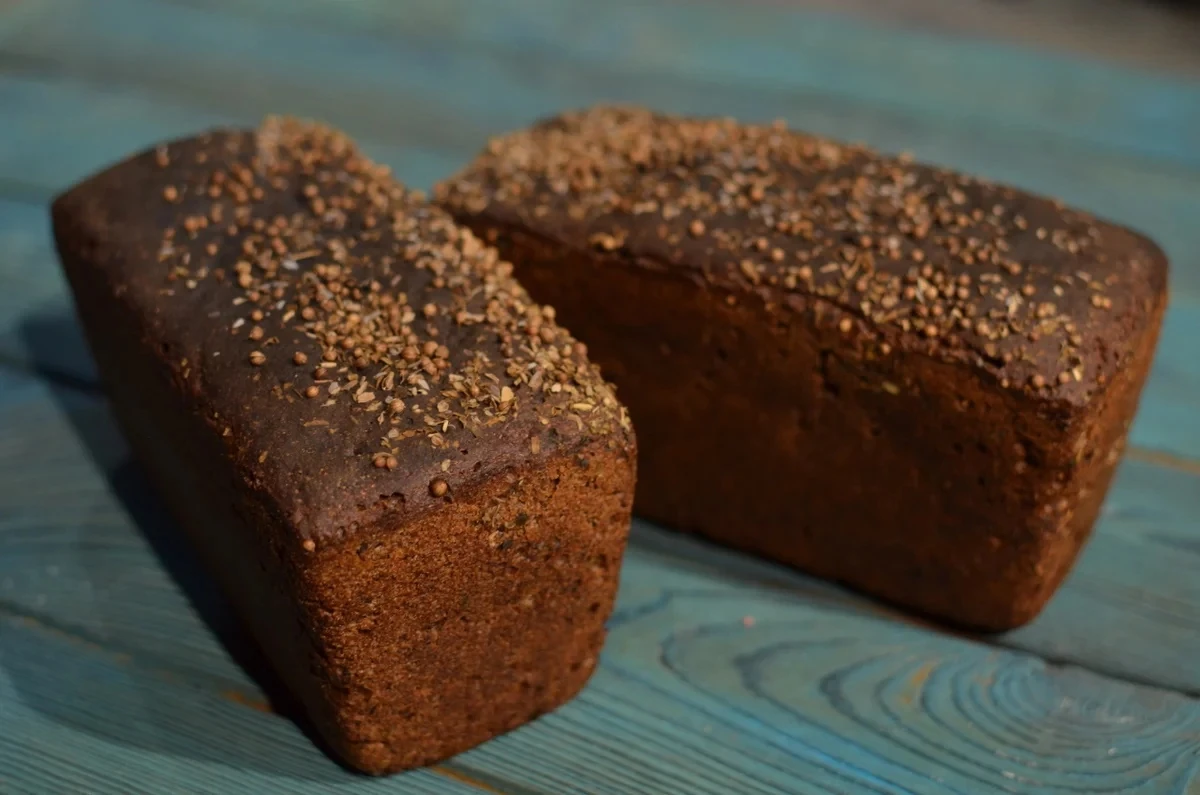
Mmmmm, cilantro bread
Can you retrain your taste buds?
Genetics isn't a death sentence. Research shows that perception of cilantro can change over time with regular exposure. Neuroscientist Jay Gottfried of Northwestern University admitted to The New York Times that he once hated cilantro, but gradually learned to appreciate it. He still detects soapy notes, but now he associates them with a pleasant experience, not with disgust.
There is also a purely chemical way to reduce the "soapiness." Grinding the leaves activates the enzyme aldehyde reductase, which breaks down trans-2-decenal into less aromatic compounds. This is why cilantro in pesto or chimichurri sauce can be acceptable even for those who can't stand it fresh. Cooking works on the same principle: aldehydes are volatile and partially evaporate when heated.
However, for people with a strong genetic variant, these tricks may be insufficient. Some researchers believe that a complete "cure" for a dislike of cilantro is impossible—one can only learn to tolerate it or mask it with other flavors. Lime, chili, and garlic can mask the soapy notes, but not eliminate them. For some, this is an acceptable compromise; for others, it's not.
Two worlds on one plate
The story of cilantro is a story about how genetics creates parallel sensory realities. We're accustomed to thinking of the world as a single, objective place, that an apple is red for everyone, and sugar is sweet. Cilantro reminds us that our perception is a construct assembled from genes, experience, and culture. Two people can look at the same plate and see—or rather, feel—completely different things.
The ancient Greeks called it "bugweed," and molecular chemistry confirmed their correctness 2,500 years later. The Egyptians placed it in the tombs of the pharaohs, and Julia Child threw it on the floor of restaurant kitchens. Mexicans can't imagine guacamole without it, and 21% of East Asians would rather go hungry. All this is about one plant, one molecule, one gene.
The next time someone tells you cilantro is disgusting, don't argue. To them, it truly is disgusting—just as objectively as it is fresh and fragrant to you. You're both right. You simply live in different sensory universes, and neither is better than the other. 
Admit it, you don't care what cilantro smells like anymore. You're just hungry...