China has slowed its electric vehicle export boom (3 photos)
New rules for electric vehicle exports
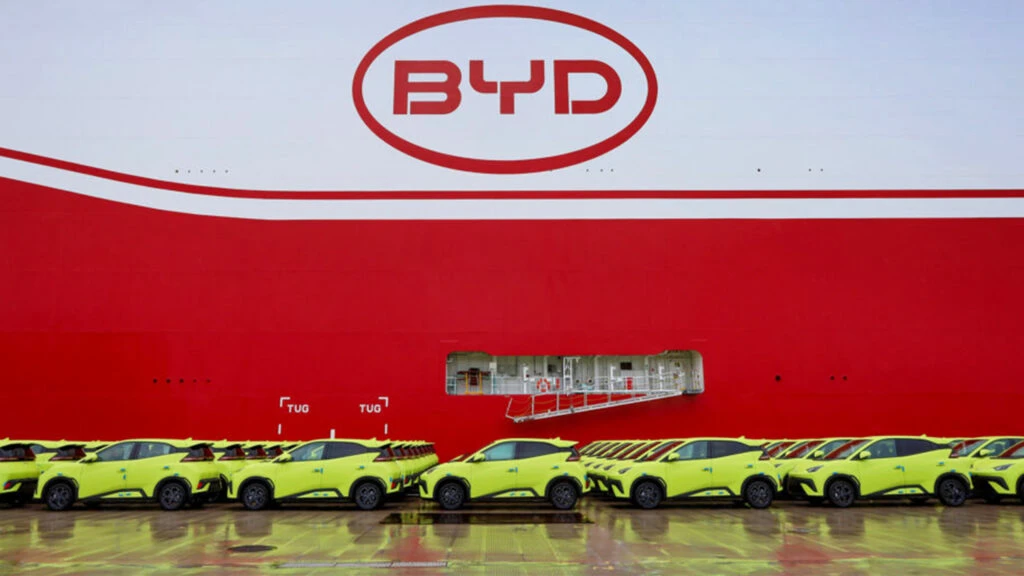
From January 1, 2026, China will introduce controls on the export of electric vehicles. The move is aimed at combating price wars and ensuring the sustainable development of international trade. Exporters will have to obtain special licenses and undergo mandatory customs inspections.
Reasons for introducing controls
The Chinese government is concerned about fierce competition in the domestic market, as well as complaints from foreign partners about the arrival of cheap cars. The new regulations will also require exporters to provide quality after-sales service and technical support for customers abroad.
According to Wu Songquan, director of policy research at the China Automobile Research Center, Chinese brands need to standardize export processes and improve product quality to strengthen the trust of international consumers.
China as an export leader
The new rules come at a time when China has become the world's largest car exporter, surpassing even Japan. Export growth continues to accelerate, as confirmed by international sources. 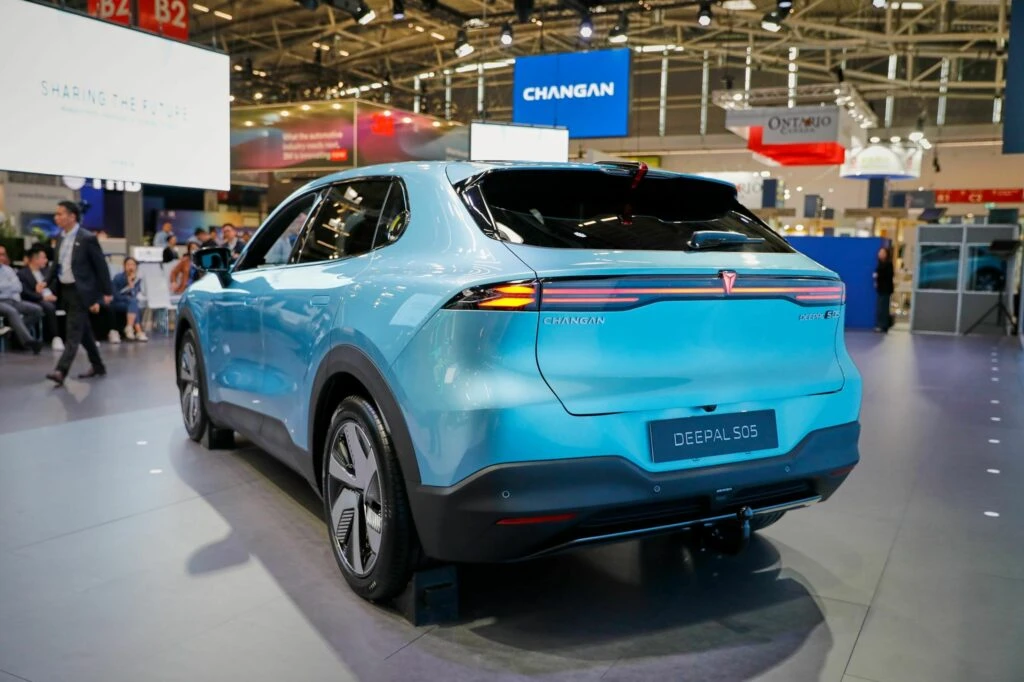
Development prospects
Cui Dongshu, secretary general of the China Passenger Automobile Association, believes that the country will be able to export up to 10 million cars annually in the next five years. Domestic sales could reach 30 million units due to the large population.
Domestic Market Potential
Cui Dongshu noted that in less developed regions of China, such as the central and western regions, as well as rural areas, the level of motorization could surpass that of megacities such as Beijing or Shanghai.
Currently, there is only one car per 1,000 people in China, indicating significant potential for growth. In comparison, in Europe, this figure is 641 cars per 1,000 people, and in the United States, it is up to 860. 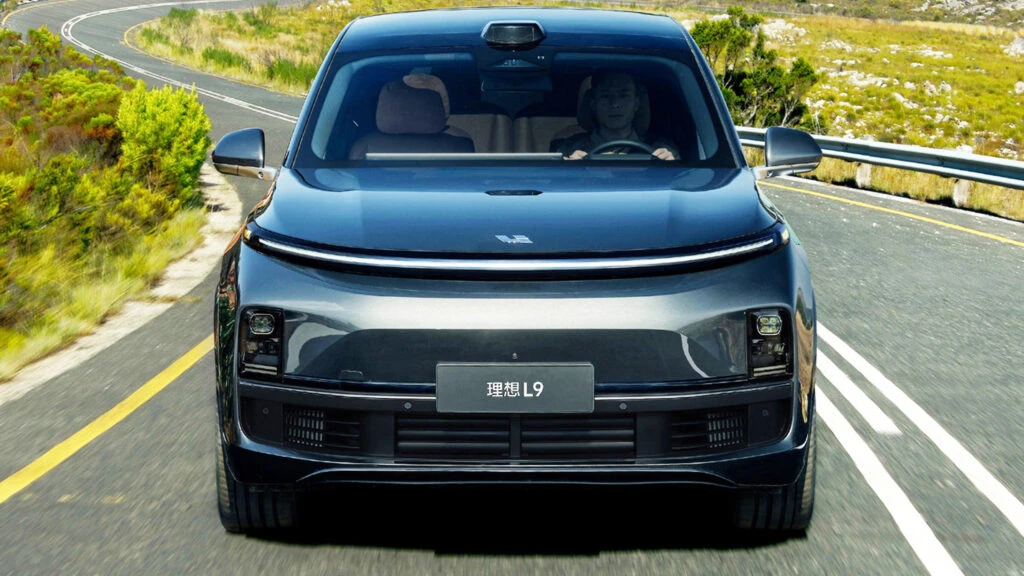
The introduction of export controls may slow short-term growth, but in the long term, it will contribute to the formation of a more mature and competitive market. Chinese manufacturers are likely to focus on improving quality and service, which will allow them to strengthen their position on the global stage. International partners, in turn, will receive more transparent terms of cooperation and protection from unfair practices.