"We're Not Metal": Ian Gillan on Deep Purple's Secret, the Greatness of Black Sabbath, and 60 Years of Rock 'n' Roll Madness (13 Photos)
Deep Purple frontman Ian Gillan remains one of the rock world's most witty, sharp-tongued, and candid gentlemen, even in his eighties. 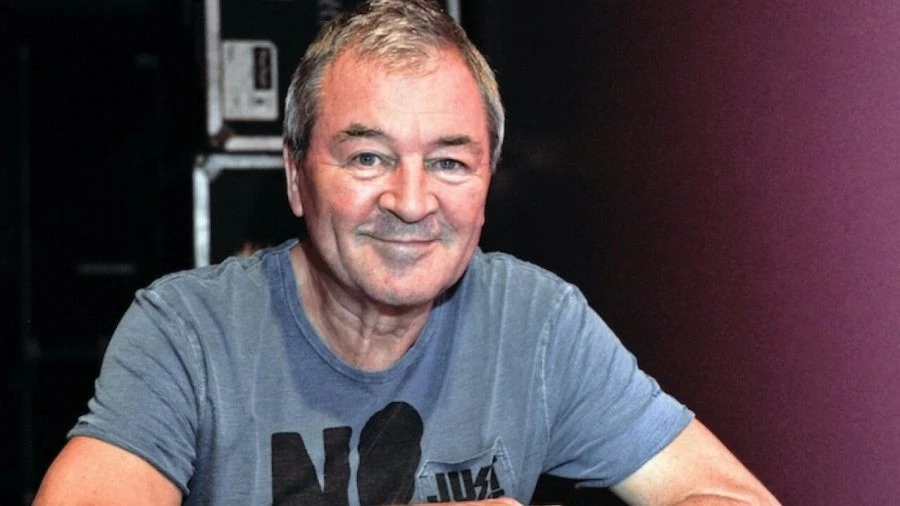
While younger musicians obsess over labels and status, the 81-year-old voice of classic rock is still shattering stereotypes. In recent interviews with the British press, Gillan dropped several bombshells: he adamantly rejected the "heavy metal" label for Deep Purple, poked fun at Metallica drummer Lars Ulrich's playing style, hailed Tony Iommi as the godfather of grunge, and announced his upcoming solo spoken-word tour, "Talking Gib’rish," promising an unfiltered look at six decades of rock 'n' roll mayhem. 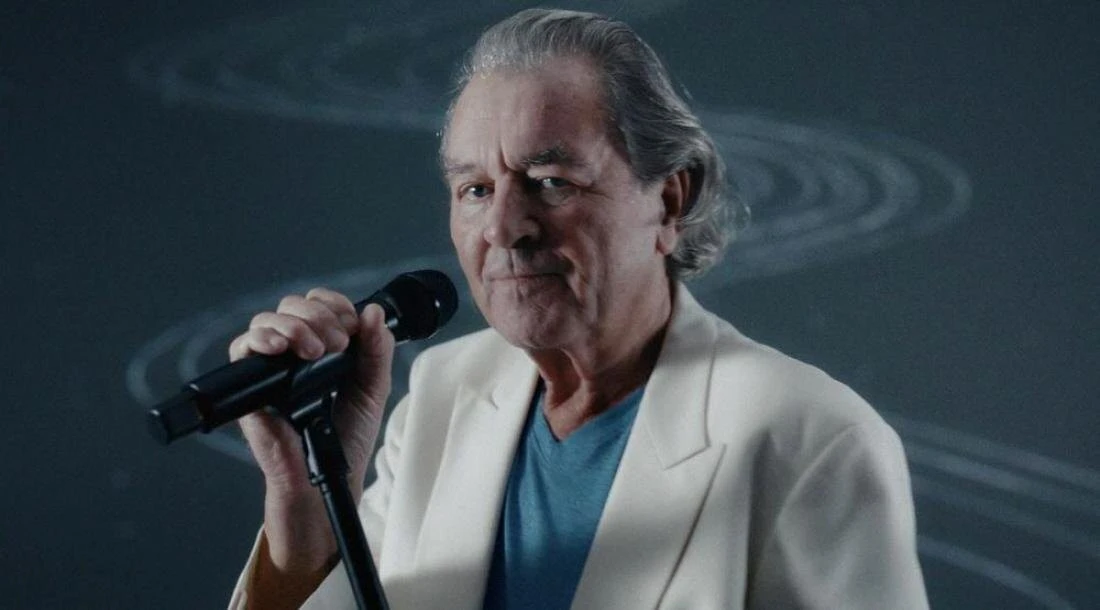
Here is a round-up of the legendary vocalist’s biggest revelations.
"Heavy Metal Isn't Our Cup of Tea"
When asked by The Chap magazine where Deep Purple actually fit in, the singer didn't mince words:
"If I had to pick a genre, I’d definitely call our music hard rock, not 'heavy.' Simply because 'heavy' became a stepping stone to full-blown, thundering heavy metal, and that’s just not us. Over the years, people have tried to hand me prestigious awards for 'contributions to heavy metal,' but I’ve always politely turned them down. Don't get me wrong—some of my closest friends play metal, like the legendary guys in Black Sabbath or the Metallica crew. We get along great and stay in touch, but that metallic clatter really isn't our cup of tea. Our music has always had a jazz swing, breathing room, and a bluesy groove, rather than a desire to just bludgeon the listener with wall-to-wall noise." 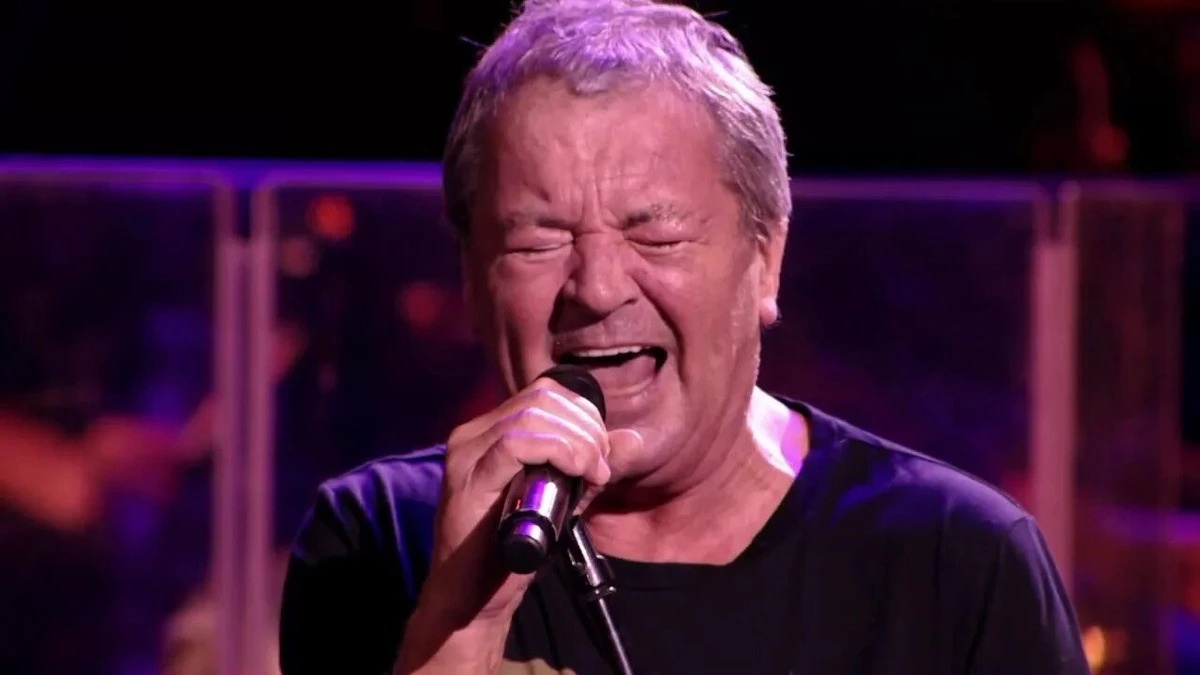
According to Gillan, Deep Purple's sound isn't rooted in heavy armor, but in raw 1950s American rock 'n' roll:
"My rock 'n' roll is Elvis Presley, Little Richard, Jerry Lee Lewis, Roy Orbison, Buddy Holly, The Everly Brothers, and Chuck Berry. If those artists emerged today, critics would slice them up, pigeonhole them into narrow genres, and split them across different radio formats. They wouldn't even be allowed to belong to the same scene. But to us, it was all part of the same breath."
Ian Paice's Subtle Touch vs. Lars Ulrich's Sledgehammer
One of Gillan's most fascinating points concerned world-famous arena anthem "Smoke On The Water." Most fans and musicians view the track as a heavy, straightforward metal banger—a fatal mistake, according to Gillan.
Speaking to Planet Rock radio, the singer stressed that the track's magic relies not on distorted guitars, but on drummer Ian Paice’s jazzy swing: 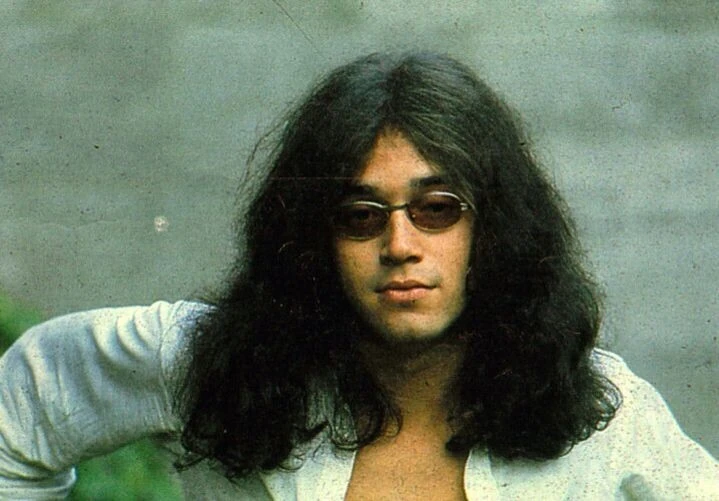
"Everyone listens to 'Smoke On The Water' and thinks, 'Wow, listen to that racket, it's proper heavy metal!' It’s nothing of the sort. Just listen to what Paicey is doing on the drums. Once in San Francisco, Lars Ulrich from Metallica joined us on stage to play it. He started bashing the drums with brute force, hammering away like a blacksmith! I’ve performed that song with dozens of drummers, and hardly any of them get the main point: Paice’s groove requires a surprisingly light, delicate, almost jazzy touch—not just mindless bashing." 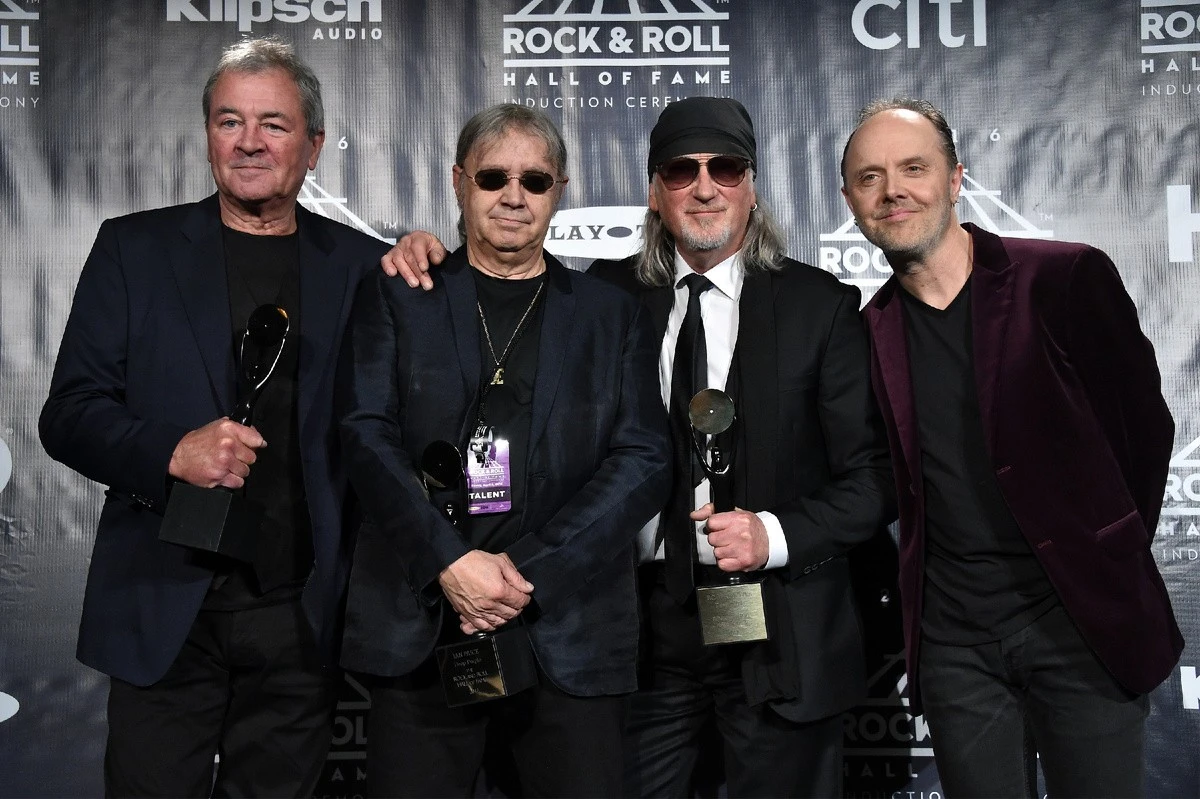
"Tony Iommi Is the Father of Everything Out of Seattle"
When discussing British rock's so-called "Holy Trinity" (Deep Purple, Led Zeppelin, and Black Sabbath), Gillan unhesitatingly handed top honors to Tony Iommi’s crew. 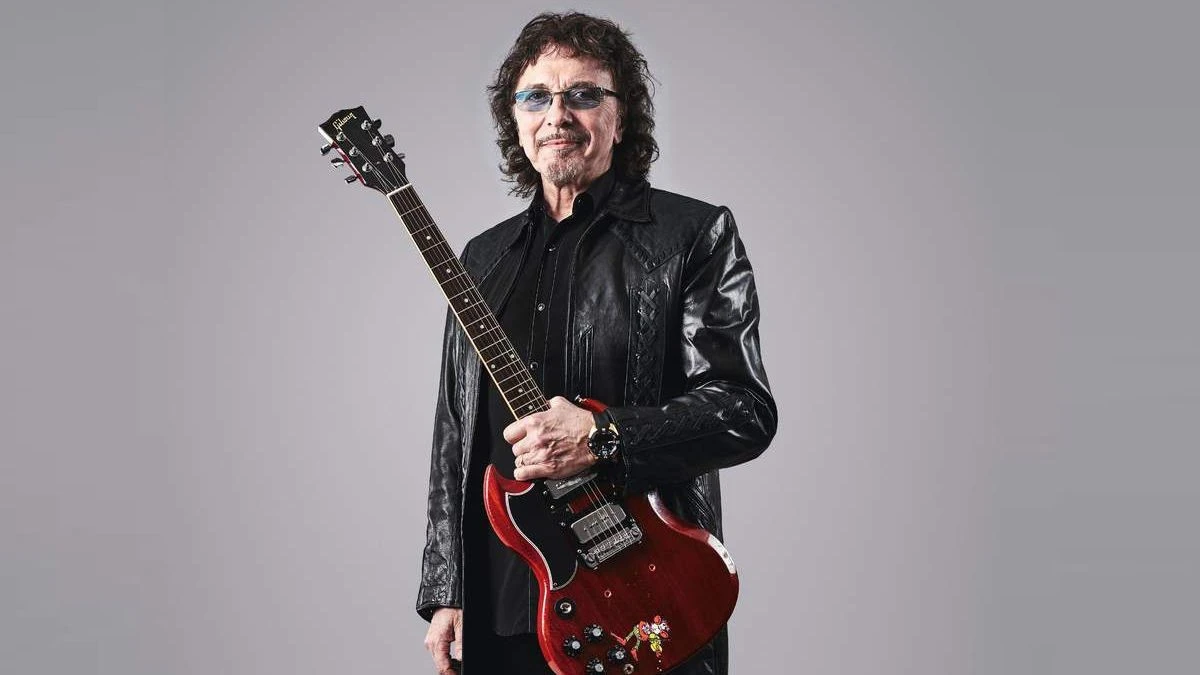
Gillan knows the band inside out: from late 1982 to 1984, he fronted Black Sabbath, recording their cult-favorite and controversial 1983 album Born Again—Sabbath's final studio LP featuring original drummer Bill Ward. 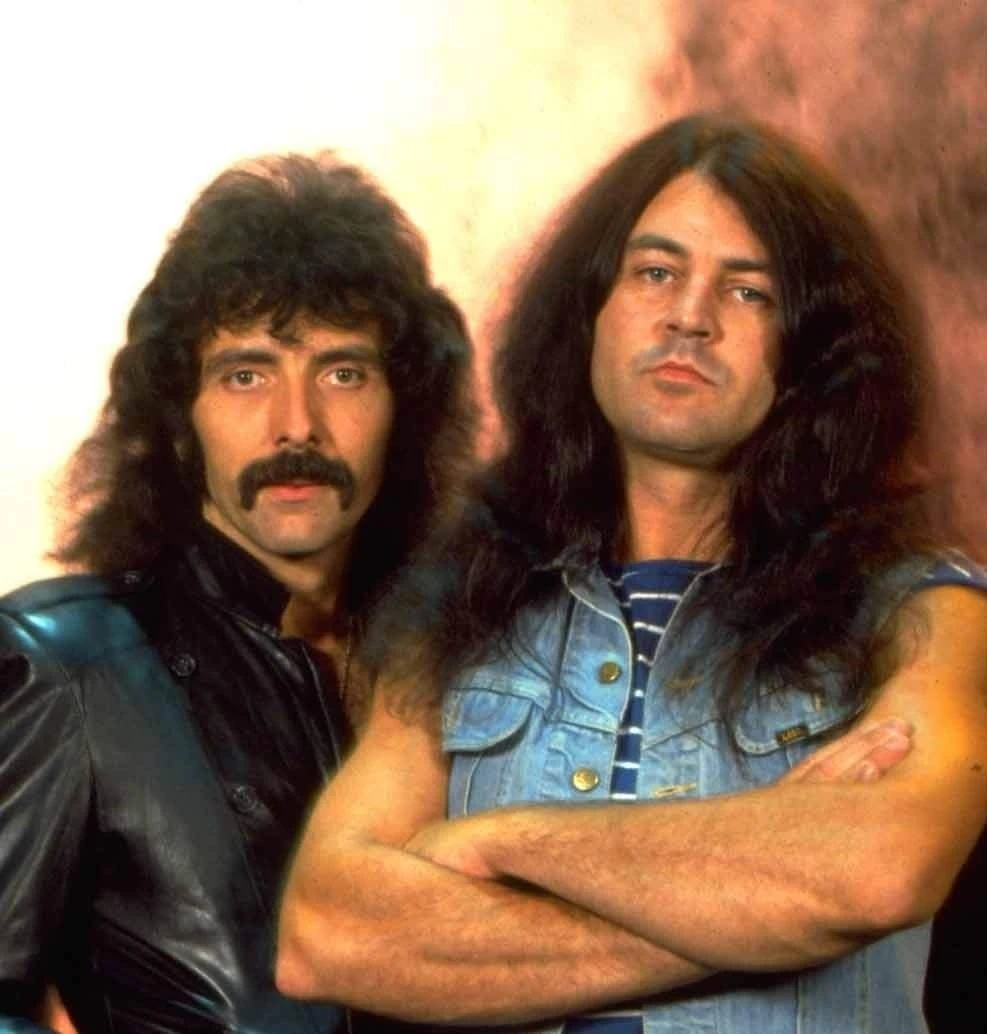
"In a way, Black Sabbath were more important than any of us," Gillan admitted to The Sun. "Because without them, neither heavy metal nor the Seattle grunge scene would exist. What Tony Iommi pulled off with those early riffs was monumental. It was sheer crushing power. I’m convinced Tony is the true father of the entire '90s sound, from Soundgarden to Nirvana." 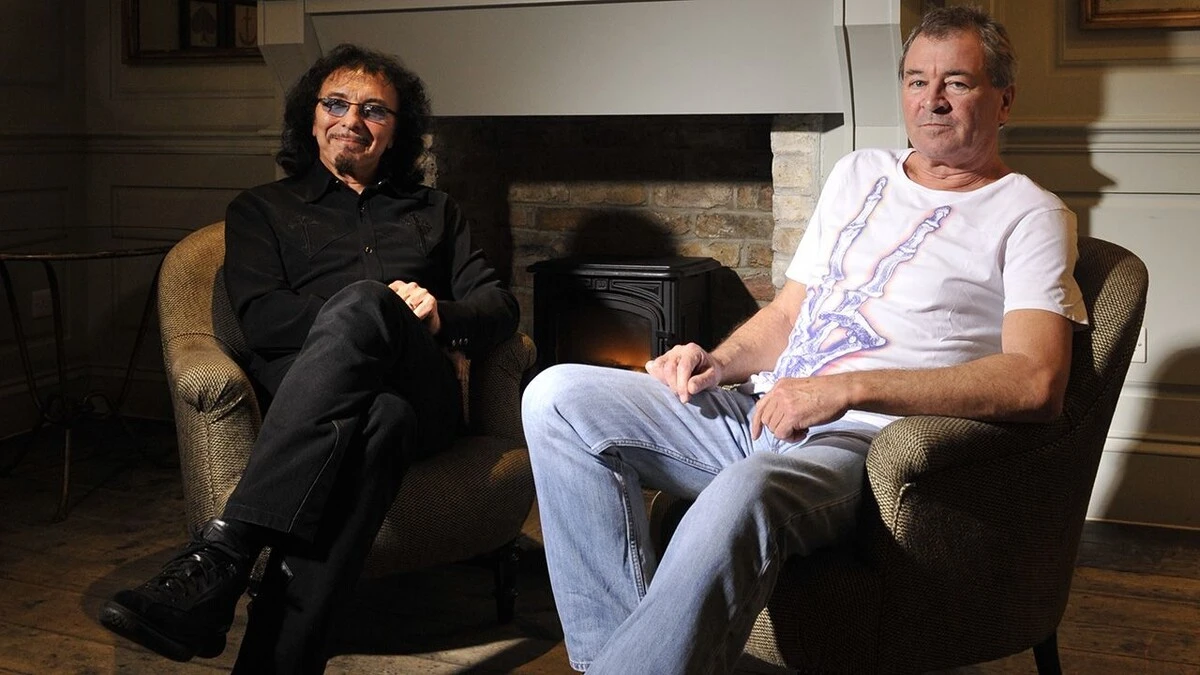
Reflecting on recording Born Again, Gillan admitted the experience was one-of-a-kind:
"It was a massive challenge for me. A bit like singing in the rock opera Jesus Christ Superstar or performing a duet with Luciano Pavarotti—something completely different, orthogonal to my usual style. But Tony is wonderful to work with: no beating around the bush, he writes straight to the point and hits the bullseye every time." 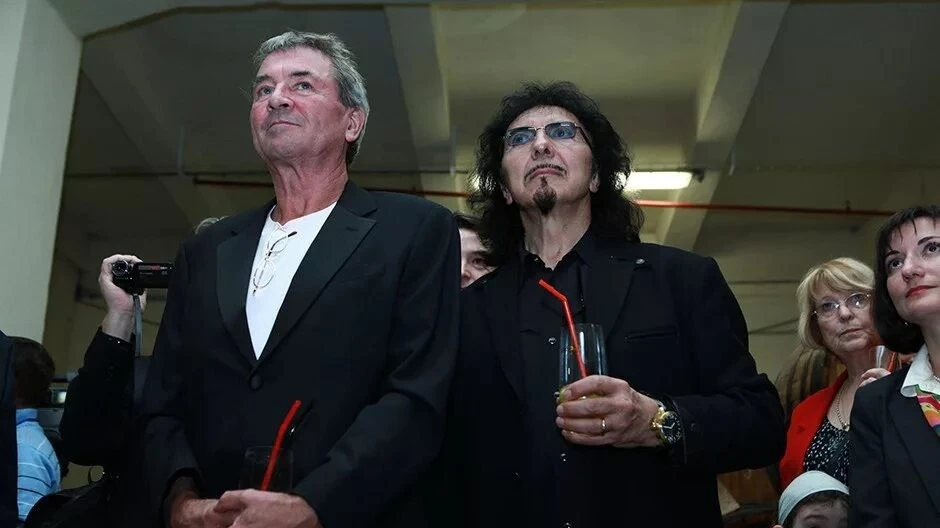
Timeless Energy: From a Triumphant World Tour to 2027 Spoken-Word Revelations
In August 2026, Ian Gillan entered his eighties, celebrating his 81st birthday. But age is just a number for the rock icon. 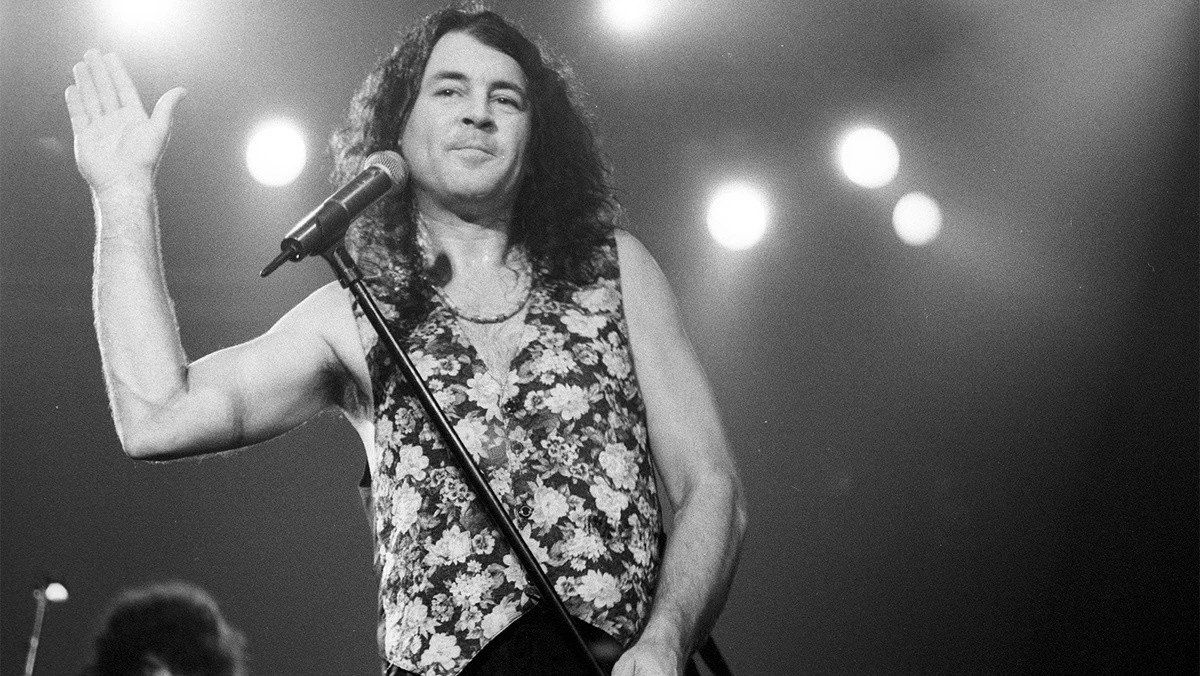
Releasing their 23rd studio album, =1, in 2024 under producer Bob Ezrin (Pink Floyd, KISS), the band proved they had found a second wind with the addition of Northern Irish guitar virtuoso Simon McBride. Over the past two years, the rock veterans have torn through packed arenas across the globe, proving to Uncut critics that they can still deliver "high-octane, undiluted rock at its very best." 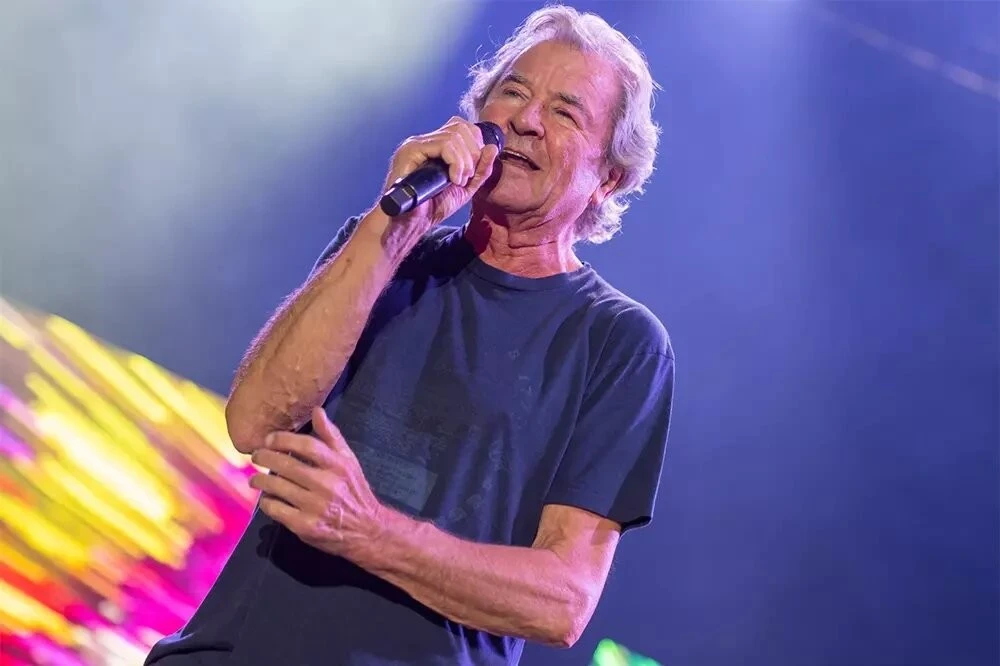
But Gillan has zero intention of easing into retirement. He’s already announced his next bold move: launching his solo "The Talking Gib’rish Tour" in spring 2027.
In April and May 2027, Gillan will tour intimate UK theater venues—including a date at Basingstoke's prestigious venue The Anvil on May 19. Stripping away the thunderous arena volume, the show will offer an intimate, storytelling-driven stand-up format where Gillan spends two hours spilling unvarnished tales from his 60-plus years at the epicenter of rock 'n' roll madness. 
Audiences can expect first-hand stories аbout:
Accidentally signing a contract with Black Sabbath on a beer napkin during a pub bender;
Guitarist Ritchie Blackmore’s wild and mischievous antics;
Duets with Luciano Pavarotti and the behind-the-scenes reality of Jesus Christ Superstar;
Surviving the golden era of the psychedelic revolution with his sanity intact.
"It’ll be a brutally honest, cheeky, and hilariously funny peek through the keyhole of over sixty years of rock 'n' roll," promise the tour promoters.
The Bottom Line
Once again, Ian Gillan proves that true rock greatness isn't measured in decibels or studded leather jackets.
It comes down to staying free from outside expectations, laughing at yourself, and appreciating musical nuance—knowing that even the heaviest riff needs room for swing, groove, and heart. 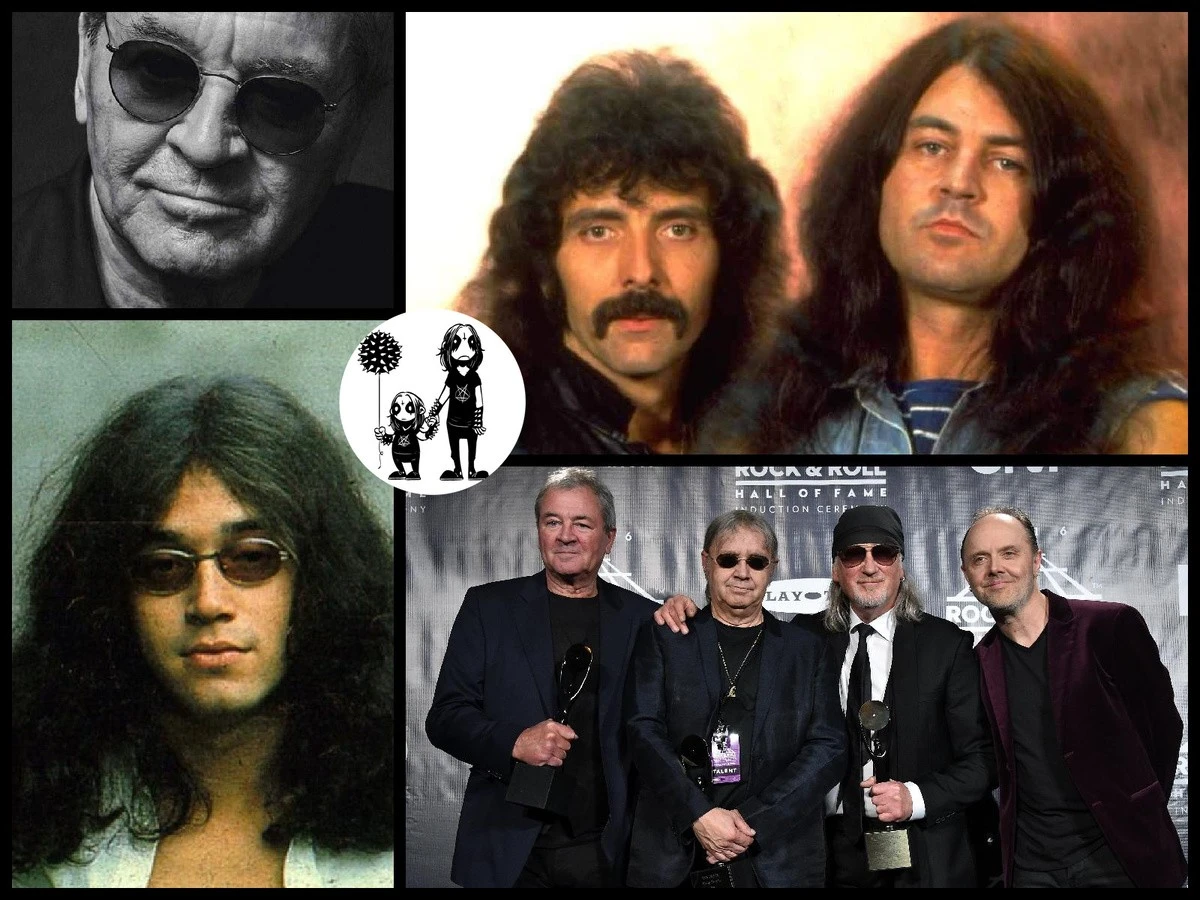
What Do You Think?
Do you agree with Ian Gillan that Deep Purple is pure hard rock rather than metal? And how do you feel about his vocals on Black Sabbath's Born Again—a bold experiment or a youthful misstep?