It's winter 1972. Four young Scottish guys are on the brink of despair. They've formed a band, recorded albums, toured the country—they've done everything required to reach the top. But success never came. They had no hits, no sales, no money. Even their manager was giving up. Everything pointed to their dream being shattered. 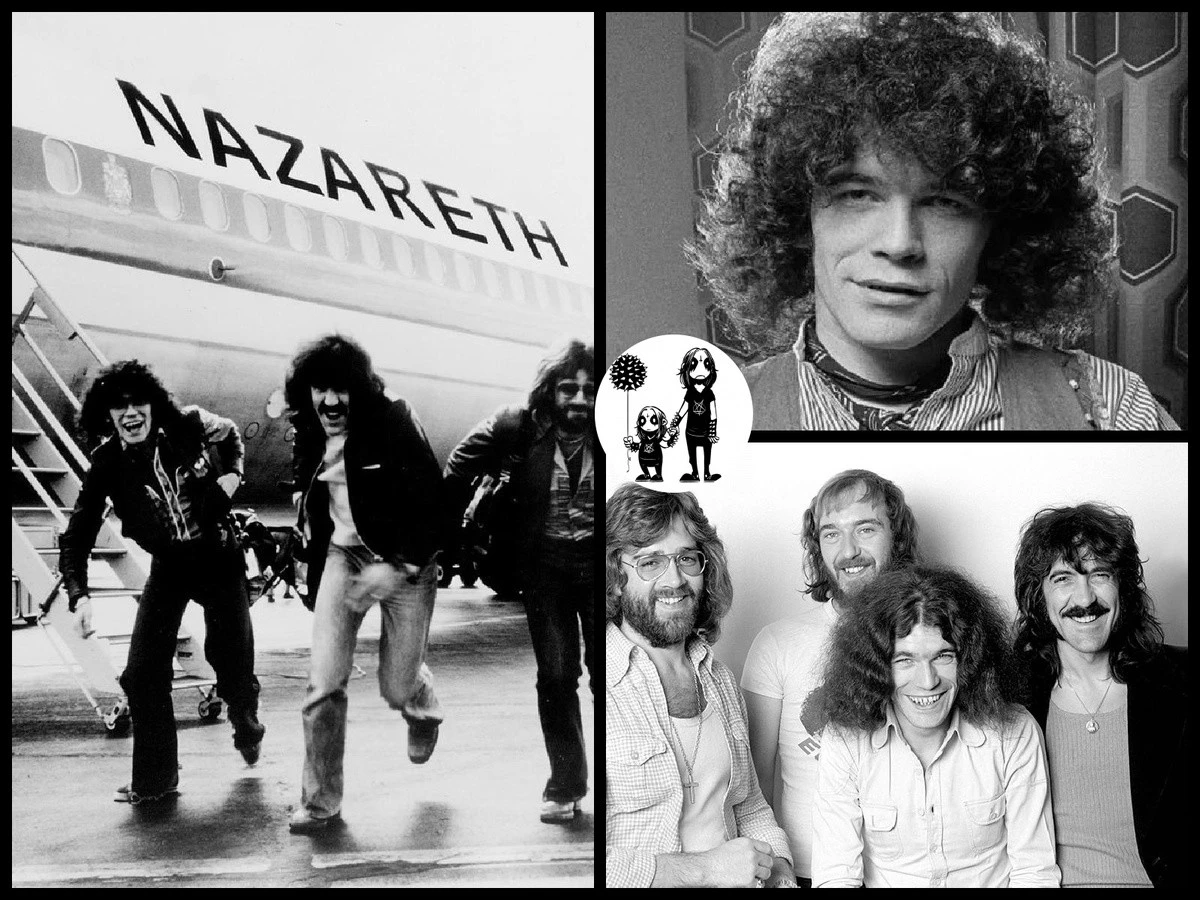
And then the unthinkable happened. A sad ballad—a song they hadn't even wanted to include in their setlist—became their salvation. It was a foreign composition, recorded as a B-side with no expectations. But it was this melody, full of pain and melancholy, that propelled them to the very pinnacle of world rock. 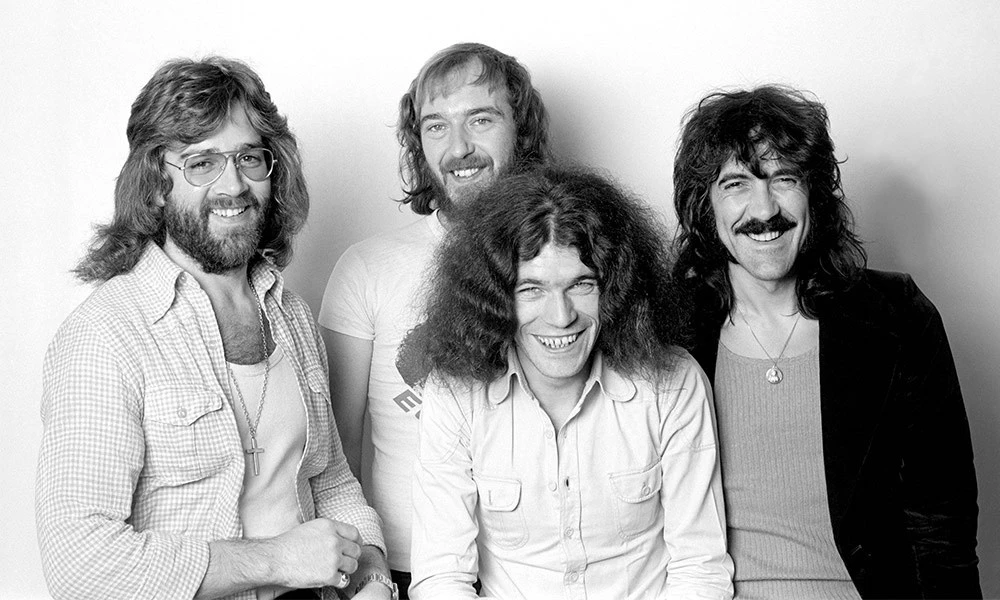
This is the story of Nazareth. A story about how destiny hides in the most unexpected places, and how one single song can change absolutely everything.
From humble guys in yellow suits to true rockers
In the 1960s, while the world was pulsing to the rhythm of the British Rock Invasion, in the quiet Scottish town of Dunfermline, a young student named Pete Agnew made a decision that quietly marked the beginning of a legend. He didn't dream of stadiums or world fame. He simply wanted to play music with his friends.
Thus, in 1961, the humble band The Shadettes was born. They played popular hits at local dances, school parties, and small clubs. Their signature look was their perfectly tailored yellow suits. But behind this playful facade lurked hard work and ambition. 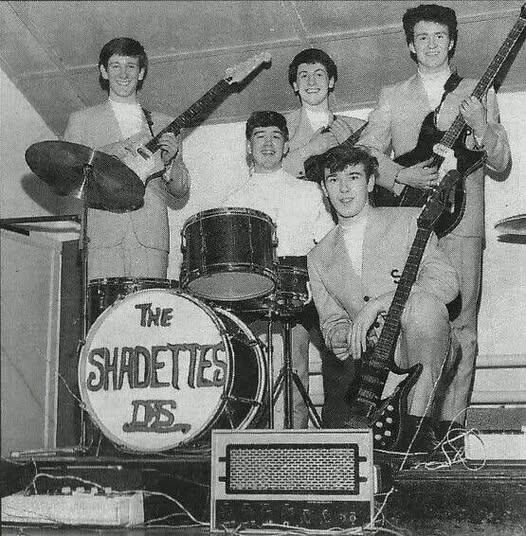
In 1965, the band's fortunes took their first dramatic turn. Dan McCafferty joined the band. Initially, he wasn't even a musician—he worked as a simple roadie (loader and technician) carrying equipment. But one night, when the singer quit the band right before going on stage, they had no time to find a replacement. Someone remembered that Dan sang backup quite well in the van on the way to gigs. Without rehearsals or preparation, he took the stage. 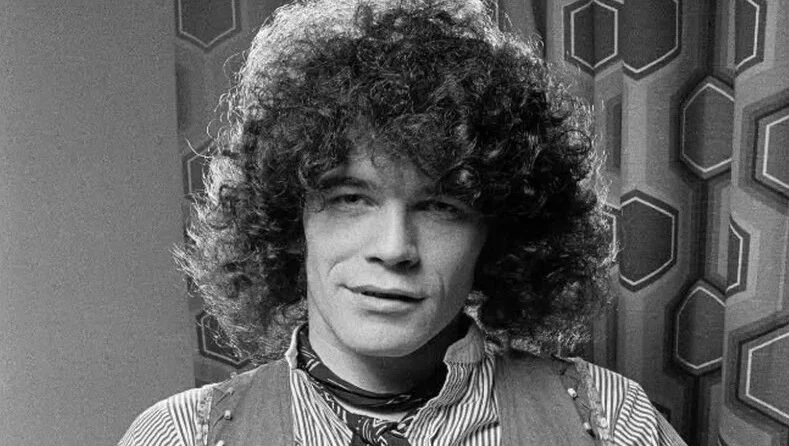
His primal, raspy, and incredibly emotional vocals captivated the audience. From that moment on, Dan McCafferty became the frontman.
By 1968, when drummer Darrell Sweet and guitarist Manny Charlton joined the band, they realized it was time to stop playing other people's hits. Led Zeppelin and Deep Purple were already changing the sound of the era to a heavier, dirtier one. The Scots needed their own style and a new name.
Sitting in a bar one evening, they heard the first line of a song that mentioned the name of a city—Nazareth. It sounded short, powerful, and mystical. And so a legend was born. 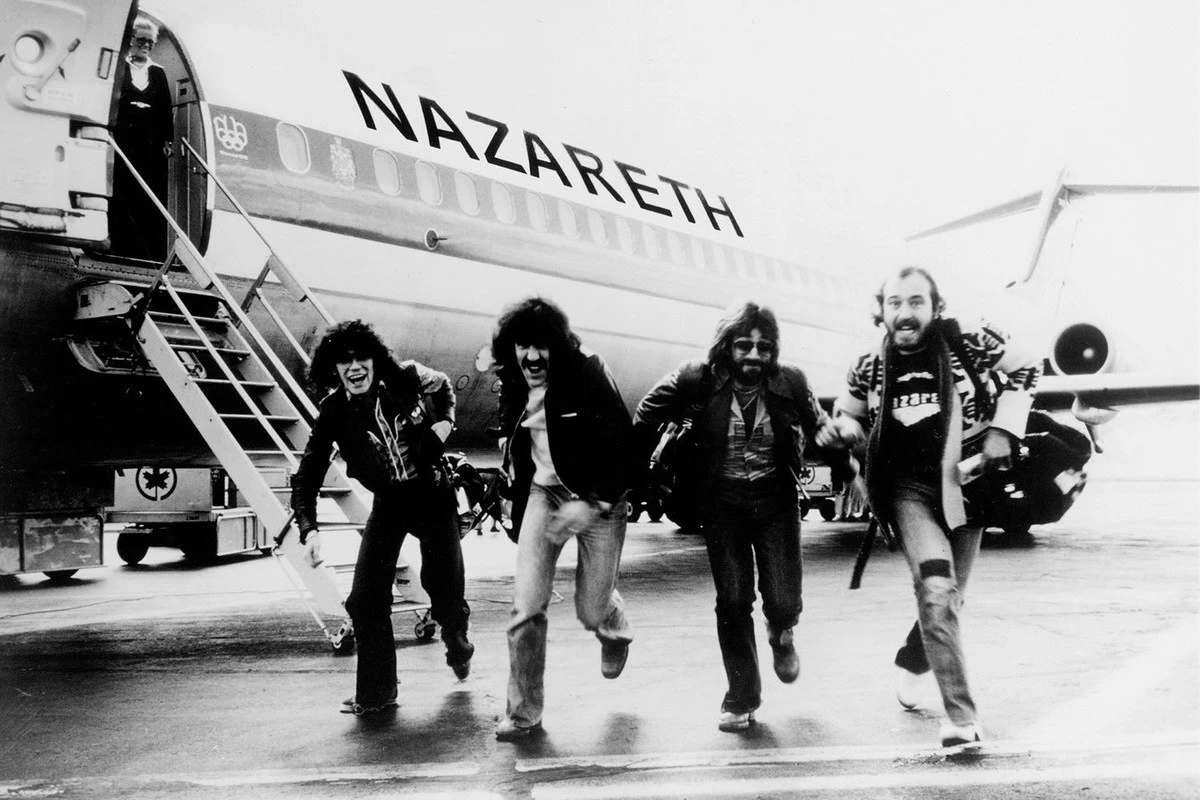
A Thorny Path to Fame and Help from Deep Purple
However, with a new name, success didn't come overnight. Their first albums in the early 70s (Nazareth and the acoustic Exercises) went virtually unnoticed by the general public. The band toured relentlessly, suffered setbacks (they were even booed in Nuremberg before they could even play their first chord), but never gave up.
Nazareth's fate was changed by an earlier act they themselves had made. They once recommended the then-little-known band Deep Purple to Scottish promoters. Deep Purple didn't forget this. Having become global stars, they invited Nazareth to open for them on tour in Europe and America. 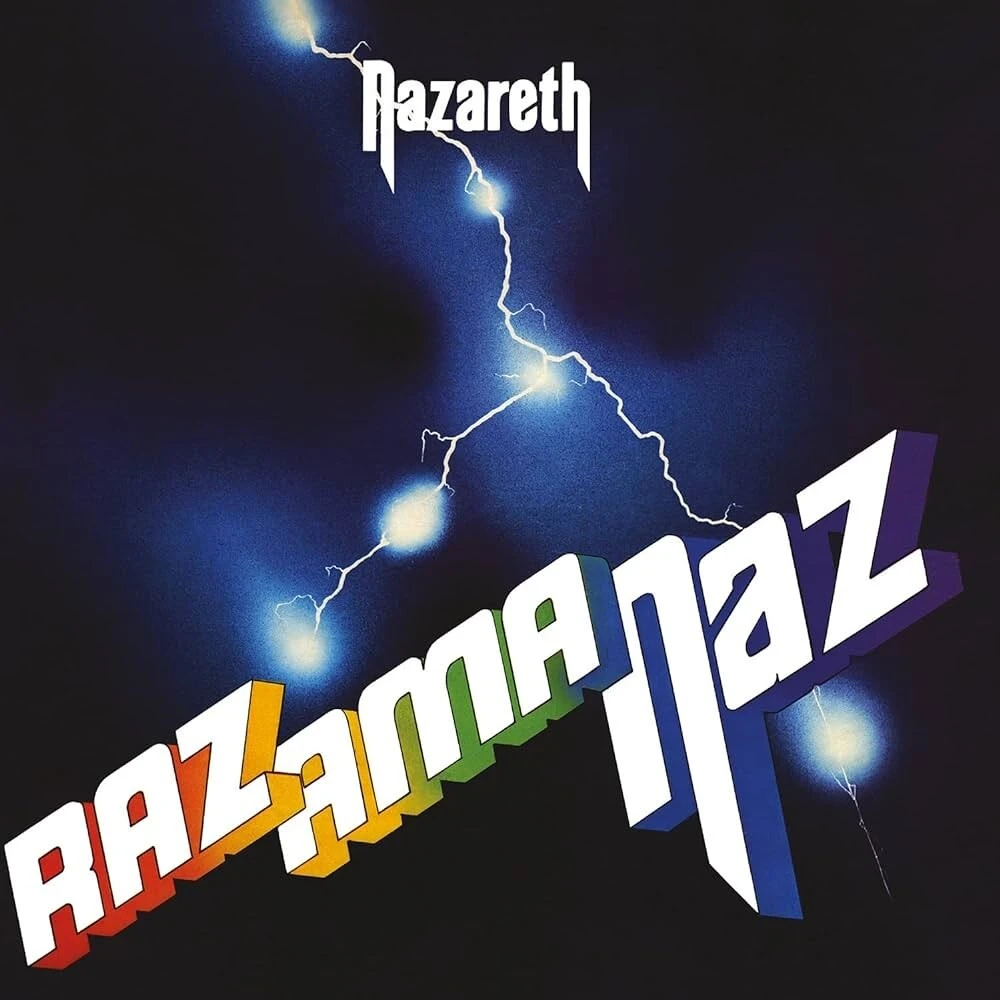
Deep Purple bassist Roger Glover offered to produce their next album. It was a breakthrough. Razamanaz (1973) soared into the UK charts. Nazareth were no longer just a promising band – they had become a hard rock reality.
An Accidental Superhit and the Heavy Price of Success
In 1975, the band released the album that forever cemented their place in history – Hair of the Dog. Recorded in just nine days, it was steeped in raw guitar riffs and a rebellious spirit. The eponymous title track became a true anthem. 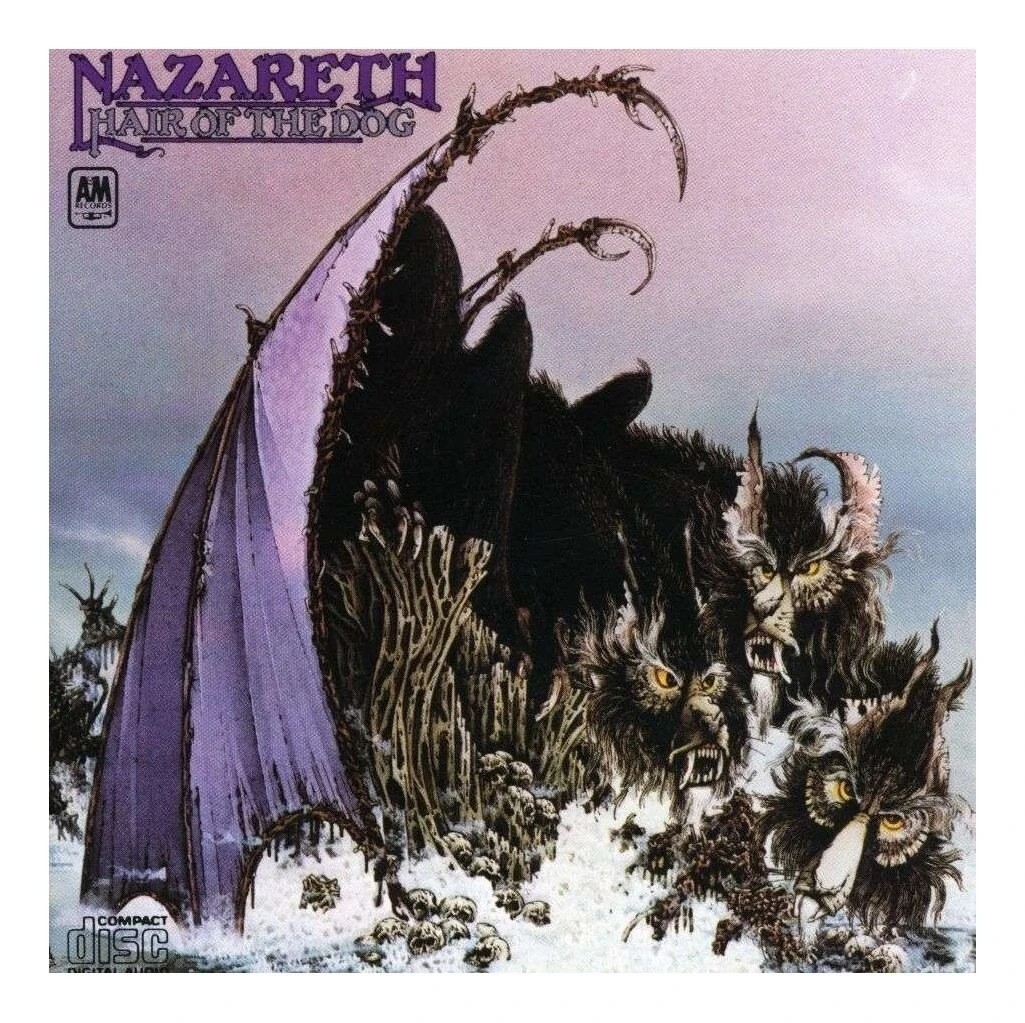
But it was another song that became a major worldwide phenomenon: the melancholy ballad "Love Hurts."
Originally a 1960 song by The Everly Brothers, Nazareth viewed it as a mere filler track. But McCafferty's piercing vocals, literally dripping with pain, transformed the old-fashioned country ballad into something unforgettable.
Defying all expectations, "Love Hurts" broke into the Top 10 in the US, Canada, Norway, and many other countries. The album sold over 2 million copies. This song became, arguably, the first true hard rock power ballad in music history.
But at the height of their fame, the band suffered a terrible blow. In 1976, their manager and closest friend, Bill Fehilly, died in a plane crash. The musicians themselves miraculously avoided being on the same flight—at the last minute, they decided not to board. Success came at a very high price.
Echoes of a Legend
The late 70s and 80s proved difficult. Musical trends were changing, and the band struggled to keep up with new trends, although they honestly tried to experiment with their sound. 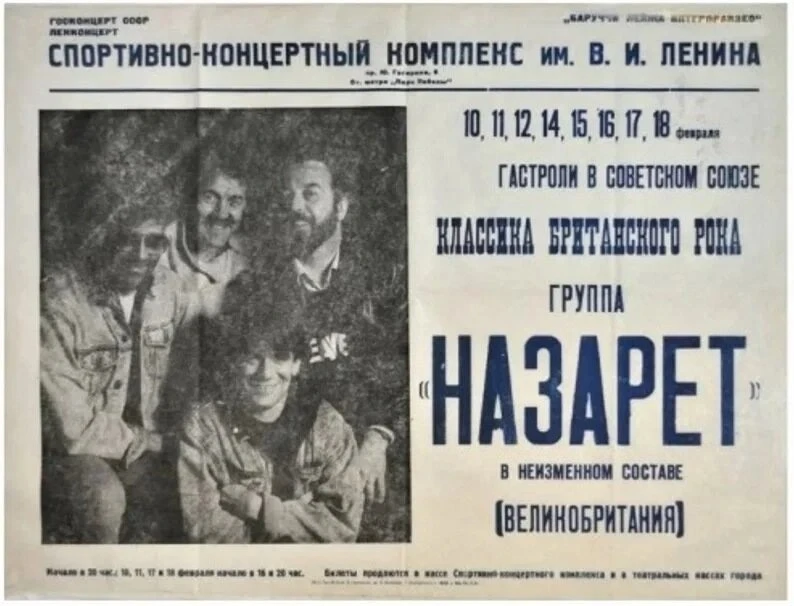
While Western charts were beginning to forget them, Nazareth found an incredible second life in Eastern Europe and the USSR. They became one of the first Western rock bands to bring large-scale shows behind the Iron Curtain, captivating Soviet audiences forever. 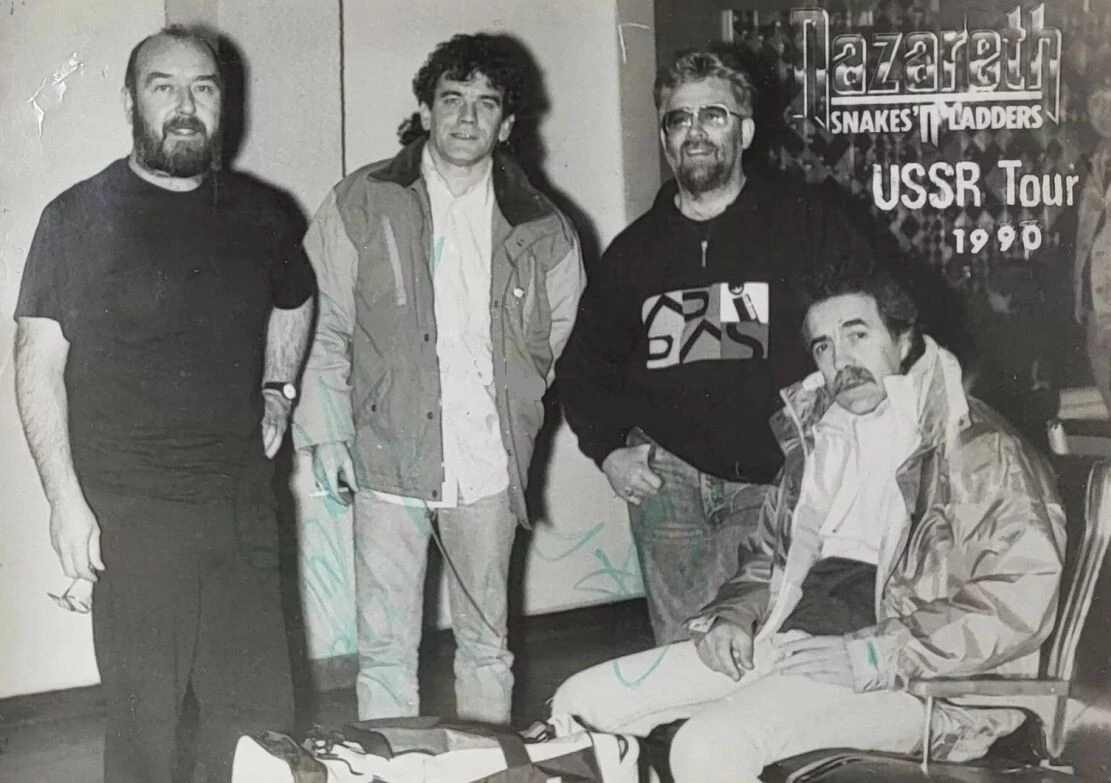
Time takes its toll. In 1999, drummer Darrell Sweet passed away. In 2013, the great Dan McCafferty was forced to retire due to health issues, and he passed away in 2022. 
Today, Nazareth, with a renewed lineup, still exists, but for millions of fans around the world, it's more than just a band. It's an era. It's a worn-out vinyl record on a shelf. It's a raspy voice singing about how "love hurts" that still sends shivers down your spine.
Their story proves that true legends are born from perseverance, a pinch of luck, and a sincerity that can overcome any obstacle.
Add your comment
You might be interested in:














Persistence in achieving a goal

Not everyone is having fun on the amusement ride

A biker prevented a hit-and-run driver from escaping

Absolute perfection

The cutest lunch delivery ever
17 Photos That Will Stop You in Your Tracks (18 Photos)

Young women, Dancing and George Michael: nothing superfluous

A steam locomotive for "big boys"

What Would Happen to a Human on Every Planet in the Solar
