Hellraiser: Iron Maiden How the "Iron Maiden" Came to the World (7 photos)
In the late 1970s, everyone suddenly started talking about the New Wave of British Heavy Metal, whose heyday was associated with the decline of the "old school" bands like Deep Purple, Led Zeppelin, and Black Sabbath and the rise of punk. This new scene was personified by Iron Maiden, a band from London's poor neighborhoods named after the medieval torture device featured in the film "The Man in the Iron Mask." 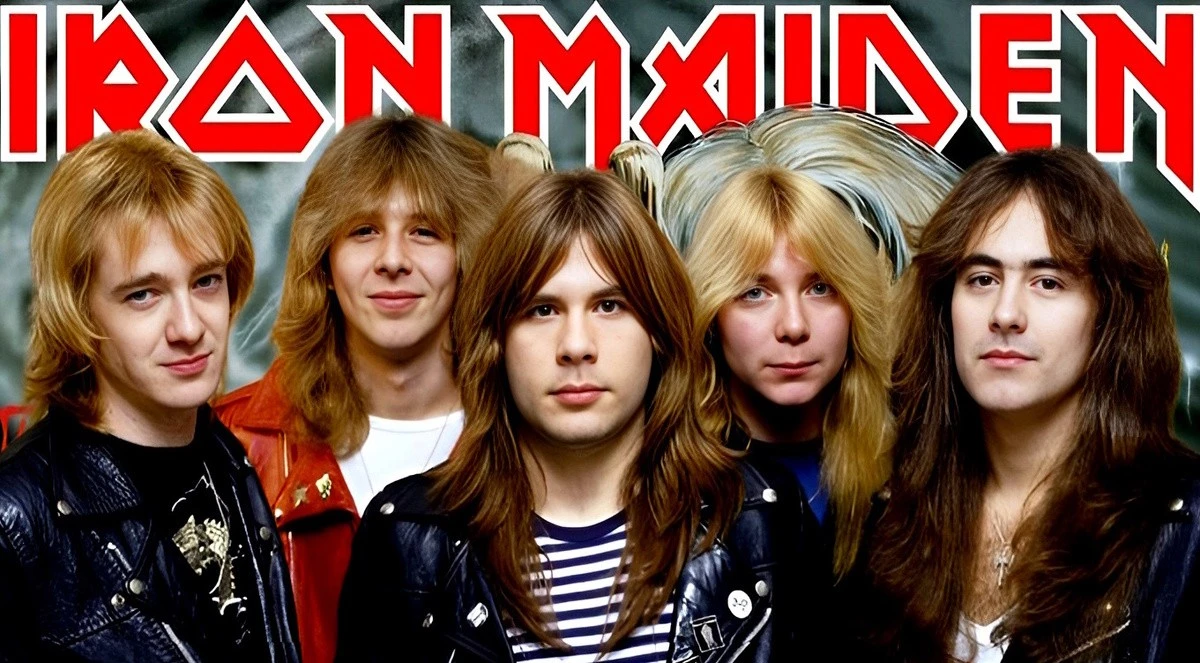
In the fall of 1980, Iron Maiden was sent to Europe as the opening act for the overseas monsters Kiss. It soon became clear that the hungry Englishmen, with their bone-chilling sound, were quite capable of competing with the heavily made-up multimillionaires from the States. It got to the point that Gene Simmons asked vocalist Paul Di'Anno for a T-shirt with the Iron Maiden logo, even though no one had ever seen the Kiss singer wear anything other than "Kiss."
Kiss traveled through Europe by plane. Iron Maiden traveled in a custom-made, carpeted bus. They didn't have expensive equipment, and compared to Kiss, they looked, at first glance, cheap and cheerful. However, the New York metallers were friendly and willing to lend guitars or speakers if Iron Maiden needed anything.
But when it came to the music, Kiss themselves stood backstage, mouths agape, and guitarist Ace Frehley even once climbed a lighting pole without removing his high platform boots. The crowd, too, soon warmed to the newcomers from England, and the New Wave of British Heavy Metal (NWBH) made its way to continental Europe. Aggressive tempos, guitar technique, and furious vocals reached new levels of speed and volume. 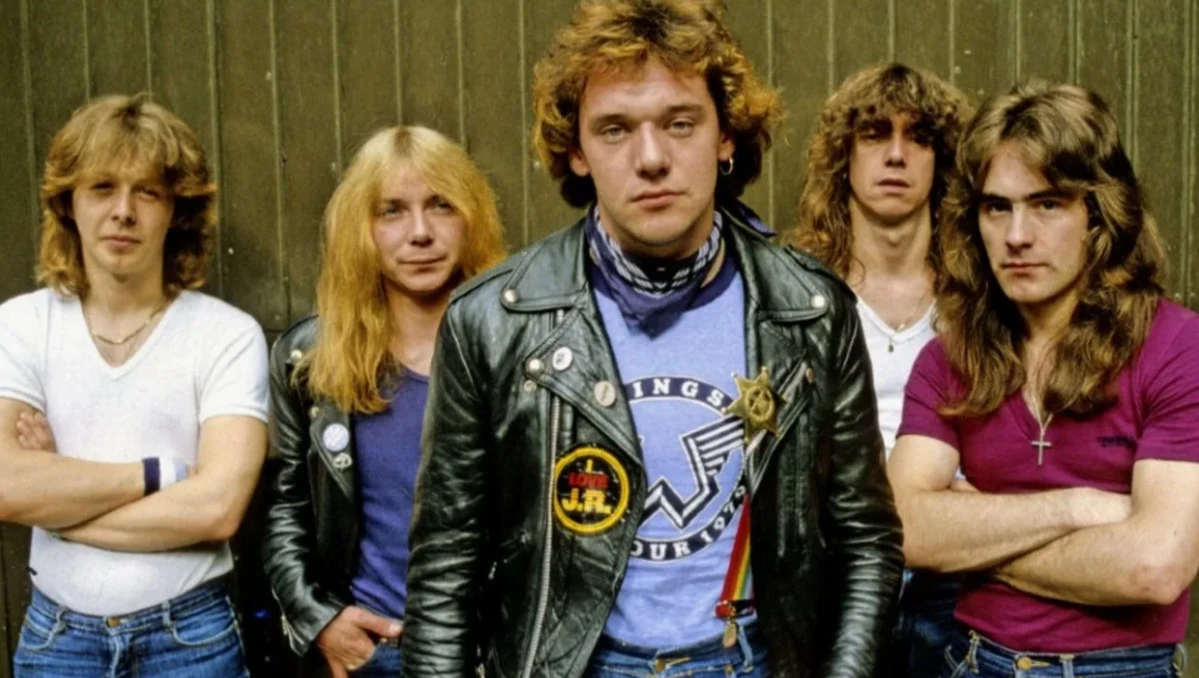
Their London pub gigs were a thing of the past, even though they'd recently been making waves in clubs. The band was founded around Christmas 1975 by bassist Steve Harris, who would become the permanent leader and inspiration for Iron Maiden.
The guys immediately attracted attention by playing at a high volume. They also had smoke machines for stage effects, as well as vocalist Dennis Wilcock, who often performed a chilling stunt during performances: he would draw a sword blade across his lips while simultaneously biting down on a capsule of red paint in his mouth. "Real" blood would spurt out!
However, Whitlock eventually had to leave due to constant bickering and attempts to steal the show. Soon, the troublemaker and hooligan Paul Di'Anno was hired as the new vocalist—the perfect fit for Iron Maiden.
The band experienced constant lineup changes (some guitarists lasted for months, others for a week, and still others couldn't handle even a couple of shows), but they steadily grew in popularity. The musicians saved up 200 pounds to record their first demo in December 1978, a few days before the New Year (the studio was offering a discount at the time).
The songs "Prowler," "Invasion," "Iron Maiden," and "Strange World" were recorded and sent to interested parties on cassette tapes, and the single was distributed at concerts or by mail order.
Five thousand copies sold in a matter of months, and several labels became interested in the new band. Contracts were offered, but on the condition that Iron Maiden cut their hair. Steve Harris flatly refused, until EMI agreed to collaborate in December 1979, leaving their hair intact—in the hope of cultivating a new Deep Purple.
Soon after, the first single, "Running Free," was released, featuring the first appearance of Eddie, a zombie character who would appear on all Iron Maiden album covers and even appear at concerts as a giant moving figure, propelled by a special person or machine. 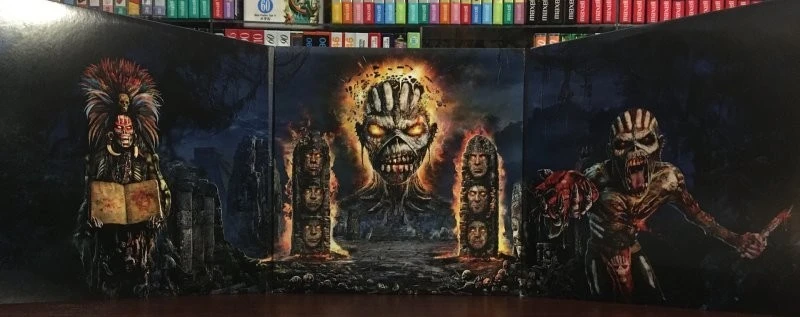
It all started with a kabuki mask, which in the band's early years hung on the wall above the drummer and would spew "blood" at the right moment. The monster's face was later designed by Derrick Riggs. Over the years, Eddie has been a pharaoh, a soldier in the British Army, and even an astronaut. On the cover of the single "Sanctuary" (1980), a monster with a knife was depicted leaning over British Prime Minister Margaret Thatcher, who clutched an Iron Maiden concert poster.
Eddie also graced the cover of the debut album, simply titled "Iron Maiden" (1980), which featured all the time-tested live action. After a flurry of producers, the musicians' choice fell on Will Malone, known for his work with Black Sabbath. But he contributed almost nothing, so the band had to churn out the songs themselves, with the help of engineer Martin Levan. 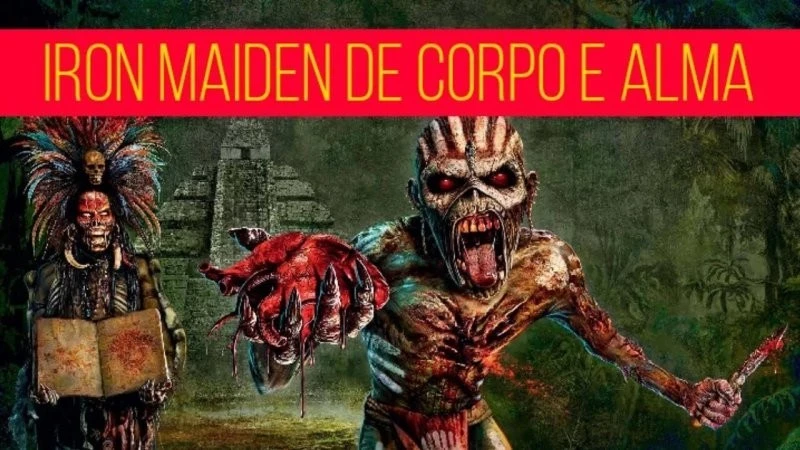
The album was raw and wild, almost punkish. Ultimately, Steve Harris didn't rate his band's first effort highly: "The songs on the album were really strong. But I was never really happy with the production. I always felt the guitars weren't heavy enough. It could have been a great album. I think that's a shame."
"Shame" reached number four in the UK charts, revealing to the world the raw and angry power of the New Wave of British Heavy Metal.
The band was on the rise. In May, Iron Maiden embarked on a major tour, opening for Judas Priest. At the end of the summer, they played at the Reading Festival before UFO and toured Europe with Kiss. Their second album, "Killers" (1981), was produced by Martin Birch, already renowned for his work with Deep Purple, who had turned down several more lucrative offers to work with Iron Maiden. 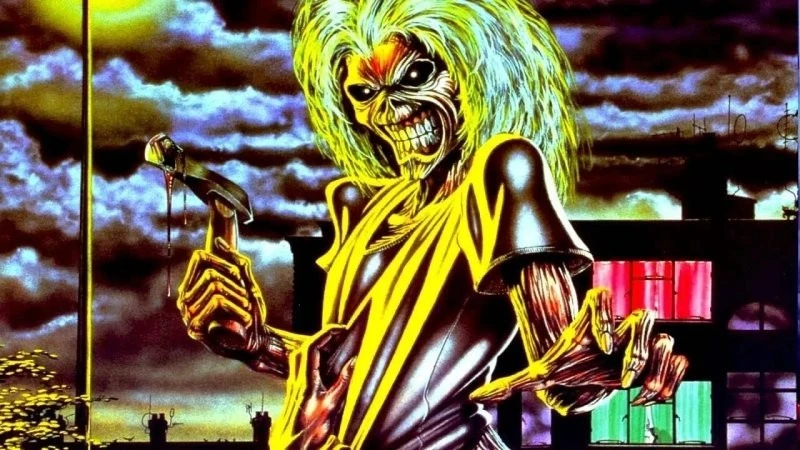
The album received a lukewarm critical reception, but the band embarked on their first world tour, infecting the US, Canada, and Japan with their siren-like metal. The musicians' lives were plagued by intense work, a busy touring schedule, and lack of sleep, which, combined with heavy drinking, led to friction and lineup changes.
Most of the musicians were dissatisfied with vocalist Paul Di'Anno. He abused substances and often went berserk during concerts: "The band was piling up commitments for months and years, and I just couldn't figure out when it would end. I knew I'd never make it through the entire tour; it was too much."
The band fired Paul, and in September 1981, Bruce Dickinson, a native of a Nottinghamshire mining town, was hired to replace him. Tireless manager Rod Smallwood found him in a beer tent at a festival. 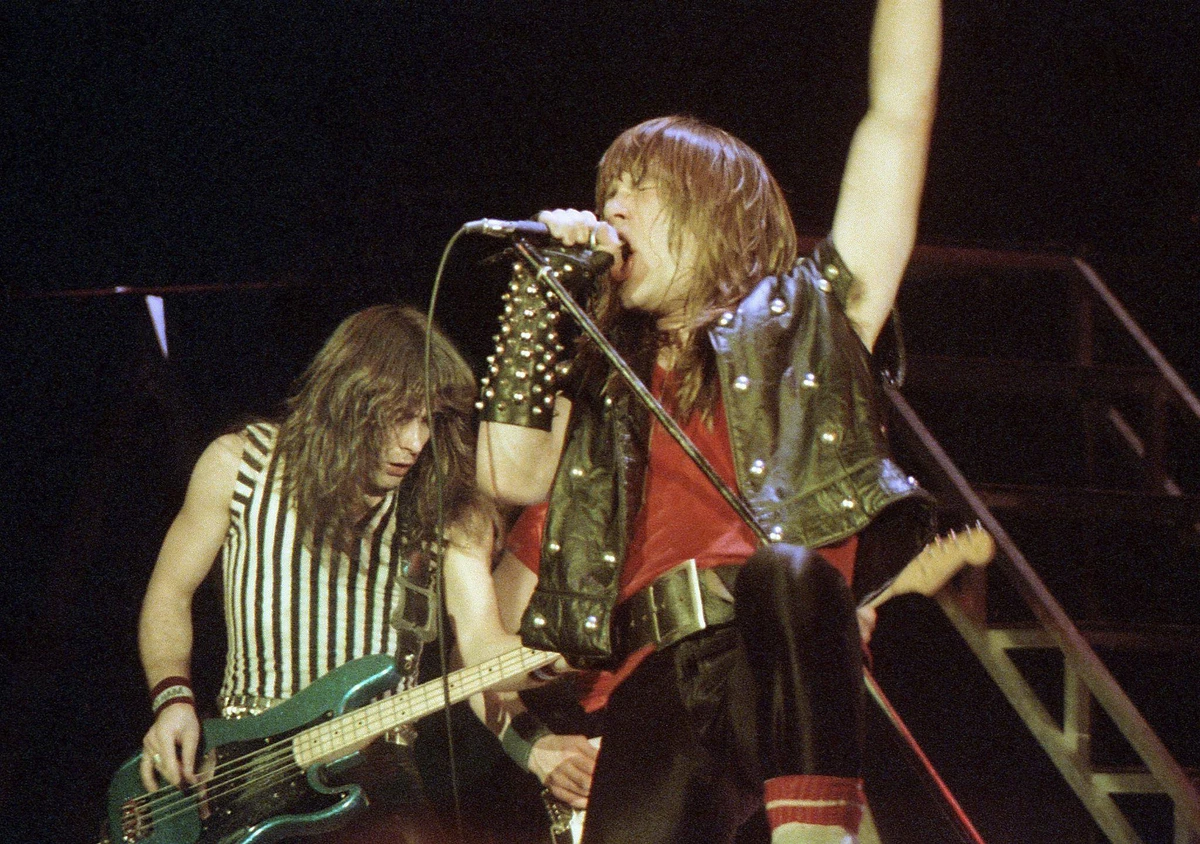
During his school years, Dickinson first heard the song "Child in Time" by Deep Purple, and from then on, he decided to dedicate his life to rock music. Before joining Iron Maiden, he sang in the band Samson, known for their drummer, Barry "Lightning Rod" Graham, who played while locked in an animal cage and wearing a leather mask.
Dickinson was brimming with confidence: "When I first joined, I thought I could be the best singer the band had ever had. It was only a matter of time before it happened. When I heard the material they were working on for the album, I knew they were ready."
With the arrival of an artistic frontman, Iron Maiden took a crucial step toward worldwide fame. They recorded the well-produced, superbly produced, and appropriately pompous album "The Number Of The Beast" (1982), which, fueled by a 20-date UK tour, reached number one in the UK charts.
This album demonstrated Steve Harris's growing confidence in songwriting. Metal gems like "Run To The Hills" remain the cornerstones of any Iron Maiden performance. The single, released in February 1982, confirmed Dickinson's initial predictions, entering the UK charts at number 7.
While Angel Witch, Saxon, and Diamond Head enjoyed fluctuating fame in their home countries, Iron Maiden began to confidently forge an international career, eventually leading to worldwide album sales exceeding 40 million copies.
Bruce Dickinson said, "We knew then that we were on the right path; the stars were aligned." Although he performed vocals on the album, his name wasn't on the sleeve, as Bruce was still legally associated with Samson. The album was supported by a massive tour of North America, Japan, Australia, and Europe, culminating in a sold-out concert at the New York Palladium. From then on, the world belonged to Iron Maiden, who over time began to transform into a conveyor belt of consistently compelling prog metal records. 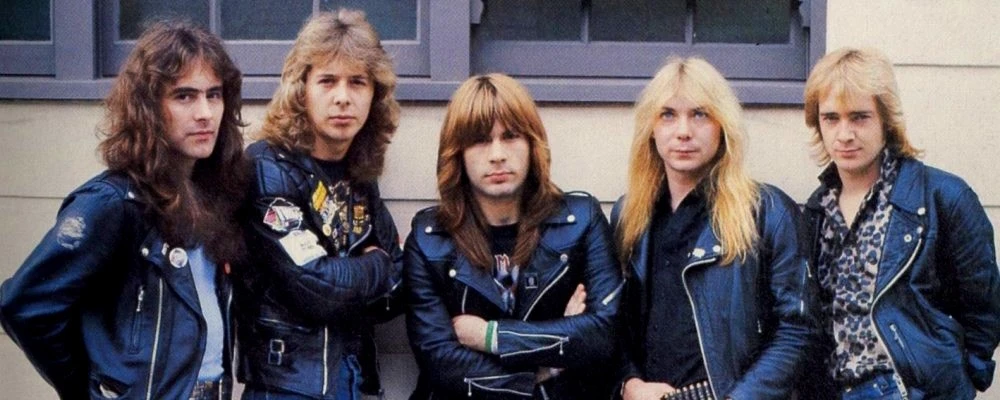
Starting with the album "The Number of the Beast," the band gained a notorious reputation as occultists. The title and the song of the same name—"The Number of the Beast"—were enough to garner attention! Journalists eagerly recounted stories of lights going on and off and equipment malfunctioning during the recording sessions. When producer Martin Birch was involved in a car accident, he received a bill for £666.66!
American fundamentalist Christians even declared a boycott of the band, burning records en masse, with Eddie grinning from the sleeves. Some, hesitant to burn them for fear of accidentally inhaling the satanic smoke from the vinyl, smashed the albums with hammers. Arenas were surrounded by activists with crosses. Steve Harris categorically denied all the accusations: "It was insane. They didn't understand anything; they didn't read the lyrics."
Nevertheless, the band subsequently eschewed overtly shocking subject matter. Sci-fi and historical themes began to dominate the lyrics, and the music became decidedly more complex. For example, the album "Somewhere In Time" (1986) was dedicated to the distant future, but in one song, the musicians decided to look deep into the past. The album closes with an epic, nearly nine-minute track called "Alexander the Great," which tells the entire story of the Macedonian general Alexander the Great. So, the rock album's terrifying cover could easily contain material for a history report!