The Perseverance Rover's Top Discoveries Over 5 Years (8 Photos)
On February 18, 2021, NASA’s Perseverance rover touched down in Jezero Crater—a spacecraft dispatched to the Red Planet with one of the most ambitious missions in space exploration history: searching for potential signs of ancient extraterrestrial life. 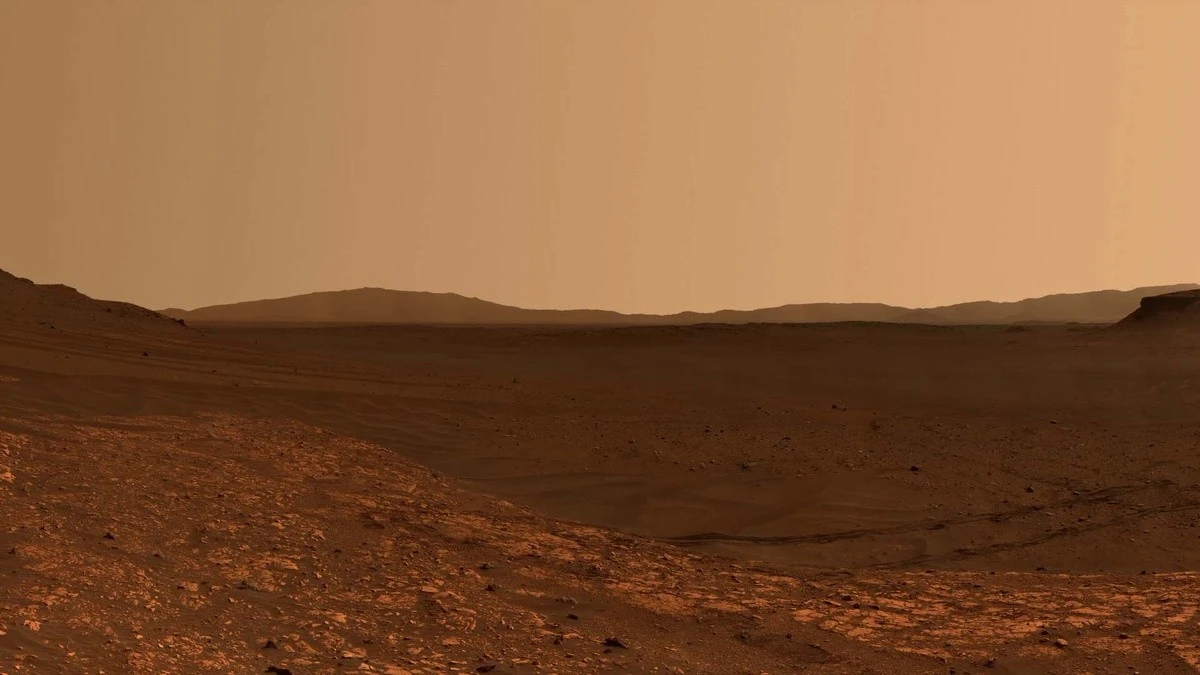
All Perseverance photos featured in this article show the Martian surface in near-natural color. Simply put, if you were standing where the rover is, this is pretty much what you would see.
Why Jezero Crater?
The 49-kilometer (30-mile) wide Jezero Crater was no random choice. Billions of years ago, during Mars's early Noachian period, this impact crater held a lake hundreds of meters deep. A river fed into it, creating a classic delta remarkably similar to those found on Earth. 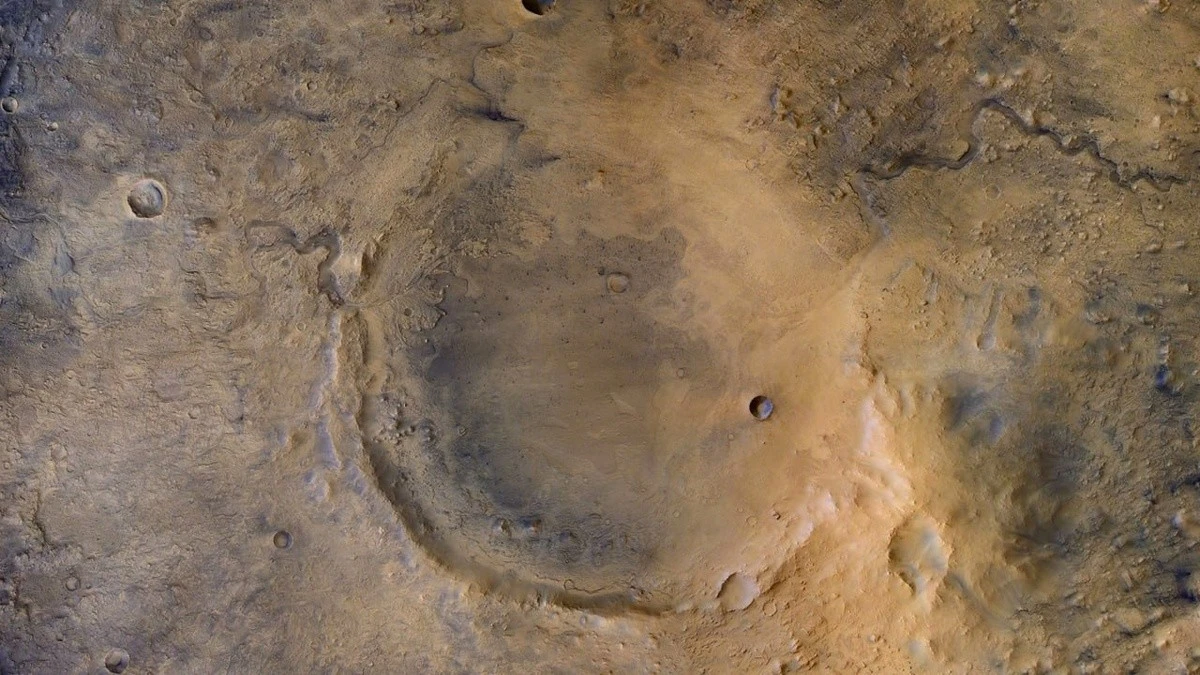
Jezero Crater viewed from orbit by NASA’s Mars Reconnaissance Orbiter (MRO)
On Earth, where there is water and sedimentary rock, signs of ancient life are often preserved—and that exact logic drove the choice of landing site.
Ingenuity: The Helicopter That Changed the Game
Accompanying Perseverance was Ingenuity, a tiny helicopter that made history on April 19, 2021, by achieving the first powered, controlled flight on another planet. 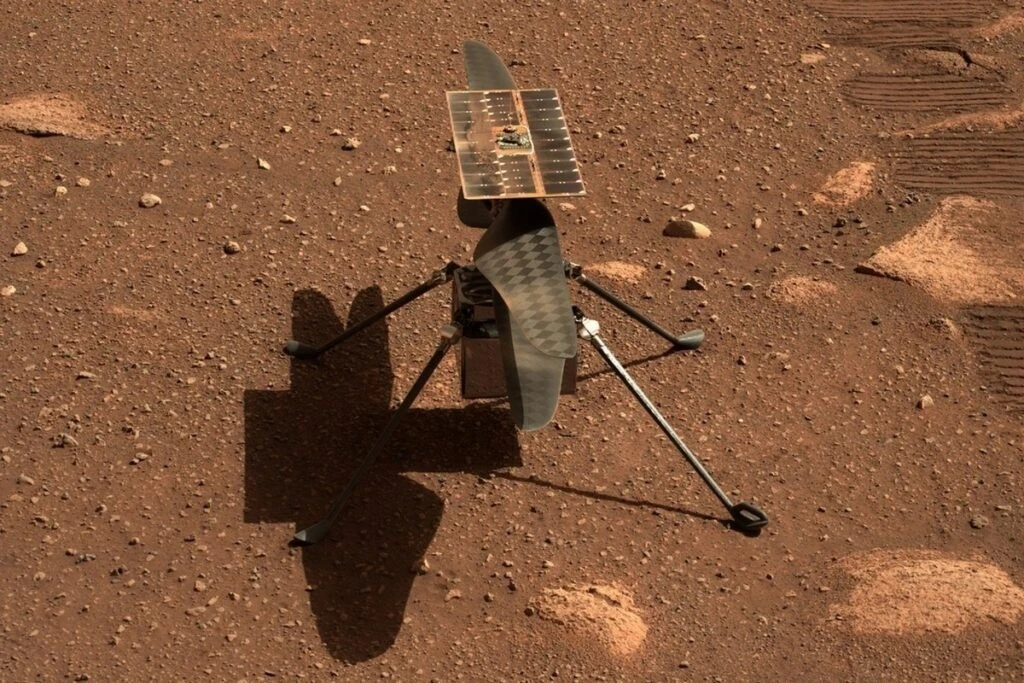
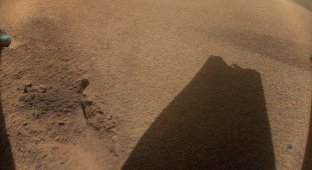
Originally designed for just five test flights over 30 Martian days, it ended up completing 72 full sorties over nearly three years. Ingenuity evolved into a vital scout, helping the mission team map out routes for the rover. Its flying career came to an end on January 18, 2024, after damaging its rotor blades during a hard landing. 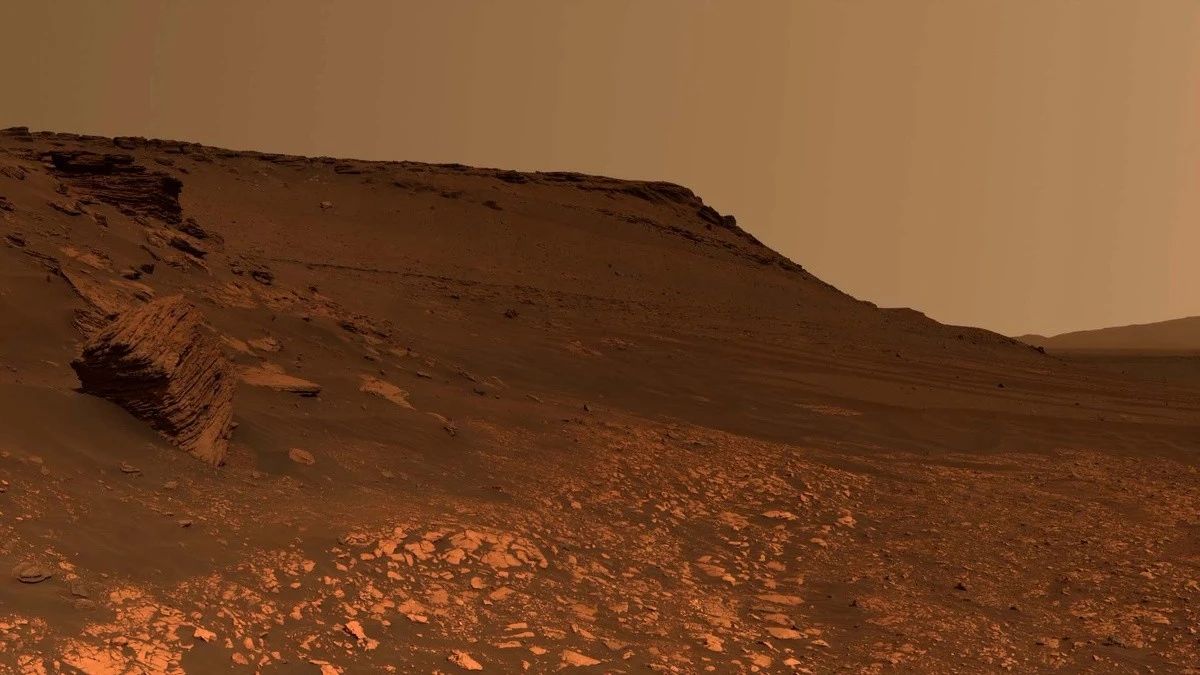
Key Discoveries Over the Years
In July 2022, the rover reached the delta and began an in-depth study of the area, gathering samples. Some were analyzed on the spot, while others were sealed in airtight titanium tubes for potential return to Earth. 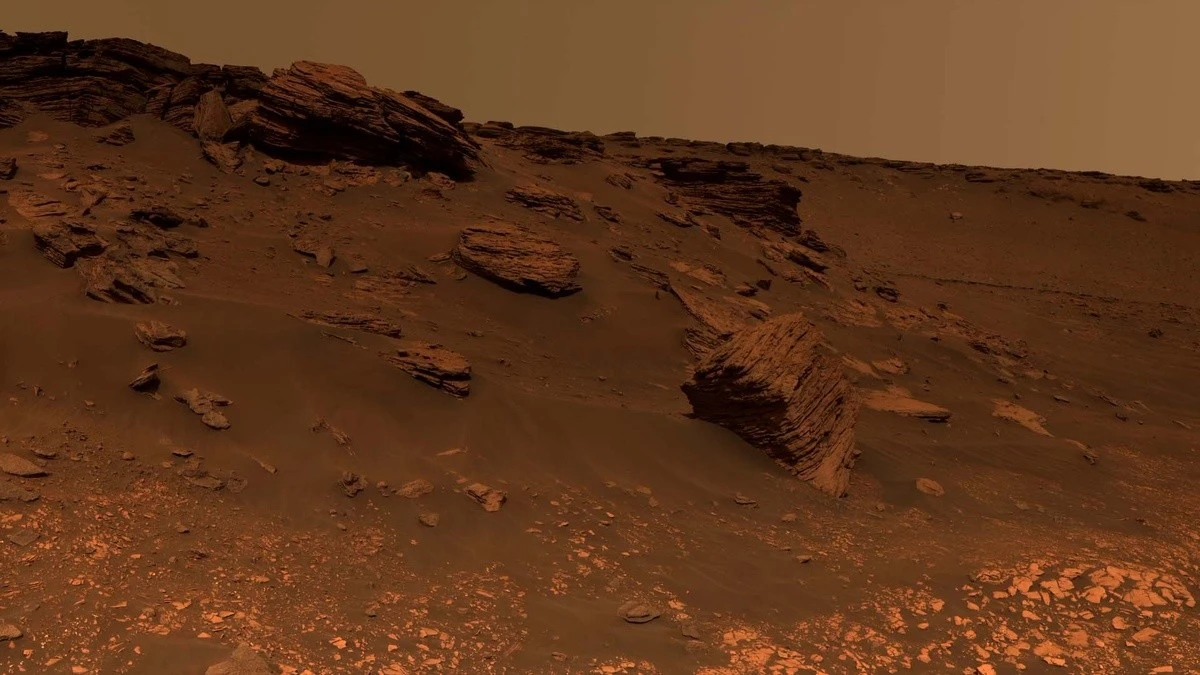
Over nearly five years of operations, several key facts have been established:
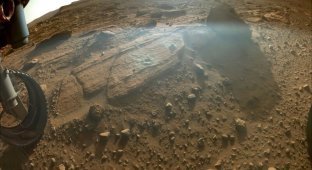
Jezero Crater was undoubtedly a lake. Layered sedimentary rocks, which could only form through prolonged exposure to water, confirmed long-standing hypotheses based on orbital imagery. This proves that early Mars experienced a period when liquid water persisted on the surface for extended periods—likely millions of years.
The river feeding into Jezero was powerful, washing large rocks into the lake that had formed in entirely different, distant regions of Mars. This offered a unique chance to study the geology of areas Perseverance could never physically reach.
Volcanic activity once thrived on the Red Planet—and there was even a volcano near Jezero. This was confirmed by the composition of the crater floor, which turned out to be igneous, formed from cooled lava. The discovery surprised scientists and made the site an even more fascinating location in the search for biosignatures.
The rover also detected a variety of organic molecules, including those associated with sulfates. This is a potentially crucial indicator, as similar chemical combinations on Earth are frequently linked to biological processes. 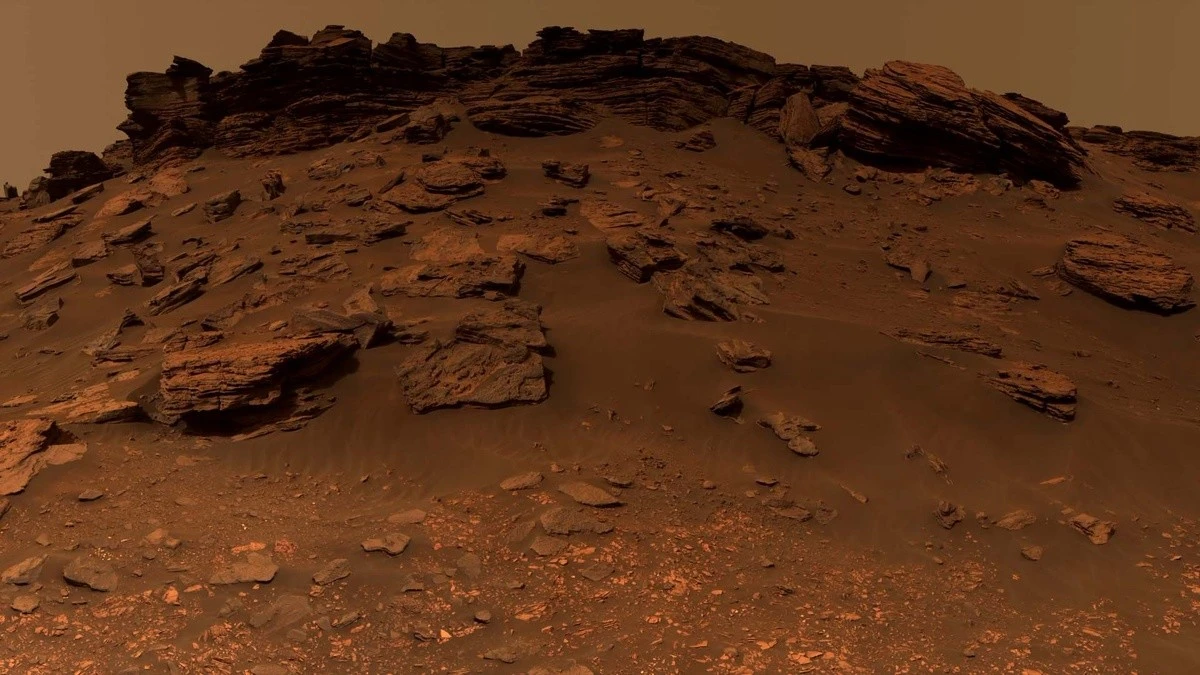
The Most Intriguing Discovery
In July 2024, while analyzing a rock nicknamed "Cheyava Falls," the rover spotted peculiar spotted textures on its surface—light-colored patches with dark rims, resembling leopard spots. Chemical analysis revealed the presence of iron and phosphate compounds, alongside organic carbon. 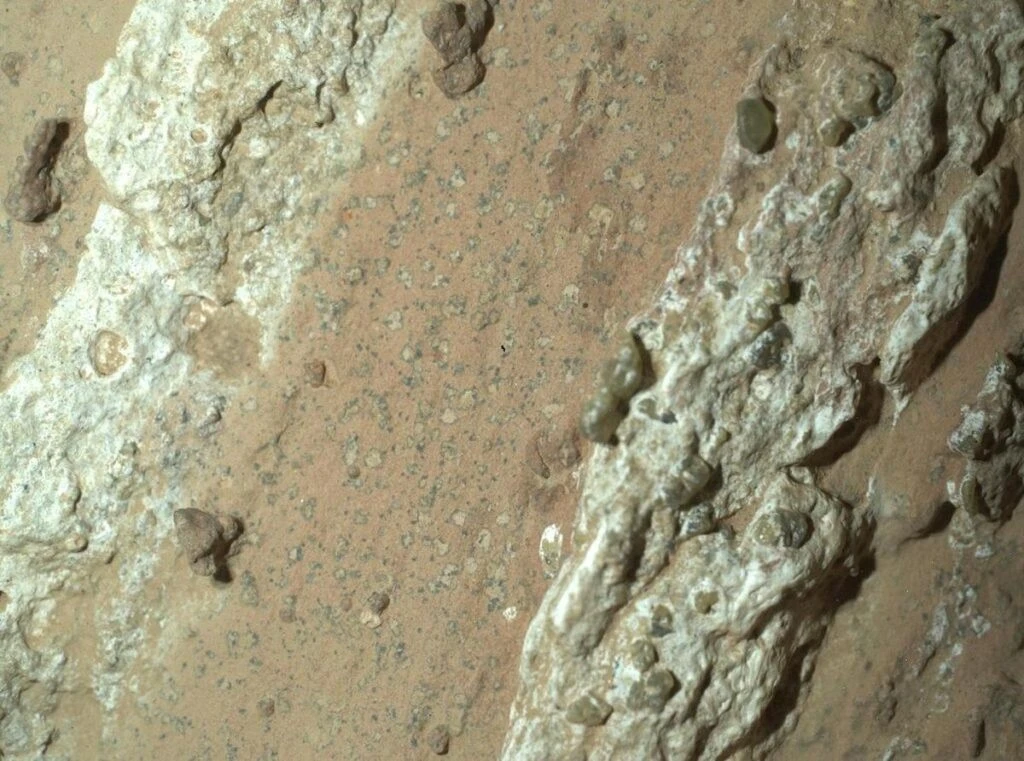
The famous "leopard spots" discovered by Perseverance
On Earth, similar features often result from chemical reactions that power microbial life, meaning they could theoretically point to ancient microbial activity.
However, NASA scientists emphasize that a non-biological (abiotic) origin cannot be ruled out. This finding is one of the main reasons why bringing samples back to Earth is so vital: rovers simply lack the lab instruments required to provide a definitive answer on site.
Was There Ever Life on Mars?
There is still no definitive answer. Data collected by Perseverance—and before it, the Curiosity rover—only offer circumstantial evidence that our neighboring planet might once have been habitable. Naturally, this refers exclusively to simple microorganisms rather than complex life forms.
Conclusive proof can only come from terrestrial laboratories packed with equipment so massive and delicate that sending it to Mars would be astronomically expensive. 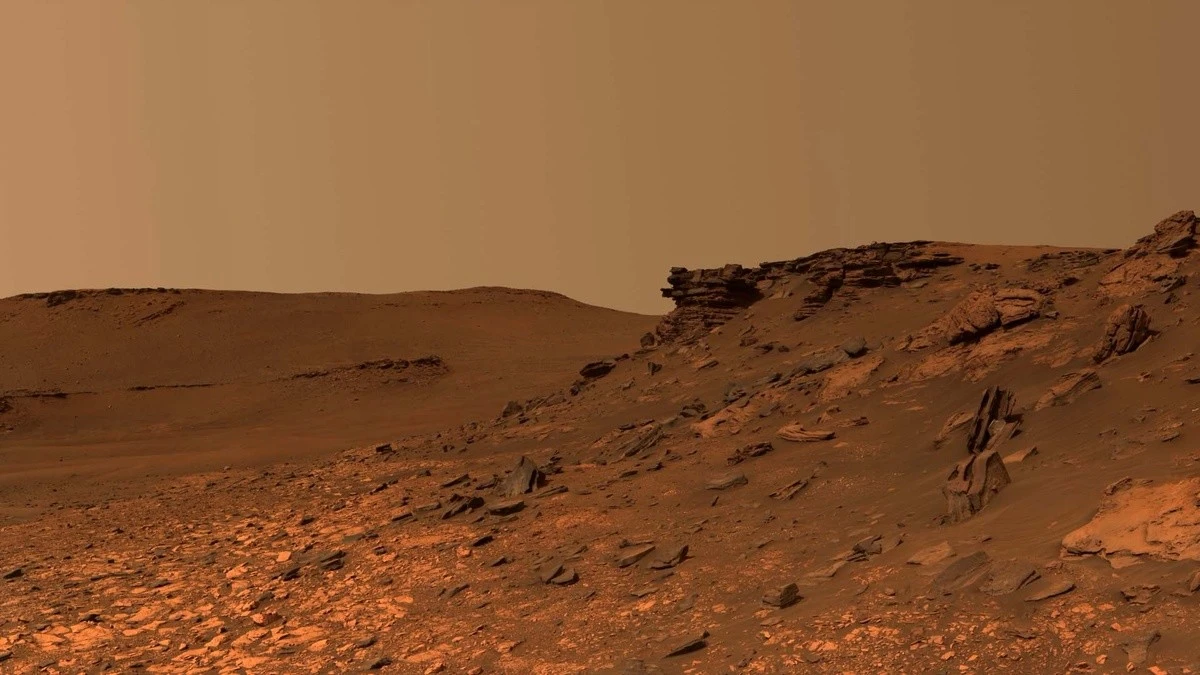
Yet there is a catch: the Mars Sample Return mission, a joint initiative between NASA and the European Space Agency (ESA), has run into severe financial and technical hurdles.
Initial plans aimed for a return in the early 2030s, but agencies later admitted that schedule was unrealistic. Subsequent NASA budget cuts forced Mars Sample Return onto the back burner. The situation became so dire that NASA even parted ways with Lockheed Martin, which asked for "only" $3 billion to carry out the mission (guaranteeing no cost overruns). For context, the mission's total price tag was initially estimated at $7 billion.
The Martian samples will likely make it to Earth in the 2030s after all—but thanks to China, which has set its sights on the exact same goal. The China National Space Administration has pledged to deliver them first, and there is little reason to doubt they will pull it off.