22 Photos Proving History Is Far More Fascinating Than Textbooks (23 photos)
Photography is the ultimate form of time travel. This collection features 22 striking images from around the world across different eras—from gridlocked London traffic in 1926 and Soviet runway models in mini skirts to a young girl from Kyiv who would grow up to be Milla Jovovich, and a Japanese civil servant who gave her life to save hundreds. Take a look, reflect, and prepare to be amazed. 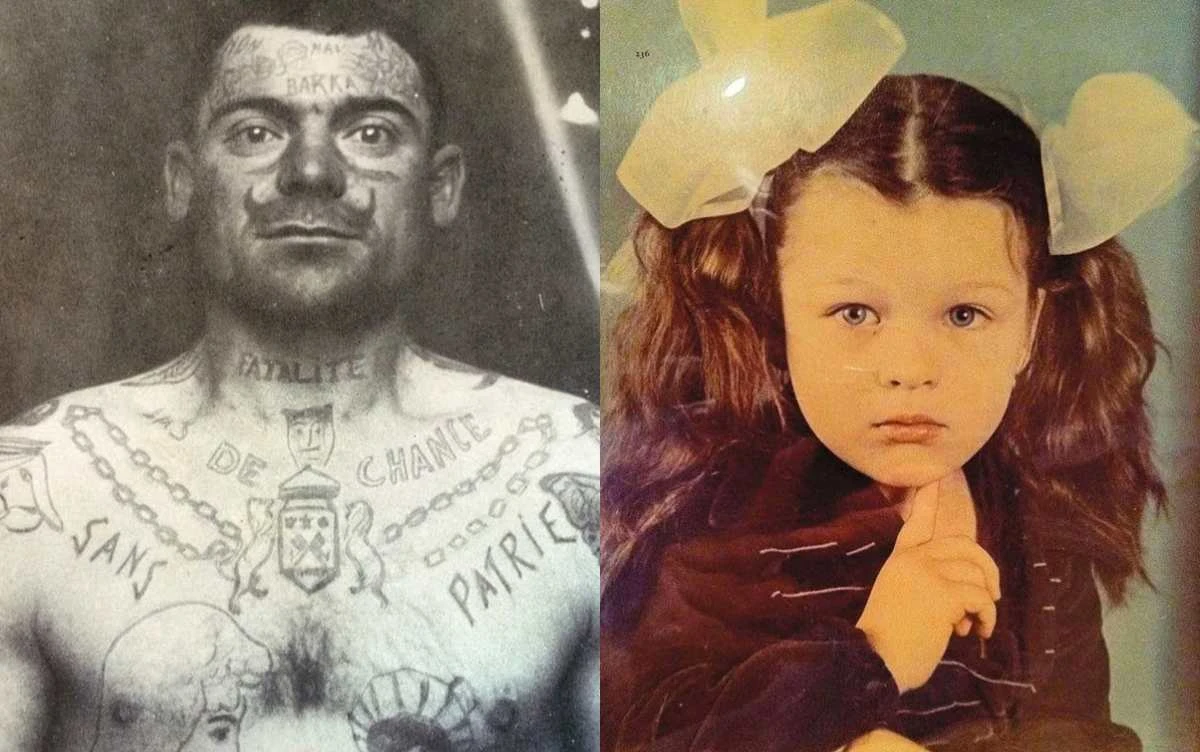
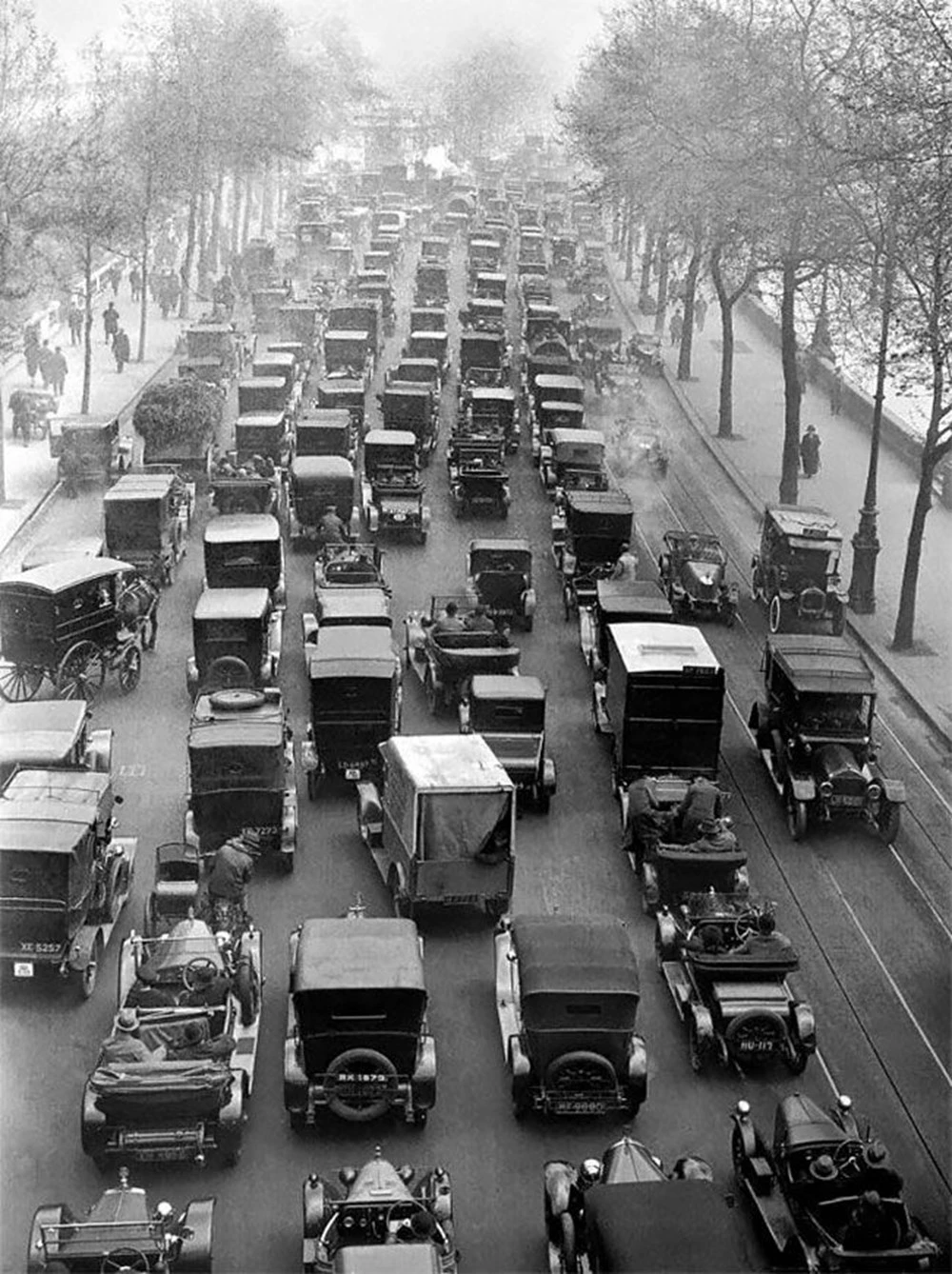
London, Victoria Embankment. The 1926 General Strike brought the nation's transport system to a standstill.
In May 1926, the United Kingdom experienced its first and only general strike. Around 1.7 million workers—including miners, railwaymen, printers, and dockers—walked off the job simultaneously. The city ground to a halt; buses and trains ceased operations. Private vehicles poured onto the streets, causing unprecedented traffic jams across London. The strike lasted nine days, from May 4 to May 13. 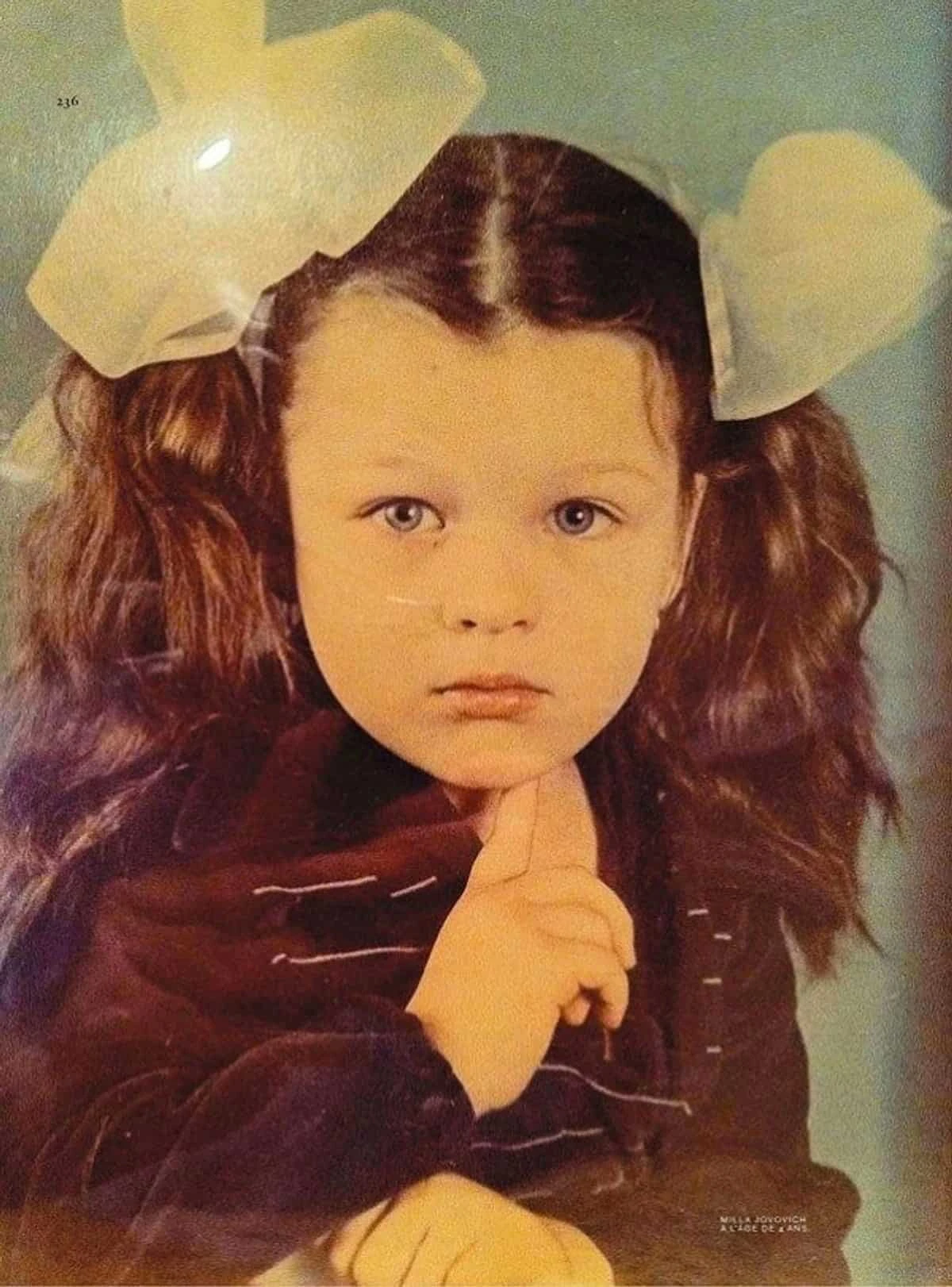
A young Milla in kindergarten. She left the USSR at the age of five.
This little girl is Milica Bogdanovna Jovovich. Born in Kyiv on December 17, 1975, to a Serbian doctor and a Soviet actress, her family emigrated in 1981, moving first to London and then to California. At age 11, photographer Richard Avedon discovered her, landing her on the cover of Italian Vogue. Today, the world knows her as Milla Jovovich, star of "The Fifth Element" and the "Resident Evil" franchise. 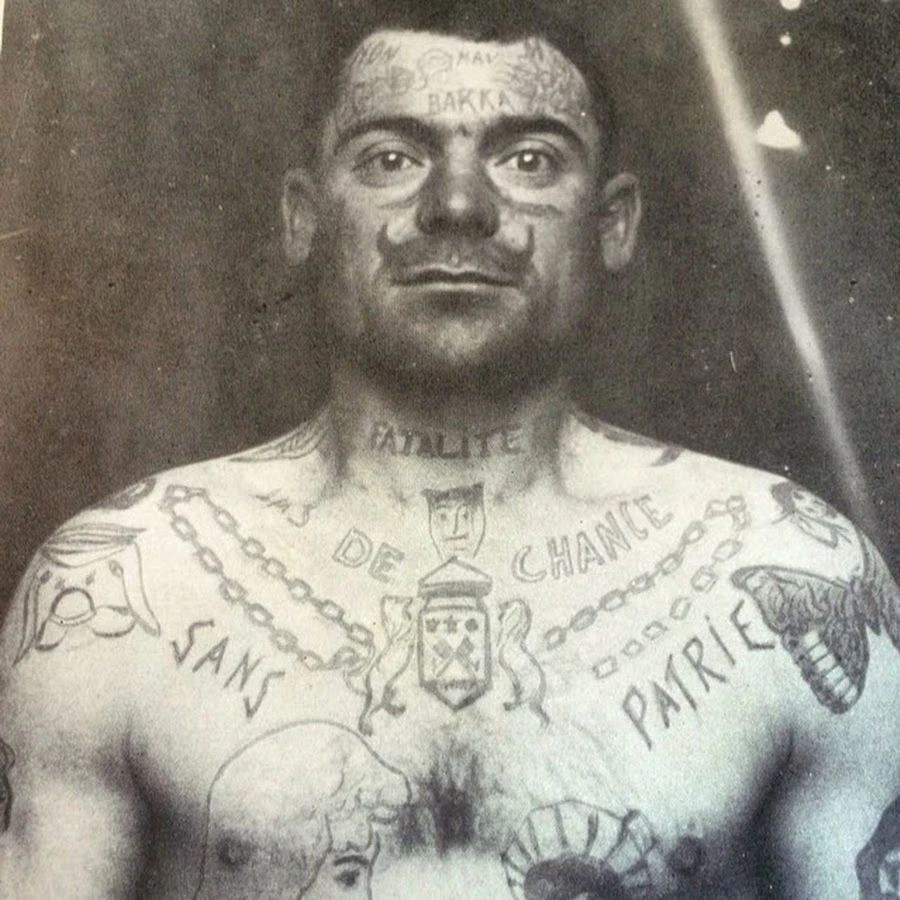
A prison tattoo as a political statement. France, early 20th century.
In early 20th-century French prisons, a tattooed mustache carried a distinct meaning: it served as a silent protest against prison authorities. Unable to speak freely, inmates chose to wear their defiance right on their faces. Inmates crafted makeshift tattooing tools using needles, ink, and charcoal. 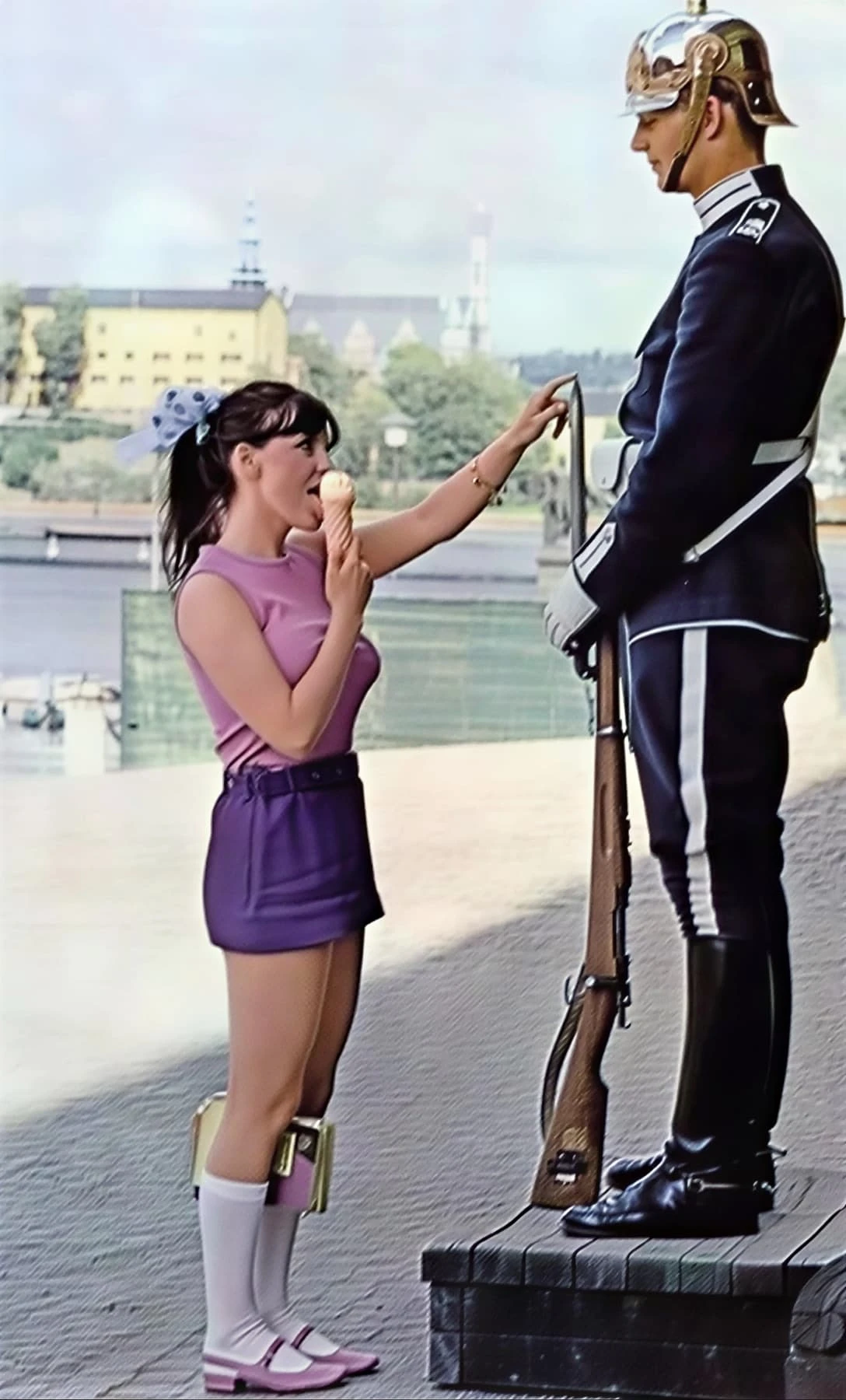
Sweden, 1970. A young woman tries to tempt a Royal Guard with ice cream.
Royal Guards are required to stand completely still and maintain a stone-faced expression, no matter what happens around them. Tourists and locals have spent decades putting this discipline to the test—posing right beside them, pulling faces, and more. Through it all, the guards stand firm. 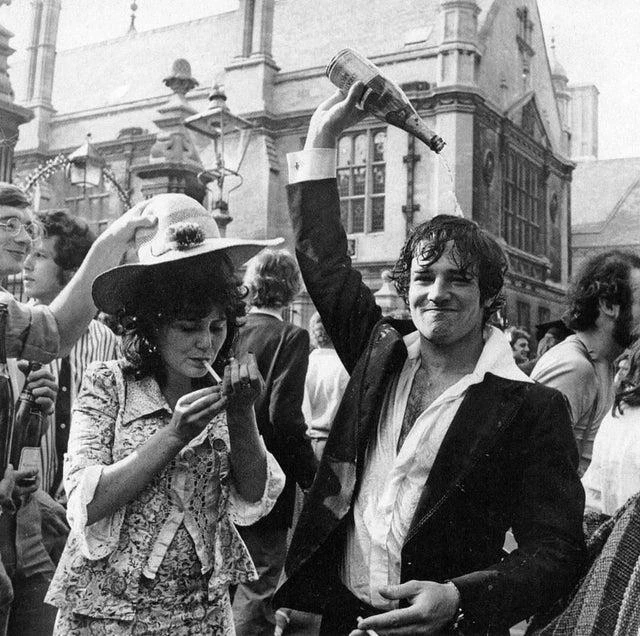
Oxford, 1976. The "trashing" tradition—confetti, champagne, and chaos after the final exam.
For decades, Oxford University students have celebrated the end of their final exams in the exact same chaotic fashion: right as they step out of the examination hall, friends douse them in champagne, confetti, and flour. Known as "trashing," the post-exam tradition was officially banned in 2012 due to damage to historic buildings, though off-record celebrations endure. 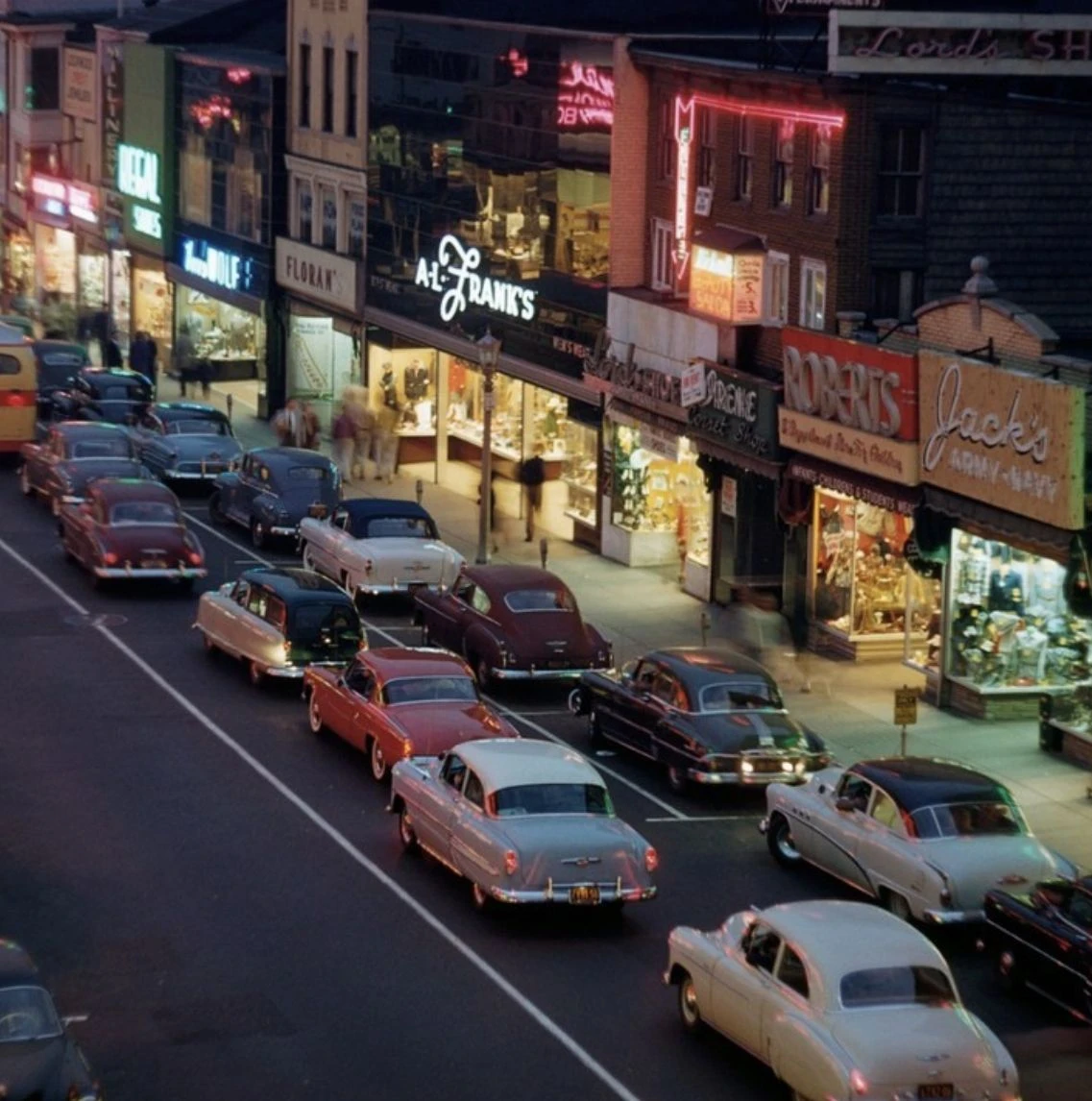
Hempstead, New York, 1950s. Photographer William P. Gottlieb captures the town at dusk.
William P. Gottlieb (1917–2006) was an American photographer best known for his iconic jazz portraits of legends like Billie Holiday, Thelonious Monk, and Charlie Parker. He shot cityscapes alongside his music work to build a personal archive of the era. Today, his work is preserved in the Library of Congress. 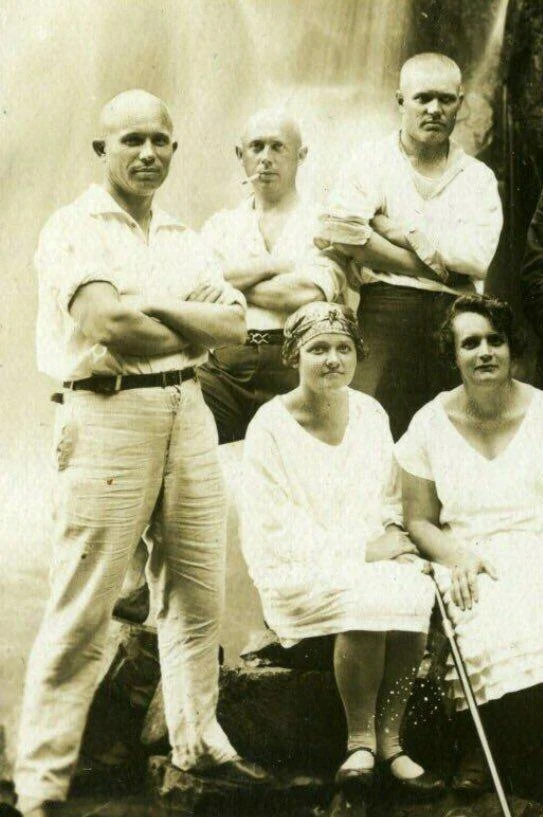
Kislovodsk, early 1930s. A future Soviet leader enjoying some downtime.
Pictured here is Nikita Khrushchev in the early 1930s, long before the 20th Party Congress and the "Thaw." At the time, he was climbing the party ladder: becoming head of Moscow's Bauman District Committee in 1931, and First Secretary of the Moscow City Committee by 1935. Staying at a resort in Kislovodsk was a coveted privilege reserved for high-ranking party officials. 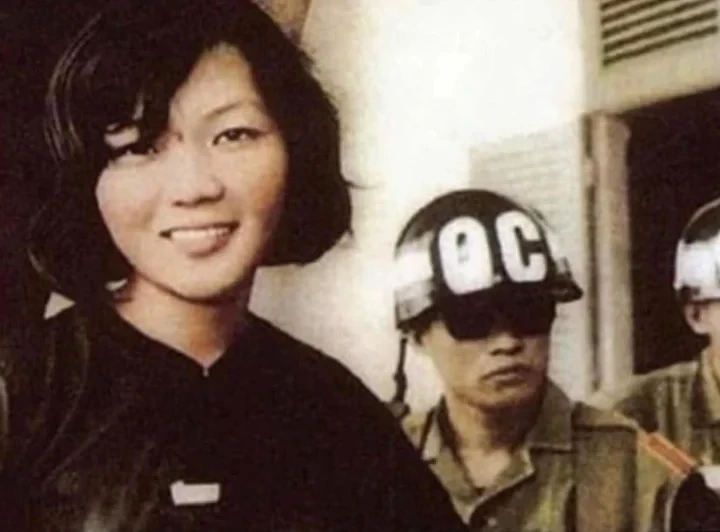
Vo Thi Thang after sentencing. The photo became known as "The Smile of Victory."
Vo Thi Thang was a Vietnamese activist arrested by the South Vietnamese government following an attempted assassination of an intelligence agent in 1968. The court sentenced her to 20 years of hard labor. Upon hearing the verdict, she smiled at the judge and reportedly remarked: "Twenty years? Your government won't last that long." A Japanese photojournalist captured the moment, and the image went viral globally. The South Vietnamese government fell in 1975. 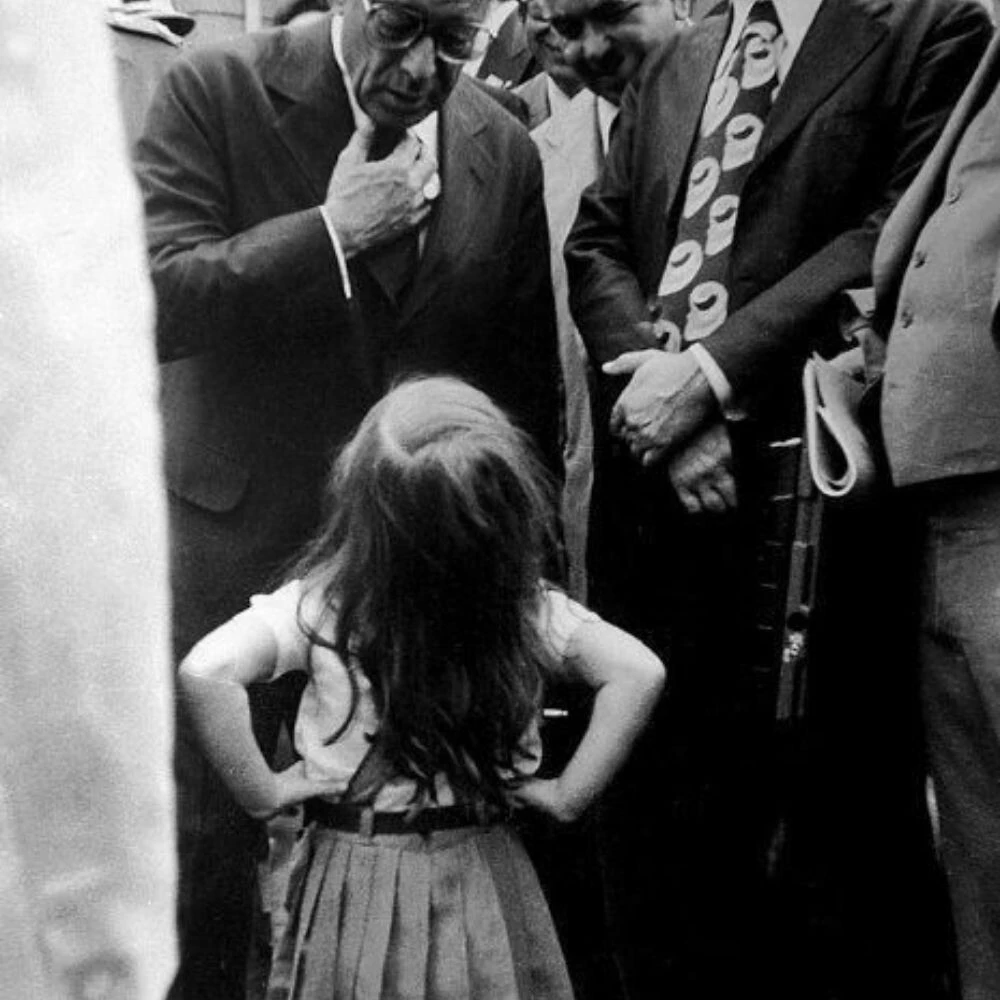
A small gesture with massive symbolism. Belo Horizonte, Brazil, 1979.
This historic image captures a young girl refusing to shake hands with Brazilian President João Baptista de Oliveira Figueiredo. Figueiredo was the country's last military dictator, ruling from 1979 to 1985. According to CIA documents, his regime backed extrajudicial executions of political dissidents. The photograph quickly became an enduring symbol of silent resistance. 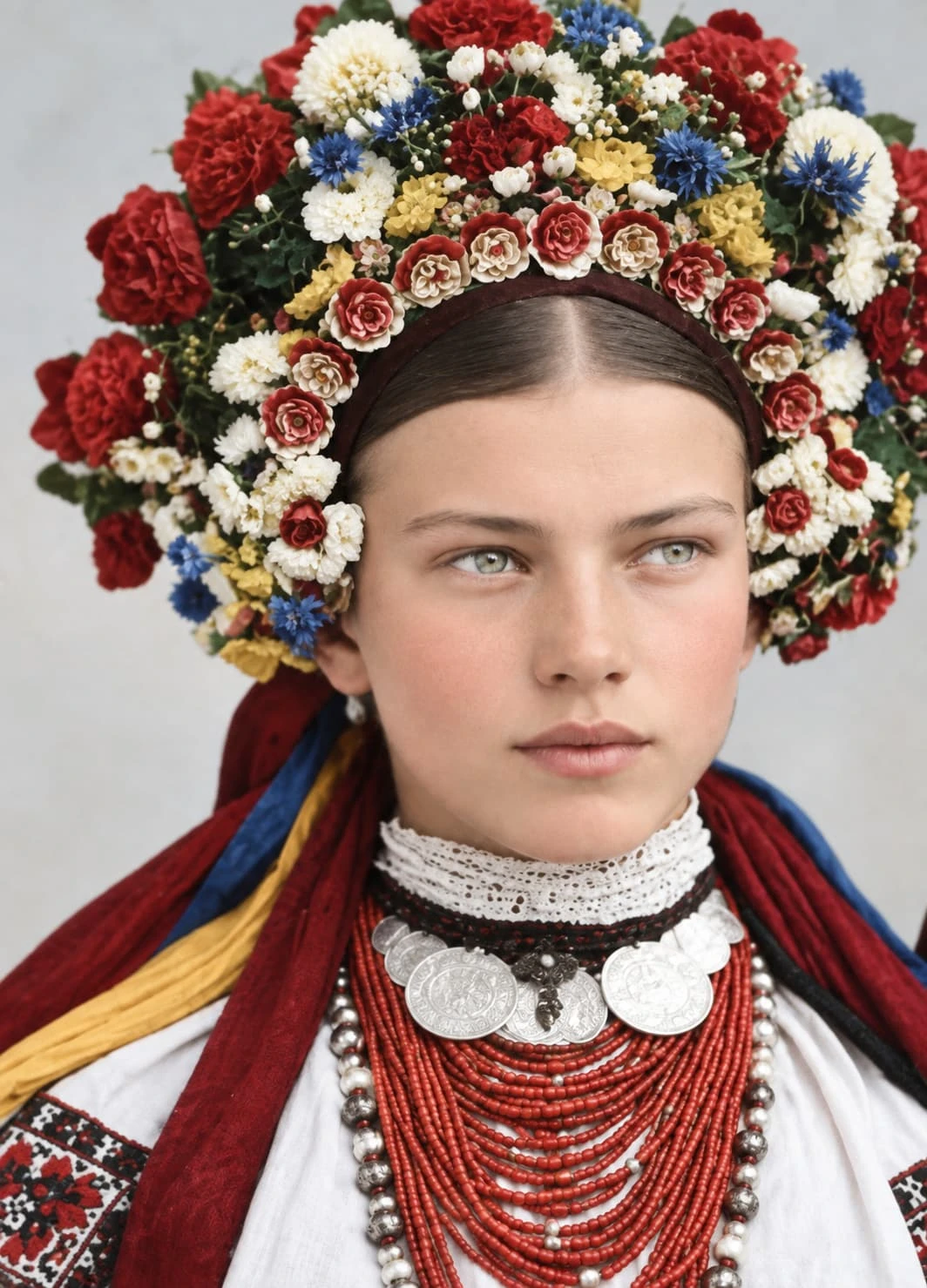
A Ukrainian woman from Yabluniv (now in the Kosiv District, Ivano-Frankivsk Region), 1899. Colorized and restored photo.
Taken in 1899 in Galicia, then part of the Austro-Hungarian Empire, this photo depicts a time when Ukrainian culture flourished under very different conditions than in the Russian Empire. The Ukrainian language was spoken in schools and churches, cultural societies thrived, and newspapers were freely published. In the late 19th century, Galicia became the heartland of Ukrainian ethnography, with photographers and scholars visiting rural villages to document traditional dress and customs before they disappeared. 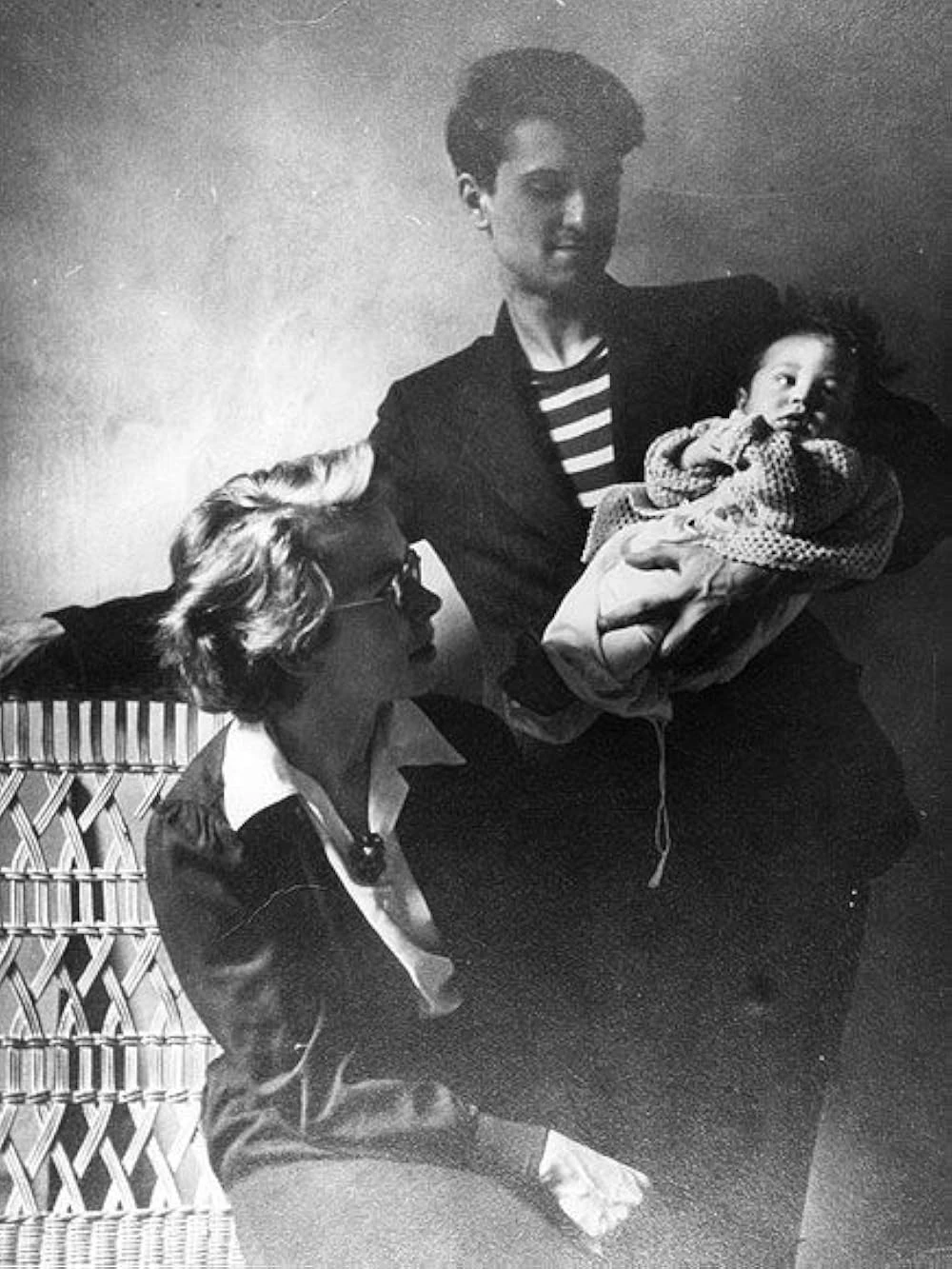
Robert De Niro with his artist parents. New York, 1944—the actor is around one year old.
Robert De Niro was born on August 17, 1943, in New York City to abstract expressionist painter parents. His mother, Virginia Admiral, was connected to Peggy Guggenheim's inner circle and became one of the first artists of her generation to sell a painting to the Museum of Modern Art (MoMA)—predating Jackson Pollock. His parents divorced when Robert was two years old. 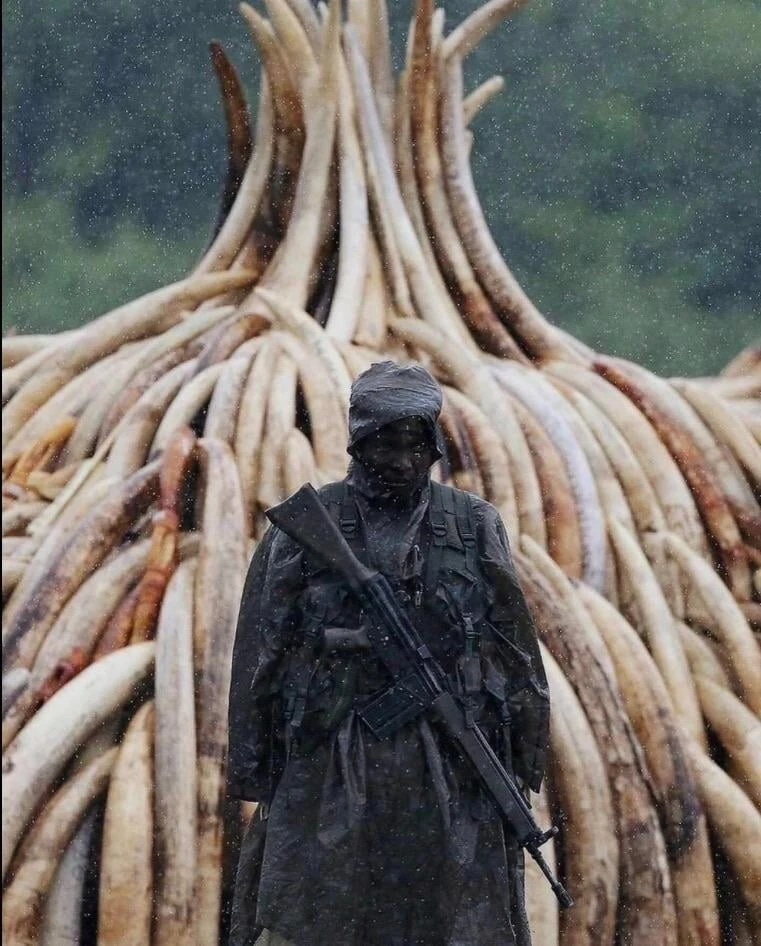
Kenya, 2016. Guarded stacks of elephant tusks seized from poachers. Filling a stockpile this size took the lives of thousands of elephants.
Kenya remains on the frontlines of the fight against poaching. In 2016, the nation set fire to 105 tons of confiscated ivory—the largest stockpile destruction in history, valued at roughly $150 million on the black market. Kenya's president personally set the first pyre ablaze. Ivory poaching claims the lives of tens of thousands of African elephants every year. 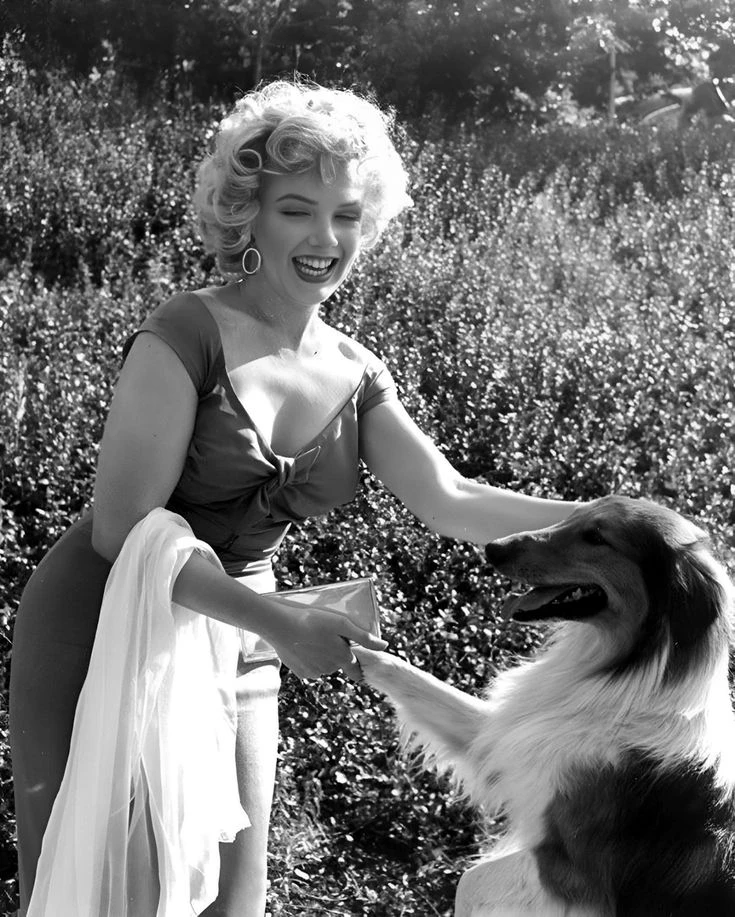
Marilyn Monroe and Lassie, 1952. Two icons, one frame.
On August 3, 1952, 20th Century Fox threw a party at bandleader Ray Anthony's home to celebrate the release of the song "Marilyn." Monroe arrived wearing the same magenta dress she wore in the film "Niagara." Photographer Lani Carlson managed to capture her alongside the famous TV dog Lassie—a shot that sat forgotten in a shoebox for nearly 60 years before finally coming to light. 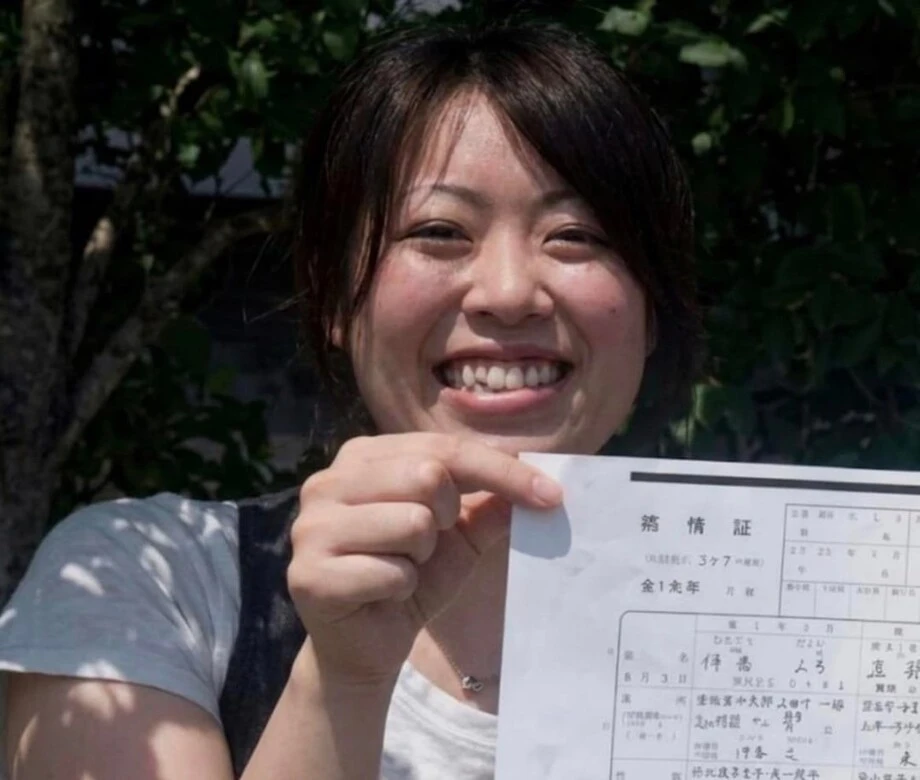
Miki Endo in 2009. Two years later, the 24-year-old official would die while broadcasting evacuation warnings during the Tōhoku tsunami.
On March 11, 2011, a magnitude 9.0 earthquake triggered a devastating tsunami that swept over the Japanese town of Minamisanriku. Miki Endo, a 24-year-old emergency management officer, stayed at her post broadcasting evacuation warnings over the loudspeaker system for nearly 30 minutes. The tsunami engulfed the building. Of around 40 people who sought refuge on the roof, only 11 survived; Endo was not among them. Her selfless warnings are credited with saving hundreds of lives. 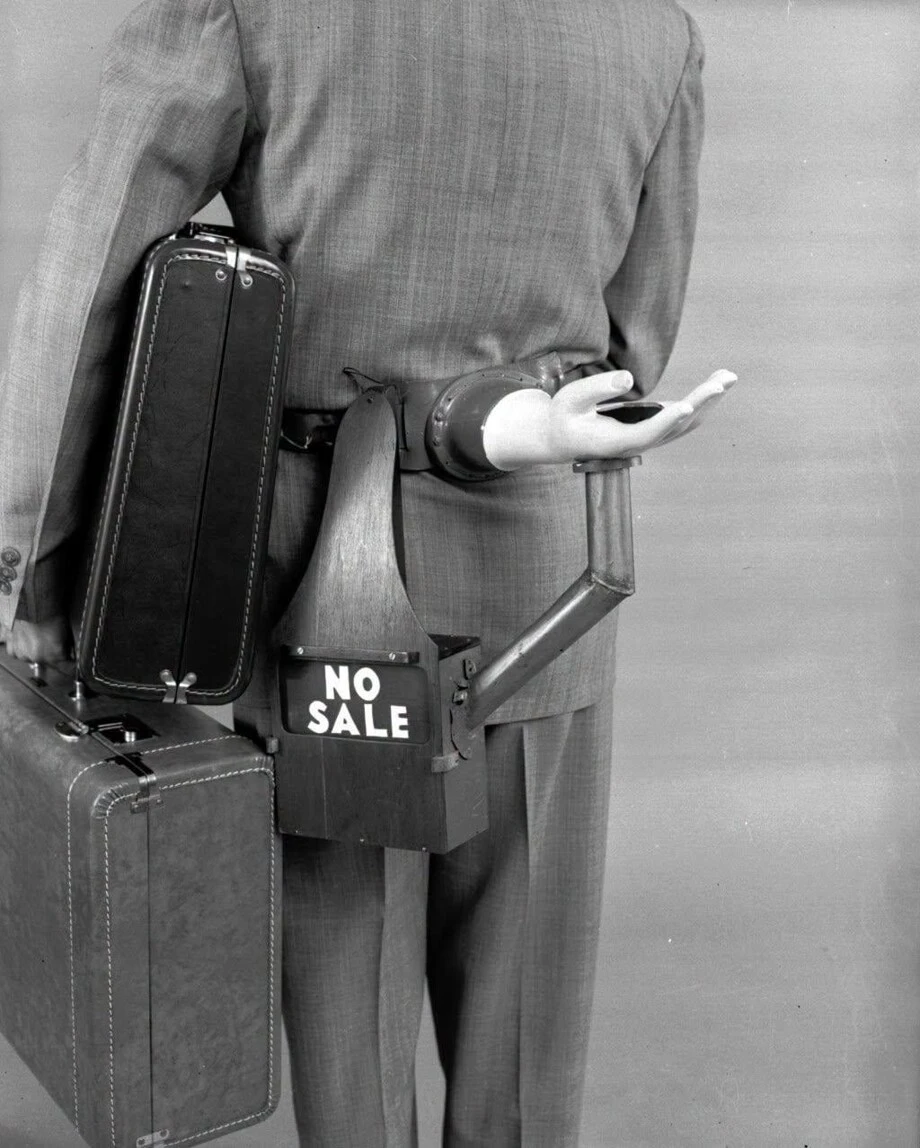
USA, 1955. Russell E. Oakes' "Automatic Tip Requester"—for those too shy to ask themselves.
In 1955, American inventor Russell E. Oakes patented the "Automatic Tip Requester." Strapped around the waist, the contraption featured an artificial hand extended palm-up attached to a miniature cash box. If a guest tipped too little, a trigger mechanism popped up a sign reading "No Sale." Designed for timid bellhops and hotel staff who felt awkward soliciting tips, the quirky invention never quite caught on. 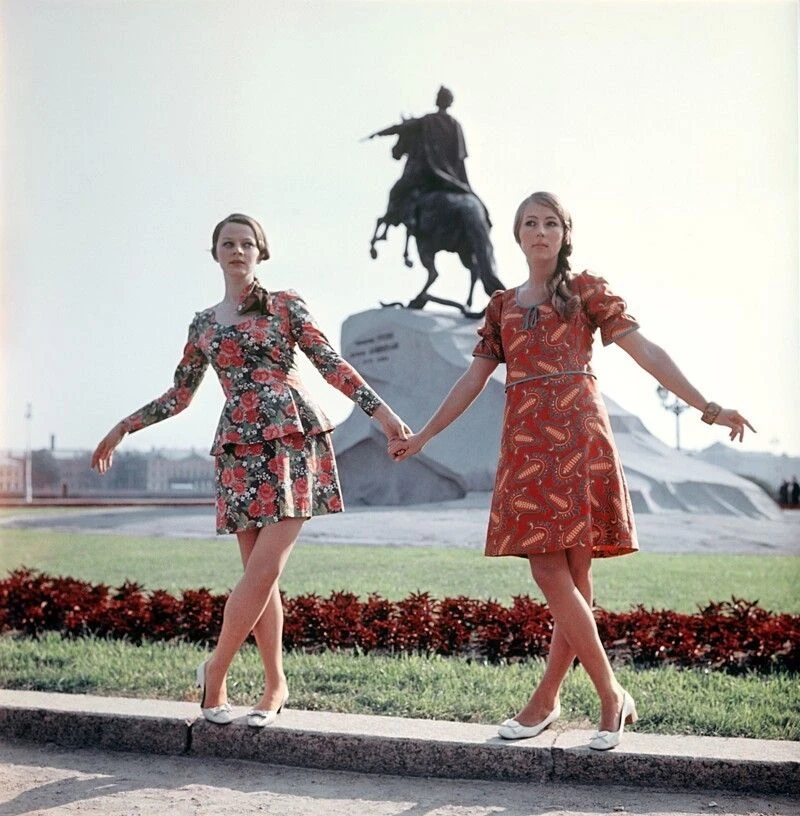
Soviet models in vibrant dresses posing before the monument to Peter the Great (the "Bronze Horseman") in Leningrad, 1968.
By 1968, shorter hemlines had firmly established themselves in Soviet fashion. Mary Quant popularized the miniskirt in London in the mid-1960s, and within a few years, the trend reached Soviet tailor shops and department stores. In this photo, the hemlines are somewhat modest—closer to midi than mini. The backdrop chosen was the Bronze Horseman, Etienne-Maurice Falconet's iconic monument to Peter the Great, unveiled in 1782, which became an enduring symbol of St. Petersburg. 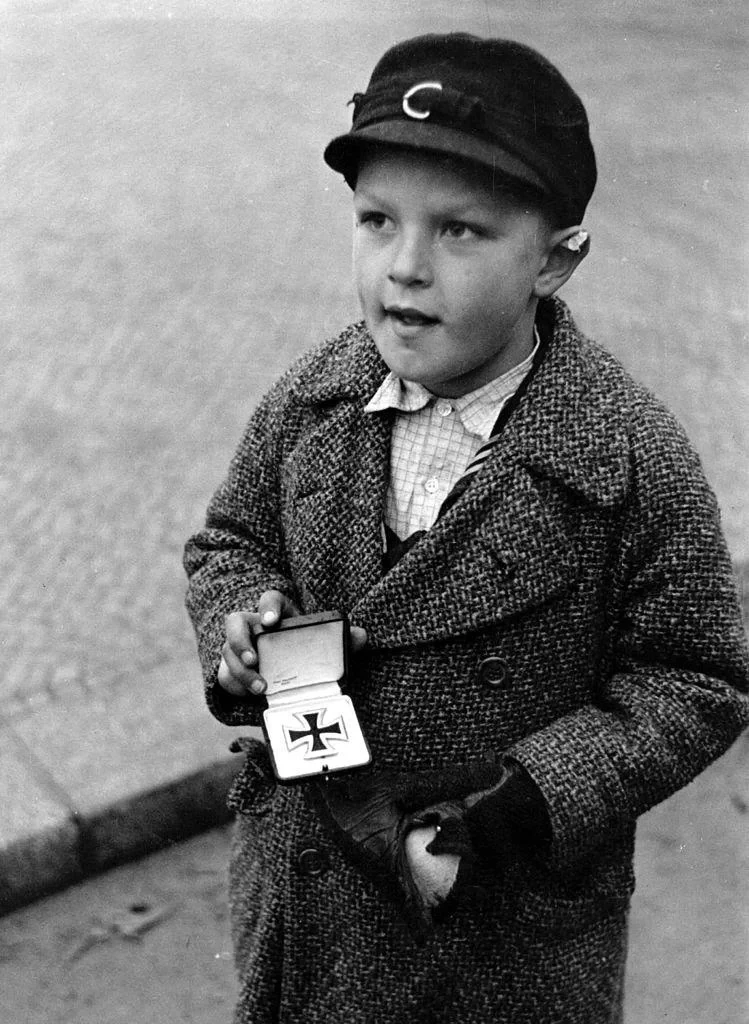
Berlin, 1945. An orphaned boy tries to trade his father's Iron Cross for cigarettes.
Following Germany's surrender in May 1945, the country's economy collapsed and paper currency became worthless. Cigarettes emerged as the primary currency, used to trade for food, clothing, and services. The Iron Cross—once a prestigious military honor—became just another bartering chip. This haunting image came to define the desperation of post-war collapse. 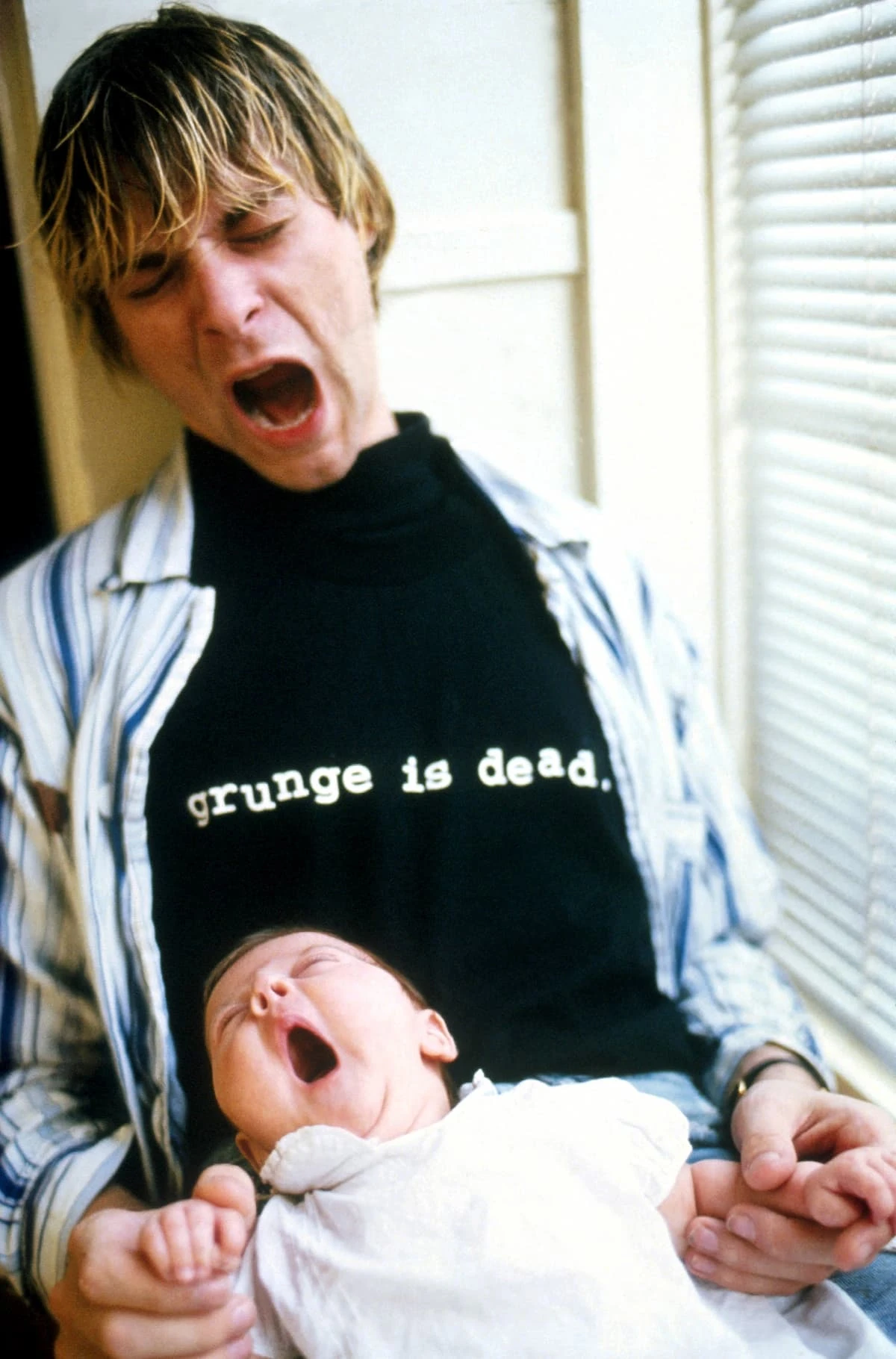
Kurt Cobain with newborn Frances, September 1992.
Frances Bean Cobain was born on August 18, 1992, in Los Angeles. Her middle name, "Bean," came from Kurt thinking she looked like a little kidney bean on the ultrasound scan. She arrived during the most tumultuous period of Cobain's life, right as Nirvana released "Nevermind" and skyrocketed to global stardom. Kurt passed away in April 1994, when Frances was just 18 months old. 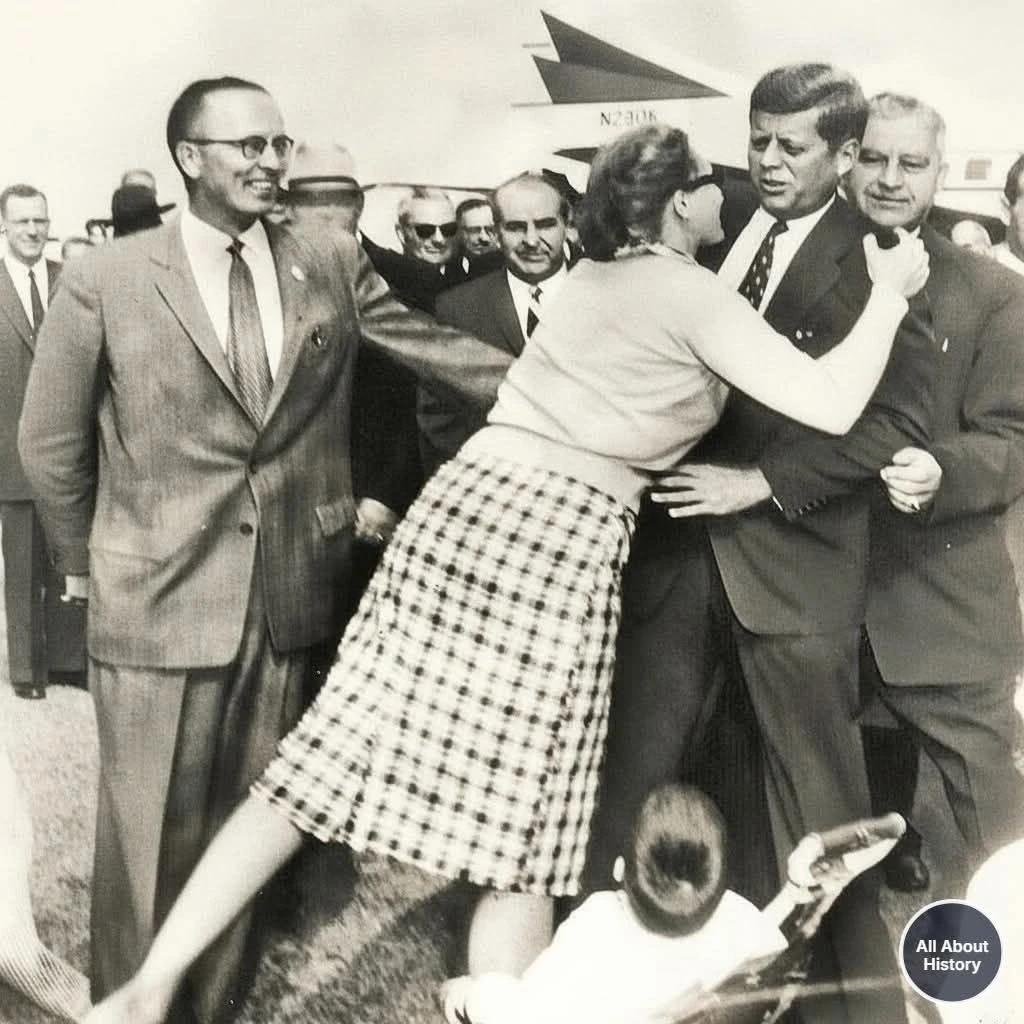
Niagara Falls, New York, September 28, 1960. A fan tries to kiss John F. Kennedy—just 41 days before he was elected president.
Kennedy was photographed here during his presidential campaign stop in New York State on September 28, 1960—41 days before winning the White House. Known for his charismatic campaign style, JFK actively engaged with crowds, shaking hands, chatting, and posing for photos. Occasionally, enthusiasm breached security protocol. 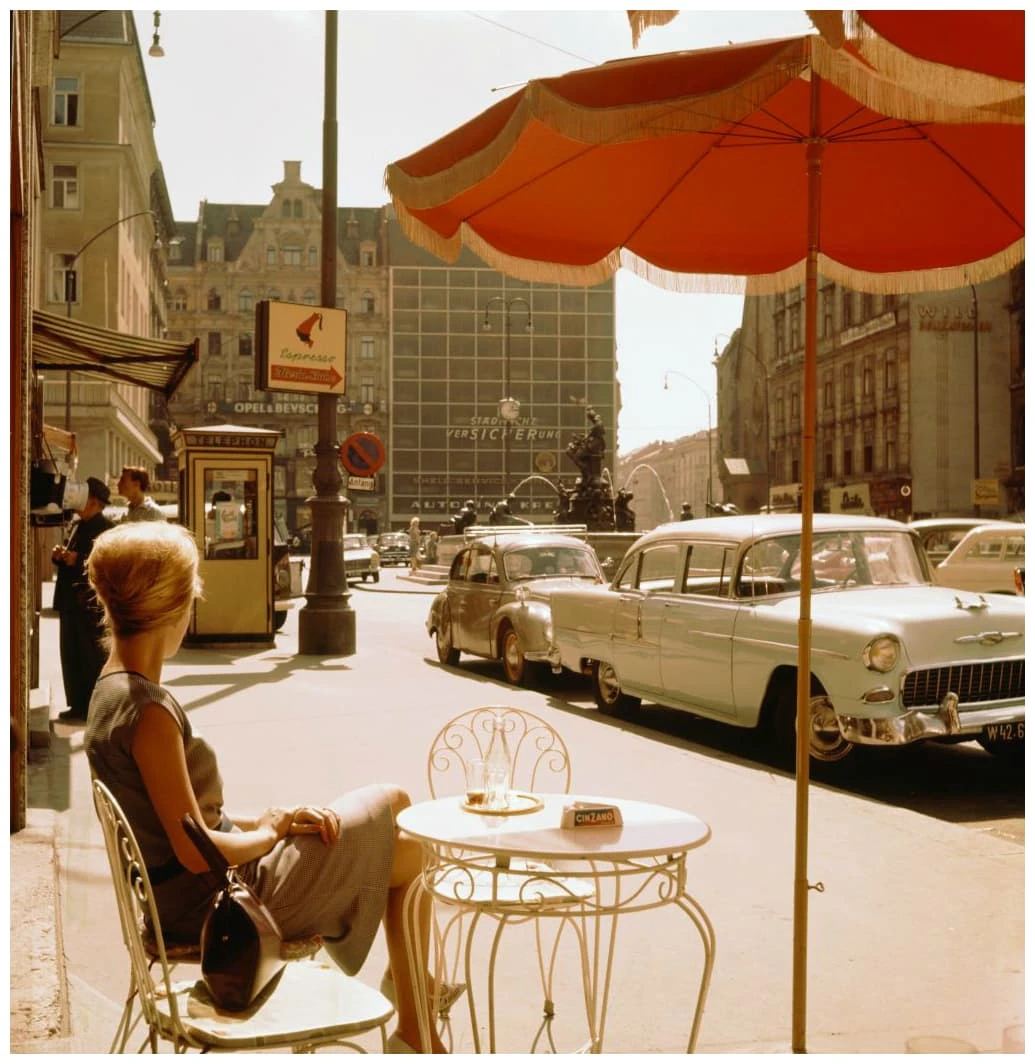
A street scene in Vienna, Austria, in the 1960s, captured by photographer Kees Scherer.
Dutch photographer Kees Scherer (1920–1993) shot for Panorama magazine and traveled extensively across Europe during the 1950s and 1960s. His candid street photography captured spontaneous, unposed moments with incredible timing. Though not a household name to the general public, Scherer's distinctive style remains instantly recognizable. 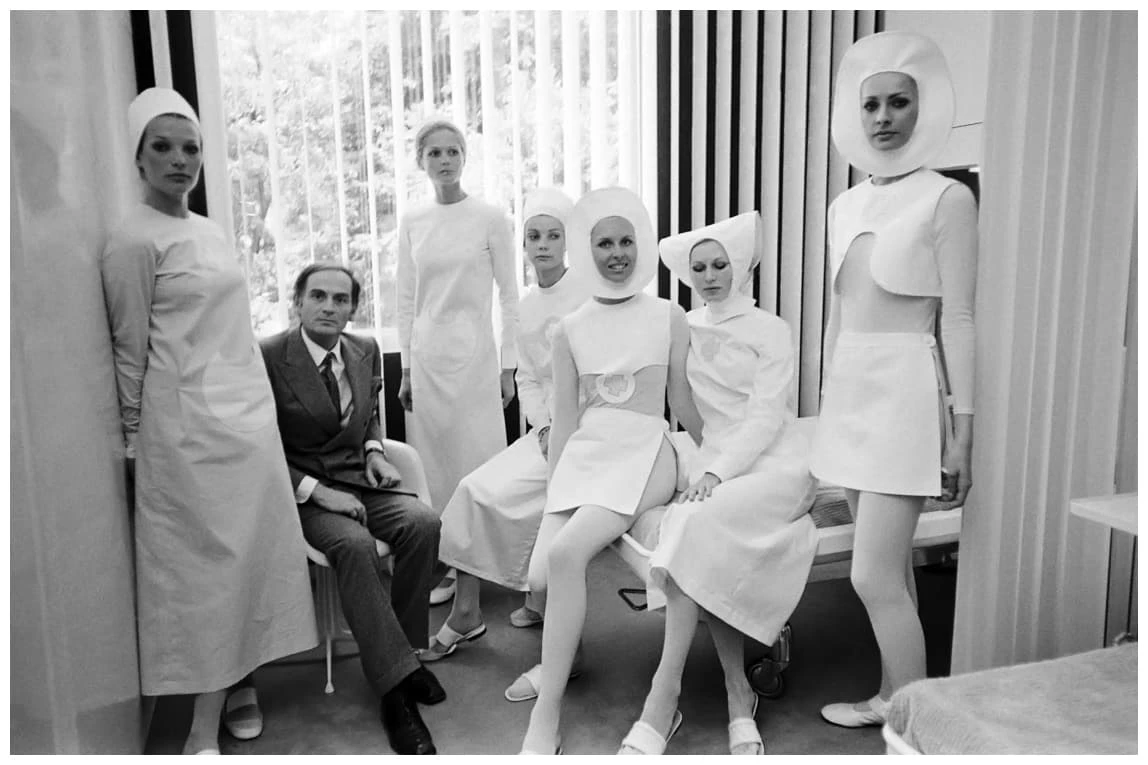
Pierre Cardin and his futuristic vision for medical uniforms. Paris, 1970.
Pierre Cardin (1922–2020) was one of the few high-fashion couturiers who embraced industrial and functional design. Throughout the 1960s and 1970s, he designed everything from clothing to furniture, tableware, and architectural concepts. His Space Age medical uniform concept aligned with his overarching philosophy: good design should transform everyday life, not just decorate the runway. 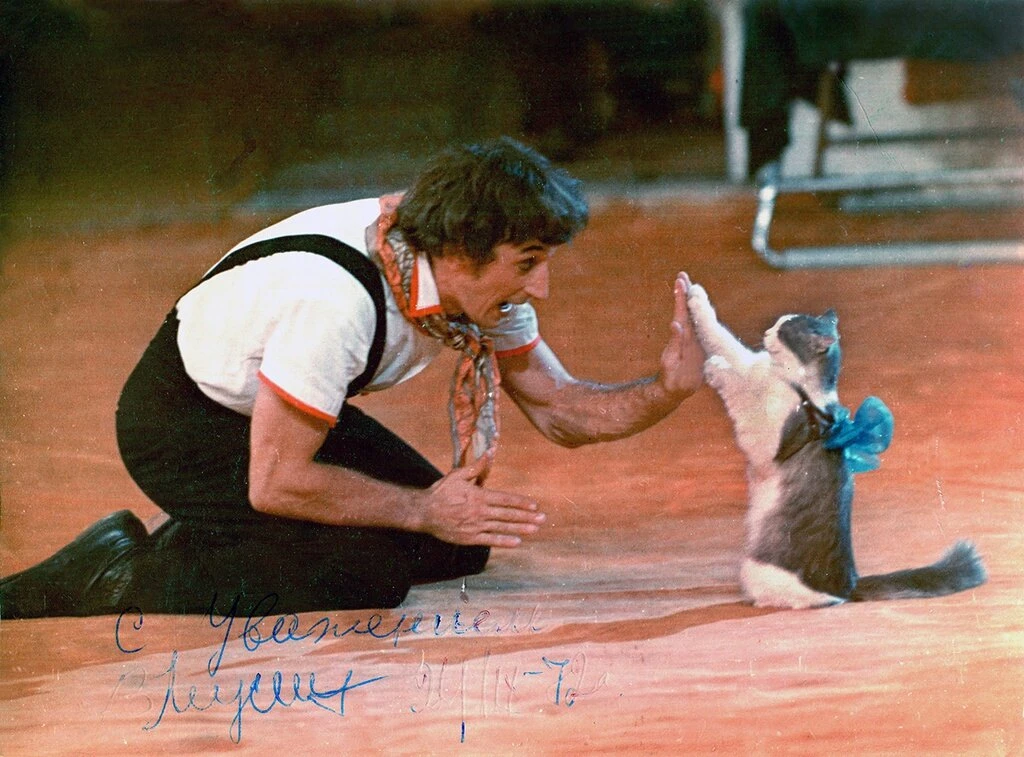
Baku, 1970s. Valery Musin, the Soviet circus's pioneer cat trainer.
Valery Musin was a carpet clown and animal trainer honored as a Distinguished Artist of the RSFSR. Performing in the Soviet circus during the 1960s and 1970s, he was among the first to train domestic cats for the main ring—a feat far more challenging than training dogs or bears. Cats do not respond to fear or coercion, requiring immense patience and positive reinforcement. Yuri Kuklachev later built on this legacy, establishing Moscow's famous Cat Theatre.
Which of these photos struck you the most? Share your thoughts in the comments!