One Second per Week of Work: 10 of the Most Visually Breathtaking 21st-Century Movies (21 photos)
Some movies stick with us because of their plot, while others mesmerize with visuals so stunning you just want to pause and soak in every frame. Film outlet Collider recently rounded up 10 of the most visually breathtaking movies of the 21st century. The list features a monochrome planet from
Dune
, a film shot across more than 20 countries without a single frame of CGI, and an animated masterpiece where a single second of screen time took a full week of labor. We’ve adapted the ranking and added the technical details behind these iconic shots: why Denis Villeneuve relied on infrared cameras, why Robert Rodriguez walked away from the Directors Guild, and how Quentin Tarantino finally restored color to
Kill Bill
22 years later. 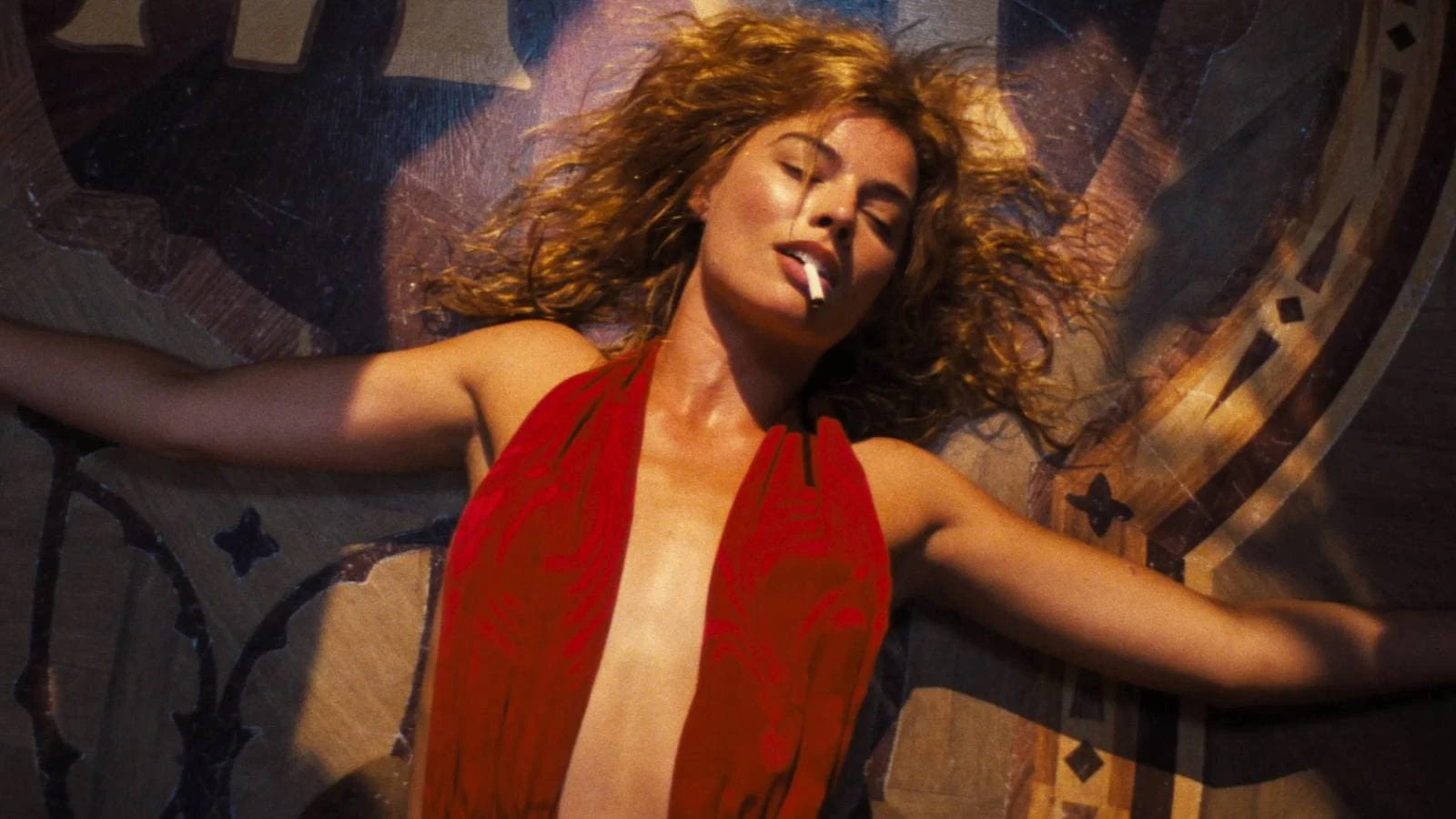
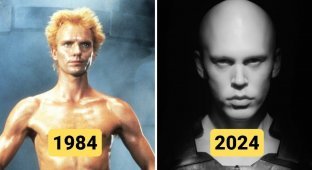
Dune: Part Two (2024)
Denis Villeneuve adapted the second half of Frank Herbert’s classic 1965 novel. Paul Atreides hides among the Fremen in the harsh deserts of Arrakis while plotting his revenge against House Harkonnen. Filmed on location in Jordan and Abu Dhabi, Collider argues that the sequel looks even better than the original. That’s a bold claim, considering cinematographer Greig Fraser won an Oscar for his work on the first film. 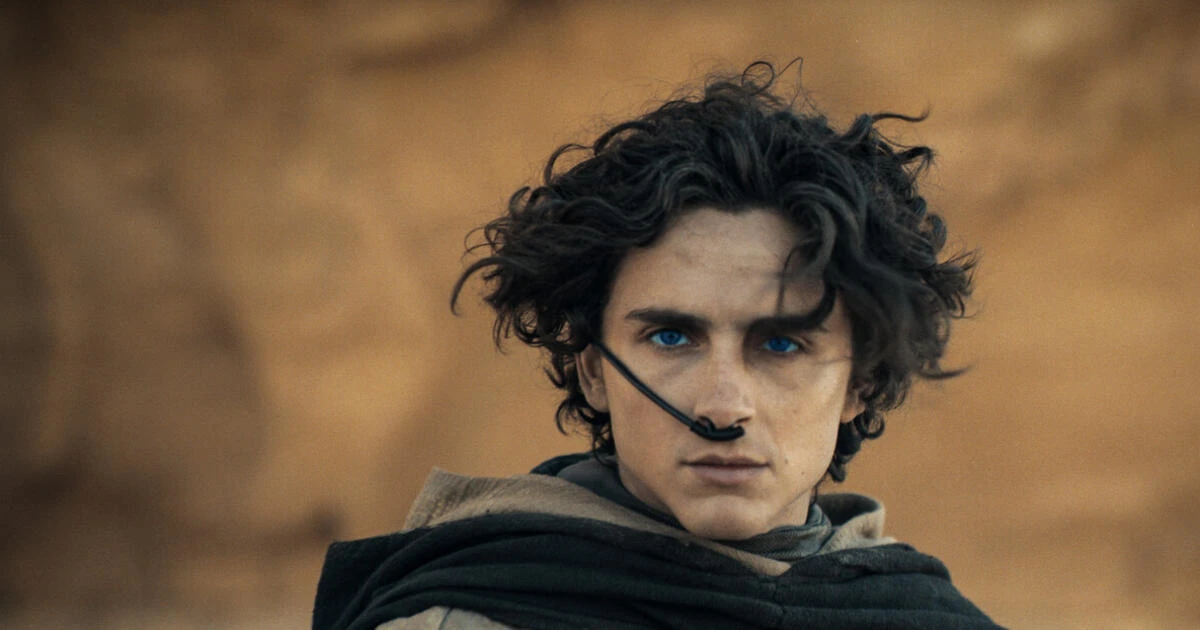
Timothée Chalamet stars as the young heir whom the Fremen come to see as a messiah
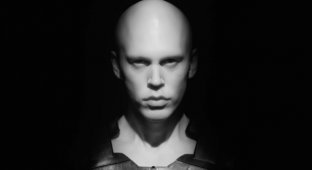
The film's most striking sequence is the arena duel on Giedi Prime, the Harkonnen homeworld. Villeneuve envisioned a sun that washes away all color, so Fraser shot the sequence using custom cameras that capture only infrared light. The result is a stark black-and-white aesthetic where the characters' skin appears ghostly pale—offering an in-universe explanation for why the Harkonnens are hairless and sickly white. 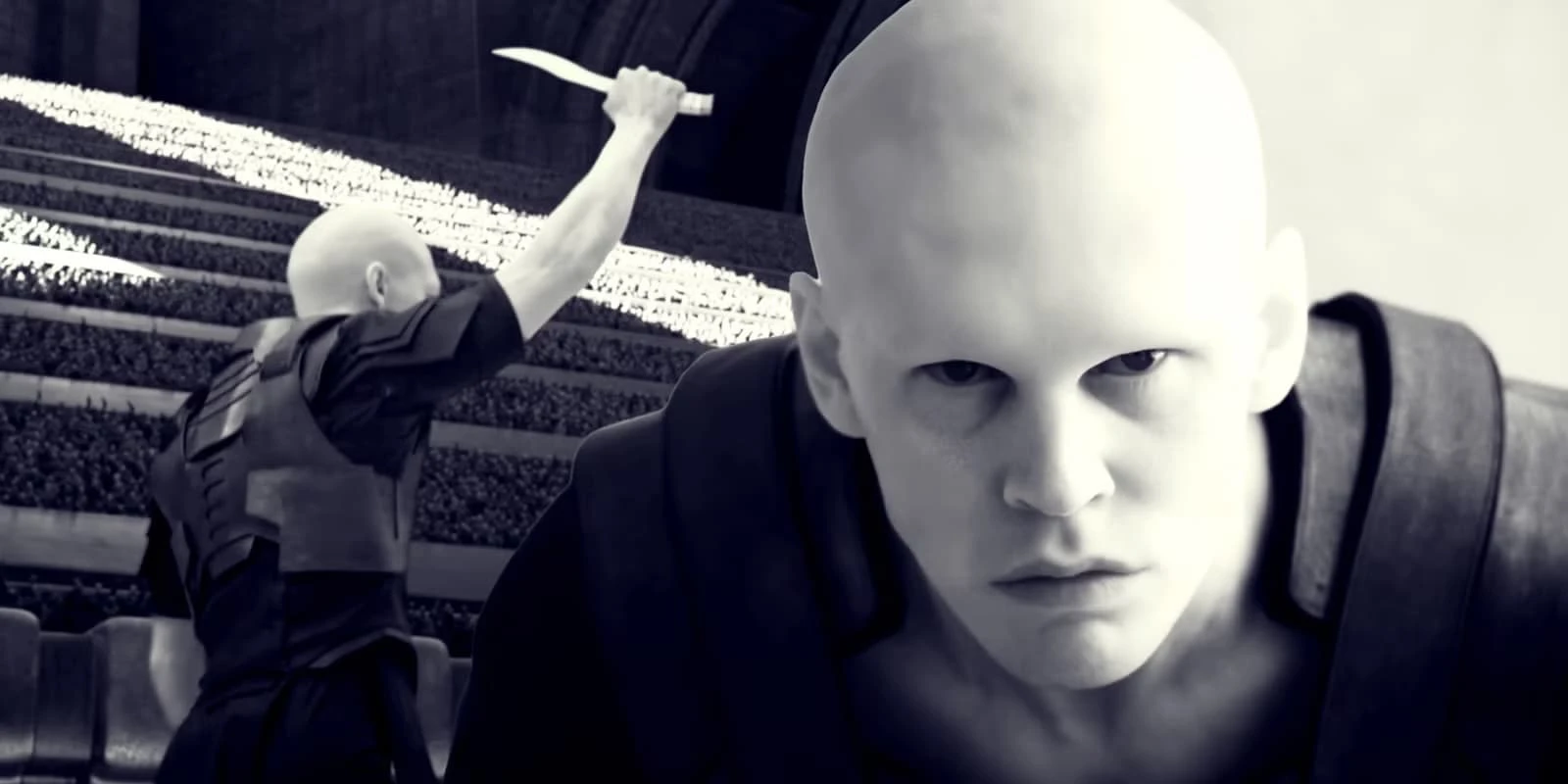
Austin Butler played Feyd-Rautha, the Harkonnen heir whose gladiatorial bout was shot in infrared
Infrared filming came with unexpected quirks. During camera tests, red turned pitch black, while blue denim registered as bright white. The costume and production design teams had to recalibrate everything to account for these shifts. Ultimately, the film grossed over $700 million worldwide and earned two Academy Awards, for Best Sound and Best Visual Effects.
Sin City (2005)
Robert Rodriguez adapted Frank Miller’s graphic novels, using the comic book panels directly as storyboards. Nearly the entire film was shot in front of green screens, with the stylized cityscape built digitally in post-production. Rendered in high-contrast black and white, vivid details still burst onto the screen: a red dress, piercing blue eyes, or a villain's bright yellow skin flash like splashes of ink on newsprint. 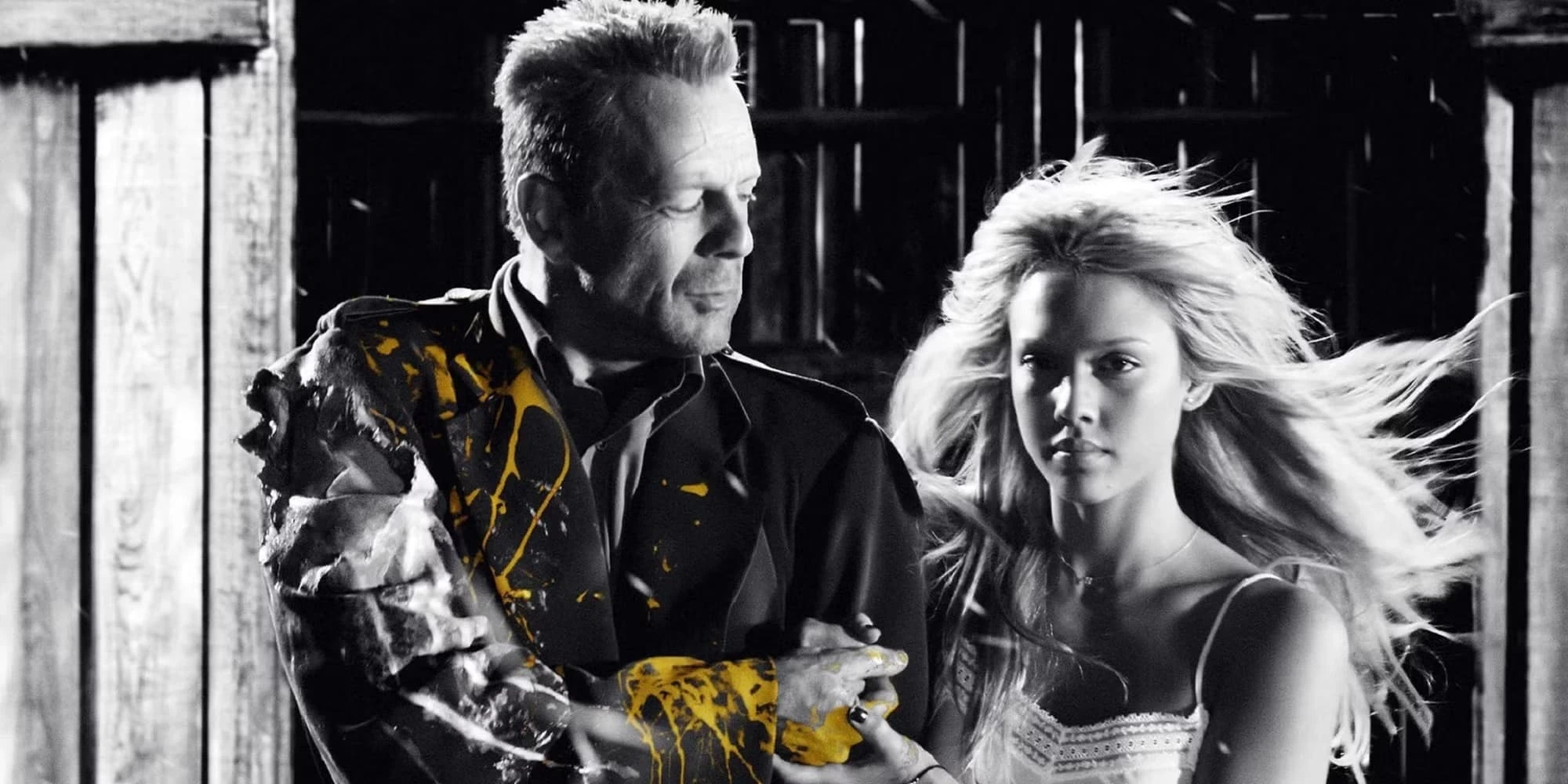
Bruce Willis and Jessica Alba starred as Detective Hartigan and the young woman he saved years prior
Rodriguez wanted to credit Miller as a co-director, but the Directors Guild of America strictly prohibits shared directing credits for non-established duos. Rather than back down, Rodriguez resigned from the DGA altogether. Quentin Tarantino also stepped in to guest-direct a single scene for a symbolic $1 fee—matching what Rodriguez received for scoring *Kill Bill: Vol. 2*. 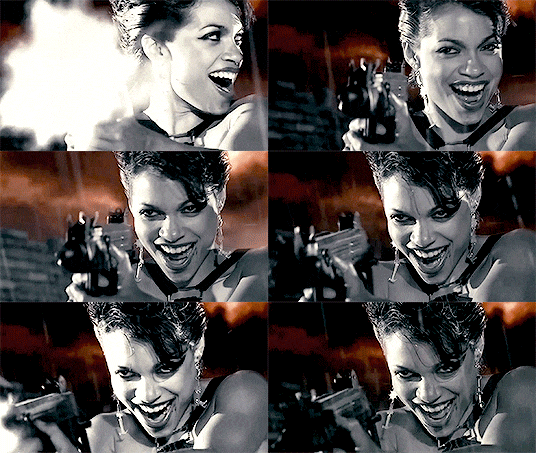
Rosario Dawson played Gail, the fierce leader of the Old Town mercenaries who protect their own turf
Collider singles out the visual style as the crowning achievement of
Sin City
, while praising its ensemble cast. A sequel,
Sin City: A Dame to Kill For
, followed in 2014. While the signature look remained striking, a weak storyline and poor box-office tracking turned it into a commercial failure that failed to recoup its budget.
Mulholland Drive (2001)
David Lynch originally pitched
Mulholland Drive
as a television pilot for ABC. After reviewing the footage in 1999, network executives rejected the project. French production company StudioCanal stepped in with funding, allowing Lynch to shoot a proper climax and transform the abandoned pilot into a feature film. 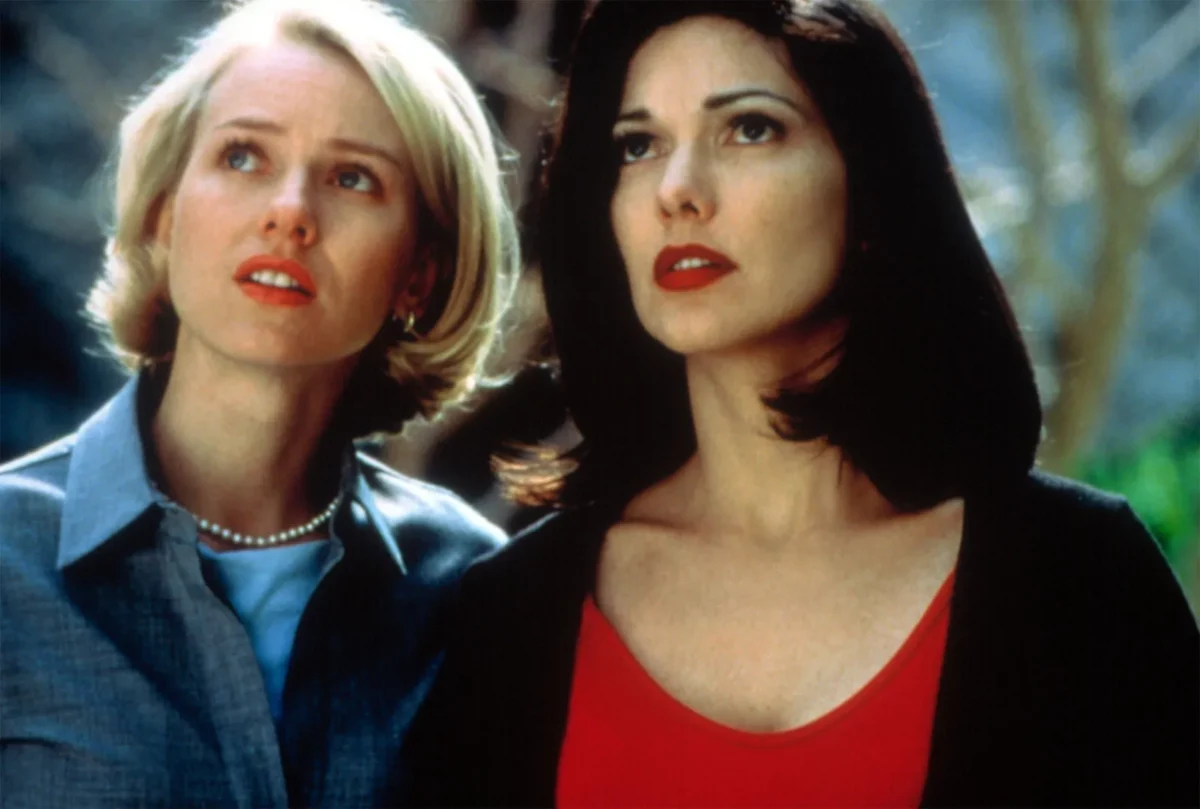
Naomi Watts and Laura Harring starred as an aspiring actress and an amnesiac stranger
Wide-eyed Betty arrives in Hollywood chasing stardom. In her aunt’s apartment, she discovers a dark-haired woman who can’t even remember her own name following a car crash. As they piece together the mystery, the film spirals into a dreamlike maze where every detail holds a double meaning. Lynch has always famously refused to explain his riddles; the DVD release included 10 cryptic clues that only left audiences more baffled. 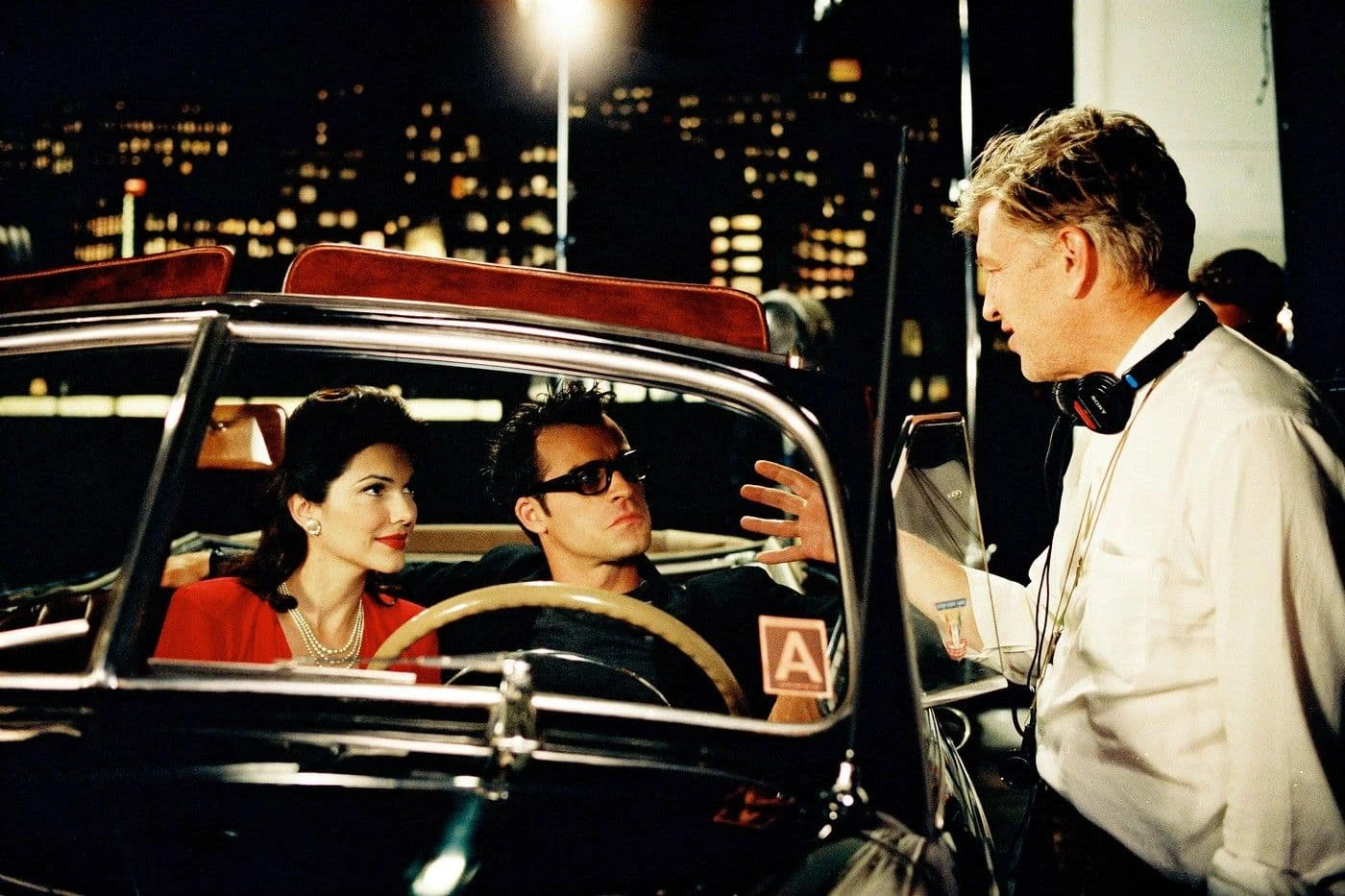
David Lynch on set with Laura Harring and Justin Theroux, who played director Adam Kesher
In 2001, Lynch tied for Best Director at the Cannes Film Festival. In a 2016 BBC poll of 177 film critics worldwide,
Mulholland Drive
was voted the greatest film of the 21st century. Collider agrees, calling it quite possibly Lynch’s ultimate masterpiece.
Babylon (2022)
Damien Chazelle, director of
La La Land
, turned his gaze to 1920s Hollywood as silent cinema gave way to talkies, dragging its biggest icons down with it. The story revolves around silent movie star Jack Conrad, ambitious starlet Nellie LaRoy, and Manny, a Mexican immigrant desperate to make his mark on set. 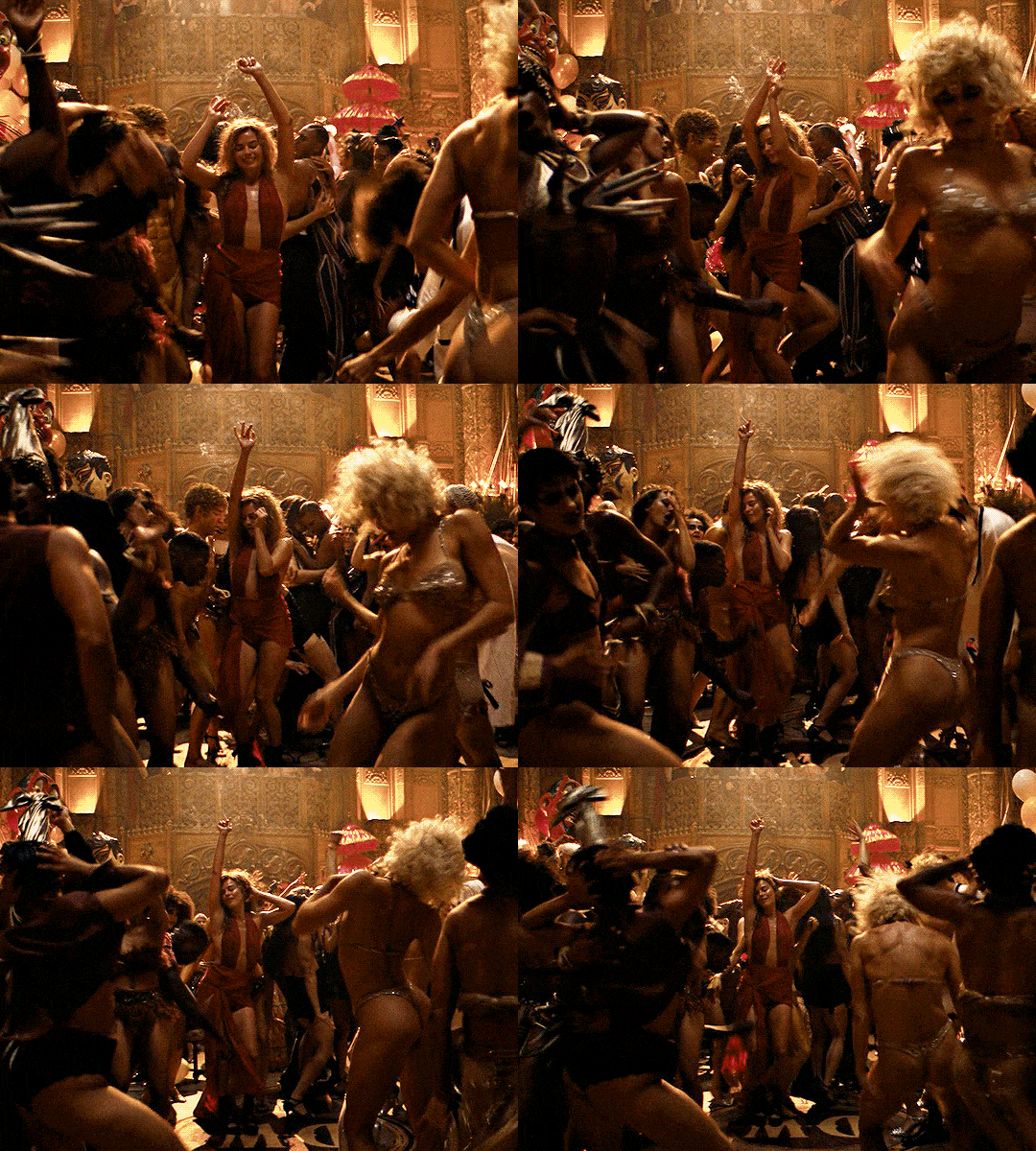
Margot Robbie played an actress whose meteoric rise and tragic fall mirror the era of silent cinema
Collider ranks
Babylon
above
La La Land
for its sheer ambition. Where
La La Land
affectionately pays tribute to classic musicals,
Babylon
builds its own cinematic mythos—simultaneously adoring and exposing Hollywood's dark underbelly. Opulent imagery sits side-by-side with filth and brutality. Collider highlights the frantic final montage, which distills a century of cinematic history into a breathtaking sequence. 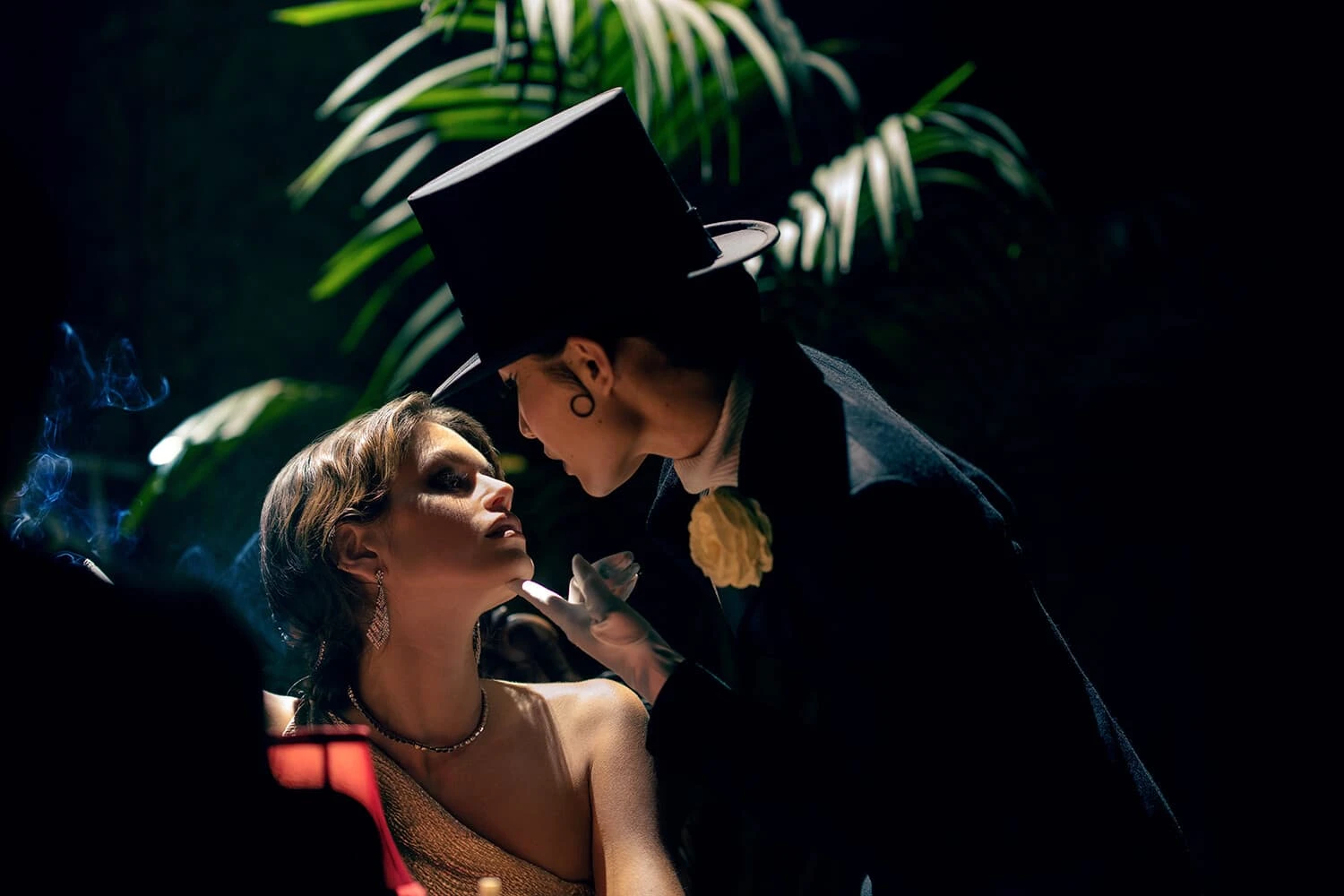
Li Jun Li played cabaret singer Lady Fay Zhu, alongside model Kaia Gerber as a rising silent screen star
Audiences were less receptive to its audacity. Produced on an $80 million budget, the film grossed under $65 million worldwide. Nevertheless, it earned three Oscar nominations, including Best Original Score, which won composer Justin Hurwitz a Golden Globe.
The Fall (2006)
Tarsem Singh built his reputation directing R.E.M.’s iconic "Losing My Religion" video and the psychological thriller
The Cell
. His second feature opens in a 1915 Los Angeles hospital, where bedridden stuntman Roy recovers from a devastating fall. He spins an epic yarn to five-year-old Alexandria about five heroes seeking vengeance against a tyrant. As Roy’s emotional state darkens, his tale shifts between wonder and cruelty. 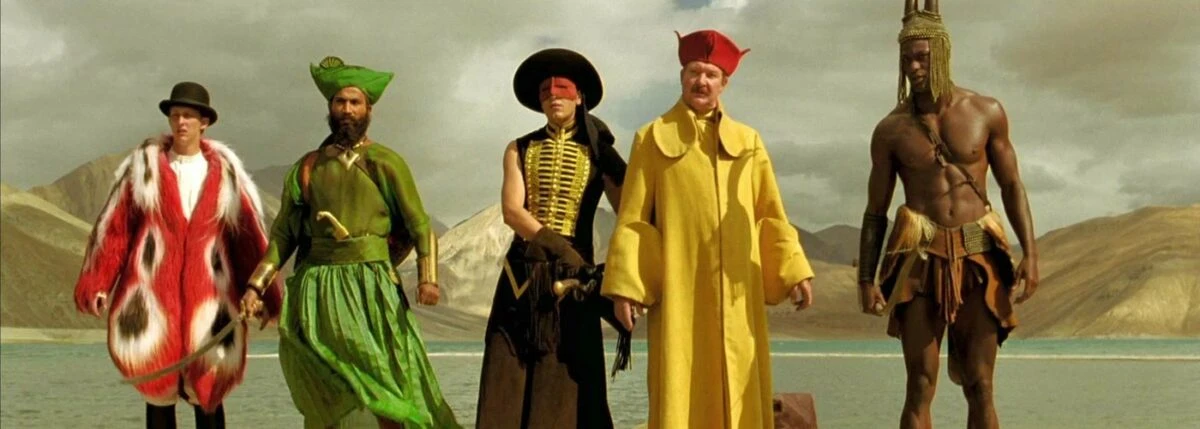
There are no CGI landscapes in
The Fall
: every desert and palace on screen is authentic
Tarsem self-financed
The Fall
over four years, shooting in over 20 countries—from India and Namibia to Chile and Fiji. He took on commercial directing gigs near locations he needed, using his off-hours to film his passion project. The director strictly rejected green screens and digital effects. Young Alexandria was played by Romanian child actress Catinca Untaru, who had zero acting experience. 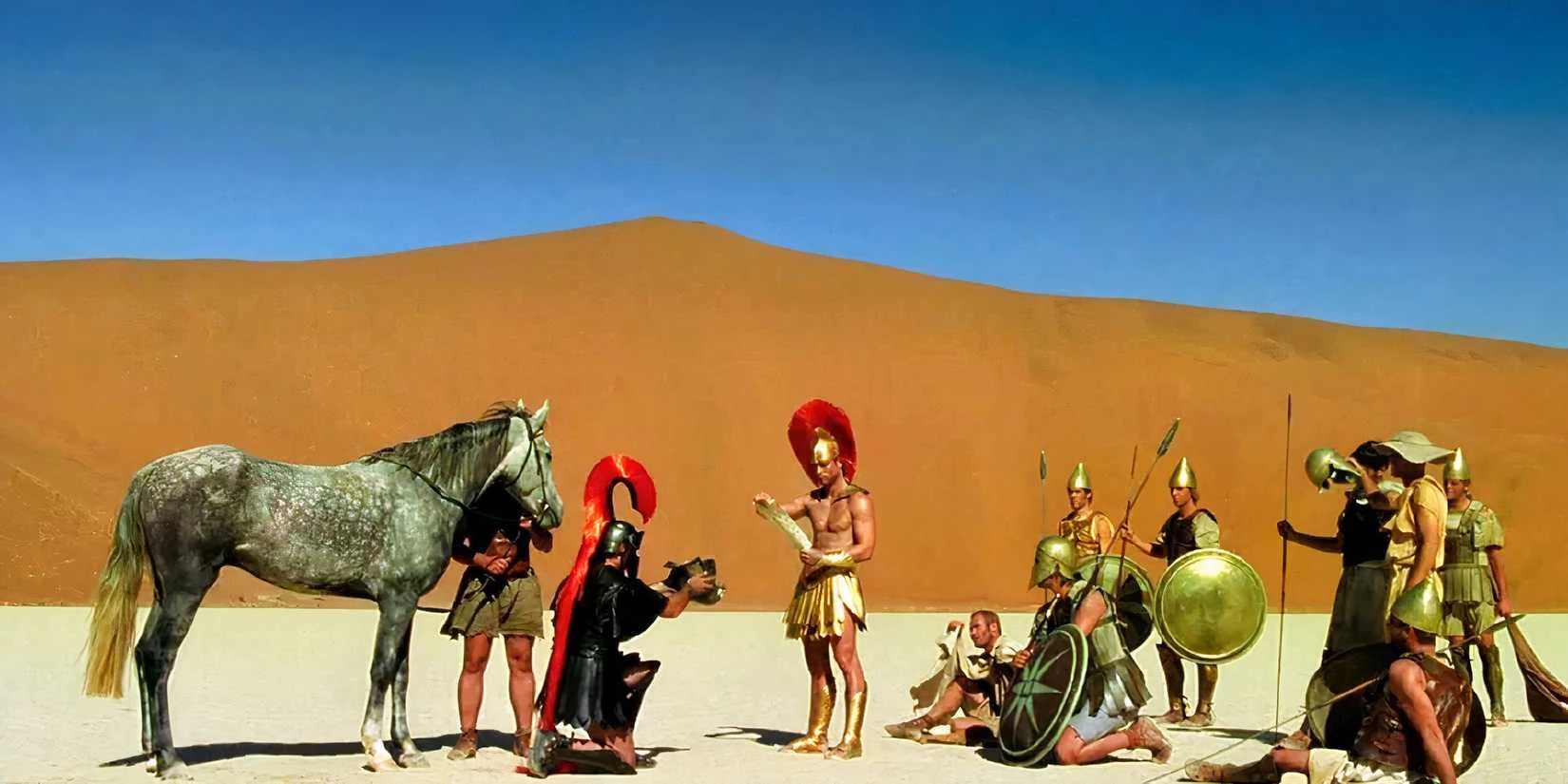
Alexander the Great in golden armor—one of the legendary figures in the tale Roy spins for Alexandria
A loose remake of the 1981 Bulgarian film
Yo Ho Ho
, the project won vocal support from David Fincher and Spike Jonze, though it received only a limited theatrical run. While Collider notes that the plot and pacing can be uneven, its visual grandeur makes those flaws easy to forgive. A 2024 4K restoration by Mubi has introduced the film to a brand-new generation of cinephiles.
Avatar (2009)
James Cameron wrote his initial script treatment back in 1994, but shelved the project because visual effects technology couldn't yet match his vision. The wait lasted over a decade. In 2009, audiences were finally transported to Pandora, an alien moon inhabited by the blue-skinned Na'vi. Paralyzed former Marine Jake Sully infiltrates the tribe by remote-controlling a bioengineered Na'vi body. 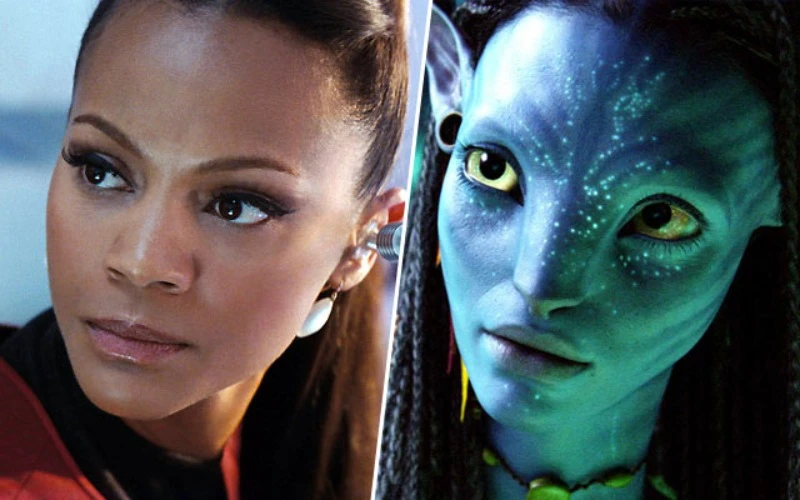
Zoe Saldana played Neytiri, with her facial expressions and motion performance mapped onto the CGI character
To bring
Avatar
to life, Cameron co-developed a specialized 3D fusion camera system. A virtual camera allowed him to view the digital landscape of Pandora in real-time while actors performed on a bare soundstage. Collider argues that no filmmaker—outside of Cameron himself in his sequels—has achieved such a seamless level of 3D immersion. 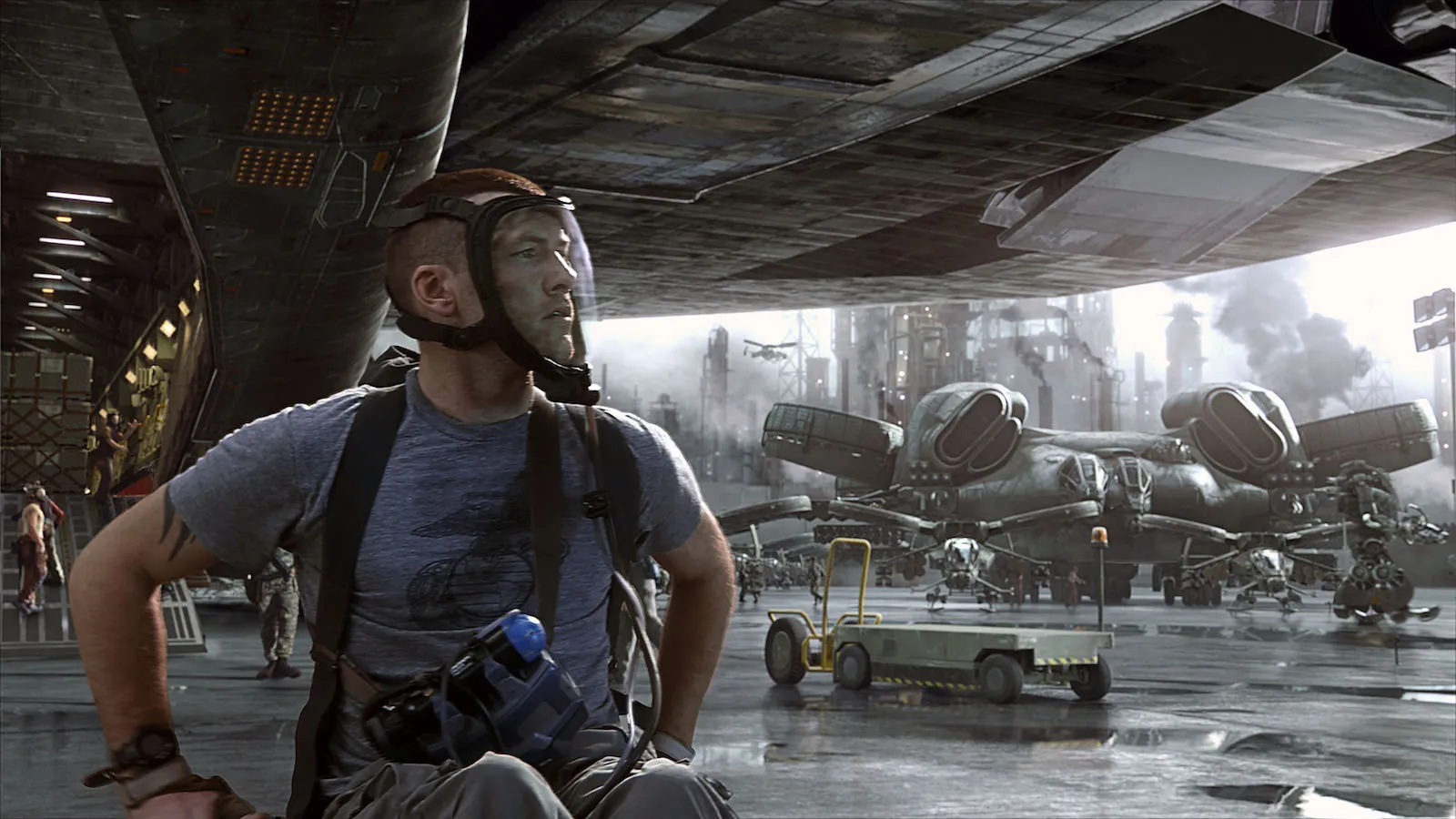
Sam Worthington played Jake Sully, a Marine who relearns how to walk and fight inside an avatar body
The film became the highest-grossing movie of all time, pulling in roughly $2.9 billion worldwide through re-releases.
Avatar
won three Academy Awards: Best Cinematography, Best Visual Effects, and Best Art Direction. The sequels,
The Way of Water
and
Fire and Ash
, arrived in 2022 and 2025.
Hero (2002)
Zhang Yimou transports viewers to 3rd-century BC China. A nameless warrior arrives at the court of the King of Qin, claiming to have slain three notorious assassins. Skeptical of his story, the king questions him, and the tale is recounted through multiple perspectives—each defined by a dominant color theme: red, blue, white, and green. Cinematographer Christopher Doyle went so far as to tint the actors' faces to match the primary tone of each chapter. 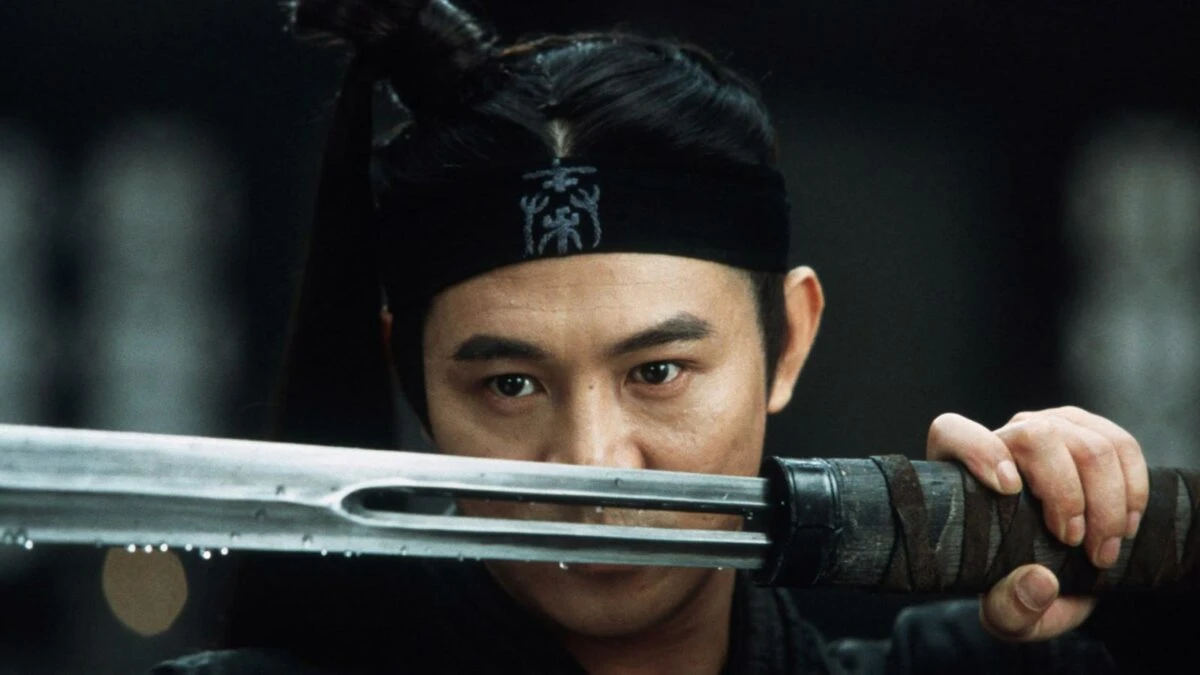
Jet Li starred as Nameless, a warrior whose account is put to the test by the King of Qin
The film's most famous sequence features a duel between Maggie Cheung and Zhang Ziyi set amidst a forest of swirling yellow leaves. It was shot during autumn in Inner Mongolia when the foliage hit peak color. Another combat scene above a lake required total calm; the director needed a mirror-like water surface. Collider notes that virtually every frame of
Hero
is a work of art. 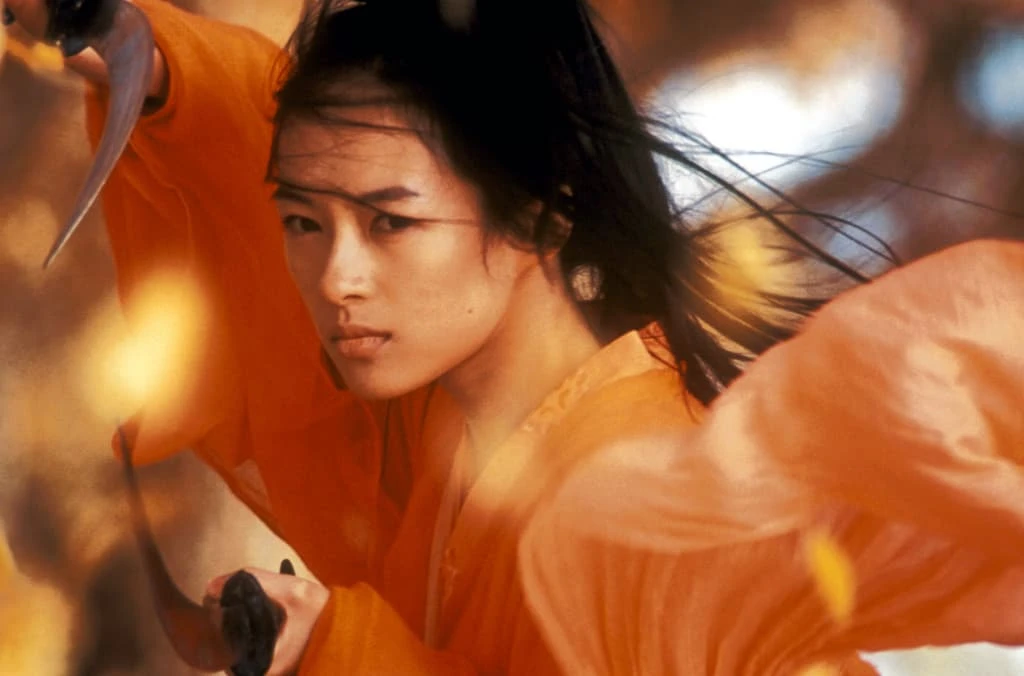
Zhang Ziyi played Moon, the loyal apprentice of Broken Sword who challenges Flying Snow
Upon release, it became the most expensive and highest-grossing film in Chinese history, earning an Oscar nomination for Best Foreign Language Film. Quentin Tarantino helped champion its US release in 2004, where it opened at #1 at the box office and held the top spot for two consecutive weeks.
Spirited Away (2001)
Ten-year-old Chihiro is moving to a new town with her parents when her family accidentally stumbles into what appears to be an abandoned theme park. After her parents greedily devour food meant for spirits, they are transformed into pigs. To save them, Chihiro takes a job at a bathhouse for spirits run by the formidable witch Yubaba. 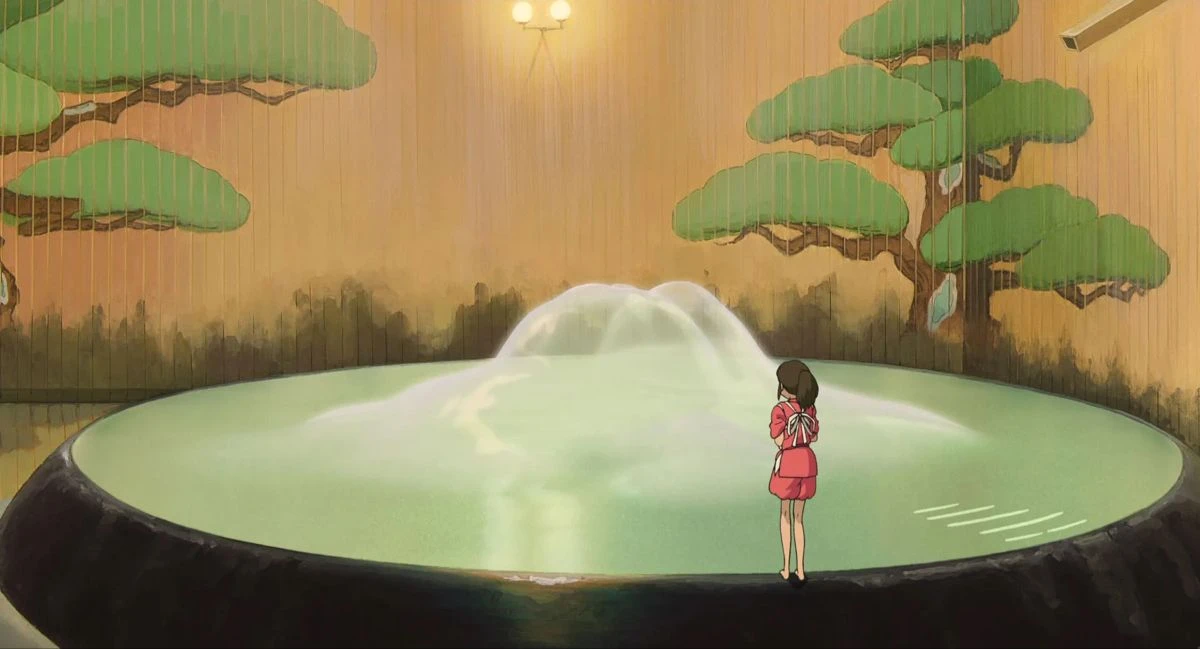
The spirit bathhouse serves as the central setting and remains one of the most recognizable structures in animation
Hayao Miyazaki began production without a finished script, drawing storyboards as the plot unfolded. As a result, the film bombards viewers with an endless stream of bizarre creatures and surreal locales. Collider admits the sensory overload can feel dizzying, but that disorientation is deliberate: the audience feels just as lost in this realm as Chihiro herself. 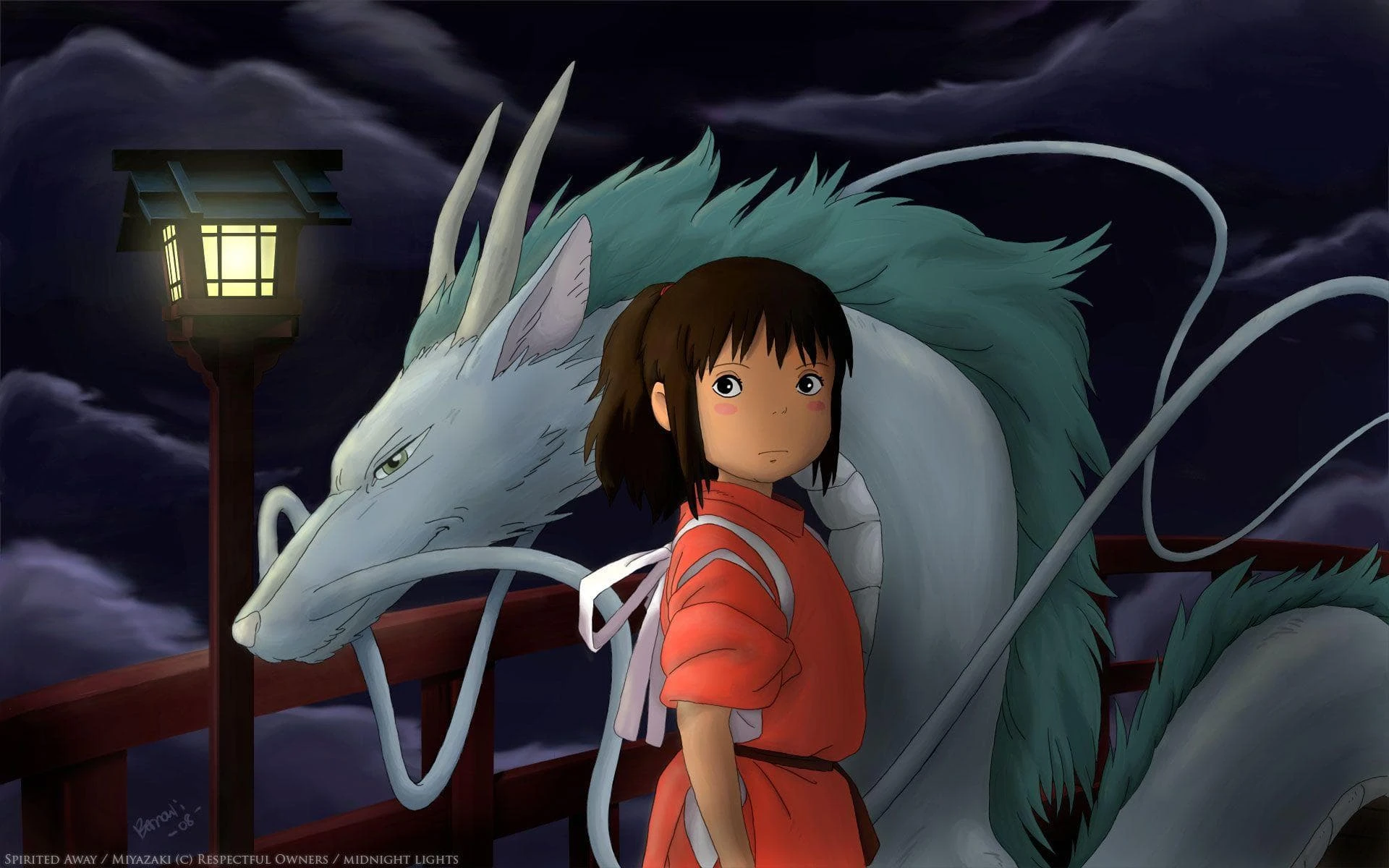
Miyazaki populated his world with dozens of spirits, giving each a distinct look and personality
In 2002,
Spirited Away
became the first animated feature to win the Golden Bear at the Berlin International Film Festival, followed by an Academy Award in 2003. Miyazaki skipped the Oscar ceremony in protest of the US invasion of Iraq. For 19 years, it stood as the highest-grossing film in Japanese history until *Demon Slayer: Kimetsu no Yaiba – The Movie: Mugen Train* broke the record in 2020.
Spider-Man: Into the Spider-Verse (2018)
Brooklyn teenager Miles Morales develops spider-like superpowers, only to discover that alternate Spider-Heroes from parallel dimensions have bled into his universe—each rendered in a completely distinct art style. Producers Phil Lord and Christopher Miller were determined to make the movie look like a comic book brought to life. 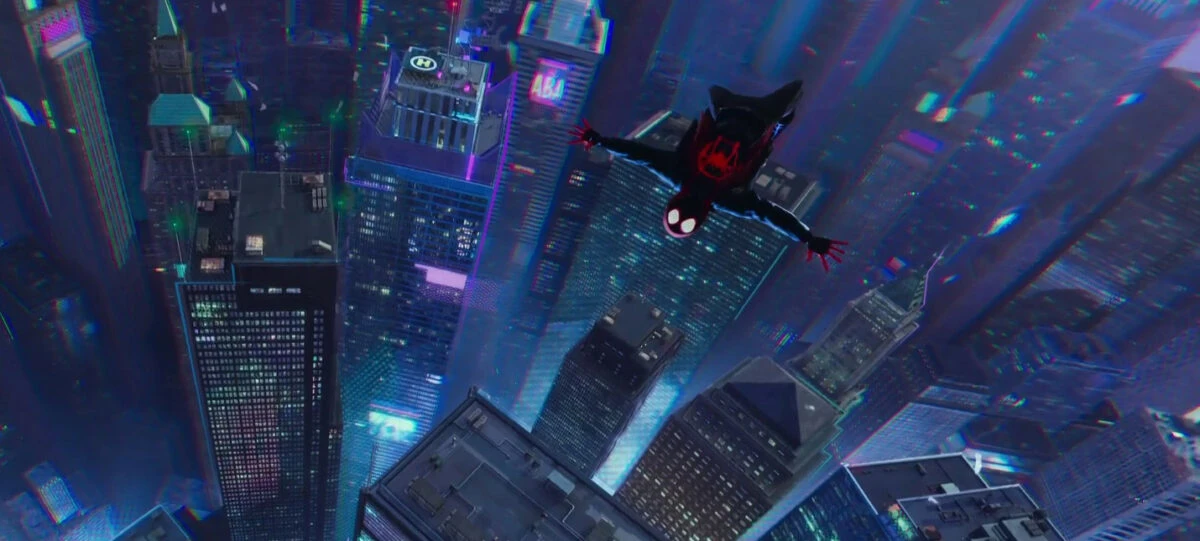
Miles Morales leaping above nighttime New York: every frame is stylized to mimic a printed comic book
To achieve this effect, 3D computer animation was painstakingly touched up by hand. Shadows were rendered with retro halftone dots, and motion was accented with classic comic book lines. Early in the film, Miles is animated "on twos" at 12 frames per second instead of the standard 24, giving his movements a clumsy, uncoordinated feel until he masters his powers. A single second of screen time took the team about a week to complete. At its peak, 177 animators worked on the film—compared to just 27 for the original
Toy Story
. 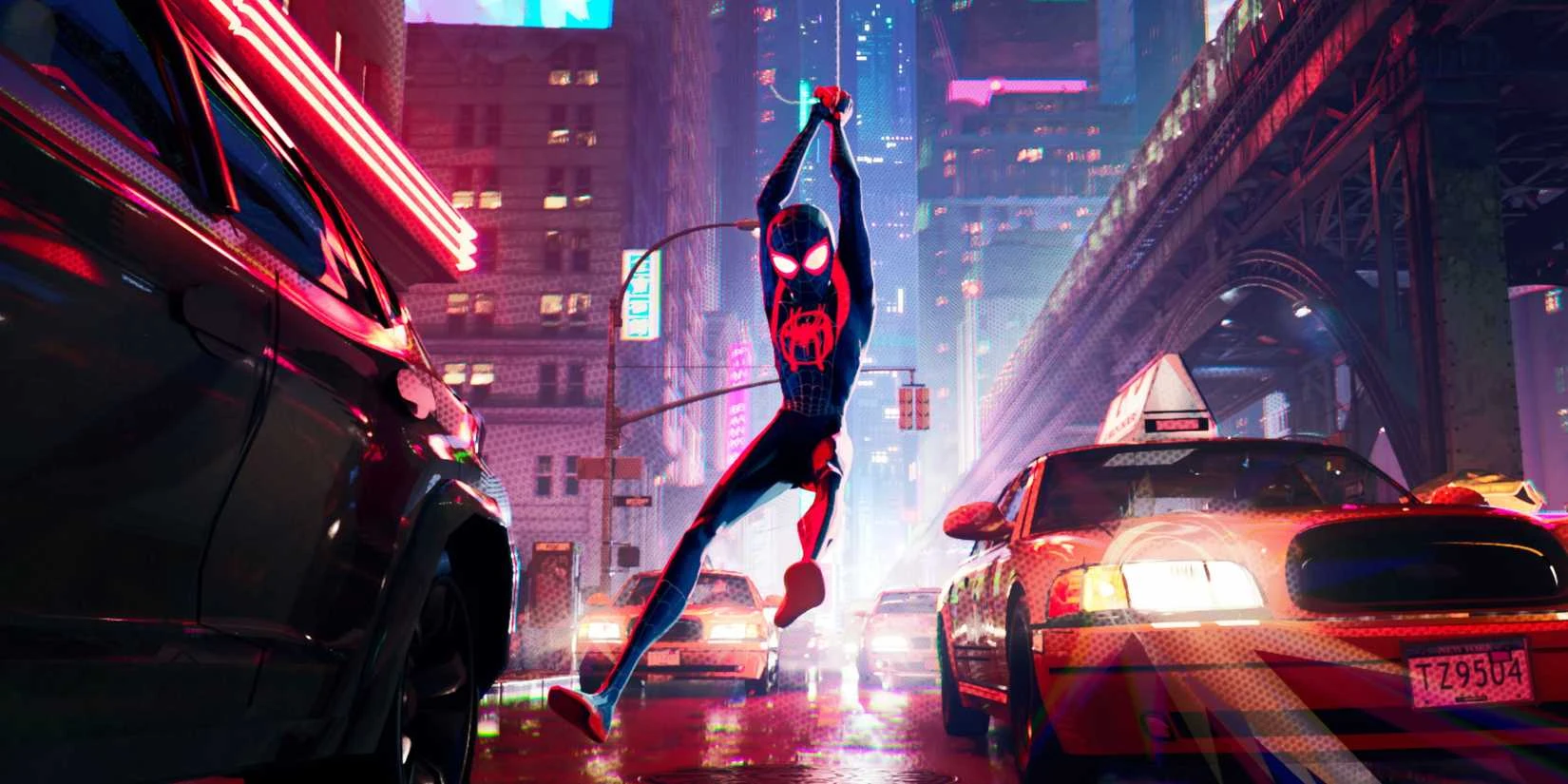
Each Spider-Person is drawn in a unique aesthetic, ranging from anime to monochrome noir
The film won the Academy Award for Best Animated Feature in 2019. Collider ranks it alongside
Spirited Away
, noting that its full impact on the medium of animation is only beginning to show.
Kill Bill: Vol. 1 & Vol. 2 (2003–2004)
Quentin Tarantino originally planned
Kill Bill
as a single feature, but Miramax split it into two volumes because the revenge saga ran too long for a single theatrical viewing. The Bride sets out to systematically eliminate her former squad of fellow assassins, who gunned her down at her own wedding rehearsal. Surviving the ambush, she awakens from a four-year coma bent on vengeance. The studio's gamble paid off handsomely: Volume 1 grossed $180 million worldwide, while Volume 2 earned $153 million. 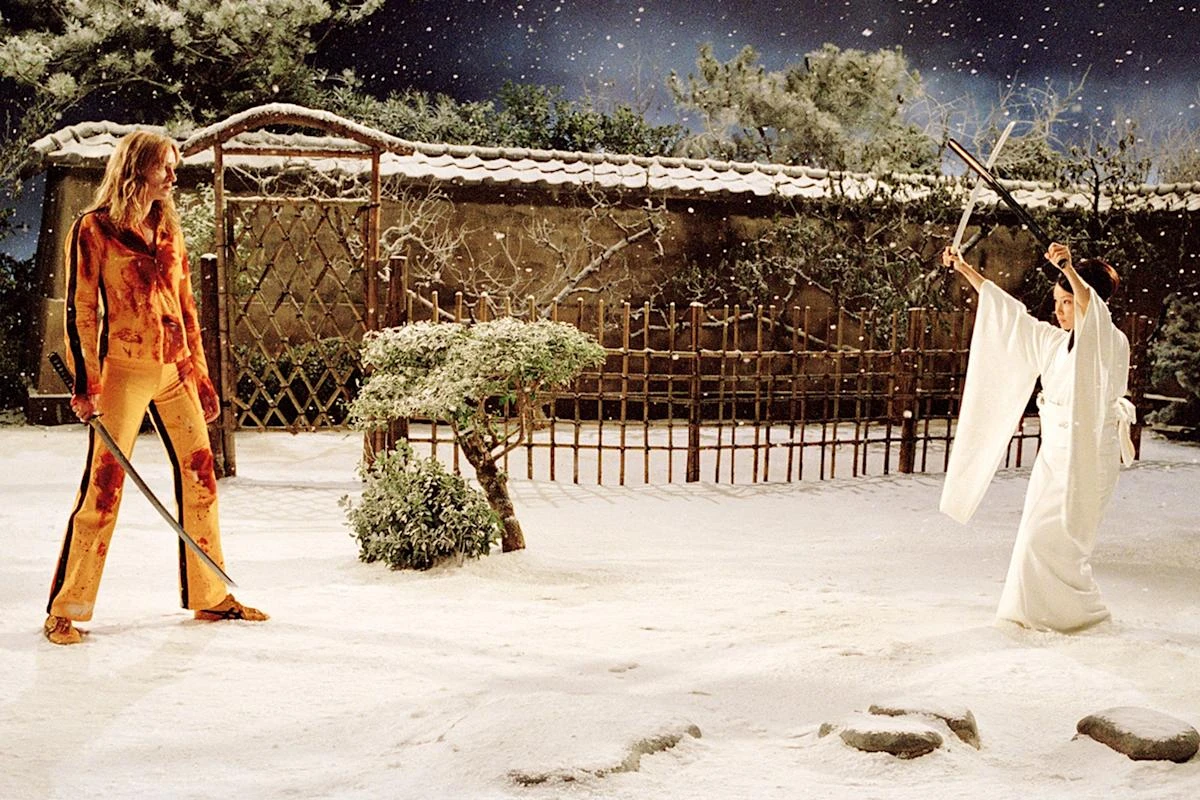
Uma Thurman and Lucy Liu in the climax of Volume 1, set in a snow-covered Japanese garden
The first volume is undoubtedly the most visually vibrant. The Bride's yellow jumpsuit pays homage to Bruce Lee’s final film,
Game of Death
. O-Ren Ishii’s tragic backstory is told through a vivid anime sequence, while part of the showdown at the House of Blue Leaves was converted to black and white to tone down the graphic gore for censors. Collider describes it as Tarantino at his most uninhibited. 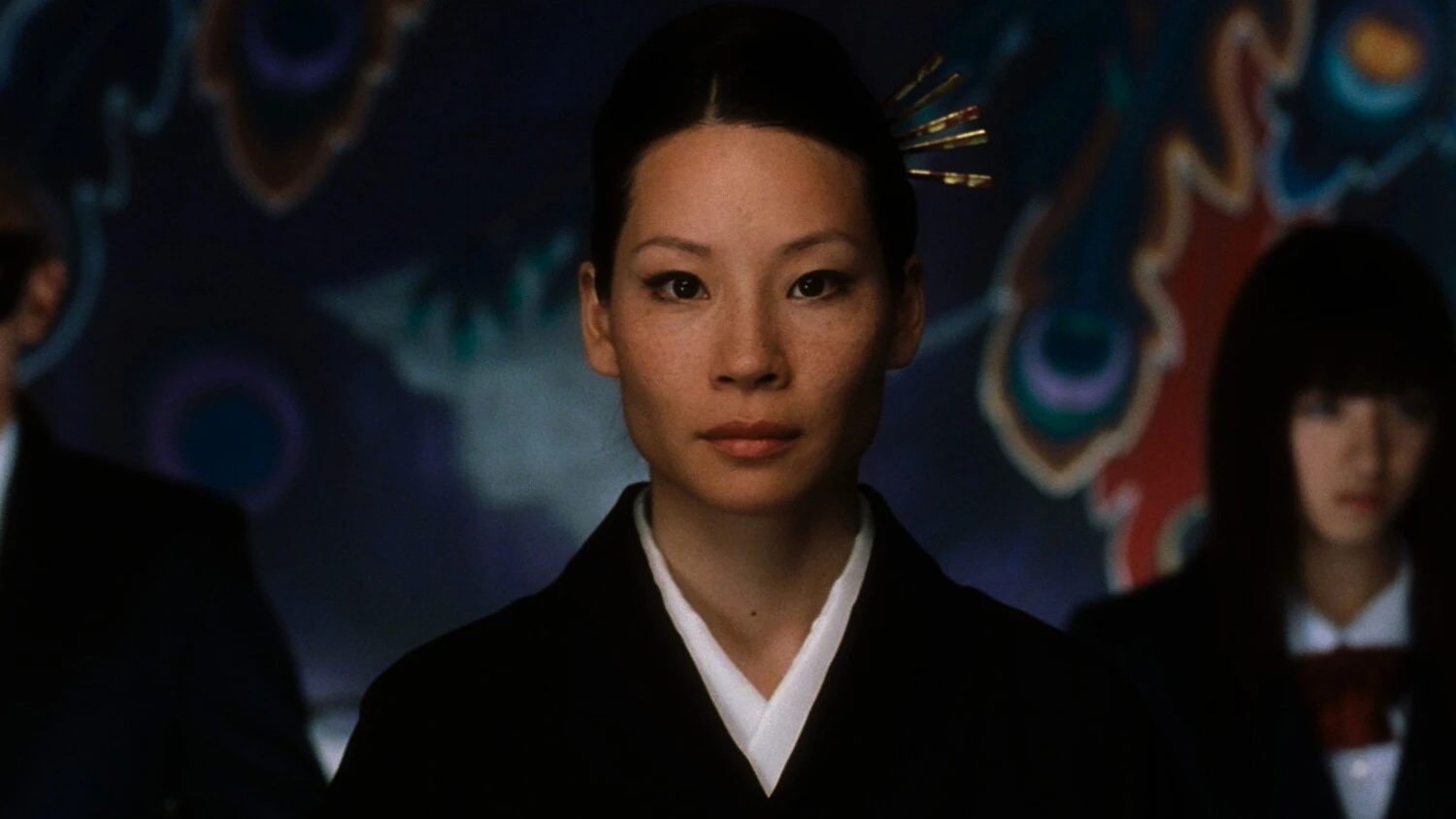
Lucy Liu played O-Ren Ishii, the underworld queenpin of Tokyo and the first target on the Bride's hit list
On December 5, 2025, theaters screened
Kill Bill: The Whole Bloody Affair
, which combines both parts into a single epic complete with an intermission. Tarantino removed recaps, restored full color to the restaurant battle sequence, and incorporated an extended 7.5-minute anime segment.
Which of these visual masterpieces would you love to see again on the big screen?