Bonnie and Clyde: The Story of the Barrow Gang (23 photos)
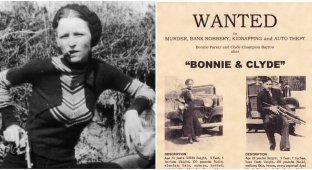
Bonnie and Clyde are America's most infamous outlaw couple from the Great Depression era. Responsible for a string of robberies and murders, the Barrow Gang left behind a legacy that remains heavily romanticized to this day.
Their exploits inspired endless news headlines and Hollywood films, but the true story of Bonnie and Clyde was far grittier than the pop-culture myth. Here are a few fascinating facts about the legendary outlaw duo. 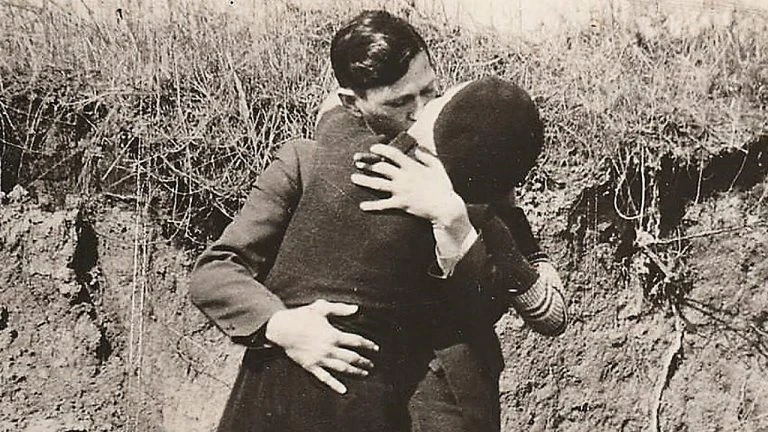
Clyde Wasn't the First Outlaw in Bonnie's Life
Bonnie Parker was born on October 1, 1910, in Rowena, Texas, and raised in West Dallas. Before ever meeting Clyde, she married her high school sweetheart, Roy Thornton. After just a year of dating, 16-year-old Bonnie tied the knot with Thornton, a thief and armed robber. 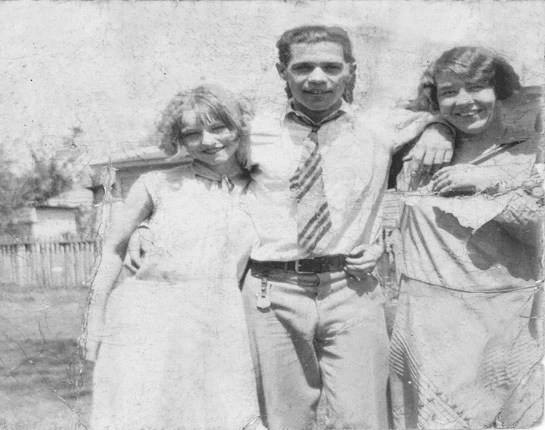
Bonnie was an honor student, but shortly before her 16th birthday, she dropped out of school to marry Roy Thornton.
Derailed by Thornton's chronic infidelity, the marriage quickly fell apart, though they never legally divorced. Bonnie wore her wedding ring for the rest of her life and even had interlocking hearts with "Bonnie" and "Roy" tattooed on her inner thigh to mark the ill-fated romance. 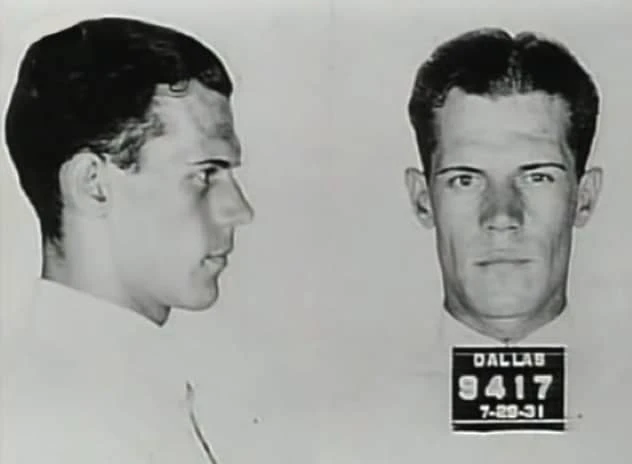
Roy Thornton
In 1933, Thornton was sentenced for armed robbery. When Bonnie died a year later, Roy told reporters he was glad she went out the way she did, believing death was far better than being locked up. In 1937, he was shot and killed by guards while attempting to escape from prison.
Bonnie Helped Clyde Break Out of Jail
Clyde Barrow was born on March 24, 1909, in Ellis County, Texas. Raised by impoverished tenant farmers, Clyde and his brothers learned early on to fend for themselves. 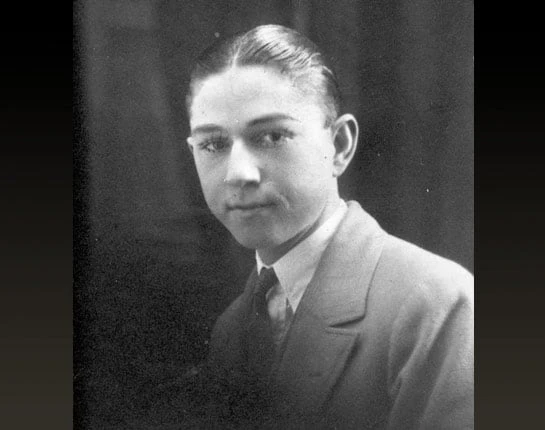
As a teenager, he was arrested multiple times for theft and receiving stolen goods. As they grew older, Clyde and his brothers escalated to more lucrative crimes: cracking safes, robbing stores, and stealing cars. Clyde and Bonnie met in January 1930 and felt an immediate spark. But just weeks later, Clyde was arrested for several offenses and jailed in Waco. 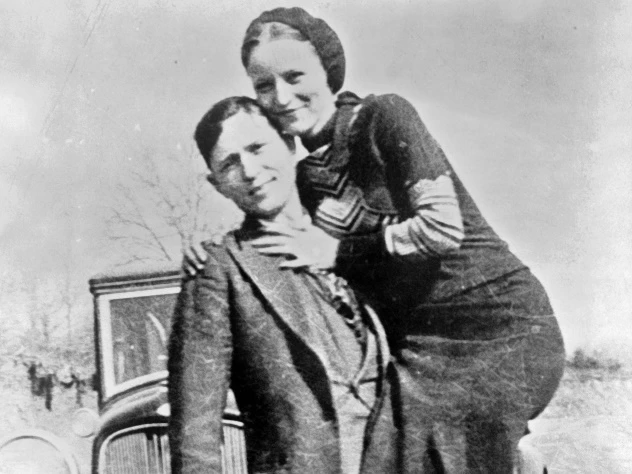
Convinced Clyde was her soulmate, Bonnie tracked him down and managed to smuggle a handgun into the jail. The weapon enabled Barrow and several inmates to break out, though his freedom proved short-lived.
Barrow committed a murder during his escape, so when authorities recaptured him, he faced severe consequences. Sentenced to 14 years, he was shipped to the Eastham State Farm—a prison infamous for its brutal treatment of inmates.
Rebellion at Eastham
Life at Eastham was hellish, defined by grueling hard labor. To make matters worse, young Clyde was repeatedly sexually assaulted by a fellow inmate. Desperate to escape the horrific conditions, Barrow chopped off two of his own toes with an axe to get transferred out of the labor detail. 
Tragically, the self-mutilation was unnecessary: just a week later, Clyde's mother successfully petitioned for his parole. 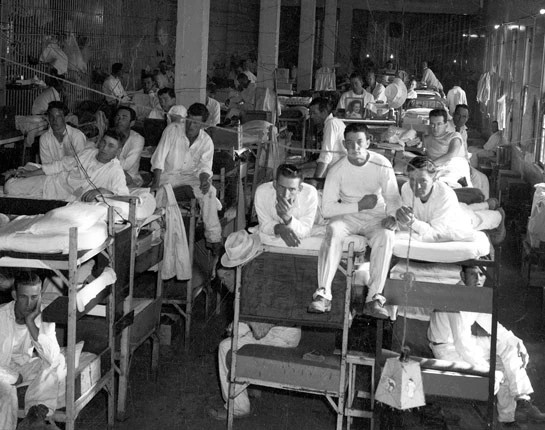
Clyde emerged from Eastham a hardened, ruthless man. A former inmate remarked that he saw Clyde "change from a schoolboy to a rattlesnake." Although Bonnie was urged to cut ties with him upon his release, her devotion overrode any common sense.
In August 1932, Clyde was drinking with accomplices at a dance hall in Stringtown, Oklahoma, when the local sheriff and a deputy approached them. Drunk and panicked, Barrow's gang opened fire, killing the deputy and wounding the sheriff. For the next two years, the gang was on the run.
The Famous Photographs 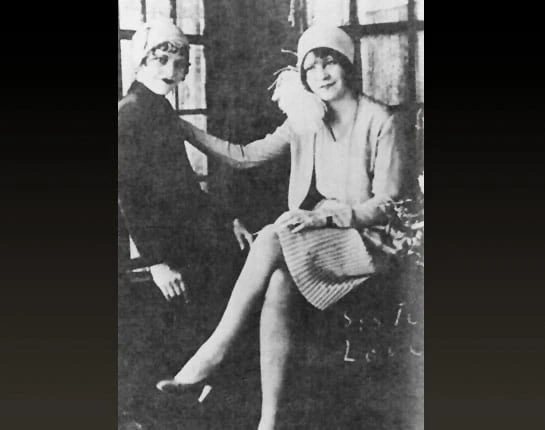
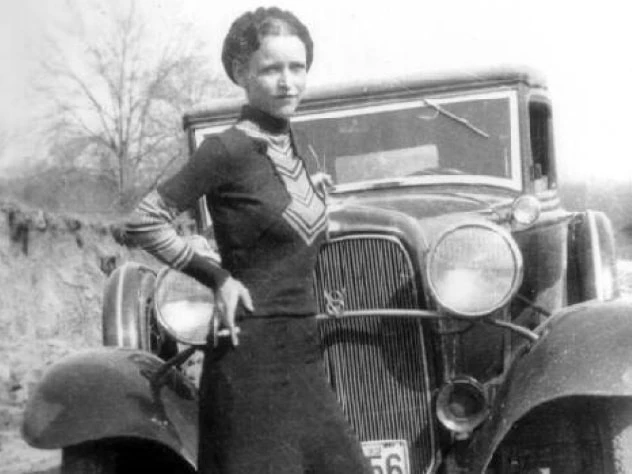
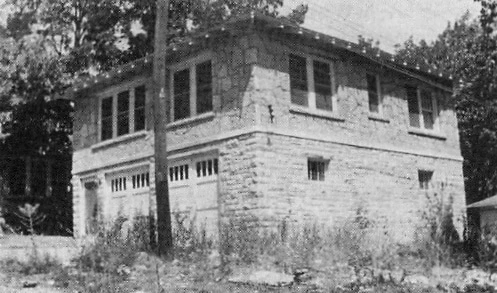
The Barrow Gang's hideout in Joplin, Missouri
By late 1932, the roving Barrow Gang included Bonnie, Clyde, Clyde's brother Buck and his wife Blanche, W. D. Jones, Henry Methvin, Raymond Hamilton, Joe Palmer, and Ralph Fults. In early 1933, they set up base in Joplin, Missouri. Renting an apartment over a garage, they threw loud, liquor-fueled parties and gambled, quickly raising the suspicions of neighbors who tipped off the police.
When officers raided the hideout, a fierce shootout ensued before the gang managed to escape in their car. Searching the apartment, police discovered rolls of undeveloped film. The outlaws had posed for dozens of photos—a pastime Bonnie especially adored. 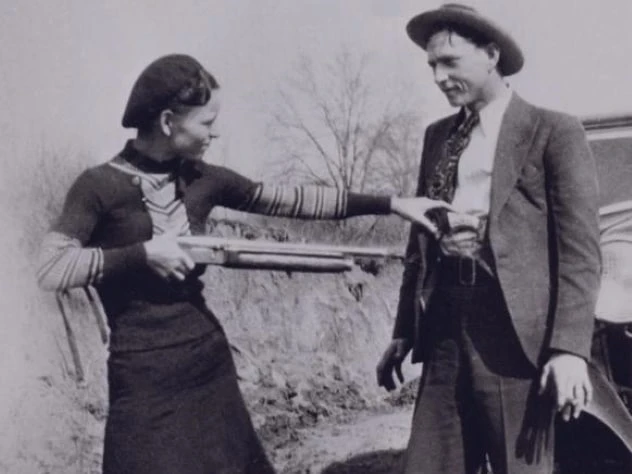
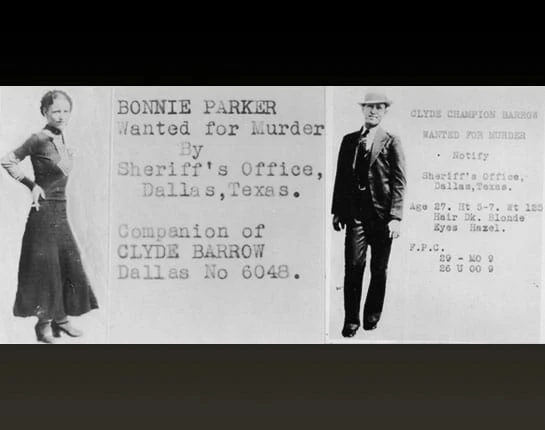
Police developed the photos found in the apartment and circulated them to law enforcement agencies across the region.
Most of the iconic photographs of Bonnie and Clyde were staged. The couple loved striking dramatic, stylish poses dressed in slick clothing. These snapshots cemented their glamorous outlaw myth in the public imagination. Though Bonnie was often pictured holding guns, historians note she was rarely an active shooter, usually serving as a lookout or driver.
A Not-So-Profitable Crime Spree 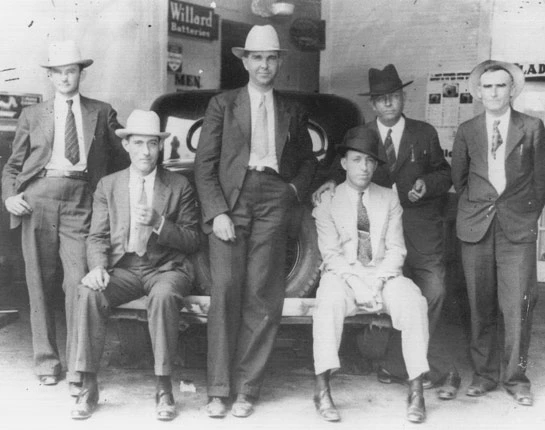
Despite their reputation as master bank robbers, Bonnie and Clyde were surprisingly small-time. Over two years, they hit no more than 15 banks, sometimes walking away with as little as $80. With up to nine gang members to feed while constantly on the run, their loot barely covered basic expenses. At times, America's most famous outlaws resorted to cracking open vending machines just to get spare change. 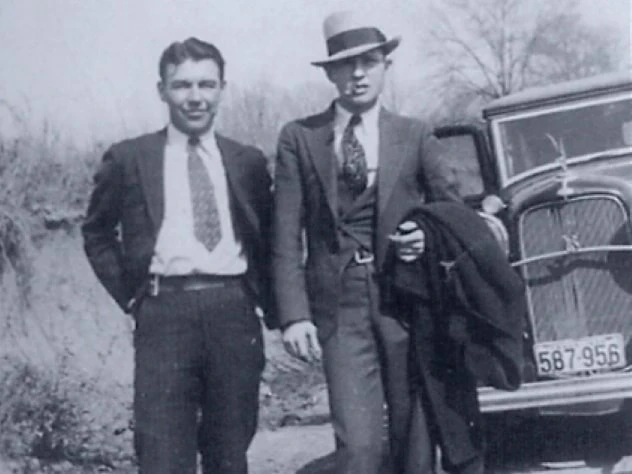
Jeff Guinn, author of "Go Down Together: The True Untold Story of Bonnie and Clyde," noted that their robberies weren't purely about money. As he explained:
Yes, the Barrow Gang robbed banks and killed lawmen. But in 1933, bankers and law enforcement were widely despised for their brutal treatment of ordinary folks wiped out by the Depression. As a result, many Americans saw Bonnie, Clyde, and their crew as folk heroes taking revenge on the system. Someone was finally giving the wealthy a black eye.
Bonnie Foretold Her Death in a Poem 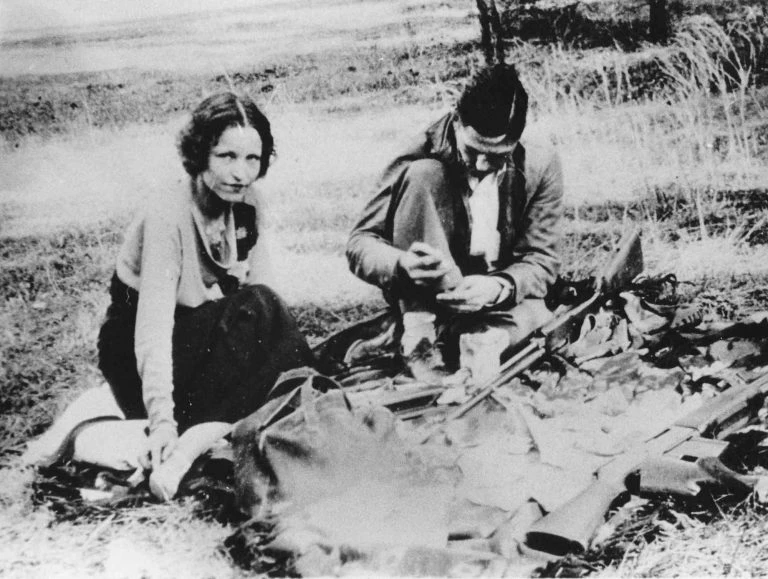
In July 1933, the gang raided a National Guard armory in Enid, Oklahoma, stealing automatic rifles and thousands of rounds of ammunition. On Easter Sunday in 1934, they gunned down two Texas highway patrolmen, H. D. Murphy and Edward Bryan Wheeler.
Officer Murphy was on his very first patrol, just two weeks after getting married. The cold-blooded slayings sparked widespread outrage, prompting multi-state authorities to join forces and hunt down the pair once and for all. 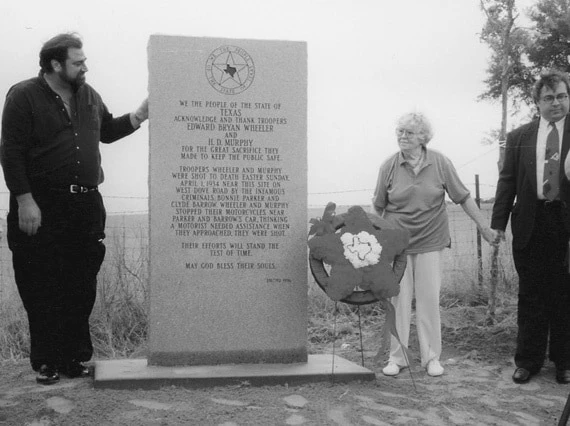
Memorial honoring Officers Wheeler and Murphy, killed by members of the Barrow Gang 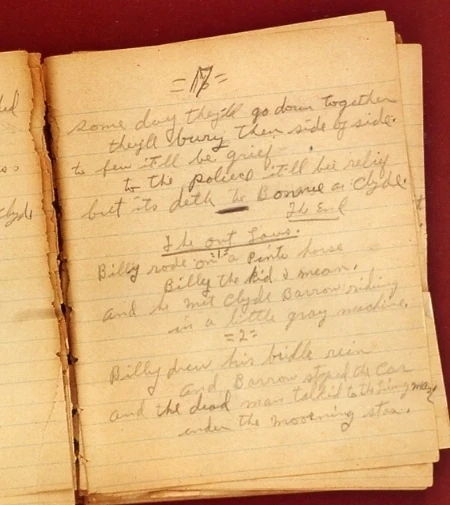
Bonnie kept a poetry journal, and one of her poems eerily predicted their imminent fate. Deep down, Parker likely knew they had crossed a line and that their death was only a matter of time.
Some day they’ll go down together
they’ll bury them side by side
to few it’ll be grief
to the law a relief
but it’s death for Bonnie and Clyde
Clyde and His Saxophone 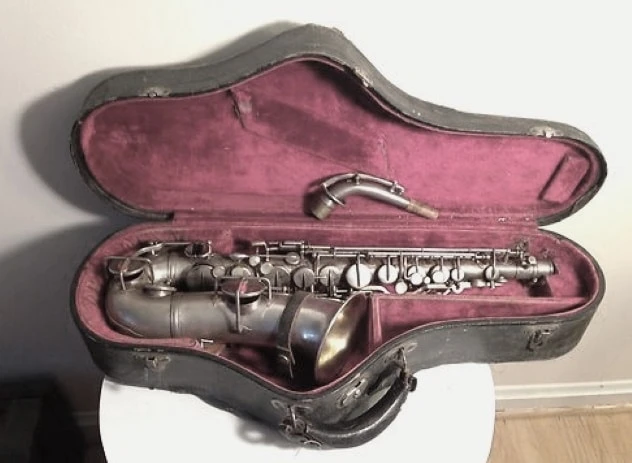
Clyde Barrow was a musically gifted youth who took a wrong turn. According to his younger sister, Marie Barrow, Clyde loved bringing joy to everyday people who had lost everything in the Depression. Naturally creative, he had learned to play the saxophone as a teenager.
On May 23, 1934, the stolen Ford V8 carrying Bonnie and Clyde was ambushed in Louisiana thanks to a tip-off from the father of gang member Henry Methvin. When the unsuspecting lovers pulled over to greet him, officers unleashed a hail of gunfire. Clyde was killed instantly by a shot to the head; combined, the couple suffered over 50 bullet wounds. Inside the bullet-riddled car alongside their bodies, police found Clyde's beloved saxophone, which he carried wherever he went.
Macabre Souvenirs 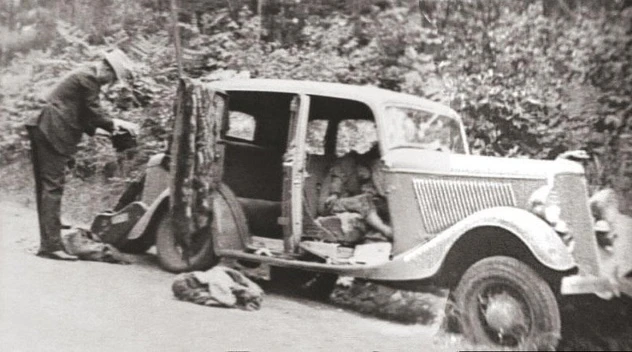
As news of the ambush spread, crowds of locals rushed to the scene to claim a piece of outlaw history. By the time the coroner arrived, onlookers were scavenging everything in sight—shell casings, shattered glass, and blood-soaked scraps of clothing. One eager spectator was even caught trying to slice off Clyde's ear with a pocketknife as a souvenir. 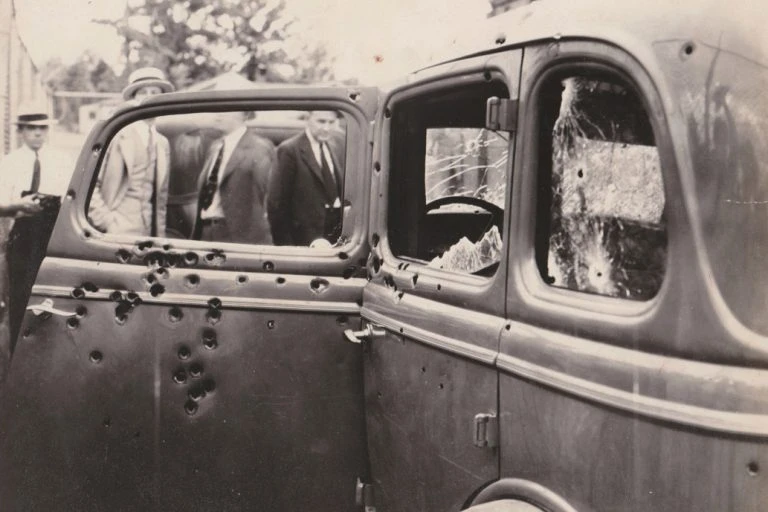
In the hours following their deaths, crowds flocked into neighboring towns to hear details of the ambush. Clyde's father, Henry Barrow, arrived to identify the bodies, deeply shaken by the horrific sight. The undertaker struggled during the embalming process due to the sheer number of bullet wounds.
Clyde's Mother 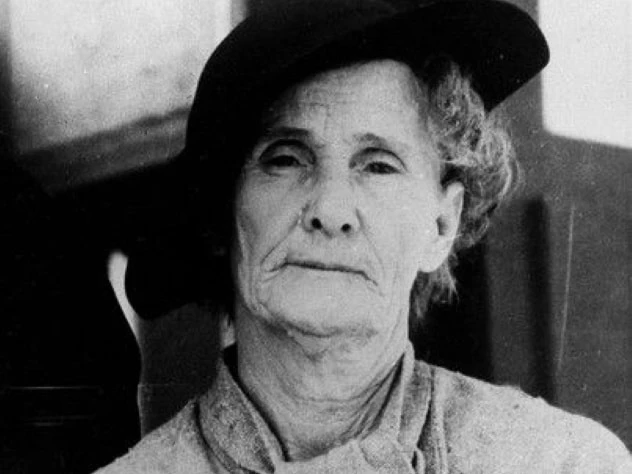
Clyde's mother, Cumie Walker
Following the death of Bonnie and Clyde, federal authorities turned their attention to the couple's family and associates. Over a dozen people were prosecuted for harboring and aiding the outlaws. Among them was Clyde's mother, Cumie Walker. Prosecutor Clyde O. Eastus argued that family members were part of a broader conspiracy, even casting Cumie as a mastermind behind the network.
Cumie admitted to meeting with her son and Bonnie on occasion to supply them with food and clothes. She defended Clyde to the end, insisting to the court that her boy was no murderer and dismissing press accounts as lies. For harboring the Barrow Gang, Cumie was sentenced to 30 days in jail.
They’ll Bury Them Side by Side 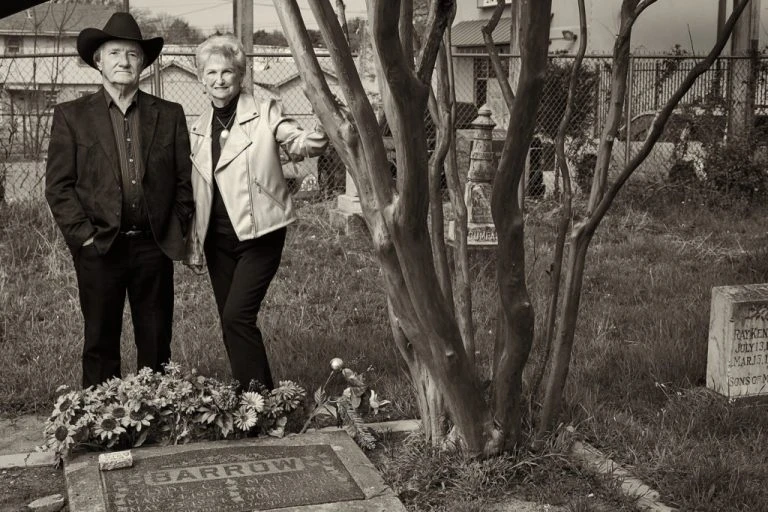
Since the 1990s, the outlaws' graves have been maintained by their surviving relatives: Clyde's nephew Buddy Barrow and Bonnie's niece Rhea Leen Linder.
Throughout their final years, Parker and Barrow expressed a clear wish to be buried side by side. That final wish was never granted. Bonnie was initially buried at Fishtrap Cemetery in Dallas before later being moved to Crown Hill Memorial Park. Clyde lies in Western Heights Cemetery, where an open plot beside him remains empty to this day. 
While relatives from both sides later supported uniting the couple in death, Bonnie's mother firmly refused, having never approved of their relationship. Today, a monument stands at the ambush site honoring the lawmen who brought an end to the notorious outlaws.