Soldiers in Lace, a Bowling Geisha, and 20 More Rare Photos with Surprising Stories Behind Them (19 photos)
Every photo in this collection captures a fleeting moment from someone else's life preserved by chance. A geisha at a bowling alley. Einstein in fuzzy slippers. Marilyn Monroe performing for 100,000 troops. World War II soldiers wearing lace doilies on their helmets. Each image tells a story you won't find in any history book—funny, touching, and altogether unexpected. 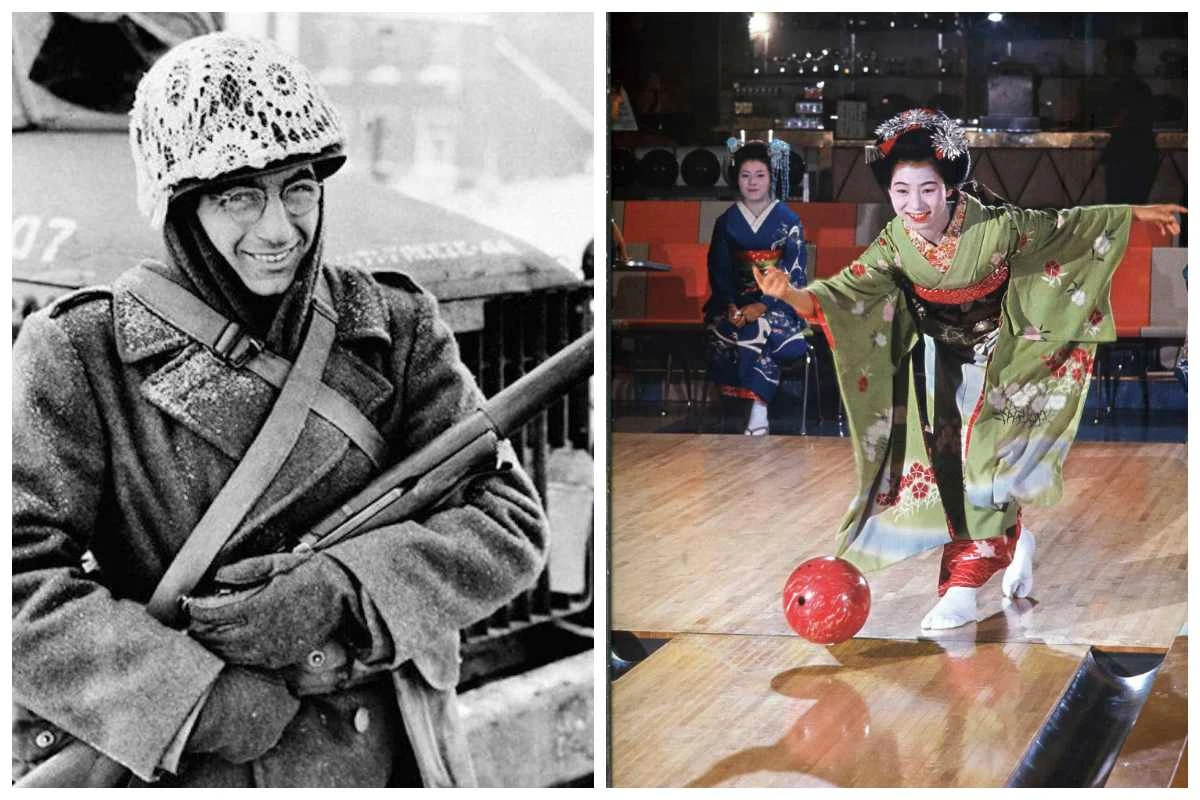
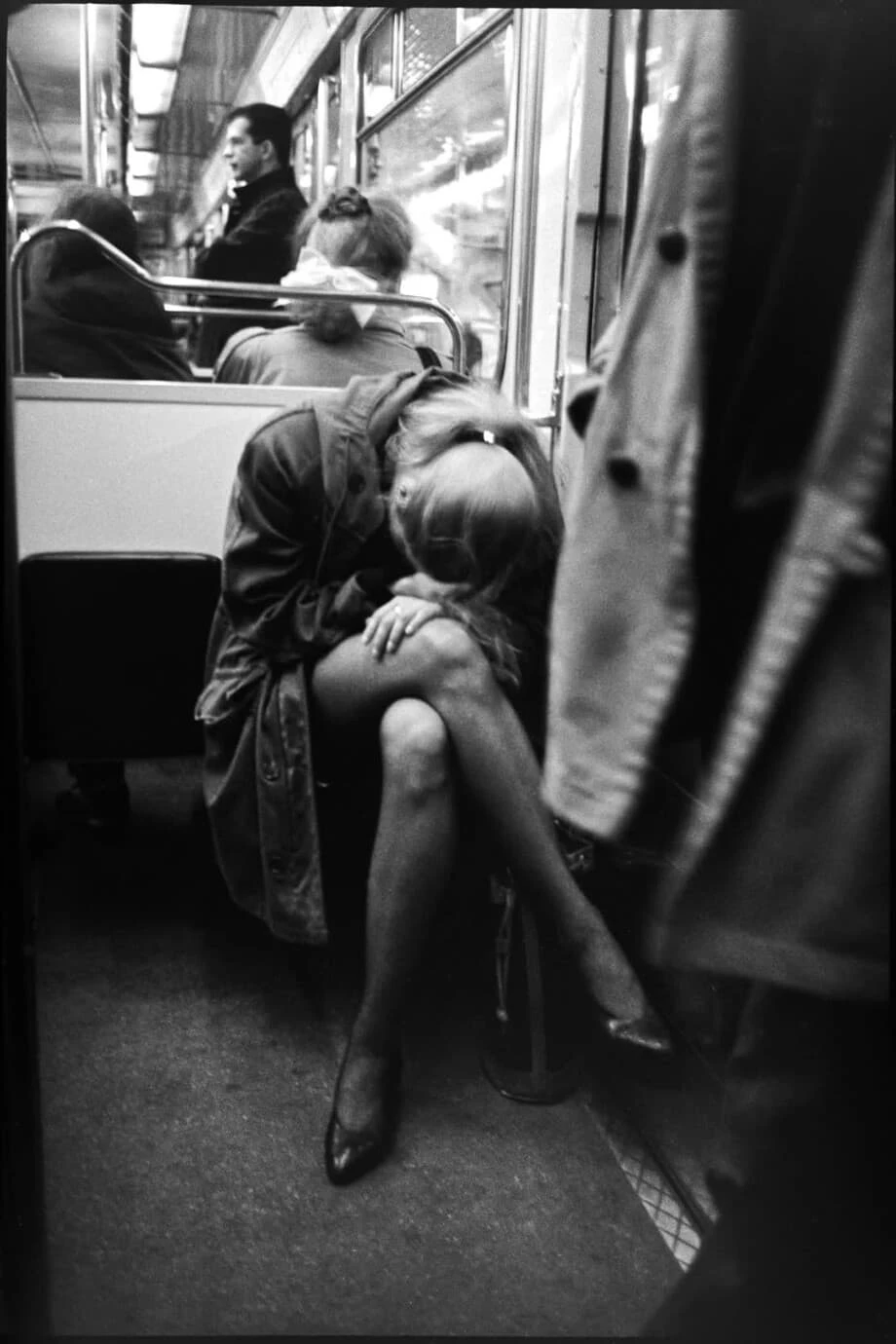
A woman on the Paris Métro, 1989
The Paris Métro is one of those rare places where you can be completely alone in a crowd. With 15 lines, hundreds of stations, and millions of daily rides, everyone keeps to themselves. This photograph perfectly captures that quiet sense of solitude amidst the rush. 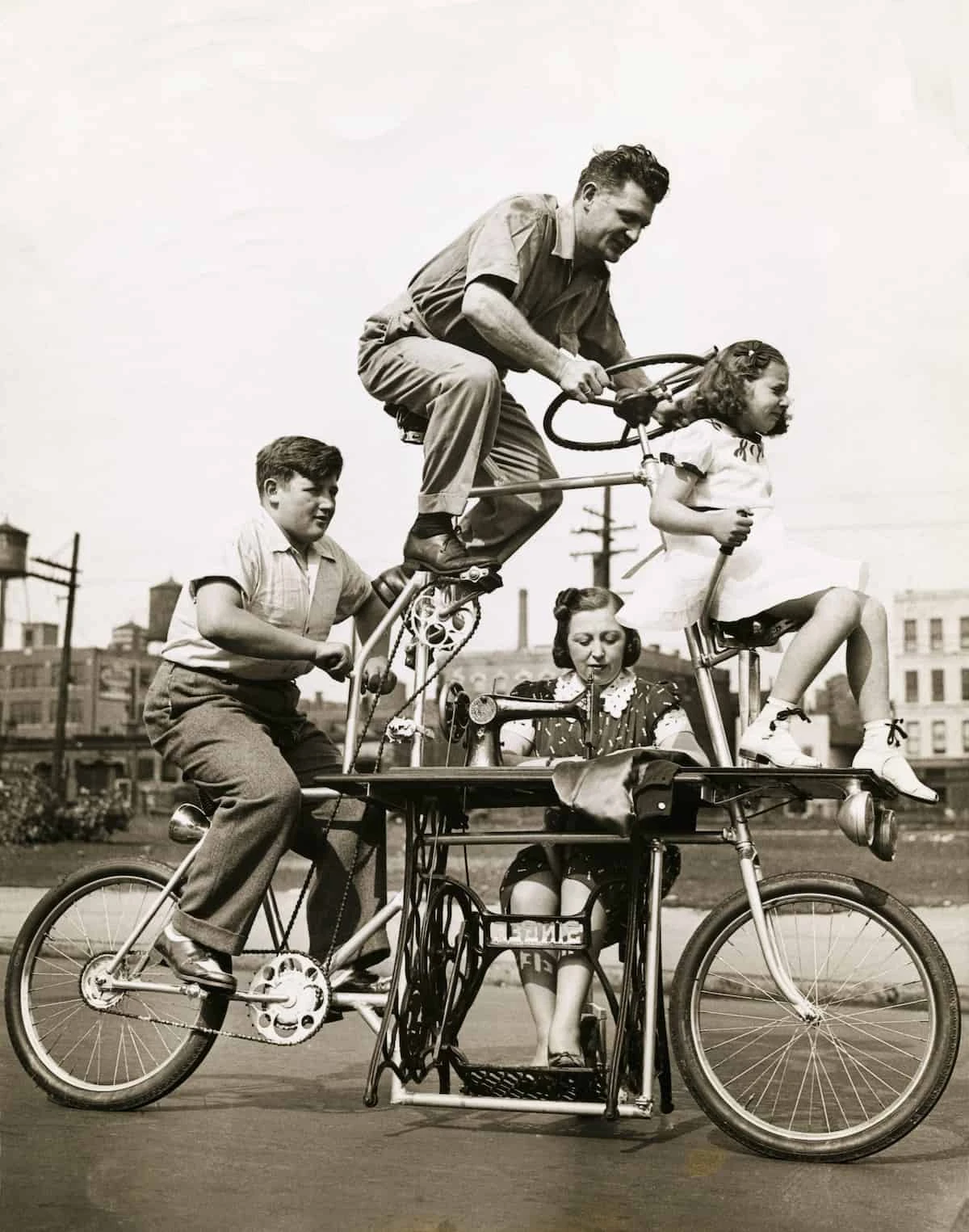
Charles Steinlauf’s "family bicycle" featuring a built-in sewing machine. Chicago, 1939
Inventor Charles Steinlauf built this custom bicycle so his family could stay productive while spending quality time together: dad pedals, mom sews, and the kids ride along. While the contraption generated plenty of news coverage, it never went into mass production—presumably because mom put her foot down. 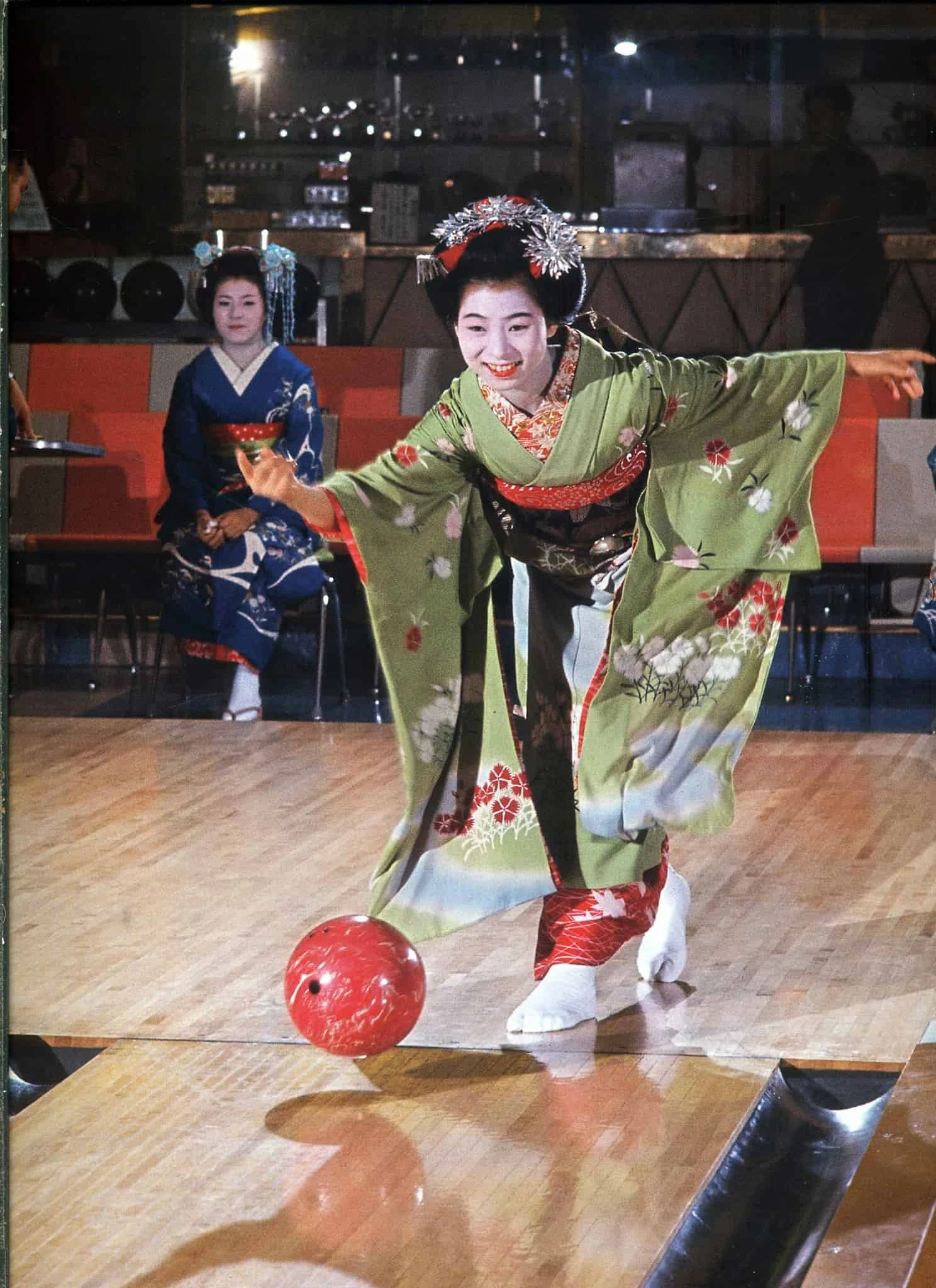
A maiko plays bowling. Kyoto, 1964
A maiko is an apprentice geisha undergoing years of rigorous training. Bowling swept through postwar Japan in the late 1940s via American cultural influence, turning into a nationwide craze by the 1960s. The strict dress code of an apprentice geisha was clearly no obstacle. 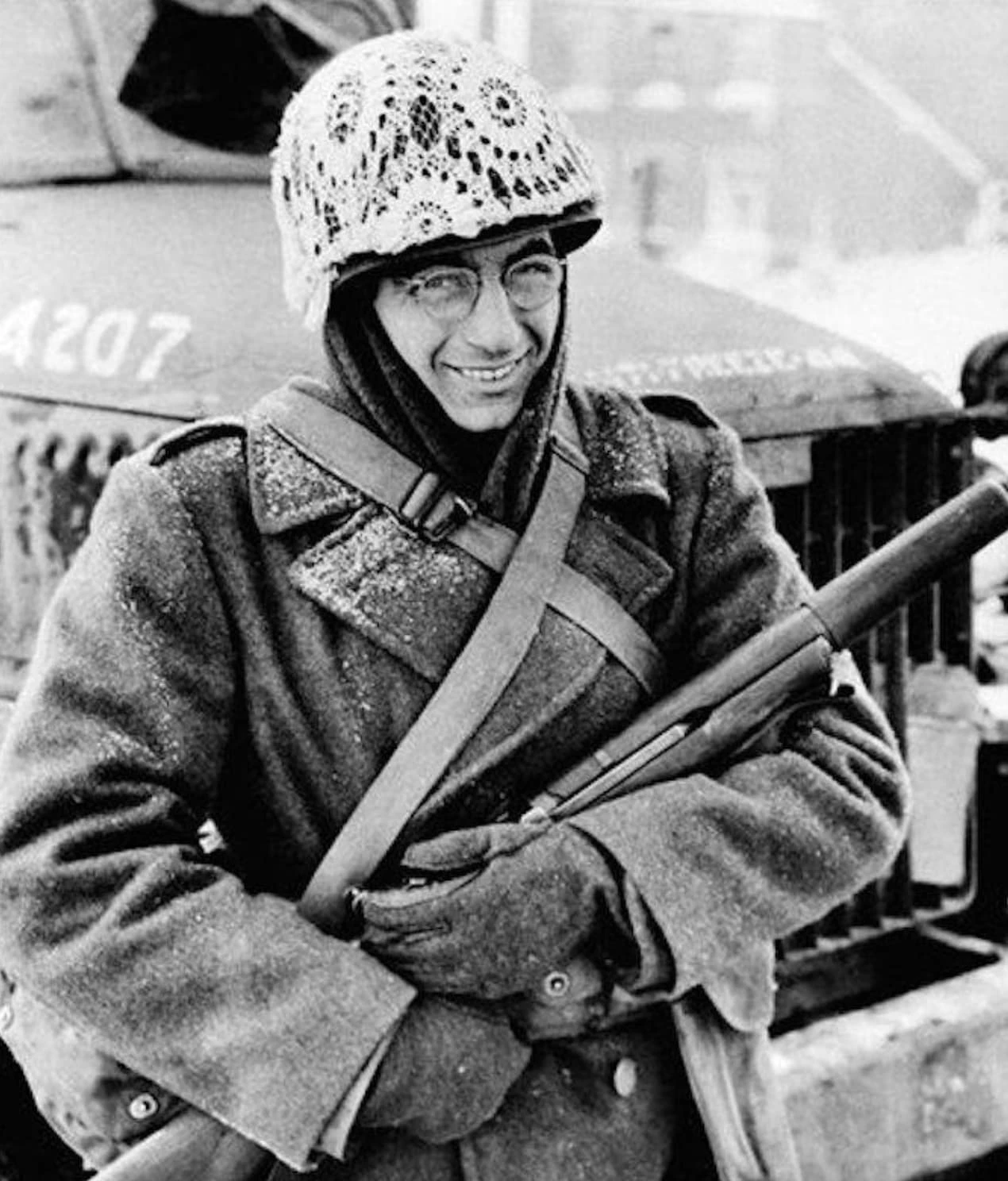
US Sergeant William Furia during the Battle of the Bulge in Belgium, 1944
In December 1944, during the Battle of the Bulge, US soldiers found themselves trapped in the snow-covered forests of Belgium without winter camouflage. Improvising on the fly, they repurposed lace curtains and table linens salvaged from abandoned houses. The makeshift camouflage proved surprisingly effective. 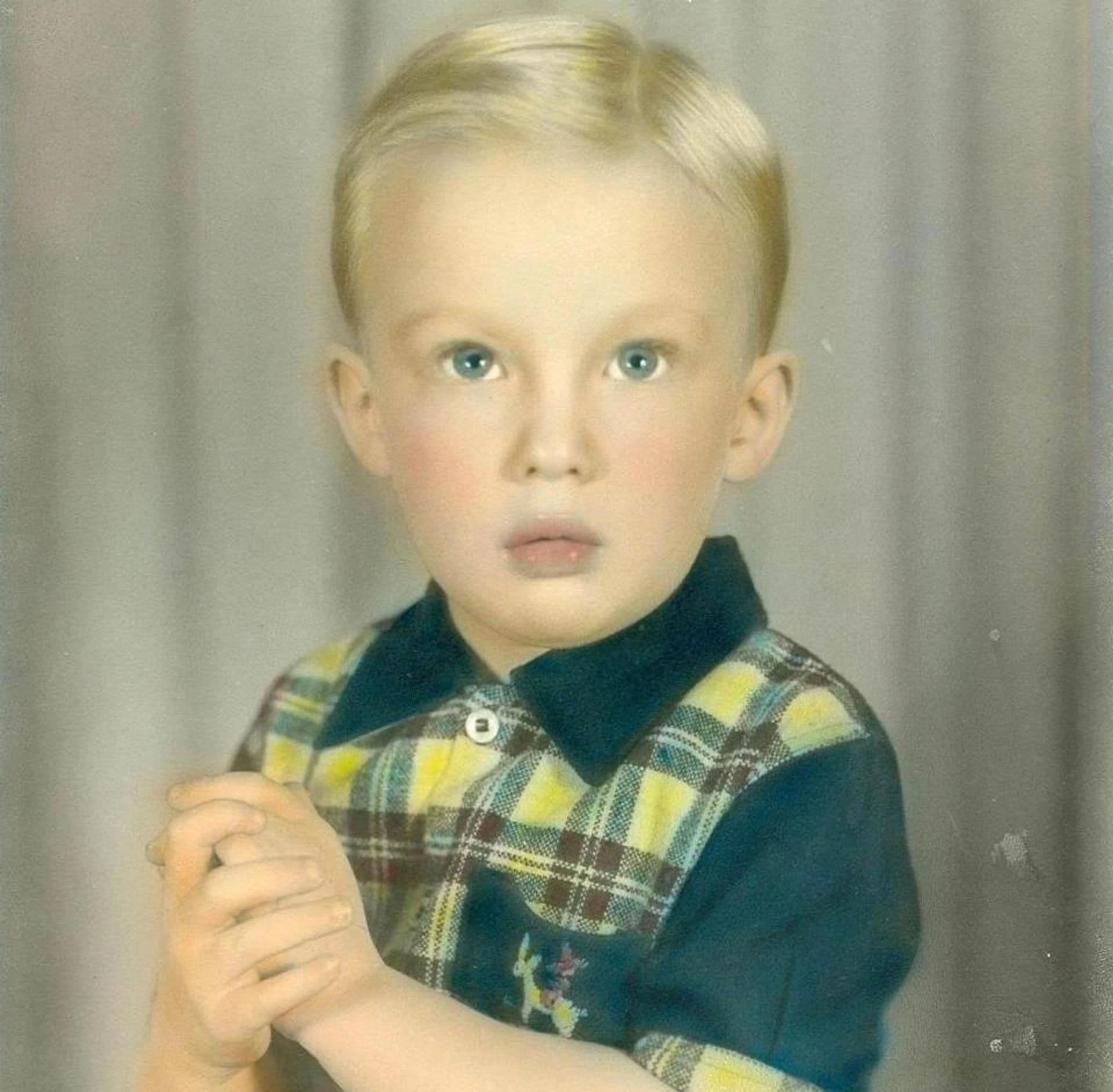
Donald Trump as a young boy. USA, 1951
In 1951, Donald Trump was five years old. At the time, his father, Fred Trump, was already a prominent real estate developer in New York, building affordable housing across Queens and Brooklyn—the very industry where the future president would take his first professional steps. 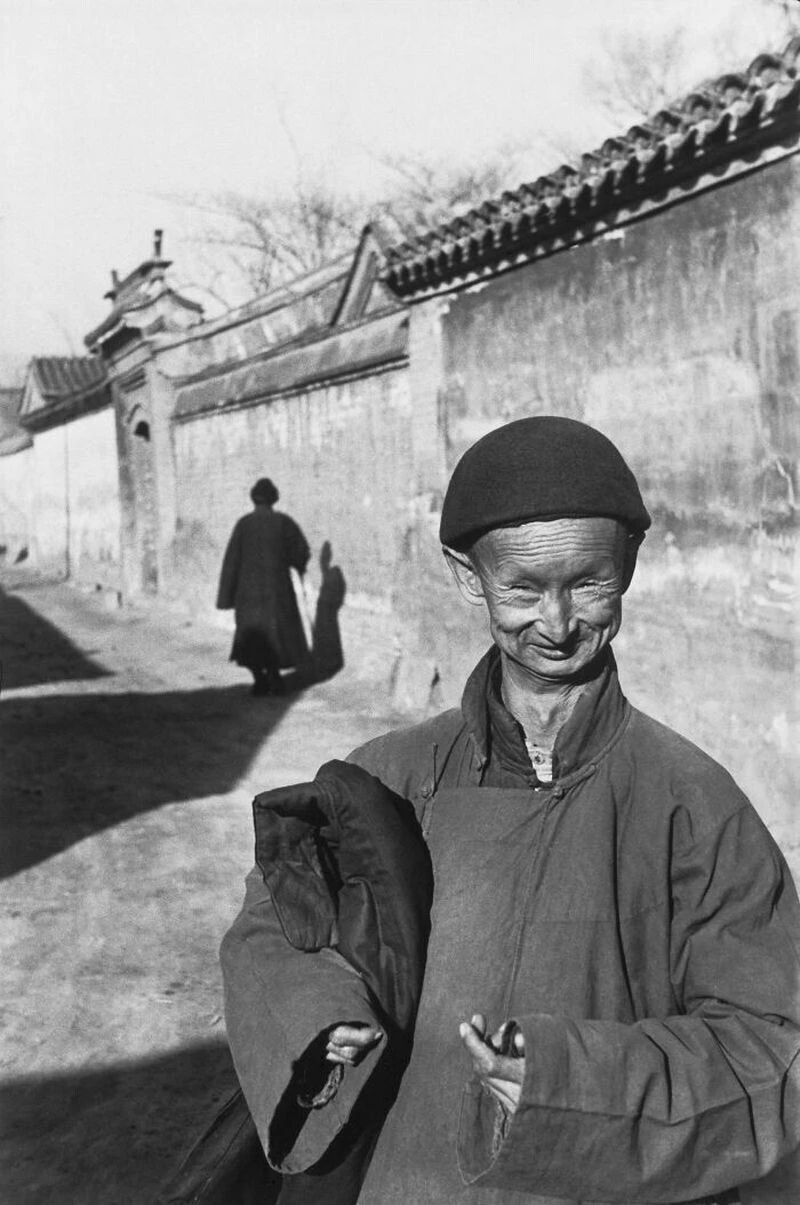
One of the last eunuchs of the Imperial Court. Photo by Henri Cartier-Bresson, Beijing, December 1948
Under Empress Dowager Cixi, around 400 eunuchs served in the palace. In 1924, warlord Feng Yuxiang expelled the last emperor, Puyi, from the Forbidden City, leaving the former court servants destitute and on the streets. By December 1948, when Cartier-Bresson captured this portrait, only about 40 remained, all living in a Buddhist monastery on the outskirts of Beijing. 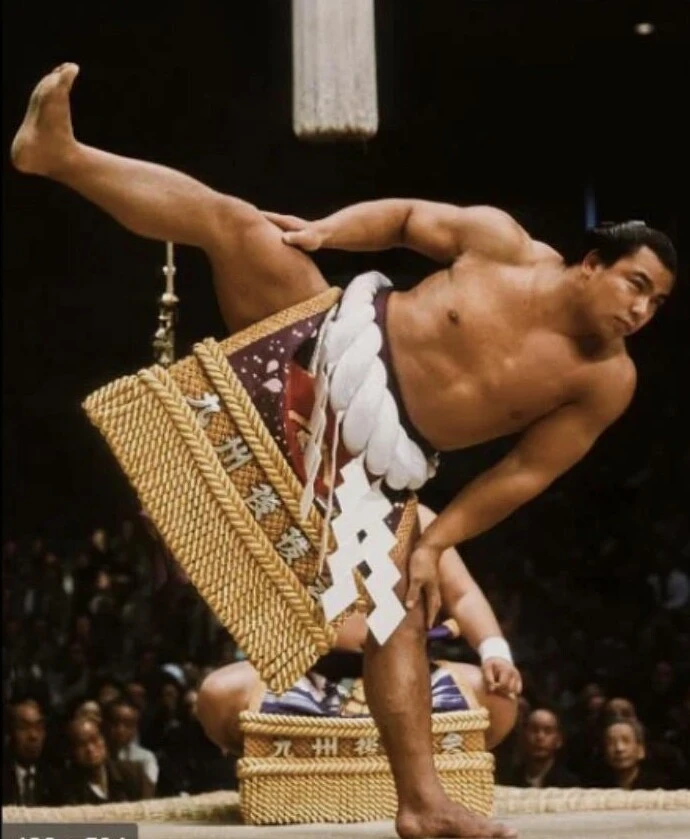
Chiyonofuji Mitsugu performing the Dohyo-iri ring-entering ceremony. Japan, 1983
Nicknamed "The Wolf," Chiyonofuji Mitsugu became sumo's 58th Yokozuna in 1981. Exceptionally light for a heavyweight wrestler at around 126 kg (278 lbs), he dominated opponents through sheer explosive speed and muscle power. Over his legendary career, he claimed 31 top-division titles and in 1989 became the first sumo wrestler to receive the People's Honor Award from Japan's Prime Minister. 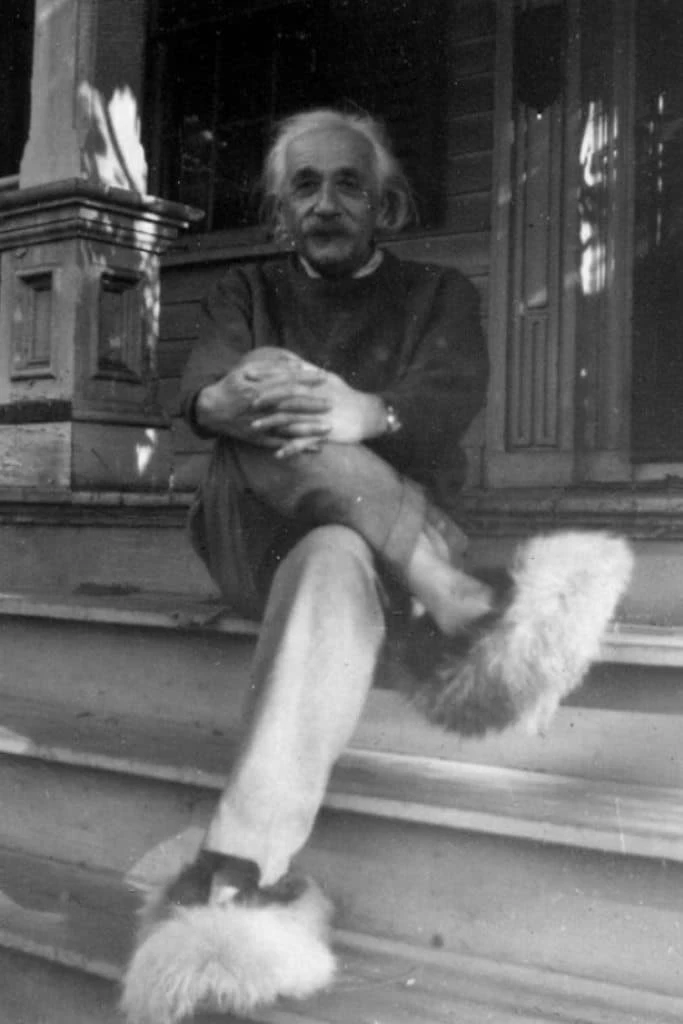
Albert Einstein lounging in fuzzy slippers, 1940s
Einstein was famously indifferent to fashion, notoriously refusing to wear socks because, as he put it, "they always end up with holes." He considered his quirky wardrobe choices a matter of principle. The genius physicist lived in Princeton from 1933 onward and continued his groundbreaking work until his death in 1955. 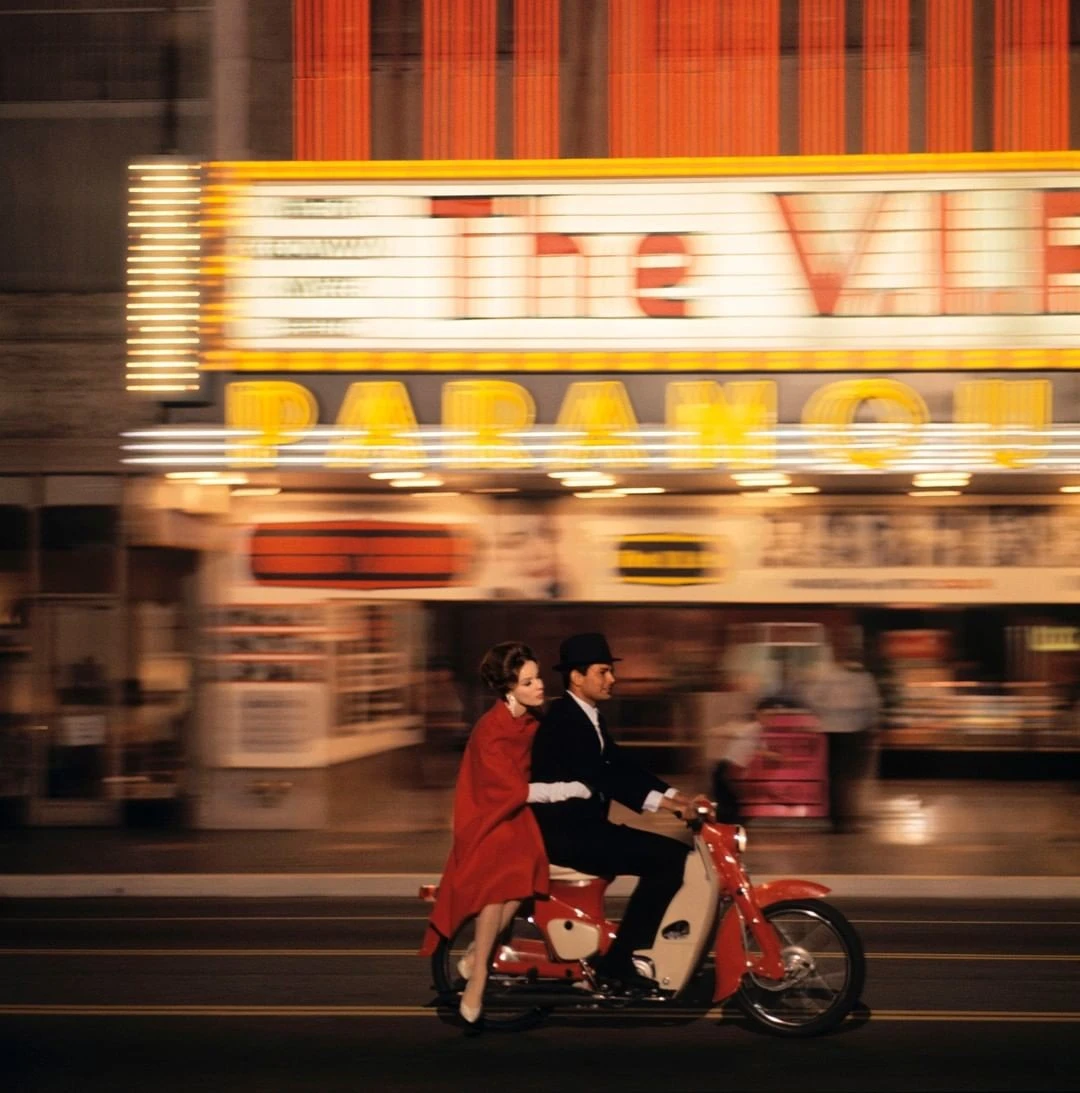
Honda photoshoot, 1964. Photo by Sid Avery
Sid Avery (1918–2002) was a legendary Hollywood photographer who captured candid moments of icons like Humphrey Bogart, Marlon Brando, and Audrey Hepburn. In 1964, Honda launched its iconic US campaign, "You meet the nicest people on a Honda," completely transforming the image of motorcycles into symbols of casual elegance and effortless mobility. 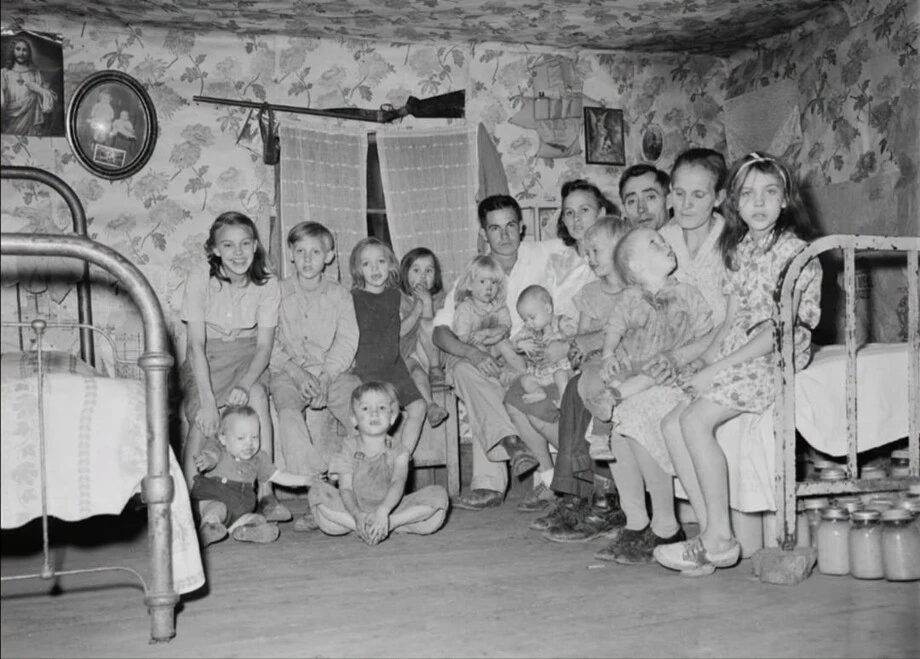
A coal miner and his family. Bell County, Kentucky, 1946
Located in the heart of the Appalachians, Bell County was a hub of American coal mining. In 1946, local miners earned an average of about $4 a day working six-day weeks. Though the coal boom provided employment, it rarely brought wealth; most miners spent their lives tied to company towns where the mining firms owned everything from their homes to the local general store. 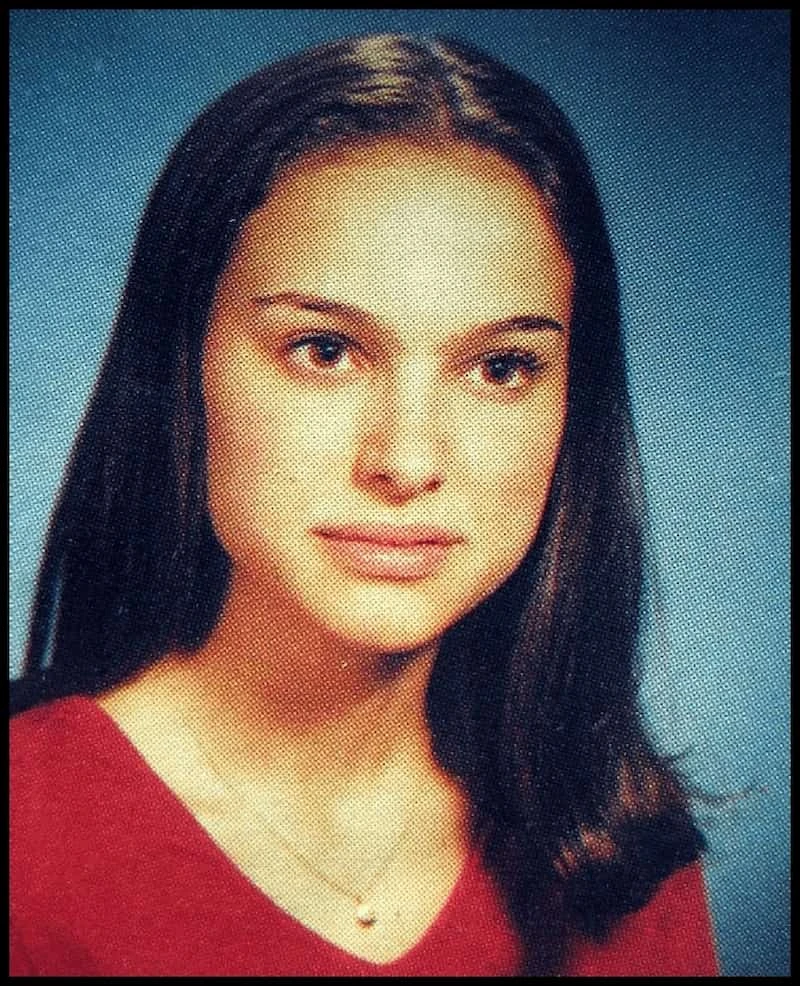
Natalie Portman’s high school yearbook photo, 1999
In 1999, Natalie Portman was graduating high school in Syosset, New York. By then, she was already a global star, having starred in
Léon: The Professional
(1994) and
Star Wars: Episode I
(1999). Despite her burgeoning Hollywood career, she prioritized her education, graduated on time, and went on to earn a degree from Harvard. 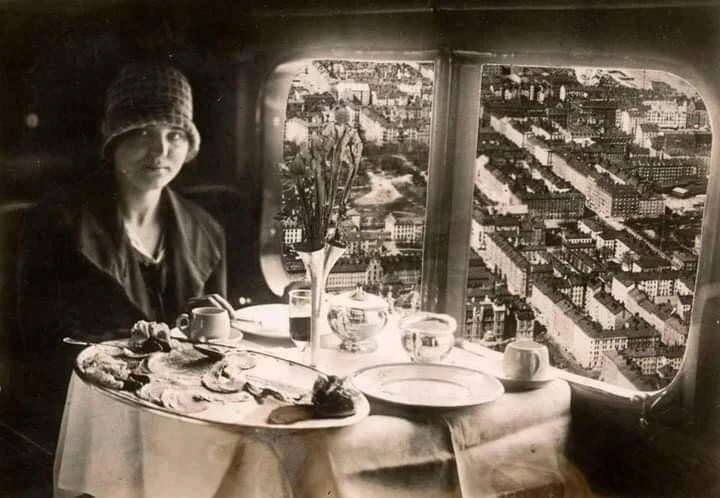
An airship passenger on the Paris–Berlin route, 1928
In the late 1920s, airships represented the height of luxury travel. The Paris-to-Berlin flight took about 10 hours, with tickets costing significantly more than a first-class train carriage. Passengers were treated to multi-course hot meals and fine wine. The catastrophic
Hindenburg
disaster in 1937 effectively brought the golden era of passenger airships to an end. 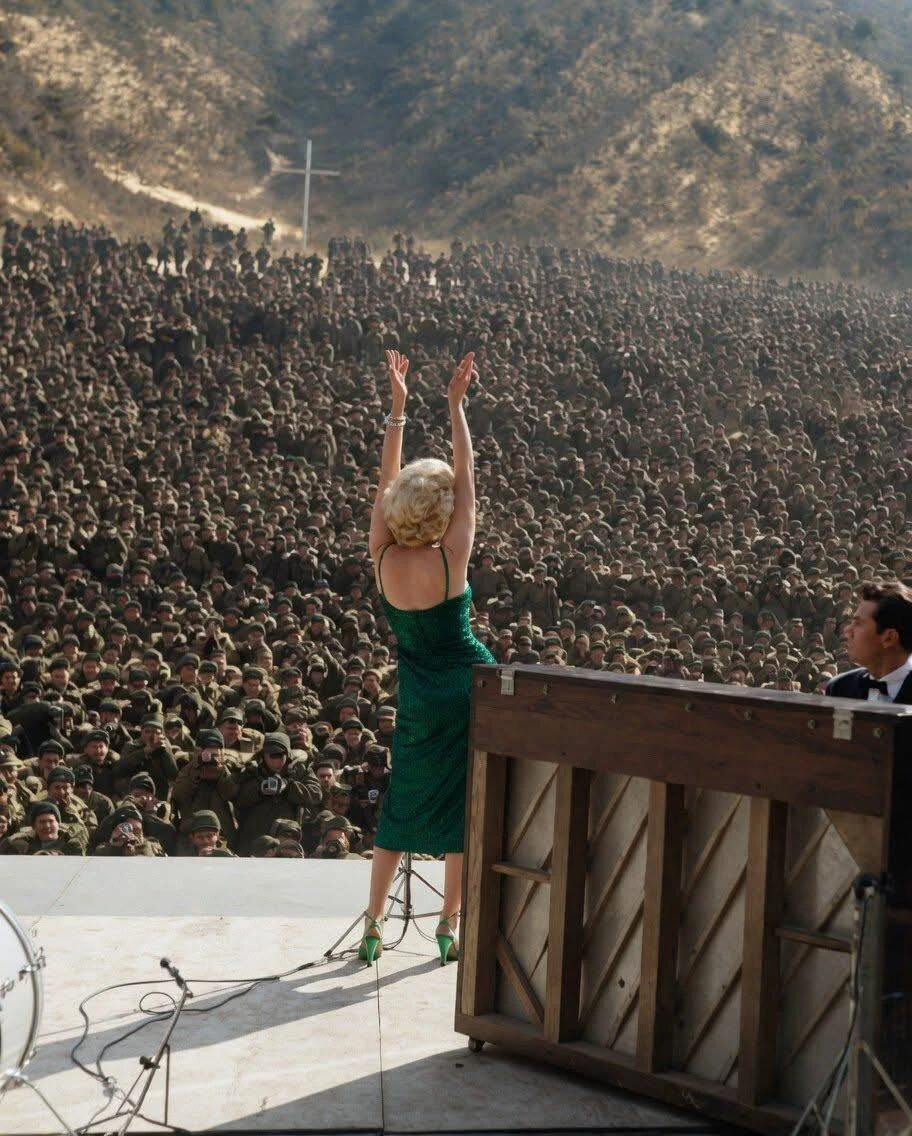
Marilyn Monroe performing for US troops in Korea, February 1954
In February 1954, Marilyn Monroe took a detour from her Japanese honeymoon to perform in Korea after her new husband, Joe DiMaggio, declined to go along. Over four freezing days, she gave 10 outdoor performances to more than 100,000 troops, braving the winter chill in a spaghetti-strap cocktail dress. Monroe later recalled that it was the first time she truly felt like a superstar. 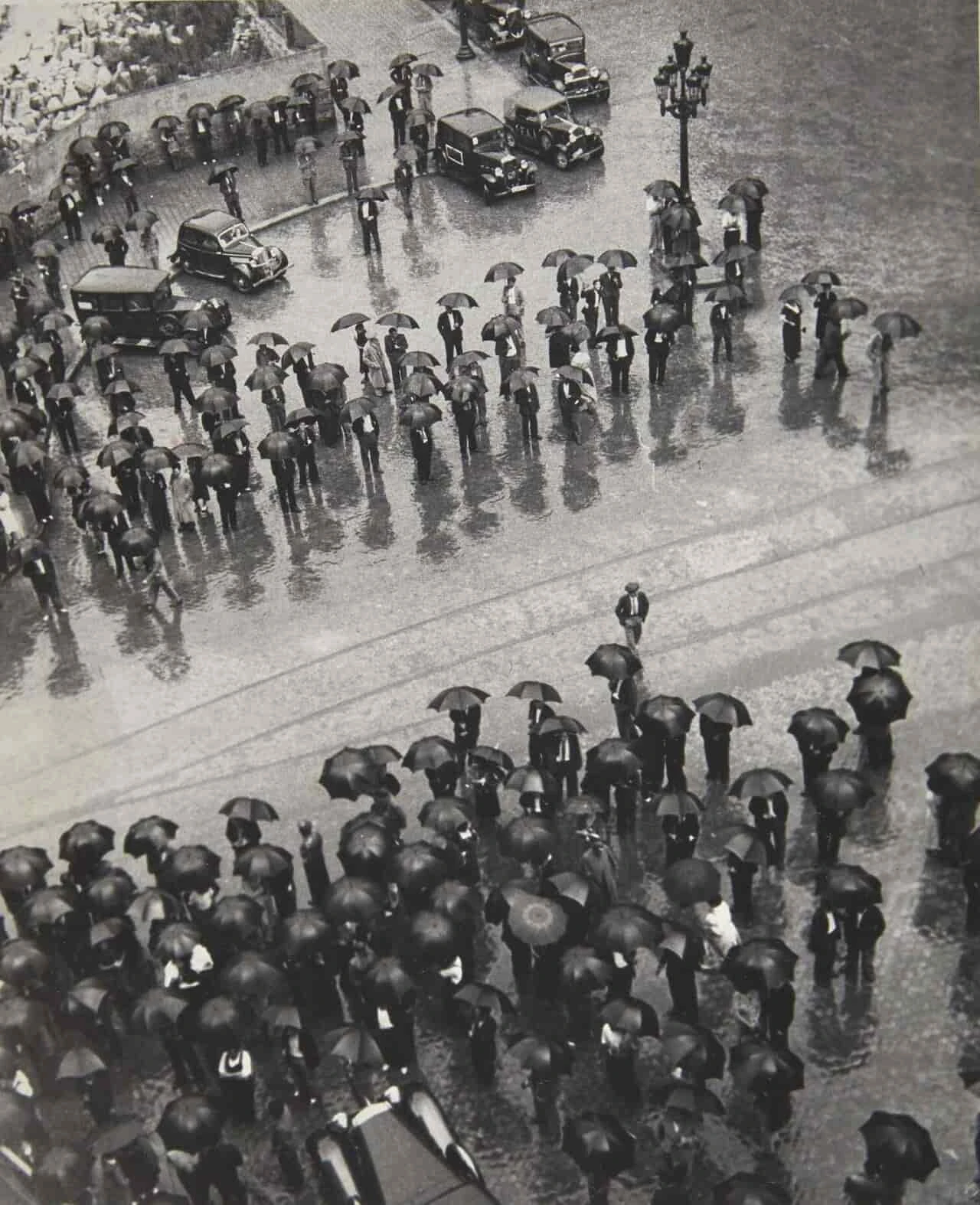
A CNT rally in Barcelona under umbrellas. Photo by Kati Horna, 1937
Hungarian-born photographer Kati Horna arrived in Spain in early 1937 on assignment for the anarcho-syndicalist CNT union to document the Spanish Civil War from the inside. Rather than focusing on front-line battles, she captured everyday human moments: breadlines, children, and political rallies. This iconic image is now preserved at New York's Museum of Modern Art (MoMA). In 1939, Horna fled to Mexico, where she lived until her death in 2000. 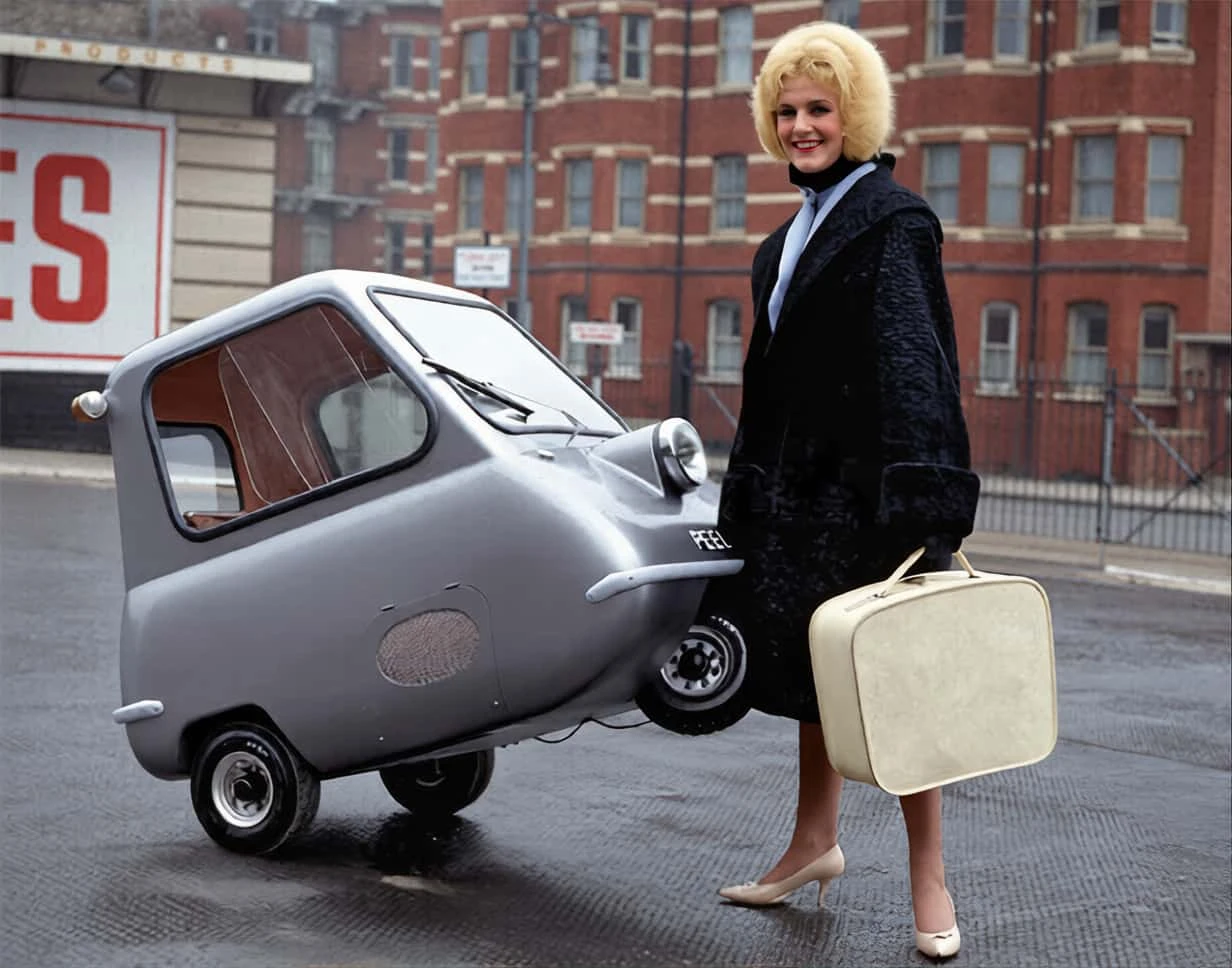
The Peel P50, the smallest production car in history. Isle of Man, 1962–1965
The Peel P50 was a three-wheeled microcar measuring just 134 cm (52.8 in) long and 99 cm (39 in) wide. Weighing only 59 kg (130 lbs), it reached speeds up to 60 km/h (37 mph) and seated just one person. It lacked a reverse gear; instead, it featured a handle at the back so drivers could physically pick up and pivot the car. In 2010, the Guinness Book of World Records officially certified it as the smallest production automobile ever made. 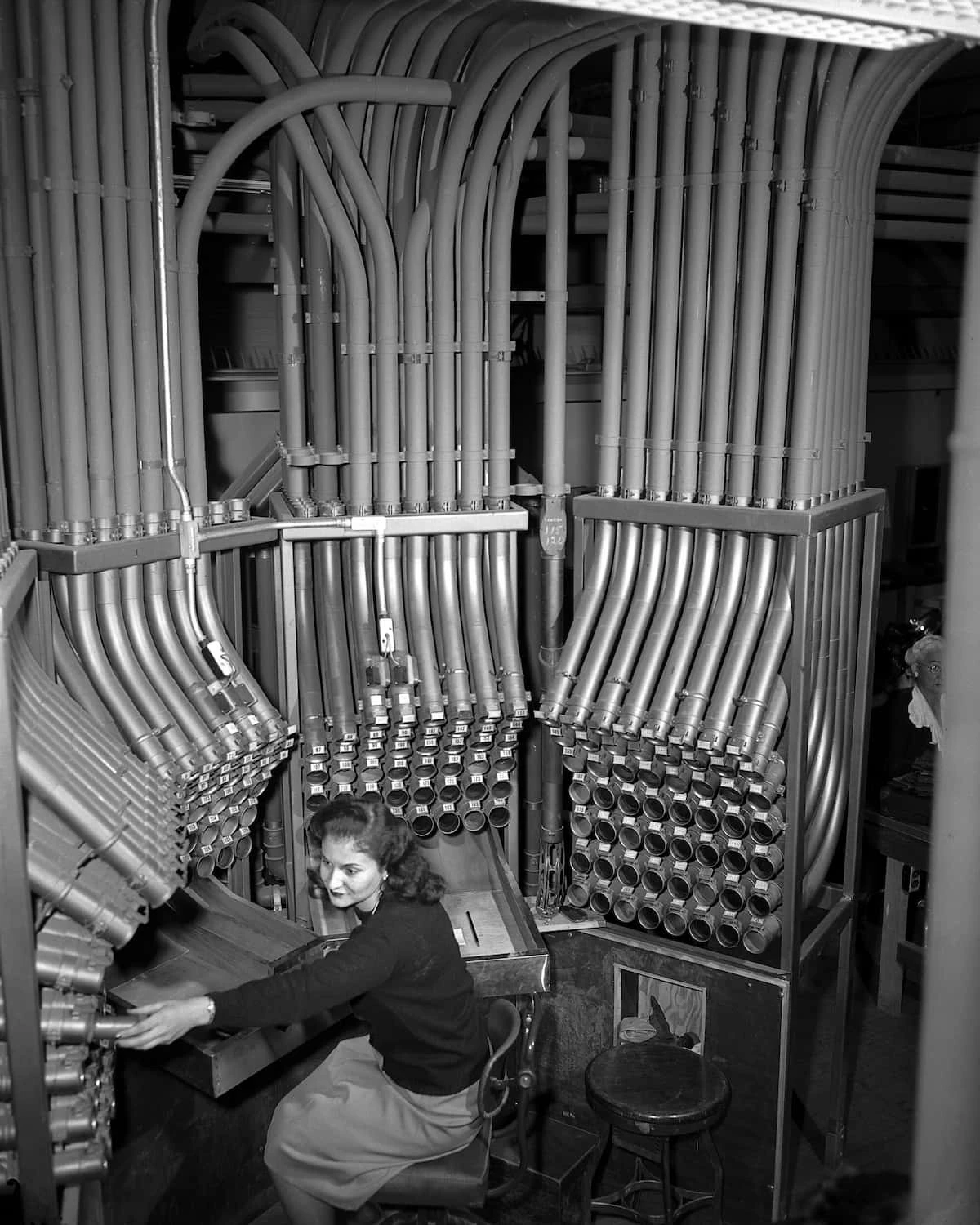
Pneumatic tube mail system in New York City, early 20th century
From 1897 to 1953, an intricate pneumatic mail system ran under the streets of New York City, connecting 23 post offices across 27 miles of tubing. Steel canisters zoomed along at 35 mph, delivering mail in minutes. The system wasn't decommissioned due to inefficiency, but cost: a couple of delivery trucks could perform the same job for a fraction of the price. 
The Virtuality 1000CS VR arcade cabinet, early 1990s
British firm W Industries (later Virtuality Group) launched the 1000-series VR arcade machines in 1991. The heavy headset weighed several pounds, the graphics were powered by an Amiga 3000 computer, and the display resolution was a modest 372×250 pixels. With each cabinet priced at roughly $65,000, the early VR craze fizzled out by the mid-1990s as hardware failed to keep pace with hype. 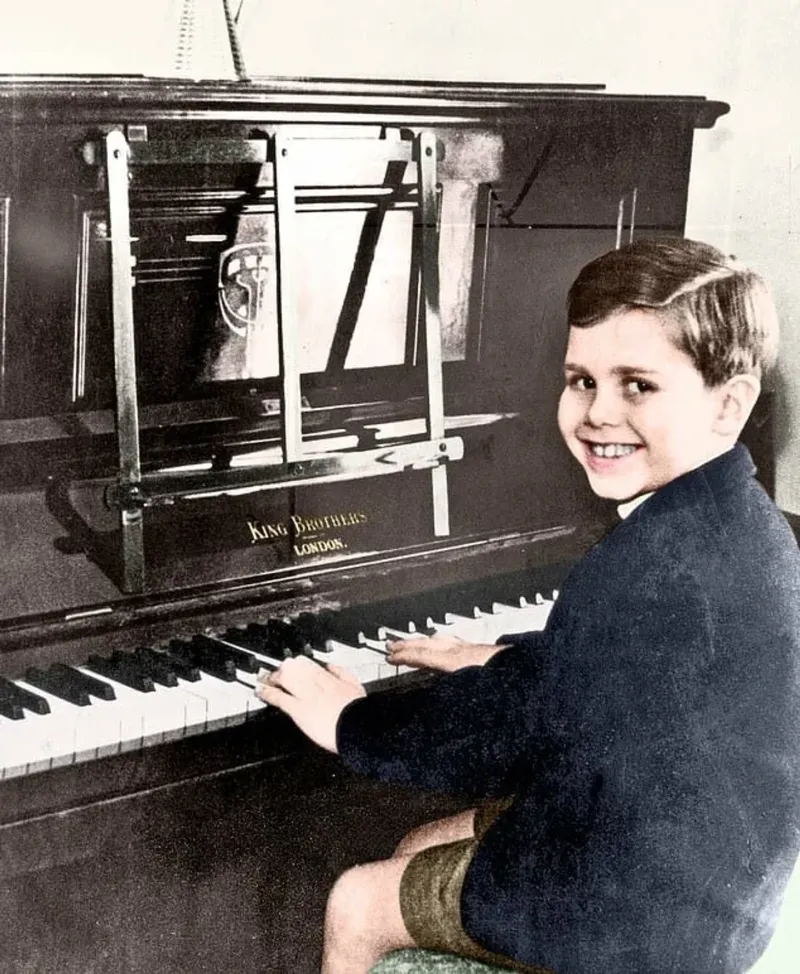
Young Elton John at the piano, 1950s
Born Reginald Kenneth Dwight, the future Elton John started picking out tunes on the piano by ear at age three. By age seven, he was taking formal lessons, and at eleven, he earned a scholarship to London's Royal Academy of Music. He didn't adopt his famous stage name until 1967, deriving it from saxophonist Elton Dean and blues singer Long John Baldry.
Which photo from this collection surprised you the most?
Unseen History: How Color Brings Vintage Photos to Life,
The True Heights of Famous Historical Figures Will Surprise You,
Youth of Yesteryear: What Teenagers Looked Like Around the World 100 Years Ago