Geometric Face Tattoos and Hacking Charges: The Story Behind Florida’s Viral Mugshot (10 photos)
A dark, mask-like geometric pattern covers the face of 36-year-old Florida resident Mark Asea. On social media, he describes himself as a demonologist, a grey hat hacker, and a cybersecurity specialist. A mugshot taken during his arrest on September 30, 2026, quickly went viral across the internet. But there is more to this story than his unusual appearance: police suspect Asea gained unauthorized access to women's personal data and exposed it in his TikTok videos. 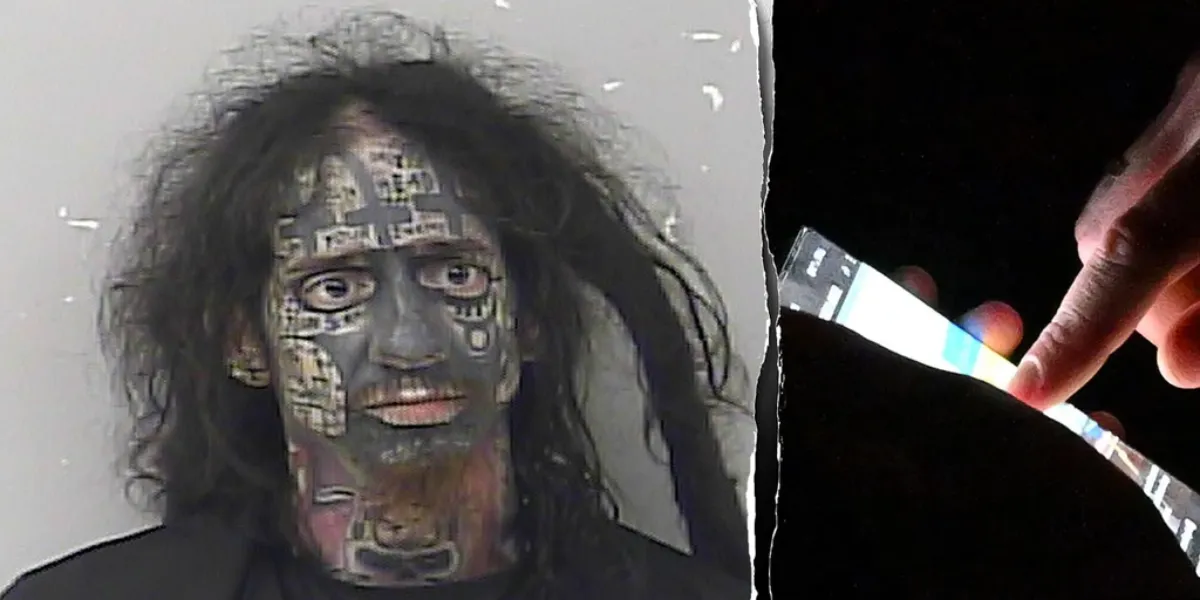
The Viral Mugshot Taking Over Social Media
Deputies with the St. Lucie County Sheriff's Office photographed Asea on September 30, 2026, during booking. In the mugshot, he stares directly into the camera, dark lines forming an intricate geometric pattern across his face as long dark hair falls over his shoulders. By the first week of October 2026, the photo had spread like wildfire across social media platforms and news sites. 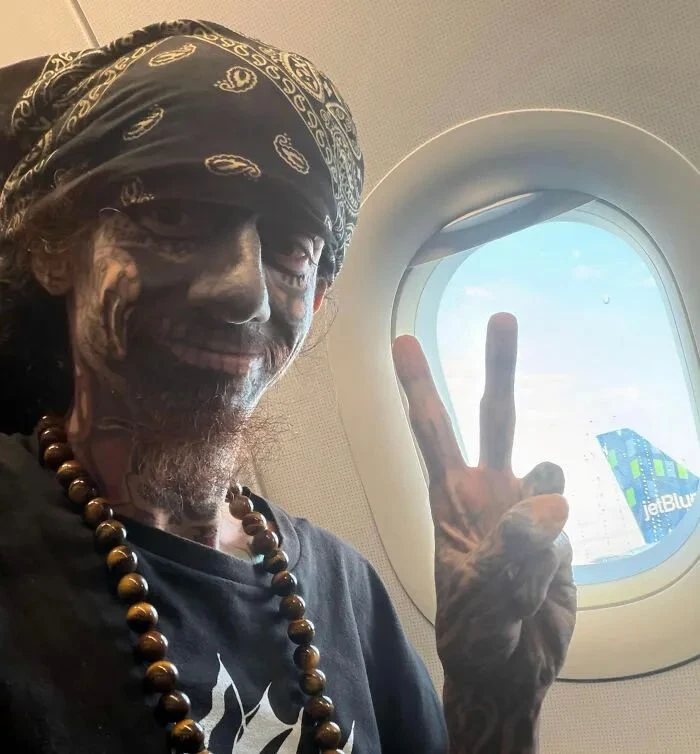
The pattern on Asea’s face is also visible in photos from his personal social media accounts, not just his official mugshot
Online users cracked jokes and debated the image. Some dubbed it a masterpiece of modern art, while others admitted they were lost for words. Yet behind the viral photo lies a serious criminal case. Police in Port St. Lucie, a city in eastern Florida, opened an investigation after personal information belonging to several women surfaced in videos posted by Asea.
Who Is Mark Asea and Why Does He Call Himself a Demonologist?
At the time of his arrest, Asea was living in Port St. Lucie. He maintains accounts on TikTok and Twitch, describing himself in his bio as a "demonologist," "clairsentient," "empath," "grey hat hacker," and "woodland dweller." A clairsentient claims to intuitively sense the feelings of others, while a demonologist studies demons—labels Asea chose for his own profile description. 
Asea’s profile features labels like "demonologist," "empath," and "grey hat hacker" side by side
A "grey hat hacker" typically accesses computer systems without authorization, though not necessarily for financial gain. They occupy a middle ground between "white hat" ethical hackers hired by system owners and "black hat" malicious hackers who steal and inflict damage. Florida law, however, makes no such distinction—what matters legally is whether access was authorized. Interestingly, police records from April showed a different bio: at the time, he listed himself as a "former Satanist" and "cybersecurity engineer."
What Police Found in Asea’s TikTok Videos
In an arrest warrant affidavit, a detective detailed content from an account linked to Asea. Investigators allege that in one video, he exposed a woman's password, device information, banking activity, and vehicle license plate number. Asea also mentioned her last 10 online purchases, alongside her phone's IMEI number and device MAC address. 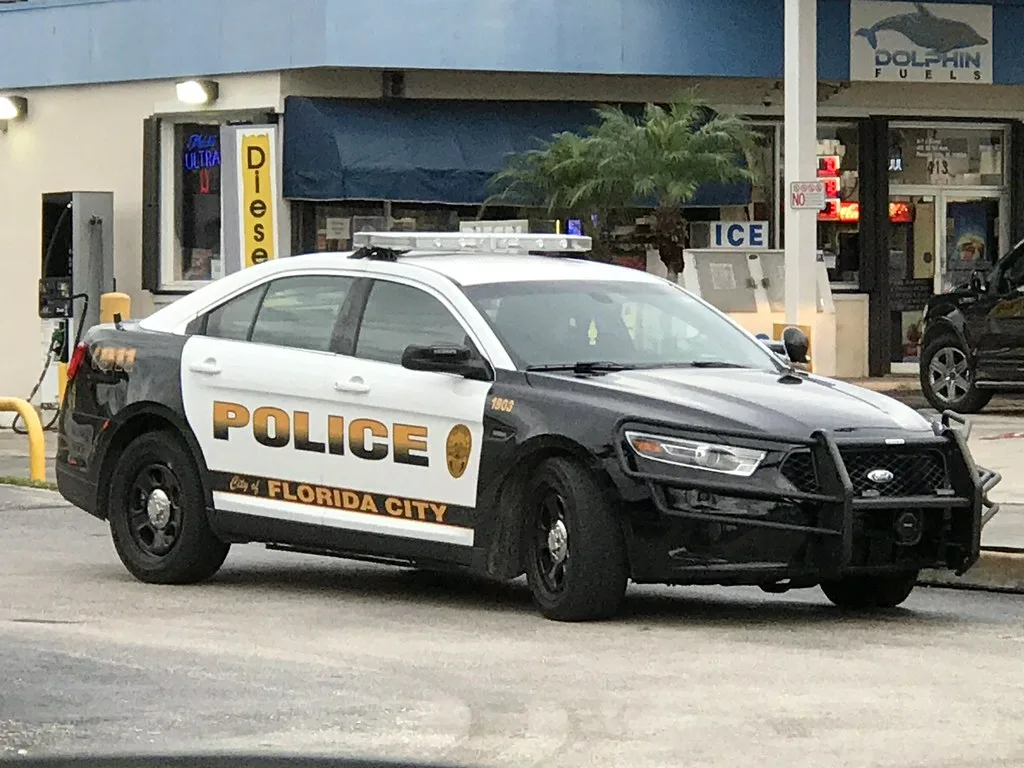
The investigation into Asea’s videos was conducted by police in Port St. Lucie, a city on Florida's Atlantic coast
The woman told investigators that only members of a private TikTok group chat had access to her password, and she had never given Asea permission to use it. She also noticed that receipts for online purchases were no longer arriving in her inbox, leading her to suspect someone was accessing her financial accounts.
Investigators documented over 100 videos in which Asea referenced one of the women, sometimes posting up to six clips a day. Court filings cite a comment he made about tracking her phone's GPS location, though records do not establish whether he was actually able to track her.
Computer Assistance That Ended in Criminal Charges
A second woman originally turned to Asea for tech support. In October 2025, she permitted him to access her computer remotely to troubleshoot a software program. Remote access tools allow someone to control another computer over the internet with the owner's consent. 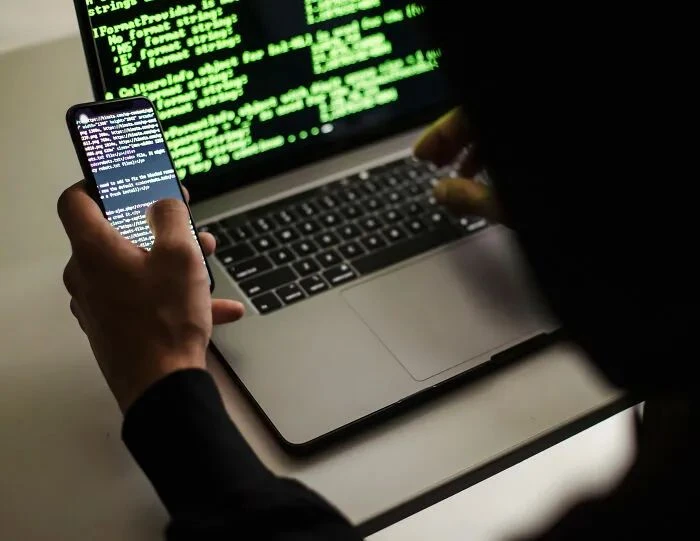
Remote access software allows control over another computer, but requires the owner's permission
Months later, the woman reported a troubling development to police. She alleged that Asea admitted to installing malware on her computer while she was away from the screen, granting him ongoing access to her files. She stated she had never consented to any such installation. 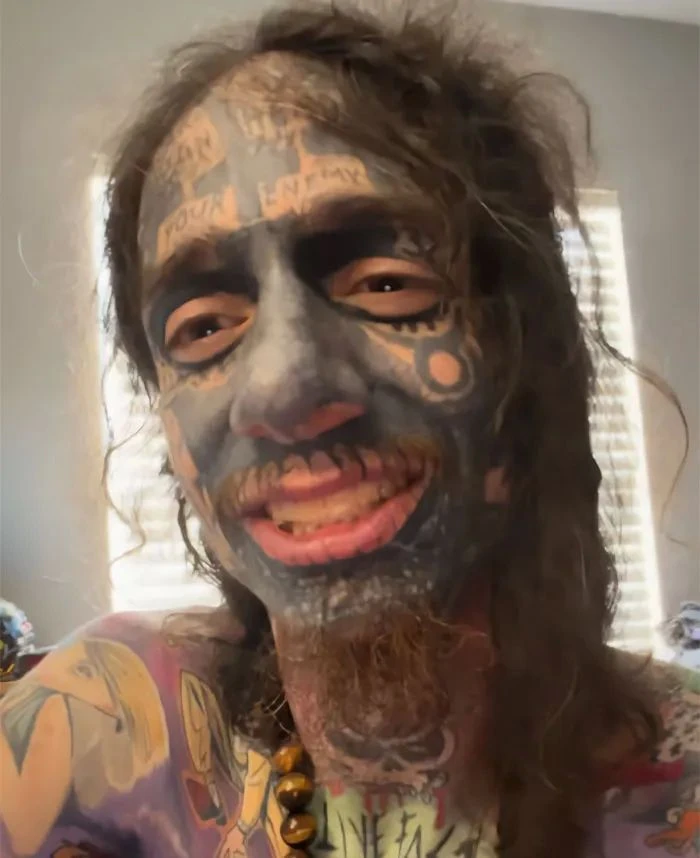
Asea posted TikTok videos that the victims say contained their private information
What alarmed her most was a photo that surfaced in one of Asea’s videos. According to court documents, the photo existed exclusively within her private Telegram messages, yet Asea claimed in a comment that the picture came from WhatsApp.
Charges Dropped, Then Refiled
Asea was first arrested in April 2026 on two counts of computer fraud and offense against computer users, alongside one count of stalking. Prosecutors dropped those charges in May, though public records do not state the reason. 
Prosecutors dropped the April charges in May 2026, but the case was reopened in September
Over the summer, a separate civil protection order case unfolded. In July, one of the women was granted a temporary injunction. However, on September 8, 2026, a judge dismissed the injunction and closed the civil case. 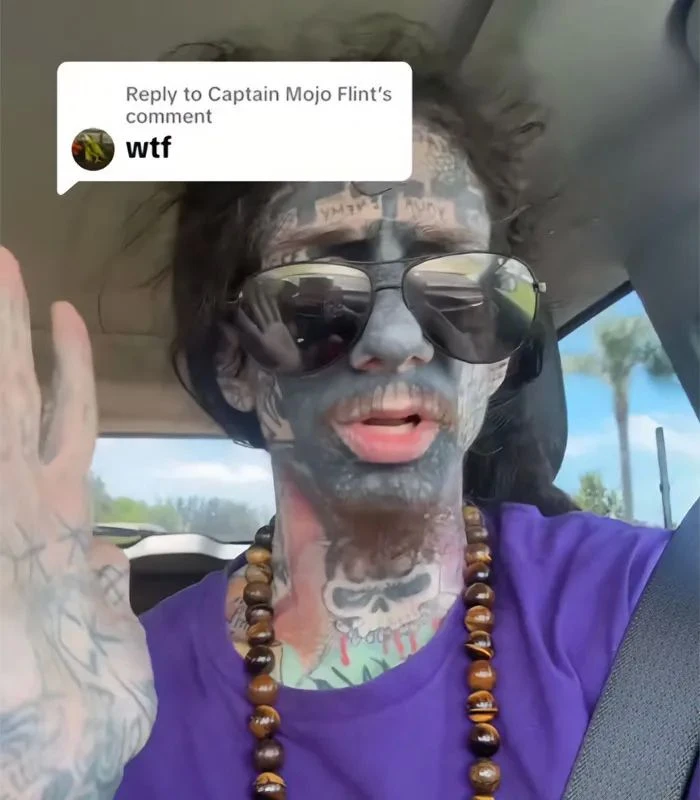
Videos posted to Asea’s TikTok account form the core of the allegations, with investigators documenting over 100 clips about a single woman
The criminal investigation remained active, however. On September 24, 2026, prosecutors refiled charges and added a new count: unauthorized access to a computer or electronic device. Six days later, Asea was taken back into custody.
Bail, Court Proceedings, and the Presumption of Innocence
On September 30, 2026, officers arrested Asea at his home in Port St. Lucie. He was booked into the St. Lucie County Jail at 10:19 a.m., charged with offenses against computer users under Florida Statute 815.06, which carries varying felony degrees. Bail was set at $35,000. 
Asea’s next court appearance is scheduled for November 19, 2026
At that hearing—an arraignment—he will be formally read the charges and asked to enter a plea. No verdict has been reached, and Asea has not been found guilty; all allegations detailed above represent the claims of law enforcement. 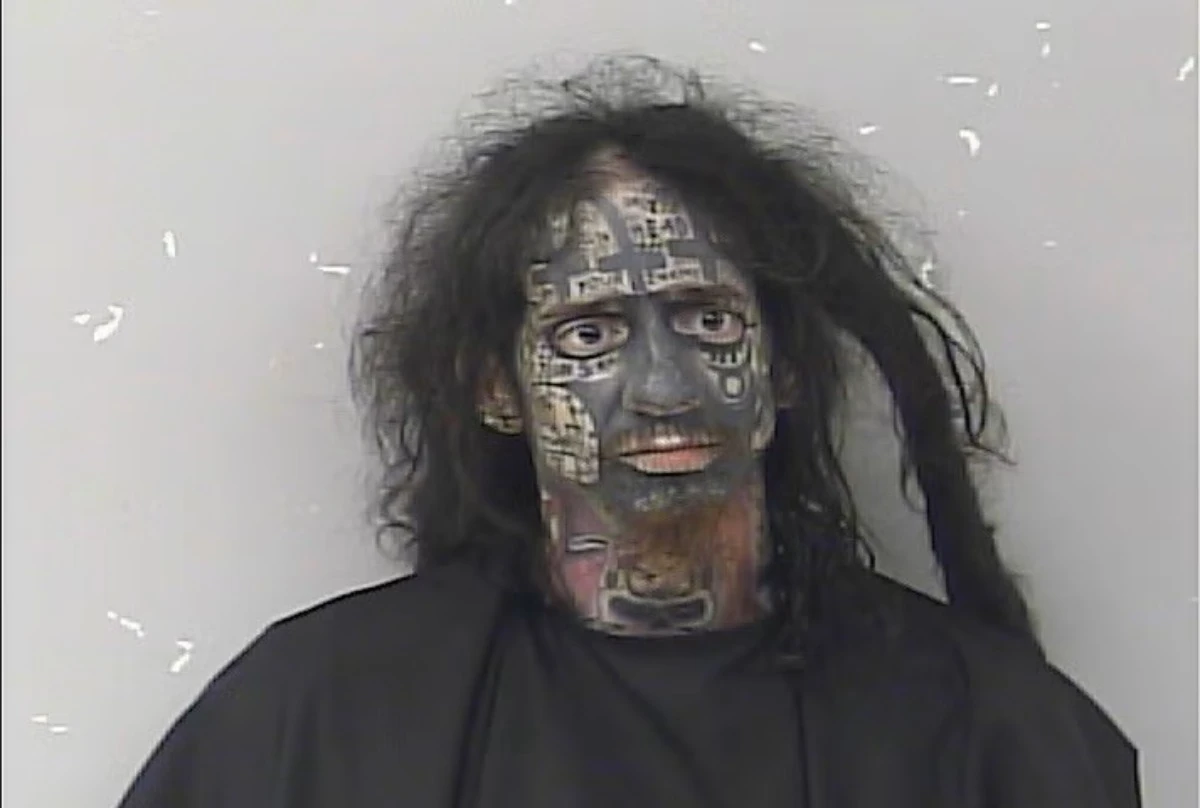
This mugshot was taken during Asea’s booking at the St. Lucie County Jail on September 30, 2026
The photo went viral in a matter of days. But beyond his striking appearance, the core issue facing the court is a crucial legal question: how did private personal data end up broadcast in public online videos?
The photo went viral because of his appearance, not the charges. Is this just typical internet behavior?