The World's Most Extreme Settlements (11 photos)
Since ancient times, humans have naturally settled near natural bodies of water. Cities were typically built in vast lowlands or along the banks of rivers and lakes. Yet for some cultures, access to water took a backseat to rich natural resources or sheer self-defense. These resilient peoples built their homes in harsh climates and virtually inaccessible places designed to keep enemies at bay. 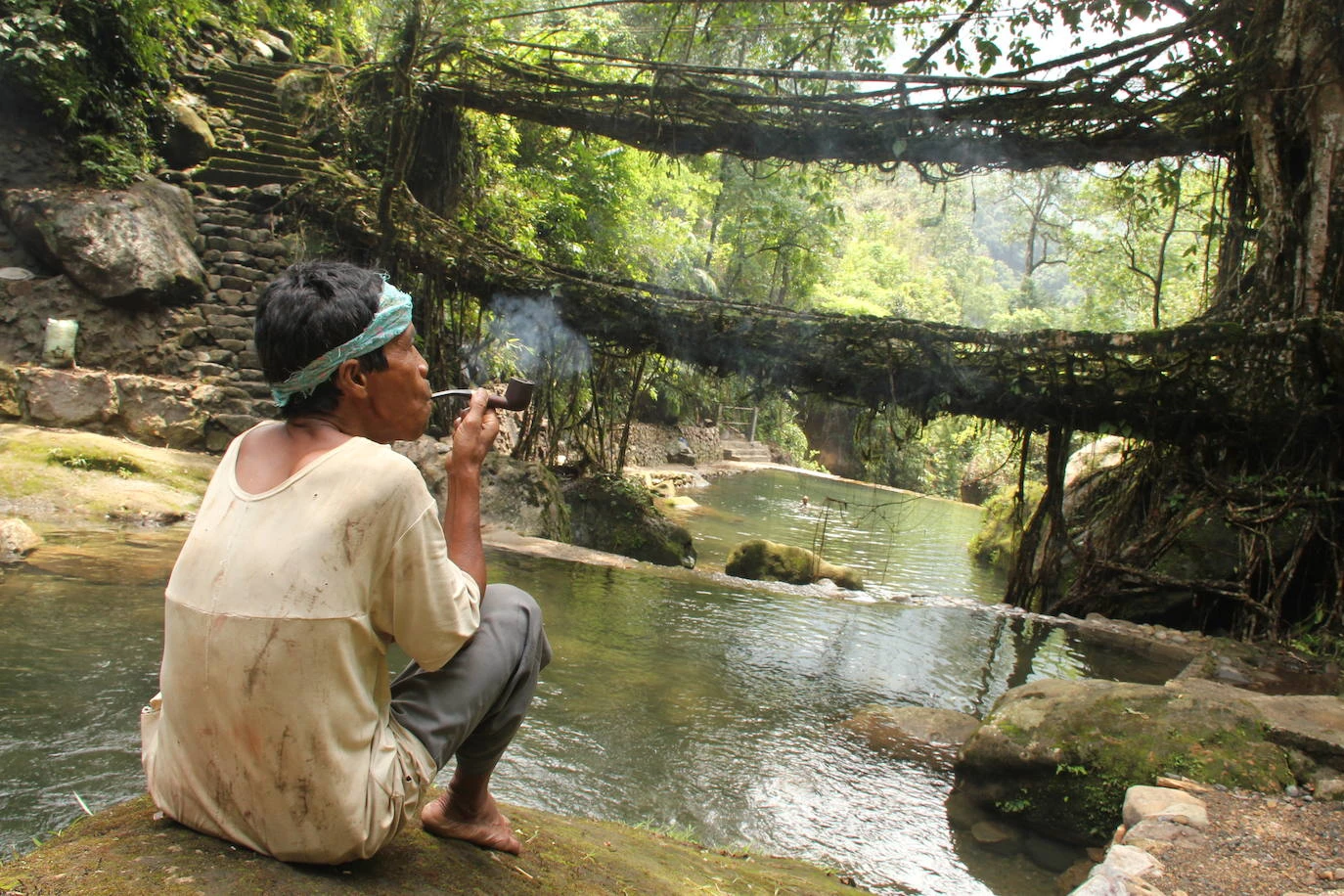
Dense jungles, isolated islands, and the Earth's absolute coldest and hottest corners all became home. Even today, though their descendants could easily move to more welcoming parts of the world, many refuse to leave, choosing instead to carry on their ancestors' legacy of adapting to life on the edge. 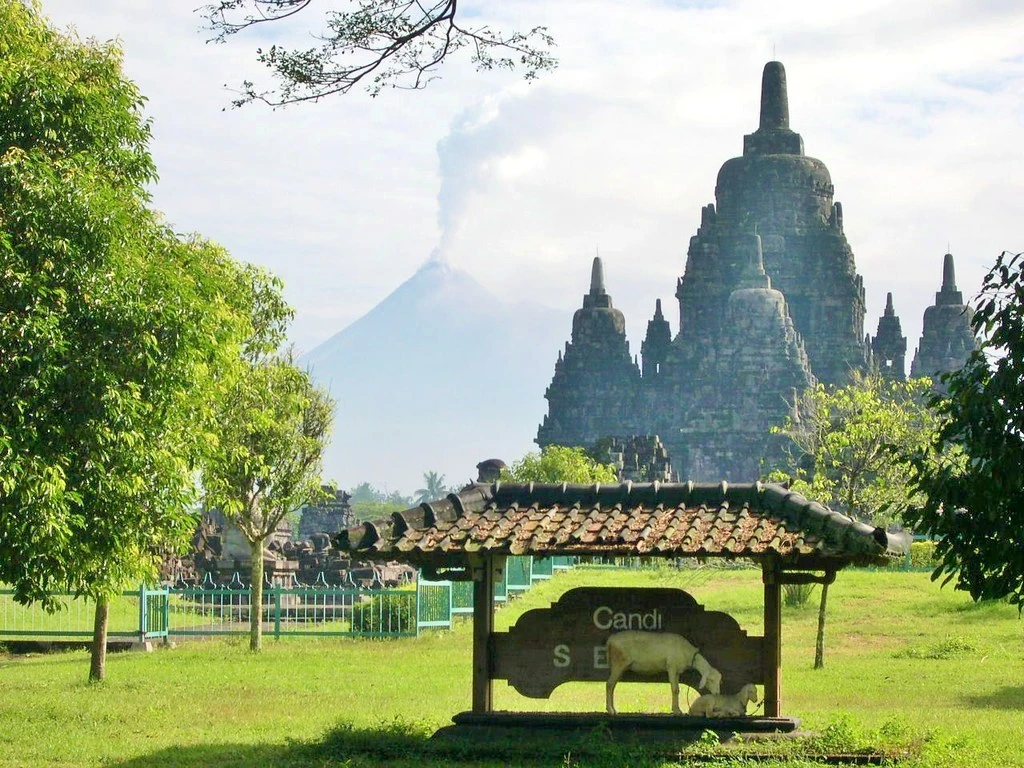
Java, Indonesia
Mount Merapi is the most active of Indonesia's 128 volcanoes. Minor eruptions occur roughly twice a year, while major ones strike every seven years. A major blast in 2010 claimed 353 lives. Yet around 500,000 people still call the foot of this deadly mountain home. 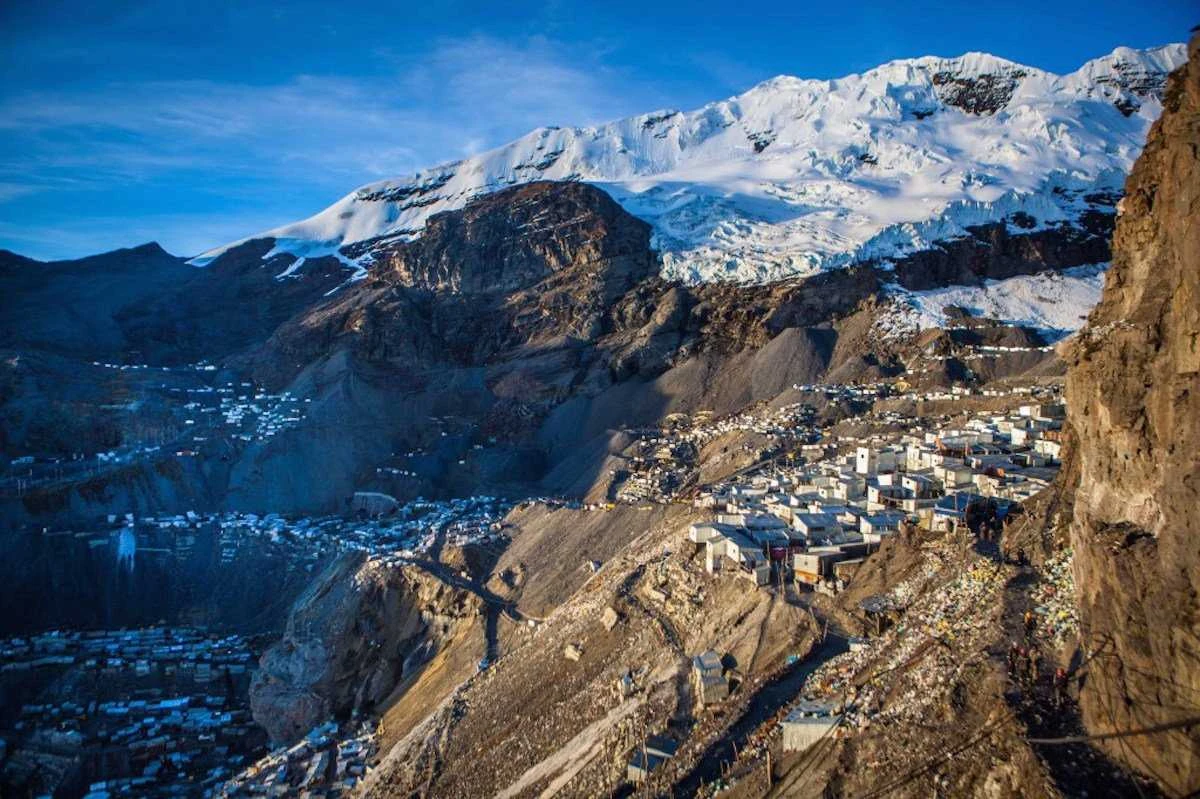
La Rinconada, Peru
Perched high in the Andes at around 5,100 meters (16,700 feet) above sea level, La Rinconada holds the title of the highest permanent settlement on Earth. People originally braved this harsh alpine environment in pursuit of gold. Despite having a poorly developed sewage system and no basic plumbing, the town's population continues to swell, reaching roughly 30,000 residents in 2009. 
Motuo, China
This remote region is linked to the outside world by a single 200-meter suspension bridge; all other access roads have been wiped out by avalanches or mudslides. Considered sacred land by Buddhists, Motuo is home to around 10,000 residents. 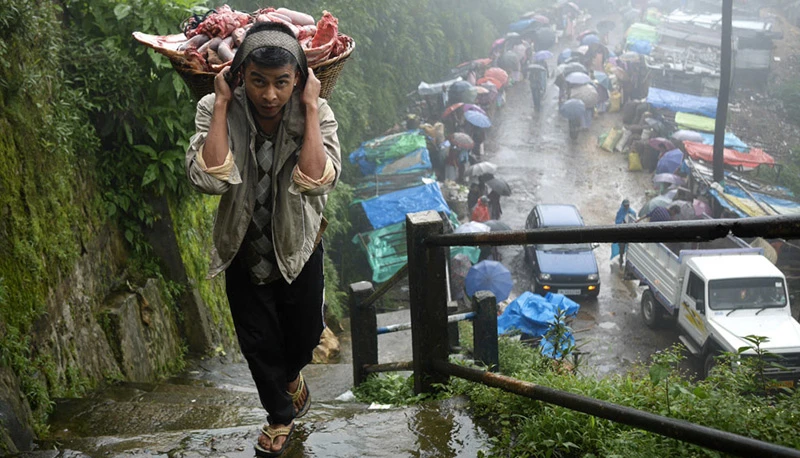
Cherrapunji, India
Cherrapunji is renowned as one of the wettest places on Earth, enduring a staggering average annual rainfall of 12,000 mm. The relentless downpours wash away topsoil, leaving the land poorly suited for farming. Even so, the town is home to just over 10,000 people. 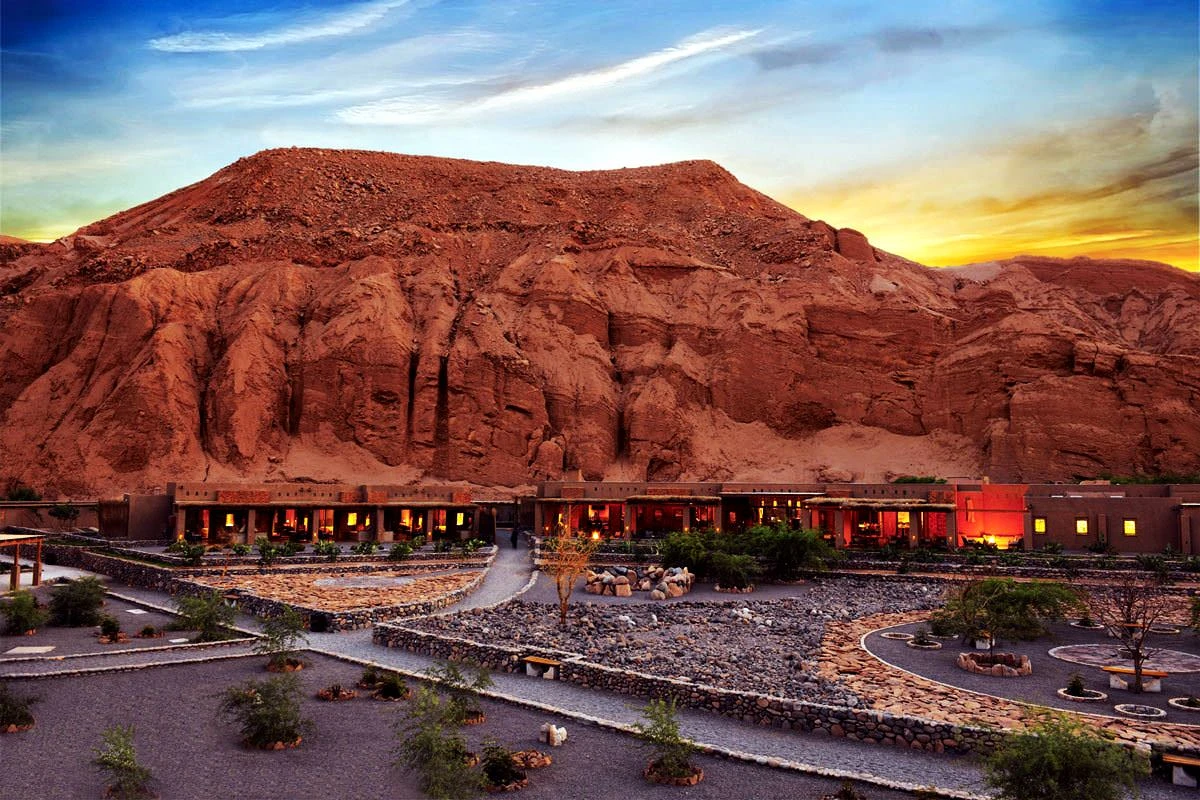
San Pedro de Atacama, Chile
The Atacama Desert holds the title of the driest non-polar desert on Earth, receiving an average of just 10 mm of rain per year. Plant life and wildlife are virtually non-existent across vast stretches of its barren landscape. Yet despite these punishing conditions, the town of San Pedro de Atacama thrives in the heart of the desert, housing around 5,000 people. 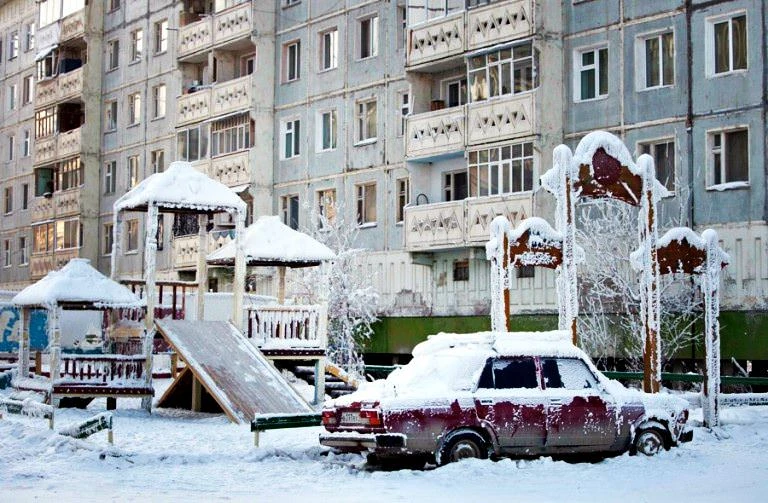
Ittoqqortoormiit, Greenland
Considered one of the northernmost towns on Earth, Ittoqqortoormiit can only be reached by taking a flight followed by a helicopter or boat trip. For centuries, this icy territory belonged almost exclusively to polar bears, muskoxen, and seals until the first human settlers arrived in 1925. Today, the town has a population of around 500 people. 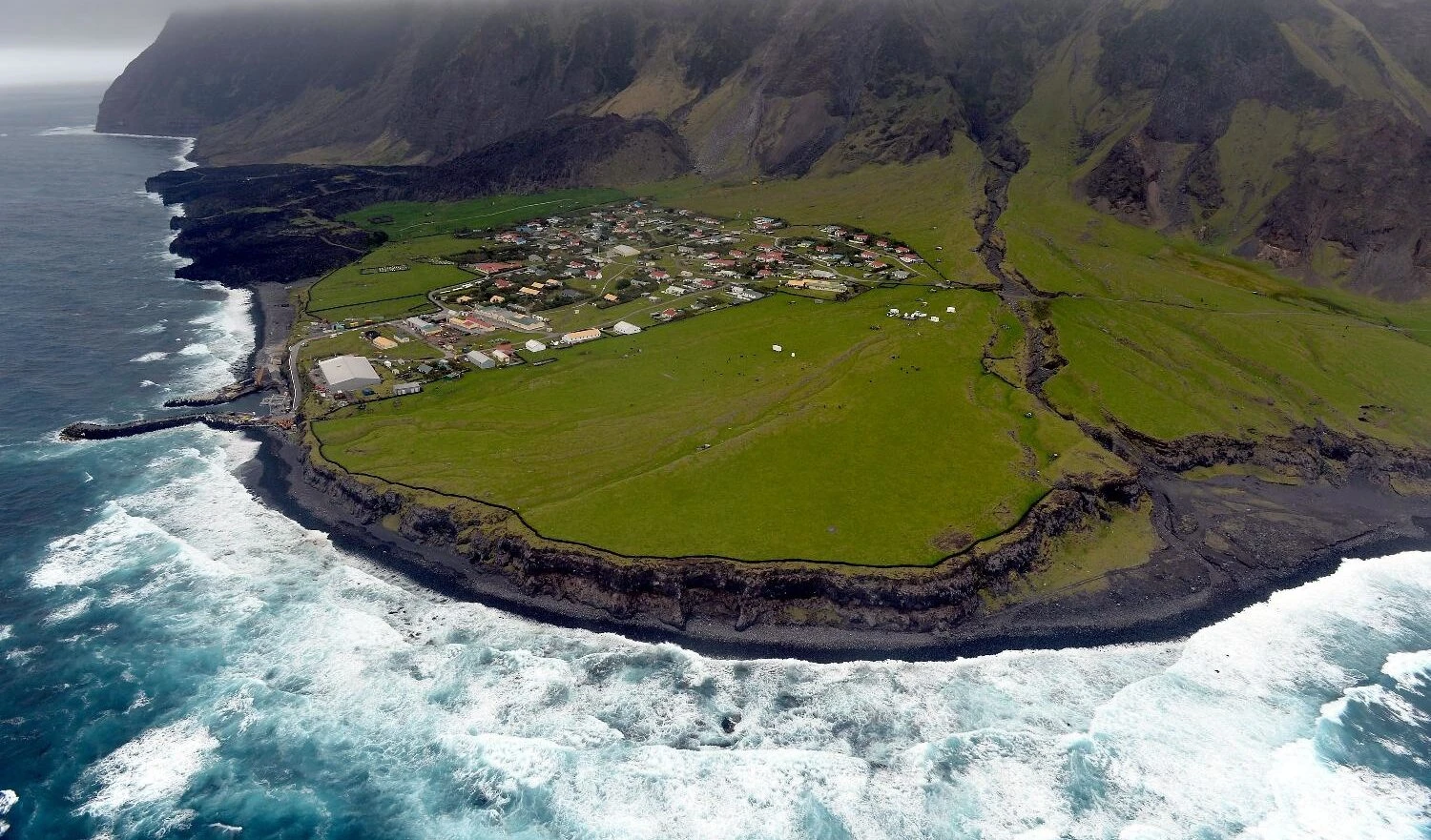
Tristan da Cunha, UK
Along with Easter Island and the Pitcairn Islands, Tristan da Cunha ranks among the most isolated inhabited places on Earth. Located in the South Atlantic, this volcanic island has no native land mammals, and only its northern and northwestern coastal strips are hospitable enough for permanent human settlement. As of 2008, the population stood at just 264 people. 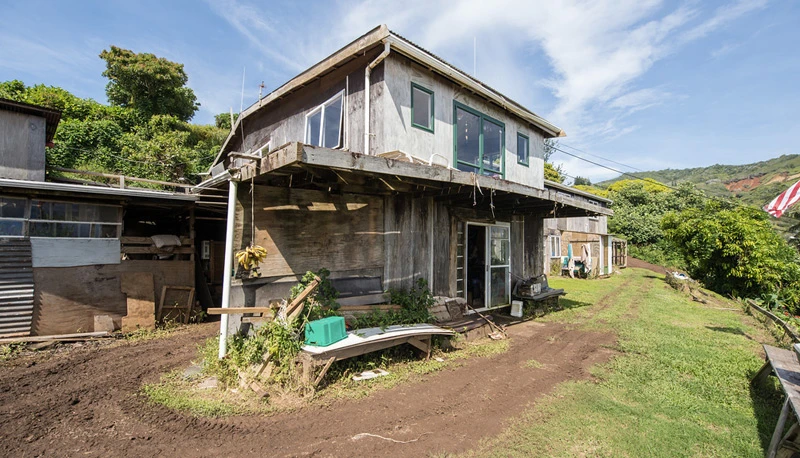
Pitcairn Island, UK
Situated in the South Pacific, the Pitcairn Islands comprise a group of islands covering a total area of 47 square kilometers. Only one—Pitcairn Island—is permanently inhabited. Its first settlers were the mutineers of HMS Bounty and their Tahitian companions. According to the 2014 census, a tiny population of just 56 people lives on this 4.6-square-kilometer patch of land. 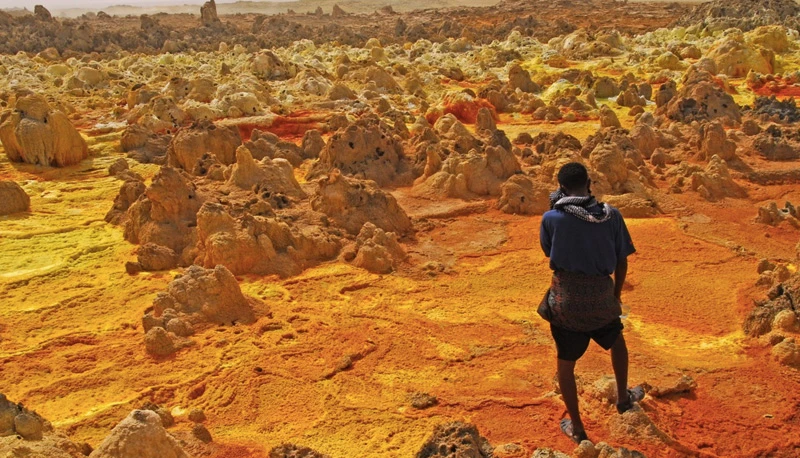
Dallol, Ethiopia
Dallol holds the record for the highest average year-round temperature of any inhabited location on the planet, making it one of Earth's most remote outposts. With no paved roads in the region, it can only be reached via camel caravan routes. The exact population living in this region remains unknown.