How "Steel Grandpa" Gustaf Håkansson Showed Up the Cycling Elite (9 photos)
Sometimes ordinary folks raised on hard daily labor can run circles around decorated athletes. That was the case with Ivan Poddubny and many other legendary sports figures who emerged out of nowhere. But the story of Gustaf "Steel Grandpa" Håkansson is in a league of its own, because he kicked off his remarkable sports career in the twilight of his life. 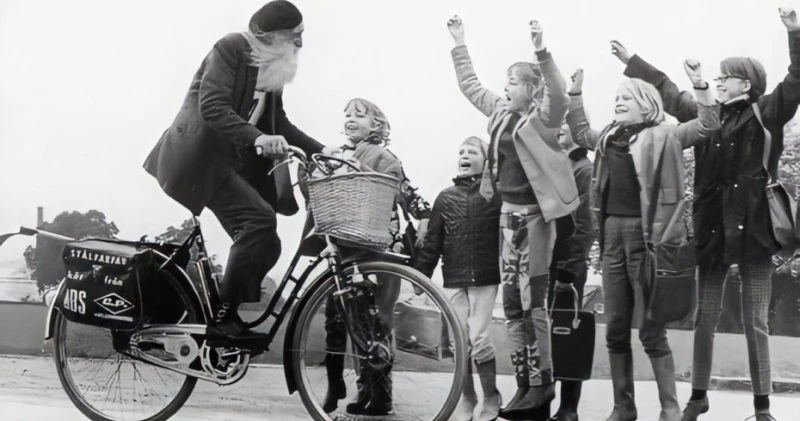
Swedish farmer Gustaf Håkansson was born in 1885 and spent his life working the land. He and his wife, Maria, raised 10 children. Once the kids grew up and moved out, the couple opened a small café in their home village. They seemed like an ordinary rural family—one of many in Sweden—except for one thing: Gustaf had a passion for bicycles. 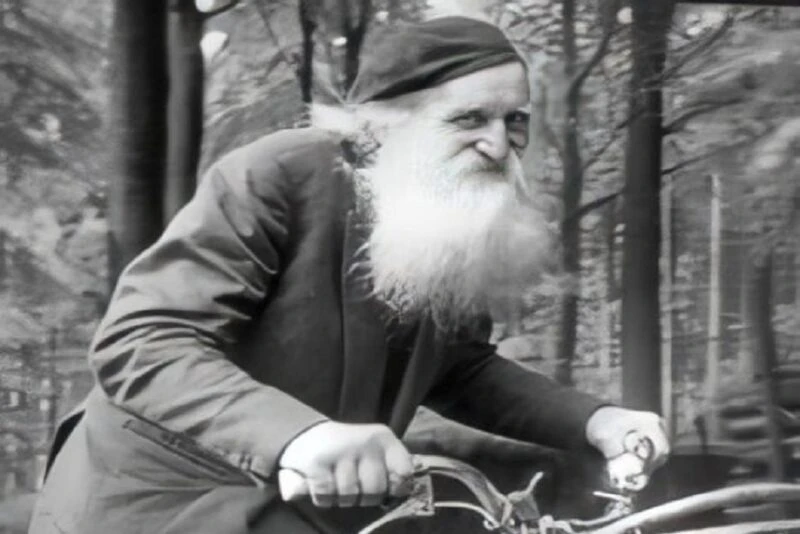
He rode his trusty bicycle everywhere, often covering impressive distances. When Gustaf entered his seventh decade, everyone assumed he would finally put his bike away in the shed and take his spot behind the café counter. But they couldn't have been more wrong. At 66, Håkansson was pedaling just as vigorously as he did at 30, with zero intention of trading his two-wheeler for a rocking chair.
What's more, when Gustaf spotted a morning newspaper announcement for Sweden's longest and most prestigious cycling race, he immediately resolved to compete. The elderly farmer applied for qualification, but unfortunately, he was turned away on the spot.
The race was restricted to athletes and amateurs under the age of 40, and Håkansson was pushing 67. Out of thousands of applicants—including winners of major European races—the organizers selected just 50 competitors, mostly in their 20s and 30s. 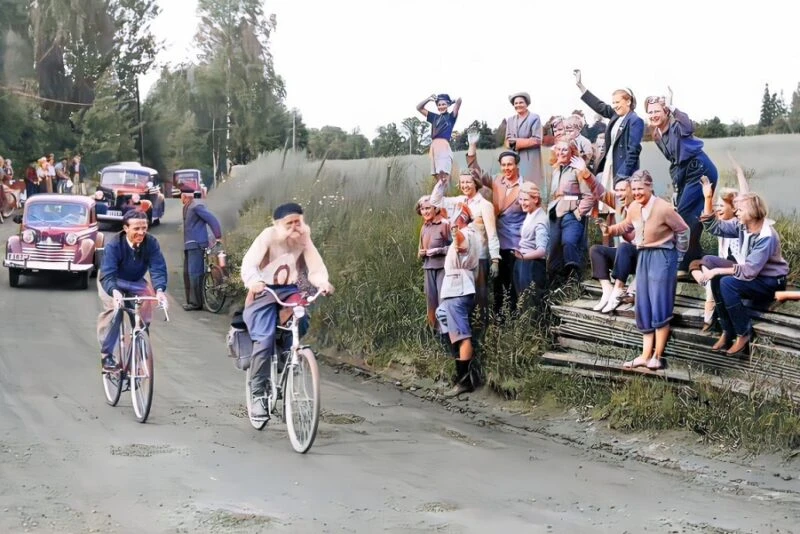
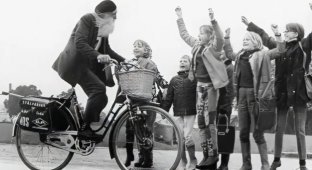
An official rejection was not about to stop the stubborn farmer. Gustaf hopped on his old bicycle and set off for the starting line. After riding 600 kilometers just to get there, the amateur cyclist rolled up alongside the official racers, equipped with a headlamp and shiny new mudflaps attached to his fenders.
He strapped a food basket to his rear rack, and pinned a makeshift bib with a hand-drawn "0" to his chest. This key detail made it clear that while he was an unofficial rider, he meant business. Of course, under his long gray beard, the chest number was barely visible anyway. 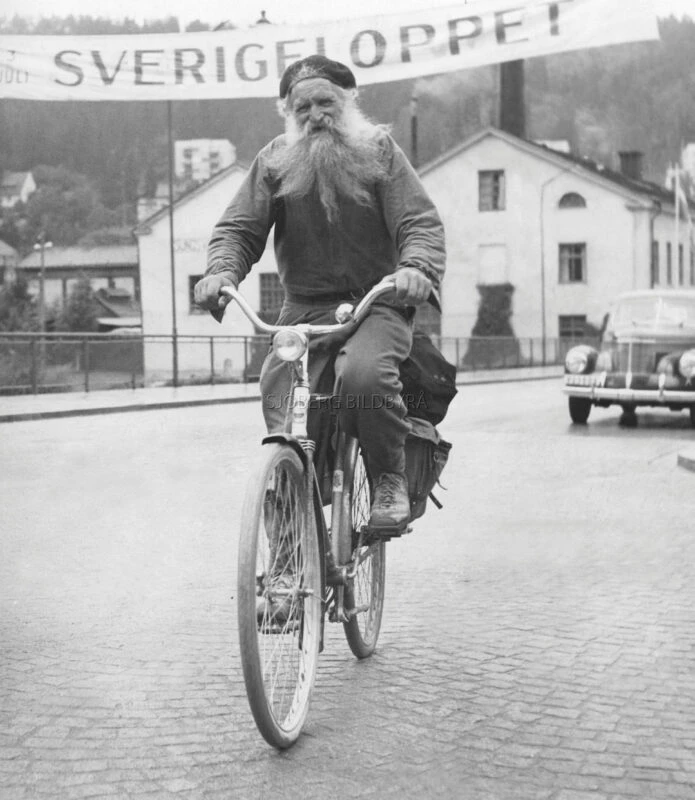
As the race officially kicked off, the crowd shoved the eccentric old man back, and Gustaf rolled out 20 seconds behind the rest. But even if he had stopped to eat lunch and take a two-hour nap, it wouldn't have given his rivals much of an advantage.
Five days and five hours later, spectators and judges waiting at the finish line in a small town 1,000 kilometers away spotted a solitary figure in the distance. He wobbled slowly toward them, swaying side to side on his bike. As you might have guessed, that hero was old man Håkansson, his beard fluttering proudly in the wind like a banner. 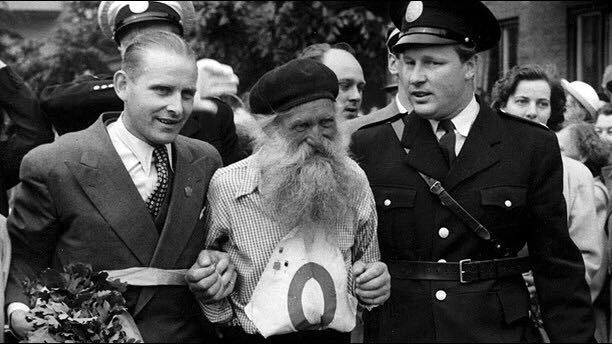
The crowd was baffled to see a 66-year-old taking the lead. But their astonishment reached a whole new level when they realized Gustaf was a full day ahead of the nearest competitor. It seemed impossible, but the explanation soon came to light: the unofficial contestant had flagrantly broken the rules—not that it diminished his victory in the eyes of the public.
Official race rules required cyclists to stop overnight and rest until morning. Håkansson, however, rode straight through the night, illuminating his path with a headlamp and headlight. He paused to rest for no more than an hour at a time, allowing him to pull massively ahead. Just 300 miles into the race, Gustaf was 20 miles ahead of the pack, and after three days, his lead had stretched to an astounding 120 miles! 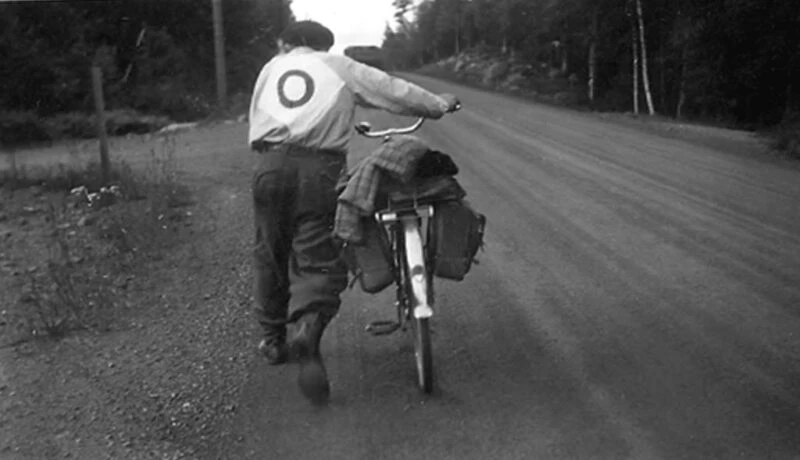
Just one kilometer from the finish line, disaster struck the elderly rider: his front tire went flat. Gustaf dismounted, pushed his bike for a bit, then climbed back into the saddle and crossed the finish line the proper way—pedaling. On July 7, 1951, at 2:15 p.m., the elderly farmer Håkansson secured an unprecedented victory in a race he was deemed too old to enter.
Gustaf was showered with flowers and carried into town on the crowd's shoulders, where journalists immediately swarmed him. Dozens of reporters clamored for interviews, and hundreds of locals queued up to take a picture with the newly minted legend. By the very next day, Håkansson was seated opposite King Gustaf VI Adolf of Sweden, recounting the details of his incredible cross-country trek. 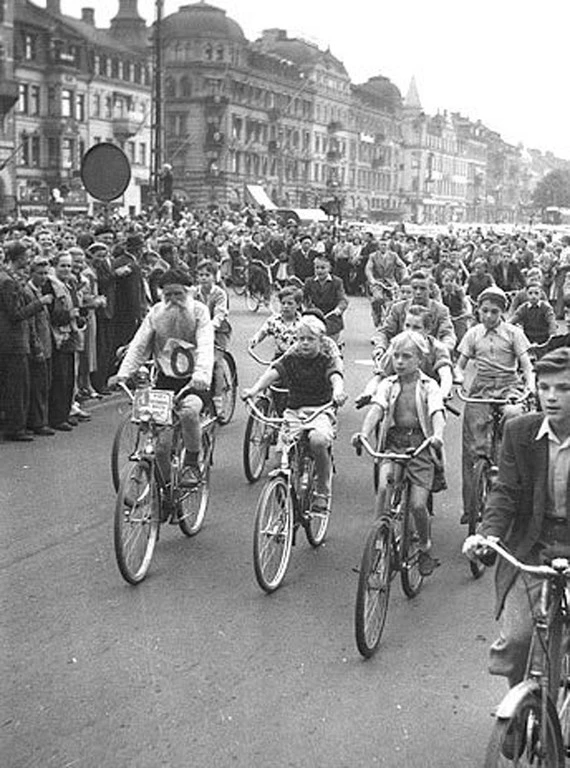
Yet despite his triumphant finish, race officials refused to recognize Gustaf Håkansson as the winner, awarding first place and the cash prize to another cyclist. That hardly mattered to Gustaf, as the entire nation of Sweden considered him the true champion. Adoring fans sent him money and gifts after learning he had been denied the official prize. Everyone began calling him "Steel Grandpa"—a title no one could contest.
Håkansson's triumph completely eclipsed the race itself, and its official winners were quickly forgotten. All of Sweden knew and loved the gray-bearded old man on the battered bike—the same bike he had used to haul geese to market, and with which he later blew past champions riding state-of-the-art racing machines. 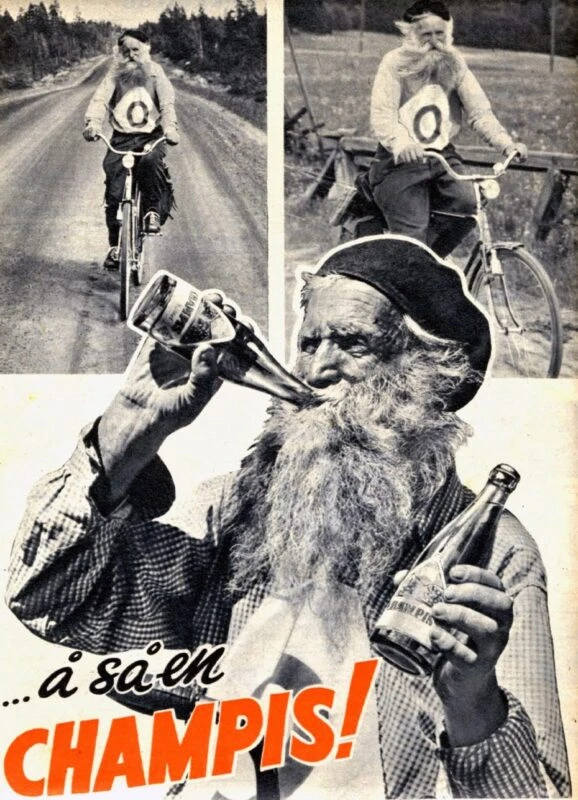
Champion Gustaf Håkansson promoting soda
The farmer was thrilled with his win, though fame meant little to him. It was enough that his doctor—who had urged him to retire his bike and take up a walking stick—had been proven completely wrong. Above all, Gustaf was delighted to have crossed the entire country, taking in its breathtaking scenery and meeting countless people along the way.
"I've never felt better in my life. What wonderful people we have in this country! And what beautiful girls!.."
Håkansson remarked in an interview given a week after his race victory. 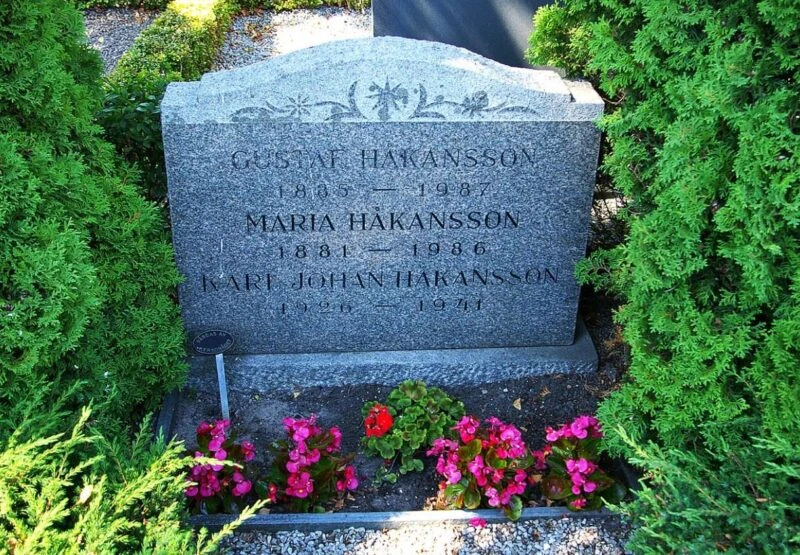
Gustaf kept right on pedaling for decades, only banishing his bike to rust in the shed a couple of years before his death. The world's most remarkable cyclist passed away in 1987 at the age of 102. His wife, Maria, who was four years his senior, passed away a year earlier at 105. Remarkably, she never cared for bicycles herself and had always been skeptical of her husband's passion.