30 Amazing Facts That Will Blow Your Mind (31 photos)
Discover fascinating and mind-blowing facts about our planet and the creatures that inhabit it! 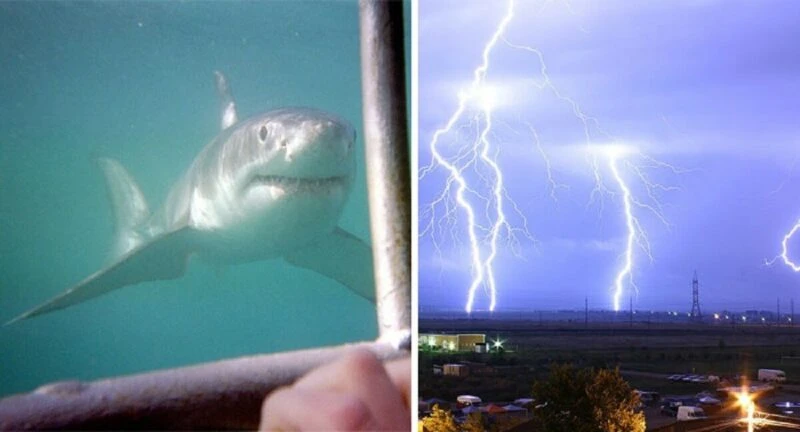
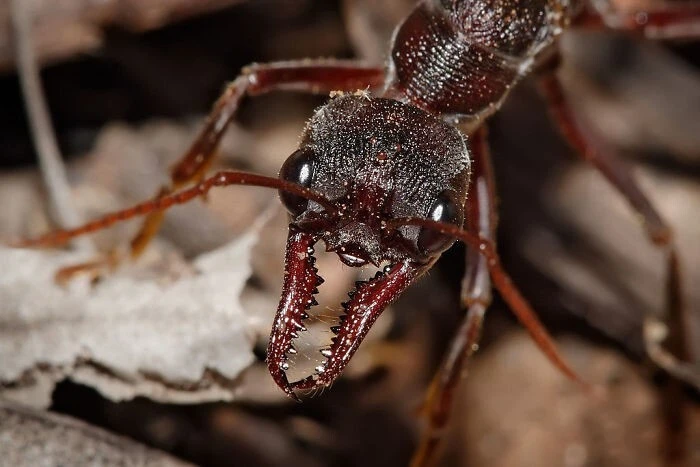
When ants die, they release specific pheromones that allow other ants to locate their bodies and carry them away to a designated ant graveyard. 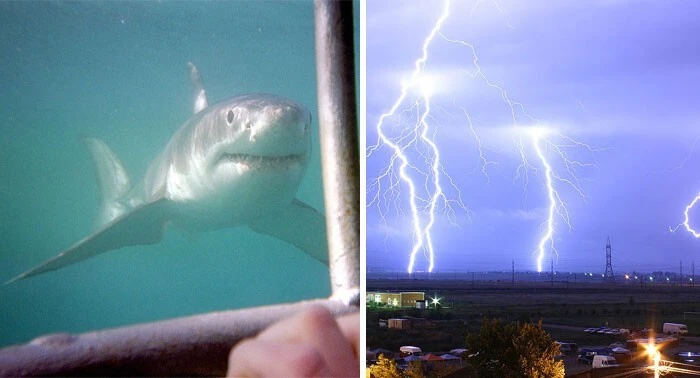
You are far more likely to get bitten by a shark and struck by lightning than you are to win the lottery. 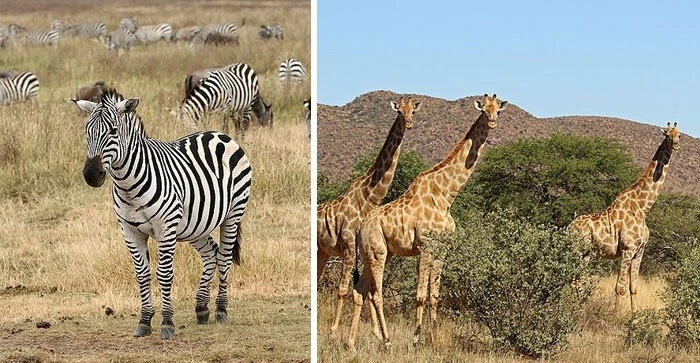
There are specific terms for groups of zebras and giraffes instead of just calling them a herd: a group of zebras is called a "dazzle," while a group of giraffes is known as a "journey." 
Clap your hands once, wait a second, and clap again. Those two claps actually occurred roughly 50,000 kilometers apart—when you factor in Earth's movement through space, both along its orbit and on its axis. 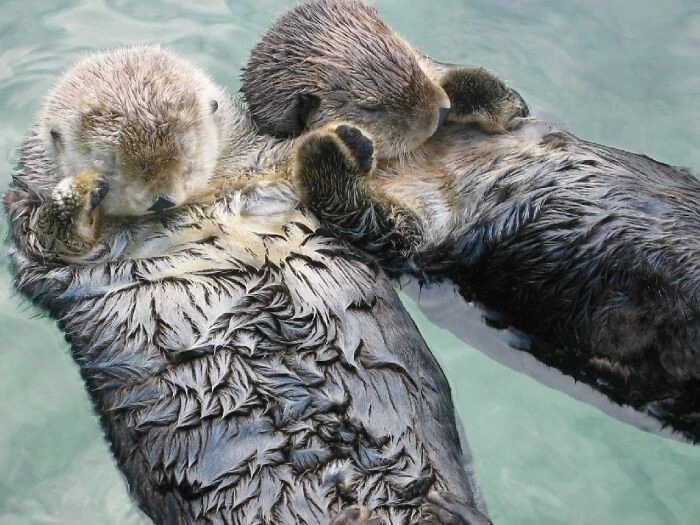
Sea otters hold hands while sleeping so they don't drift apart in the current. 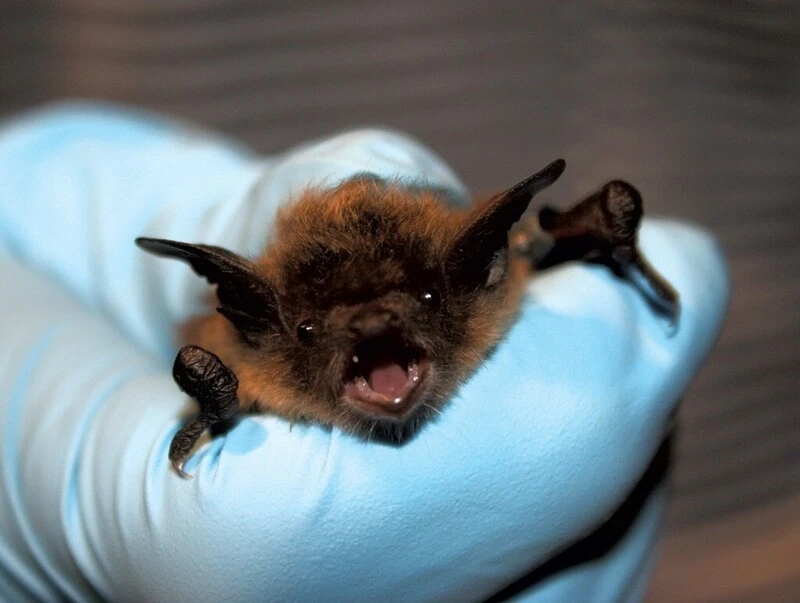
A single bat can eat up to 1,000 mosquitoes in just one hour. 
If you keep a regular daily schedule, your dog knows when you're due home from work—simply by sensing how much of your scent has faded in the house. 
The scent of rain is caused by compounds released by soil-dwelling bacteria when rainwater hits the ground. This aroma has its own name: petrichor. 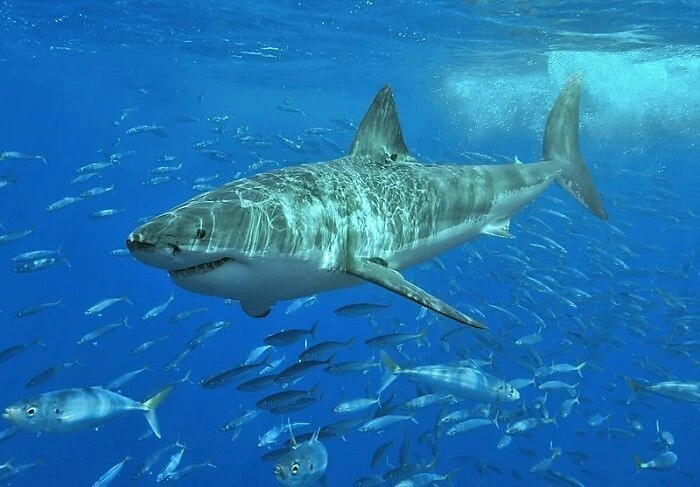
Sharks don't naturally target humans—we simply aren't part of their diet. That's why, in most cases, a shark will release a human after a single test bite. Most attacks happen either by mistake or because the shark felt provoked. 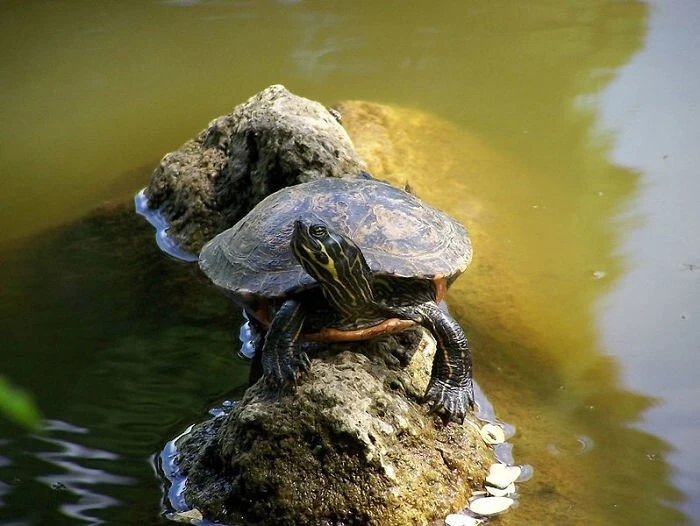
Turtles can actually breathe through their rear end. 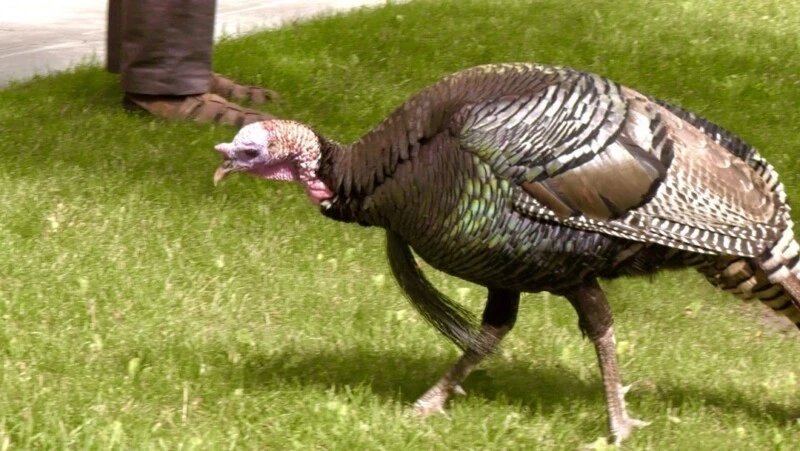
If you try making animal sounds, some animals will actually respond to you. Turkeys and sheep are especially eager to talk back if you mimic their calls. 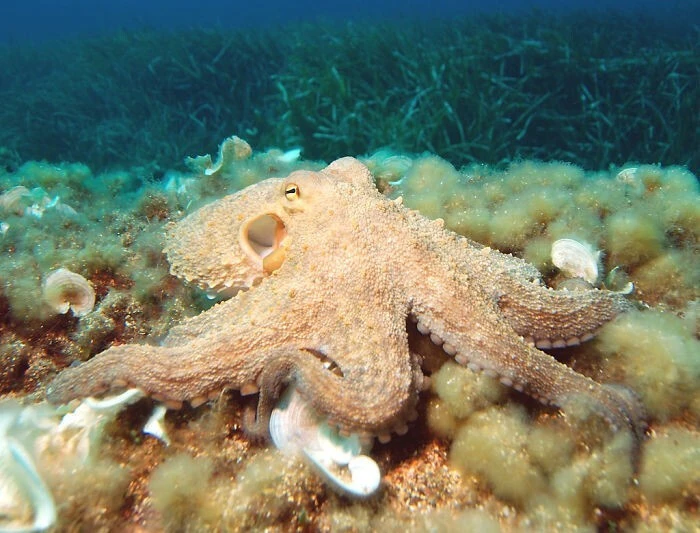
Octopuses have three hearts, eight arms, and blue blood. 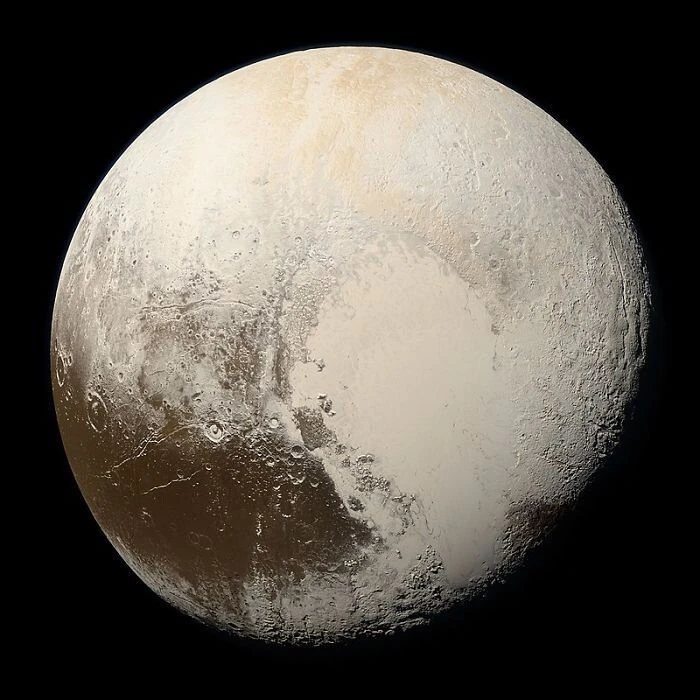
Pluto hasn't completed a single orbit around the Sun since the day it was discovered. 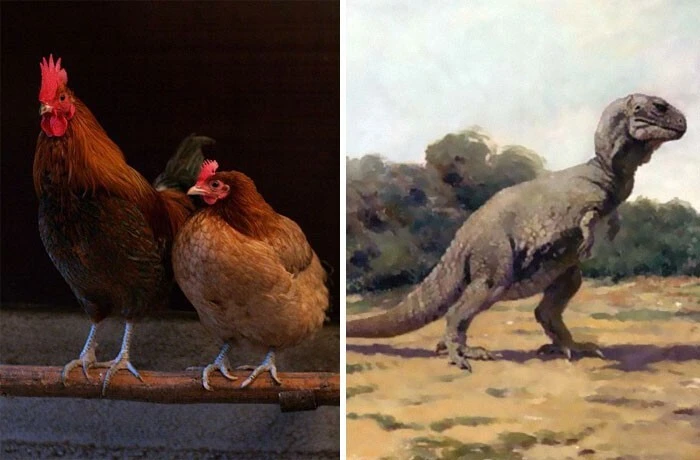
Chickens are direct descendants of dinosaurs. 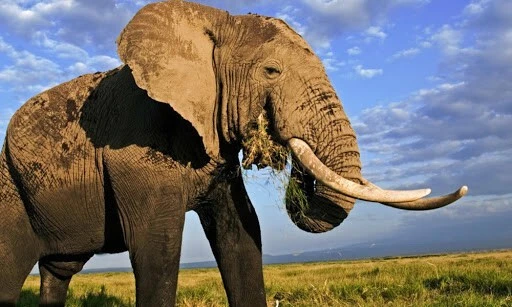
Elephants have their own graveyards. When a herd member dies, the whole group mourns together. 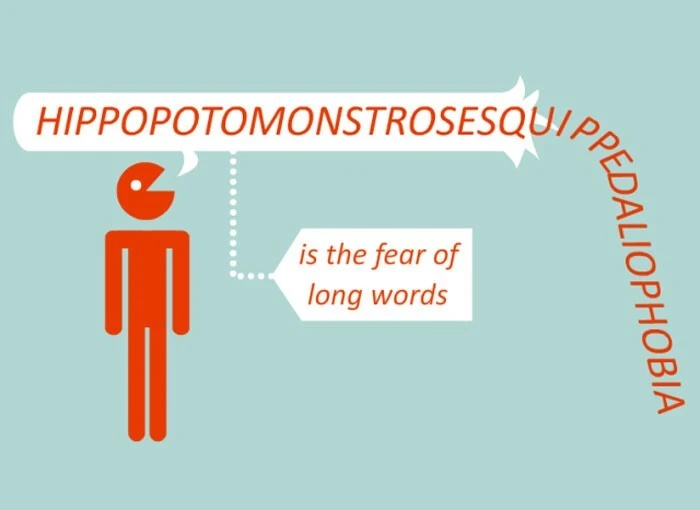
The fear of long words is ironically named hippopotomonstrosesquippedaliophobia. 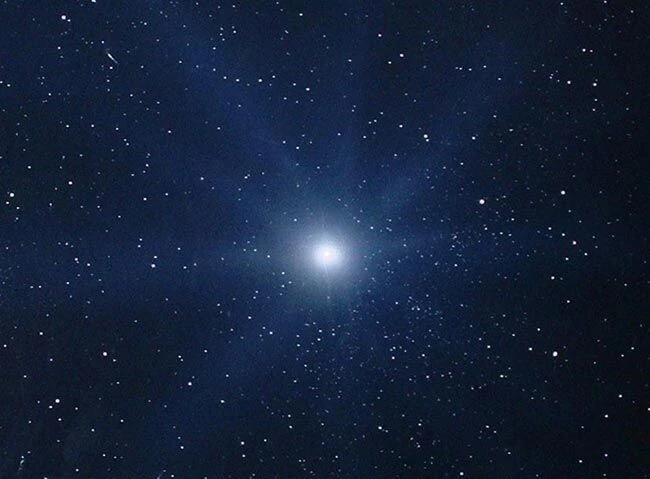
When you look up at a star, particles of light—photons—travel across space and hit your eyes. In a way, whenever you gaze at the night sky, you absorb pieces of distant stars. 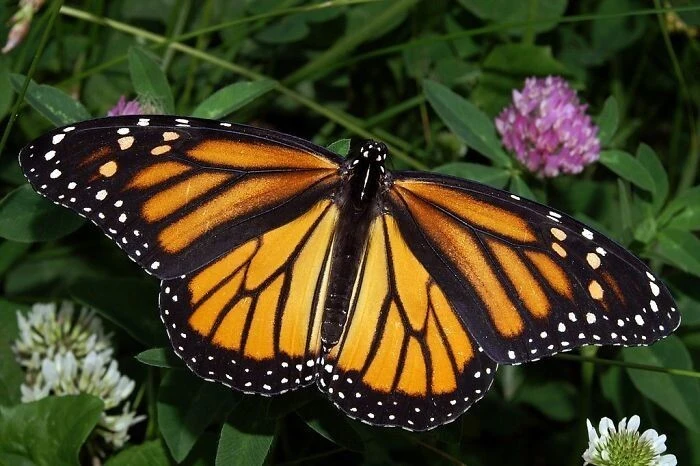
Many butterfly species copy the wing patterns of the monarch butterfly for protection, as monarchs are toxic and birds avoid preying on them. 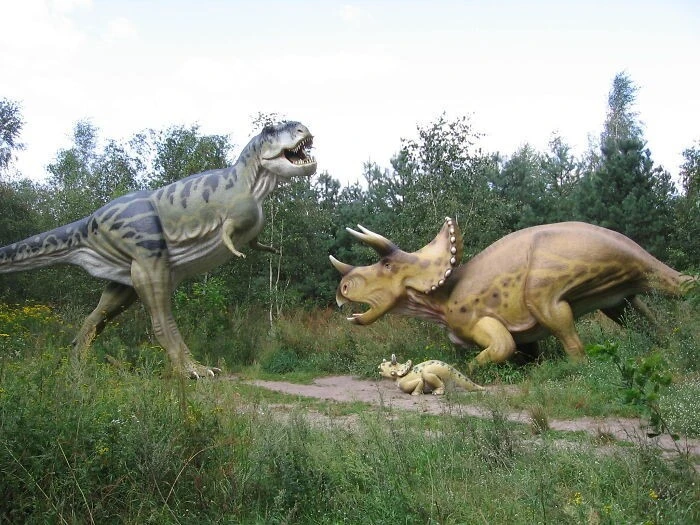
We breathe the same atmosphere that formed on Earth millions of years ago. That means you're likely inhaling some of the exact same oxygen particles once breathed by dinosaurs. 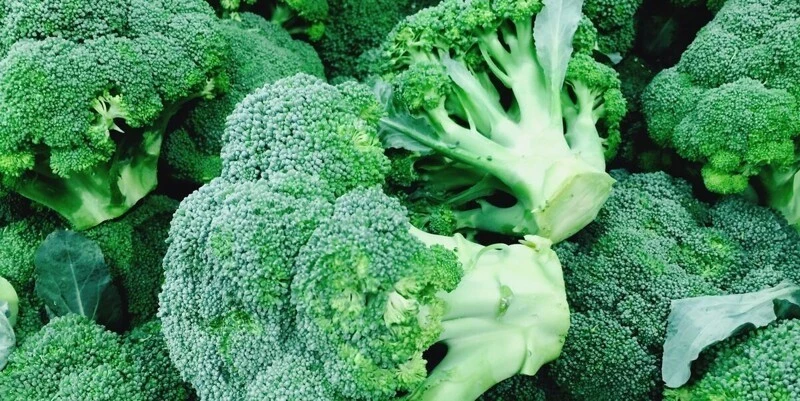
Broccoli doesn't exist in the wild. It was selectively bred by humans from wild cabbage. 
Humans are built for endurance and can outrun almost any other animal over long distances. 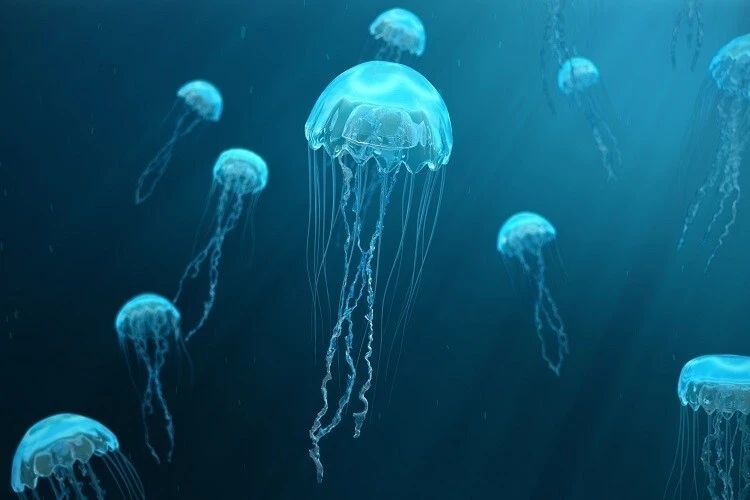
Scientists believe certain species of jellyfish are biologically immortal. While they can die from injury or disease, they don't die of old age. 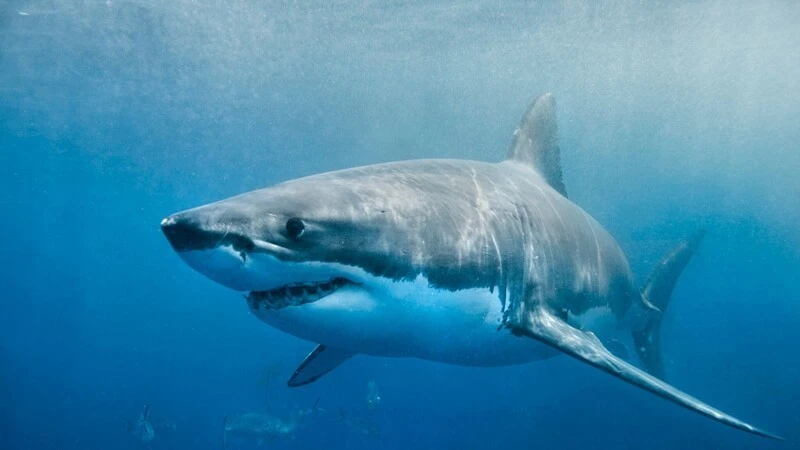
Sharks have been around on our planet longer than trees. 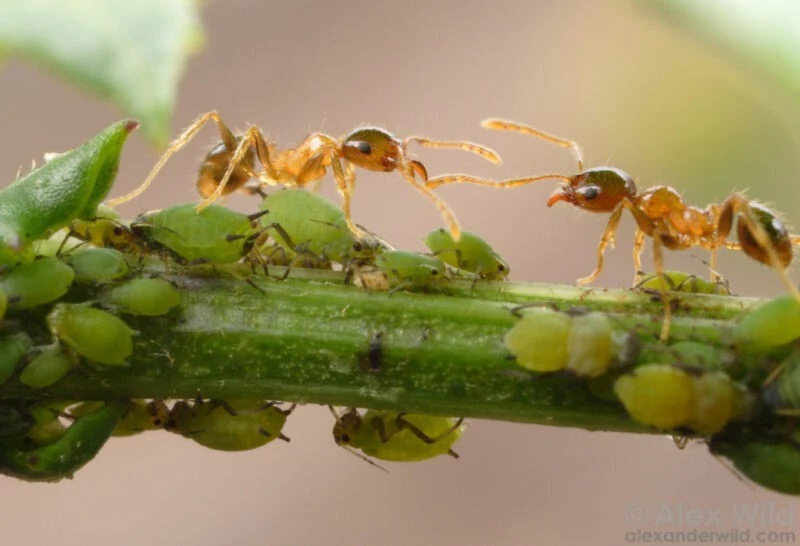
Certain ant species herd and farm aphids for their sweet honeydew, much like humans farm cows for milk. 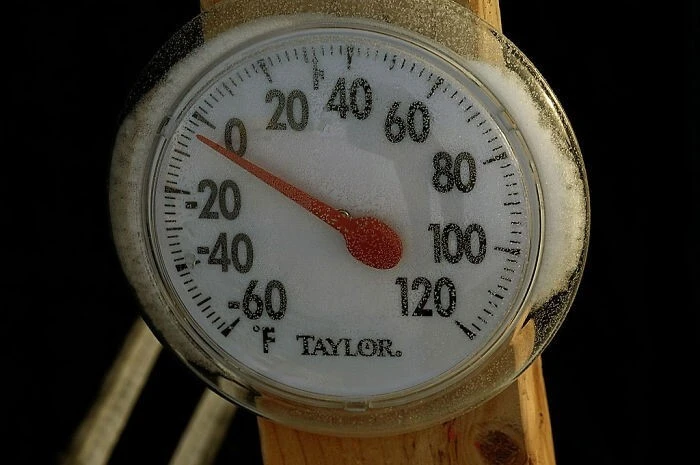
Negative mass actually exists—at least in the realm of theoretical physics. 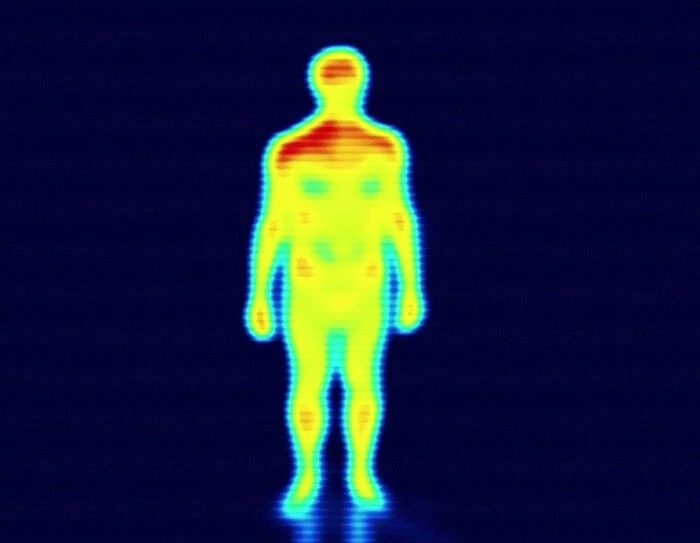
The human body generates more heat per unit volume than a section of the Sun of equal size. 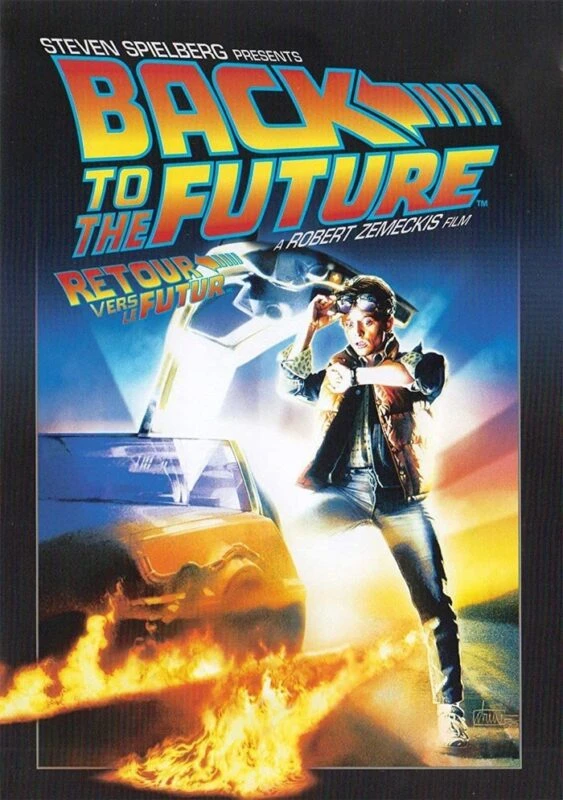
You will never actually see "tomorrow," even if a time machine is invented—because the moment you arrive, it instantly becomes "today." 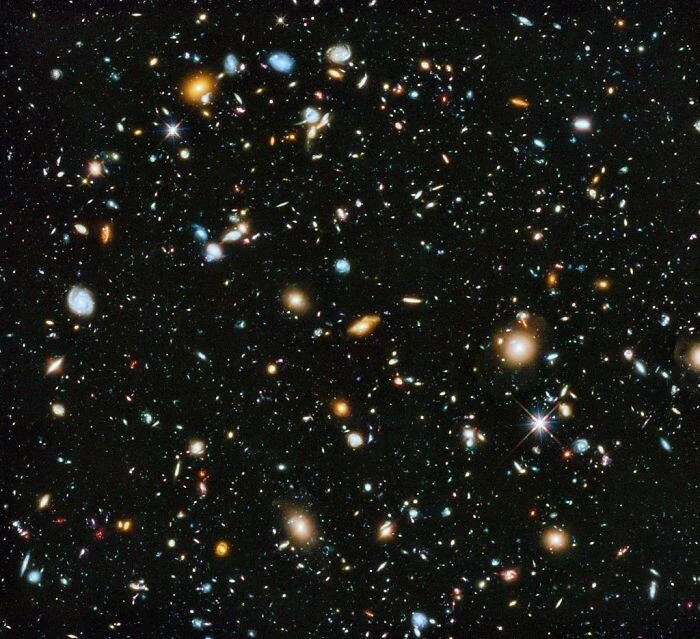
By cosmic standards, a human being is vastly more powerful than millions of things in the universe—and far weaker than millions of others. 
It is physically impossible for most humans to lick their own elbow. 
And most people can't touch their nose or forehead with their tongue, either. Go ahead, give it a try!