Firstborn Doesn't Mean Smartest: Scientists Find Oldest Children Aren't Smarter Than Siblings (12 Photos)
For decades, psychologists have studied the firstborn phenomenon. Many believed that firstborn children possess sharper intellect and greater talent than their younger siblings. Recently, German researchers proved this assumption false.
Read on to discover what truly shapes a person's abilities—and whether birth order plays any role in talent. 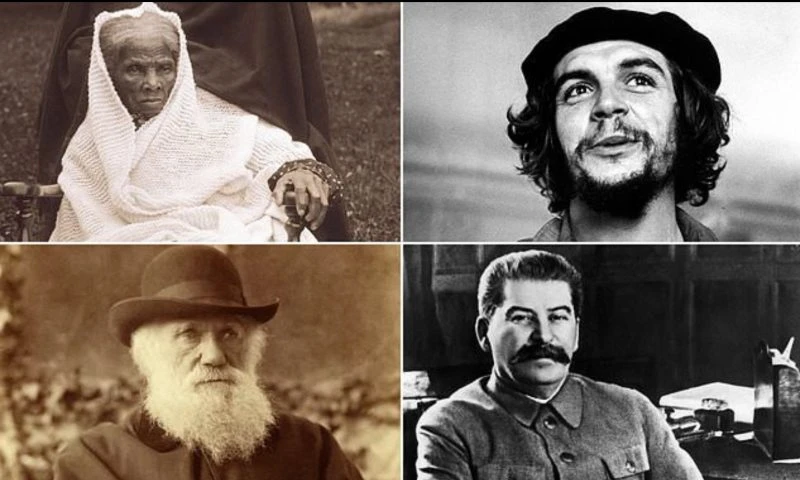
Birth order has no impact on personality, according to the results of a new study.
For years, scientists have debated whether firstborns really get the best of everything. This debate dates back to the early 1920s with the work of psychotherapist Alfred Adler. He claimed that oldest children were the most successful, middle children were independent and well-adjusted, and youngest children were outgoing and friendly.
The fascination with birth order persists to this day, as people continue to look for the roots of their successes or failures in the order they were born. 
However, new research shows that this theory largely falls flat. Scientists at the Max Planck Institute for Human Development in Berlin analyzed the biographies of 84 pioneers and 103 revolutionaries to determine whether these trailblazers had older siblings. 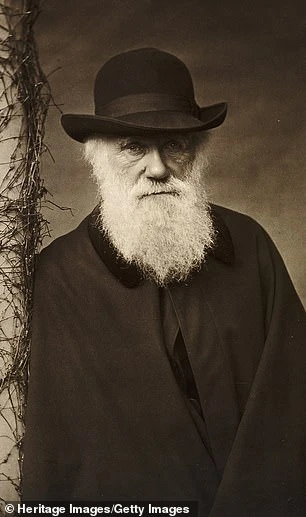
Charles Darwin, the biologist behind the theory of evolution, was the fifth of six children. 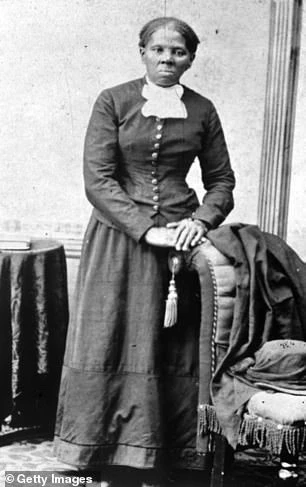
Harriet Tubman, the legendary abolitionist who fought against slavery in the US, was a middle child in a family of nine.
Researchers also looked at modern data. They surveyed 1,507 Germans with siblings and analyzed data from 11,000 families gathered between 1984 and 2017. Once again, they found no correlation: firstborns were not consistently the most successful. 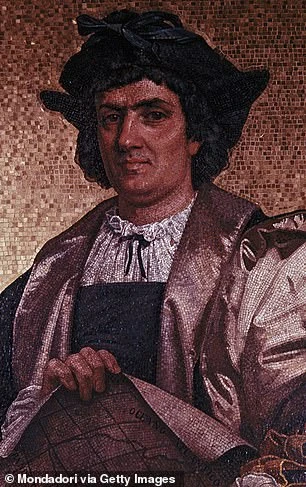
Explorer Christopher Columbus was the eldest of five children. 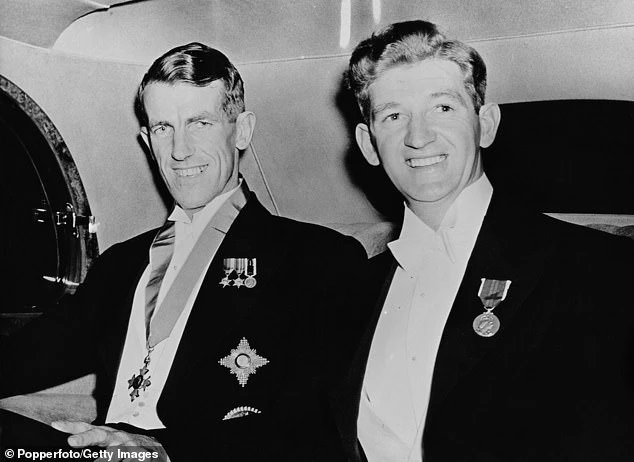
Alexander von Humboldt, who climbed Mount Chimborazo, was the younger brother of Prussian philosopher Wilhelm, while Edmund Hillary, the first to conquer Mount Everest, was also a younger sibling. The Humboldts had an older sister and a younger brother as well. 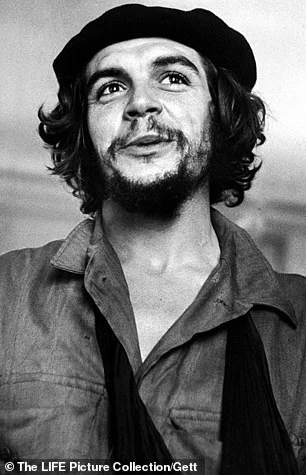
Che Guevara, the Argentine Marxist leader of the Cuban Revolution, was the eldest of five children. 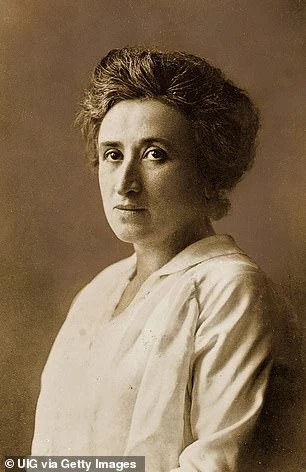
Rosa Luxemburg, the Polish revolutionary, was the youngest of five siblings. 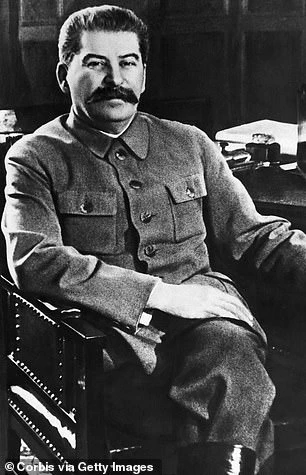
Dictator and revolutionary Joseph Stalin was born third, though his elder siblings died before he was born. 
Modern data suggests that younger siblings today are more prone to taking risks than older ones—a trend particularly visible in family businesses. 
Researchers also discovered that when people look for a partner or like-minded companion, they are often drawn to those with the same birth order position as themselves.
However, the study has its limitations. First, the findings cannot be generalized worldwide, as most of the data focused on affluent Western families. Second, the study did not fully account for only children. 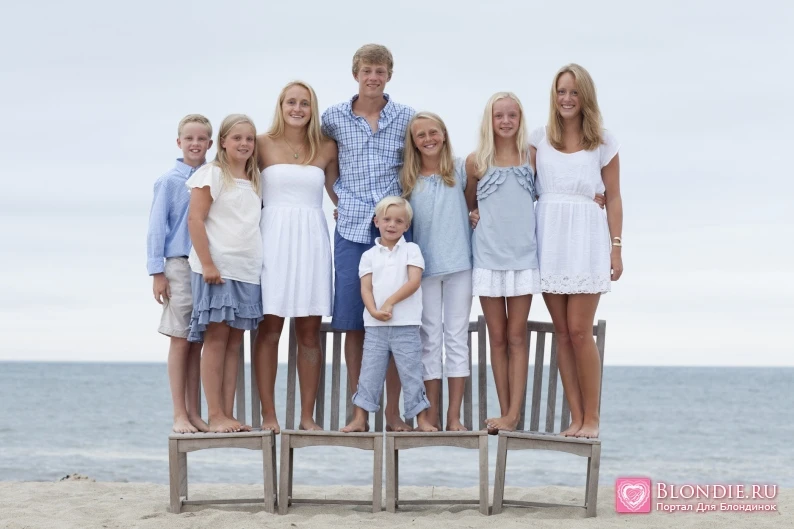
Ultimately, the roots of success or failure lie within ourselves. Being born under a lucky star is merely the starting point; how far we go depends on our persistence and drive. Being first in birth order doesn't make you first in life—and science has now confirmed it.