History Myths We Were Taught in School That We Still Believe (21 Photos)
Thanks to the illusory truth effect—the tendency to believe false information is true simply because it has been repeated so many times—we often find ourselves surrounded by misconceptions, and world history is no exception. As it turns out, many of the "facts" we were taught in history class are completely false. 
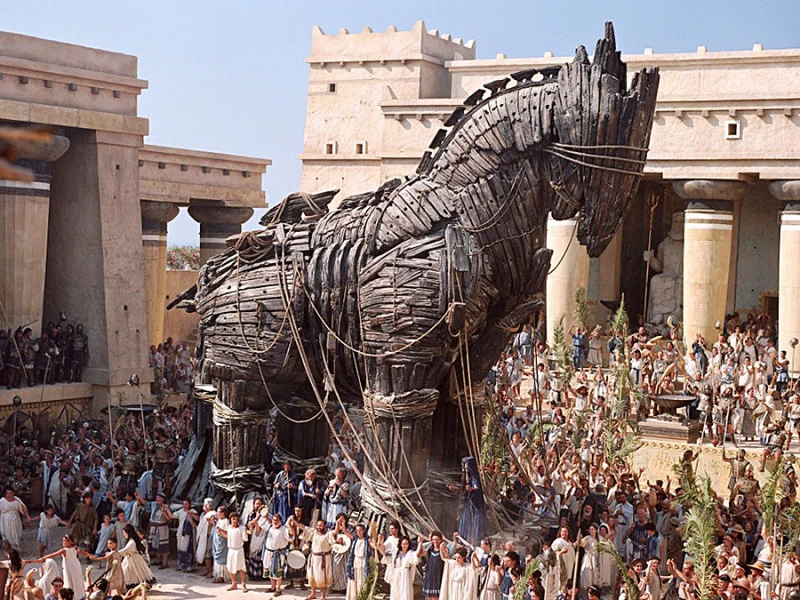
Myth: The Greeks offered the Trojan Horse as a gift to conquer Troy.
Fact: While their objective was indeed to conquer Troy, there was no deceitful peace offering. Instead, the Greeks constructed a horse-shaped siege engine. This allowed them to breach the defensive walls and infiltrate the city. 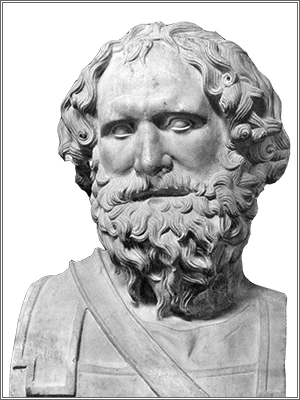
Myth: Archimedes discovered his famous principle while lying in the bathtub.
Fact: The water displaced in a bathtub only measures volume, which has little to do with the buoyant force Archimedes famously formulated. Still, it is entirely possible that a relaxing bath sparked his initial train of thought. 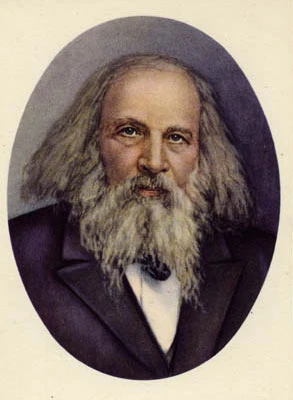
Myth: Mendeleev envisioned the periodic table of elements in a dream.
Fact: The scientist himself dismissed the dream story, famously remarking, "I've been thinking about it for perhaps twenty years, yet you think I was just sitting there and suddenly... it was done." The dream anecdote was actually invented by his friend Alexander Inostrantsev to amuse his students. 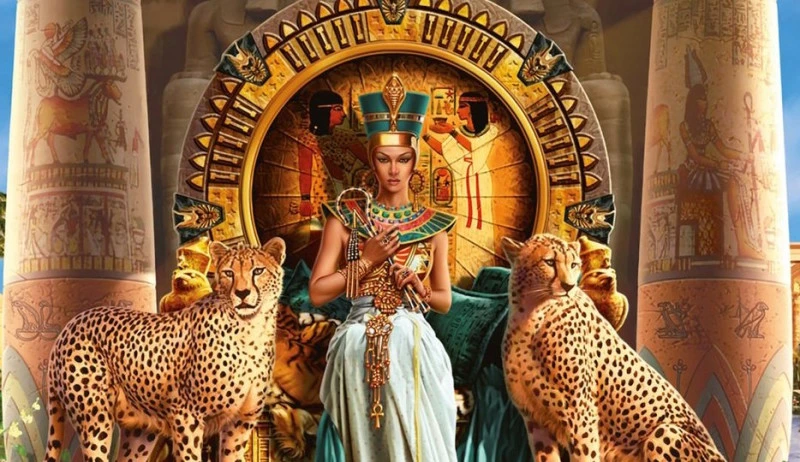
Myth: Cleopatra was Egyptian.
Fact: The legendary queen of Egypt was actually of Greek heritage. Born in Alexandria, Cleopatra was a direct descendant of the Ptolemaic dynasty, which ruled Egypt following the conquests of Alexander the Great. 
Myth: The pyramids were built by slaves.
Fact: Overwhelming archaeological evidence proves the pyramids were constructed not by slaves or Jewish captives, but by paid, skilled laborers and professional builders. 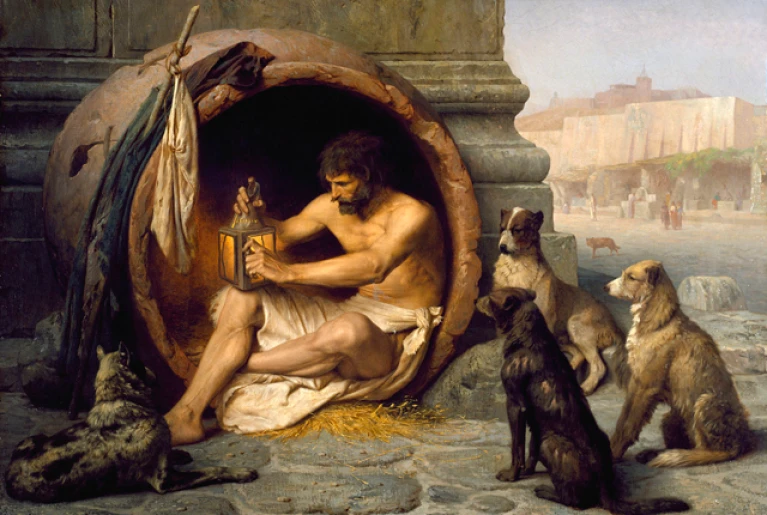
Myth: Diogenes lived in a barrel.
Fact: Diogenes could not have lived in a barrel because the ancient Greeks did not make wooden barrels. He actually resided in a pithos—a large ceramic storage jar typically used for wine or olive oil. 
Myth: Pirates were exclusively men.
Fact: Men were far from the only ones roaming the high seas in pursuit of plunder. Female pirates were formidable adversaries and proved just as ruthless and daring as their male counterparts. 
Myth: Hawaiian natives ate Captain Cook.
Fact: Cook’s death was triggered by escalating tensions, rumors that the British had killed several Hawaiians, and Cook's increasingly erratic behavior. This led the locals to take up arms. Cook was killed—likely struck in the back of the head and stabbed—but he was never eaten. 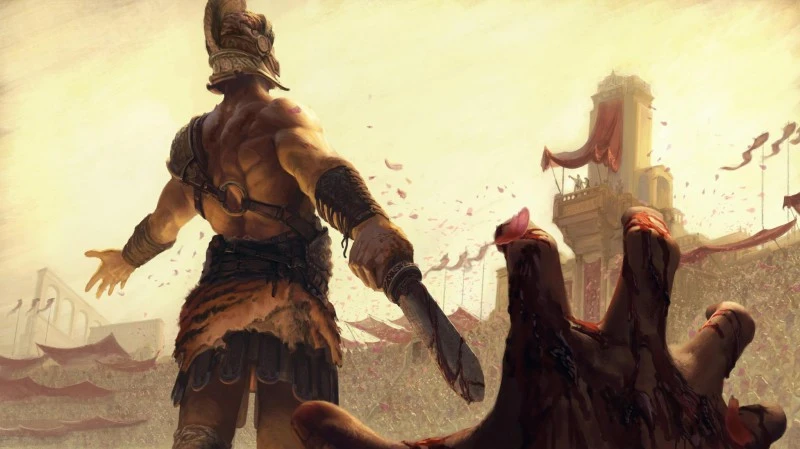
Myth: Gladiators always fought to the death.
Fact: Highly trained gladiators represented massive financial investments, and many enjoyed long careers. Skeletal analyses reveal that some survived more than a hundred arena fights and lived to be 25 to 30 years old, matching the average life expectancy in ancient Rome at the time. 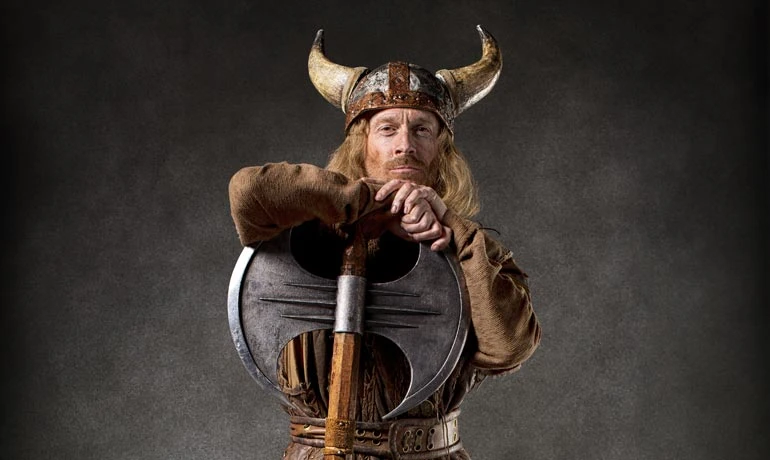
Myth: Vikings wore horned helmets.
Fact: When people picture a Viking, they usually envision a bearded warrior sporting a horned helmet. Archaeological digs, however, show that the Norsemen never wore them into battle. Horned headgear was utterly impractical in combat and was used, at most, strictly during ceremonial rituals. 
Myth: Knights forced their wives into chastity belts before riding off to the Crusades.
Fact: The idea that chastity belts were used to ensure a partner's fidelity is purely mythical. They were never used for this purpose in medieval times. The female chastity belt was merely a literary allegory for marital devotion, while similar contraptions for men were simply pieces of protective tournament armor. 
Myth: King Arthur was an actual historical figure.
Fact: King Arthur never existed. His legendary persona was likely inspired by several different historical leaders and warlords who were well-known in British history under other names. 
Myth: Salieri poisoned Mozart.
Fact: Salieri had no motive whatsoever to kill Mozart. During their lifetimes, Salieri was widely celebrated and considerably more commercially successful than Mozart. Salieri was even formally cleared of all suspicion while he was still alive. 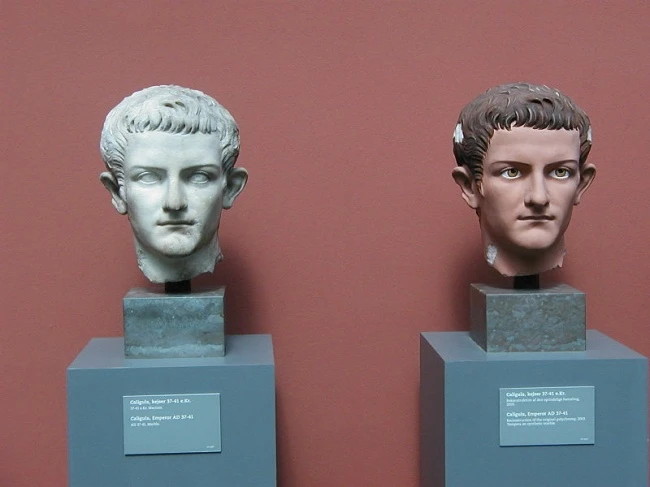
Myth: Classical antiquity statues were always pure white.
Fact: Ancient art is often associated with stark white marble. In truth, Greco-Roman statues and temples were once brightly painted, but their pigments eroded over time. Today, their original, vivid colors can be revealed under ultraviolet light. 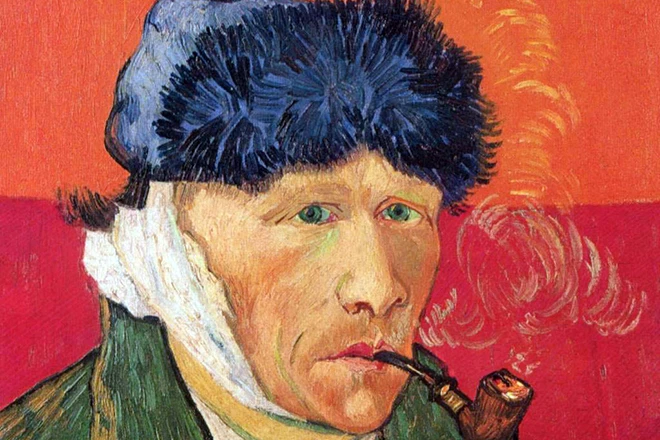
Myth: Vincent van Gogh cut off his entire ear.
Fact: This legend gave rise to the term "Van Gogh syndrome," used to describe severe self-mutilation. However, Van Gogh never sliced off his whole ear; he only lost part of his earlobe during an argument with his close friend Paul Gauguin. 
Myth: Walt Disney personally drew Mickey Mouse.
Fact: Mickey Mouse was originally designed and drawn by animator Ub Iwerks. Walt Disney still played an essential role in bringing the character to life, notably providing Mickey's original voice in his earliest cartoons. 
Myth: Cowboys spent their days getting into gunfights.
Fact: This romanticized Wild West shootout trope was largely invented by Hollywood Westerns and dime novels. 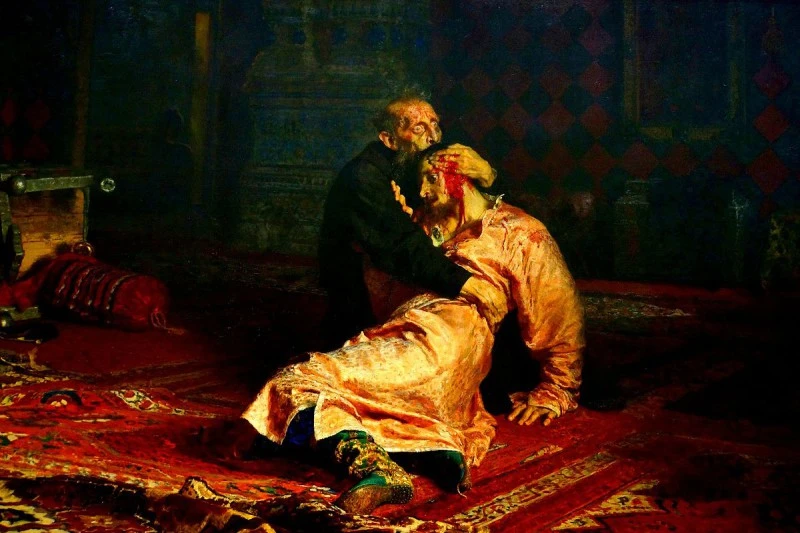
Myth: Ivan the Terrible killed his own son.
Fact: No historical chronicles confirm that Tsarevich Ivan died a violent death. Letters sent by the Tsar back to Moscow suggest his son actually succumbed to a severe illness, a conclusion supported by modern forensic historians. 
Myth: Mathematics was left off the Nobel Prize roster because Alfred Nobel's wife cheated on him with a mathematician.
Fact: Alfred Nobel was never married. Mathematics was excluded simply because Nobel considered it an abstract theoretical field and wanted his prizes to reward practical discoveries with tangible benefits to humanity. 
Myth: The Spartans threw sickly newborns off a cliff.
Fact: According to legend, weak infants were cast into an abyss known as the Kaiadas. When researchers excavated and analyzed the skeletal remains from the chasm, however, they discovered the bones belonged to 46 adult men aged 18 to 35, proving that infants were never executed there.