"I kiss your angelic behind": The secret romance between two princesses at the Habsburg court (12 photos)
Isabella of Parma became the daughter-in-law of Empress Maria Theresa and the wife of Joseph II, heir to the Austrian throne—yet her heart belonged to someone else. Raised on philosophy and mathematics, the 18-year-old daughter of the Duke of Parma arrived in Vienna in 1760 and instantly came to despise the Habsburgs' rigid etiquette. Keeping her husband at arm's length, she grew so close to his sister, Maria Christina, that over three years she wrote her more than 200 letters—filled with confessions that still take modern historians' breath away. Here is the full story: from the two princesses' first meeting to Isabella's tragic demise and the lingering grudge her husband harbored for the rest of his life. 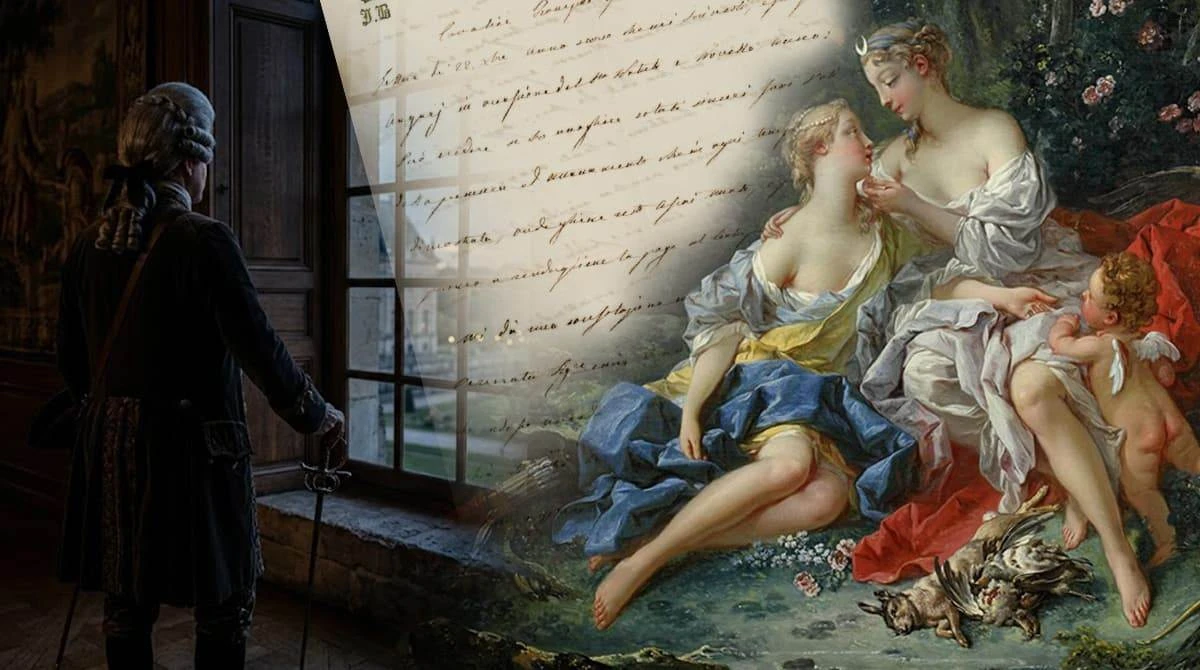
A pawn on the Habsburg chessboard
Isabella was born in Madrid in 1741 to Philip, Duke of Parma, and Louise Élisabeth of France, daughter of King Louis XV. When Isabella was 17, her mother died of smallpox—a loss that convinced the young princess she, too, was destined to die young. 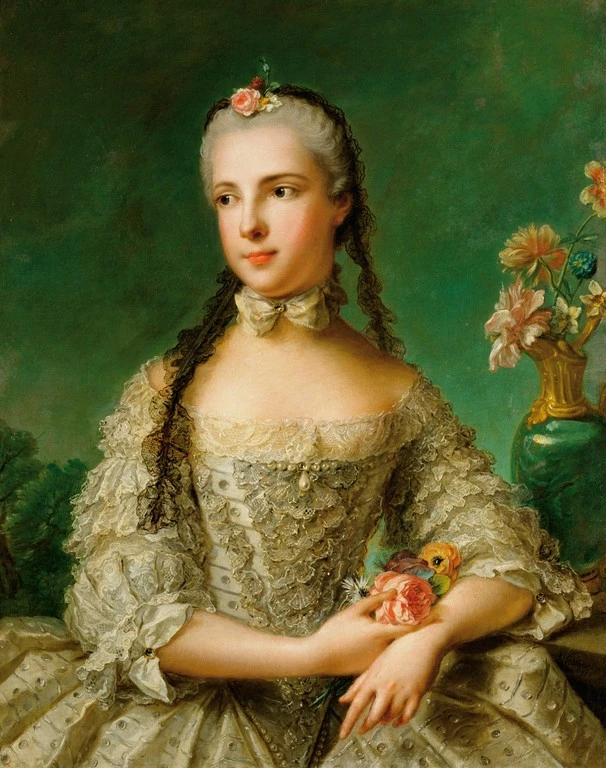
Princess Isabella of Parma. Painted by Jean-Marc Nattier, 1758.
Joseph fell in love with Isabella from a portrait before they ever met. Isabella, meanwhile, had been groomed from childhood to play a silent part on the chessboard of dynastic alliances: first a marriage by proxy, then a long journey to a foreign land. She was expected to join a family she knew almost nothing about and spend the rest of her life beside a man she had never laid eyes on.
A wedding only the groom enjoyed
The official wedding took place on October 6, 1760, at Vienna's Augustinian Church. A procession of 120 gilded carriages delivered the bride and groom, and that evening 3,000 lanterns illuminated the city from the Hofburg Palace to St. Stephen's Cathedral. Joseph was genuinely smitten with his young bride, writing about her in glowing terms and openly displaying his affection before the court. 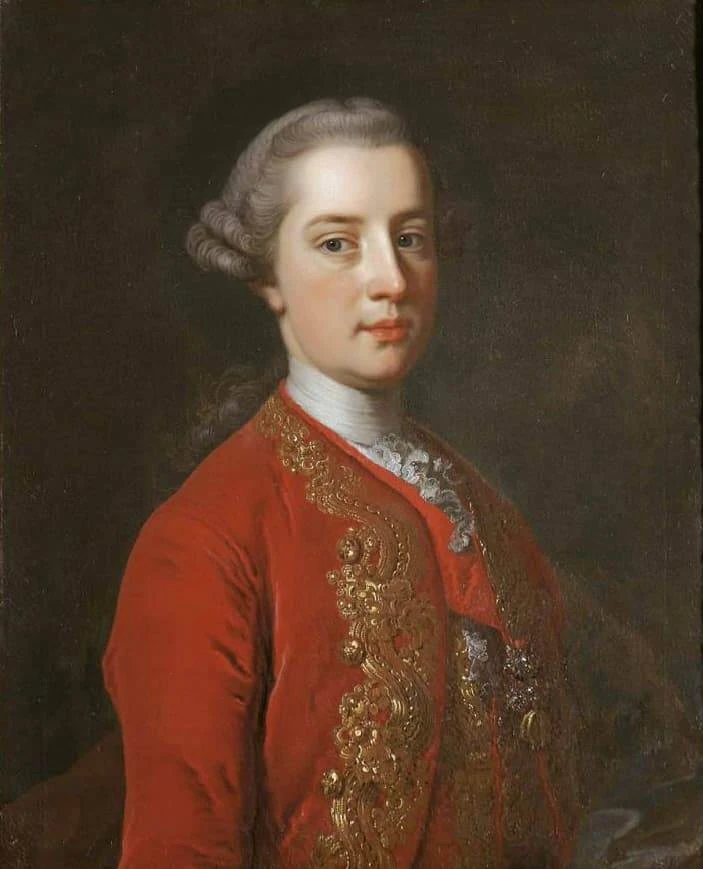
Archduke Joseph in 1755
Isabella responded with polite detachment. Court archives record not a single warm word from her toward her husband; in her letters, she referred to him coldly as merely "the Archduke." According to contemporaries, while the rest of the court made merry at the wedding banquet, the bride remained distant and tense. 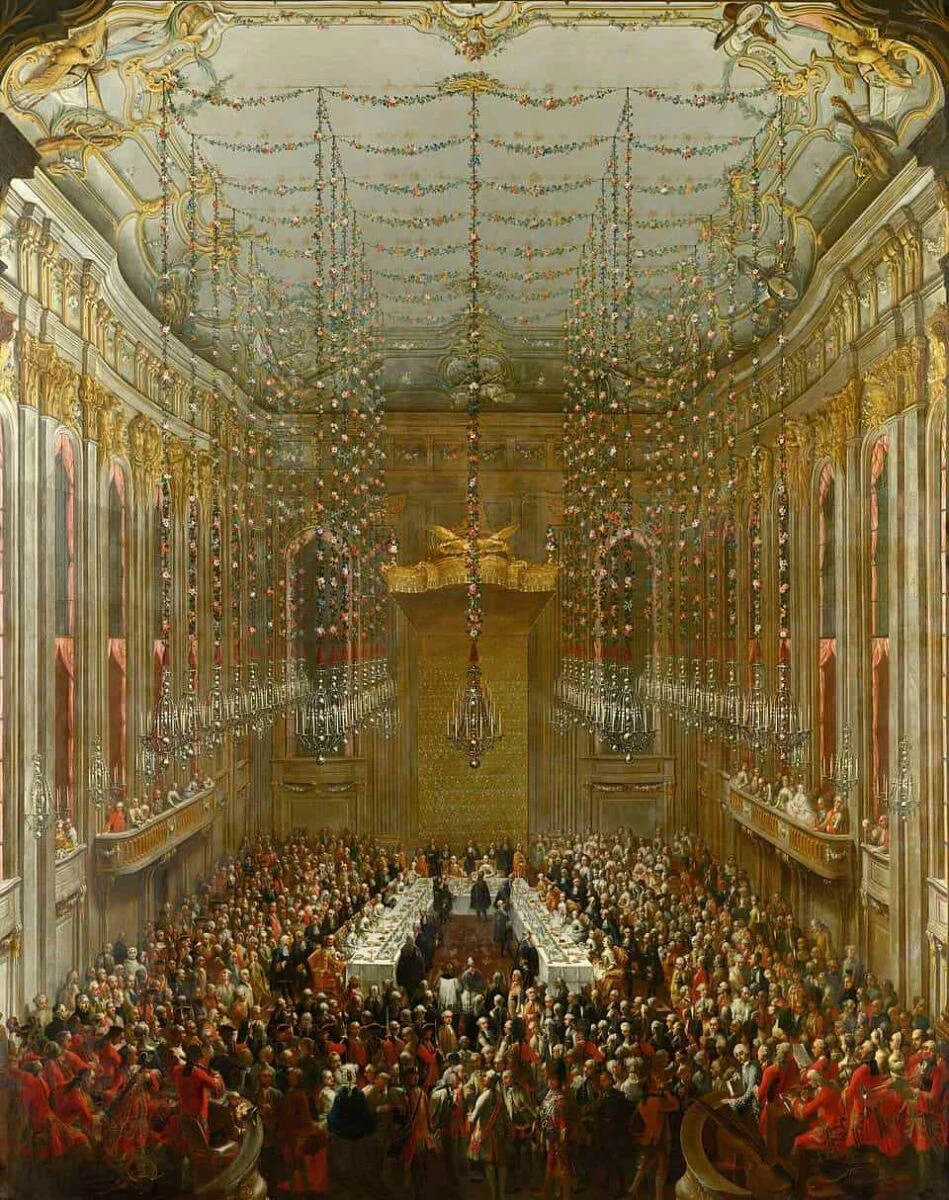
The wedding banquet of Joseph II and Isabella of Parma at the Hofburg Palace, October 1760
A kindred spirit
Isabella received an education remarkably rare for an 18th-century woman: she studied philosophy, physics, mechanics, military theory, and global commerce, played the violin, and solved mathematical problems for fun. Secretly, she penned essays advocating gender equality—none of which were published during her lifetime. To her, court ceremonial was a hollow, exhausting game with no room for genuine emotion. 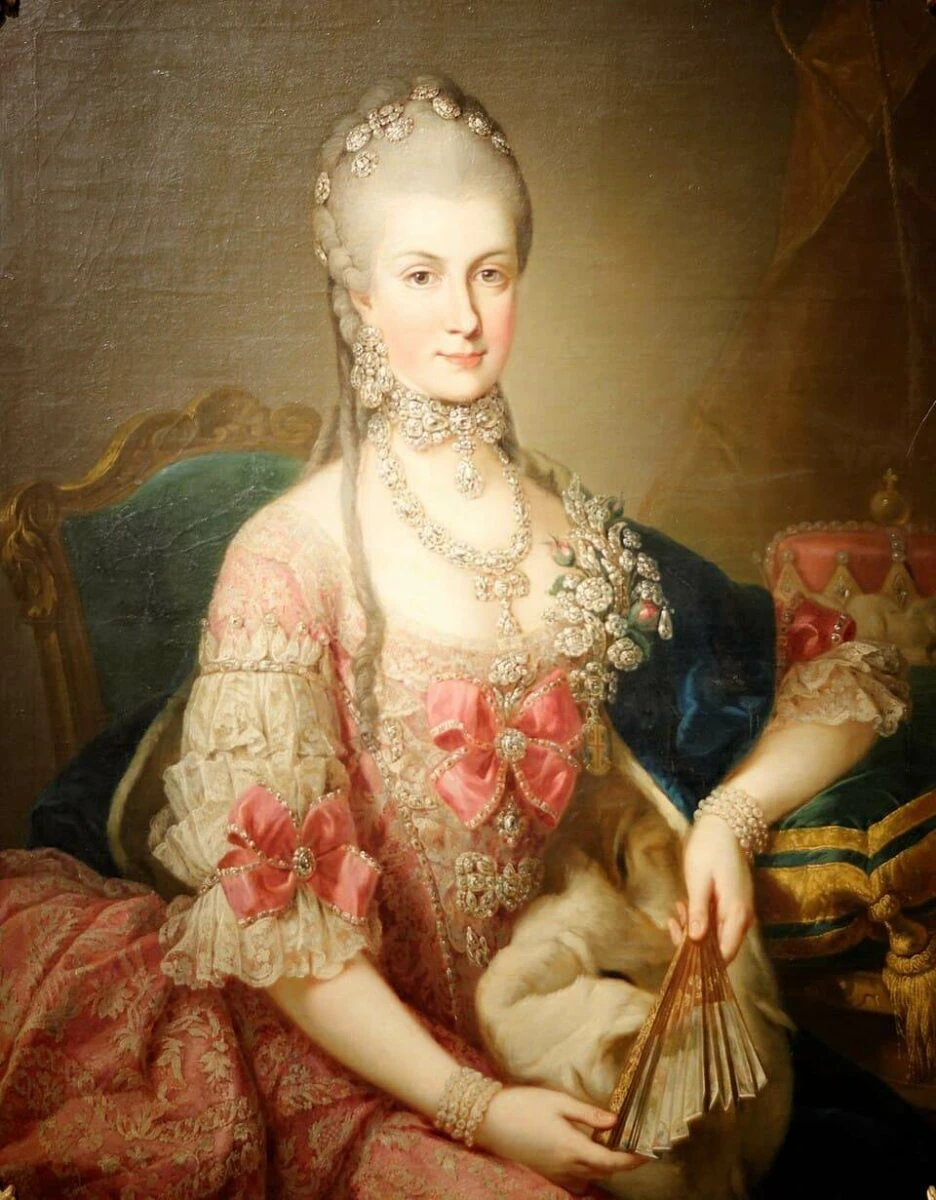
Maria Christina. Painted by Martin van Meytens, 1762.
Isabella found true intimacy in her sister-in-law, Maria Christina, who was Empress Maria Theresa's favorite daughter and born just a year apart from Isabella. Their correspondence began even before they met in person: writing from Parma, Isabella called Maria Christina "my faithful sister." Once in Vienna, their bond deepened. Watching the inseparable duo, contemporaries likened them to Orpheus and Eurydice—lovers separated by the threshold between life and death.
Two hundred letters in the language of love
Between 1760 and 1763, Isabella sent Maria Christina more than 200 letters and notes written in French, the language of high-society correspondence at the time. Undated, their precise timeline eludes historians to this day. Maria Christina carried the letters with her on her travels, and following her death in 1798, the archive passed to her husband, who preserved the papers—allowing them to survive to this day. 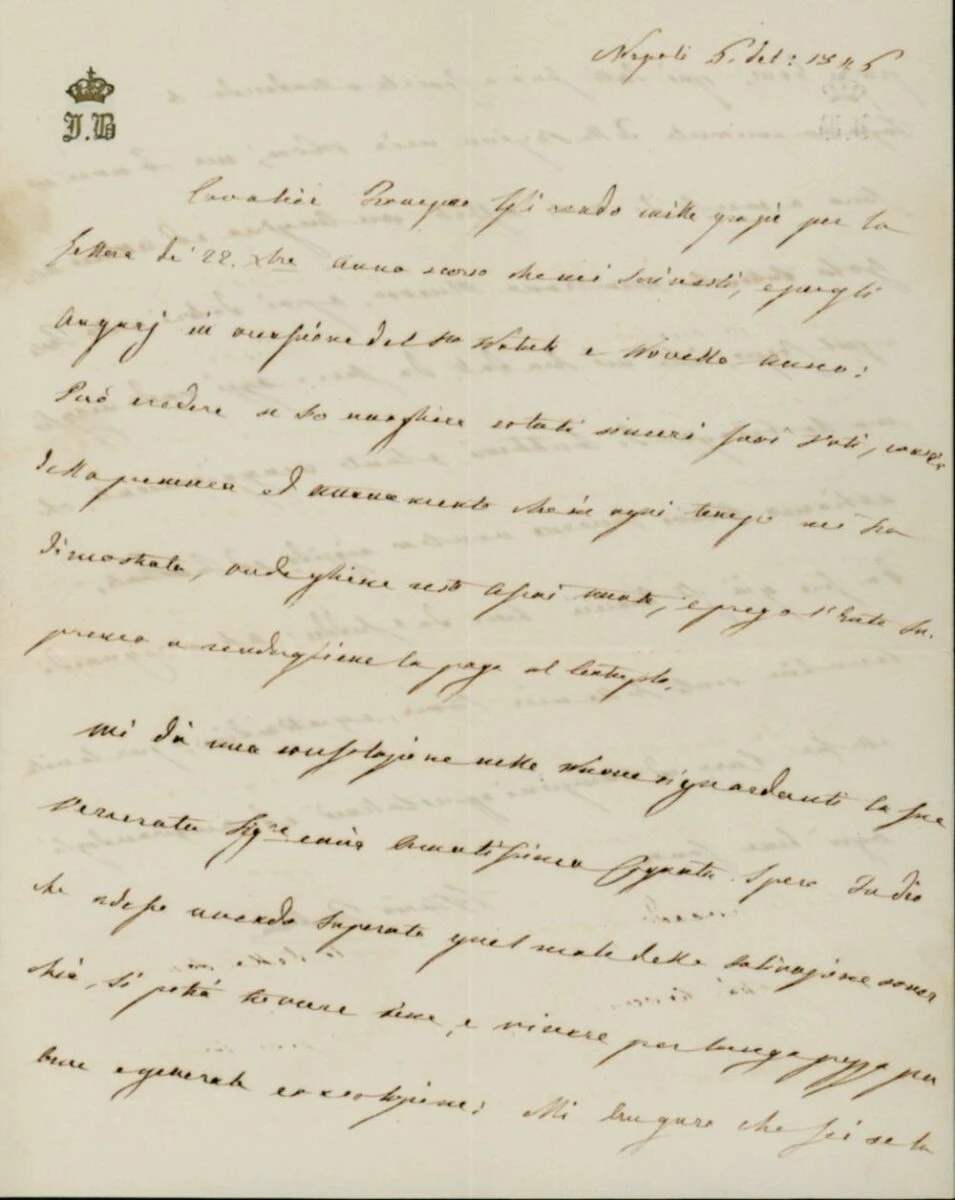
One of Isabella of Parma's letters to Maria Christina
Almost none of Maria Christina's replies survive—she appears to have burned them herself. Only a single short note remains, in which she promises to be open with Isabella. This imbalance in the archives is no coincidence: the feelings one side could entrust to paper were far too dangerous for the other.
Unfiltered confessions
The tone of Isabella's surviving letters strays far from the polite conventions of courtly friendship. "I am in a most agitated state, sweat pours from my forehead, I cannot catch my breath," she wrote. In another, she confessed: "My day begins with thoughts of the object of my love—I think of her incessantly." And one particularly candid note, routinely quoted by modern historians, features the line: "I kiss your archangelic bottom." 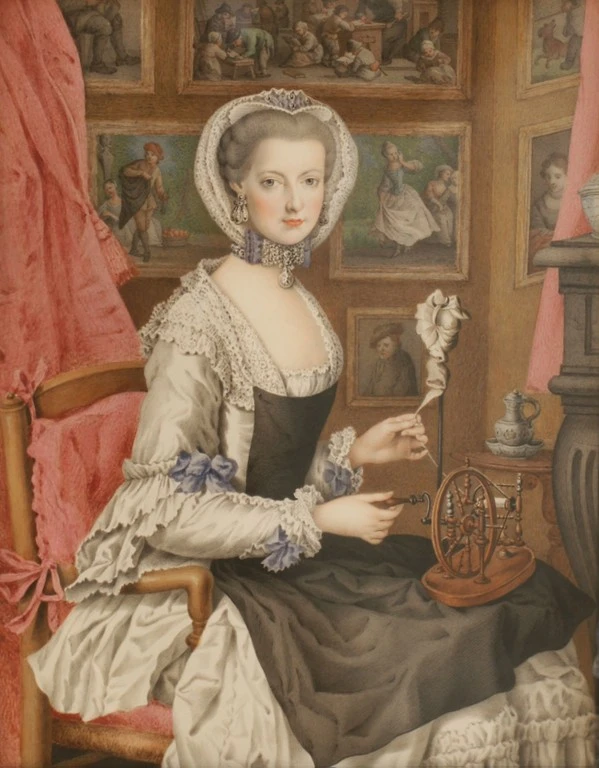
Maria Christina. Self-portrait, 1765.
For a long time, historians dismissed such language as typical 18th-century flourishes of passionate female friendship. Today, the consensus has shifted: French scholar Élisabeth Badinter and other experts who have studied the correspondence believe Isabella's feelings went far beyond platonic affection, and that their relationship likely involved physical intimacy. In one letter, Isabella asked Maria Christina directly whether she was worthy of her love, adding: "Throw me into the river if I am not."
The death she foretold
Ever since her mother died of smallpox, Isabella had been haunted by a premonition that her own life would be cut short. A grueling childbirth and two miscarriages within ten months shattered her health and fueled her dread. She wrote to Maria Christina that a "secret voice" foretold her death, and she proved right: in late 1763, during her fourth pregnancy, smallpox cases broke out at court. 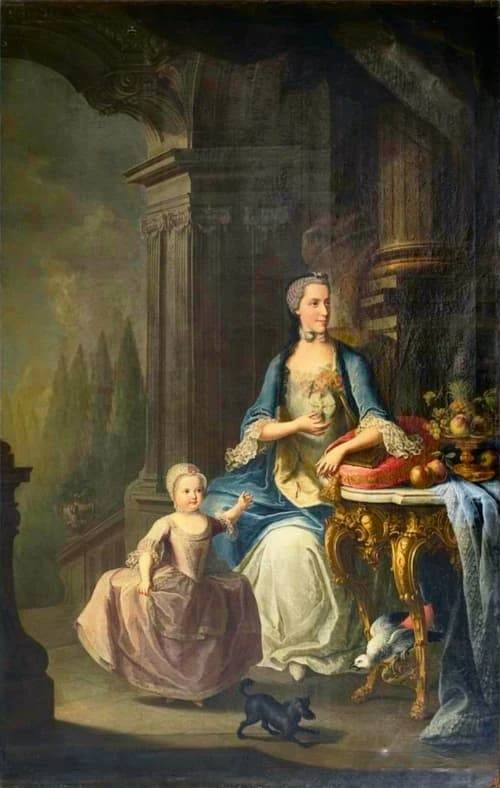
Isabella with her daughter Maria Theresa. Painted by Martin van Meytens, 1762.
On November 14, the court returned to the Hofburg from Schönbrunn Palace, despite Isabella—six months pregnant and terrified of the rumors of infection—begging to stay behind. Four days later, she developed a fever, and doctors confirmed smallpox. On November 22, she went into premature labor. The baby girl was named Maria Christina after Isabella's beloved, but survived only a few hours. Isabella herself passed away on November 27, 1763, at just 21 years old—just 34 days shy of her birthday.
Deathbed advice
Sensing the end was near, Isabella managed to write advice for Maria Christina on navigating court intrigue. Among her recommendations was a practical piece of counsel: marry Prince Albert of Saxony, one of the few honorable men in their circle. Maria Christina heeded her advice, and together with Albert persuaded her mother, Empress Maria Theresa, to approve a marriage for love—an extraordinary rarity within the Habsburg dynasty. 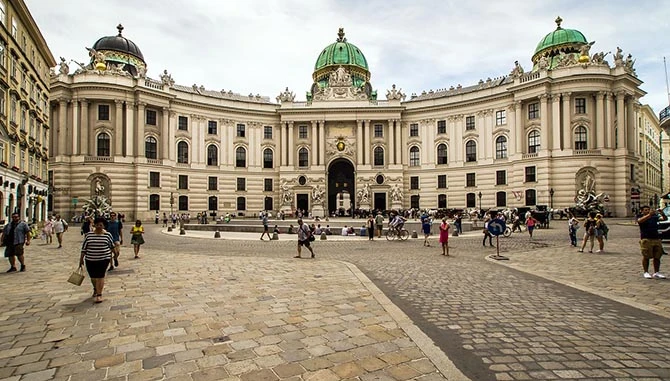
The Hofburg Palace in Vienna, residence of the Austrian monarchs
The wedding took place in 1766. Maria Christina was granted the title Duchess of Teschen, and her marriage to Albert of Saxony lasted over 30 years, standing out as one of the few genuinely happy unions in Habsburg history. Throughout her life, she treasured Isabella's letters, though she refrained from speaking openly about this chapter of her youth.
The emperor's resentment
Joseph never truly recovered from his wife's death. He remarried in 1765 to Maria Josepha of Bavaria, but the marriage proved cold and childless. That same year, Joseph's father, Emperor Francis I, passed away, and Joseph inherited the title of Holy Roman Emperor. 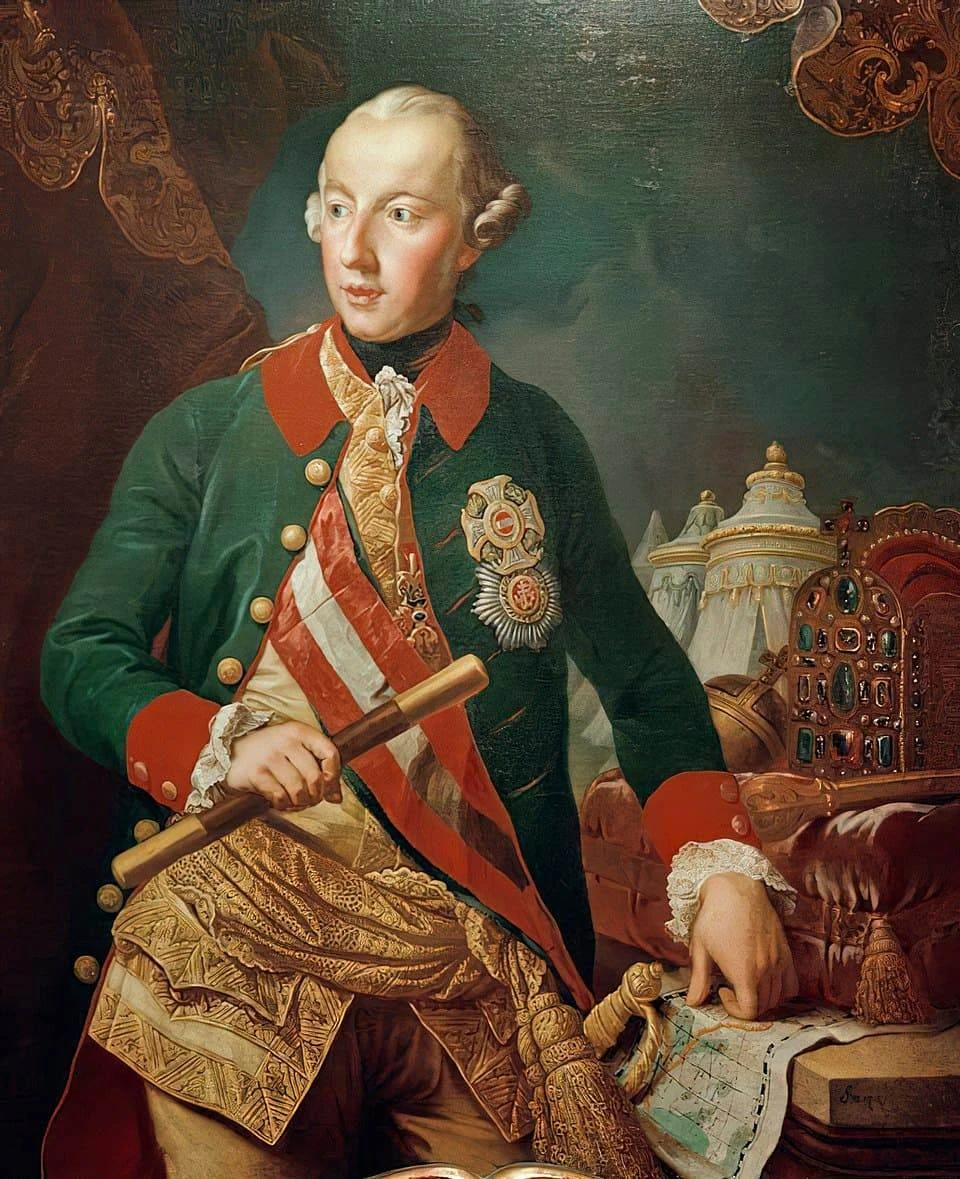
Holy Roman Emperor Joseph II. Painted by Franz Nikolaus Streicher, 1780.
He harbored resentment toward his sister for the rest of her days. Historians largely attribute this to long-standing jealousy: Maria Christina was their mother's favorite, a fact that rankled all her siblings, not just Joseph. Yet some scholars suggest another reason—Joseph may have uncovered the contents of his late wife's letters, viewing the revelation as a double betrayal.
Letters that survived two centuries
Today, all that remains of their story are physical relics: portraits by Nattier and van Meytens, the grand halls of the Hofburg where two princesses once walked, and yellowed pages of letters that still pulse with the heat of emotion felt nearly three centuries ago. 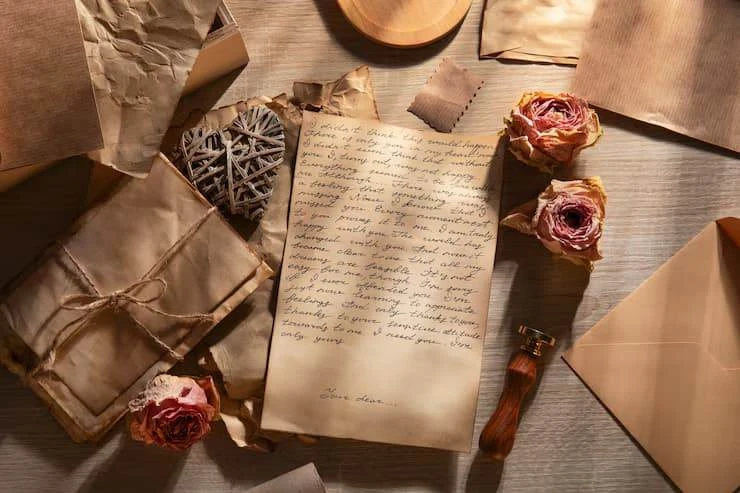
An illustration of how 18th-century love letters might have looked
Behind the dry entries of genealogical charts lie real human beings with their fears and loneliness. Isabella's letters remain the sole direct testament to this love—a testament that outlasted Isabella, Maria Christina, and even the Habsburg Empire itself. 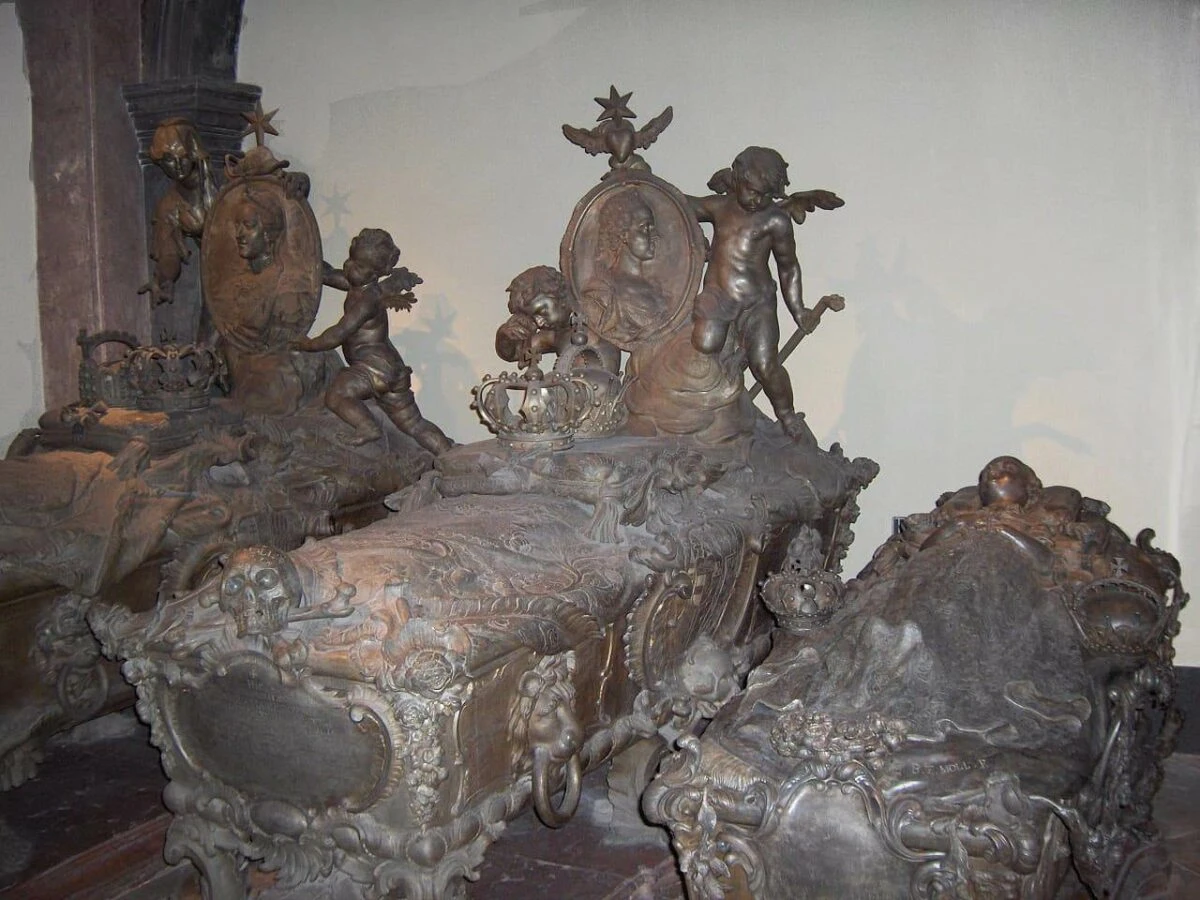
Tomb of Isabella of Parma (center)
Historians continue to discover new details in these letters, reigniting debates over the boundaries of affection between two women at a court where private feelings were never meant to be spoken aloud.
What do you think? Can we judge 18th-century emotions by modern standards, or does every era deserve to be understood on its own terms?