How Different Cultures Treated Sick and Elderly Slaves Throughout History (7 photos)
In ancient times, slaves formed the backbone of many economies. They were essential to construction, agriculture, service industries, and entertainment. Yet like free citizens, enslaved people fell ill, suffered injuries, and grew old. Once they could no longer generate profit, they became an inconvenient burden—still requiring food, clothing, shelter, and medical care, but offering no financial return. How did different civilizations handle slaves who were no longer useful? 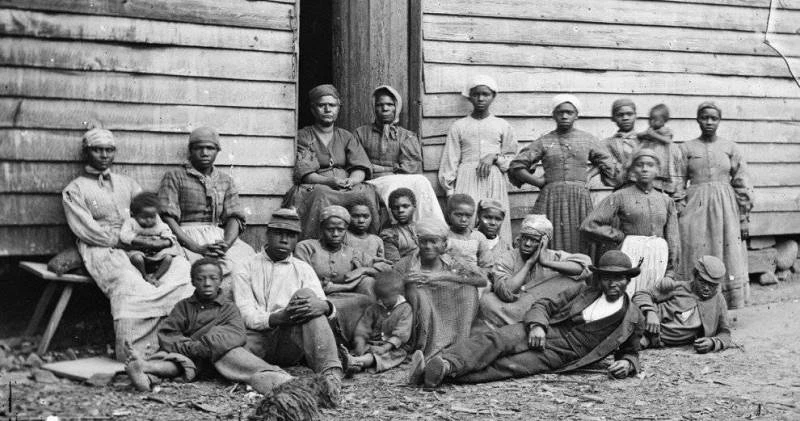
Ancient Rome
Writing in the 2nd century BCE, the Roman statesman and author Cato the Elder addressed the fate of slaves unfit for labor. Unsentimental in his outlook, he bluntly compared human beings to livestock, advising slaveowners to sell off aging slaves without delay before they became completely decrepit. 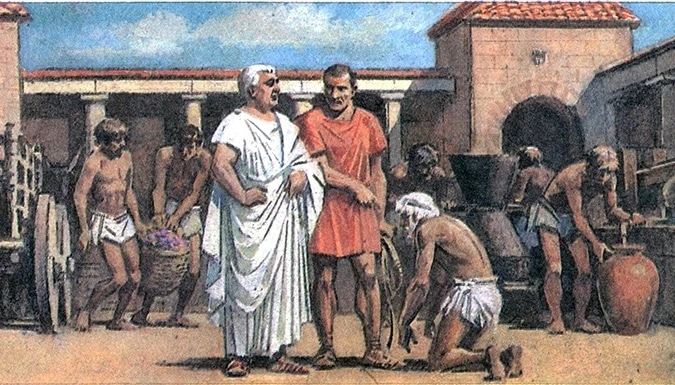
When slaves grew sick or elderly, Romans often abandoned them on Tiber Island, situated in the middle of the Tiber River. Measuring roughly 270 meters long and 67 meters wide, this small strip of land was dedicated to Aesculapius, the god of medicine, and served as a dumping ground for the sick, infirm, and elderly. Once cast off onto the island, a slave was legally considered free, but had no way to return to the mainland. Left stranded, they were forced to slowly starve on Tiber Island or beg for food from visitors to the temple of Aesculapius.
Ironically, abandoning a slave on the island was often an owner's safest route. Slaveholders who tried to show mercy by simply granting freedom to an elderly slave faced serious legal risks. If a freed slave died on the streets of Rome, authorities could easily trace the corpse back to its former owner using the brand on the dead person's body, handing down a steep fine. 
Tiber Island
Less conscientious owners might take a slave outside the city walls, execute them, and conceal the body. Ultimately, a slave's fate depended entirely on their master's character—though for many wealthy Romans, slaves were nothing more than disposable property and tools for personal gain.
The Islamic World
In the East, particularly within the Ottoman Empire, attitudes toward slavery differed significantly from those in Europe. First, Islamic law forbade enslaving fellow Muslims. Second, freeing a slave who converted to Islam was actively encouraged. Third, enslaved people were rarely used for heavy labor in construction or agriculture, serving instead primarily in personal service and administration. 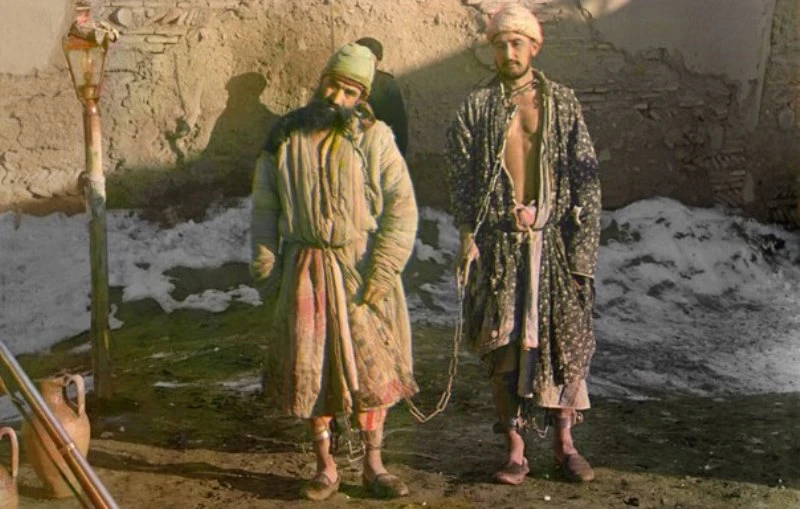
Enslaved individuals held roles ranging from domestic servants to soldiers, sailors, guards, merchants, and managers. Much depended on the owner's disposition and the slave's personal capabilities. In some cases, former slaves even rose to prominent positions within the Sultan's court.
Female slaves far outnumbered males in the Ottoman Empire. Non-Muslim women brought into households were typically given concubine status rather than being subjected to commercial exploitation. They served their owners and often functioned as secondary wives. Under Islamic law, an aging or ailing concubine could not be turned out into the street; she was recognized as a member of the household and remained under her master’s roof until her death. 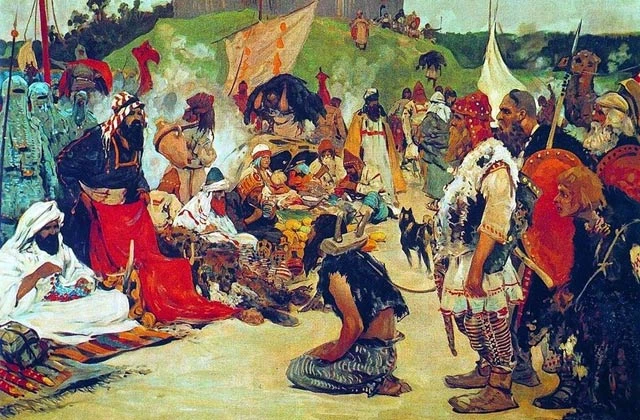
Non-Muslim slaves of either gender were assigned the hardest and dirtiest menial chores. When non-Muslim female slaves grew old, owners often turned them out onto the streets to survive by begging, while elderly non-Muslim men were worked until they collapsed, then left to die beyond the city walls.
Ancient China and Japan
In East Asia, slaves were divided into two main categories: private and state-owned. Because most enslaved people were prisoners of war or convicted criminals, they were treated with particular harshness. They were deployed primarily on heavy public works—building fortresses, bridges, and irrigation channels. In ancient China, slaves were distinguished by iron collars and red garments. 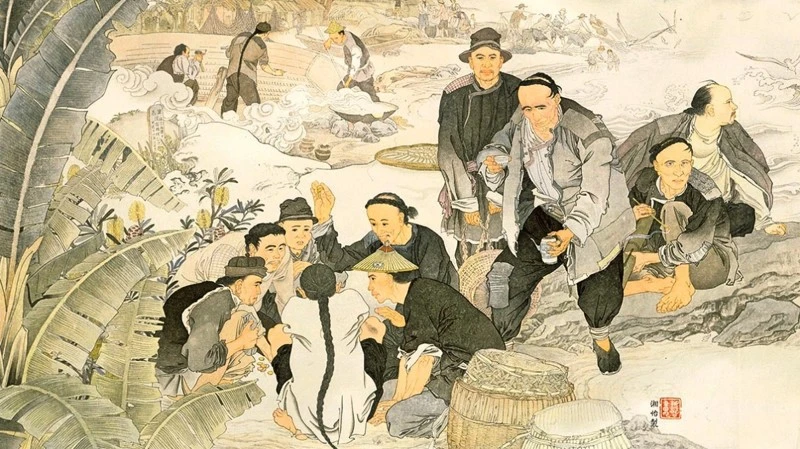
Little mercy was shown to sick, weak, or elderly slaves. In China and Japan, incapacitated slaves might be executed with a sword, dumped into mine shafts, or fed to wild animals. The highest form of mercy an owner could bestow was granting freedom, though such philanthropy was discouraged. Once freed, disabled and elderly former slaves inevitably joined the ranks of beggars and criminals, having no other means to survive.
Ancient Chinese law held owners strictly accountable for their slaves' actions. If an owner set an unfit slave free and that individual committed a crime, the former owner was held legally responsible. In severe cases, a wealthy master could face execution—strangulation or beheading—alongside the offending former slave, while their family members were cast into slavery themselves. Consequently, acts of mercy toward elderly or infirm slaves were extremely rare.
The Americas
In the New World, the fate of incapacitated slaves depended entirely on the conscience of their owners, as the law remained largely silent on the matter. On some large plantations worked by hundreds of slaves, wealthy owners went so far as to build infirmaries staffed by trained physicians. 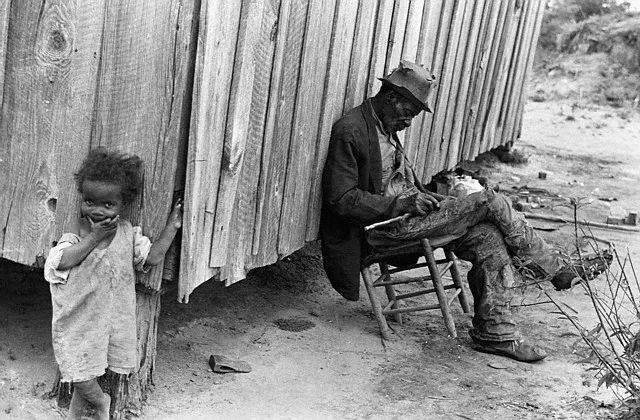
However, time and resources were spent on a slave only if they could be restored to working condition. If an enslaved person was terminally ill or too old to work, they were relegated to the slave quarters, shifting the burden of care entirely onto their family members and neighbors.
With no retirement or support provided by plantation owners, able-bodied slaves had to share their own meager rations—and those of their children—to keep elderly relatives alive. An incapacitated person would linger out their final days in a shack, sitting in the sun outside the doorway on bright days. The eventual death of a helpless relative was often a grim relief for the community, bringing an end to both the individual's suffering and the heavy burden placed on their loved ones.