The forgotten superfoods of our childhood: Why rose hips and sea buckthorn rival goji berries—and even beat them (8 photos)
Every autumn, queues line up outside pharmacies for immune boosters, while health food stores sell out of dried Chinese goji berries. Meanwhile, something far more potent grows right in our back gardens. Rose hips and sea buckthorn aren't just nostalgic relics of childhood or unexplained seasonal rituals. Their rich nutritional profiles are well documented and hold up against any hyped-up superfood. Here is a breakdown of what these berries actually offer—from hard numbers to delicious recipes. 
Rose hips: More vitamin C than any citrus fruit
The numbers speak for themselves. A 100-gram serving of fresh rose hips packs around 426 mg of vitamin C. With the recommended daily allowance for adults sitting at 90 mg, a single handful delivers more than enough.
For comparison, lemons and oranges contain just 40–50 mg of vitamin C per 100 g. Rose hips outperform citrus fruits by eight to ten times. The exact amount depends on the variety: cinnamon rose grown in full sun can accumulate up to 1,500 mg per 100 g, while shade-tolerant varieties yield around 530 mg. Even at the lower end of the scale, rose hips dwarf almost any common source of vitamin C. 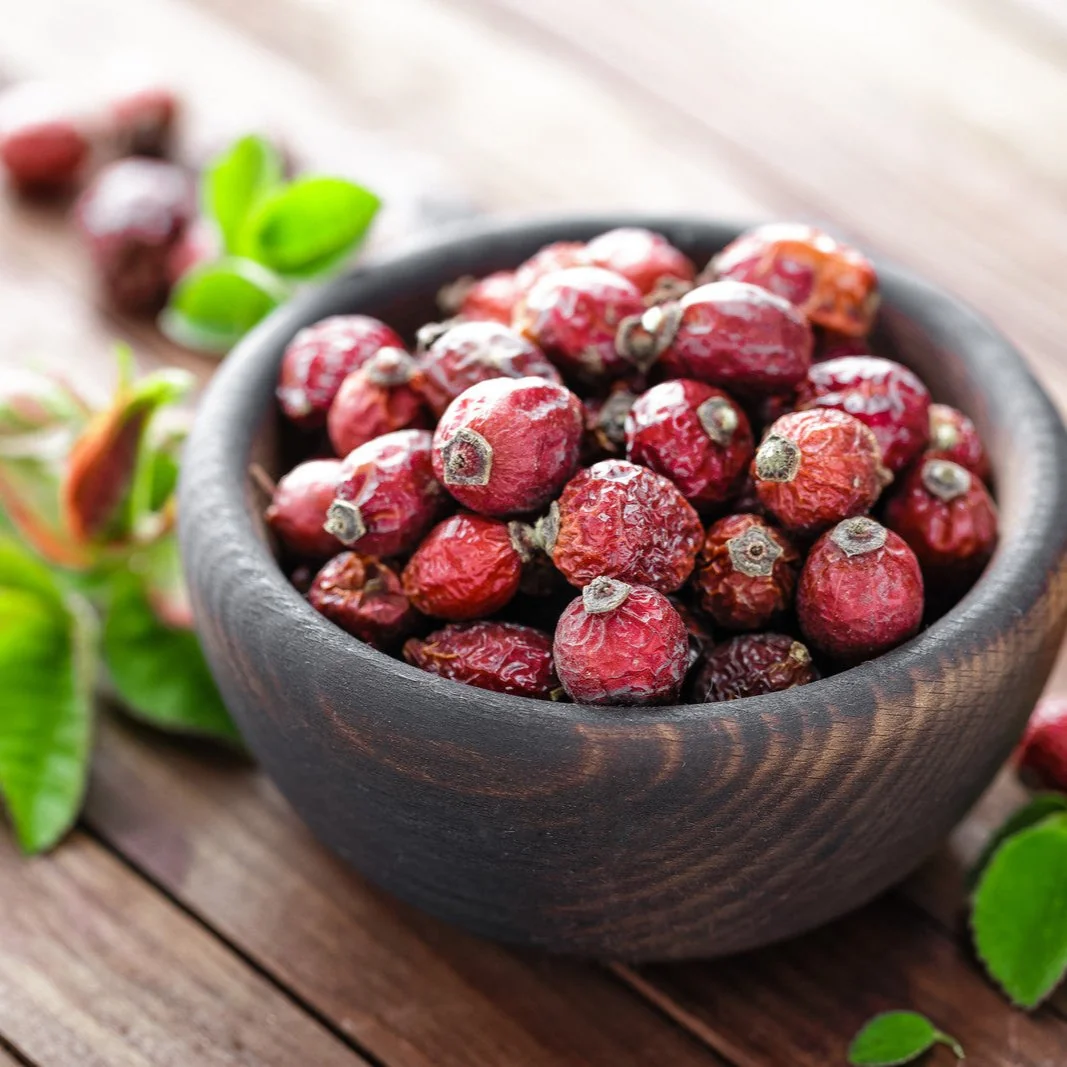
Dried rose hips. The key is not to steep them in boiling water: at 100°C, much of the vitamin C breaks down
Beyond ascorbic acid, rose hips are loaded with vitamins A, E, K, and B-complex, flavonoids (vitamin P, which strengthens capillaries), iron, potassium, magnesium, and copper. Their polyphenols boast exceptionally high antioxidant activity—surpassing even blackcurrants, blueberries, and cranberries.
A Cochrane meta-analysis of 29 studies involving over 10,700 participants showed that taking vitamin C regularly reduces the duration of colds in adults by 8% and in children by 14%. While not a miracle cure, it is a statistically significant effect—shaving about 10 hours off a typical five-day cold in adults.
Sea buckthorn: The golden powerhouse of healthy fats
Sea buckthorn is often nicknamed the "Siberian pineapple"—and not just for its tropical flavor profile. The berries contain 190 bioactive compounds, including vitamins A, B1, B2, C, D, E, H, and PP, along with flavonoids, amino acids, phenols, beta-carotene, organic acids, and folate, according to official public health data. On top of that, they pack 20 mineral elements, including iron, calcium, magnesium, sodium, potassium, and phosphorus. 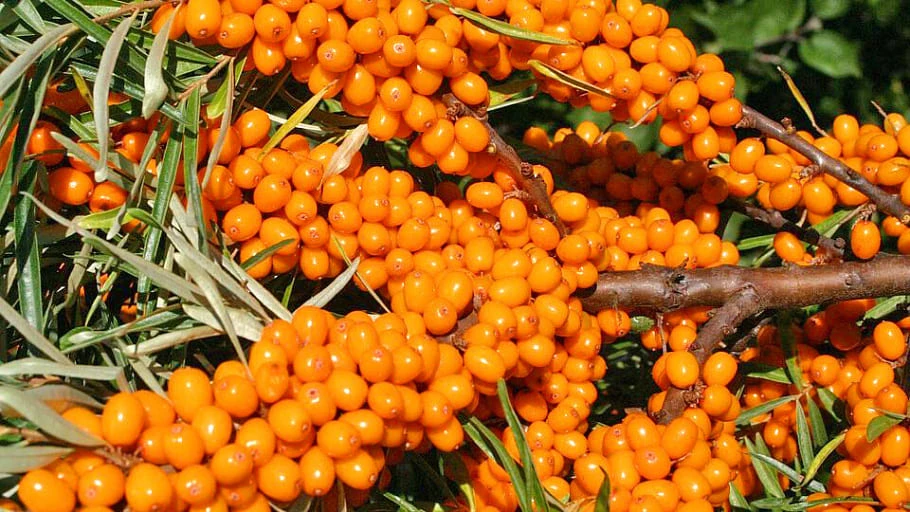
Sea buckthorn gets its Russian name ("oblepiha", meaning "to cling around") literally: the berries cluster so tightly along the branch that it is hardly visible
The true rarity of sea buckthorn lies in its fatty acid profile. It contains omega-3, omega-6, omega-9, and the elusive omega-7—a combination typically found in fish oil or flaxseed oil, not berries. This makes sea buckthorn a standout among plant-based foods.
Another surprising fact: both the berries and bark of sea buckthorn contain serotonin, a key neurotransmitter for nervous system function. Studies show its serotonin levels are several times higher than those in bananas or dark chocolate—the go-to foods usually praised for it.
Sea buckthorn oil: A powerhouse in its own right
Oil extracted from sea buckthorn berries is far more than traditional folk medicine—it is part of official pharmacopeia. Recognized as a legitimate pharmaceutical product, it is available in liquid solutions, softgels, and suppositories. 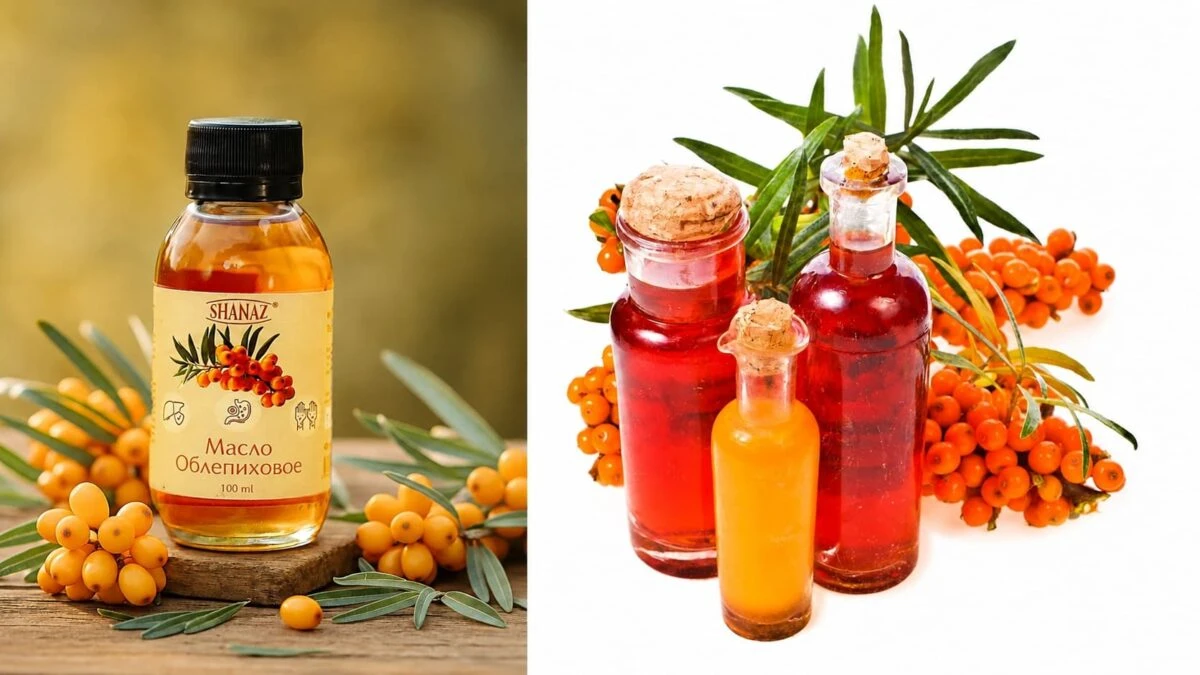
Sea buckthorn oil is used in conventional medicine to treat burns, gastritis, and stomach ulcers
Taken orally, it is prescribed for gastritis and peptic ulcers; the oil inhibits gastric protease activity and has demonstrated anti-ulcer properties in clinical studies. Topically, it is applied to burns, wounds, and skin fissures: its high carotenoid and vitamin E content accelerates epithelial tissue repair and mucosal healing. That is why gastroenterologists, proctologists, and ENT specialists regularly recommend it.
An important caveat: the oil is a complementary treatment, not a substitute for prescribed medicine, and works alongside professional care rather than replacing it.
So how do goji berries compare?
Goji berries certainly have genuine health benefits: they are packed with carotenoids, antioxidants, vitamin A, polysaccharides, and 18 amino acids. Research indicates that goji berries can raise "good" HDL cholesterol levels in people with type 2 diabetes. Their benefits are very real. 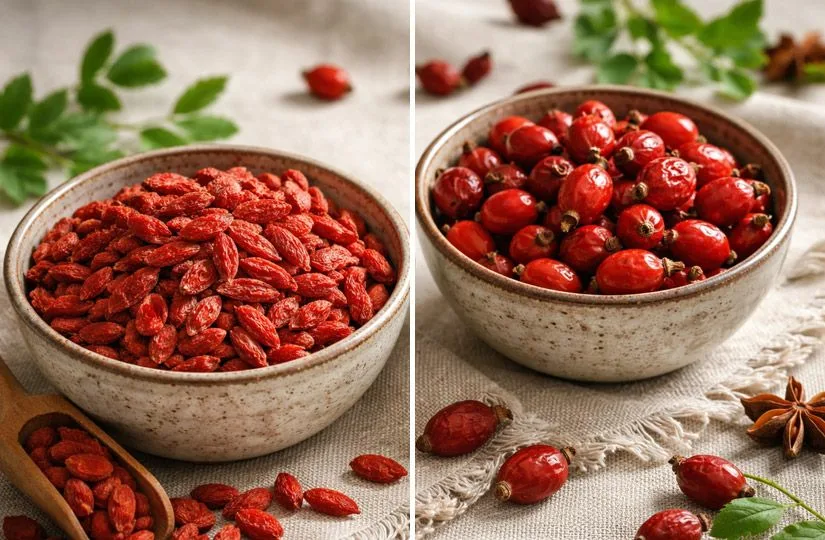
On the left: goji berries; on the right: rose hips. Both red, both healthy. But their vitamin C numbers tell very different stories
When it comes to vitamin C, however, marketing has gone overboard. According to the USDA and European nutritional databases, a 100 g serving of dried goji berries contains roughly 48 mg of vitamin C, compared to 426 mg in rose hips—a nearly ninefold difference. Exotic appeal sells; familiar backyard staples don't.
This isn't to say goji berries are a scam. But when it comes to their primary marketing selling point—vitamin C—the rose hips growing in your local park win hands down.
How to enjoy them
The best way to brew rose hip tea is in a thermos at around 80°C (175°F) rather than with boiling water, as extreme heat destroys vitamin C. The process is straightforward: boil water, let it cool for 3–4 minutes, pour over dried rose hips, and let steep for 6–8 hours. Only add honey once the drink has cooled below 40°C (104°F) so its natural enzymes remain active. 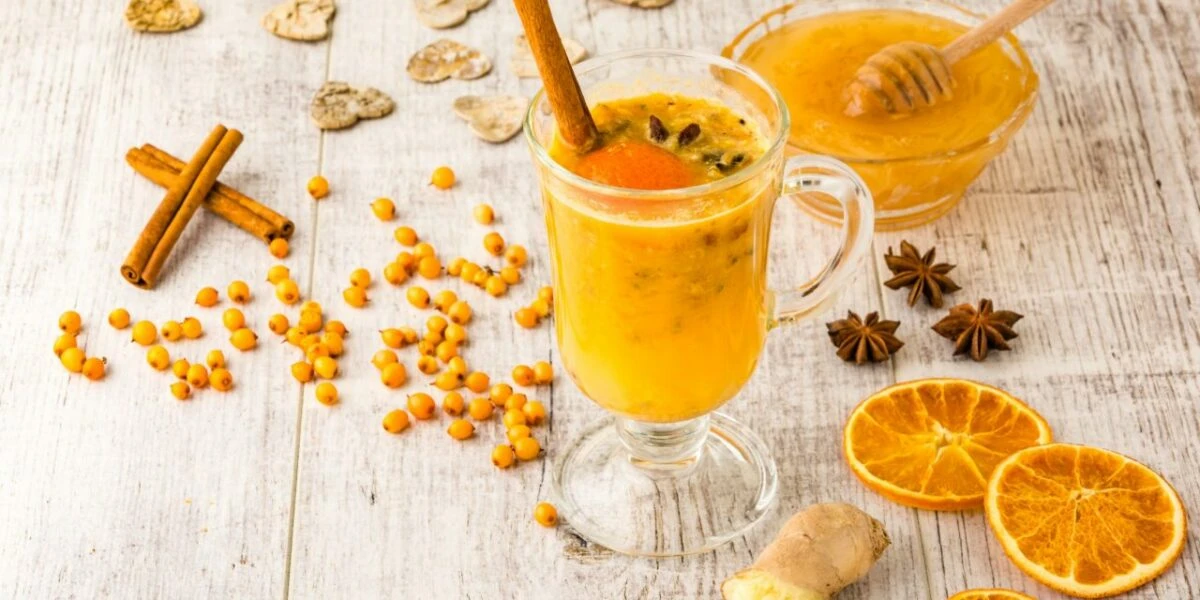
Autumn booster tea: rose hips + sea buckthorn + ginger. Steep at 80°C—never boiling water
Sea buckthorn is even easier: crush fresh or frozen berries with sugar in a 1:1 ratio and pop them in the fridge—skipping cooking preserves all the vitamins intact. In winter, add a spoonful to tea or yogurt. A fruit drink (mors) is just as simple: mash the berries, add warm water, sweeten with honey to taste, and strain. 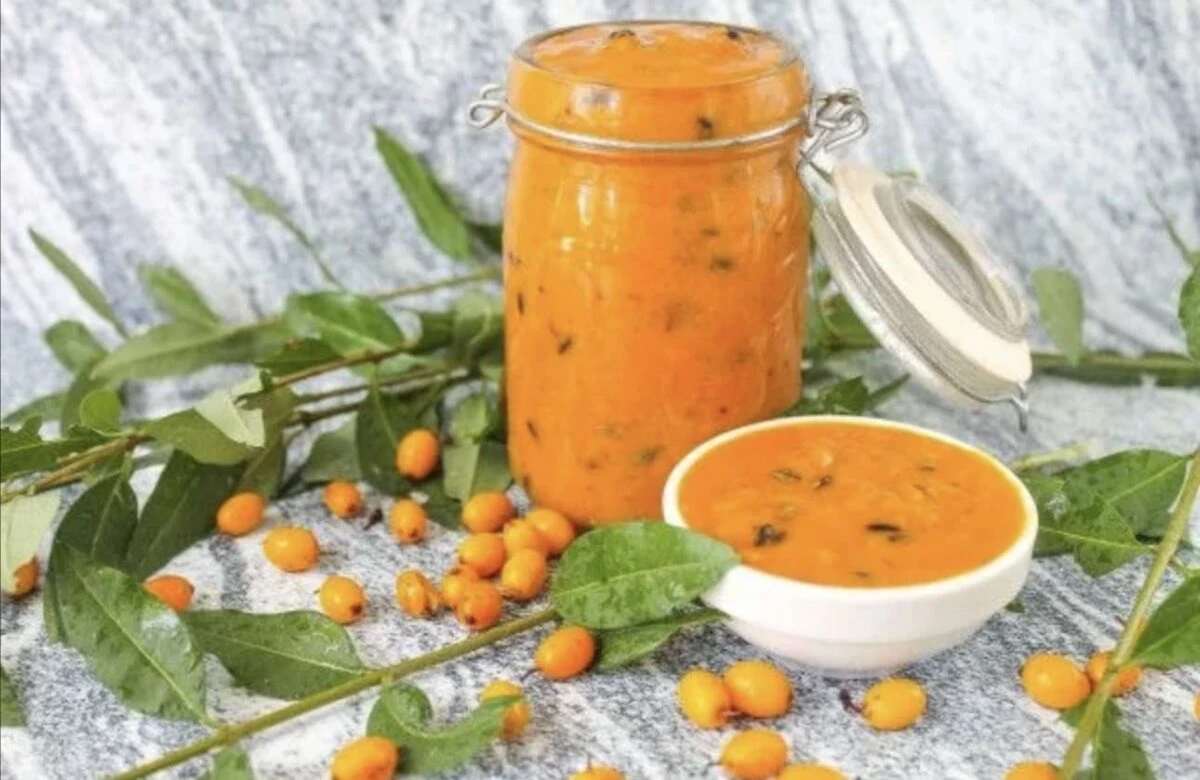
Raw sea buckthorn crushed with sugar is the easiest no-cook way to preserve winter vitamins
People were brewing this autumn booster tea long before the word "superfood" was coined: rose hips + sea buckthorn + ginger. Steep the rose hips as described above, add a few sea buckthorn berries and a slice of ginger, let sit for 10 minutes, and stir in honey once it cools. The result is a tart, warm, comforting drink packed with vitamin C, flavonoids, and healthy fats in a single mug.
Who should exercise caution
Sea buckthorn can affect blood clotting, so individuals taking blood thinners (like warfarin) should consult a doctor first. Rose hips in large doses can strain the kidneys due to their high vitamin C content, so concentrated infusions are best avoided by those with kidney stones. As always, pregnant and breastfeeding women should check with a healthcare professional before adding new remedies to their diet. 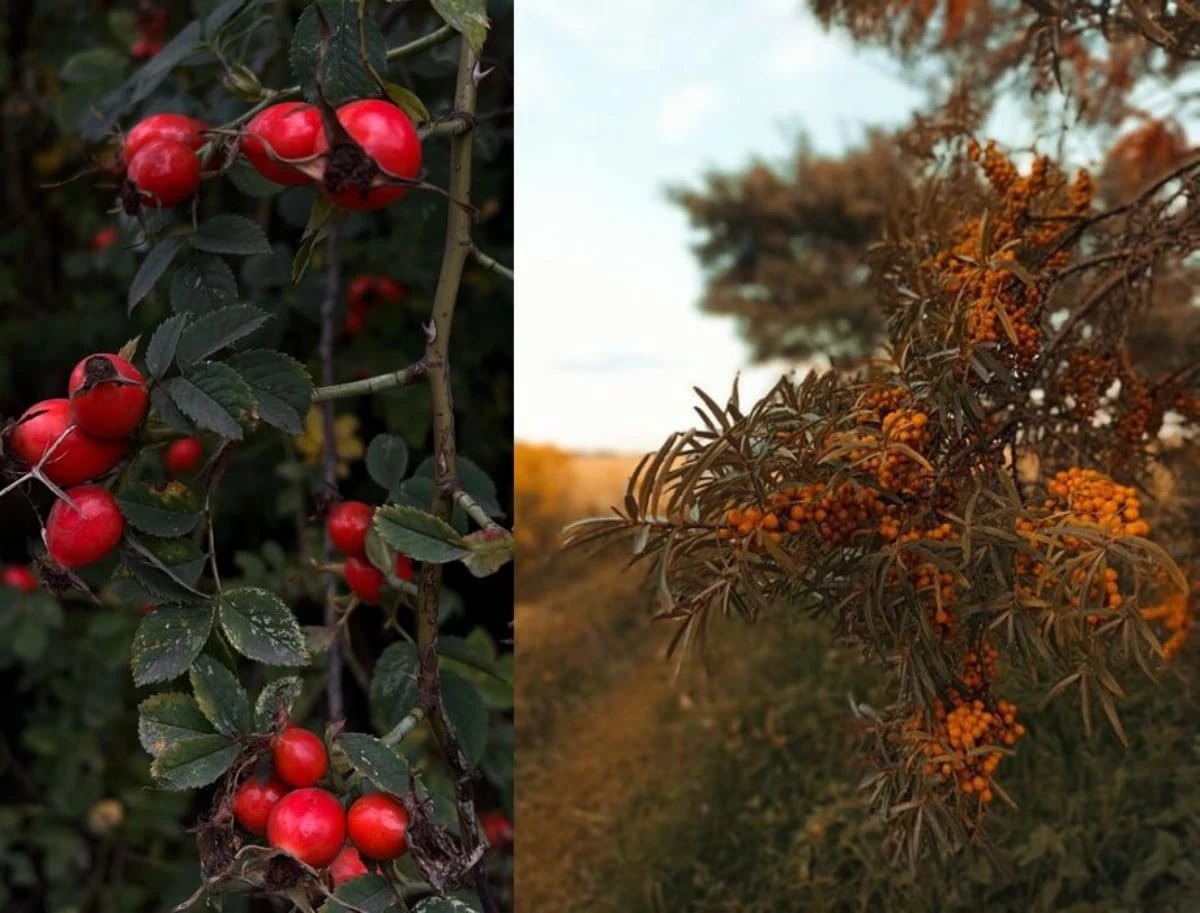
Sea buckthorn harvest season runs from August to September, while rose hips are gathered from September to October—the berries get sweeter after the first frost
This isn't about fearmongering or sensationalism; it's simply about staying informed. For most healthy adults, a hot cup of rose hip tea or a handful of sea buckthorn berries offers pure benefit. It's just good practice to know where to draw the line.
Right in our back gardens grow berries that easily hold their own against expensive imported superfoods—and leave them far behind when it comes to vitamin C. It's not just that grandma was right all along. It's that modern marketing excels at building hype around exotic imports while overlooking what's already on our doorstep.
How do you usually prep for cold season? Do you stick to traditional home remedies like rose hips and sea buckthorn, or do you rely on pharmacy supplements?