How Your Sleeping Position Could Be Seriously Damaging Your Health (8 photos)
Millions of people struggle to get a good night's sleep. But it’s not just about how long we rest—the position we fall asleep in plays a crucial role too. Poor posture during sleep can lead to more than just restless nights; it can trigger serious health issues. Read on to discover how your favorite sleeping position might be harming your body. 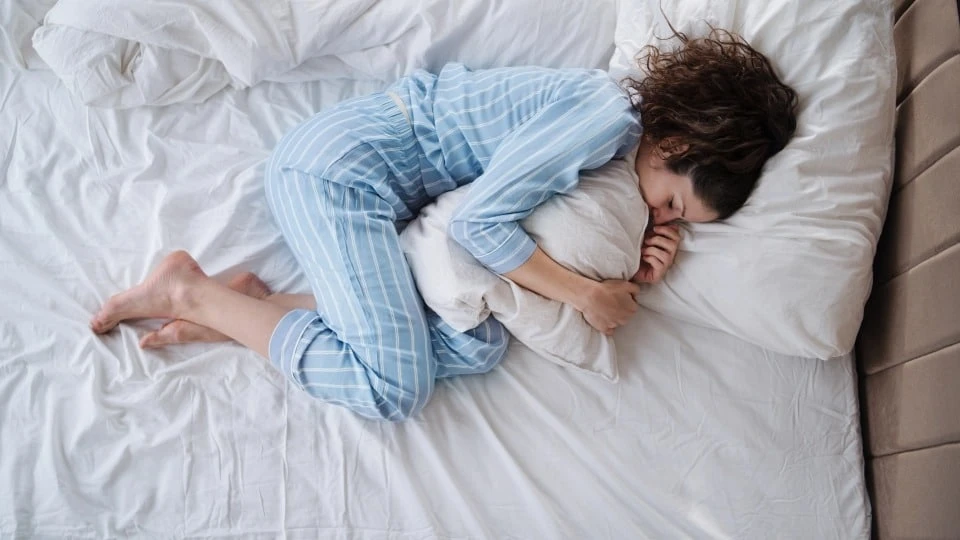
Healthy sleep requires more than just getting enough hours—it also comes down to proper posture. Few people realize how much their sleeping position impacts bodily functions. Yet, how you lie in bed affects not only how you feel in the morning, but your overall long-term health.
From premature wrinkles to acid reflux, here is how different sleeping positions can affect your health.
The Freefall with a Raised Knee: Hip Joint Issues 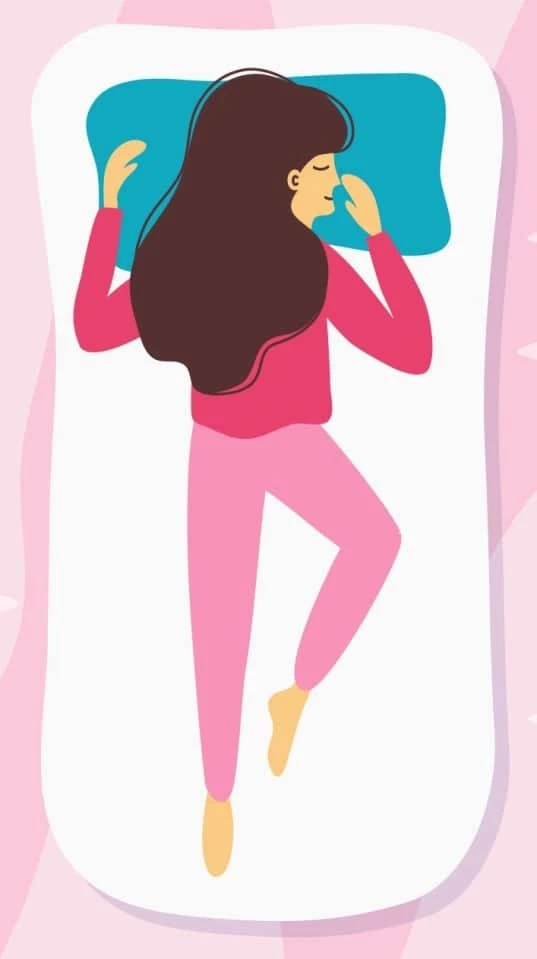
You lie on your stomach with your hands on the pillow, head turned to one side, and one knee pulled up. This places excess strain on the hip joint on the bent-knee side. It also puts undue pressure on your spine, forcing it into an unnatural curve.
The Freefaller: Back and Neck Pain 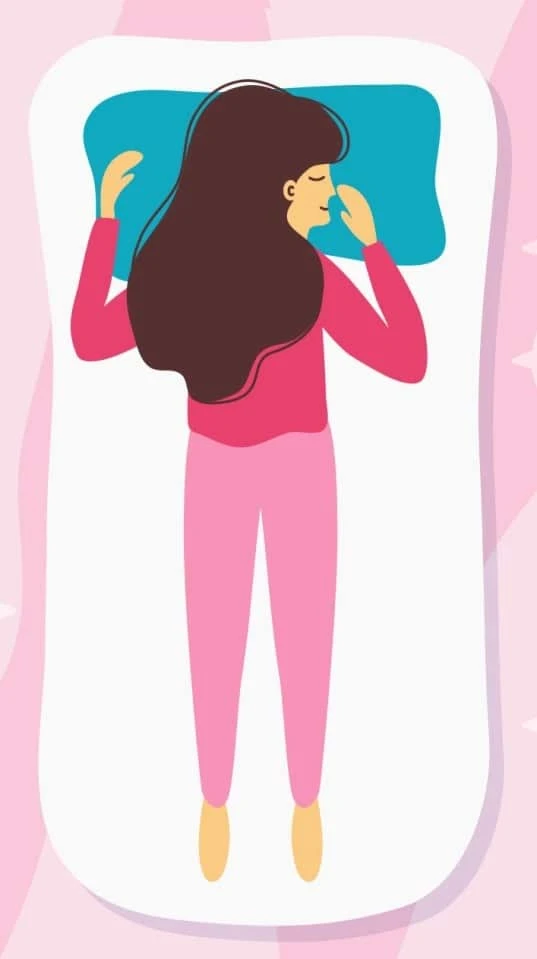
You lie on your stomach with your hands on the pillow and your head turned to the side. This is one of the worst sleeping positions possible. It strains the neck and overextends the lower back, compressing spinal discs. Over time, this can cause sharp back pain, sciatica, knee pain, and muscle cramps.
If you can't fall asleep any other way, try placing a small pillow under your stomach to reduce the arch in your lower back. Putting a pillow under your shins will also help relieve pressure on your lower spine.
The Fetal Position: Wrinkles and Sleep Disturbances 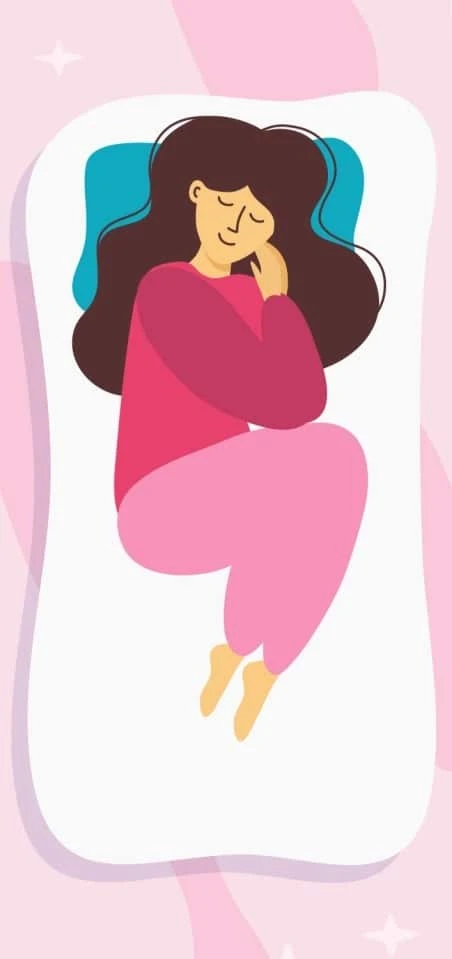
Curled up on your side with your knees drawn up toward your chest, like a baby. This is the most popular sleeping style for side-sleepers. However, if your pillow is too high or too low, it puts severe strain on your neck. On top of that, pressing your face into the pillow all night can cause premature wrinkles and contribute to disrupted sleep.
To offset these issues, place a pillow between your knees to keep your hips in a neutral alignment.
The Soldier: Breathing Problems 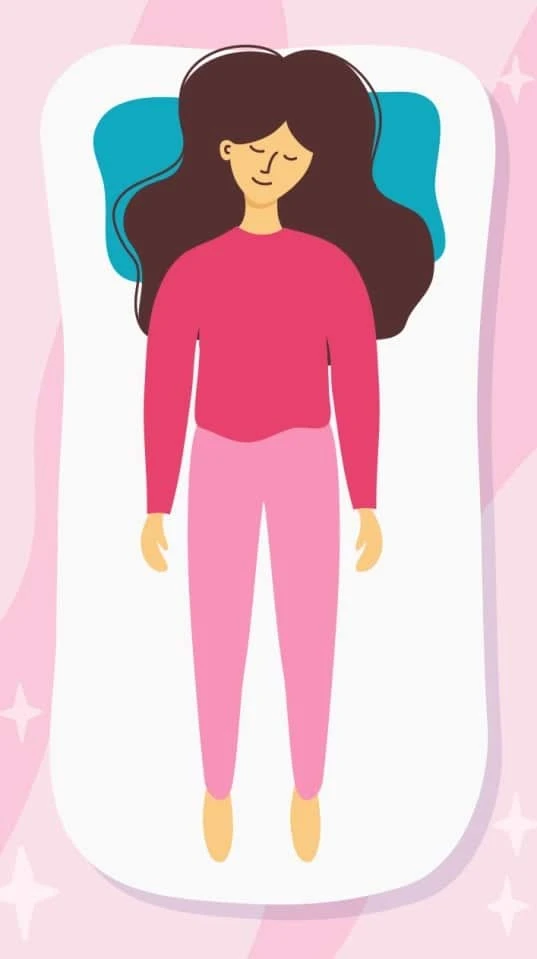
Lying flat on your back with your arms down at your sides. This position is bad news for anyone prone to snoring or sleep apnea. Sleeping on your back causes your jaw to relax and your tongue to fall backward into your throat, obstructing your airway. It’s also risky if you suffer from acid reflux, as stomach acid can easily travel up into the esophagus.
Back sleeping can also worsen lower back pain. To relieve pressure, try sleeping with a pillow beneath your knees.
The Starfish: Nightmares 
Lying on your back with your arms and legs spread wide. An American study revealed that back-sleepers are more prone to experiencing nightmares. If you frequently wake up in a cold sweat, it might be time to change your sleeping position.
To minimize back pain in this position, tuck a pillow under your knees and another beneath your lower spine.
The Log: Shoulder Pain and Digestive Issues 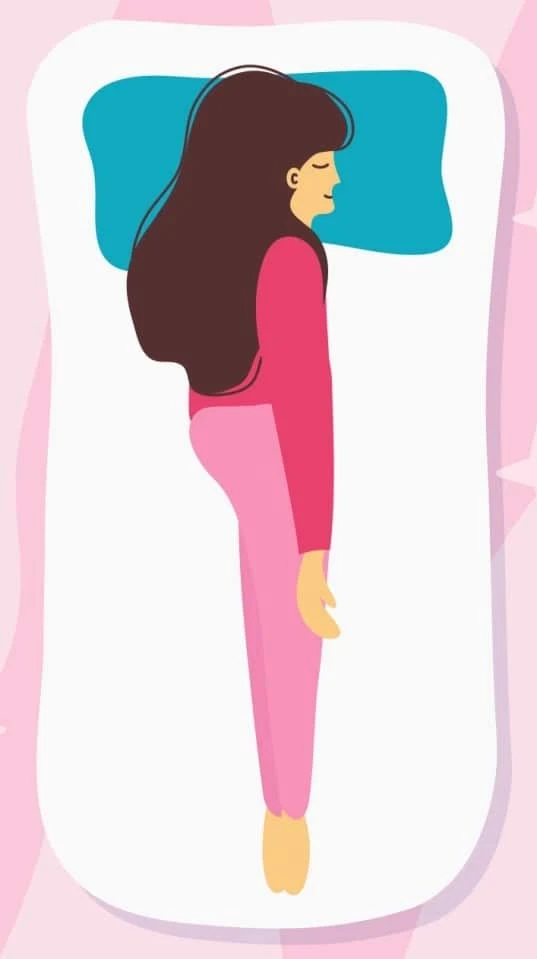
Lying on your side with both arms and legs extended straight down. This position can cause shoulder pain, particularly in older adults. As we age, muscle mass around the shoulders decreases, so spending six to eight hours in one position creates immense pressure. Placing a small cushion under your shoulder can help alleviate discomfort.
Additionally, routinely sleeping on your right side can impair digestion and exacerbate symptoms of gastrointestinal conditions, such as Irritable Bowel Syndrome (IBS).
The Yearner: Sagging Breasts 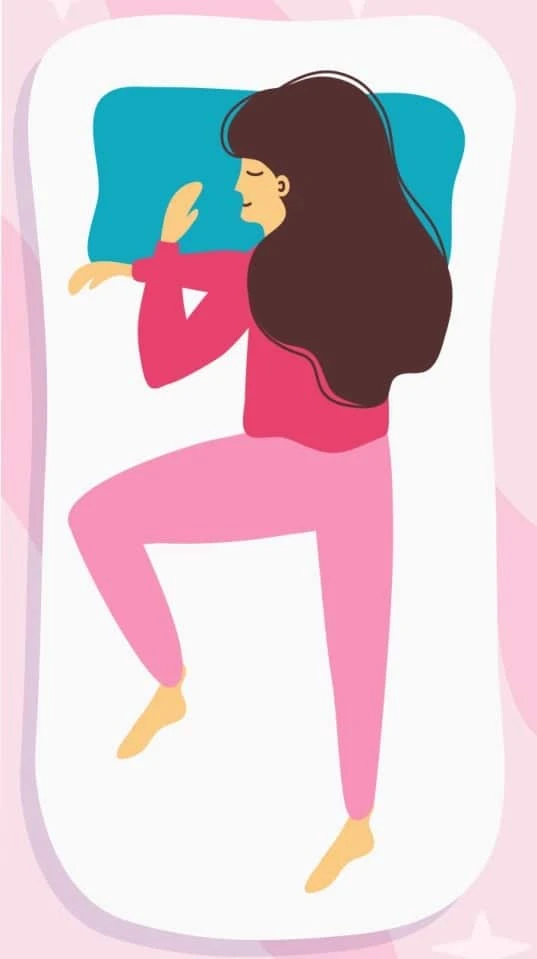
Lying on your side with both arms stretched out in front of you. Side-sleeping can affect breast firmness, as gravity pulls tissue to one side. Women with fuller busts may want to consider wearing a sleep bra to help prevent stretch marks and sagging.
Meanwhile, researchers at Guangzhou Medical University have found that taking daytime naps could pose serious health risks.