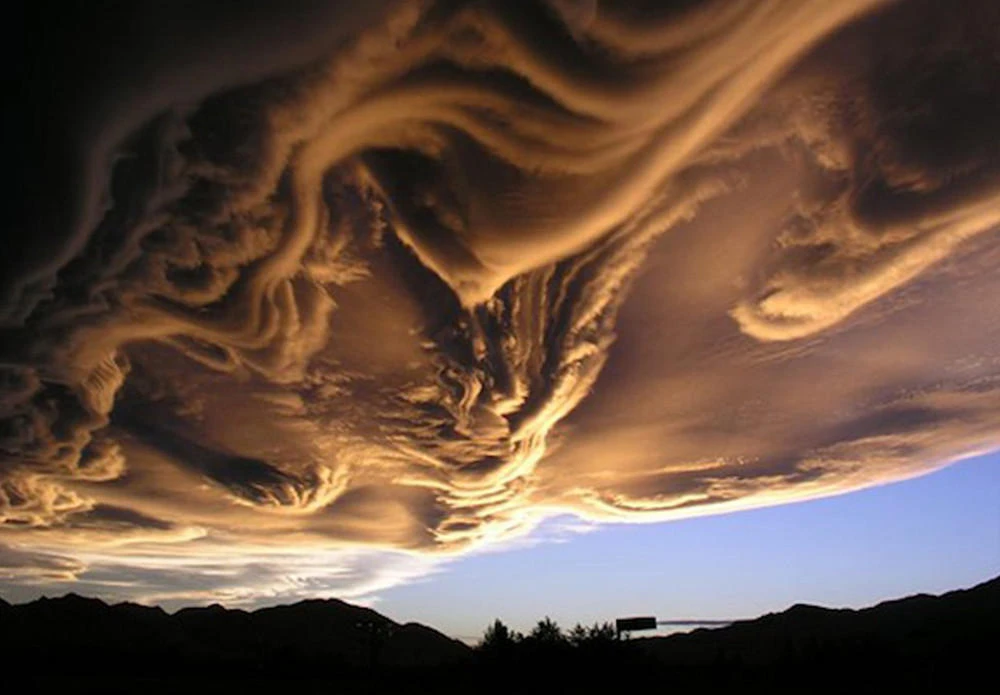
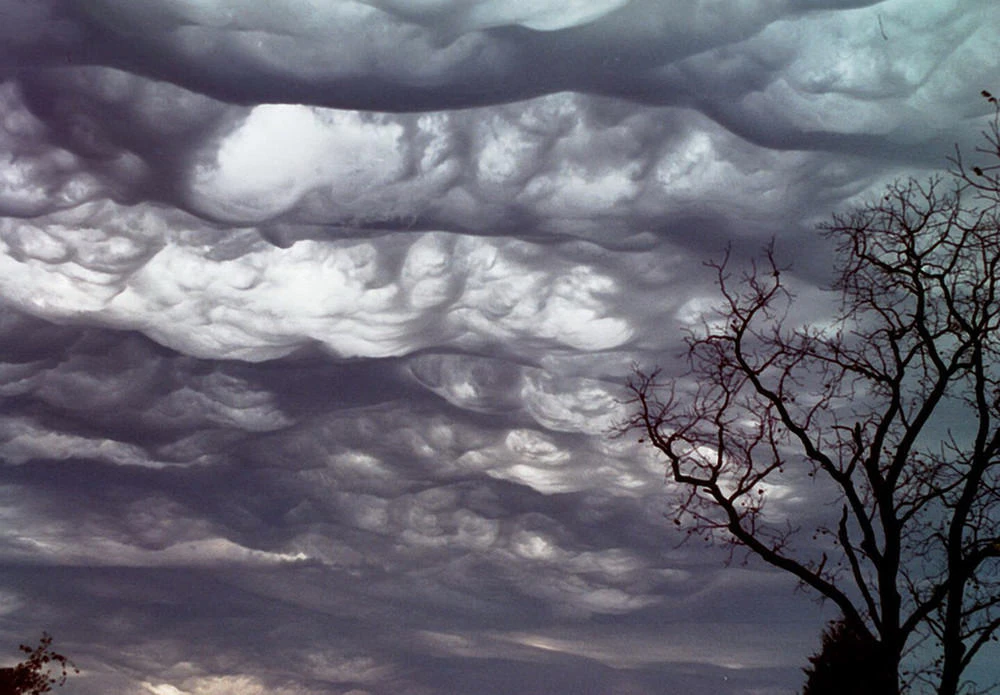
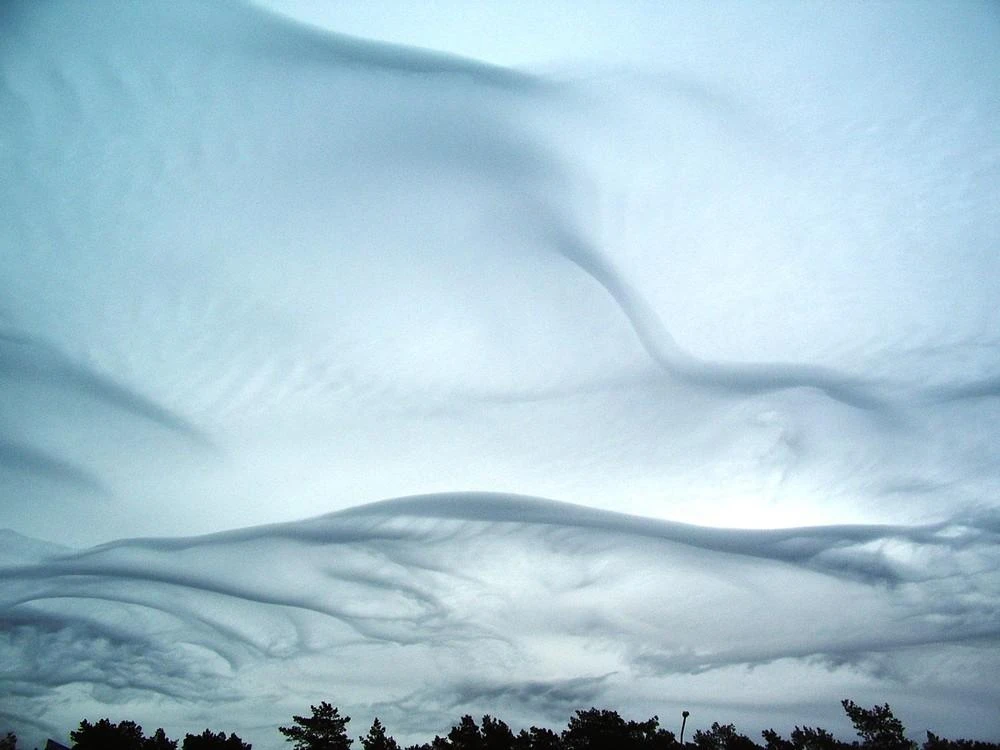
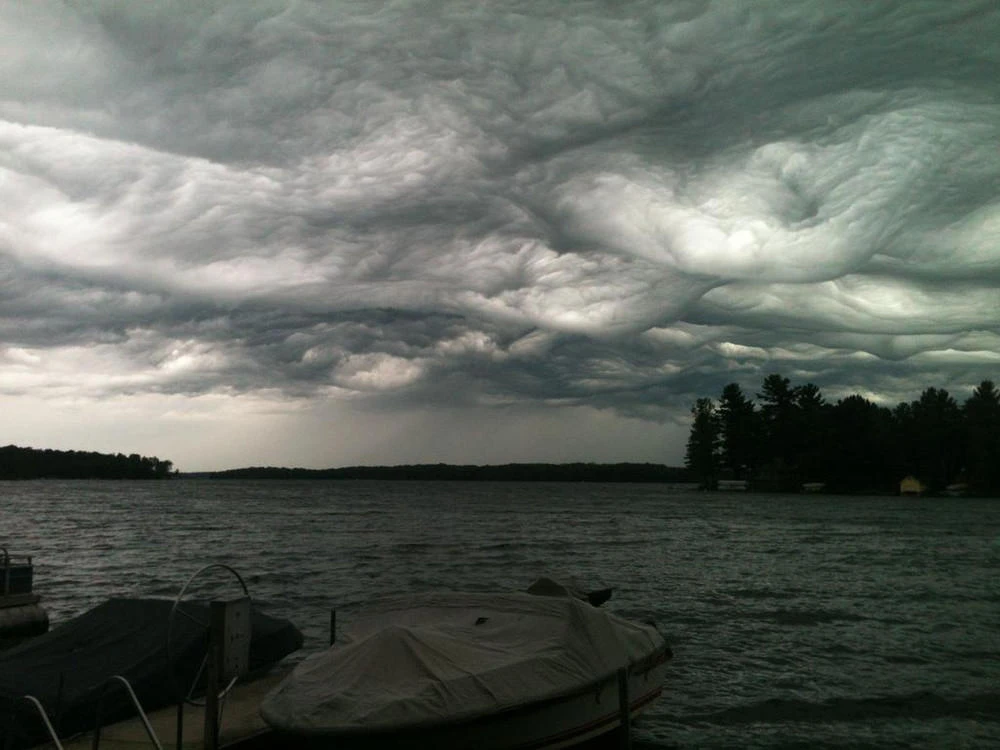
Asperatus: The World's Most Terrifying Clouds (20 Photos)
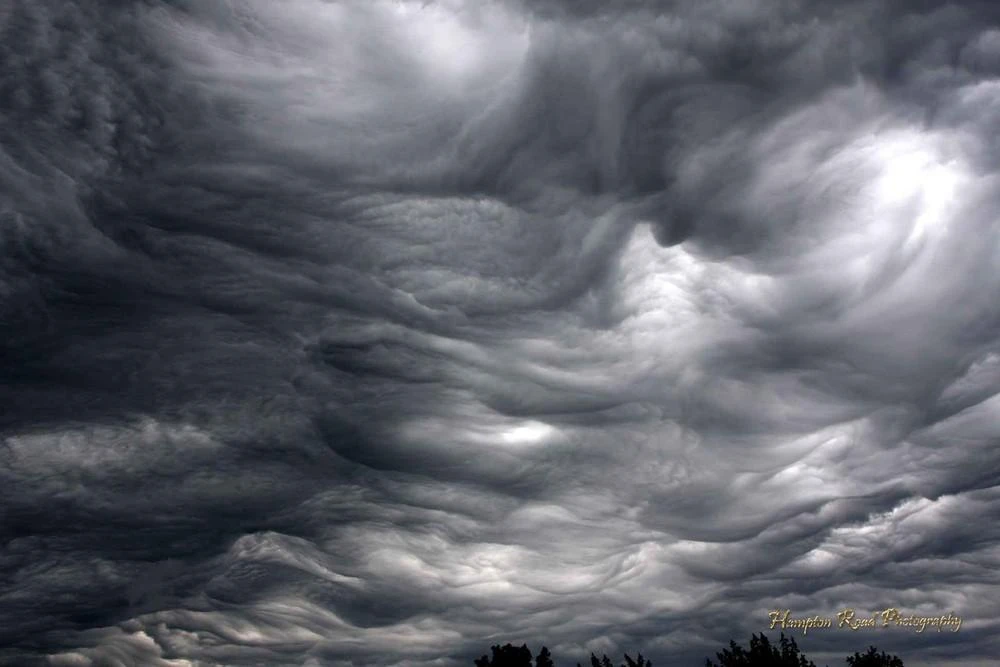
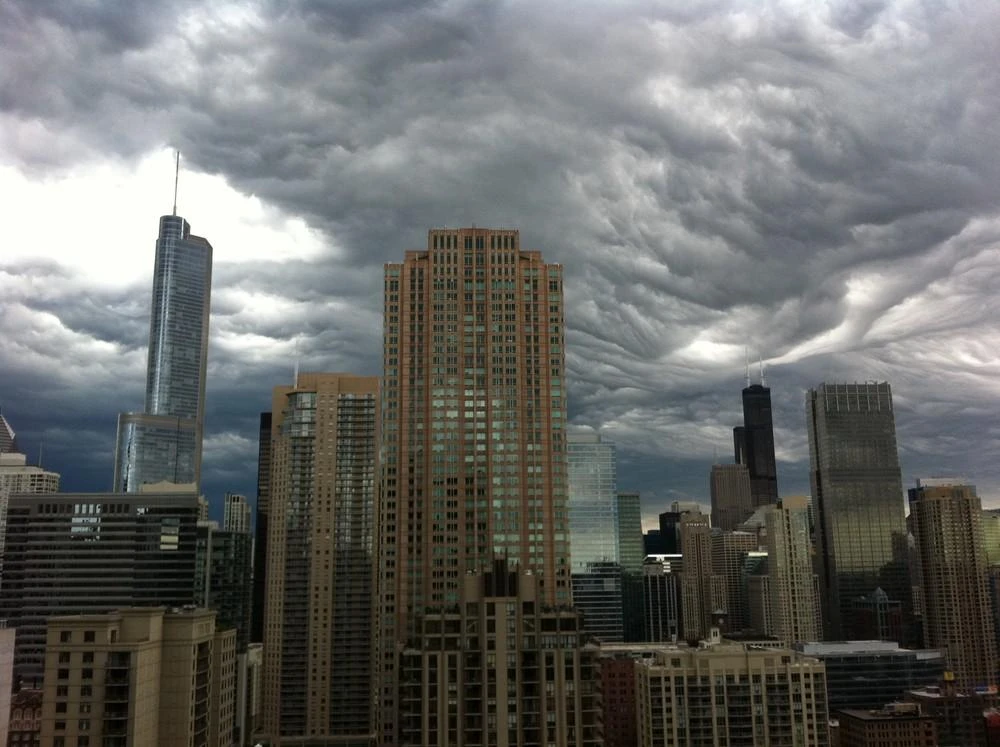
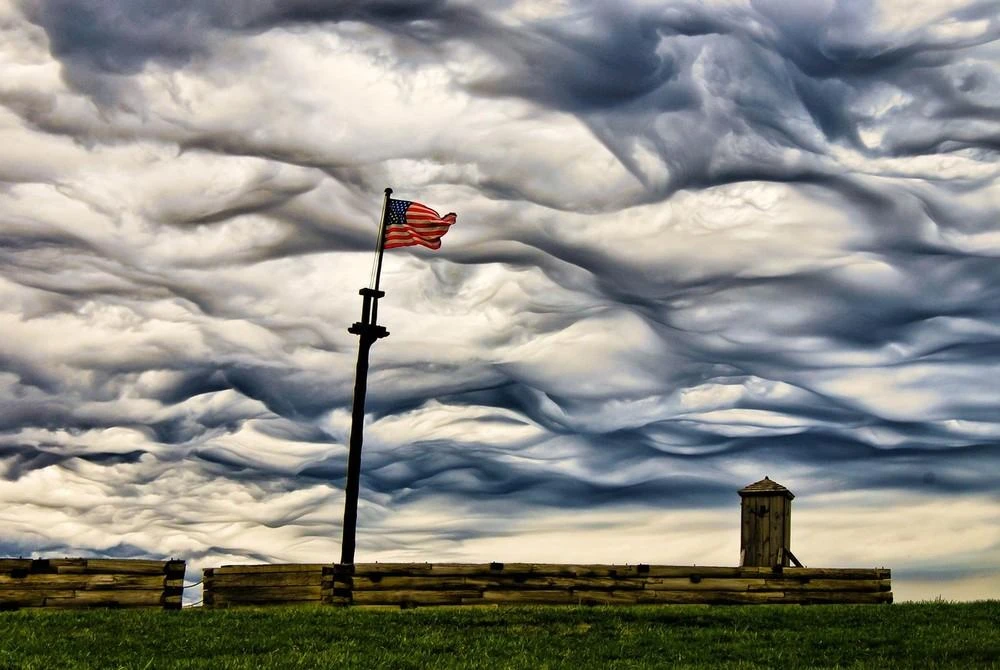
The power of nature is limitless, and it doesn't always take disaster or destruction to remind us of that—sometimes, all it takes is looking up. Undulatus asperatus, also known simply as asperatus, is a rare, ominous-looking cloud formation that was proposed as a distinct cloud classification in 2009. 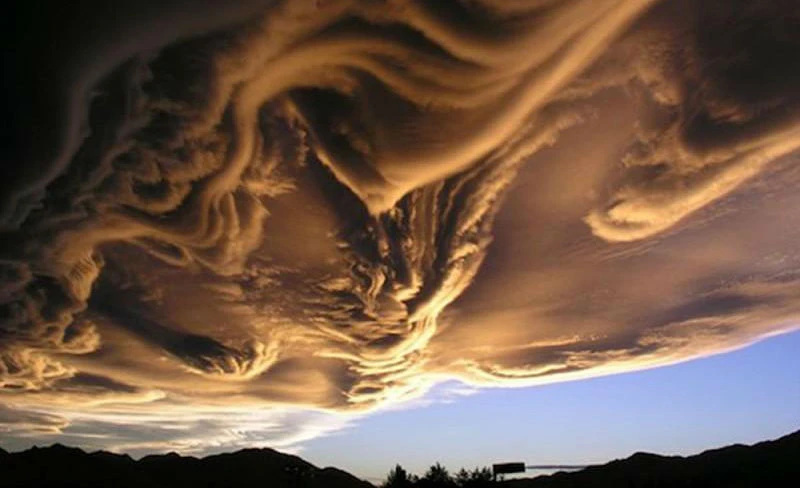
Scientists noted that asperatus clouds began appearing far more frequently at the turn of the 21st century. Despite their menacing appearance, these clouds rarely bring severe thunderstorms or gales, unlike their close relatives in the undulatus family. 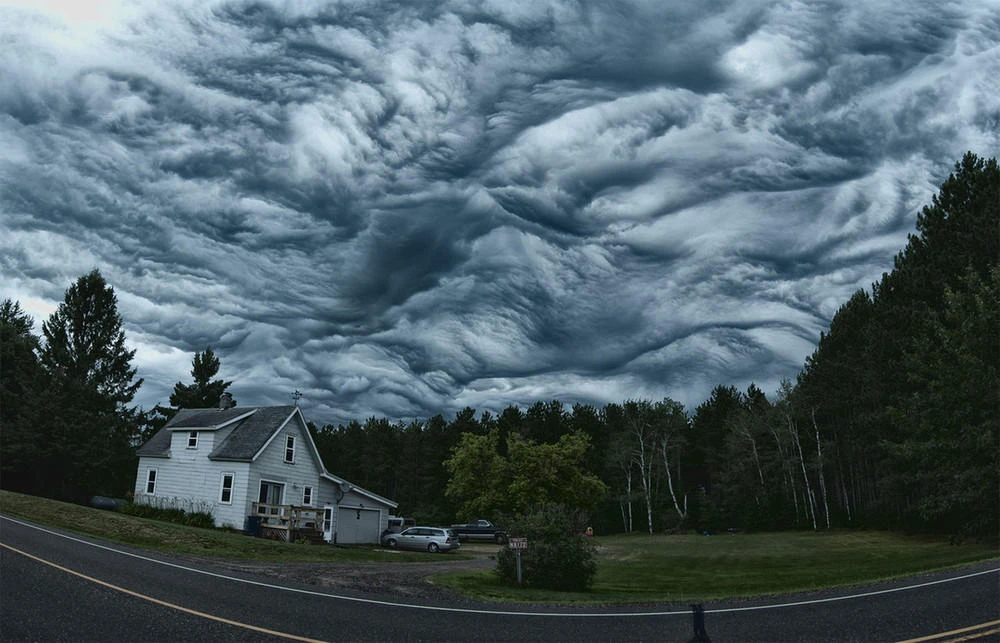
The Origins of the Menacing Asperatus Clouds
Literally translated, Undulatus asperatus means "roughened" or "agitated" waves. Though officially recognized only recently, meteorologists in Great Britain and New Zealand first recorded them back in the 1950s. These sinister clouds are particularly common in the United States, where they are most frequently spotted during morning and midday hours. 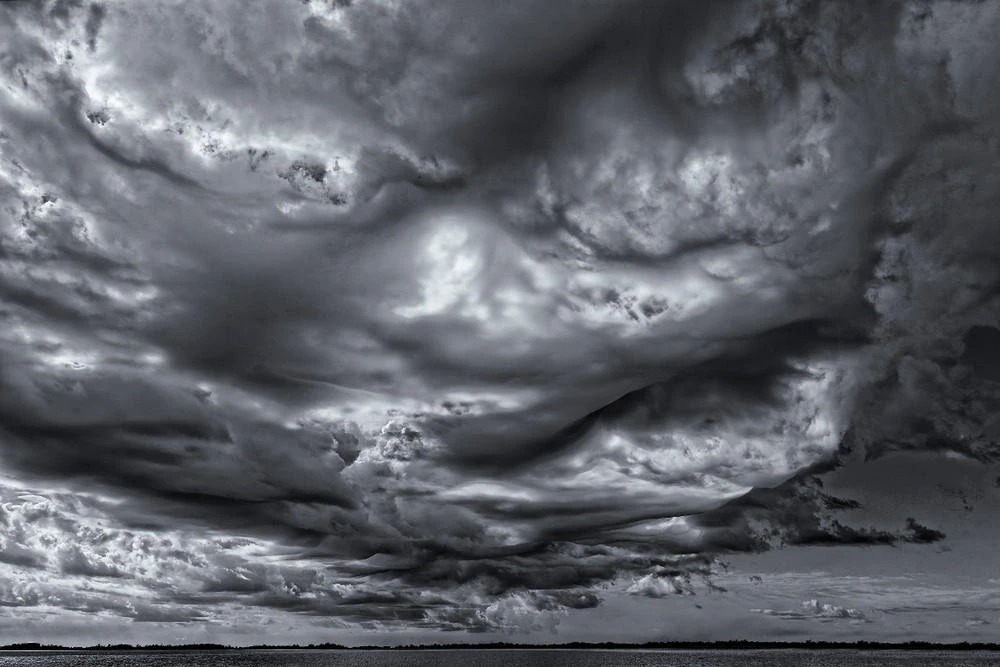
Even though more than half a century has passed since this striking phenomenon was first documented, scientists still haven't reached a consensus on precisely how these undulating, lumpy clouds form, though they have drawn several key conclusions. 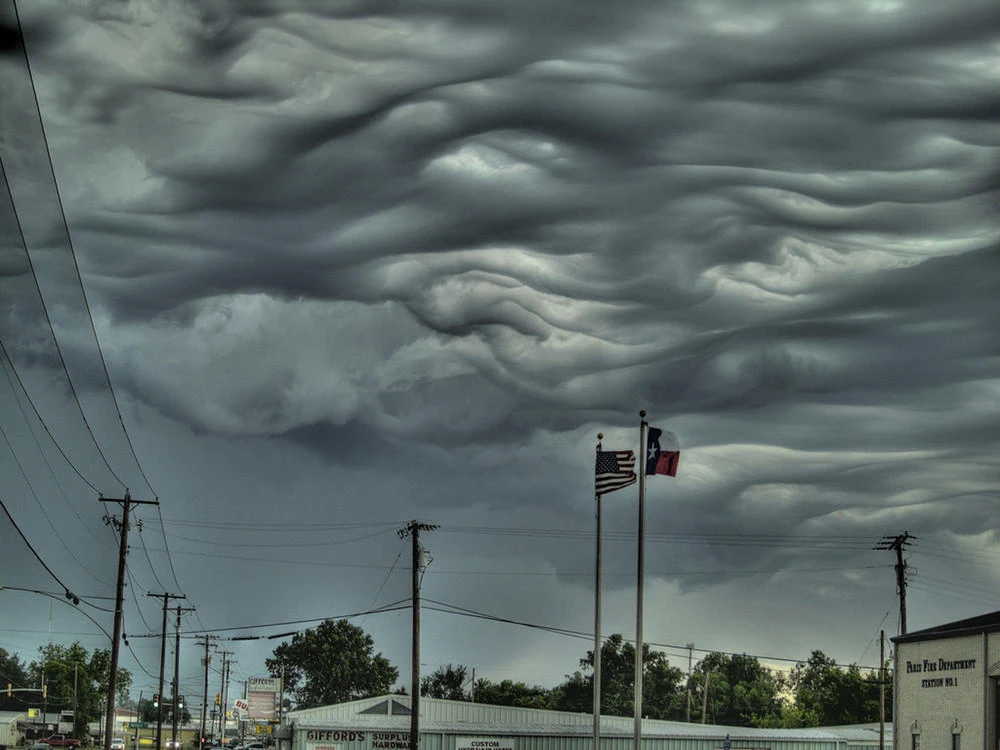
First and foremost, meteorologists couldn't ignore the fact that asperatus clouds were virtually unseen prior to the mid-20th century. Over time, sightings became increasingly frequent, peaking in the current century. This trend strongly suggests that atmospheric changes have taken place, paving the way for this extraordinary phenomenon. 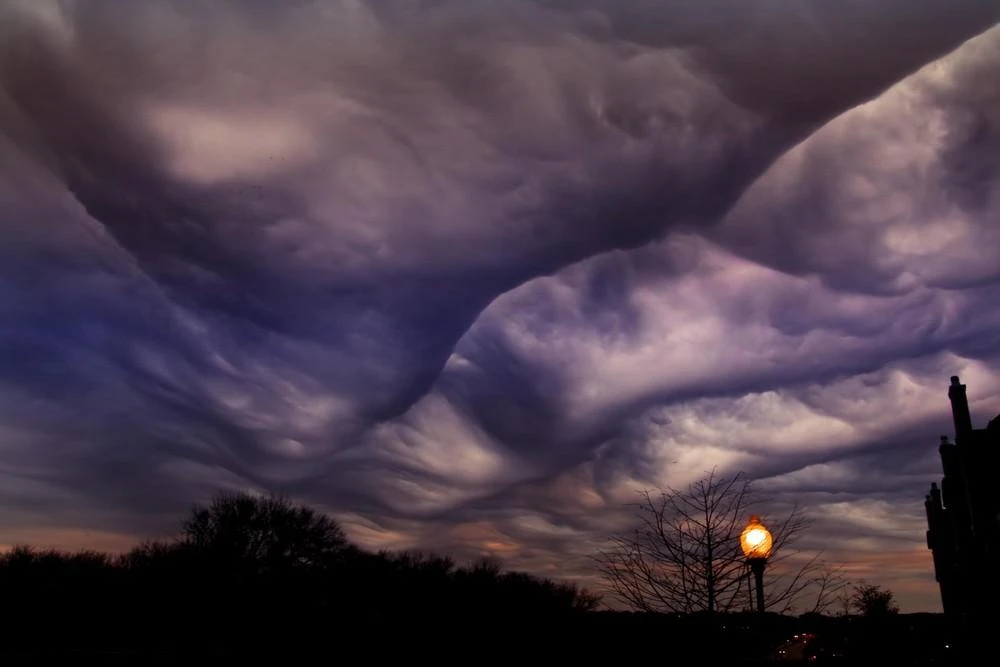
Analyzing the color and structure of these clouds, meteorologists concluded that they contain substantial amounts of water vapor, meaning their formation requires considerable energy and heat. While researchers have yet to fully pinpoint the exact source of this energy, they have noted that this fascinating phenomenon develops exclusively around mountains and hills, which disrupt the major air masses moving from west to east. 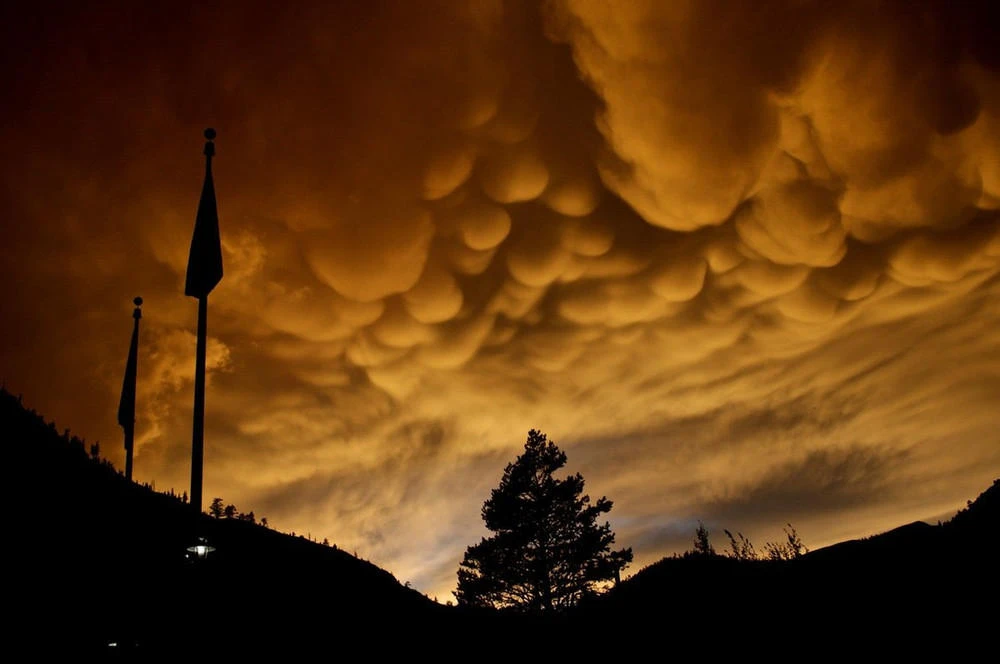
This airflow creates both vertical and horizontal currents, generating multi-layered clouds that span two atmospheric levels at once, taking on characteristics of both stratus and cumulus clouds. 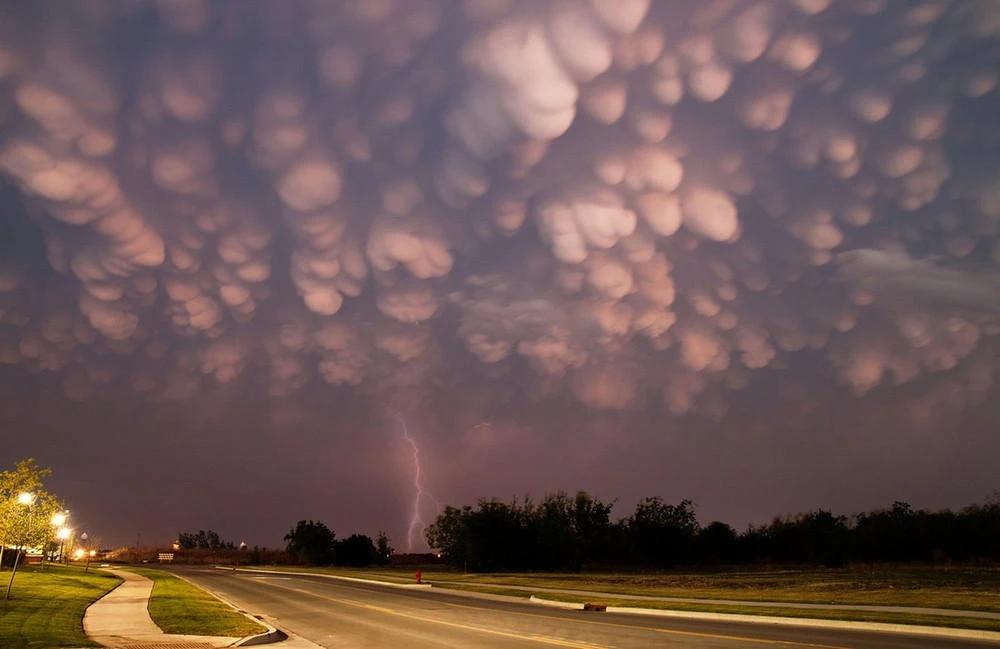
Thanks to their passage over mountainous terrain, these unusual clouds can maintain their distinct shape for extended periods and across considerable distances downwind from the ridges. 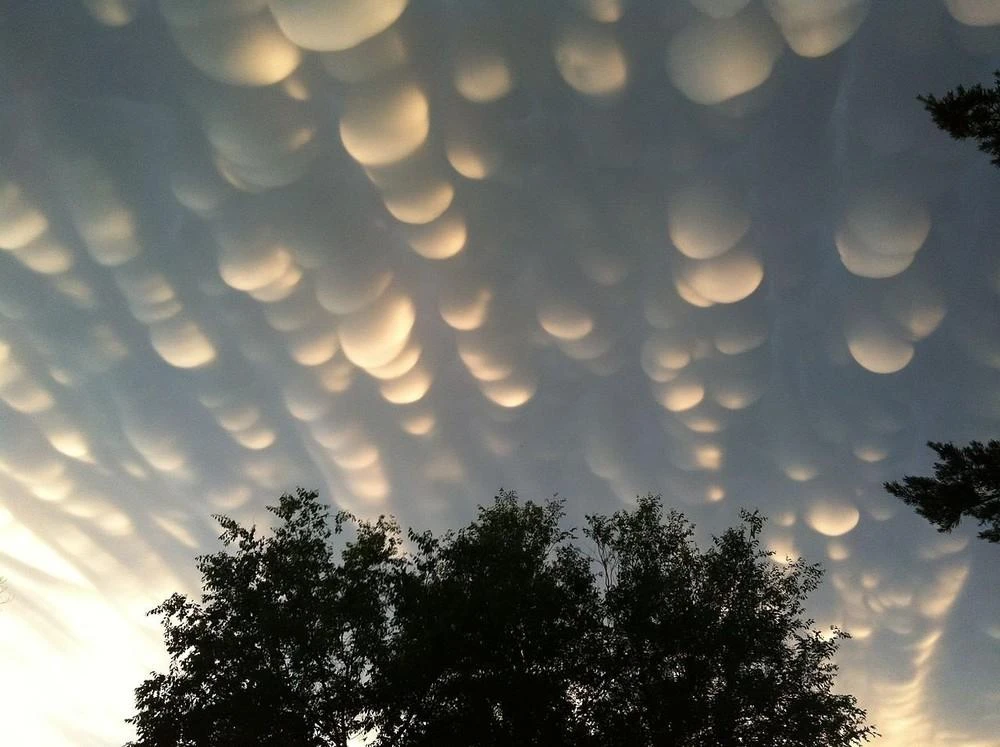
Studying the Asperatus Phenomenon
Scientists hypothesize that this phenomenon likely occurs when warm air masses collide with cold ones between the middle and lower layers of the atmosphere, provided there is an abundance of condensed water vapor. They also haven't ruled out the impact of increasingly intense human environmental activity in recent years. 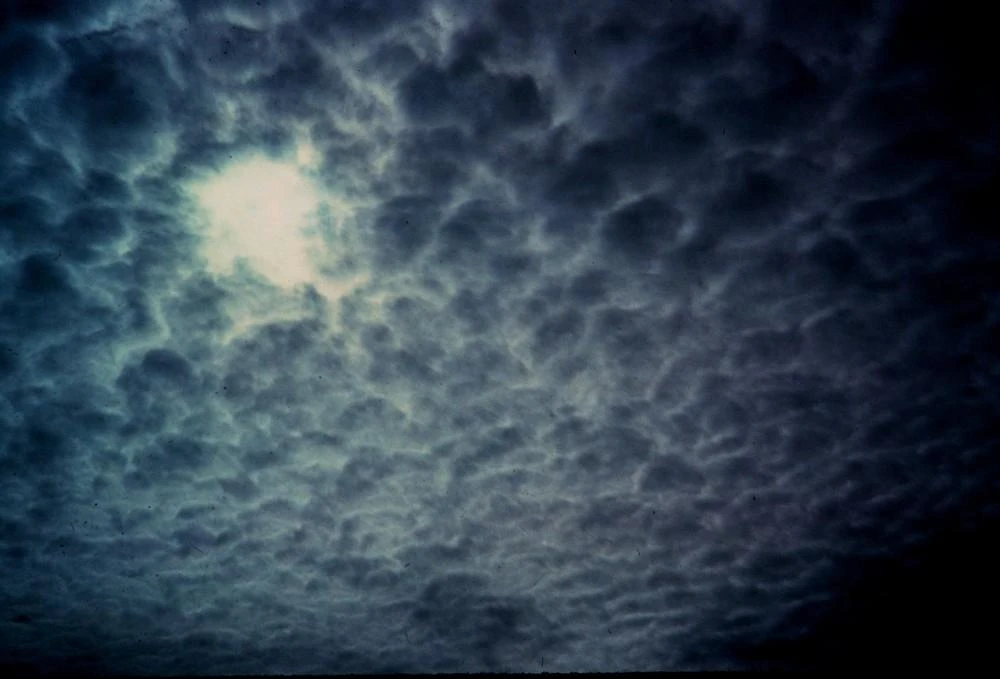
Meteorologists noticed that while most cloud types have a flat base, undulating asperatus clouds feature a distinct vertical structure instead. This key difference led researchers to suggest that this captivating phenomenon may be linked to:
Lenticular clouds — forming near mountains along the crests of atmospheric waves or between two layers of air. Remarkably, regardless of wind speed, they remain completely stationary on the leeward side of mountains, behind ridges, or over isolated peaks;
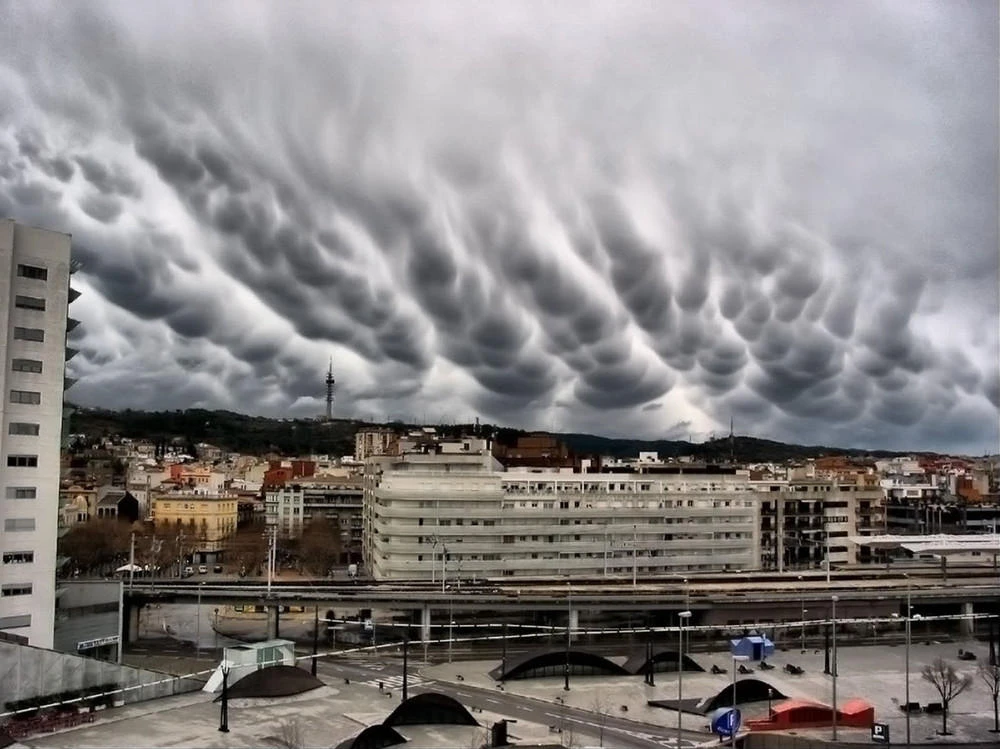
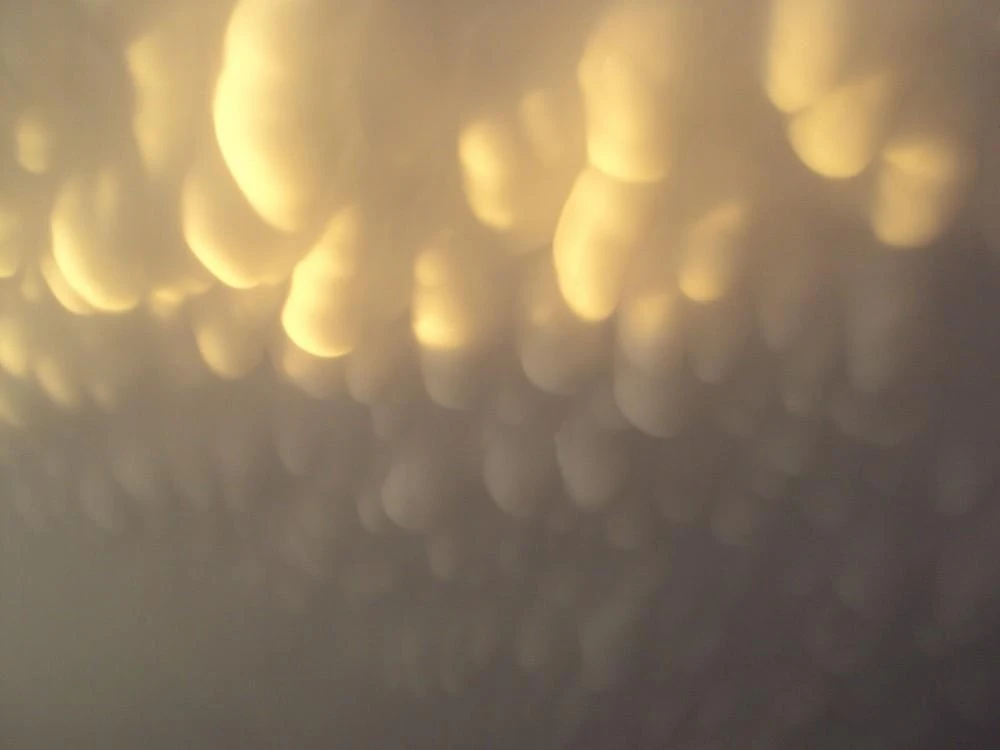
Mammatus clouds — primarily observed in tropical latitudes. The underside of mammatus clouds features a unique pouch-like or cellular structure, with individual cells measuring about 500 meters across; while usually sharply defined, their edges can sometimes appear diffuse. These clouds are mostly grayish-blue, but sunlight can give them a striking golden or reddish hue;
Foehn winds — strong, dry air currents that sweep rapidly down mountain slopes, driving clouds along with them. As the air descends, its temperature rises by 1 °C for every 100 meters. A foehn wind descending from a height of 2.5 kilometers warms by 25 degrees, becoming remarkably warm—even hot—and shaping the clouds' appearance. 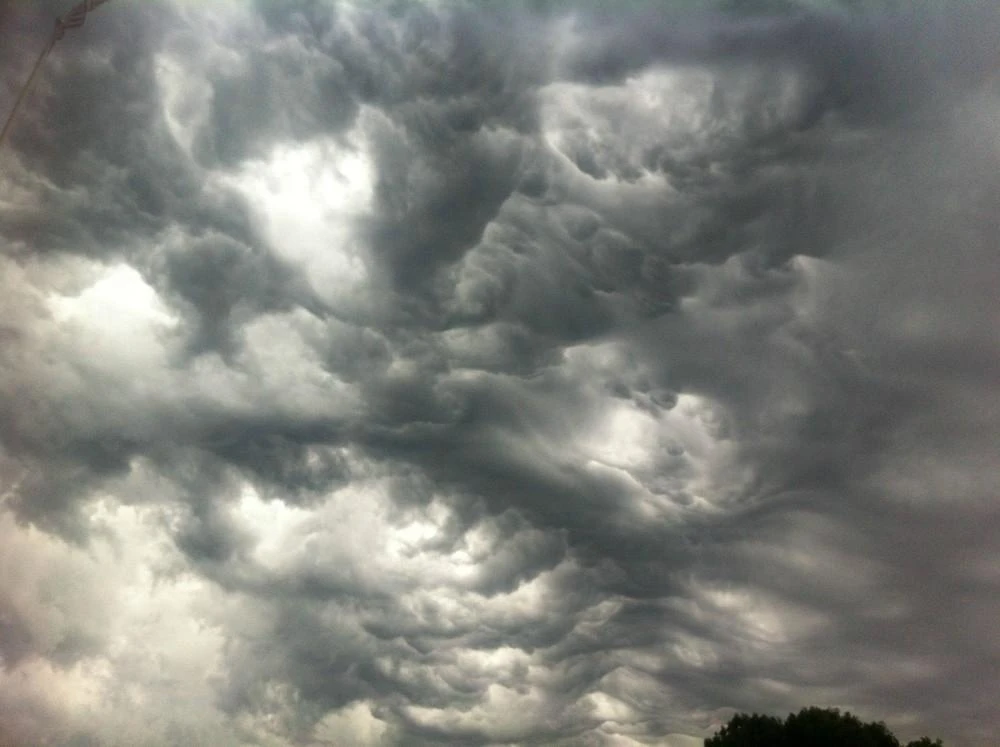
Should You Be Worried When Asperatus Clouds Appear?
Despite their menacing appearance, scientists reassure us there is no need to fear asperatus clouds. They actually form in a calm atmosphere as air masses pass over mountain ranges. 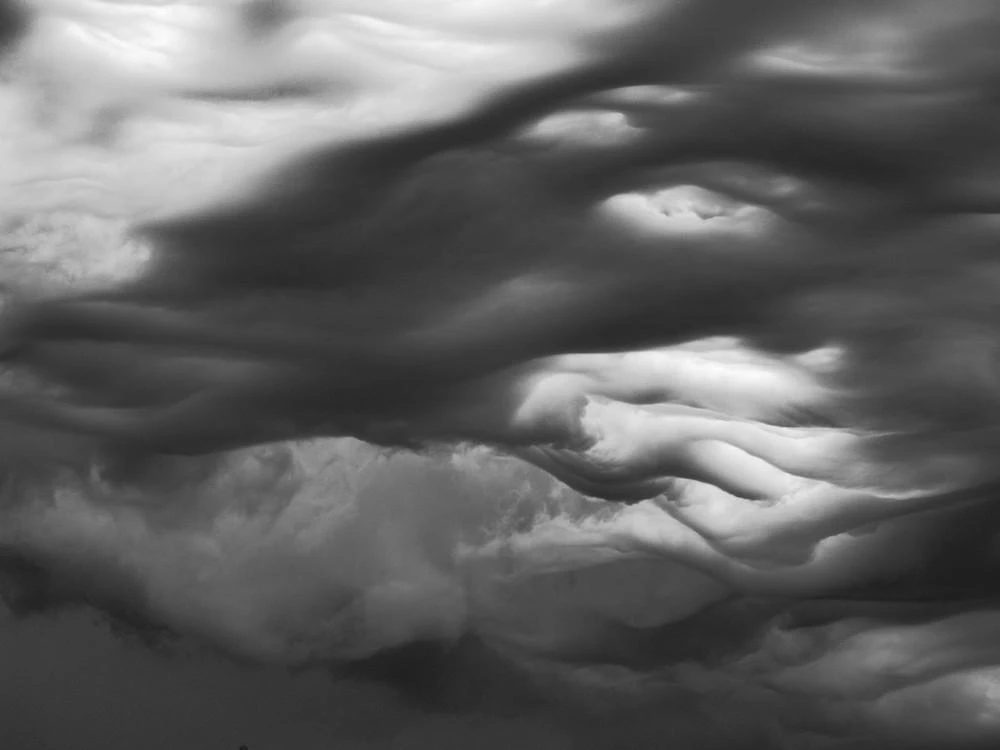
If you happen to look up and spot these extraordinary clouds—gloriously ominous yet breathtakingly beautiful—there's no need to run for cover expecting a downpour. Instead, grab a camera and capture this natural wonder on film.