20 of the Best Accidental Inventions in History (20 Photos)
Kyiv cake, Viagra, dynamite, and LSD. Believe it or not, all of these—and many more—were created entirely by accident! 
Accidental inventions are always a pleasant surprise, even if they spark tricky questions like "What if?" or "Will this actually catch on?" Sometimes, the success of a happy accident can stun even the most hapless inventor who thought they had failed. Countless everyday items owe their existence to pure chance or sheer absurdity. Take these 20 discoveries, for instance: they might have been born from mistakes, but without them, the world would be a very different place. 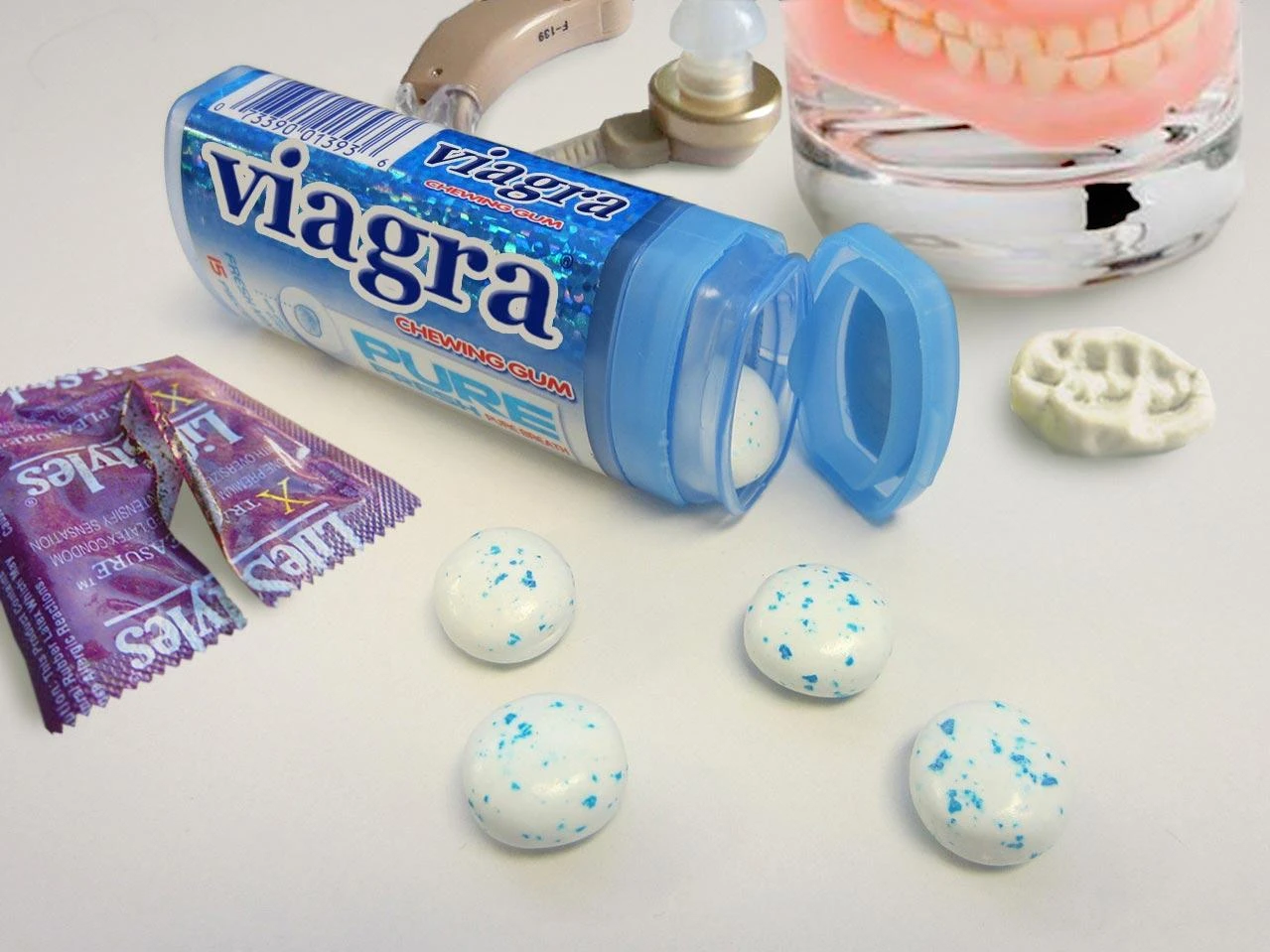
1. Viagra
Pfizer was simply trying to develop a medication for heart disease. Clinical trials in 1992 revealed that the new drug was useless for treating heart conditions. However, it had an unexpected side effect: the compound significantly increased blood flow to the pelvic region. And just like that, Viagra was born. 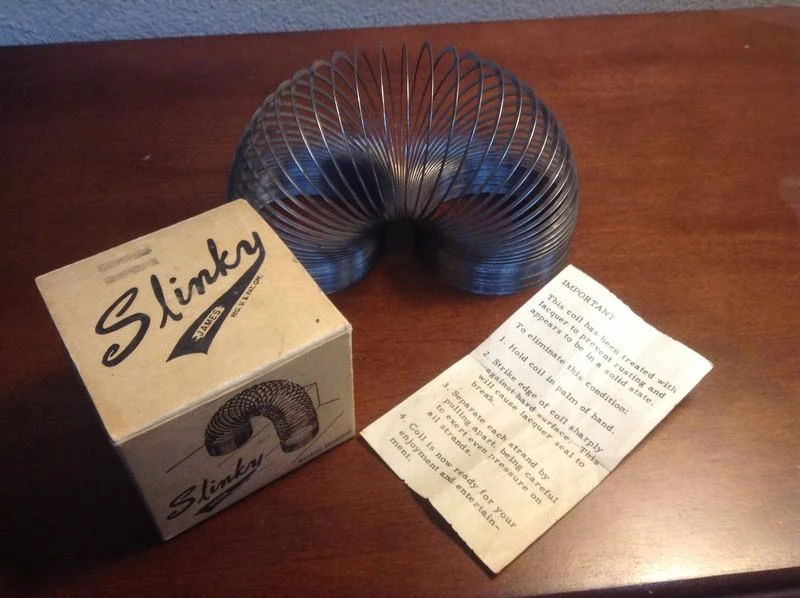
2. The Slinky
Almost everyone loves this classic toy. Regardless of what you called it growing up, the invention was a complete accident. Naval engineer Richard James was working on a meter to measure horsepower. As he was experimenting with tension springs, he accidentally knocked one off his desk. The spring dropped to the floor and began "walking"—and the Slinky was born. 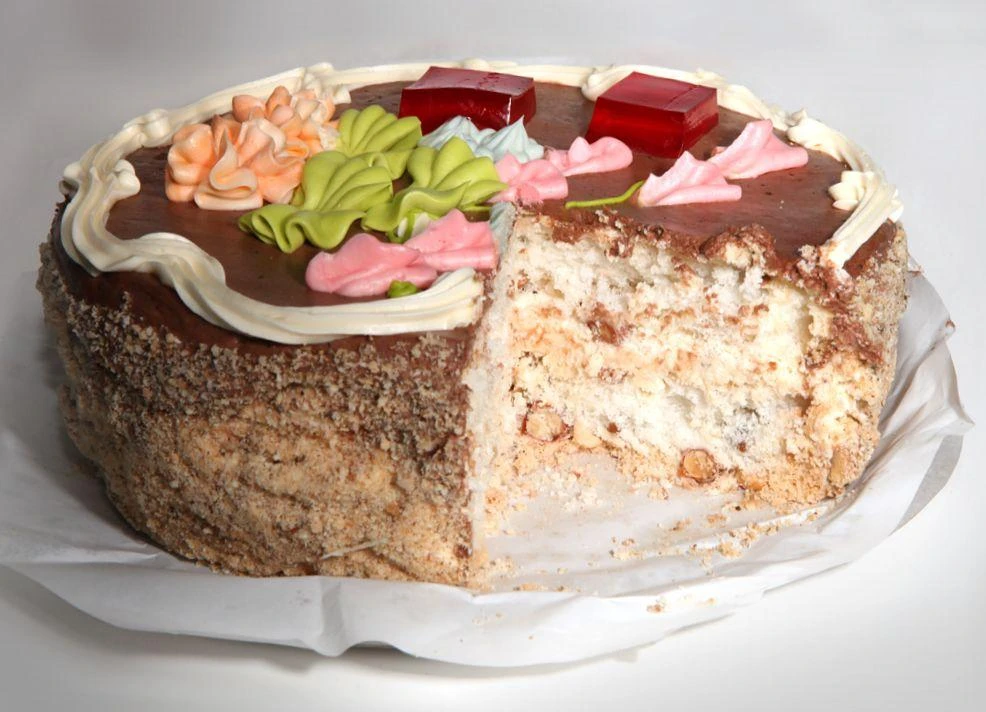
3. Kyiv Cake
One day, bakers accidentally left a batch of egg whites out of the refrigerator overnight. The next morning, team lead Konstantin Petrenko and his 17-year-old assistant baker, Nadiya Chornohor, decided to cover up their colleagues' mistake. Taking a risk, they layered the hardened meringue cakes with buttercream, dusted them with vanilla sugar, and decorated the top with floral patterns. Thus was born the precursor to the legendary cake that would become Kyiv's signature delicacy for decades to come. 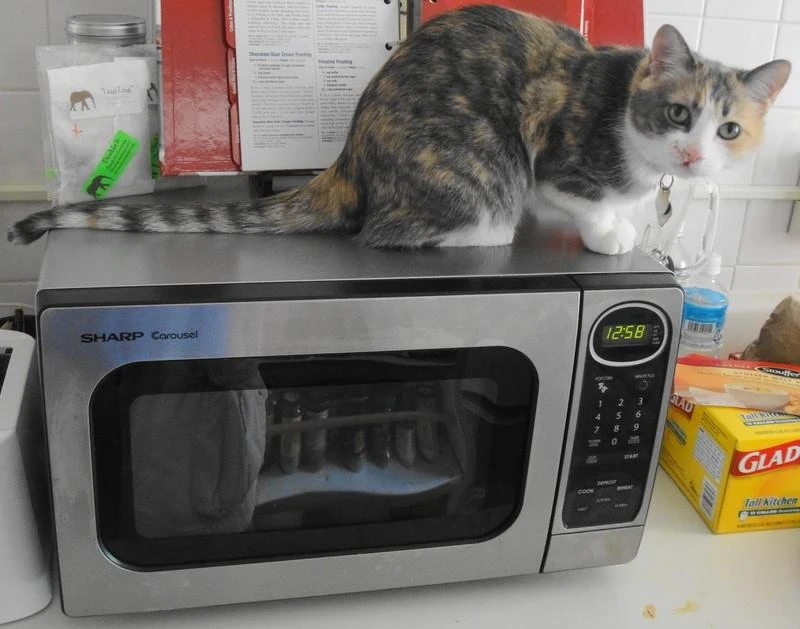
4. The Microwave Oven
What would we do without microwaves? Yet they might never have existed if not for one scientist’s fateful candy bar. Percy Spencer was an engineer at Raytheon, testing radar equipment, when he noticed something extraordinary. The microwaves emitted by the equipment had melted the chocolate bar in his pocket. To test his theory, he placed popcorn kernels near the active magnetron, and they began to pop. The era of the microwave oven had officially begun. 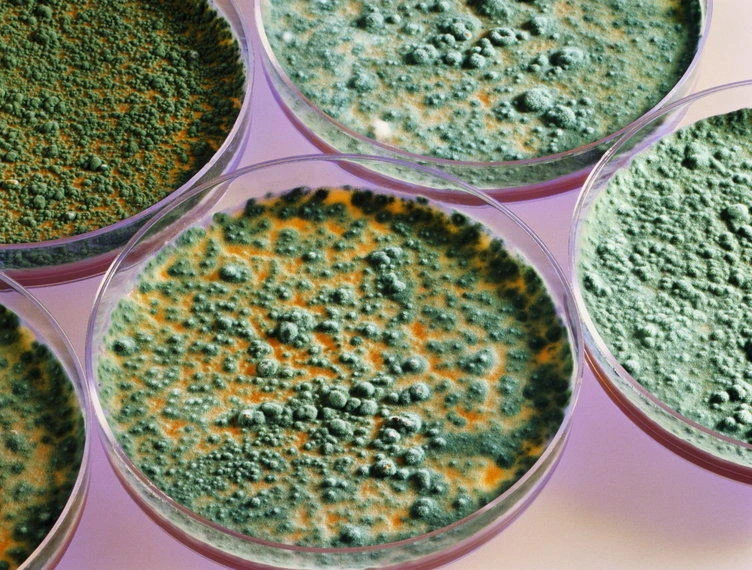
5. Penicillin
Penicillin is the ultimate classic accidental discovery. British bacteriologist Alexander Fleming virtually lived in his lab, even eating at his desk. Cleaning up, however, was not high on his priority list. While researching staphylococcus bacteria, he made a groundbreaking discovery: one of his culture plates had been destroyed by mold spores, which covered almost every surface in his cluttered lab. Realizing he was onto something big, Fleming analyzed the mold and discovered penicillin—a compound that went on to save countless millions of lives. 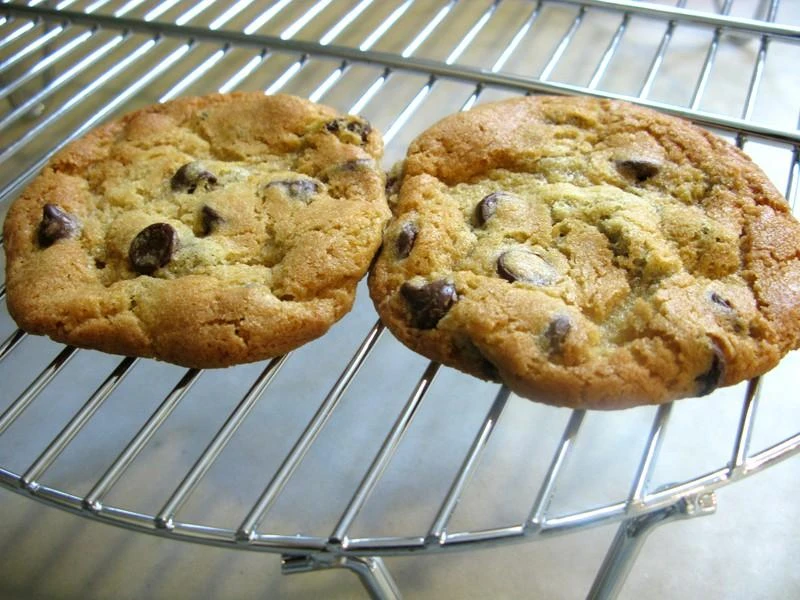
6. Chocolate Chip Cookies
This delicious treat was another happy accident! It was invented by Ruth Wakefield, owner of the Toll House Inn. While baking chocolate cookies one day, Ruth realized she was out of baker's cocoa. Instead, she chopped up a bar of Nestlé chocolate and mixed the chunks straight into the dough, expecting them to melt. The chocolate held its shape instead, giving birth to the iconic chocolate chip cookie. 
7. Vulcanized Rubber
Here's another substance we can't imagine modern life—or the automotive industry—without. Charles Goodyear made the discovery entirely by accident while trying to stabilize natural rubber by mixing it with magnesia, lime, and nitric acid, none of which worked. But after mixing rubber with sulfur and accidentally dropping the compound onto a hot stove, he produced a durable, elastic rubber suitable for everything from balls to car tires. Goodyear perfected the process and patented it in 1844, naming it after Vulcan, the Roman god of fire. 
8. Potato Chips
George Crum was working as a chef at a restaurant in New York when he created the world's first potato chips—all thanks to a notoriously fussy customer. The diner kept sending back his fried potatoes, complaining they weren't thin or crispy enough. Annoyed by the constant complaints, Crum sliced the potatoes paper-thin and fried them until they were extra crisp. To his surprise, the customer loved them and asked for more. 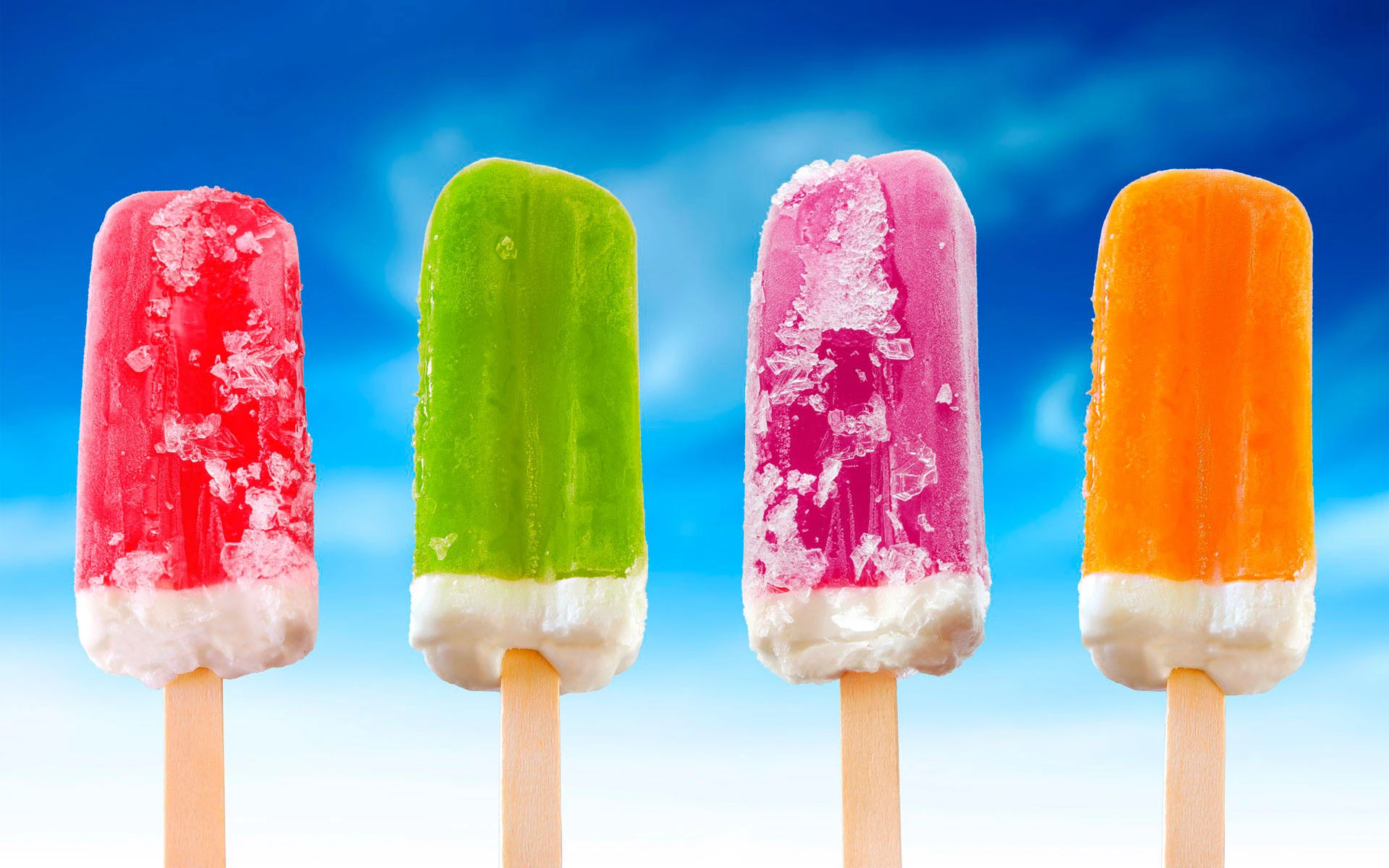
9. Popsicles
Popsicles are loved by millions around the world, but few know that their creator was just 11 years old when he invented them in 1905. Frank Epperson had mixed powdered soda mix with water in a cup and accidentally left it outside overnight in freezing weather, complete with the stirring stick still inside. When he found the frozen treat the next morning, he tasted it and fell in love with his discovery.
He shared it with his friends and promptly forgot about it, only resurrecting his "invention" 18 years later. He patented the treat as "Epsicles," which eventually paved the way for mass production. Today, store shelves are filled with countless varieties of frozen juice pops and ice bars derived from that one chilly accident. 
10. Post-it Notes
These colorful little pads changed office and school life forever. Dr. Spencer Silver, a scientist at 3M, was trying to develop a super-strong adhesive. Instead, he accidentally created the exact opposite: a light adhesive that stuck lightly to surfaces without bonding tightly. A colleague later came up with the idea of applying the adhesive to small slips of paper, creating the ubiquitous sticky notes used across the globe today. 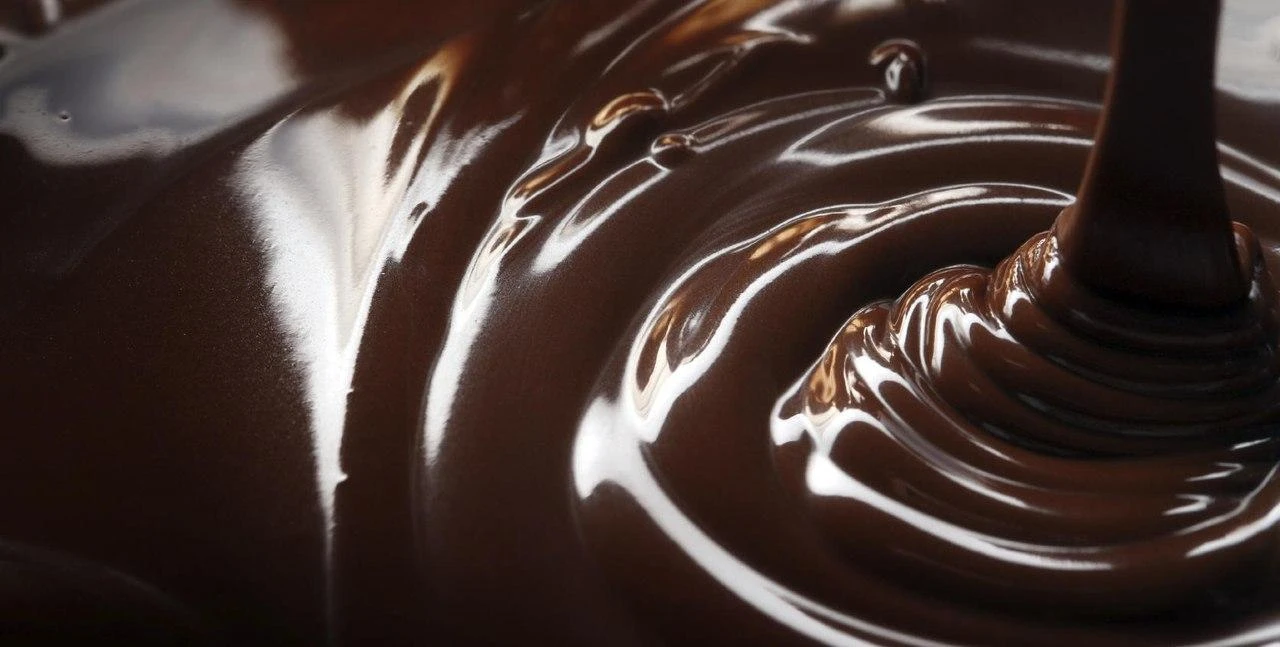
11. Nutella
In the early 20th century, Italian pastry chef Pietro Ferrero made chocolates to sell at local fairs. One blistering summer day, his chocolate treats melted before he could sell them. Determined not to lose his investment, Pietro spread the gooey chocolate paste onto loaves of bread—and accidentally laid the groundwork for Nutella. Today, the Ferrero company is one of the most profitable confectionery brands on Earth. 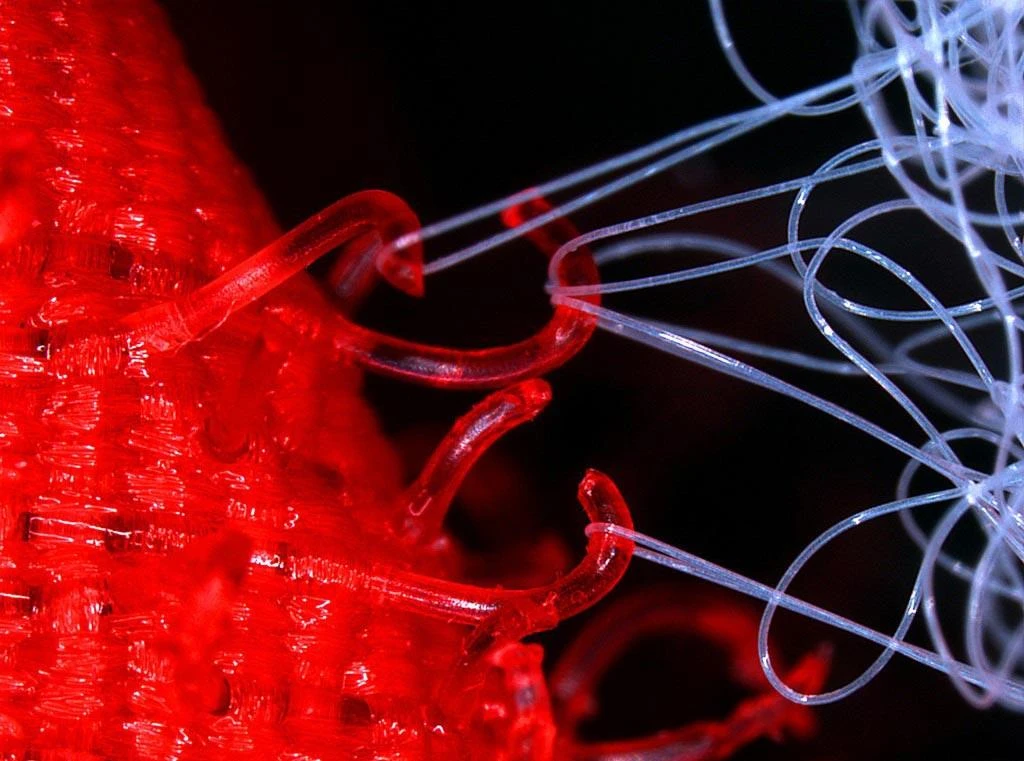
12. Velcro
In 1941, Swiss engineer George de Mestral took his dog for a walk in the Alps. Upon returning home, he noticed burrs clinging stubbornly to his clothes and his dog's fur. Examining them under a microscope, he saw tiny hooks that caught on the fabric loops. Inspired by nature, he invented Velcro. The fastener's popularity exploded after NASA adopted it for astronaut suits, leading to widespread use in everyday clothing and footwear. 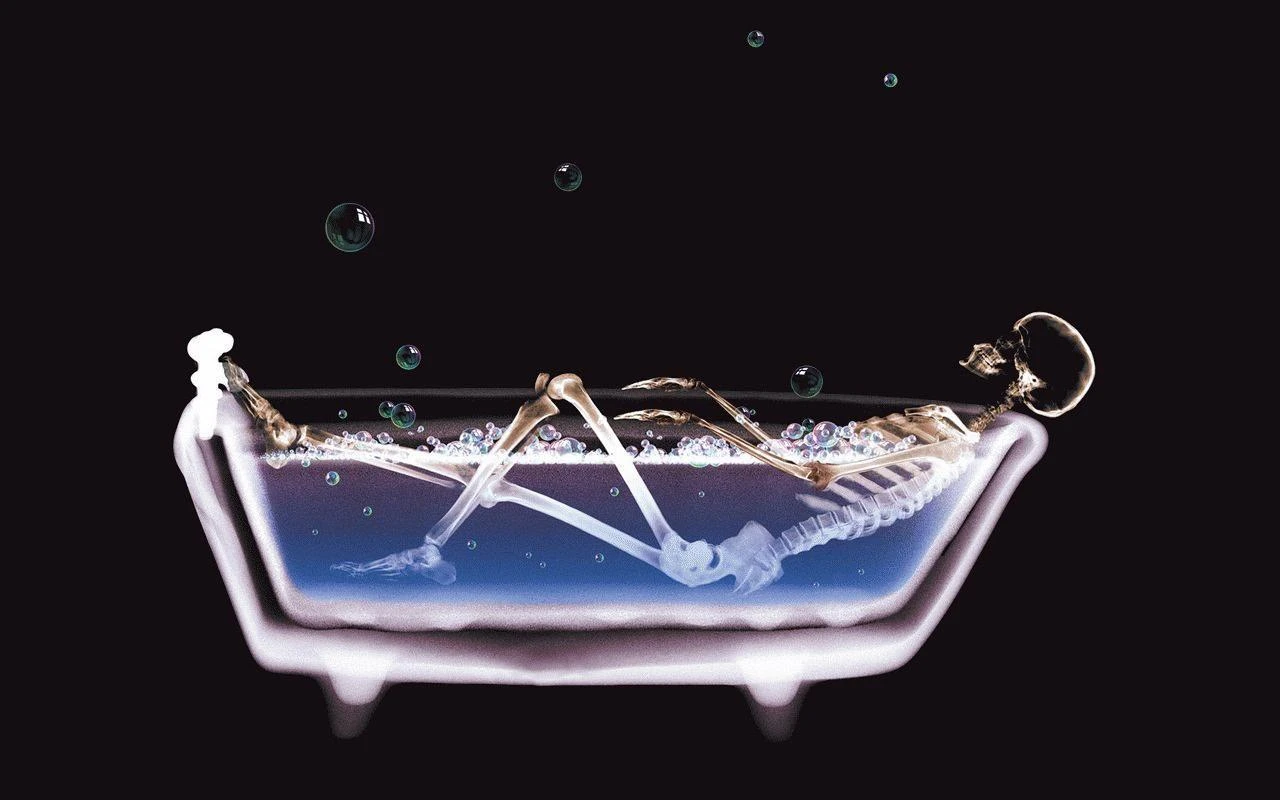
13. X-Rays
In 1895, Wilhelm Röntgen accidentally placed his hand in front of a cathode-ray tube and saw the shadow of his bones projected onto a fluorescent screen. He realized that the invisible rays passed through soft tissues but were blocked by denser materials like bone. A few months later, he captured the famous X-ray image of his wife’s hand. Had it not been for Röntgen’s sharp observation, modern medicine would lack one of its vital diagnostic tools. 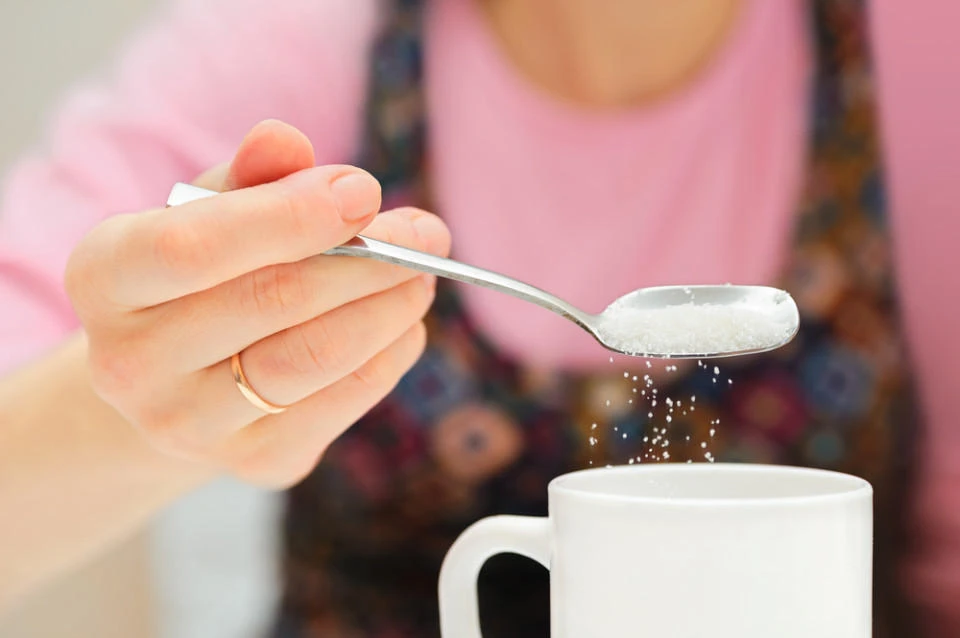
14. Artificial Sweeteners (Saccharin)
Saccharin, the artificial sweetener used in products like Sweet'N Low, is several hundred times sweeter than sugar. It was discovered by chemist Constantine Fahlberg while researching coal tar derivatives. After a long day in the lab, he forgot to wash his hands before dinner. When he picked up a bread roll, he noticed it tasted intensely sweet—as did everything else he touched. He rushed back to the lab and tested his compounds until he found the source. Fahlberg patented saccharin in 1884, paving the way for low-calorie sugar substitutes for diabetics. 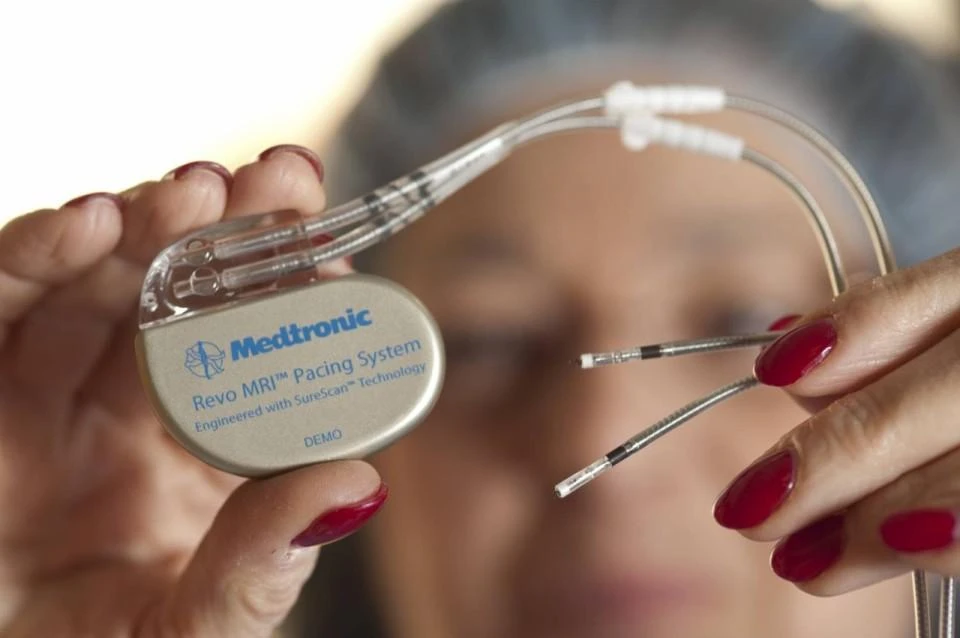
15. The Pacemaker
In 1956, Wilson Greatbatch was building a device to record heart rhythms. After accidentally pulling the wrong resistor out of his toolbox, he noticed the circuit emitted rhythmic electrical pulses. Realizing that electrical stimulation could help regulate an irregular or weak heartbeat, he refined the design. In May 1958, the first successful pacemaker prototype was successfully tested. 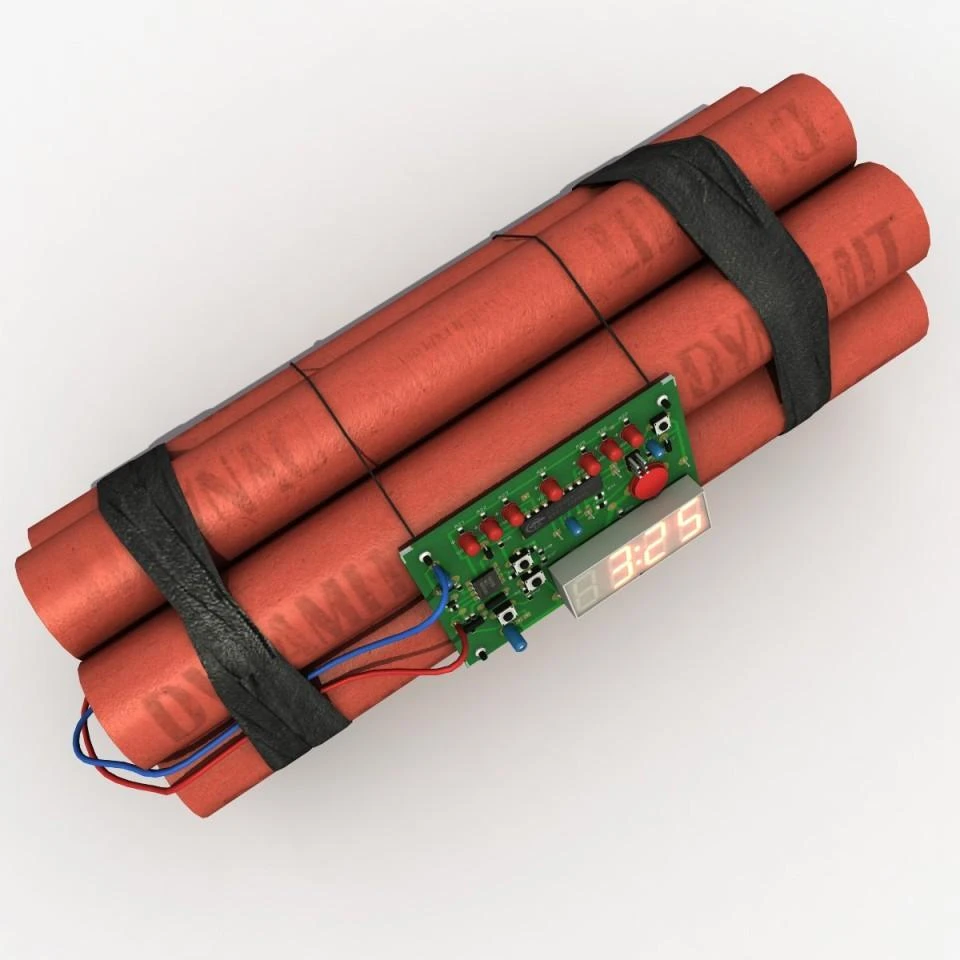
16. Dynamite
Nitroglycerin was widely used as an explosive, but it had a major flaw: it was notoriously volatile and dangerous. While handling nitroglycerin in his lab, Alfred Nobel accidentally dropped a vial. To his surprise, it didn't explode—the liquid was safely absorbed by a mixture of sawdust and sediment on the floor. Realizing that mixing nitroglycerin with an inert substance made it stable and safe to transport, Nobel developed dynamite. 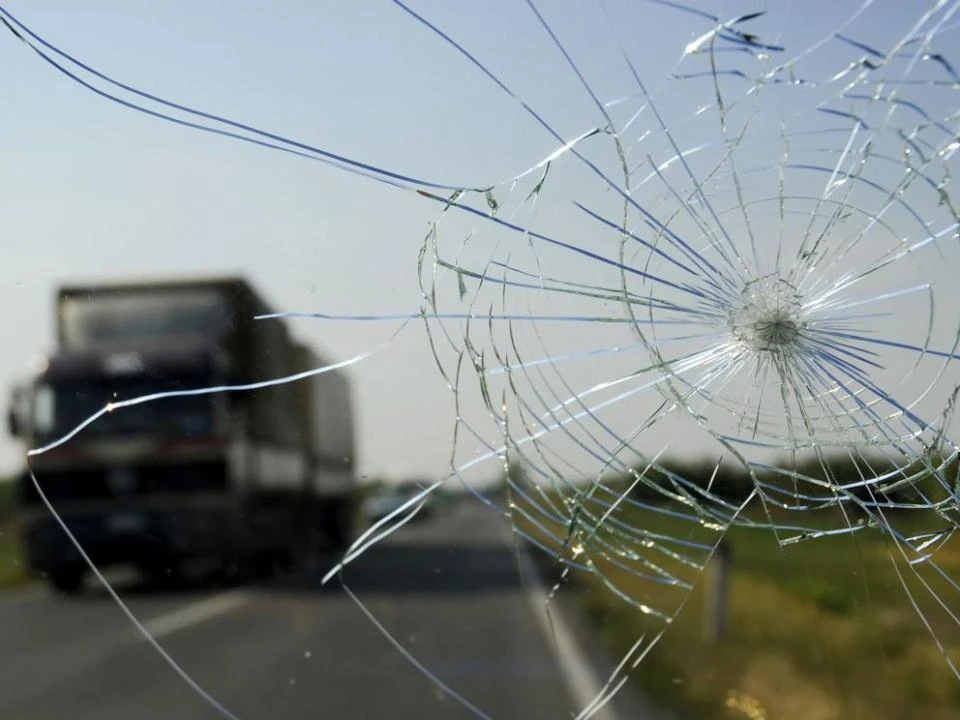
17. Safety Glass
In 1903, French scientist Édouard Bénédictus accidentally knocked a glass flask onto the floor. The flask shattered, but the glass fragments stayed bonded together. He discovered that a leftover coating of liquid cellulose nitrate inside had acted as a protective film. This accidental breakthrough led to the development of safety glass, now essential for windshields, safety goggles, and modern architecture. 
18. Play-Doh
This famous modeling compound was created by Noah McVicker as a cleaner for soot-stained wallpaper in coal-heated homes. When washable vinyl wallpaper hit the market, sales plummeted. However, McVicker's sister-in-law, a nursery school teacher, discovered that children loved using the pliable dough for arts and crafts. After removing the cleaning agents and adding bright dyes, the product was rebranded as Play-Doh—and a classic toy was born. 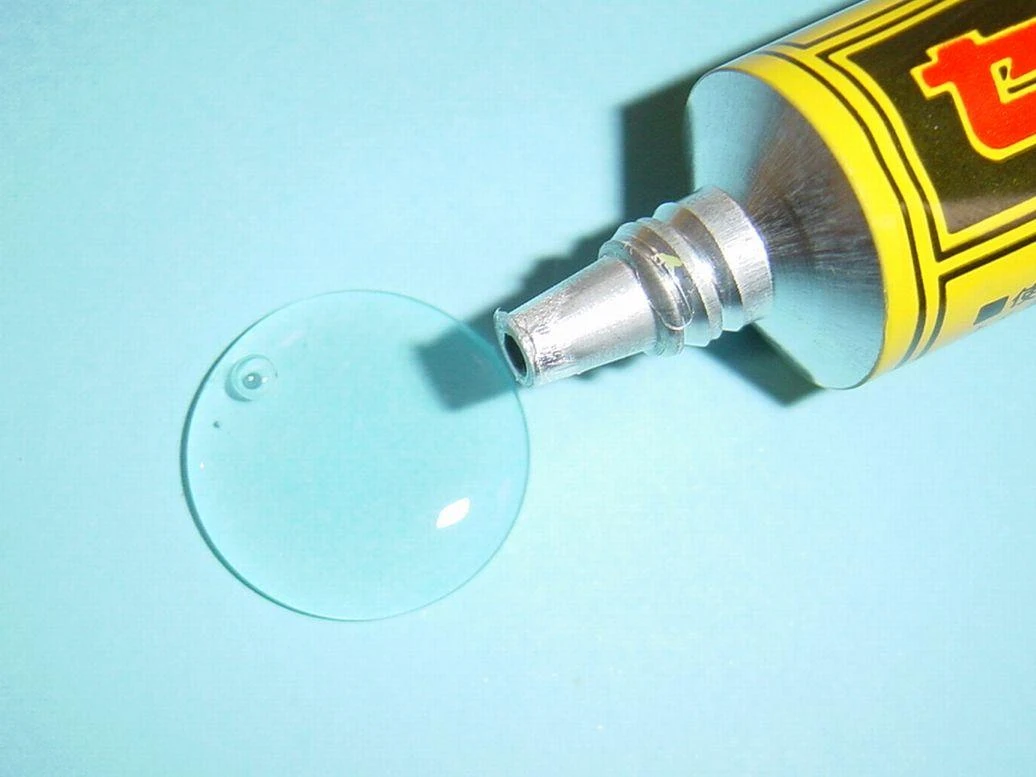
19. Super Glue
Super glue has become an essential household item for fixing broken treasures. Scientifically known as cyanoacrylate, it was discovered during World War II by researchers searching for clear plastics for gun sights. The compound was deemed useless because it stuck to everything it touched. Years later, its instant bonding power was recognized, even being used during the Vietnam War to seal wounds on the battlefield before hitting consumer markets.
20. LSD
The counterculture revolution of the 1960s might have looked very different without "acid." In 1943, Swiss chemist Albert Hofmann was researching lysergic acid derivatives—compounds synthesized from an ergot fungus—for pharmaceutical use. During his experiments, he accidentally absorbed a tiny amount through his fingertips and experienced the world's first hallucinogenic "trip." Intrigued, Hofmann conducted a self-experiment on April 19, 1943, marking the first intentional dose of LSD.