The Woman Who Invented American Beauty: Photographer Louise Dahl-Wolfe and Her 22 Years at Harper’s Bazaar (17 Photos)
Louise Dahl-Wolfe built her first photo enlarger herself out of a tin can, an apple crate, and a chocolate box lid. Without a single day of formal photography training or a single class to her name, she relied entirely on sheer determination and a passion for experimentation. Years later, she would become the lead photographer for Harper’s Bazaar and completely revolutionize fashion shoots. Here is the story of how a self-taught artist from San Francisco grew into a visionary who inspired the likes of Richard Avedon and Irving Penn. 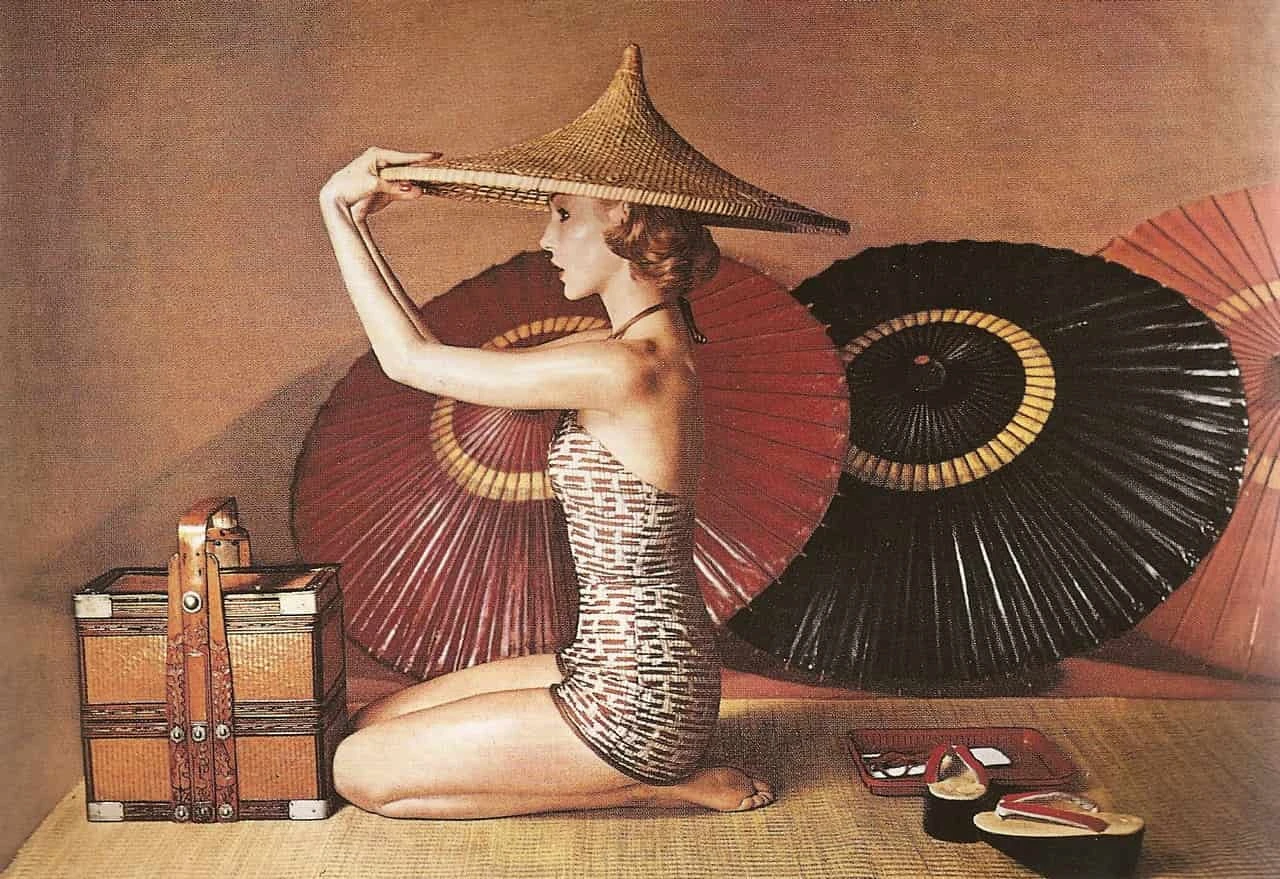
From Sign Design to Photography
Louise Emma Augusta Dahl was born on November 19, 1895, in San Francisco to Norwegian immigrants, the youngest of three daughters. In 1914, she enrolled at the California School of Design (now the San Francisco Art Institute), where she spent six years studying design, painting, and anatomy under Rudolph Schaeffer and Frank Van Sloun.
After graduating, Louise began working in interior and sign design. In 1923, while taking courses in architecture and decoration at Columbia University in New York, she earned a living, but found little joy in her work.
“That’s when I got interested in photography,” she later recalled, “because I was terribly bored.” 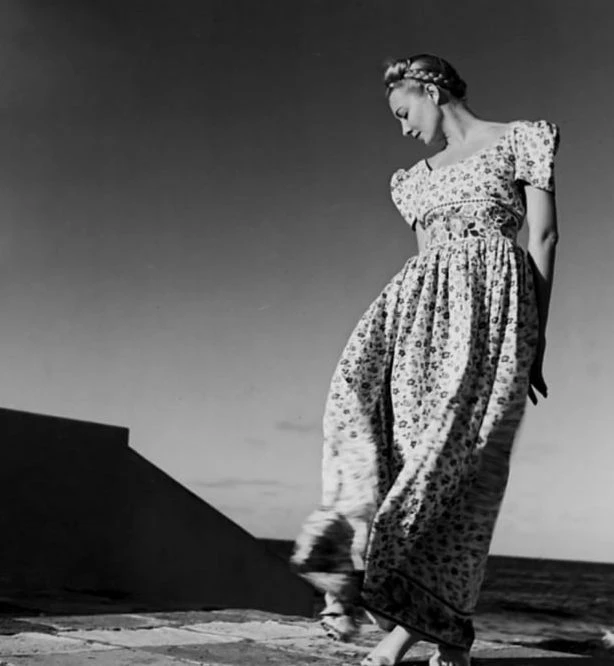
Liz Gibbons, 1941 — one of Dahl-Wolfe's early works for Bazaar
The turning point came in 1921 when she met photographer Anne Brigman, who inspired her to take up the camera in earnest. That was when she crafted her makeshift enlarger—a tin can, an apple box, and a chocolate box lid serving as a reflector. No classes, no formal instruction, just pure trial and error.
Tennessee, Vanity Fair, and the Road to New York
In the early 1930s, Louise and her husband, sculptor Meyer Wolfe, spent several months living in Tennessee's Great Smoky Mountains. Louise photographed their neighbors—capturing the faces and daily lives of the local residents. It was there that she took a portrait of an elderly local woman, a shot that would go down in history as "Tennessee Mountain Woman." 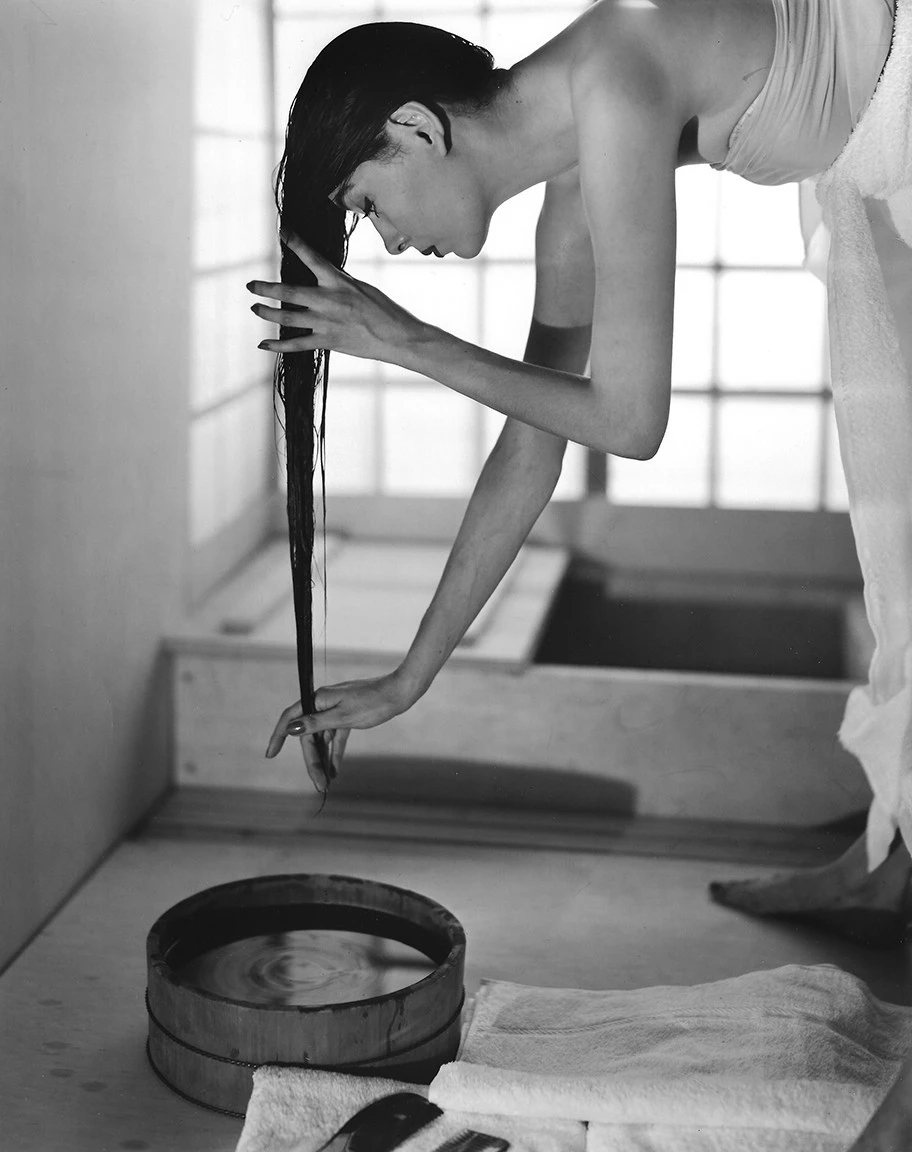
Japanese Bath, 1954 — a later work, taken after leaving Bazaar
In November 1933, the photograph was published in Vanity Fair under the headline "The Smoky Mountaineer." It was more than a mere portrait—it captured something raw, candid, and unspoken. The publication opened doors: that same year, Louise and Meyer moved to New York City, where she set up a studio at the corner of Sixth Avenue and 57th Street. She would work out of this studio until 1960. 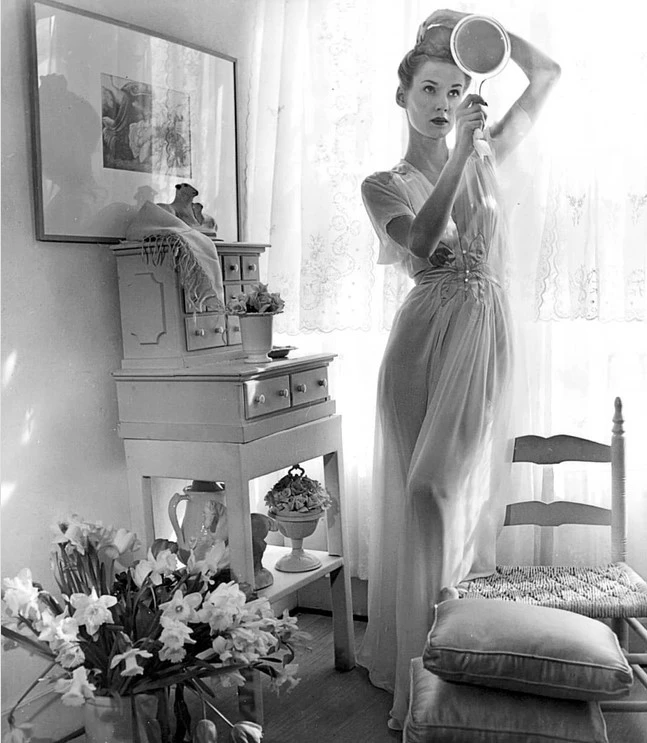
Boudoir, 1940 — featuring Dahl-Wolfe's signature use of natural light
Before joining Harper’s Bazaar, she shot commercial work for department stores like Bonwit Teller and Saks Fifth Avenue. It was these color photographs—distinguished by natural light, relaxed poses, and a painterly palette—that caught the eye of editor Carmel Snow.
The Team That Transformed Fashion Magazines
In 1936, Carmel Snow hired Louise as a staff photographer for Harper’s Bazaar. Dahl-Wolfe was 40 at the time. "From the moment I saw her color photographs, I knew Bazaar should look like that," Snow later wrote in her memoirs, quoted in the 2005 biography "A Dash of Daring." 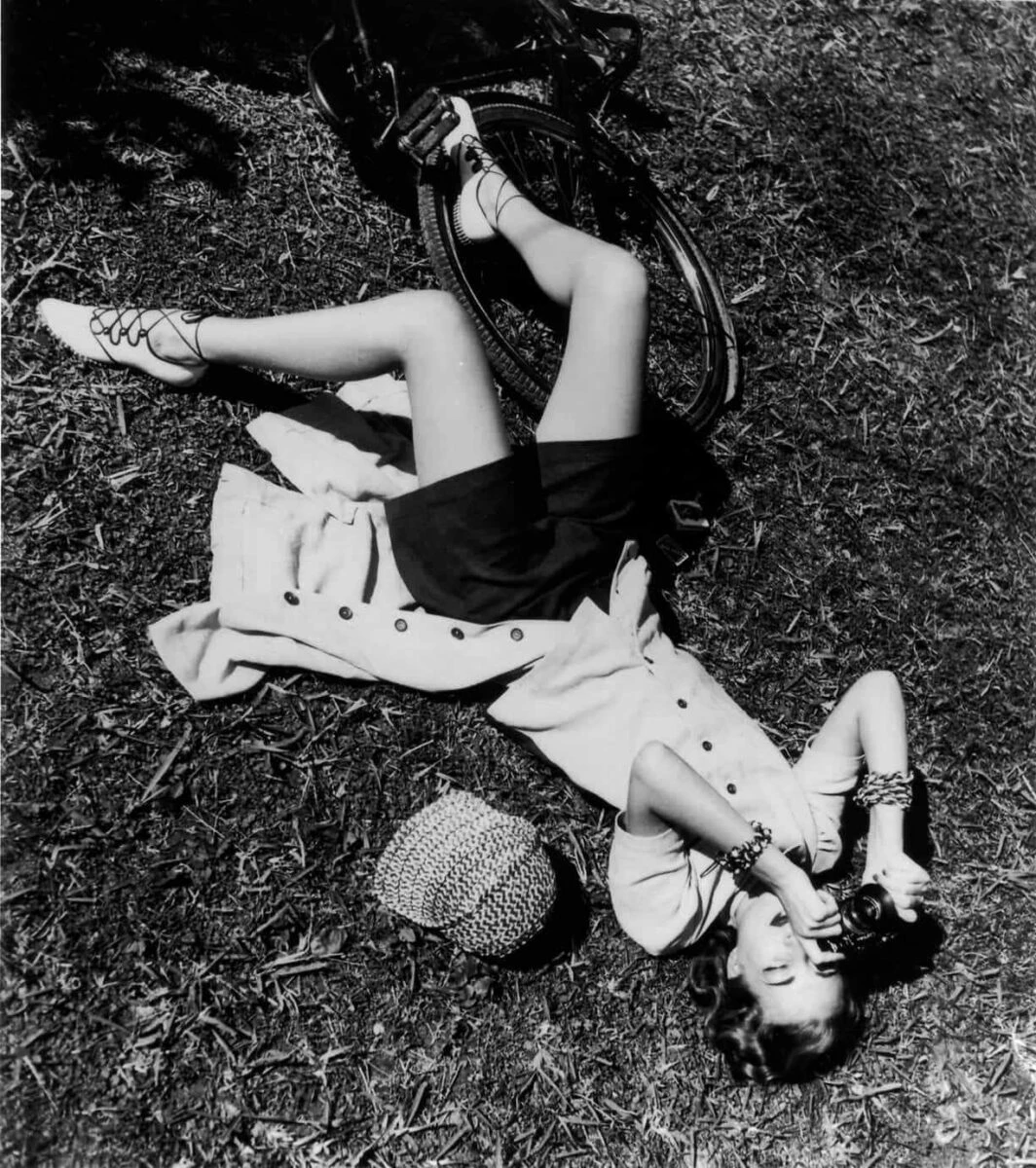
On set, 1938 — Dahl-Wolfe worked methodically, planning every single frame
Thus, a legendary creative quartet was born: Carmel Snow set the vision, art director Alexey Brodovitch handled the layout, fashion editor Diana Vreeland conceived the styling, and Louise brought it to life through her lens. Over 22 years of collaboration, they produced 86 covers and 600 color feature pages—benchmarks of creative influence that still endure today. 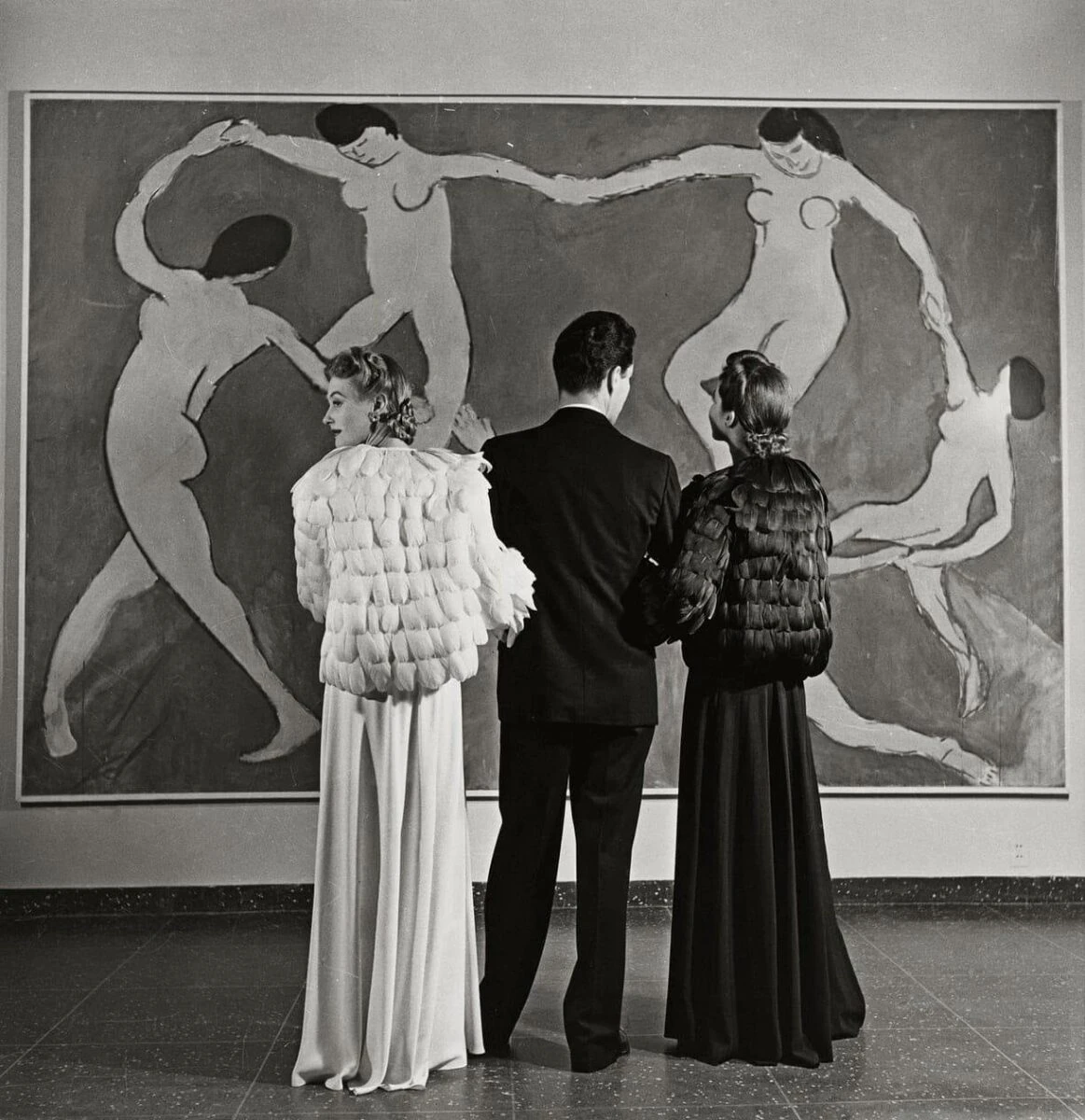
Viewing Matisse, Museum of Modern Art, 1939 — fashion as a part of cultural life
Valerie Steele, director of The Museum at the Fashion Institute of Technology in New York, described Dahl-Wolfe's method this way:
“Louise planned every shoot meticulously, yet the final result looked as if she had simply happened to be in the right place at the right moment.”
It was an illusion of effortlessness backed by immense preparation.
The "American Look" and Lauren Bacall
Before Dahl-Wolfe, fashion photography was largely confined to studio walls—stiff poses, harsh lighting, and painted backdrops. Louise herself referred to it as that "stiff, heavy European style where everyone looks awkward." She did the exact opposite: she took models outdoors—to beaches, mountains, museums, and city parks.
By 1943, this approach came to define the "American Look." Art critic Vicki Goldberg described it as "clean hair, glowing skin, a body both supple and strong." The women in Dahl-Wolfe’s photographs were not posing—they were living. This style, known as environmental fashion photography, became an industry standard that endures to this day. 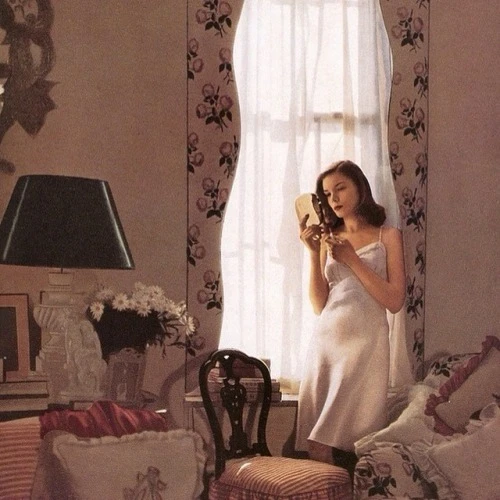
Lauren Bacall at the Ritz, 1943 — photographed shortly before her iconic Bazaar cover
In March 1943, Louise put an 18-year-old Lauren Bacall on the cover of Harper’s Bazaar. Humphrey Bogart saw the issue, which led to Bacall being cast alongside him—and sparked one of Hollywood's legendary romances. Beyond Bacall, Dahl-Wolfe photographed Ingrid Bergman, Vivien Leigh, Mae West, and Bette Davis, consistently capturing an authentic warmth that eluded other photographers. 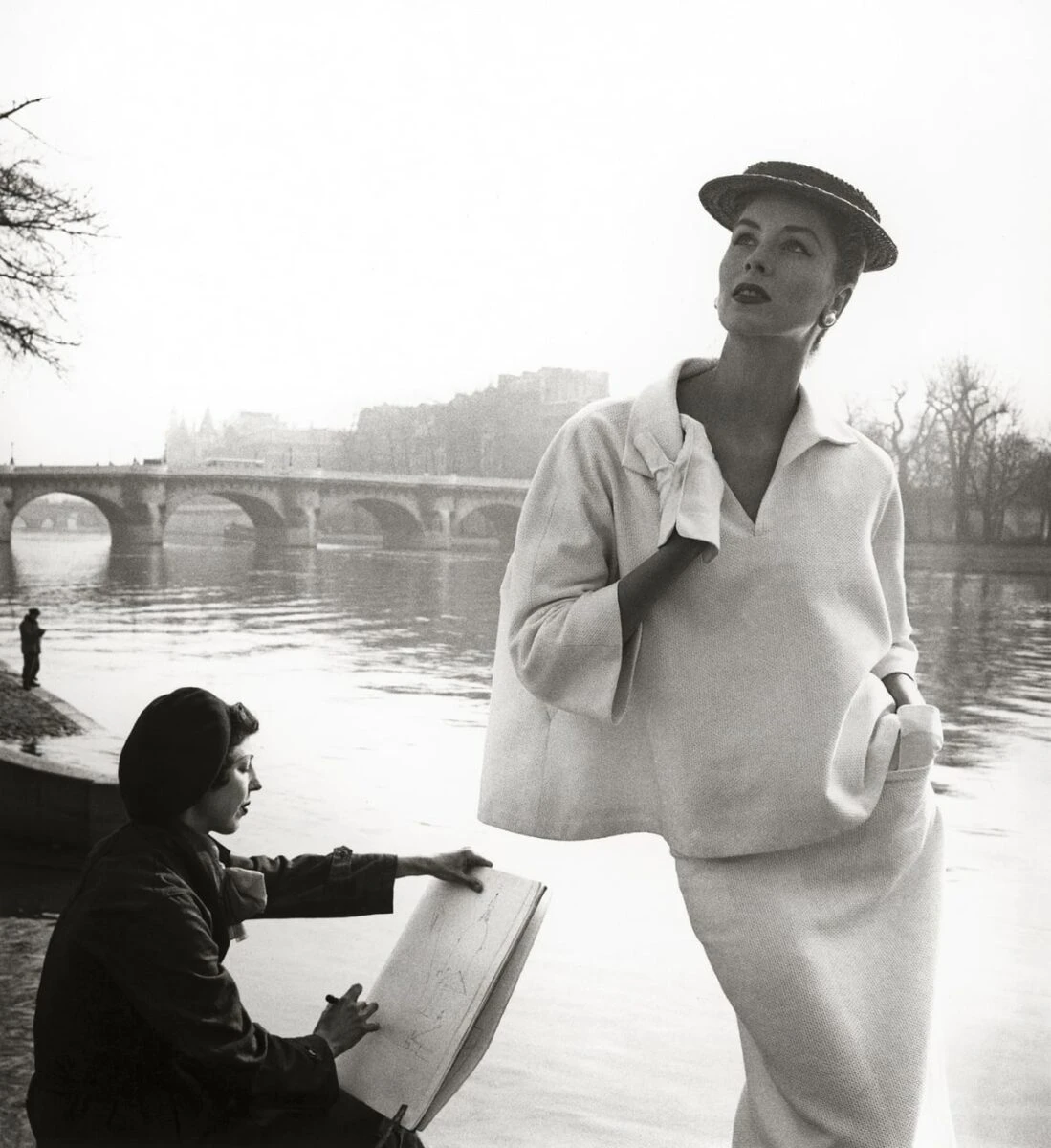
Suzy Parker along the Seine in a Balenciaga suit, 1953 — Dahl-Wolfe's shoots spanned the globe
Principles of Freedom: Walking Away on Her Own Terms
Among her favorite models was Mary Jane Russell, who historians estimate appeared in about a third of all Dahl-Wolfe photographs. Both Richard Avedon and Irving Penn openly acknowledged Louise’s influence on their work. One of her assistants over the years was Milton Greene, who later became famous for his iconic portraits of Marilyn Monroe. 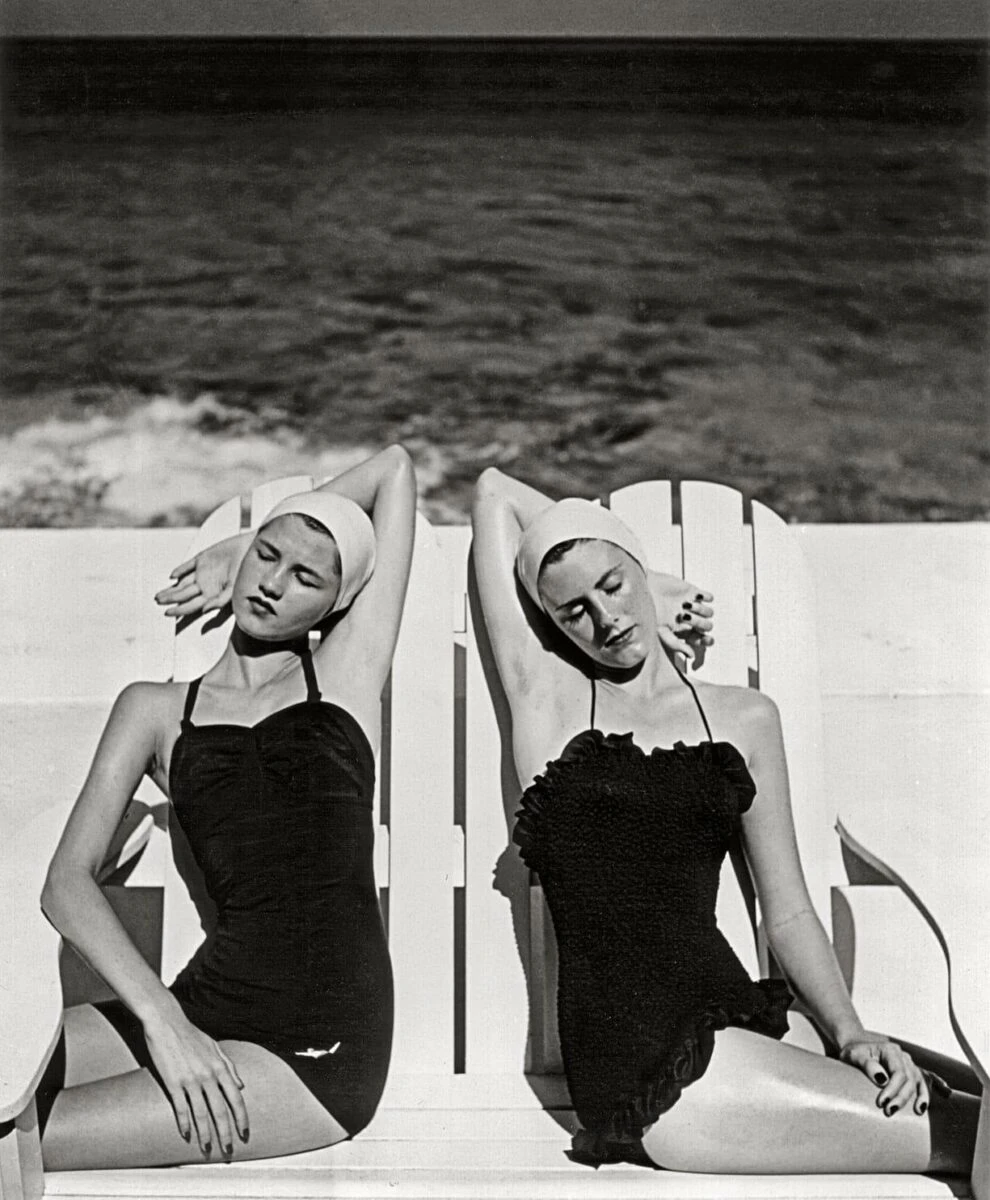
Twins on the Beach, 1949 — openness, motion, and light: Dahl-Wolfe's signature style
In 1950, Foto magazine named her one of America's outstanding women photographers. However, in 1958, leadership changed at Harper’s Bazaar. When the new art director began micromanaging her shoots, Louise refused to compromise and simply walked away. Creative freedom meant more to her than status or a paycheck. 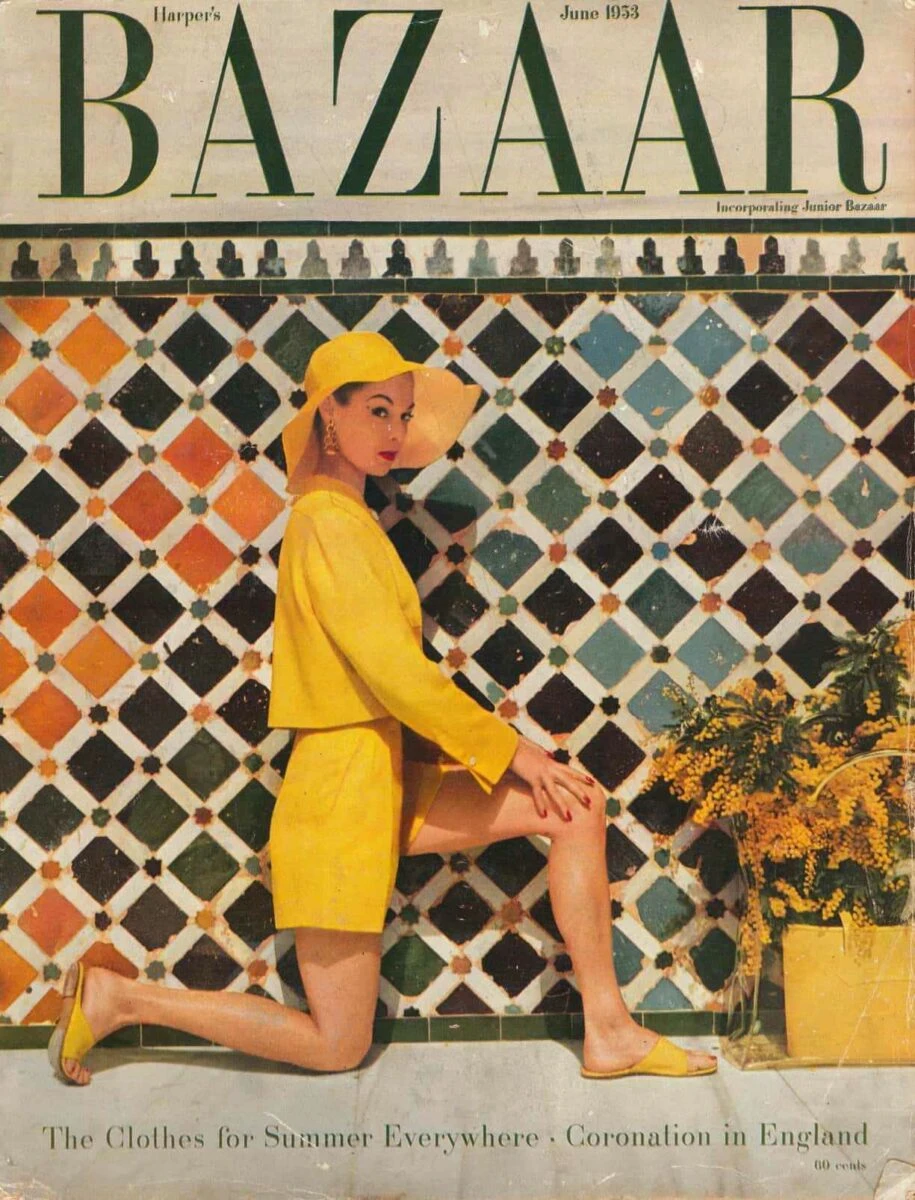
Harper’s Bazaar cover, June 1953. Jean Patchett at the Alhambra, Spain
Before retiring in 1960, Louise worked as a freelance photographer for Vogue, Sports Illustrated, and other publications. Her husband, Meyer Wolfe—a sculptor she met while traveling through Europe and North Africa in 1927–1928—spent years designing and building sets and backdrops for her photoshoots. He passed away in 1985.
Legacy: Archives, Film, and Lasting Influence
Louise Dahl-Wolfe passed away from pneumonia in New Jersey on December 11, 1989, at the age of 94. Her complete archive is housed at the Center for Creative Photography at the University of Arizona in Tucson, which also manages the rights to her work. 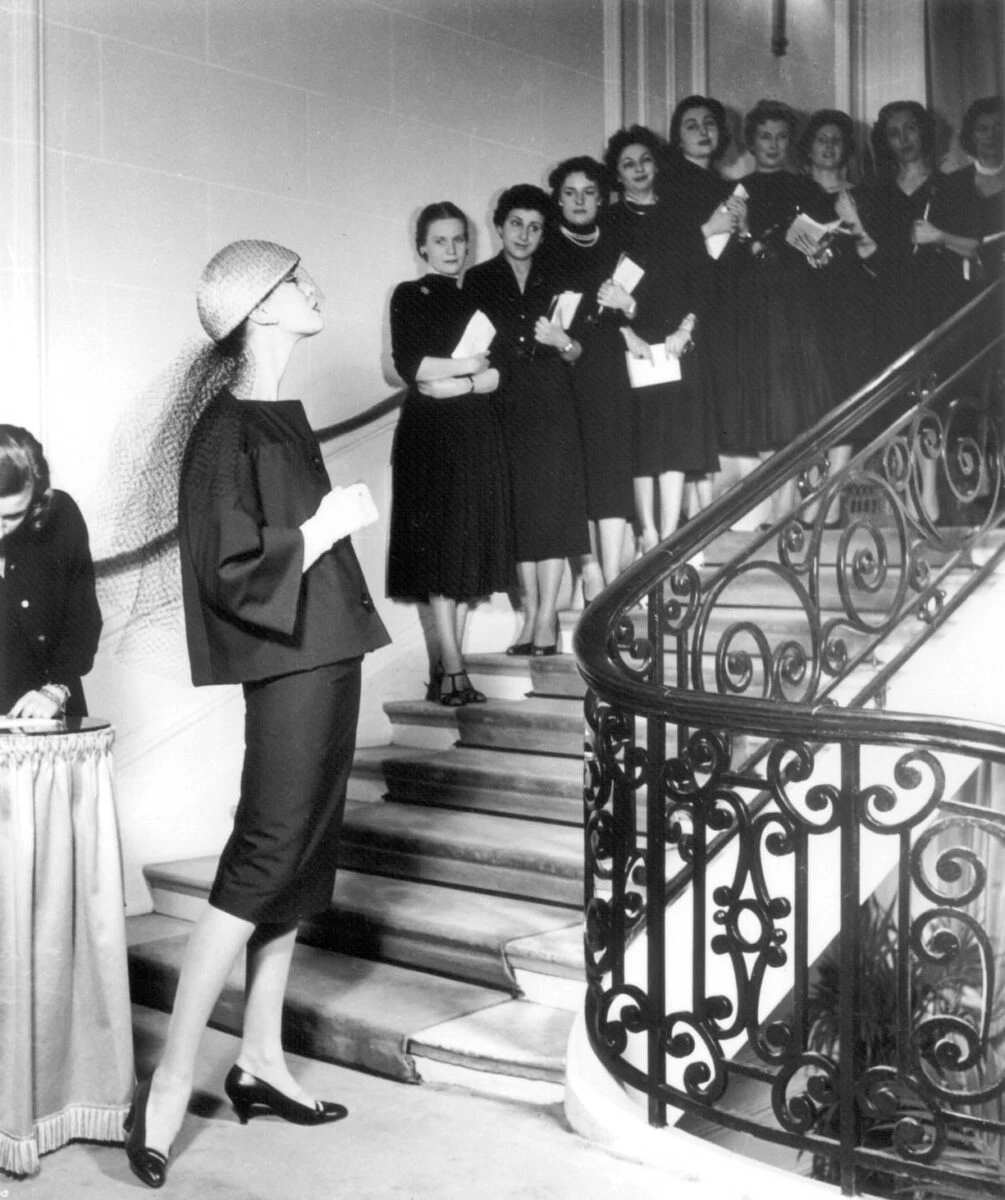
Dior fashion show opening, 1946 — Dahl-Wolfe also covered fashion press events
In 1999, she was the subject of the documentary Louise Dahl-Wolfe: Painting with Light, which features the only surviving footage of Louise herself along with extensive interviews. The film was written and directed by Tom Neff. 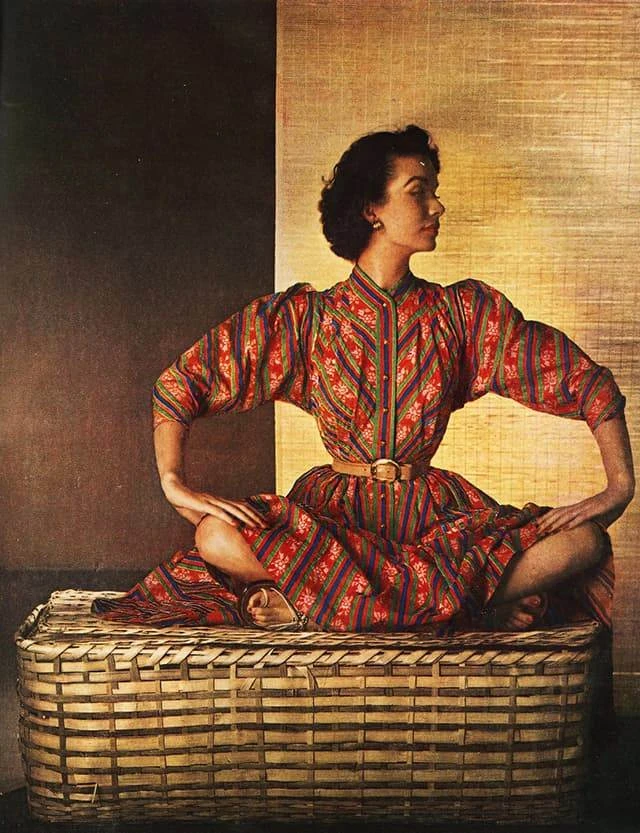
For Harper’s Bazaar, 1953 — one of her final seasons working with the magazine
Her portrait subjects included Colette, Josephine Baker, Vivien Leigh, W. H. Auden, Edward Hopper, and Carson McCullers. Louise admitted that she preferred portraiture to fashion photography. She saw photography as a medium to capture what remains invisible to the naked eye—character, emotion, and moments of truth. 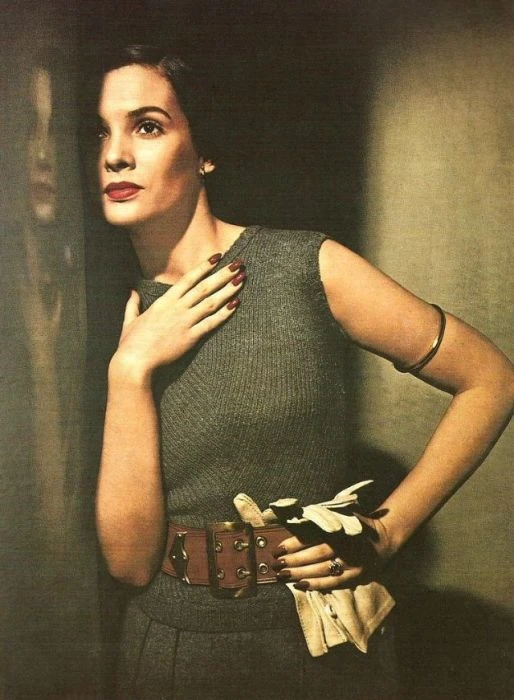
Betty Anderson, 1944 — natural poses and a lively gaze replacing studio rigidity 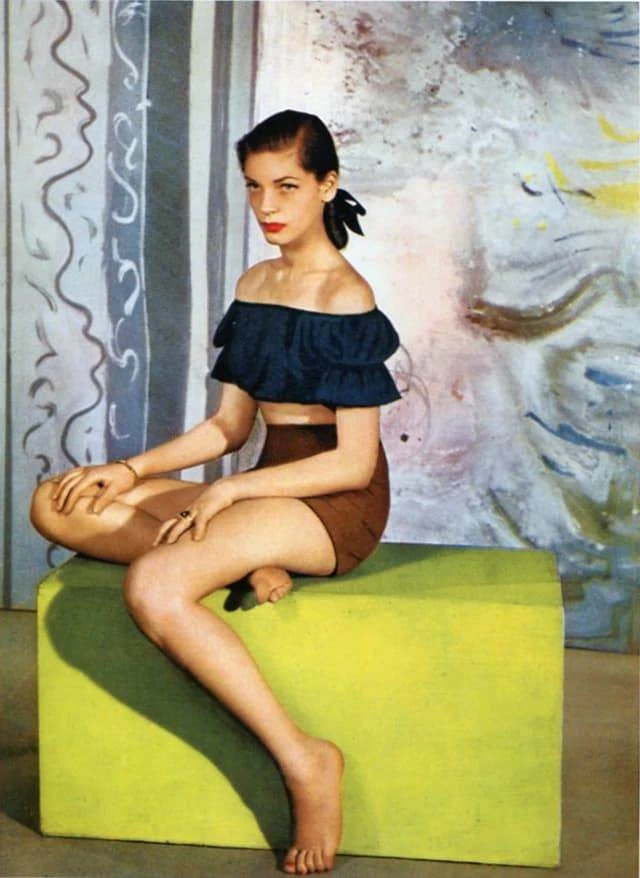
Lauren Bacall, 1945 — two years after her legendary cover, now a full-fledged Hollywood star 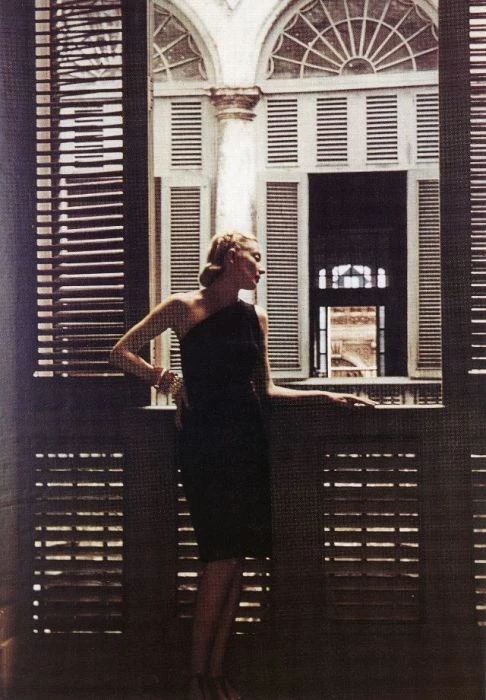
Bobbi Munro, Havana, 1941 — Dahl-Wolfe's locations spanned Latin America and Africa 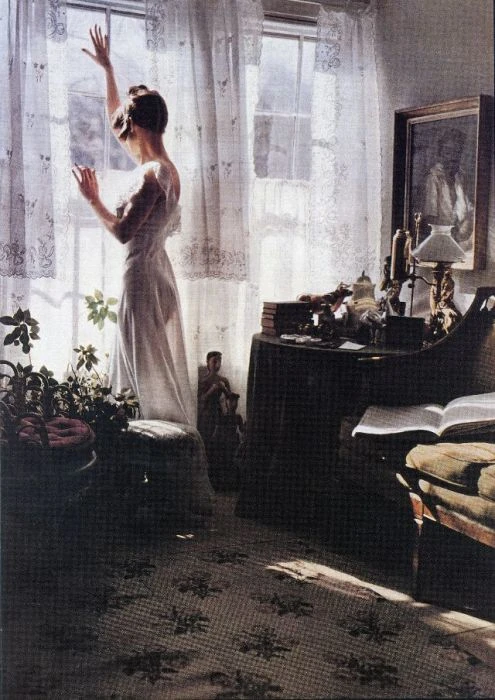
Betty Bond, 1942 — shot during wartime, yet exuding ease and confidence 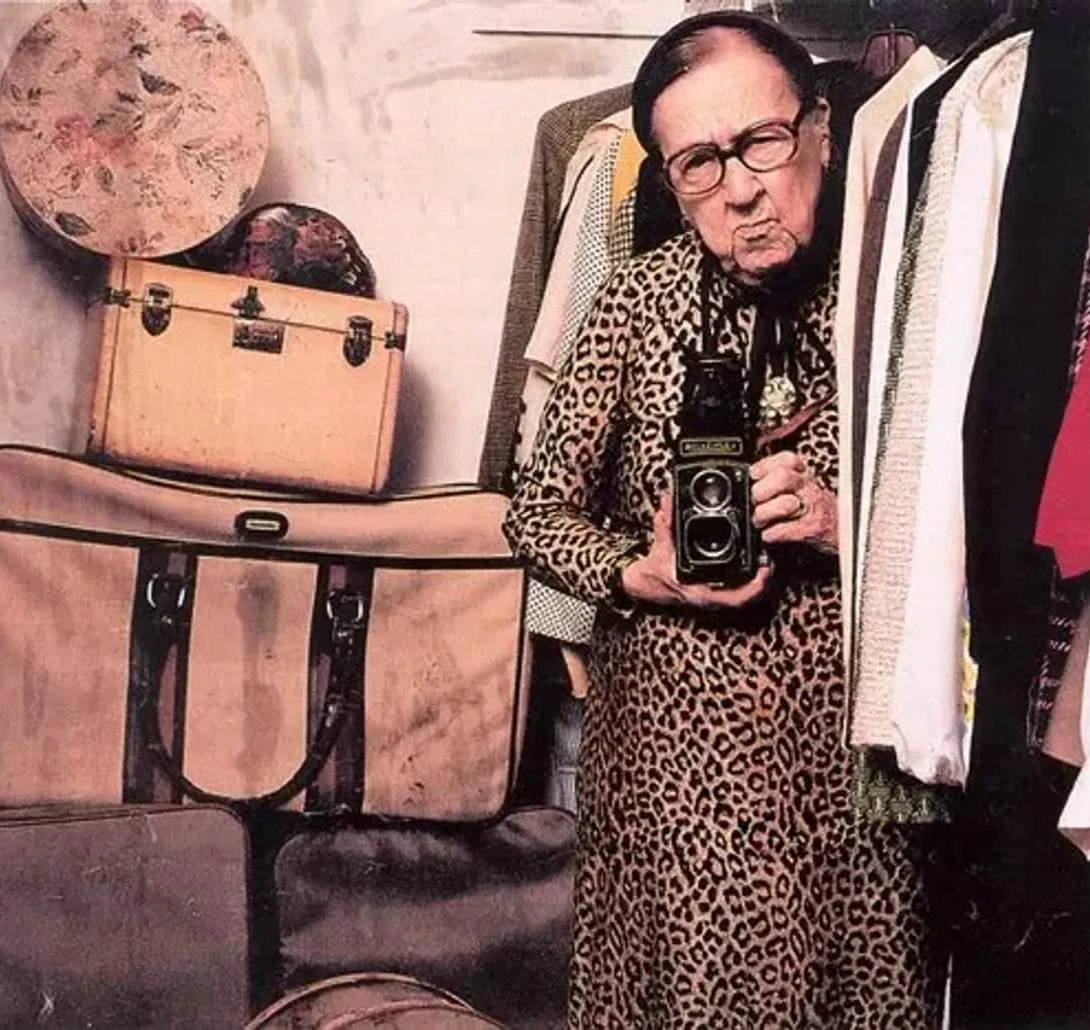
Louise Dahl-Wolfe: the woman who transformed the visual language of American fashion
What we today call the "effortless" aesthetic in fashion—models outdoors, natural light, unposed moments—started right here, in a studio at the corner of Sixth Avenue and 57th Street, where a woman who built her first enlarger out of a tin can decided fashion should look like real life. What do you think: is today's push for "authenticity" in fashion and social media a continuation of Dahl-Wolfe's vision, or have we long lost the genuine freedom she held so dear?