August 11 marks Porcini Mushroom Day, celebrating a species widely revered as the undisputed king of the mushroom world. Every seasoned mushroom hunter and foodie knows its value and exquisite flavor. But what other species should you keep an eye out for on your next foraging trip? Here is a breakdown of ten top edible mushrooms, with the legendary porcini naturally claiming the crown. Join in the celebration and explore the rich world of wild forest delicacies! 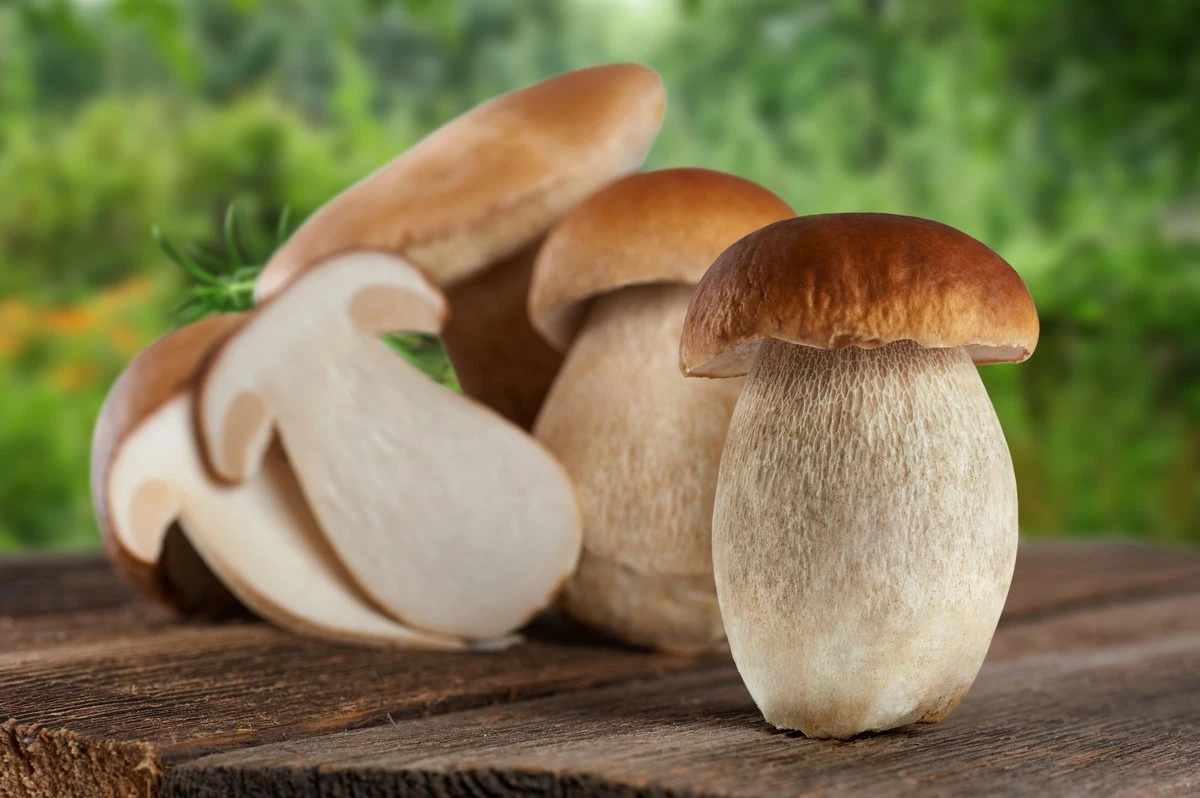
For many people, autumn is synonymous with mushroom foraging, though the season actually kicks off in spring. Worldwide, there are over 250,000 species of fungi, broadly categorized into edible and toxic. While edible varieties are packed with protein and essential minerals, poisonous ones pose serious health risks. Experienced foragers can spot the differences effortlessly, but beginners shouldn't jump the gun or pick indiscriminately. It's crucial to remember that most edible mushrooms have lookalikes, many of which are dangerous or unfit for consumption. 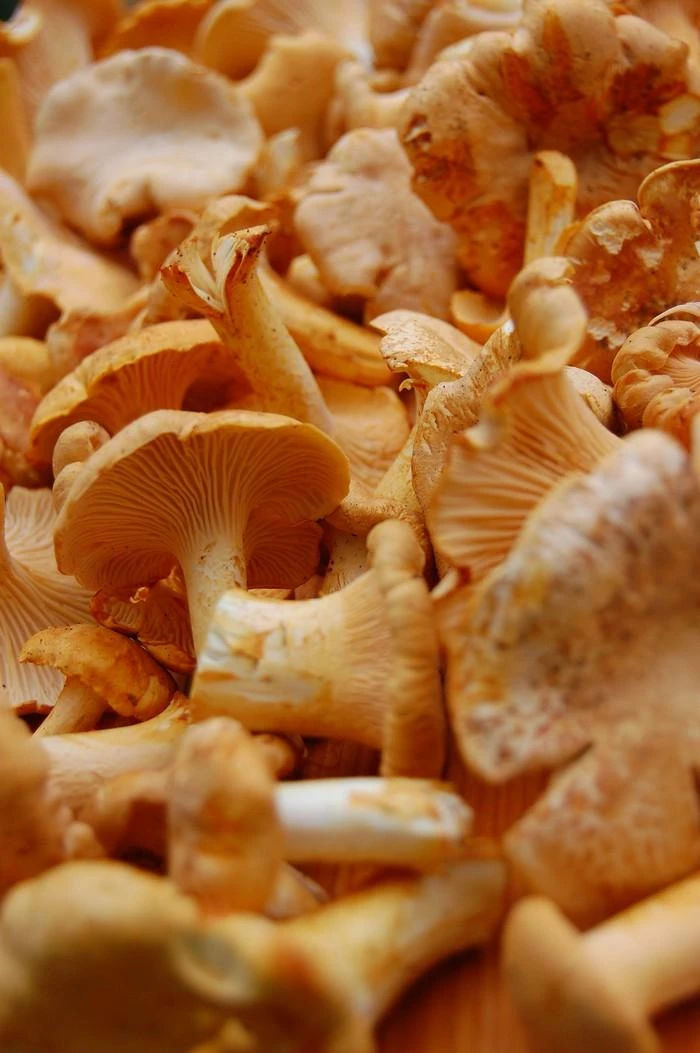
10th Place. Golden Chanterelle.
The golden chanterelle is a Category 3 edible mushroom. It features a wavy-edged, bright yellow to orange-yellow cap (up to 12 cm across) and a sturdy stem (up to 10 cm high). It thrives in coniferous and mixed forests. (tonx) 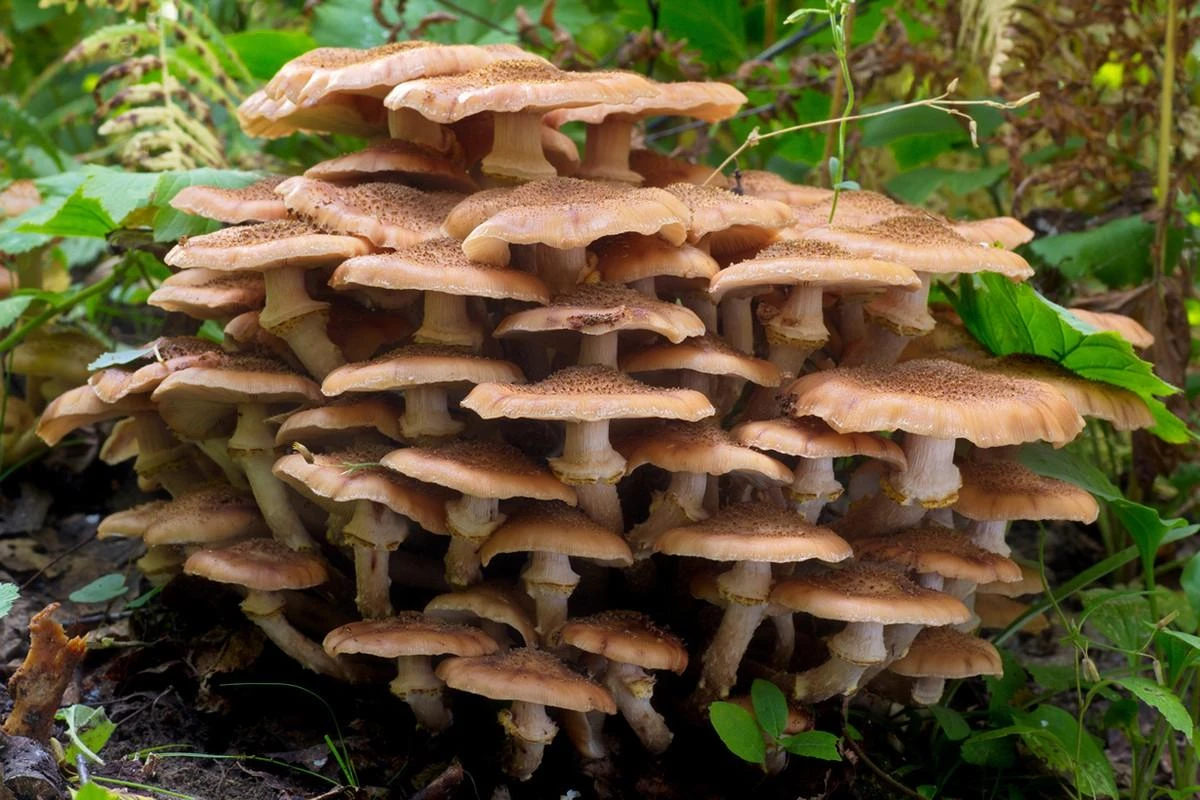
9th Place. Honey Mushroom.
The honey mushroom is a Category 3 edible species. It has a convex brown cap (up to 10 cm) and a slender white stem (up to 10 cm). It grows in large clusters on tree trunks and stumps. 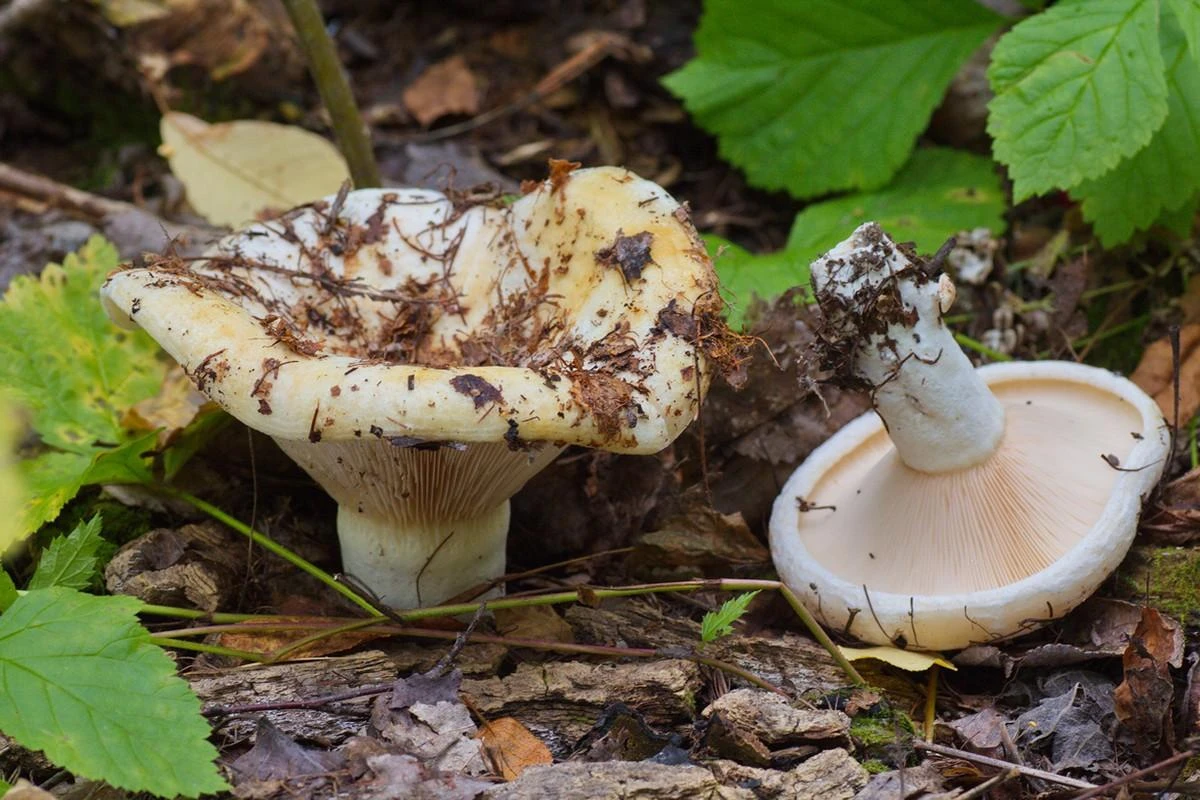
8th Place. Aspen Milkcap.
The aspen milkcap is a Category 2 edible mushroom. It boasts a broad, sticky white cap (up to 30 cm across) with a slightly convex shape, paired with a white or pale pinkish stem (up to 8 cm). It is typically found in mixed woodlands. 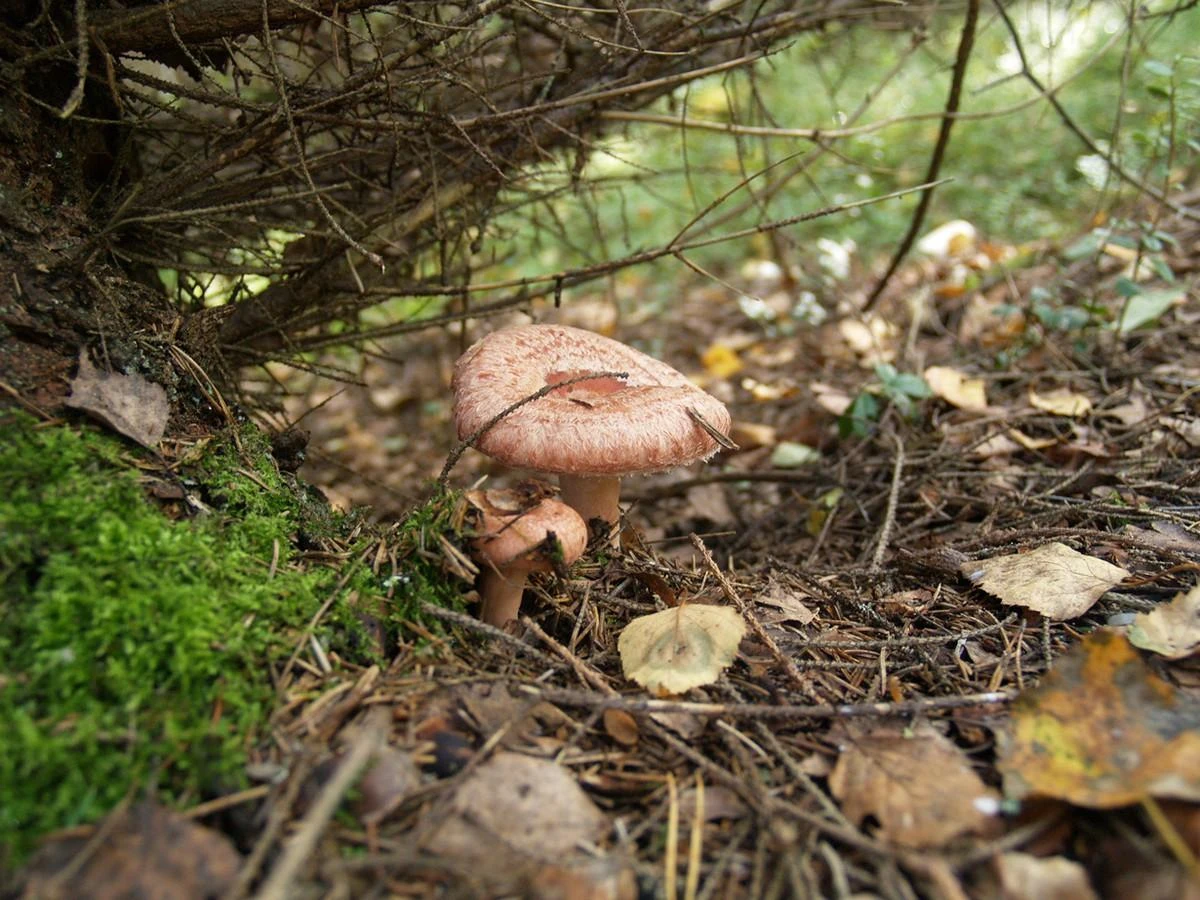
7th Place. Woolly Milkcap.
The woolly milkcap is a Category 2 edible mushroom. It features a pale pink cap (up to 12 cm) with a depressed center and downward-curled edges, sitting on a short stem (up to 6 cm). It grows in mixed forests. 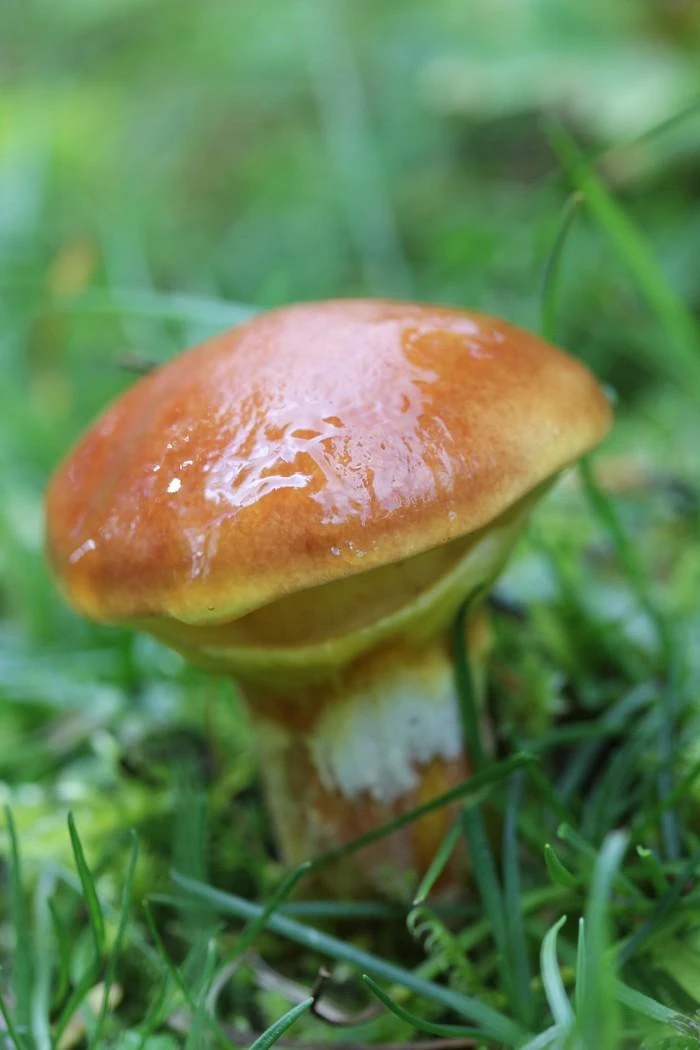
6th Place. Slippery Jack.
The slippery jack is a Category 2 edible mushroom. It has a sticky, slimy brown cap ranging from convex to flat, supported by a stem up to 11 cm tall. It grows in both natural forests and pine plantations. 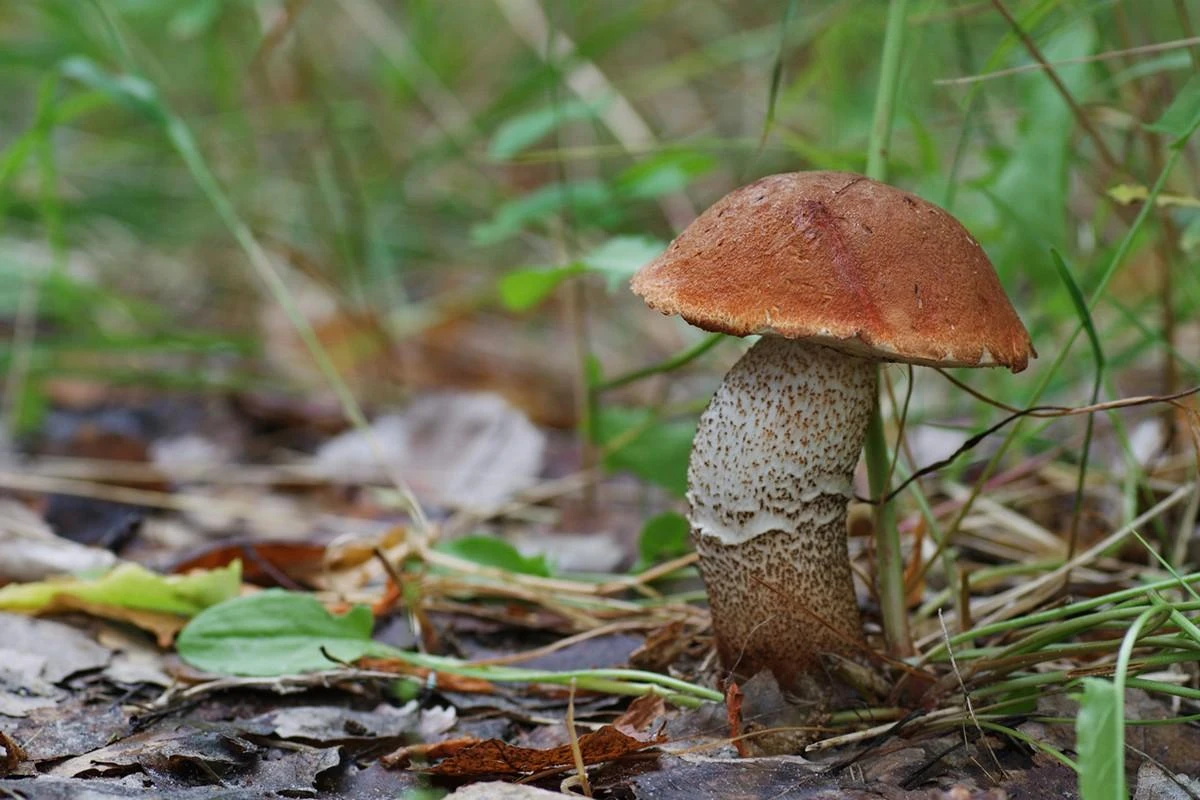
5th Place. Orange Birch Bolete.
The orange birch bolete is a Category 2 edible mushroom. Recognized by its striking reddish-brown cap (up to 25 cm) and a thick stem covered in dark scales, it thrives in deciduous and mixed woods. 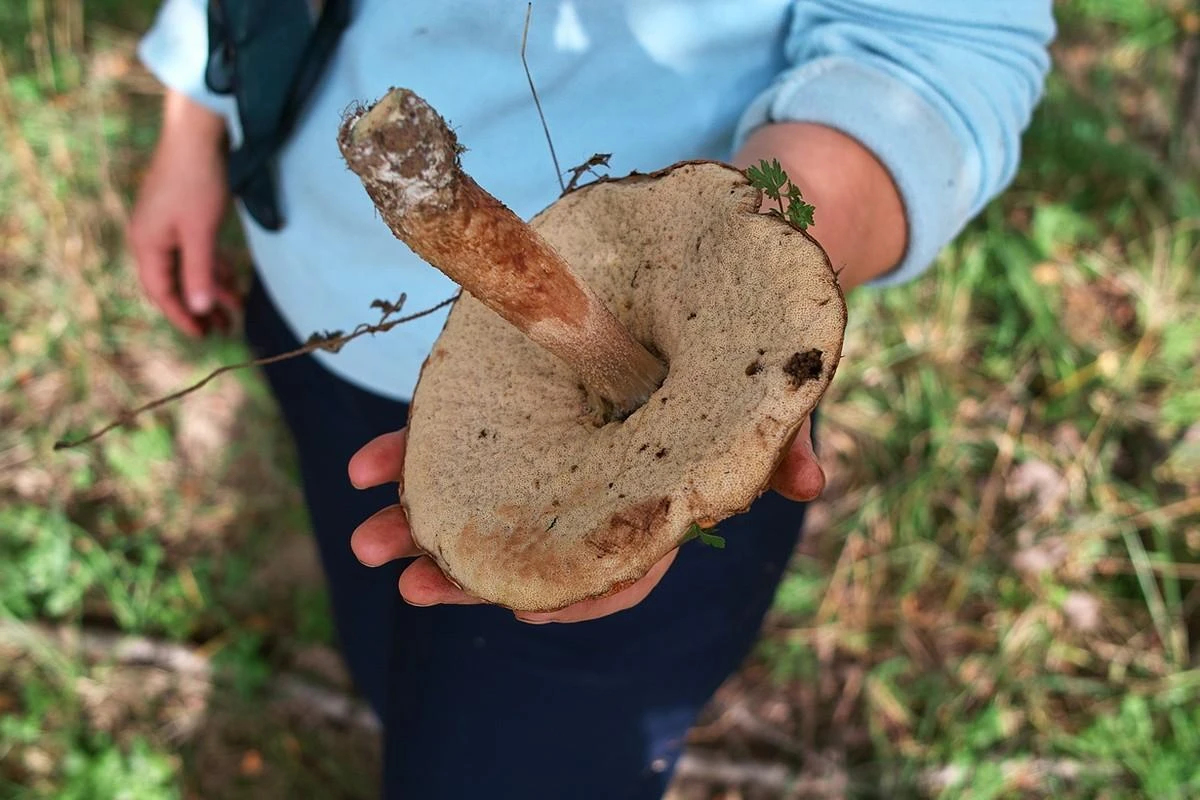
4th Place. Birch Bolete.
The birch bolete is a Category 2 edible species. It has a dull brown cushion-shaped cap and a slender white stem (up to 17 cm) flecked with brownish scales. As its name suggests, it grows in deciduous woods near birch trees. 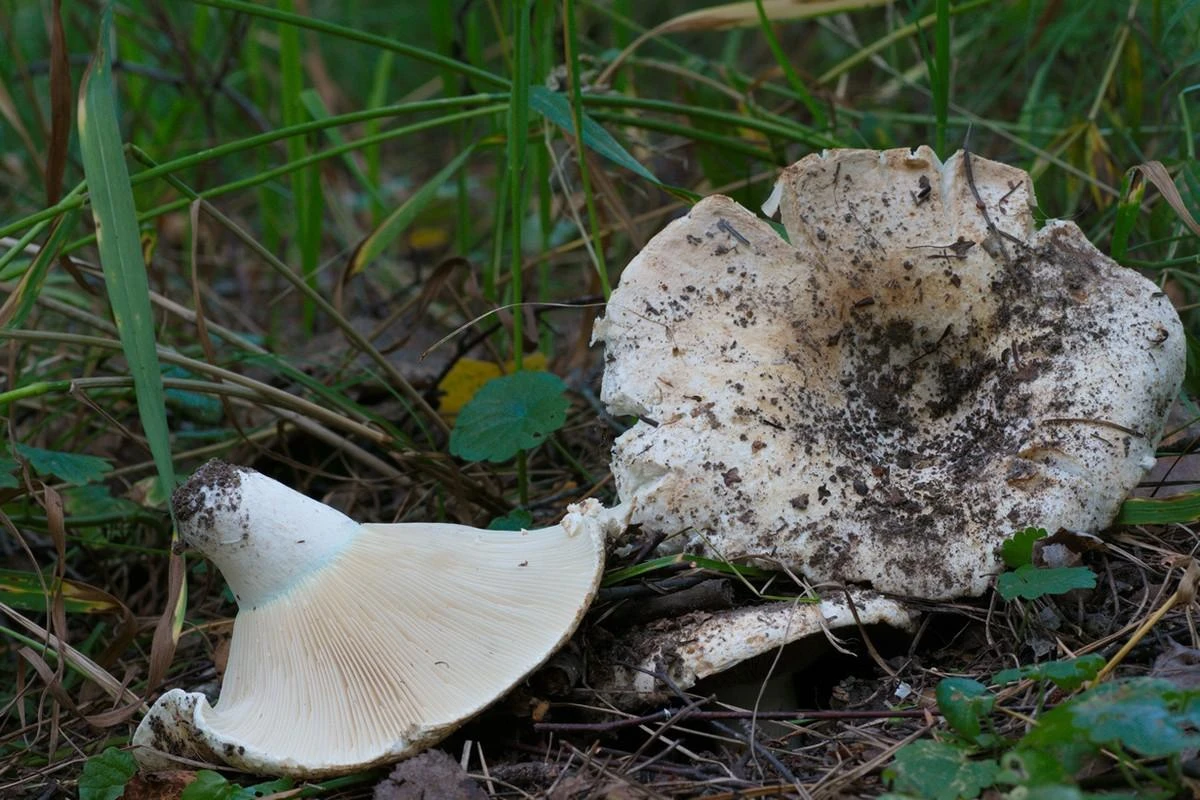
3rd Place. White Milkcap.
The white milkcap is a Category 1 edible mushroom. Highly prized, it features a sticky, funnel-shaped white cap (up to 20 cm) with downy, rolled-in margins, and a short white or yellowish stem (up to 7 cm). It inhabits deciduous and mixed forests. 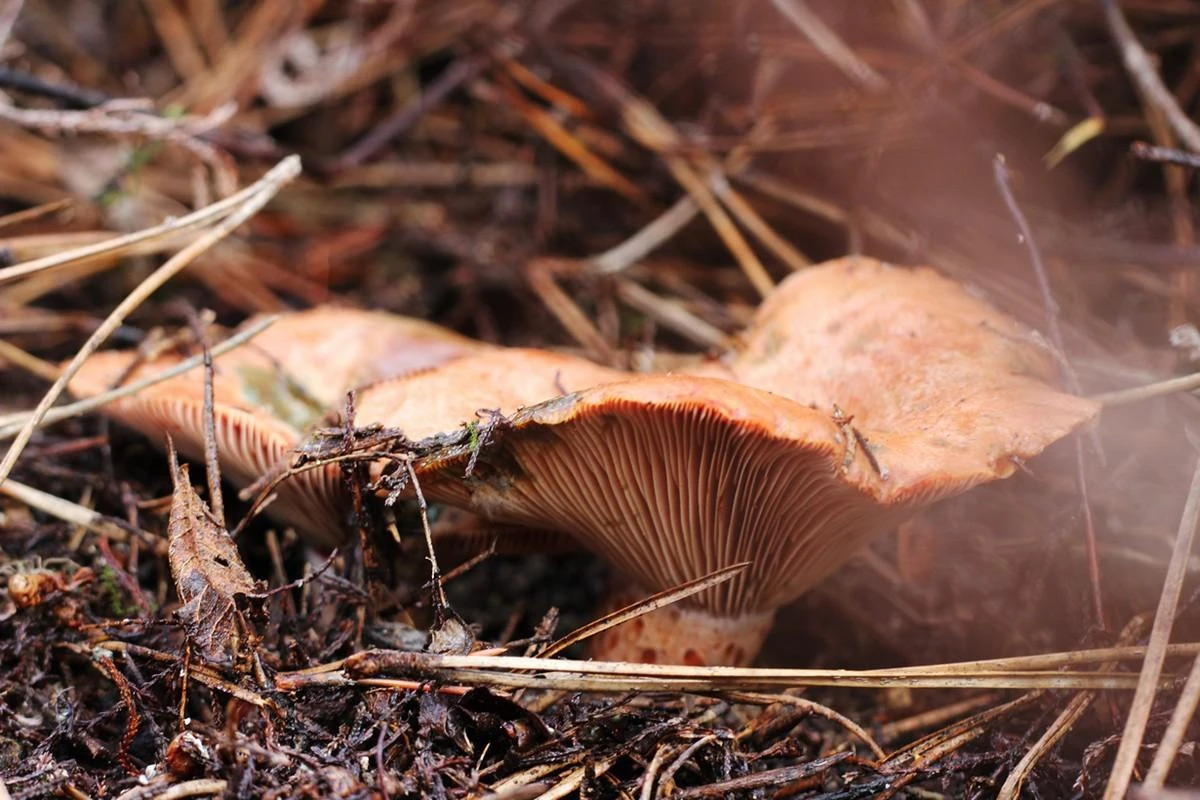
2nd Place. Saffron Milkcap.
The saffron milkcap is a Category 1 edible mushroom. It stands out with its vivid orange or reddish funnel-shaped cap with expanding edges, along with a matching stem (up to 7 cm). It is primarily found in coniferous forests. 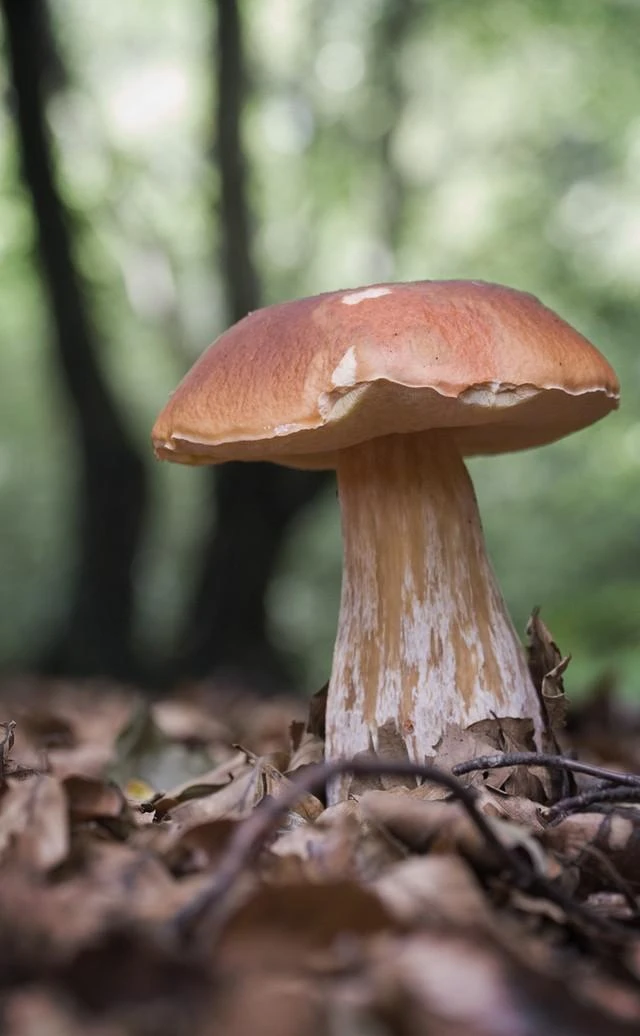
1st Place. Porcini Mushroom.
The porcini mushroom is the undisputed king of all mushrooms, prized for its rich, earthy flavor and intense aroma. Shaped somewhat like a small barrel, it has a brown cap and a sturdy white or pale brown stem (up to 25 cm). It can be found across coniferous, deciduous, and mixed woodlands.
Add your comment
You might be interested in:











19 cases when people went to the forest and stumbled upon a
A selection of the most unusual mushrooms that can be
Mushroom paradise: people went to the forest for mushrooms,

A selection of happy mushroom pickers with their impressive

Feel like Mario! (4 photos)
One mushroom can feed an entire village! (5 photos)

Protective film Removing it with a power screwdriver

How to start a 102-liter engine

When a child plays hide-and-seek at a professional level

Man sets up bedroom camera and discovers the reason for his

Super dads who swoop in to save the day

Precision carpentry

Looks like it's time to buy WinRAR

How to hang wallpaper neatly

Athlete in Bavarian dress flies over a lake on a hydrofoil
