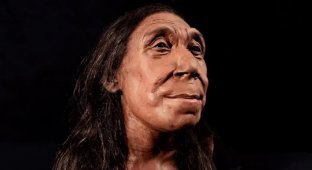
Could Two People Repopulate the Earth? Here’s What Science Says (11 Photos)
Imagine the apocalypse has come and gone, leaving you and one other person as the last humans on Earth. Food is plentiful, threats are nonexistent, and the climate is ideal. The question is simple: could the two of you restart the human race? Or is this just a comforting fantasy that crashes against cold, hard biology? 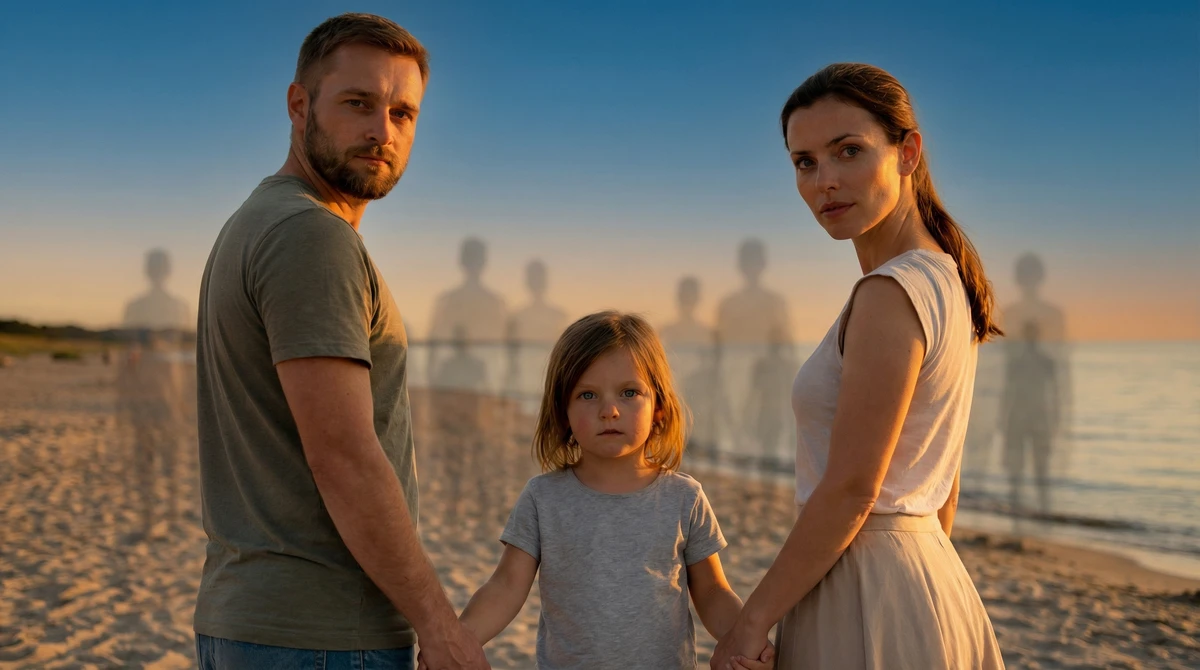
The story of Adam and Eve is a captivating legend, but recreating such a scenario in real biological terms is fundamentally impossible.
The bottom line is sobering: no, two people cannot repopulate the planet. It is not merely "unlikely" or "difficult"—it is outright impossible without sci-fi-level technology.
When Offspring Become the Problem: What Is Inbreeding?
Have you ever wondered why inbreeding so frequently leads to severe birth defects and genetic disorders? 
Here is a simple breakdown of how genetics works. Every single one of us carries about 100 harmful mutations in our genome. Among those, the average person has one or two lethal recessive mutations.
Sounds alarming, but it is completely normal.
Most of these mutations will never cause any trouble in your lifetime. That is because most genes come in two copies—one from your mother and one from your father. If one copy is "broken," the second normal copy steps in to compensate for the defect.
The real trouble begins when close relatives have children together. They share a high chance of carrying the exact same "broken" genes. A child might inherit two defective copies of a gene, causing a genetic disease to manifest. In humans, inbreeding makes severe genetic complications overwhelmingly likely.
Now imagine a population consisting of just two people. Their children would have no choice but to start families with each other. The next generation? Even worse. Human genetic diversity plummets, and harmful mutations snowball rapidly through closely related bloodlines. 
Scientists call this genetic degeneration or inbreeding depression. Each successive generation grows weaker than the last: higher rates of congenital diseases, compromised immune systems, and fewer children surviving into adulthood.
The statistics are harsh—brutal, even. By just the second or third generation, roughly 25 to 30 percent of newborns would suffer from severe genetic defects. By the fourth or fifth generation, the population would begin shrinking rather than growing. Within 300 years, complete extinction would follow.
We don't have to look far for proof—history offers a striking real-world example.
A King Without Heirs: A Lesson from History
History provides a perfect natural laboratory for studying inbreeding: the Spanish branch of the Habsburg dynasty, famous for its centuries of intermarriage. 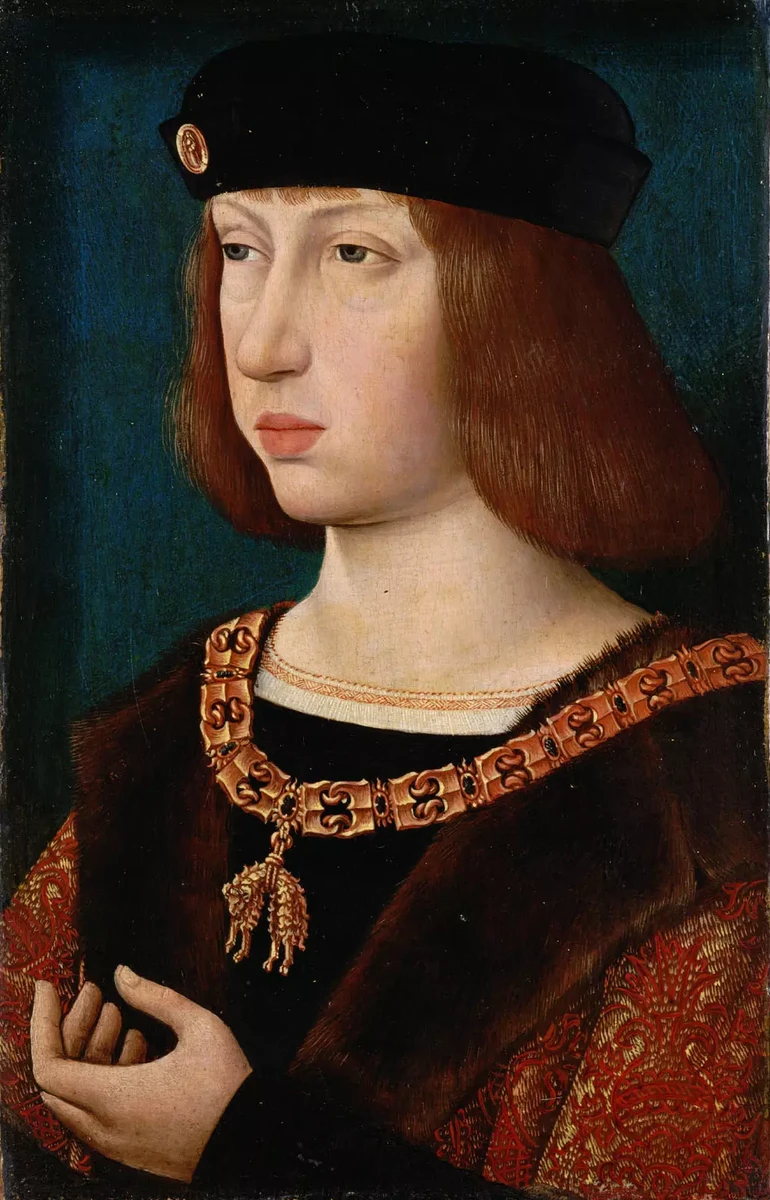
Philip I founded the dynasty
Believing themselves superior—and indeed, the dynasty started from a position of immense power—they refused to let "outside blood" dilute their royal line.
The Spanish Habsburg family tree was extraordinarily complex. Researchers traced the lineage of Charles II back 16 generations, analyzing over 3,000 individual ancestors across the family tree.
Yet the practice of intensive intermarriage in the Spanish branch lasted only about 200 years (from 1516 to 1700), compounding over six generations of heavy inbreeding between Philip I and Charles II.
The result? The total collapse of the dynasty. 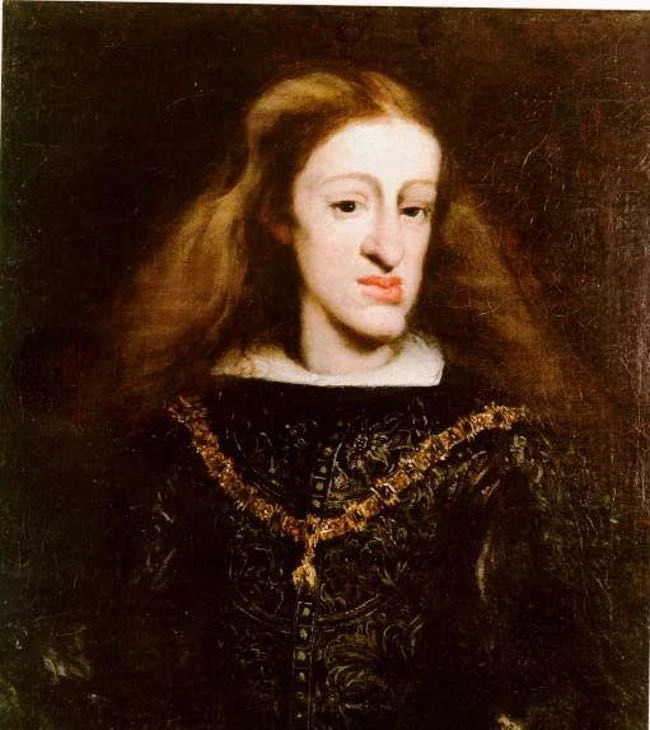
Charles II brought the dynasty to an end. He suffered from a wide array of congenital conditions
Its final ruler was King Charles II of Spain (1661–1700). His inbreeding coefficient reached an astounding 0.254. What does that mean? It is higher than the inbreeding coefficient of a child born to full siblings. By comparison, the dynasty's founder, Philip I, had a coefficient of just 0.025.
Charles II experienced severe health issues throughout his life:
He was completely infertile;
He suffered from multiple chronic genetic conditions;
He had the famous "Habsburg jaw"—a severe facial deformity;
He died at age 38, taking the dynasty with him.
Child mortality in the royal family was devastating: 40% of Habsburg children died before reaching age 10, compared to less than 25% in ordinary Spanish families of that era.
How Many People Are Actually Needed for Human Survival? 
In 1980, conservation biologists Ian Franklin and Michael Soulé formulated the "50/500 rule," which became a gold standard in conservation science.
The breakdown is simple:
50 individuals are the absolute minimum to prevent inbreeding in the short term (about 10 generations)
500 individuals are required for long-term species survival (hundreds of generations)
Why these specific numbers? Below these thresholds, four major threats systematically destroy small populations:
1. Genetic Drift — The random loss of genetic variants. In a two-person population, there are at most 4 copies of any given gene (2 from each parent). A large population might carry 15 to 20 variations. In a tiny group, rare variants disappear completely within a couple of generations. 
2. Mutational Load — Every human passes on roughly 70 new mutations to their offspring. In large populations, natural selection weeds out harmful mutations. In small groups, dangerous mutations accumulate faster than they can be eliminated.
3. Demographic Stochasticity — What if only male children are born in a single generation? That's the end of the population. What if a sudden illness wipes out 30% of the group? Game over. In a tiny population, a single stroke of bad luck is fatal.
4. Environmental Disasters — Droughts, floods, or epidemics. A large, dispersed population will survive. A small, concentrated group will be wiped out. 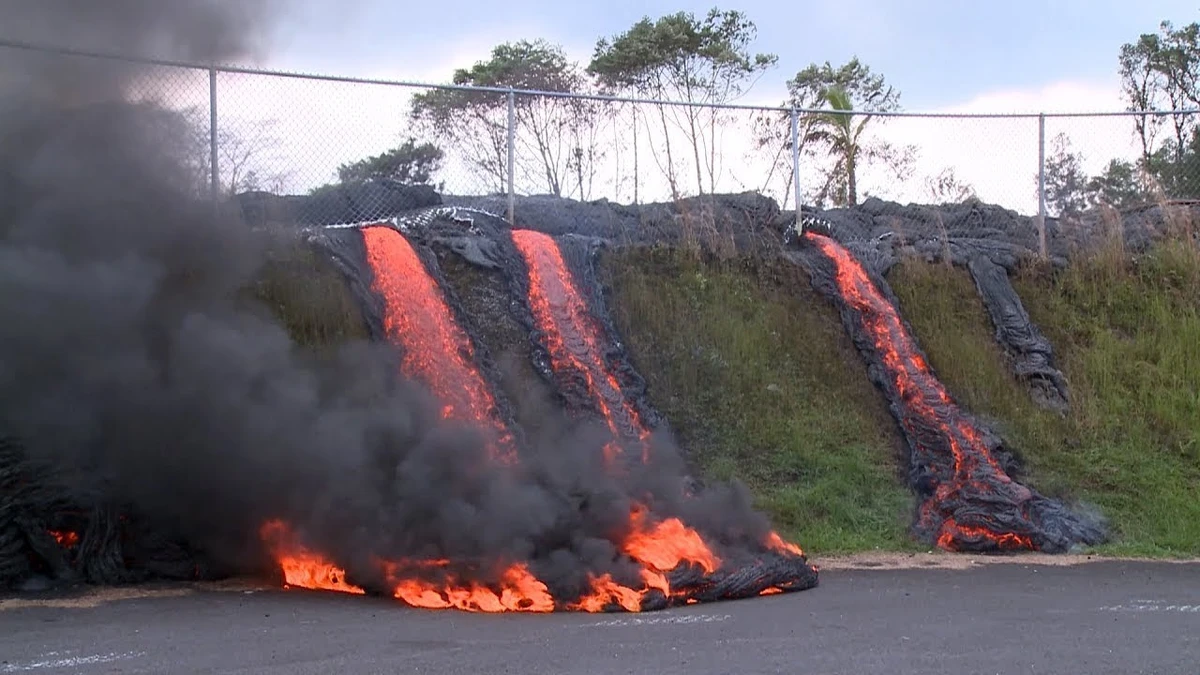
For humans, the minimum viable population is actually higher: anywhere from 500 to 5,000 individuals. Why? Long generation spans (20–30 years), low birth rates (2–4 children per lifetime), and complex biology.
If we are talking not just about basic biological survival, but about preserving civilization—retaining technology, medicine, and cultural knowledge—the numbers change dramatically.
Absolute minimum: 500 people
This is the bare edge of survival. Under ideal conditions (plentiful food, safety, no disease outbreaks), a population of 500 might endure, but the risk of extinction remains around 30%.
Genetic diversity would steadily decline, and specialized knowledge would be lost (there simply wouldn't be enough people to maintain doctors, engineers, and scientists all at once).
The result: over time, civilization would regress to medieval levels.
A safer baseline: 1,000 to 5,000 people
With these numbers, the odds of survival skyrocket. The risk of extinction drops to around 5%. Essential technical expertise can be preserved. Rebuilding civilization would take several centuries, but it would be entirely possible. 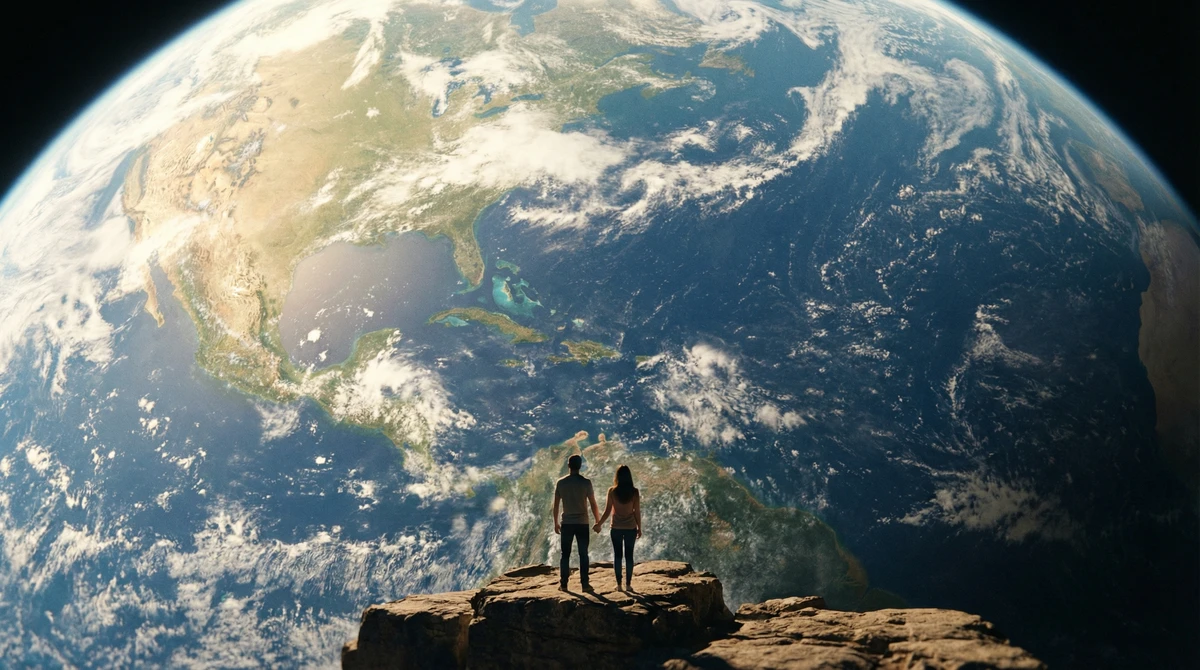
Humanity has faced moments like this before. Our ancestors survived several "population bottlenecks"—drastic contractions in population size followed by slow recovery.
The most severe occurred roughly 900,000 years ago, when early human ancestors suffered a catastrophic drop to just around 1,280 breeding individuals. Our species hovered on the brink of total extinction in this state for nearly 117,000 years.
Sustainable recovery: 10,000+ people
This scale virtually guarantees the long-term recovery of humanity as both a species and a civilization. While rebuilding would not be easy, collective human knowledge would remain intact.
Adam and Eve Through the Lens of Science: Why the Myth Doesn't Hold Up
The story of two original ancestors—Adam and Eve—is compelling. It offers a narrative of human unity, a moral foundation for equality, and a simple, memorable origin story.
From a genetic standpoint, however, it is impossible. 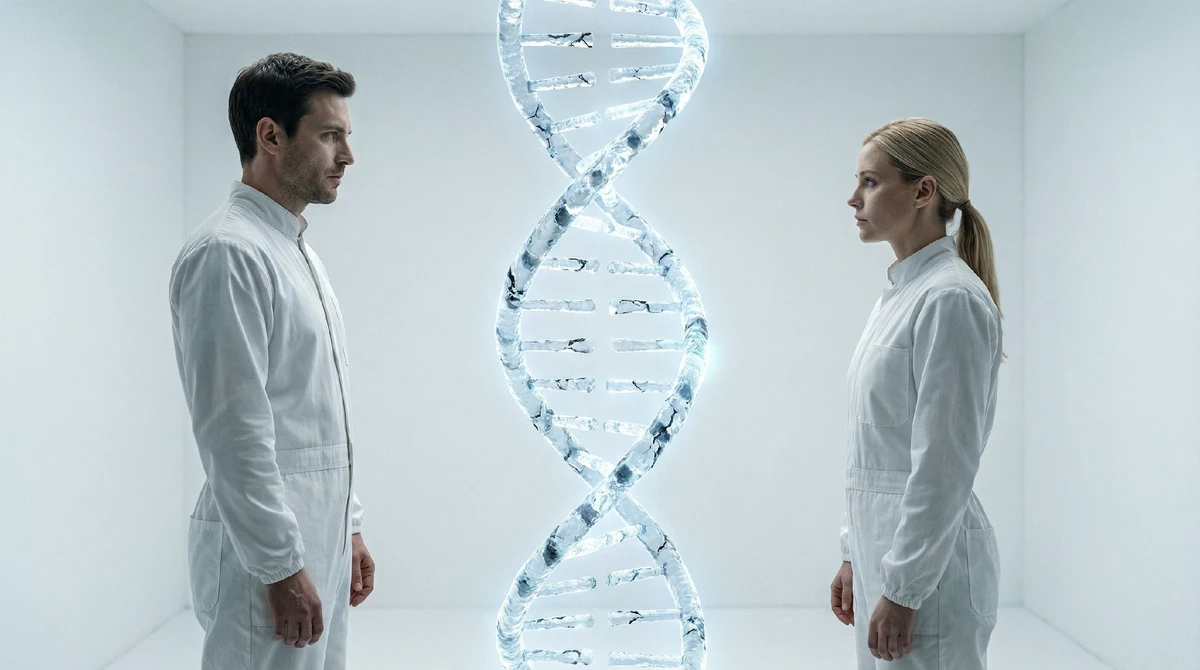
Modern genomic analysis demonstrates that the human species was never reduced to just two individuals. The rich genetic diversity seen today across 8 billion people could not have arisen from a single couple within any realistic timeframe.
Why does the legend remain so popular? The reasons are cultural, not biological: it is simple, elegant, and deeply resonant.
Here is a paradox worth considering: debunking the literal narrative of Adam and Eve does not destroy faith.
Theological commentary has long emphasized that sacred texts were never meant to be read as biological manuals. They use allegorical simplicity to express deeper human and spiritual truths.
As a metaphor, the story of Adam and Eve remains powerful and clear. It emphasizes our shared lineage and reminds us that we are all far more closely connected than we often realize.
The purpose of origin stories is to inspire and carry cultural values. They are not meant to document real-world population genetics.
The metaphor is so striking that even scientists use the terms "Y-chromosomal Adam" and "Mitochondrial Eve" to refer to key common ancestors along direct paternal and maternal lines in human history.
The true history of humanity is a saga of populations, migrations, intermixing, and survival through collective strength. 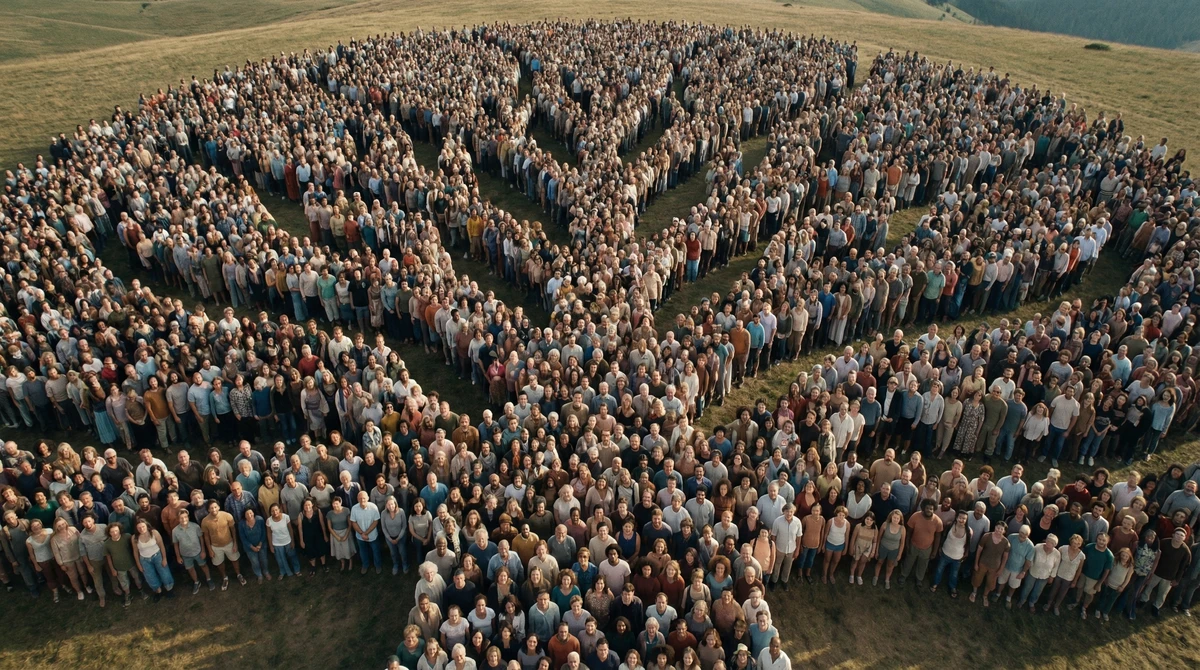
Every single one of the 8 billion people alive today carries the genetic heritage of countless ancestors who survived not through isolation, but through connection and collaboration.
Could two people repopulate the Earth? No. But that doesn't make us weak. On the contrary, it serves as a powerful reminder that humanity has always been a collective effort. We survive together—or not at all.
And in that truth, perhaps, lies far more wisdom than in any myth of two sole ancestors.