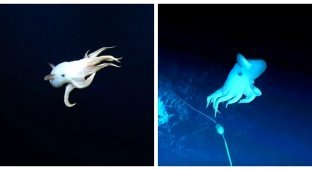
Chills Down Your Spine: A Deep Dive Into Every Layer of the Ocean. What Is the "Ash Desert"? (14 Photos)
Did you know scientists have explored less of Earth's oceans than outer space? And there's a good reason for that. Ocean waters change not just by latitude and longitude, but also by depth. As you travel further from the surface, sea creatures take on truly otherworldly, alien forms.
In this article, we’ll break down every depth level of the world's oceans. We'll descend step by step into the abyss to see how each zone works. 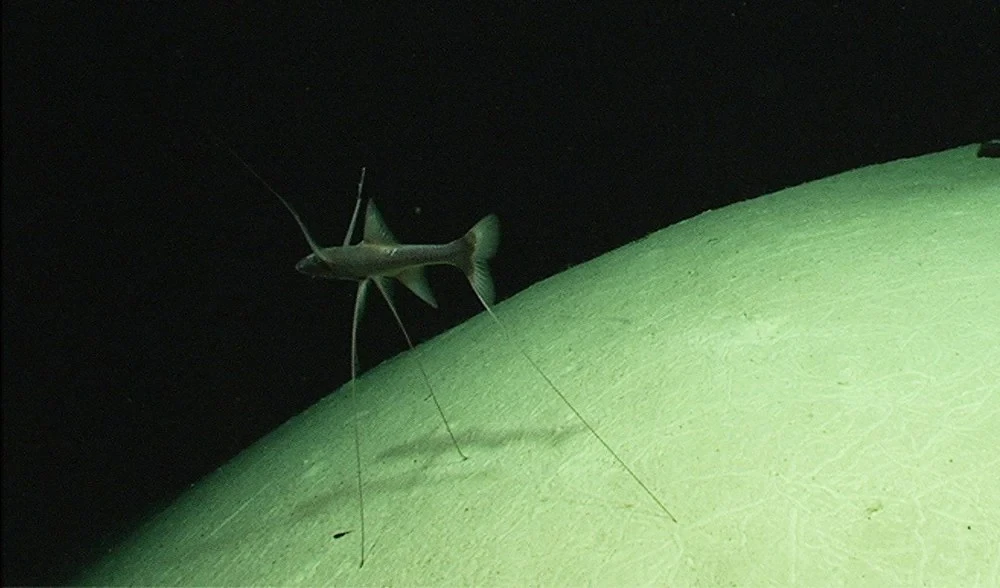
At the bottom of the ocean, swimming is so tough that even the fish just stand there.
Level 1: The Neuston
The top layer of the ocean is the neuston, extending just a single meter below the surface. The neuston is a kingdom of microorganisms. With plenty of sunlight for photosynthesis, dozens of algae species feed millions of species of shrimp, tiny crustaceans, amphipods, fish larvae, and crabs. Here, creatures just a couple of centimeters long are considered giants. 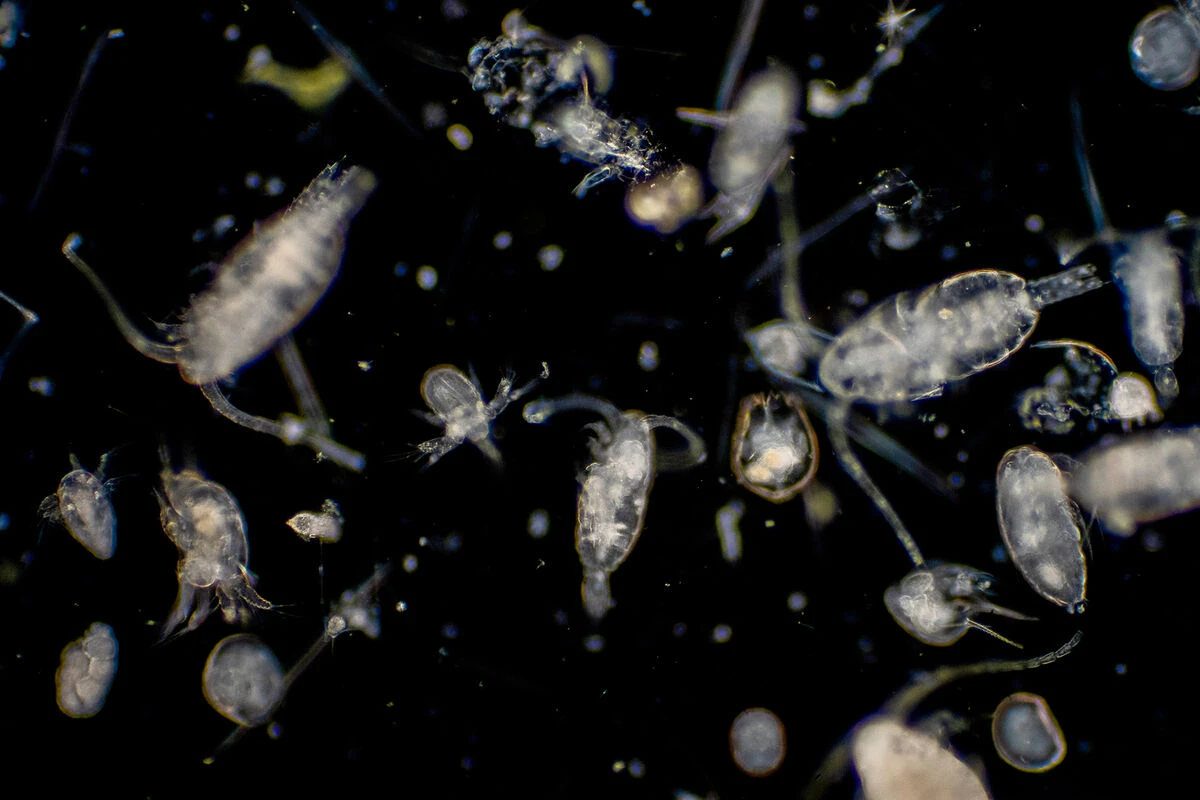
Just a tiny fraction of the world's plankton diversity.
While giants are rare in this microscopic world, what they lack in size, they make up for in sheer weirdness. It’s home to ocean skaters gliding across the surface, sea snails crawling upside down along the water's skin, sea slugs resembling alien spacecraft, and Portuguese man-o'-wars—colonial organisms that mastered sailing long before evolving limbs or brains. 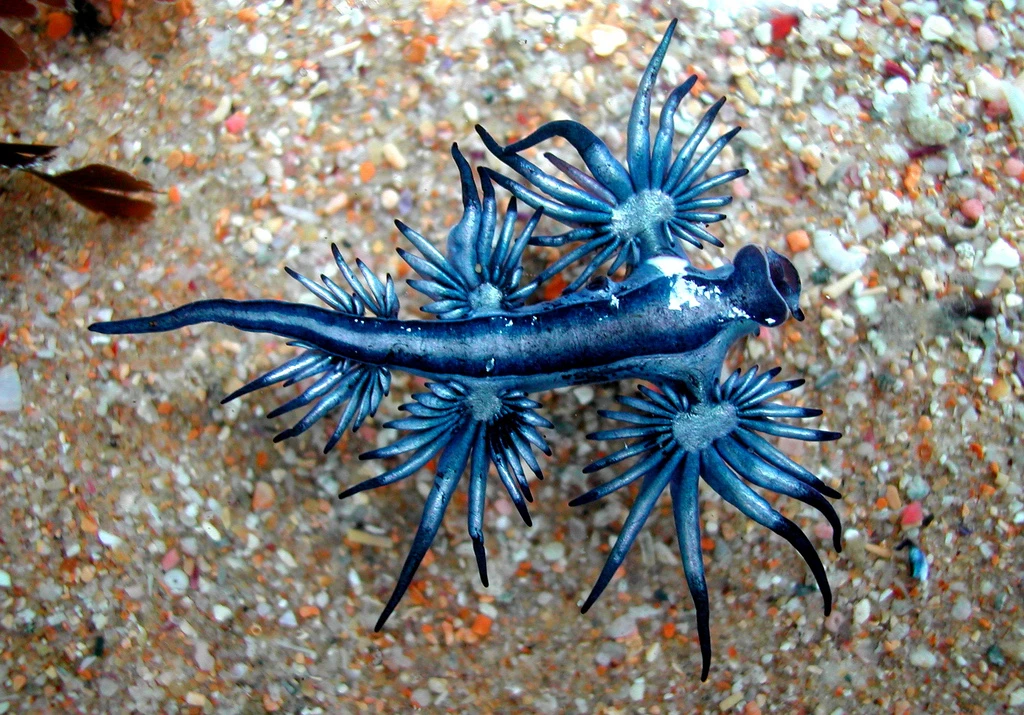
The blue dragon, a resident of the neuston. Best not to touch—it’s venomous!
Level 2: The Photic Zone
The ocean’s second layer is the photic (sunlit) zone. Reaching down to about 200 meters, it hosts a staggering 90% of all marine life. Almost all familiar fish and marine mammals live here. Squid, sharks, whales, dolphins, and sea turtles are just a fraction of this region's incredible biodiversity. 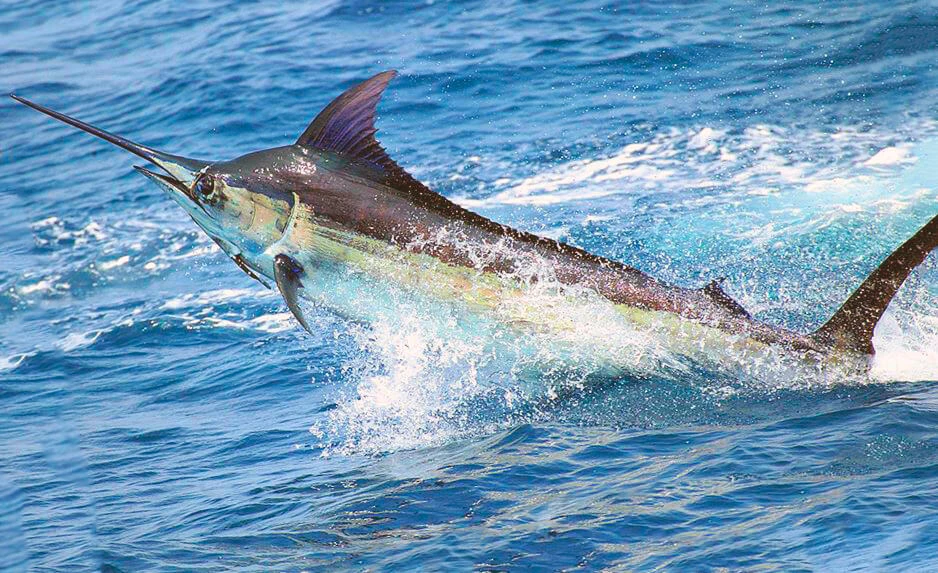
The blue marlin, one of the fastest fish on Earth, sends its greetings straight from the photic zone!
A defining feature of the photic zone is constant vertical migration. By day, many creatures descend to deeper waters, rising back to the surface at night. In their absence, invaders from the darker depths below—the twilight zone—move in. 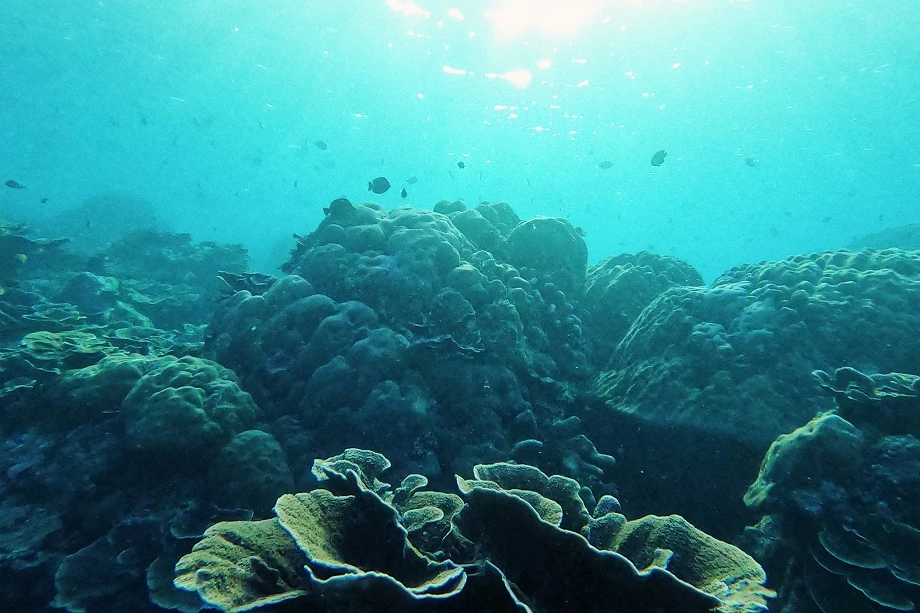
The depth of the photic zone depends heavily on water clarity. In some regions, it reaches down only 50 to 60 meters.
Level 3: The Twilight Zone
The twilight, or mesopelagic, zone. This is where descending deeper truly feels like descending into the underworld. Creatures here survive entirely on leftovers drifting down from the top two ecosystems. Dim sunlight still penetrates, but it's not enough for photosynthesis, so local plankton survive by recycling falling organic debris. Even for them, survival is a struggle due to volatile conditions. Major ocean currents collide and mix in the mesopelagic zone, causing temperature, salinity, and oxygen levels to swing wildly throughout the year. 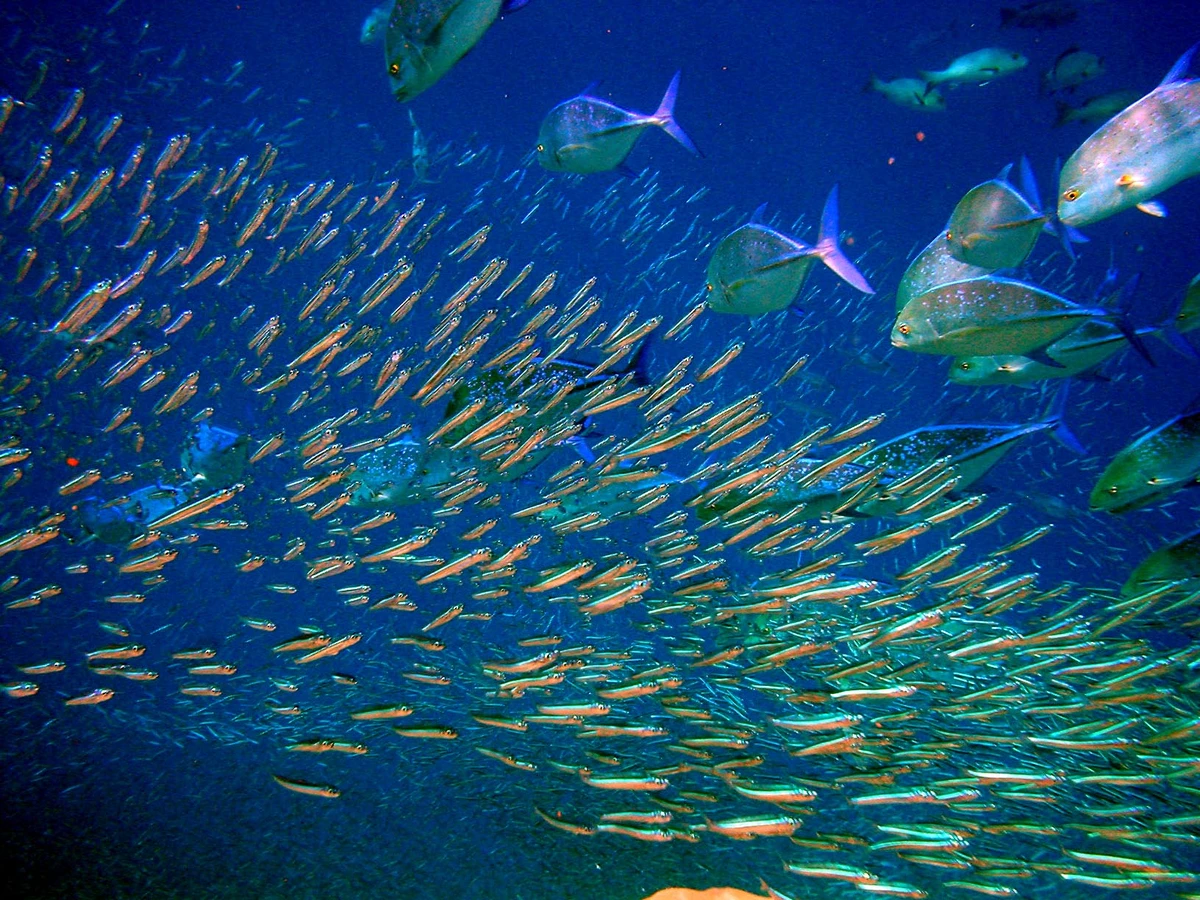
Fish diversity on full display!
With less food available, diversity among larger animals plummets. Yet, between depths of 200 and 1,000 meters, an estimated 2 to 10 billion tons of fish reside. Most species, however, are just visitors commuting upward to feed. The permanent residents are mostly ambush predators: giant squid, anglerfish, and hatchetfish. 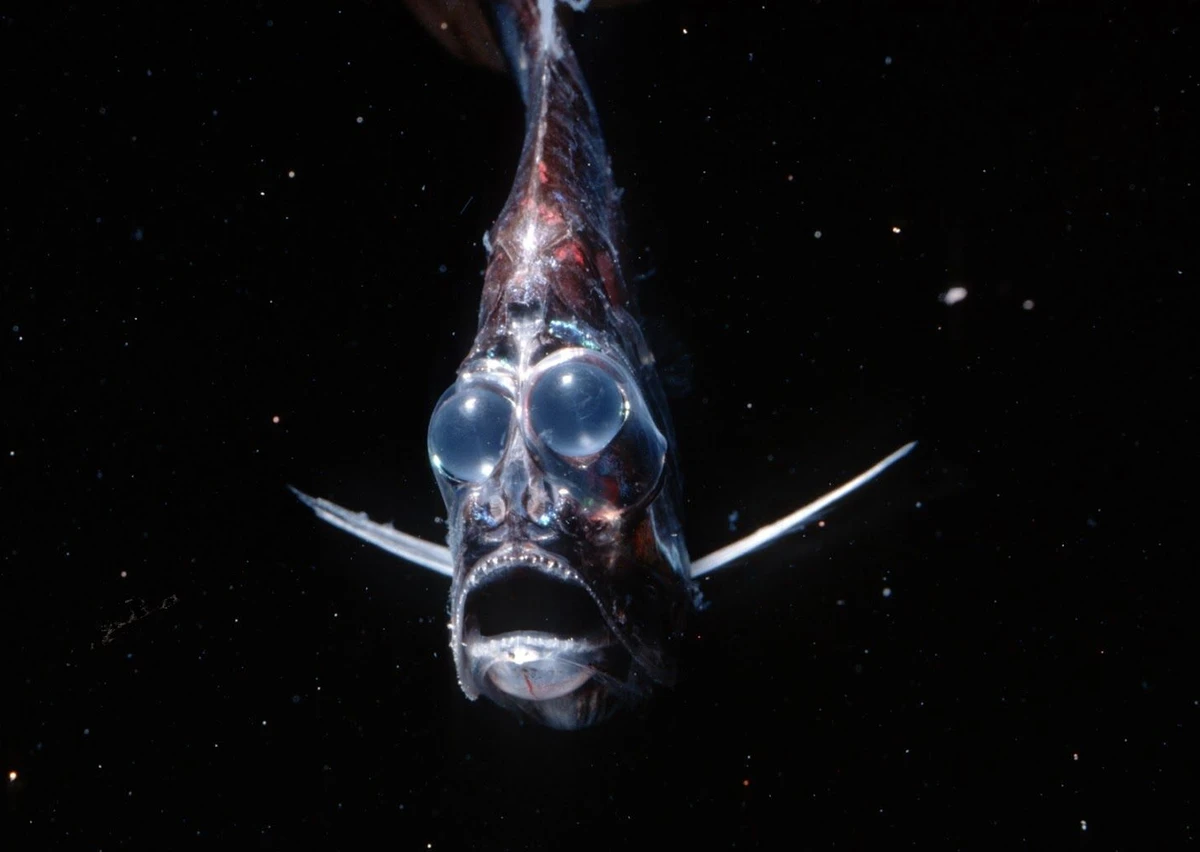
Why the wide eyes? Meet the hatchetfish—a classic resident of the twilight zone.
Remarkably, 90% of all deep-sea fish belong to a single family: Myctophidae, commonly known as lanternfish. Their schools are so vast that they confuse research sonar—explorers have repeatedly mistaken these dense swarms for the ocean floor! 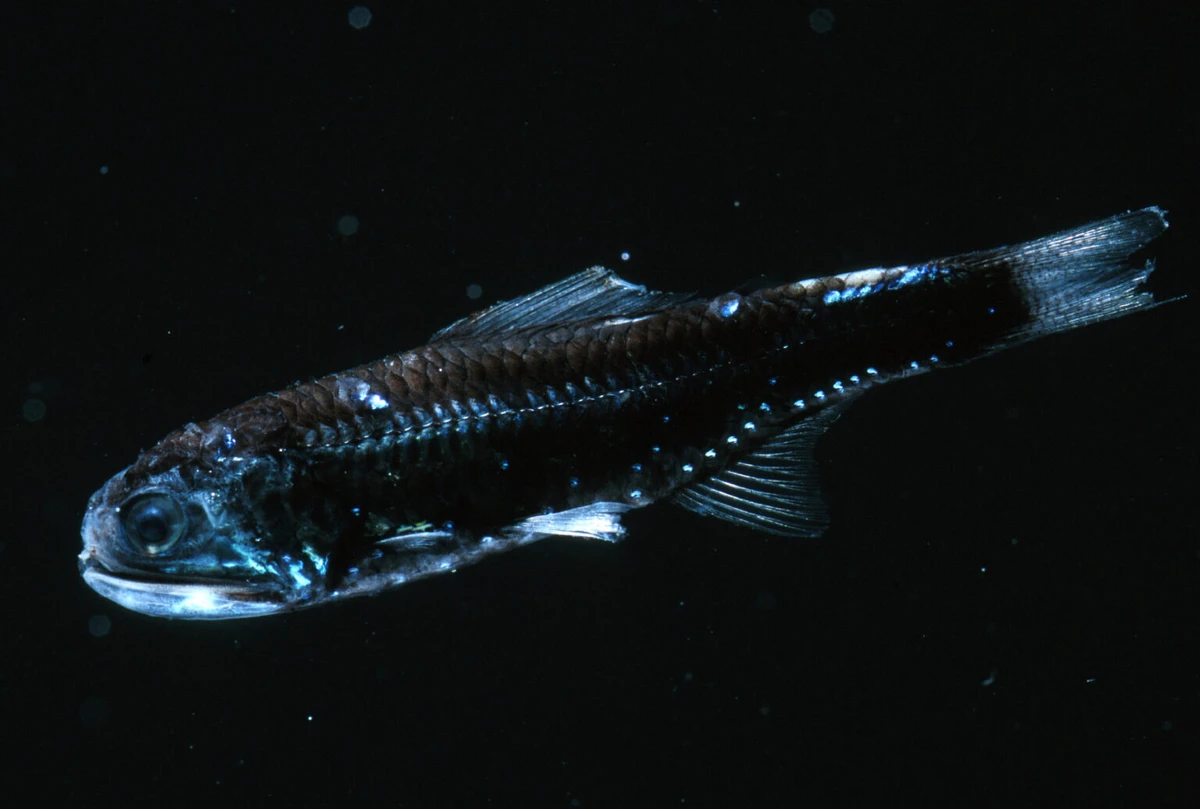
As you can guess, lanternfish earned their glowing name for a reason.
Level 4: The Bathyal Zone
So what lies beneath the lanternfish? Enter the bathyal zone: three kilometers of pitch-black abyss. Unlike the turbulent twilight zone, conditions here are exceptionally stable; researchers believe they haven't shifted an inch in the last 8,000 years. Our knowledge of this realm remains piecemeal because it is notoriously difficult to explore. And living here is just as brutal. 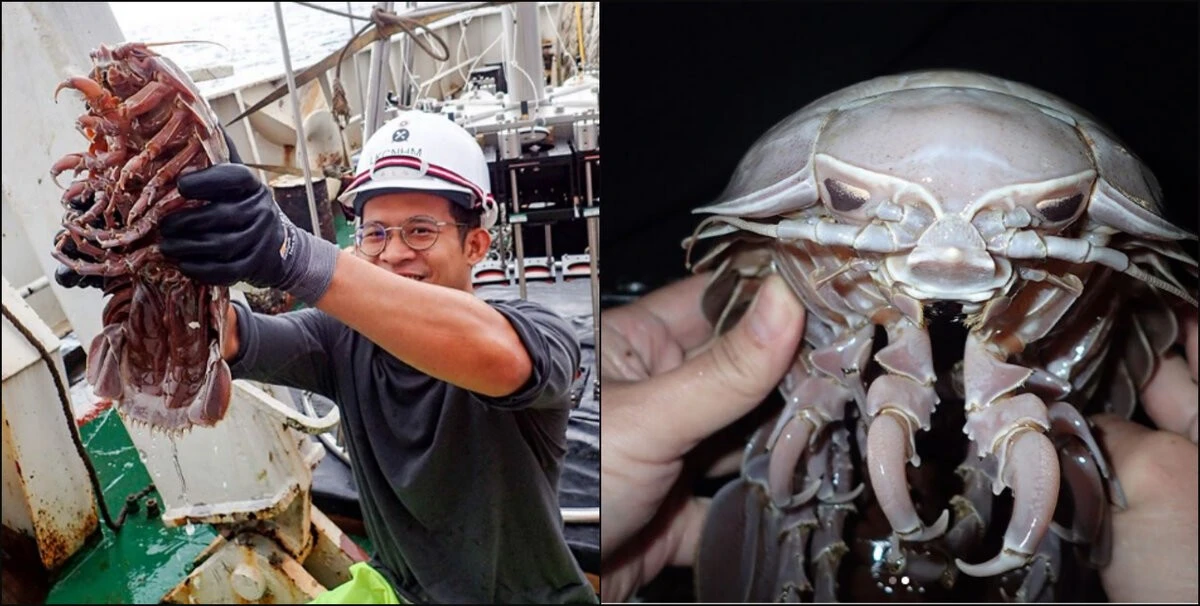
The bathyal zone is home to giant isopods—creepy crustaceans that look strikingly like terrestrial woodlice. Which isn't surprising, considering woodlice are crustaceans too.
Sharks, squid, octopuses, anglerfish, and deep-sea eels all inhabit these depths, though we have only rough estimates of their populations and species diversity. Most creatures here lack pigmentation, possessing translucent skin and sluggish movements. With resources so scarce at this depth, every single calorie becomes invaluable. 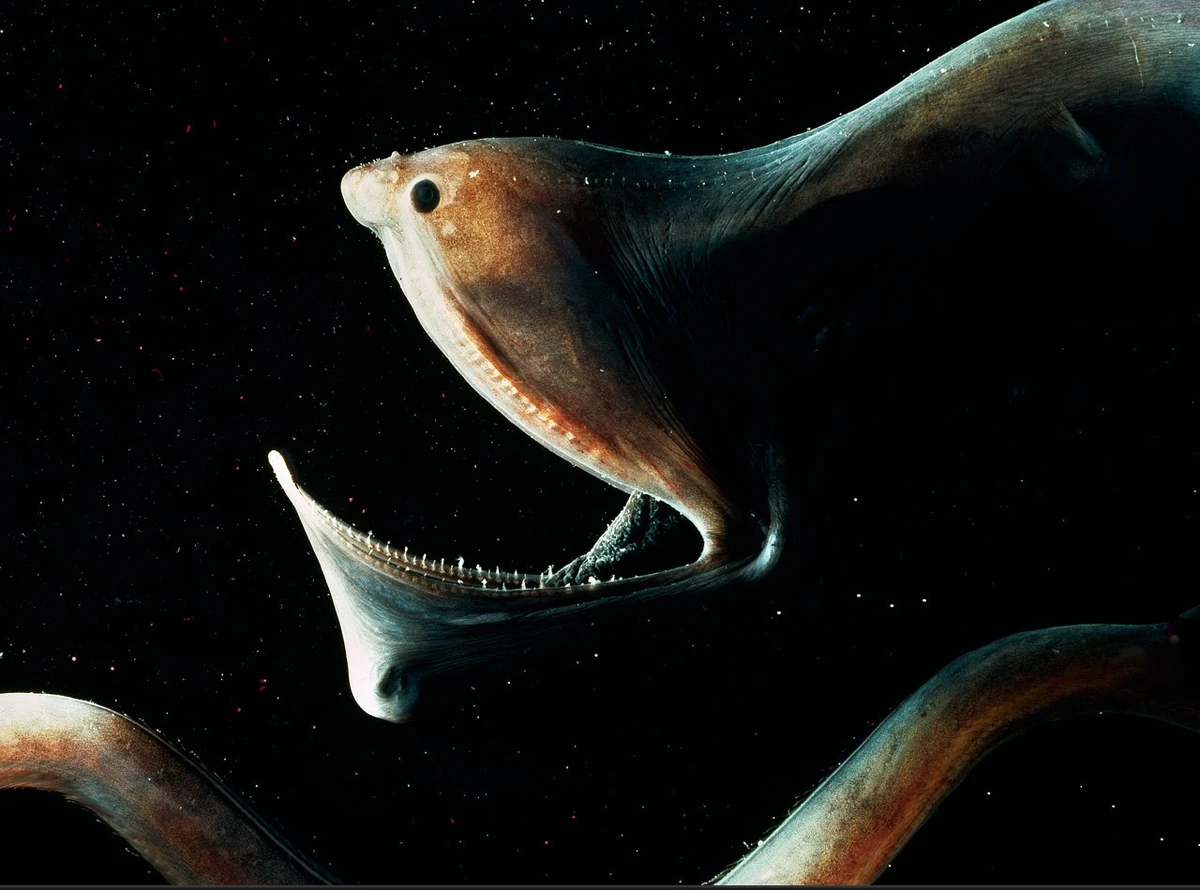
The pelican eel—a bathyal relative of true eels. It is capable of swimming much closer to the surface, into the upper reaches of the twilight zone.
Level 5: The Abyssal Zone
But we still haven't hit the bottom. Welcome to the abyssal zone, an oceanic desert. There is virtually nothing here. While our knowledge of the abyss is even sparser, our limited data is enough to reveal a barren realm. Organic matter in the water column is scarce, quickly settling as "marine snow" onto the seafloor to create a desolate "ash desert." Oxygen is also severely lacking, far removed from its sources. What is abundant, however, are organic and inorganic salts. 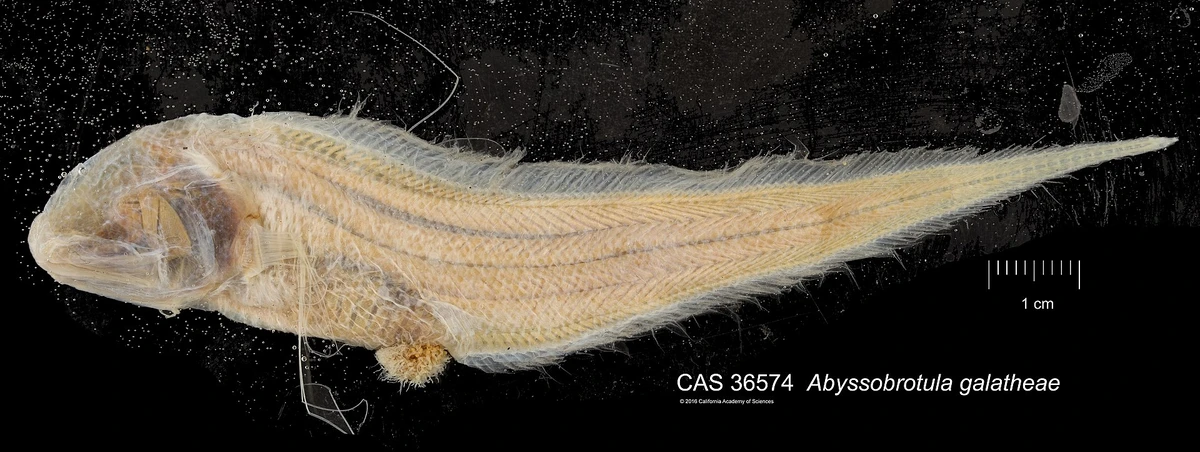
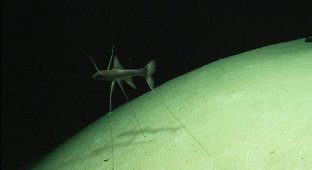
This fish was discovered at a depth of 8,370 meters. To date, no fish have been found at greater depths. 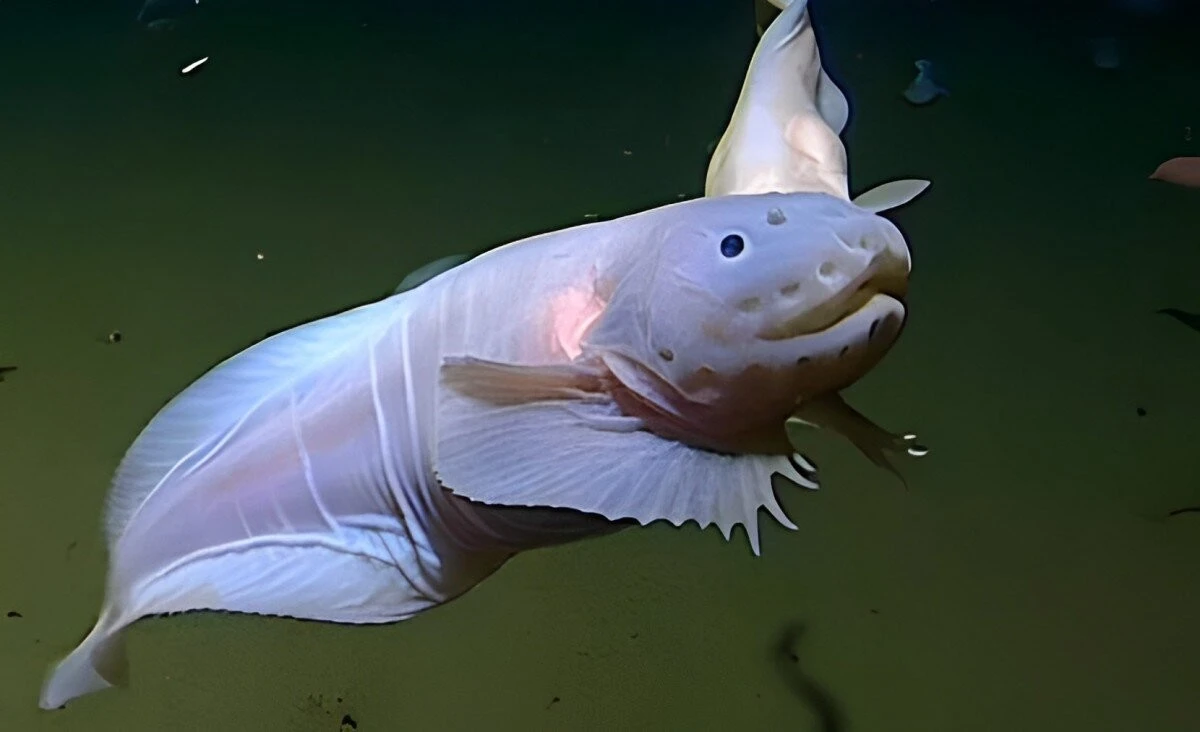
Ghostly creatures like these have also been spotted down here. They are known as snailfish.
Level 6: The Abyssal Seafloor
On the abyssal plains right at the seabed, life fares slightly better. Though it looks barren at first glance, a thriving ecosystem of up to 1,500 invertebrate species subsists on layers of heavily recycled organic detritus. Crustaceans, worms, eerie sea spiders, and even monoplacophorans—relatives of snails once thought to have gone extinct 300 million years ago—call this place home. Gliding above them are eels and the few other fish capable of surviving such extreme conditions. 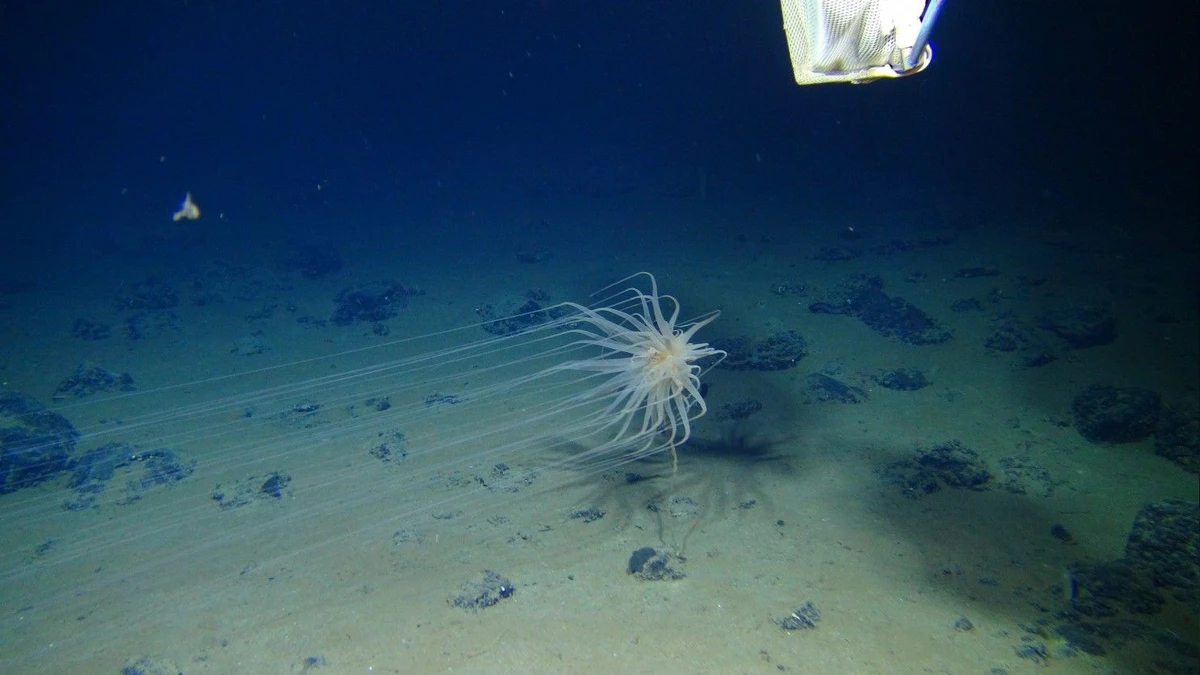
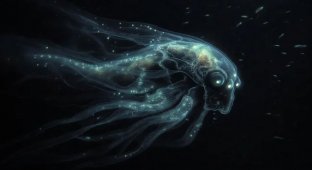
This is some kind of cnidarian—likely a jellyfish. In truth, no one knows for sure what it is.
Yet, even this bleak environment harbors true oases of life: hydrothermal vents, whale falls, and spots where shifting ocean currents deposit heavy concentrations of surface organics. In some of these oases, life is so dense that creatures literally stack on top of one another! But move just a hundred meters away from the action, and you're right back in the same lifeless desert inhabited only by dull, microscopic worms. 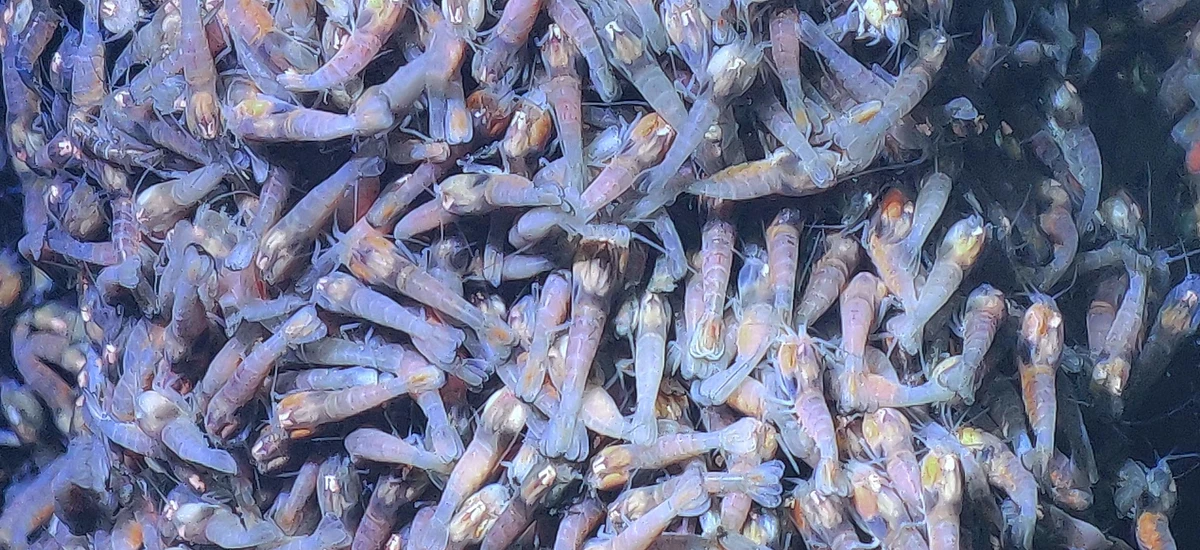
A dense cluster of shrimp around a hydrothermal vent. Venturing a bit too close means boiling in superheated water; drifting too far means freezing.
That covers the ocean layers, but remember: deep-sea exploration remains extremely rare. It's immensely expensive and technically challenging. Because of that, truly understanding everything that happens in the pitch-black depths of our oceans is, for now, simply impossible.