India has declared war on the country's biggest stereotype (4 photos + 1 video)
Indian Prime Minister Narendra Modi has taken a swipe at something sacred, declaring that the era of India's legendary mud is officially coming to an end. 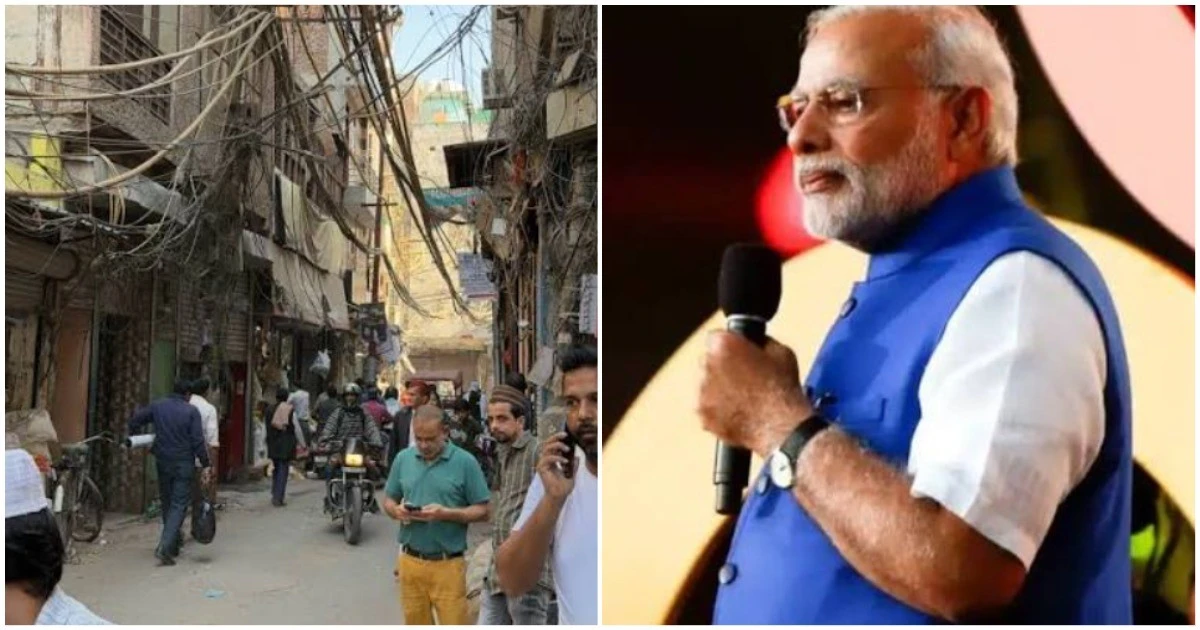
Modi made an ambitious statement: cleanliness should henceforth become not just a government program, but a part of India's national culture. According to the Prime Minister, the country's billion-strong population must make cleaning a daily habit and an integral part of their daily lives.
The idea is certainly beautiful, but the scale of the tragedy is awe-inspiring. For years, India has held the top spot among countries with the most cheerful sanitary conditions, where sacred cows, mountains of plastic, and the sewage of megacities merge into a single, colorful ecstasy.
Indian state media (like DD News) are currently filled with footage of the all-out cleanup. For Modi's visit to Chandigarh and Jalandhar, local party officials staged a massive PR campaign: they organized cleanups in over 3,100 locations at once. Parks, hospitals, temples, and markets were cleaned at an emergency pace, promoting the slogan: "We welcome Modi not with words, but with clean streets!" Journalists joke that if the prime minister wants to clean up the country, he should simply travel endlessly to visit different regions. 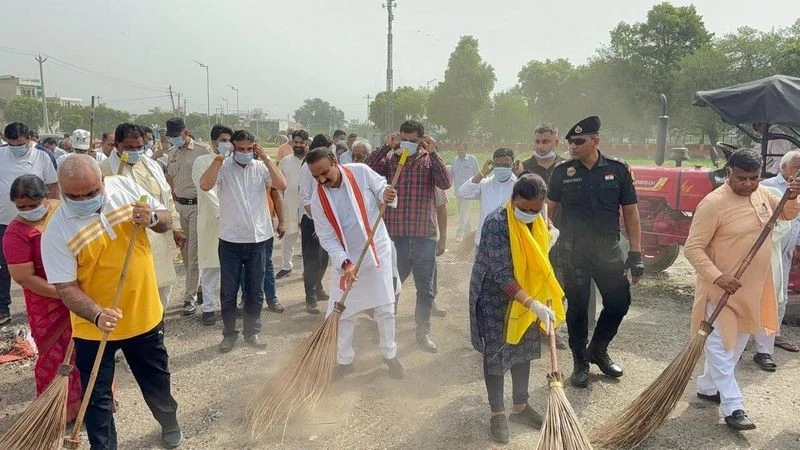
The Hindu is discussing Modi's official address to the millions of devotees currently embarking on the annual Amarnath Yatra pilgrimage. The prime minister wrote them a personal two-page letter, bluntly pleading: "Make this sacred path a symbol of purity and environmental protection." The press notes that Modi is attempting to undermine the sacred by linking religious duty with the banal habit of not throwing candy wrappers and plastic in the mountains.
The main question currently preoccupying the international community is: will this communal crusade help overcome age-old stereotypes about India?
The Modi government has been trying to promote the "Clean India" (Swachh Bharat) program for years. While pro-government media trumpet that over 120 million toilets have been built in rural areas over the 11-12 years of the "Clean India" mission, independent journalists and the opposition remain skeptical.
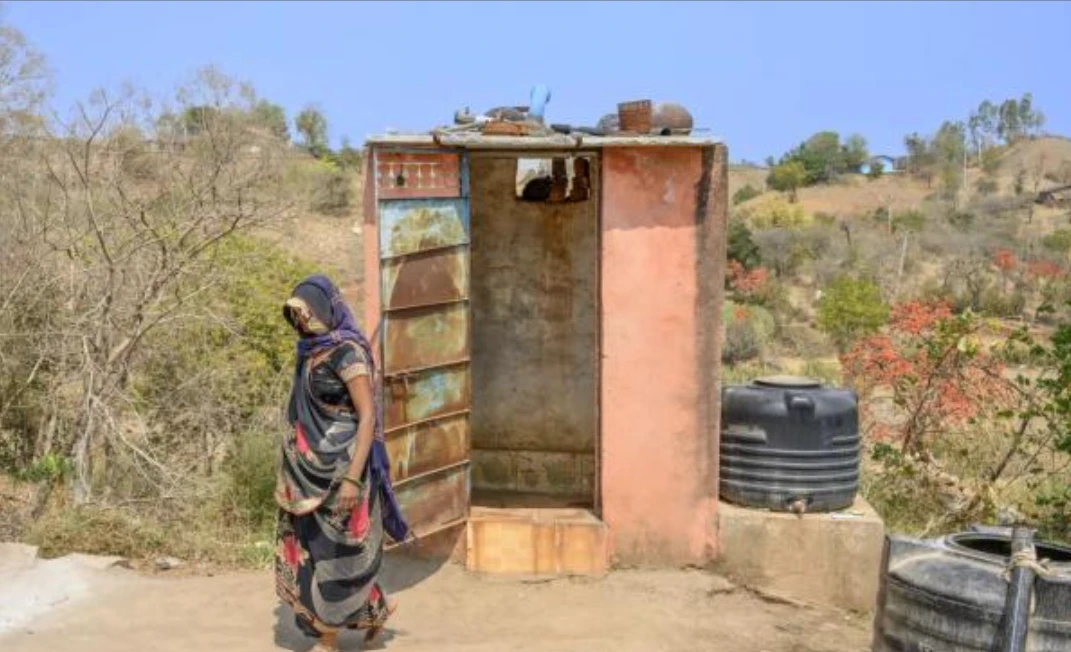
On social media and in liberal publications, Modi is reminded that millions of these toilets built in rural areas are now being used as firewood storage or chicken coops because they were forgotten to have water and sewerage connections. Critics write that while the prime minister talks about a "national culture of hygiene" in stadiums, the great Indian rivers (including the sacred Ganges) continue to serve as sewers for industrial waste.
Whether Modi can hand out a broom to every citizen and make the country sparkle like a brand-new Taj Mahal remains to be seen. But if he succeeds, tourists will certainly miss that unforgettable scent of adventure.