Earth 2.0: What Was Really Found on the Exoplanet LHS 1140-b (4 photos)
Imagine a planet with 5,000 tons of gas per second whistling into space. No one in their right mind would call this place habitable. However, in astrophysics, this gigantic leak has just caused a bombshell: the rocky world LHS 1140-b, located 48 light-years away, has been officially recognized as a leading candidate for "Earth 2.0." 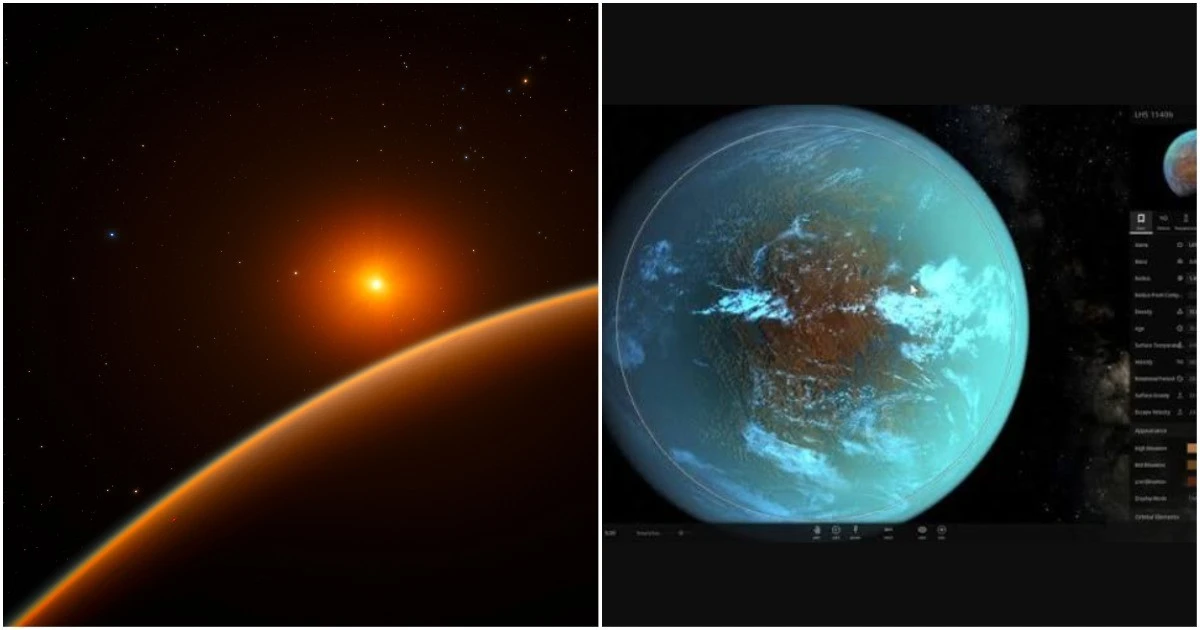
The irony is that it was this catastrophic gas loss that proved the planet still has something to lose, and that a full-fledged atmosphere still exists.
Until now, only superheated Jupiters, where life is essentially impossible, could boast confirmed gaseous envelopes. Rocky planets in the "habitable zone" stubbornly turned out to be bare boulders—the radiation from red dwarfs usually wipes out all life within the first couple of billion years. The famous TRAPPIST-1 system, the fervor of the entire scientific world, ultimately proved disappointing: the James Webb Space Telescope found the worlds there practically defenseless against cosmic radiation. 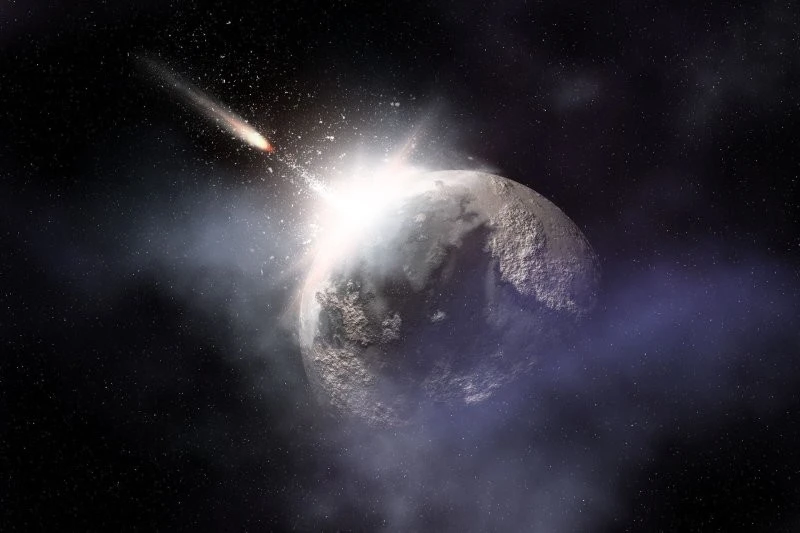
LHS 1140-b was a different story. This super-Earth is 1.7 times larger than our own and 5.6 times heavier, meaning its local gravity is much more effective. Observing it with the WINERED infrared spectrograph in Chile, scientists detected a clear signal: escaping helium had formed a gigantic plume around the planet. 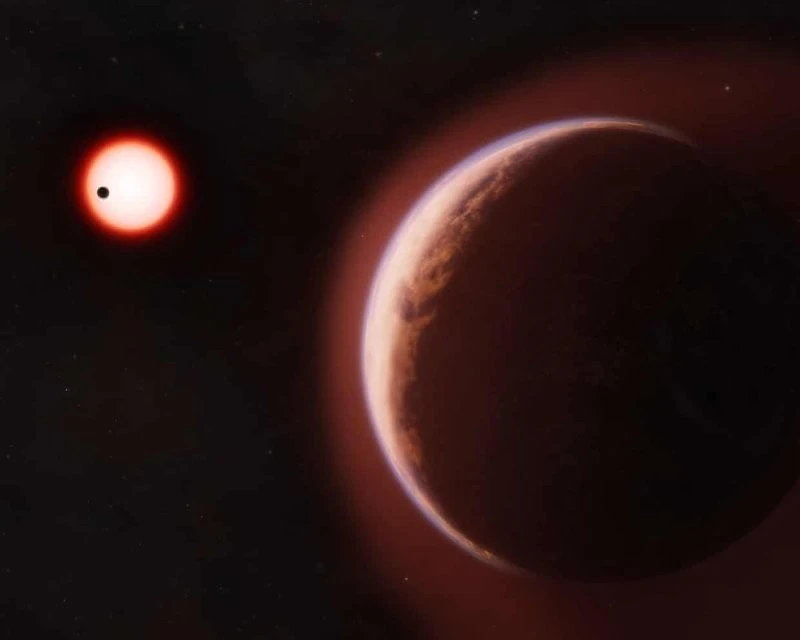
Of course, no one can breathe pure helium. But the physics of the process point to a crucial marker: since the light helium has risen to the surface and is evaporating, it means that below, near the solid surface, gravity is tightly holding the heavier gases—carbon dioxide, nitrogen, and water vapor. 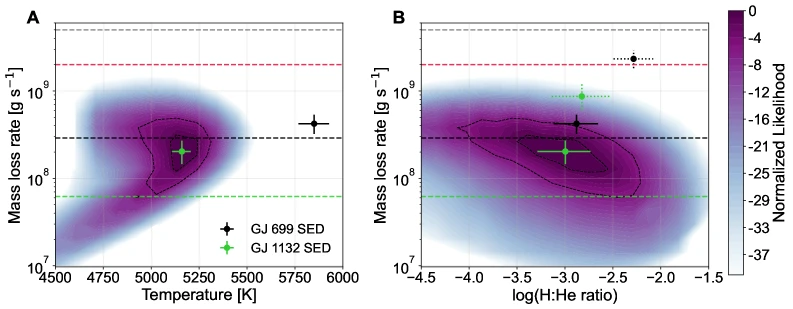
Models of the atmospheric mass loss rate, outflow temperature, and H:He ratio for LHS 1140b in 2024.
Considering that the planet receives 60% less heat from its dim star than Earth does from the Sun, this dense greenhouse atmosphere could keep the local temperature in perfect balance. Essentially, we are dealing with a candidate for a global ocean world. Direct measurements of the composition of the lower atmosphere are next in line, which will settle the debate about whether there is anything floating there.