What is tensegrity and why it's always cool (16 photos)
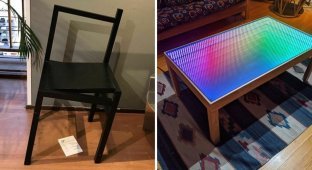
Surely everyone has seen unusual furniture online, and some even in real life, that seems to defy the laws of physics. But these pieces, created using the principle of tensegrity, vividly demonstrate the triumph of scientific thought in a single stool or coffee table. 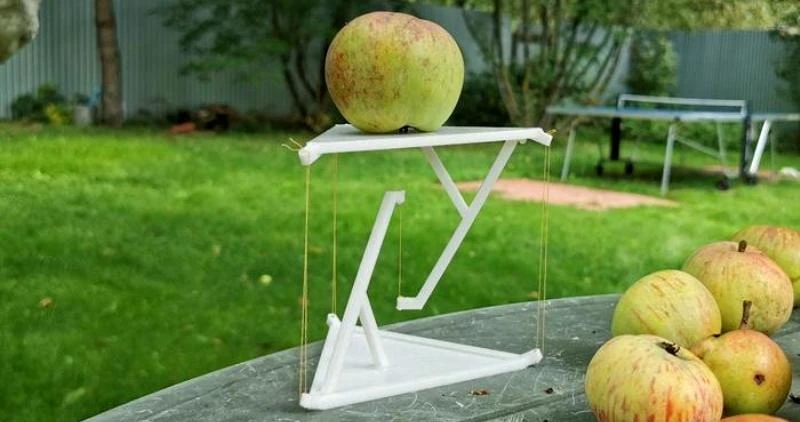
Tensegrity is a term used not only in relation to furniture. It is a fundamental principle of natural design, which stands for tensional integrity, and roughly translates as "integrity through stretching." This definition was coined by American architect, designer, and engineer Richard Buckminster Fuller, who believed that modern architecture should be closer to living nature. 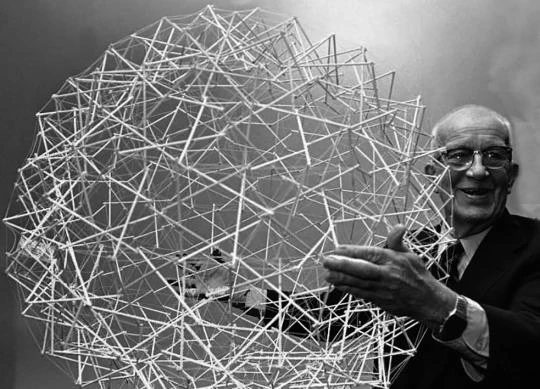
Fuller was born nearly blind and created almost all of his works based on tactile sensations. He believed that triangles and tetrahedrons were the most stable forms. As early as the 1920s, the architect argued that everything in nature is built on the principle of tensegrity, maintaining a balance of tensioned connections. 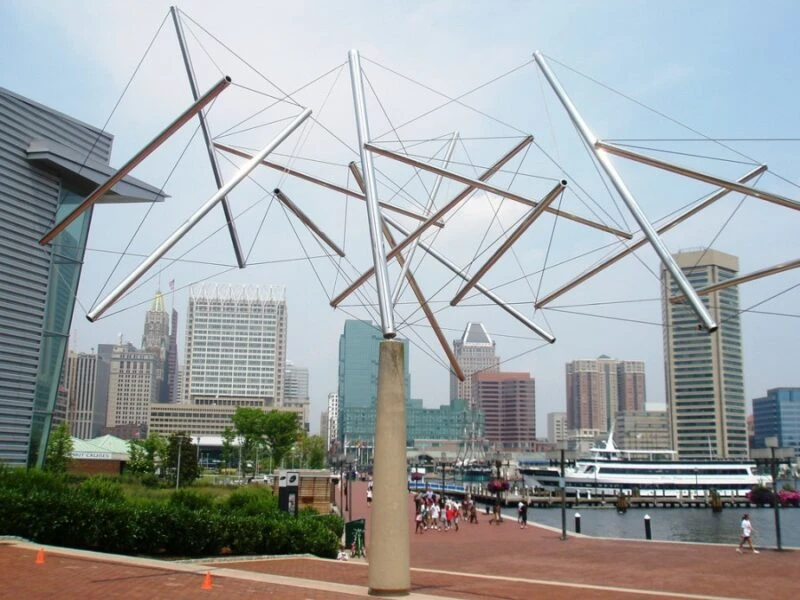
Even a human being, entwined with flexible and contractile muscles, tendons, and ligaments connecting the skeleton to hinges—joints—according to Fuller, fits perfectly within the canons of his theory. After the death of the engineer, whom many considered a visionary, science proved that the principle of tensegrity, as he claimed, is a fundamental principle of nature's design, operating at the level of organs, tissues, cells, and even molecules. 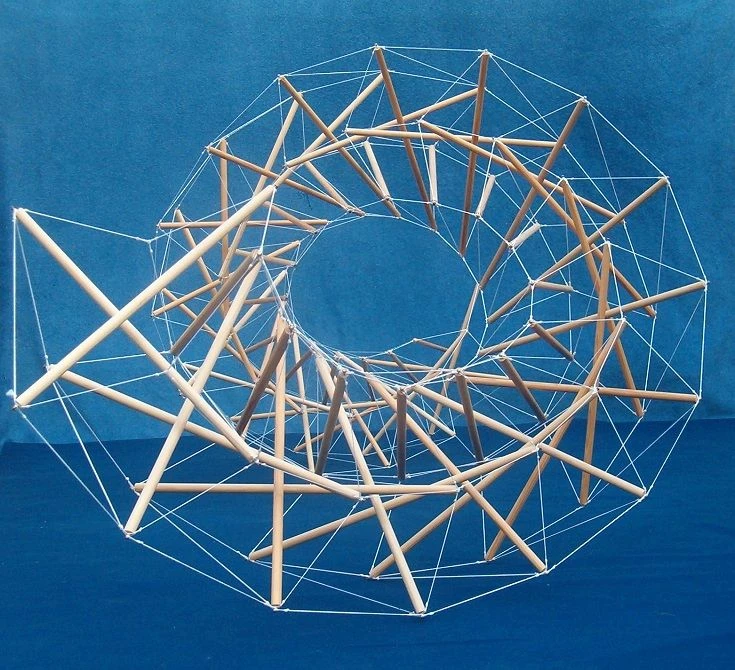
The scientist Karl Johansson (1890-1929) also studied tensegrity. A quarter century before Fuller coined the term, he delighted visitors to technical exhibitions with his "self-stressed structures." 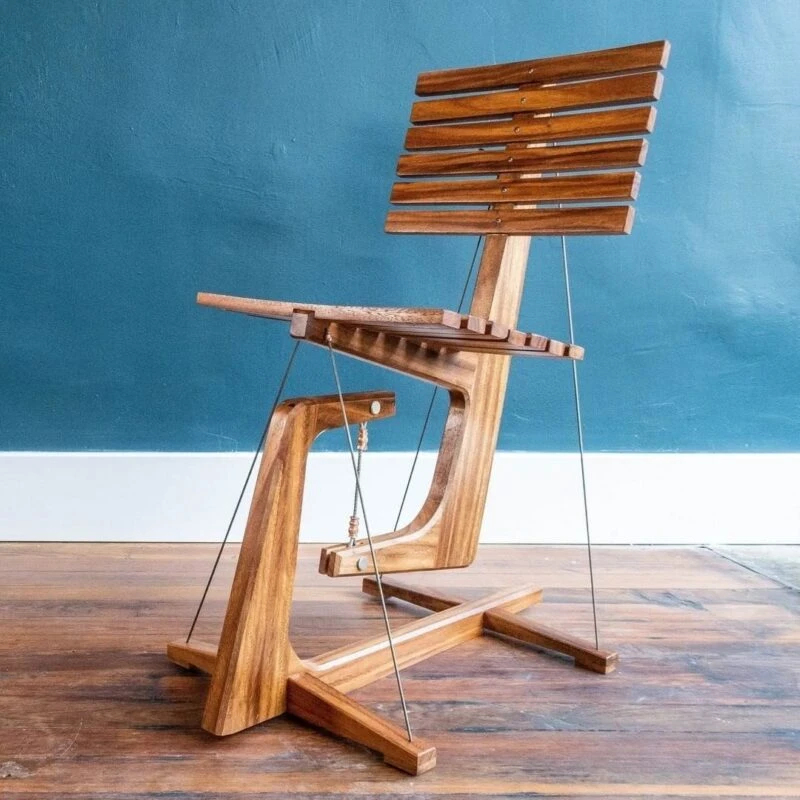
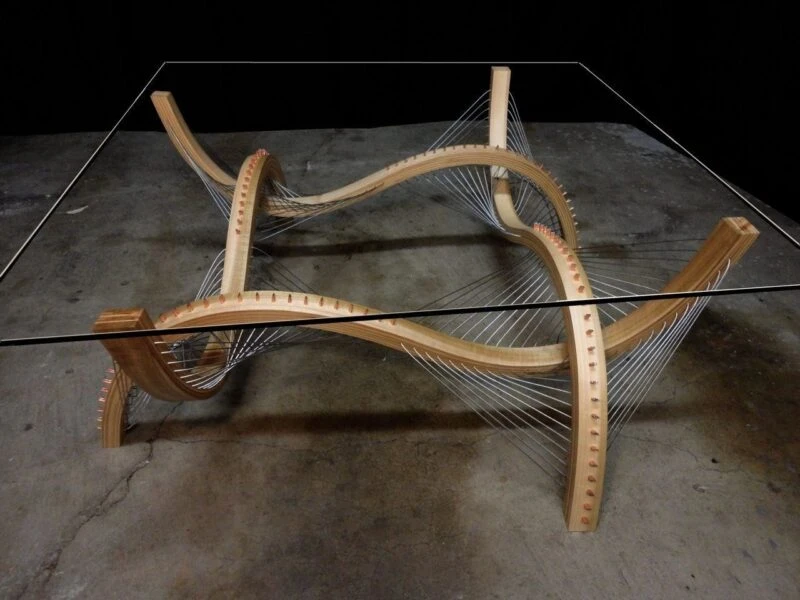
But we've strayed from the topic of our conversation—fantastic furniture. The tensegrity principle is successfully used in the creation of all kinds of structures with cables, chains, and rods, some of which operate in tension, others in compression, but together they provide stability, strength, and durability. 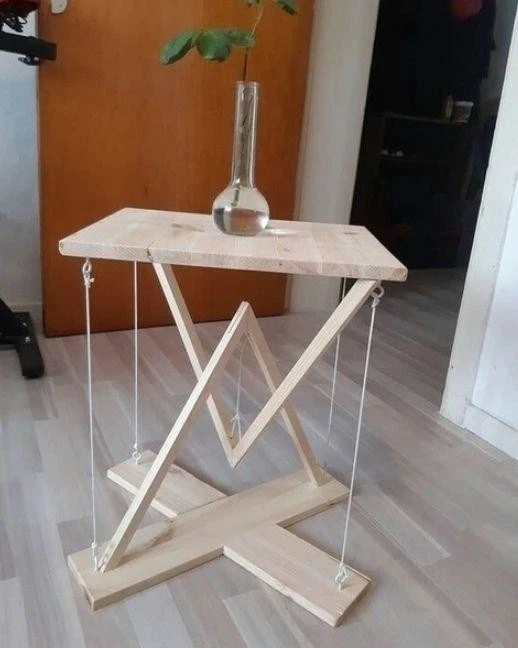
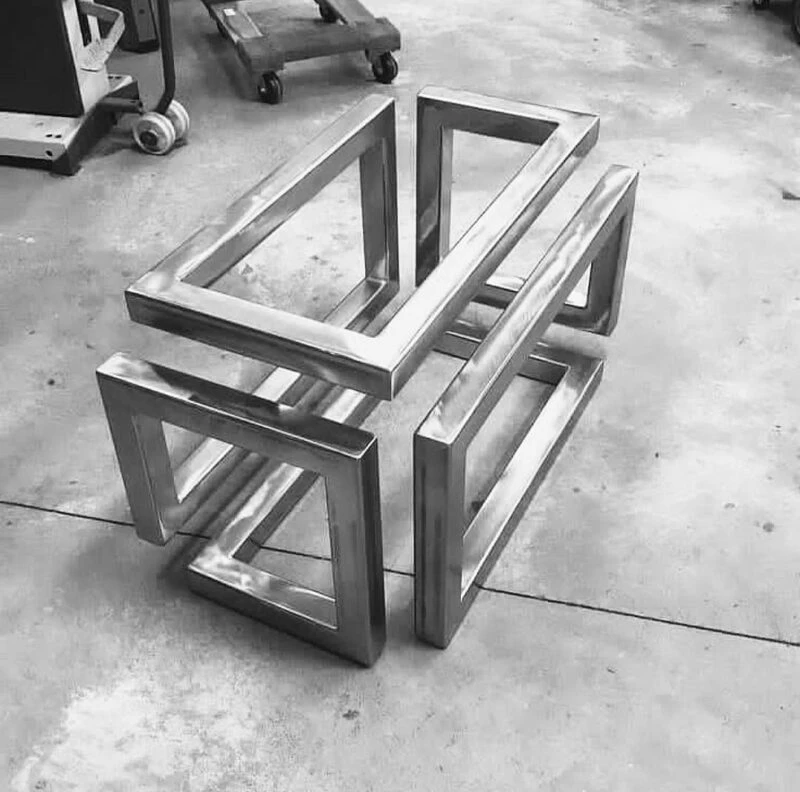
These structures, using tension and compression, are called stress-bonded structures. Their calculations and manufacture may seem complicated at first glance, but in reality, everything is simple and very natural. Understanding how this furniture works is easy if you put aside stereotypes and use your imagination and a little spatial thinking. See how beautiful and technologically advanced these pieces are, created from the simplest materials. 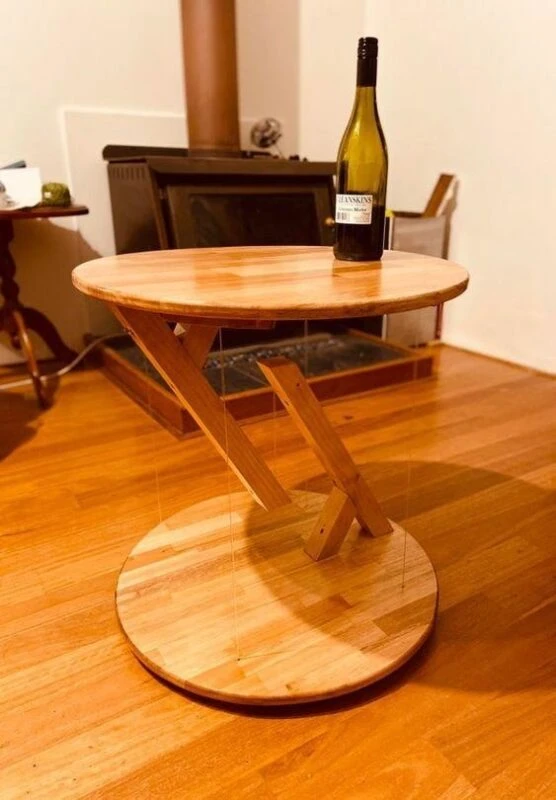
[thumb ]343_files/444_JOuL.webp[/thumb] 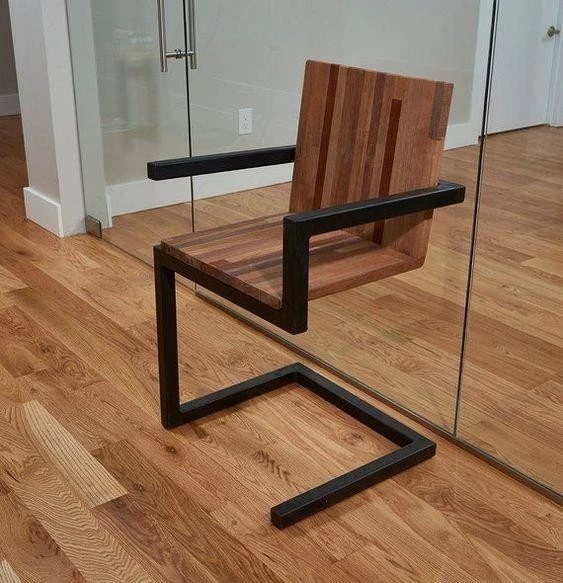
[thumb]https://cn22.nevsedoma.com.ua/p/29/2954/343 _files/bb6f1712e5d2f79f17ffbc98e9ac07a7-800x654_JOuL.webp[/thumb] 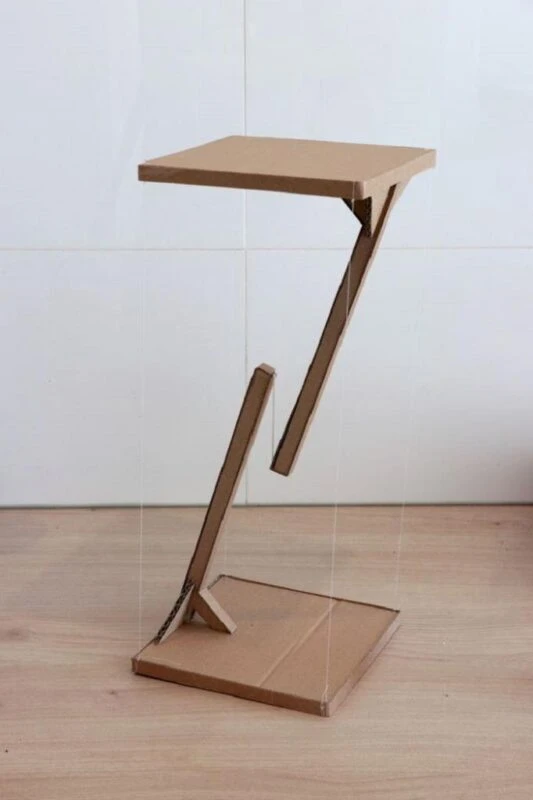
[thumb]https://cn22.nevsedoma.com.ua/p/29/2954/343_files/1-ruryoiclvekq_pm5ud-n3q-798x800_JO uL.webp[/thumb] 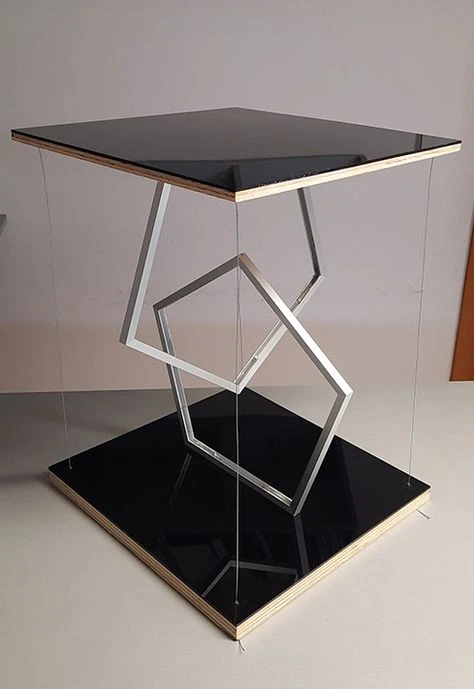
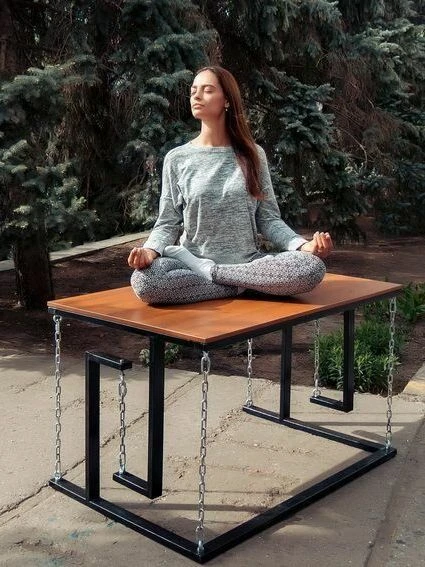
Some people make complex calculations, reinventing the chair, while others take a different approach, shocking us with the realism and senselessness of their products. "Wolf" furniture from Dagestan is a perfect example of such tastelessness and cheap "exoticism."