Echoes of the Past: How a 1921 Comic Predicted Meme Culture (photo)
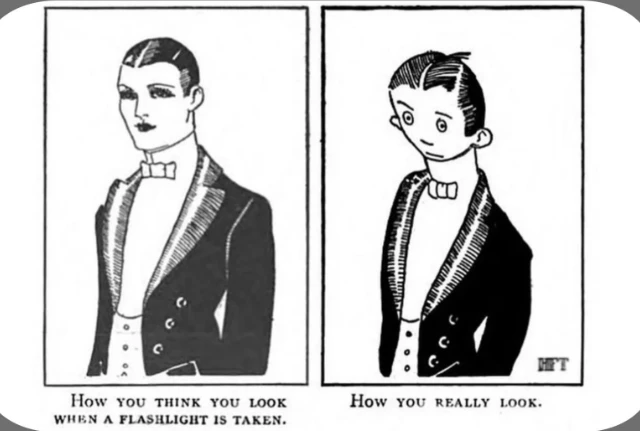
We're often under the illusion that memes are a purely digital product born of the social media era. However, a comic strip from the satirical magazine Judge, published in 1921, convincingly proves otherwise: the structure of viral humor hasn't changed in a hundred years. Cartoonist Hubert Townsend's work is a near-perfect prototype of the modern "Expectation vs. Reality" format.
Back then, photography was far from simple: to capture a shot, photographers used a magnesium flash, accompanied by a blinding flash, a loud bang, and clouds of acrid smoke. It's no surprise that Townsend's comic struck such a chord: it hit a nerve with contemporary audiences, satirizing the gap between how we imagine ourselves at the moment of taking a photo and how we actually look, blinded and frightened by the technological advances of the time.
When this comic went viral in 2018, it sparked a wave of interest not only because of its humor, but also because it exposed a fundamental human need: to find humor in our daily failures and inconsistencies. It turns out that the format we consider "trendy" today was invented decades before the internet, proving that the mechanisms of satire and self-irony are universal, whether printed on paper or shared through reposts.