China, Japan, Greece—three points on the map, three eras. Three facets of the same world: ritual, protection, and art, but with a single level of craftsmanship. An owl is frozen in bronze majesty, a spider on fabric looks comical yet alive, and a marble Io carefully guards the secret of its essence. These and other objects in this collection were created not for everyday use, but to amaze. Take a look at artifacts that breathe life from bygone eras.
The Fayum Mum Portrait is a funerary portrait painting created in Roman Egypt during the 1st–3rd centuries AD. 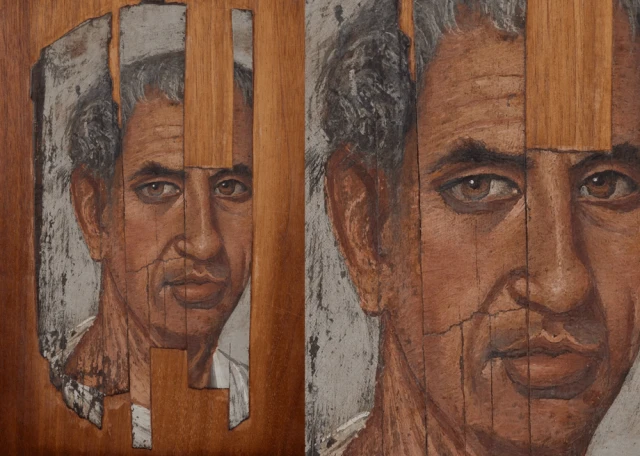
A broken seal from the 1st century BC depicting a house, excavated in Jubblepore, India, in a private collection in Agra. 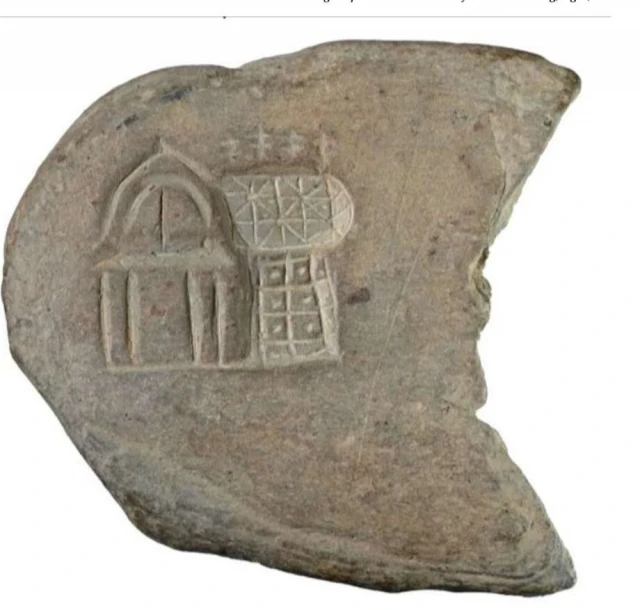
A bronze wine vessel in the shape of an owl. China, 1100 BC 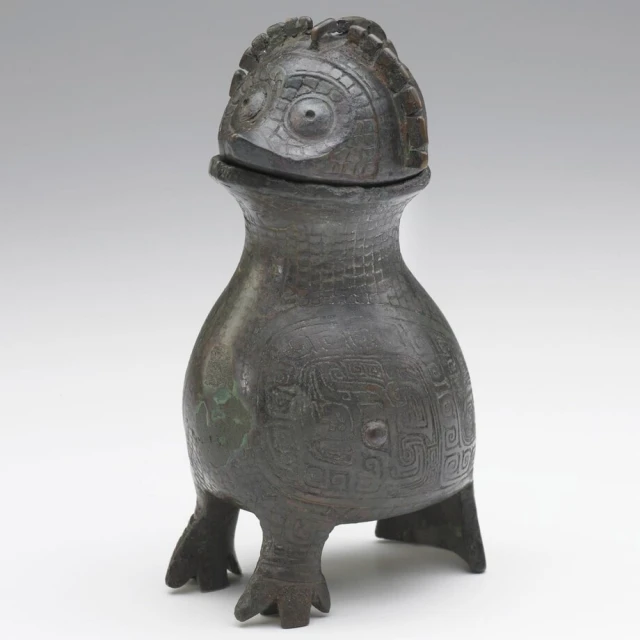
A large, ornate, single-barreled flintlock pistol with ivory inlay, late 18th century, India, Salar Jung Museum 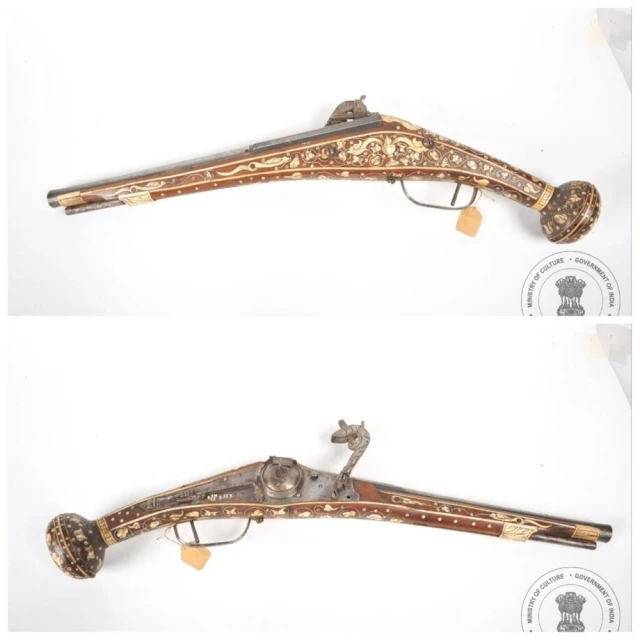
Stele commemorating the spread of the famous teachings (Nestorian Christianity) of the Great Qin Dynasty (Chinese Tang Dynasty) in the Middle Kingdom, 781 AD, museum Beilin, Xi'an 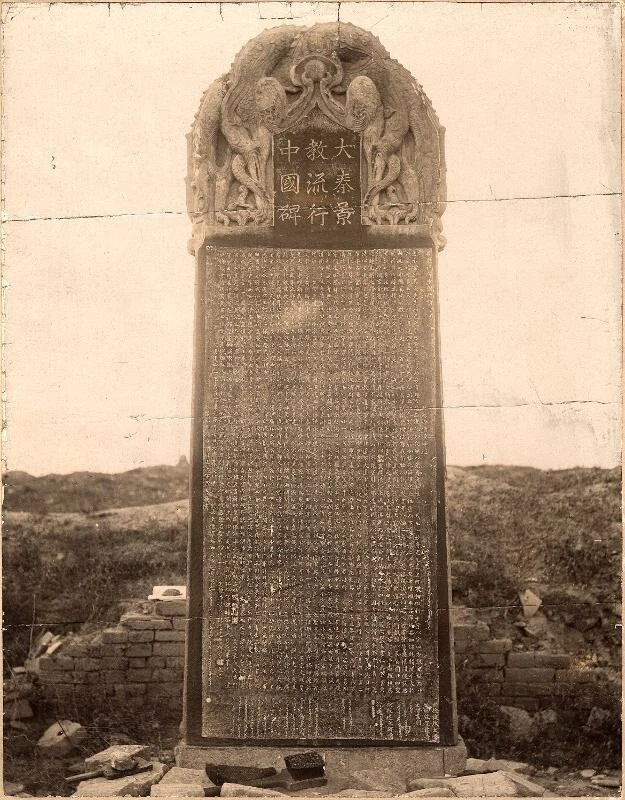
19th-century Japanese firefighter's jacket decorated with a spider hovering over an abandoned Go board 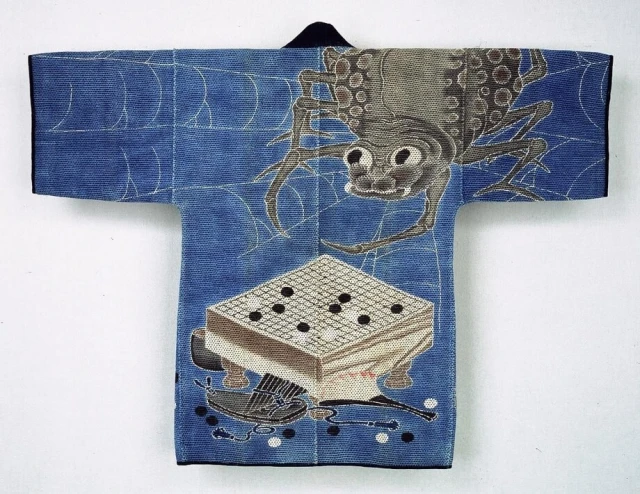
Majapahit terracotta head figurine, Trowulan, East Java, Indonesia, 14th-15th century century 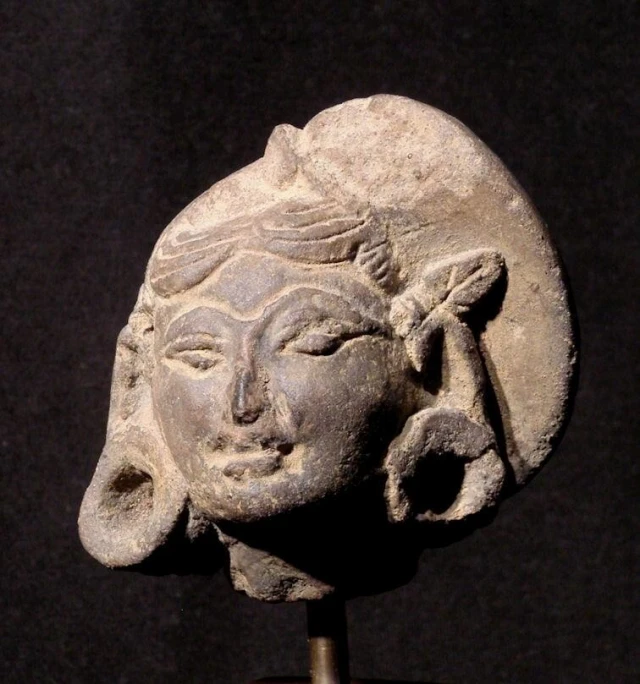
4th-5th century brick temple in Tenduli, Uttar Pradesh, India 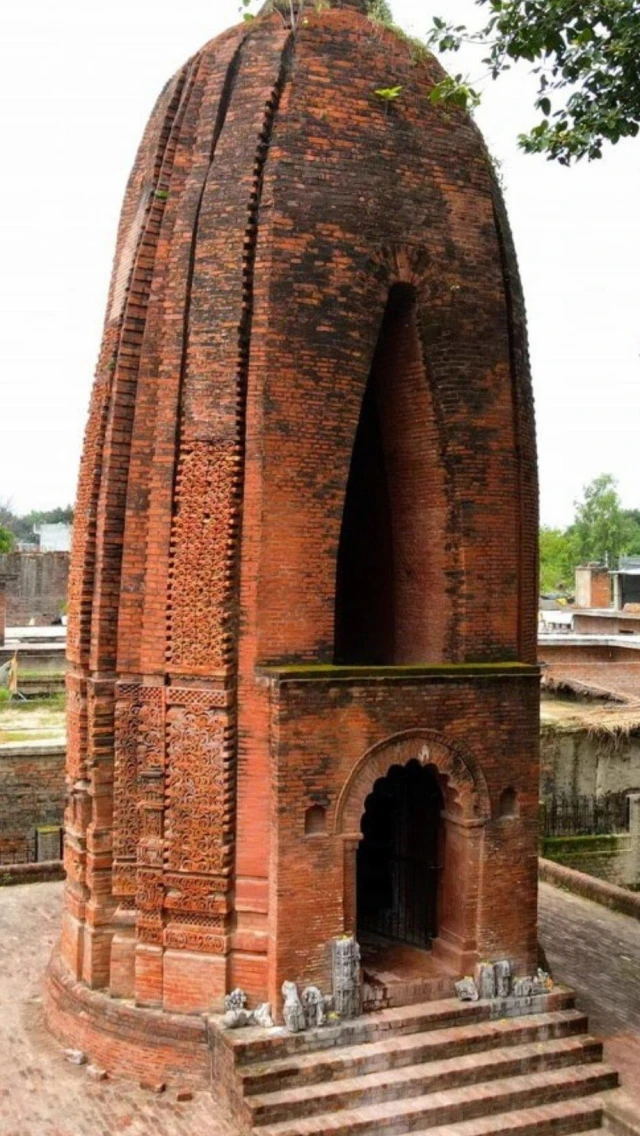
Magnifying glass, circa 18th century 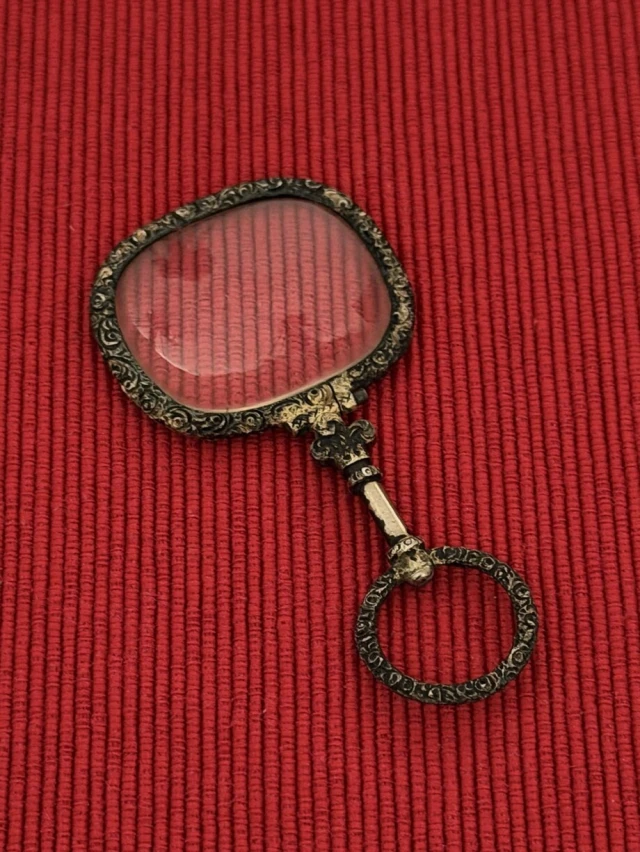
Depicted on a shell base and a Renaissance gold cameo, made around 1840 Roman deities 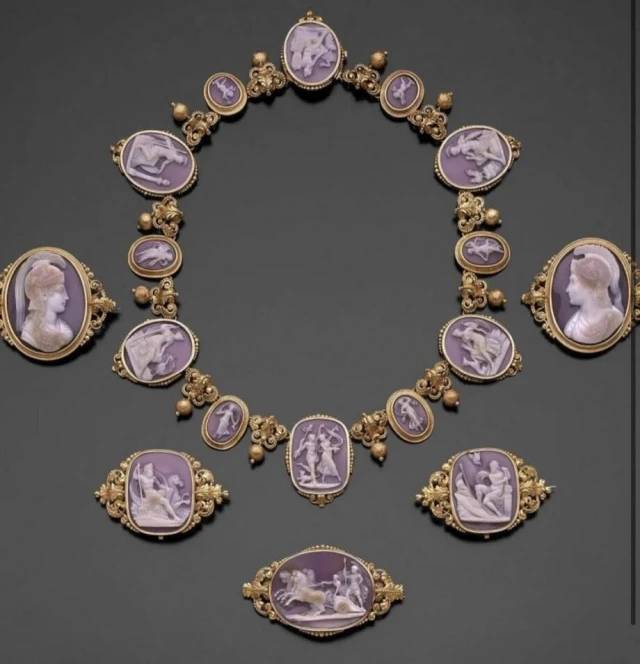
A white cotton muslin dress with a green floral print, made in the 1860s and currently housed in the Fashion Museum in Bath, England. 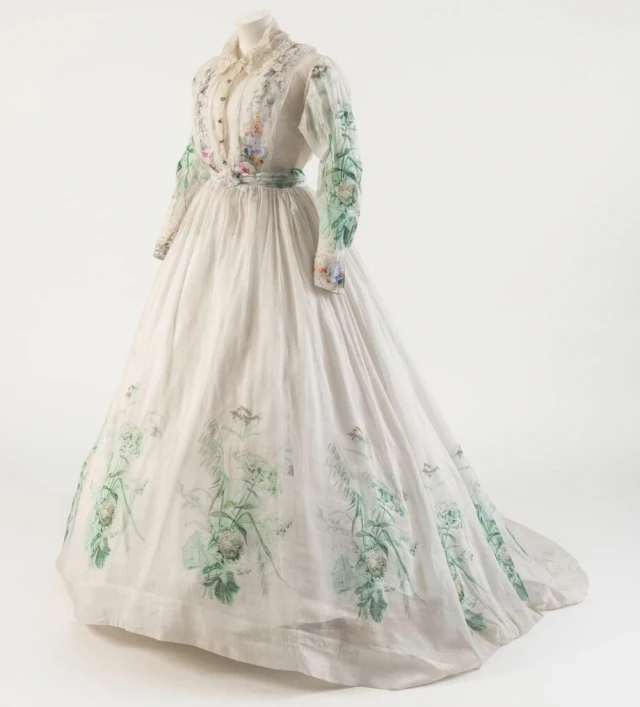
A silver cup, circa 2nd century BC, found during excavations at the Ropar burial mound. India 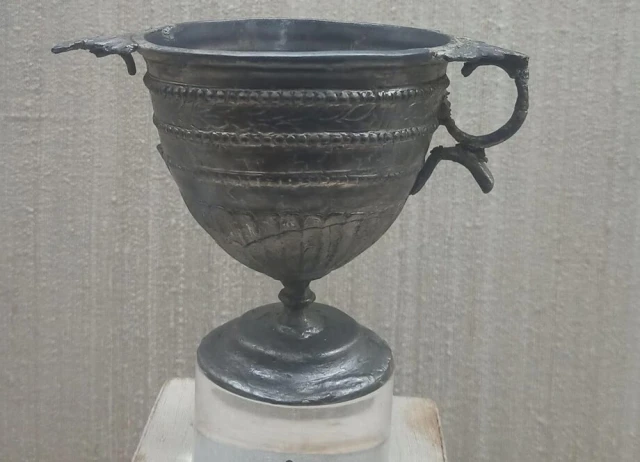
Stone shrines at Unjusa Temple. Korea, Goryeo Dynasty, 918-1392 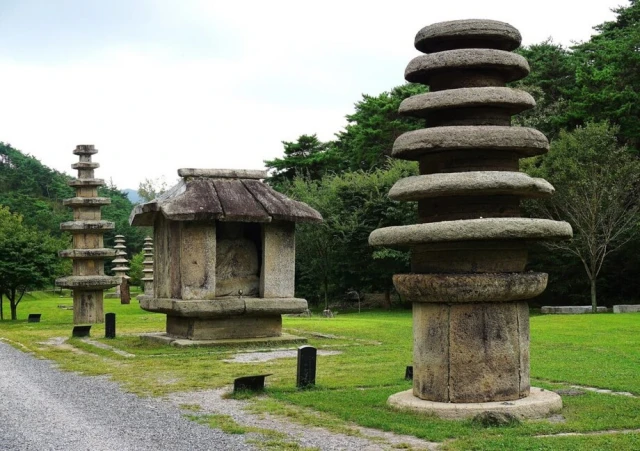
Kantaros head of a female faun or Io, circa 375-350 BCE 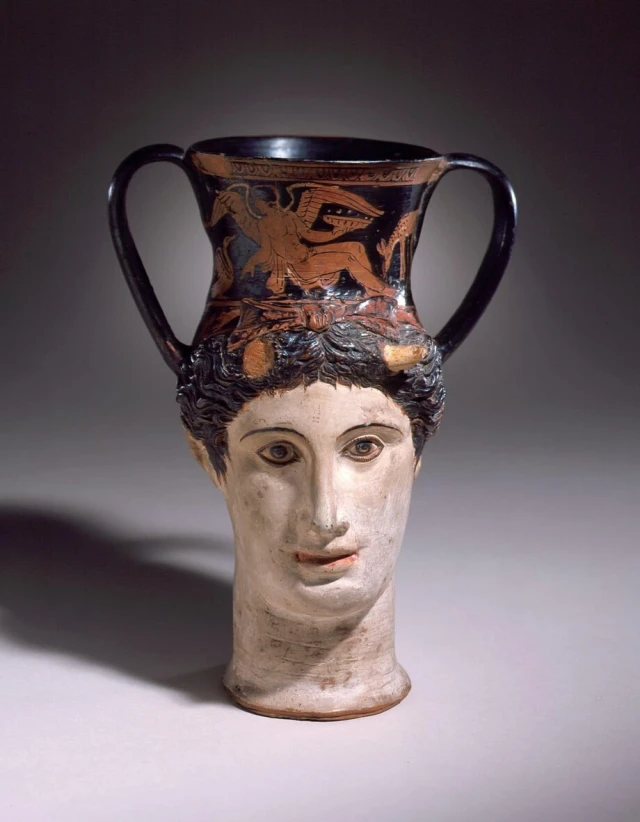
Marble bust of Cardinal Scipione Borghese, executed by Giuliano Finelli in 1631-1632 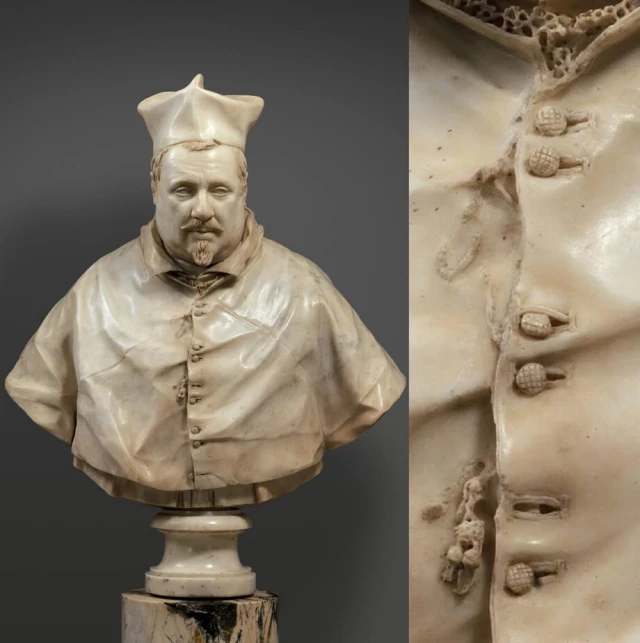
Plastered facade of Sak Kok Naa, the royal mausoleum of the Mayan king Ukit Kan Lek'k Tok, who reigned from May 26, 770 until sometime after 797 CE. 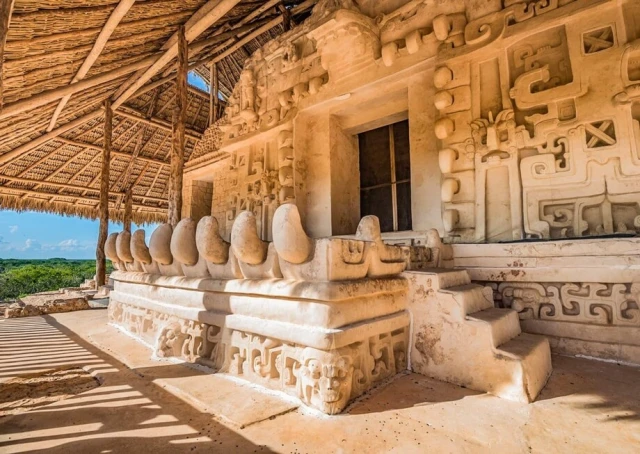
Dhal (shield) made of buffalo hide. India, 18th century 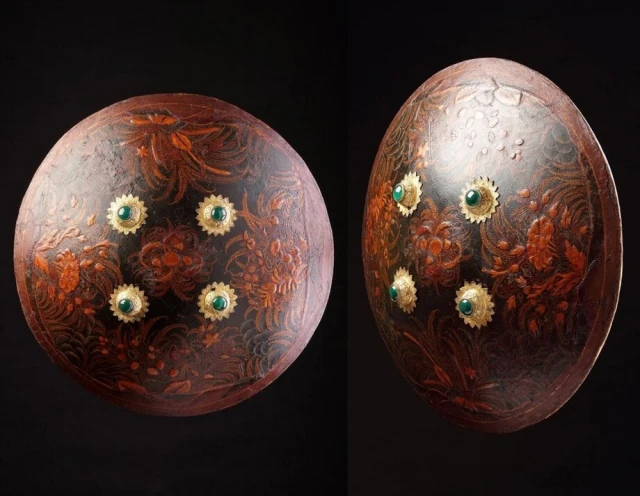
Eagle-shaped cuauhxicalli - a ritual stone vessel for holding the hearts of victims of human sacrifice. Mexico, Aztec civilization, 14th century 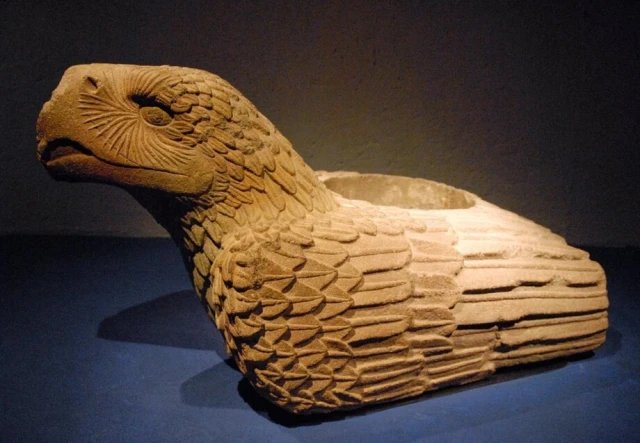
Add your comment
You might be interested in:












Toyota Updated the Luxury Century Sedan for the First Time

System of an India

Peeping at Miss Universe Contestants of the 1950s (15

Ferrari Roma Spider: 4-seater convertible with 620 hp (13

A show car with sliding doors Toyota Century decided to put

Cool luxury from the past: 1999 Toyota Century

A passenger confused the plane's emergency door with a

McLaren 675LT, owned by the world rally champion, is put up

Rumors about Toyota Century are intensifying: the brand may

Persistence in achieving a goal

A biker prevented a hit-and-run driver from escaping
17 Photos That Will Stop You in Your Tracks (18 Photos)

Not everyone is having fun on the amusement ride

The cutest lunch delivery ever

Stunning Views of the Martian Horizon from 400 Kilometers

A book titled "A Guide to Rebuilding

Young women, Dancing and George Michael: nothing superfluous

An apology delivered with a running start
