What is "Meat Glue" and Why It's Best to Avoid Products Containing It (4 photos) (photo)
There's been a lot of talk lately about "meat glue." This substance is actively sought after in a wide variety of products, and debates about its effects on the human body continue online. Let's find out what it is and whether this food additive is truly dangerous. 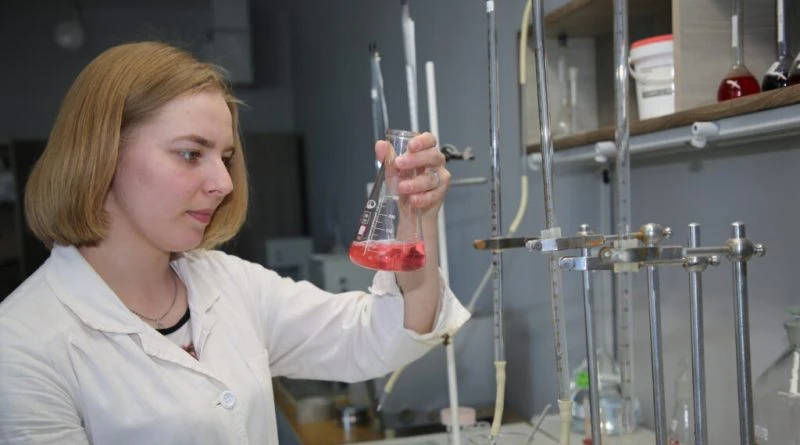
"Meat glue" refers to the enzyme transglutaminase, which is banned in most European countries. This substance acts as a thickening agent, giving sausages and hot dogs the desired shape, and yogurts and cottage cheese products volume and a consistent consistency. 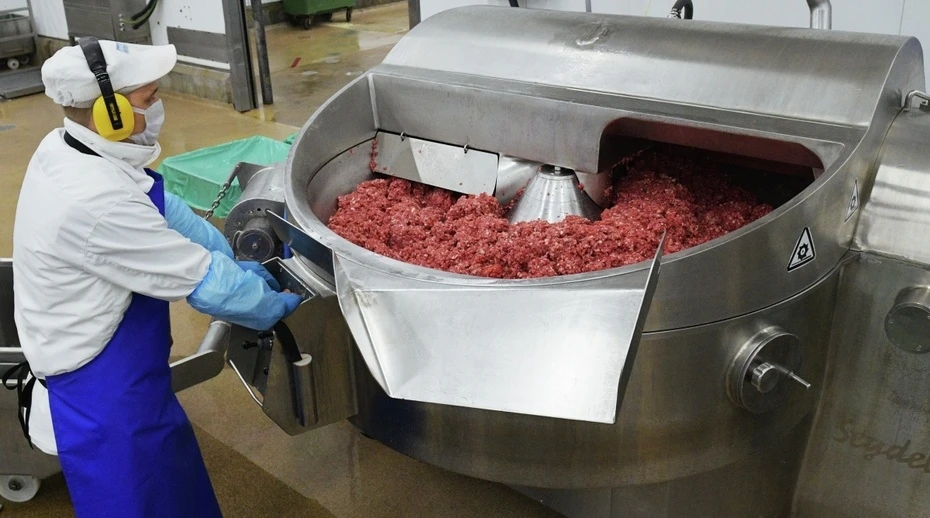
Is it dangerous or not?
The human body naturally produces transglutaminase. Scientists spent many years trying to produce it artificially, and succeeded in 1968. Since then, this substance has gradually been introduced into various areas of the food industry, primarily meat processing.
Transglutaminase provides no benefit to humans, but the same cannot be said for manufacturers. The substance helps transform low-quality raw materials into products that are attractive to consumers. However, studies have shown that "meat glue" in large quantities can cause problems. In particular, an excess of transglutaminase can cause gluten intolerance. The number of people with this problem is growing every year, and scientists believe that "meat glue" is to blame. 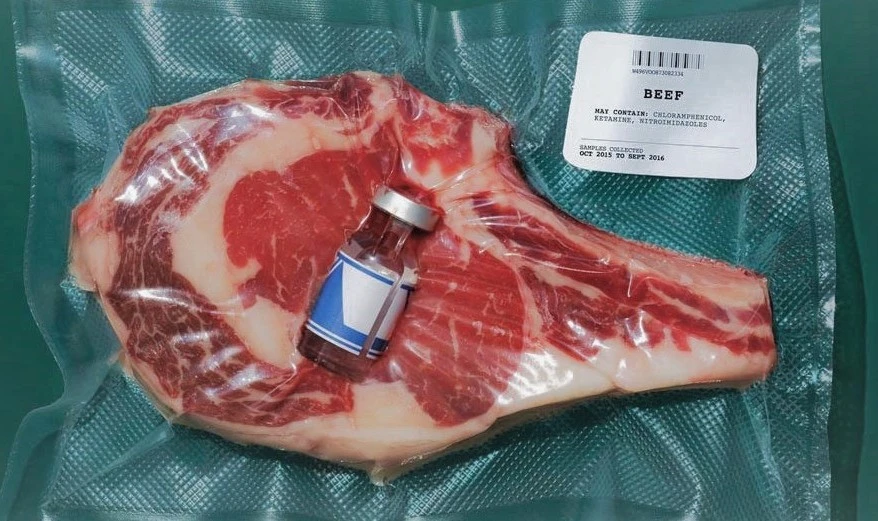
According to some reports, transglutaminase can also cause inflammatory bowel disease and autoimmune skin diseases. However, there is no consensus on the harmful effects of this substance. Research is ongoing, and while "meat glue" is permitted in some countries, such as the United States, there is no evidence that the additive is completely safe, it has been banned. The UK, Switzerland, and several other European countries have followed suit.
What foods contain "meat glue"?
Transglutaminase received its "popular" name because it binds protein molecules and amino acids. Manufacturers, at their own risk, continue to use the additive. It is most often found in the following products:
Yogurts and cottage cheese products;
Pates and meat spreads;
Sausages and hot dogs;
Meat preparations;
Ready meals and frozen foods.
"Meat glue" is also sometimes added to baked goods. However, it breaks down during baking and loses its properties. 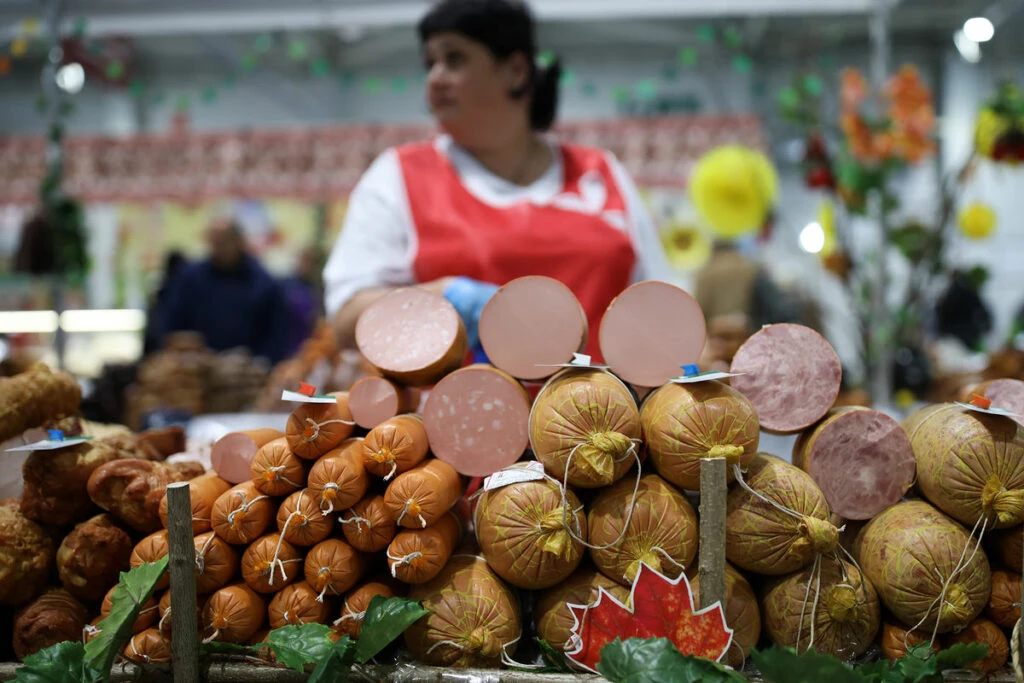
Of course, modern products contain more dangerous components hidden behind innocuous names and letters. These include compounds that cause cancer, allergic reactions, and digestive problems. But if you're a proponent of healthy eating, it's best to avoid "meat glue" as well, because the fact that its harm hasn't yet been proven doesn't make it beneficial.