Even the most experienced chef can't fully assess a product's quality by eye. In some cases, smell and color are merely attractive packaging that conceals questionable ingredients. Researchers tested some products to determine where and under what guise potential hazards might lurk. 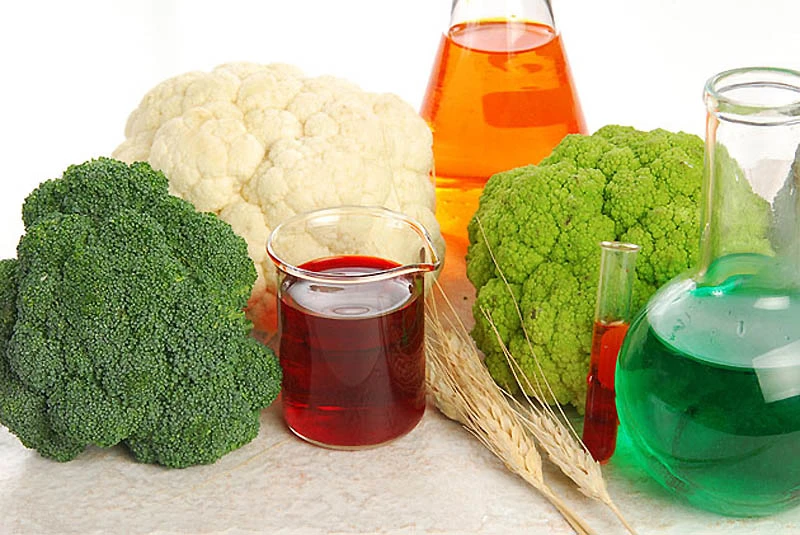

1. Butane
This versatile gas is useful for more than just lighters. The food industry views butane as an artificial antioxidant. The chemical is added to chicken nuggets to maintain their fresh appearance. A dish that looks freshly cooked could very well be laced with butane.
It is most often found in prepared processed foods with a long shelf life, such as frozen foods, crackers, chips, and fast food. 
2. Estrogen
Elevated estrogen levels indicate a product of questionable origin. The hormone is most often given to beef and dairy cows. Estrogen causes accelerated development and growth, which significantly increases milk yield and meat production. Although experts answer "no" to the question of "is it harmful?", doctors strongly advise against consuming such products. 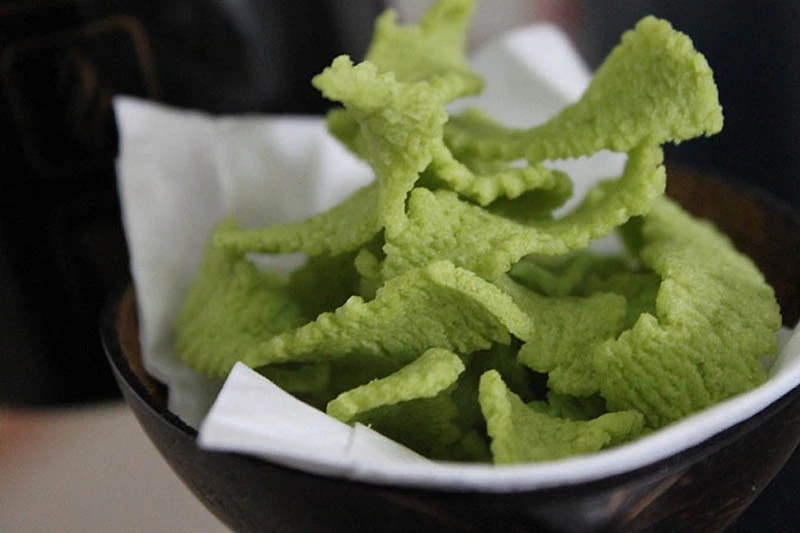
3. Powdered Spinach
The ingredients in some green-colored flour products, or at least those with a hint of greenness, are only indirectly related to vegetables. The green-imitating ingredient used in these products is dehydrated spinach, which has no nutritional value. Eating such products is about as healthy as eating dust. 
4. Propylene Glycol or Antifreeze
This substance is traditionally used in the automotive and cosmetic industries. The reagent prevents glass from freezing and also provides a moisture-retaining and softening effect. Since no adverse effects were reported, the substance began to be used as a food additive to create the same properties in food.
Potentially hazardous foods: confectionery, soft and low-alcohol carbonated drinks, energy drinks, frozen fruits, and poultry. 
5. Vanillin
Since natural vanillin is expensive, and global demand is several thousand tons per year, a method for synthesizing the substance from more readily available components was developed. Vanillin is primarily produced from lignin, a byproduct of the pulp and paper industry.
It is used as a flavoring agent in yogurts, baked goods, beverages, and confectionery. 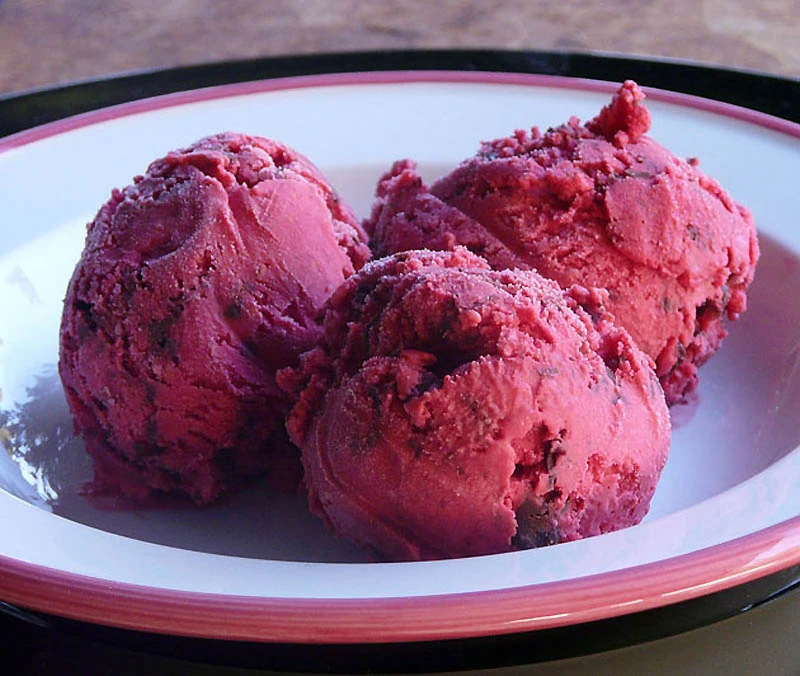
6. Beaver Gland Substance
This aromatic substance is extracted from beaver glands. The mixture was originally intended for medicinal purposes. Over time, it began to be used in the perfume industry as a natural fragrance and odor fixative. From a food industry perspective, the substance can be used to create a raspberry flavor. While it's believed that beaver glands are now only added to expensive perfumes, in reality, beaver glands have been found in jellies, ice cream, candies, and flavored drinks.
The ingredients of a product are usually listed on the packaging, but for today's consumers, this is little more than a formality. When you go grocery shopping, don't limit yourself to entertaining reads about expiration dates, especially if the product is wrapped in brightly colored packaging or sold at an enticingly low price.
Add your comment
You might be interested in:













20 Personal Photos of Celebrities That Ooze Vintage

Protective film Removing it with a power screwdriver

Global Sex Symbol: Rare Photos of Monica Bellucci (26

Animal Paws and Claws: 50 Photos That Will Surprise Even

Precision carpentry

America's Cheese Caves: How and Why the US Government
Fascinating Facts to Blow Your Mind (10 Photos)

Discover the Truly Unique: 27 One-of-a-Kind Items That

Straight Out of the '80s: Band Posters No One Would Ever
