How the word "idiot" originated and what meaning it has had in different eras (4 photos)
These days, the word "idiot" has only two meanings. It's either a person suffering from feeblemindedness or an ignoramus, a dullard. But this wasn't always the case. The ancient Greeks had a completely different meaning for the term. It had nothing to do with a medical diagnosis or stupidity, but rather with a person's position in relation to society. So who did the ancients call "idiots," and how did this word lose its original meaning? 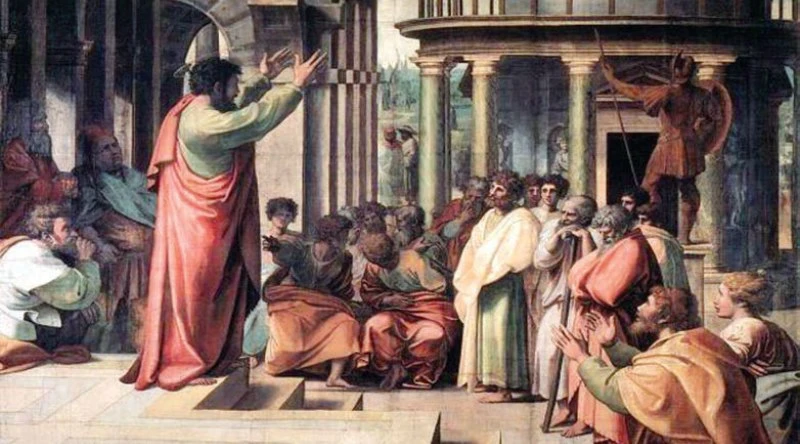
In ancient Greece, there was a concept called "idiotes" (idiōtēs). It literally meant "private individual," "isolated person." Simply put, an idiot is someone who lives in isolation and does not participate in either public or political life. 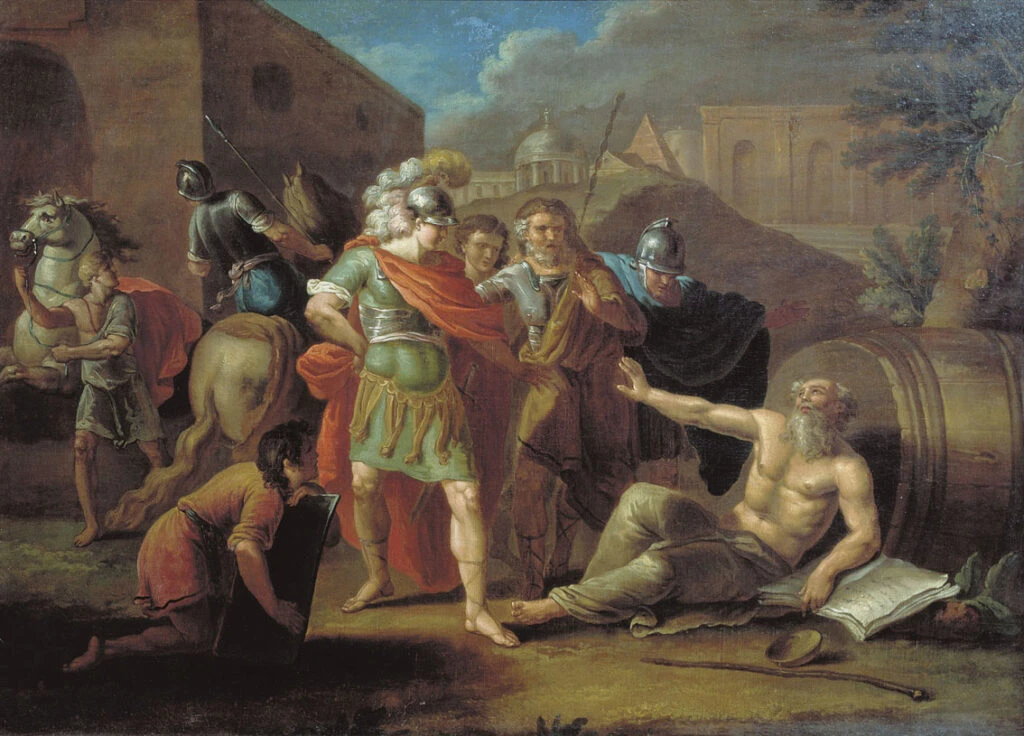
History's first democracy gave Greeks the opportunity to express their views in the agora, participate in elections, and openly oppose politicians and social events. But not all citizens valued such rights. There were also those who ignored assemblies, did not vote, and generally abstained from participation in any socio-political processes.
Those who took an active civic stance were called "polites." Those who were uninterested in politics were called "idiotes." No, it wasn't immoral or bad. It's just that such an attitude toward life was frowned upon. Incidentally, there were quite respectable figures among ancient idiots. For example, the philosopher Diogenes, who, according to legend, lived in a barrel, belonged to this very category of irresponsible citizens. 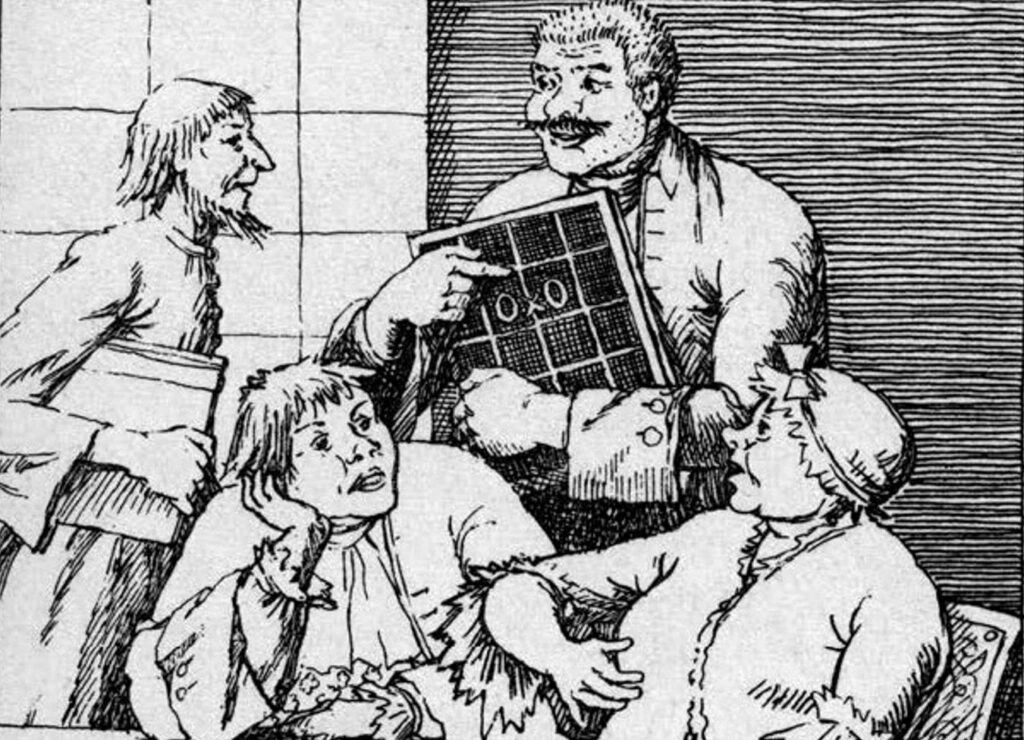
Later, the word "idiot" was used to describe narrow-minded, ignorant people. Centuries later, the word began to be used in Rome. Calling someone "idiota" was tantamount to labeling them as "ignoramus" or "blockhead." In Europe, where Latin was widely used in the Middle Ages thanks to the Catholic Church, this term was sometimes used. But in Rus', it wasn't known until the 19th century.
The further we go, the worse it gets.
The word "idiot" doesn't yet appear in the works and diaries of A.S. Pushkin. But it began to appear around the mid-19th century. Its popularity came thanks to F.M. Dostoevsky's novel "The Idiot." Prince Myshkin was called an idiot in society, although he was much better than most. He simply didn't fit the generally accepted standards.
Philologists note that the word "idiot" was first used no earlier than 1803. Moreover, it came not from Greek or even Latin, but from French. This was the same era when many nobles spoke French better than their native language. 
V. Dahl's dictionary defined "idiot" as "feeble-minded, senseless from birth, dull, wretched, foolish." In the same 19th century, the term began to be used in psychiatry. Idiots are patients with severe mental retardation, with a lack of thinking and speech. Today, many psychiatrists advocate abolishing this term. In their view, it goes far beyond the scope of medicine and carries negative social connotations. Instead, they recommend using a longer, but more precise, definition: "profound mental retardation."