The German Shepherd is a wonderful working breed. These dogs are excellent guard dogs, search and rescue dogs, and protectors, which is why they can be found in the military, customs, and security services. However, a genetic condition such as dwarfism makes this breed unsuitable as a professional assistant. However, this doesn't mean such a pet can't be a loyal companion to its owner and a favorite with children. 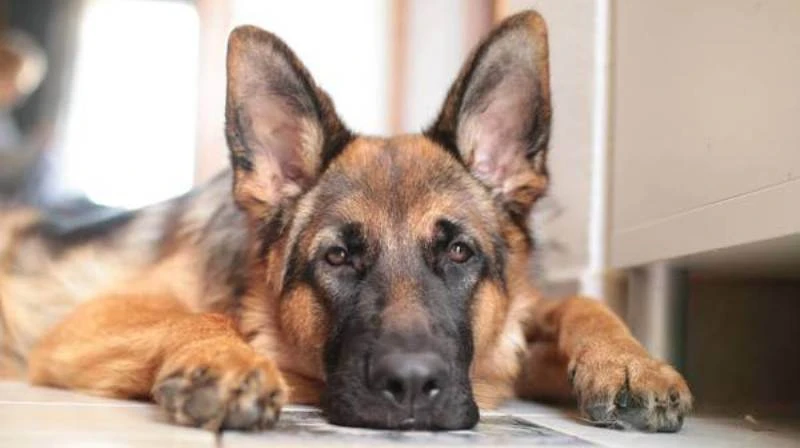
Dwarfism, or pituitary dwarfism, is as common in dogs as in other mammals. For a German Shepherd, such a diagnosis is a death sentence. Dogs with this disorder cannot be used as service dogs. Moreover, strict canine laws require the sterilization of such animals. Dwarfism is hereditary, so this measure is necessary to preserve the breed standard developed over centuries. 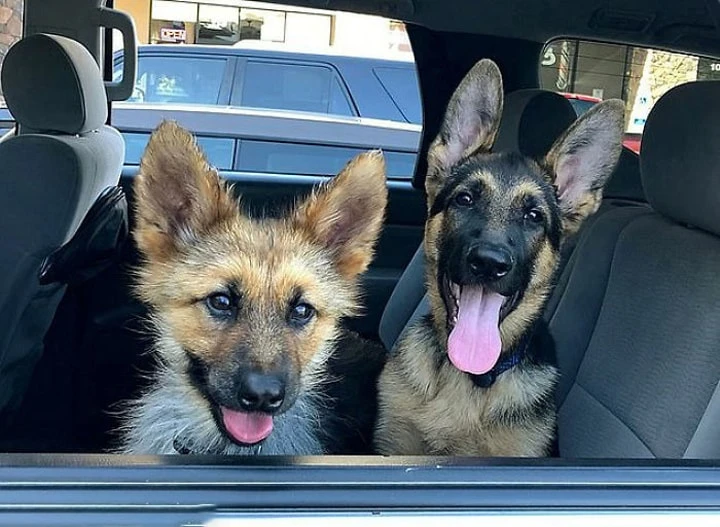
Pituitary dwarfism in German Shepherds can manifest itself in different ways. Some dogs differ from their healthy counterparts in having abnormally short legs. Others maintain their proportions but look like four-month-old puppies their entire lives. In the most severe cases, dogs have a shortened spine, which greatly reduces their attractiveness. 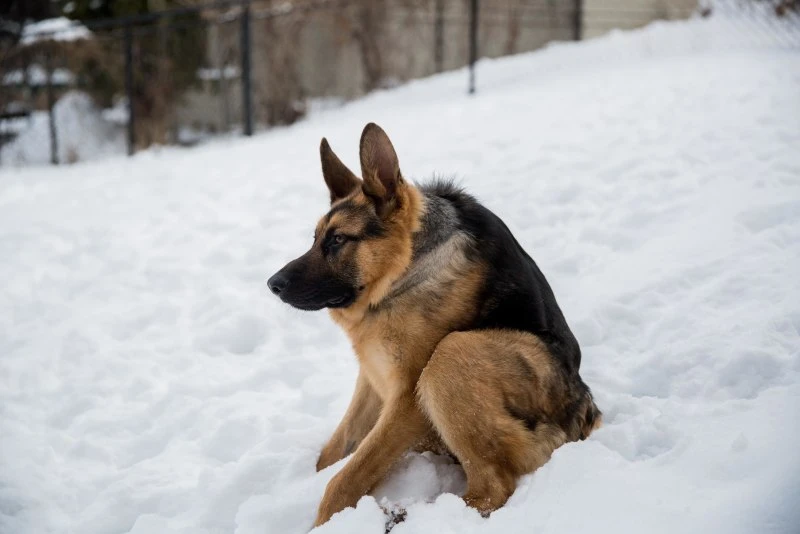
Internet users are well acquainted with the German Shepherd named Quasimodo. This animal was born with normal proportions, but later his spine stopped growing. The dog quickly became famous online and became the subject of thousands of memes. 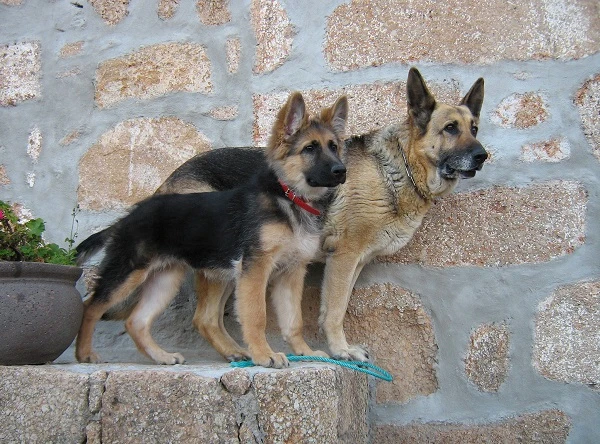
Despite their small stature and out-of-proportion breeds, German Shepherds with dwarfism retain their qualities. They are also highly trainable, obedient, love children, and are unwaveringly loyal to their owners. Moreover, there are certain characteristics that set these dogs apart from their healthy counterparts. 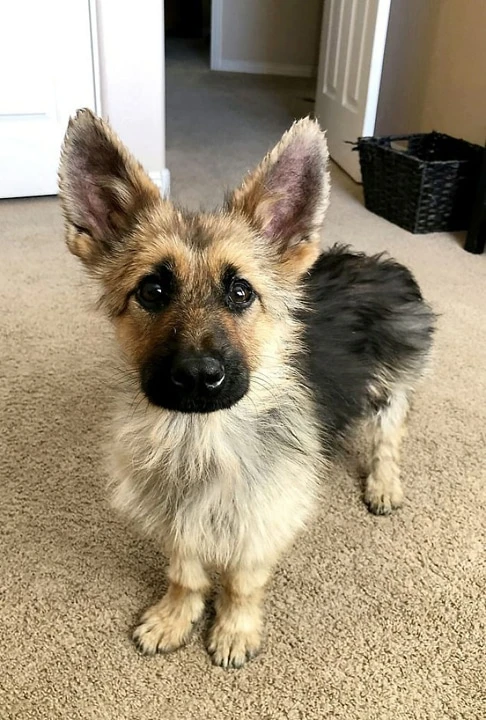
Breeders note that dwarfs compensate for their physical limitations with a keener sense of smell and hearing. These dogs are also more trainable and generally possess higher intelligence. Truly, what nature deprives of one thing, it more than makes up for elsewhere! 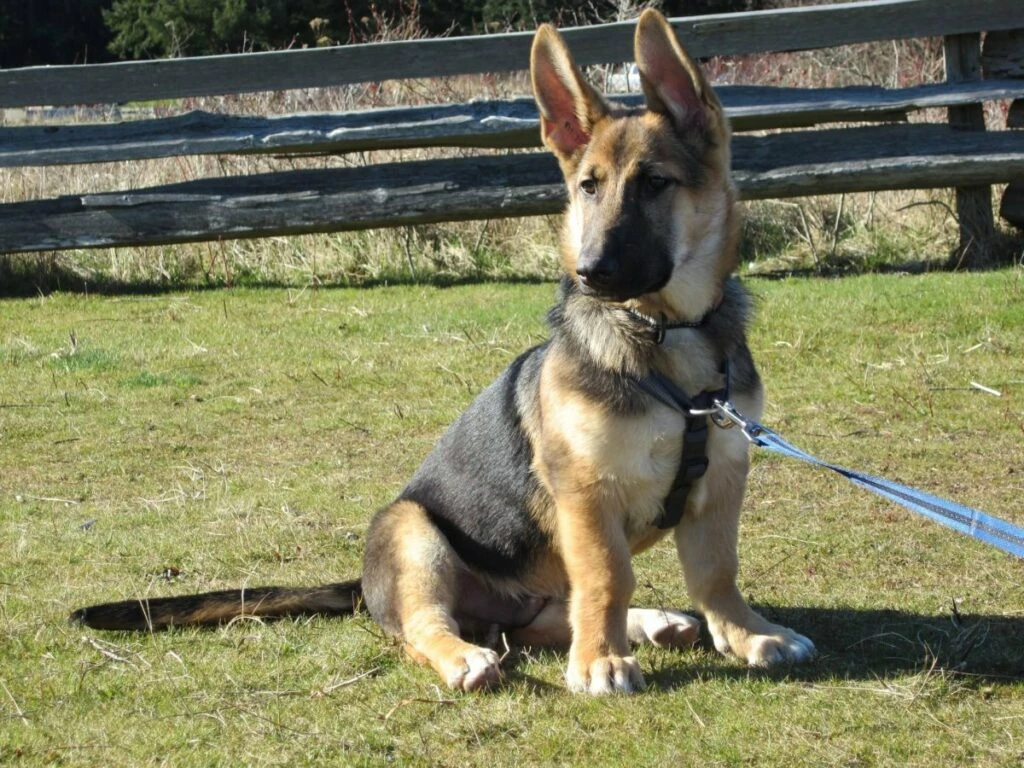
Dog breeders also love miniature German Shepherds because they require less space, are more modest in their diet, and rarely exhibit a bad temper. Such a dog, although not valuable as a breeding stock, makes a wonderful companion, a friend to children, and a guard dog for a private home. 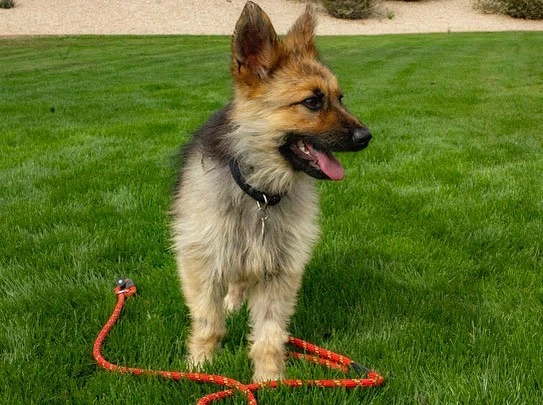
Health Problems
Unfortunately, German Shepherds with pituitary dwarfism live only 4-5 years. But during this time, the dog will shower its owner and family with love and loyalty. And they are no less generous than their larger counterparts. Incidentally, owners often don't realize they are acquiring a special dog. Sometimes, the animal's genetic abnormality comes as a complete surprise to the owner. This is because dwarfism usually manifests itself at 4-5 months of age. 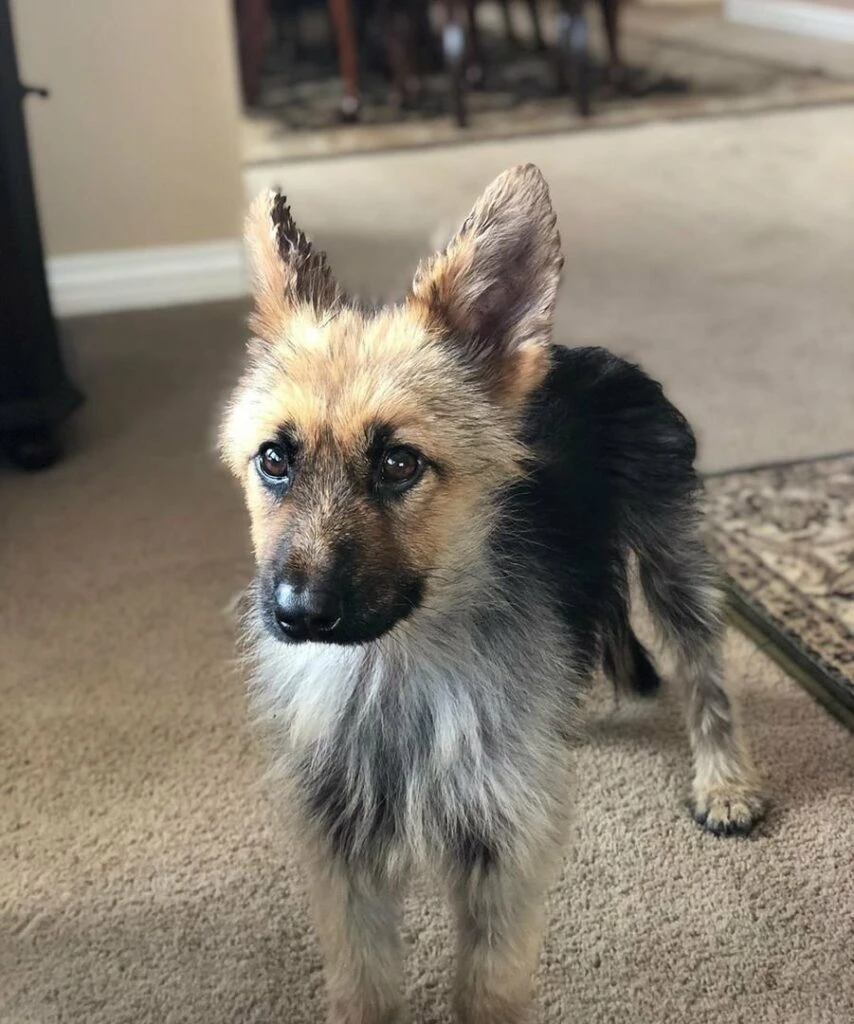
Keeping a dwarf German Shepherd is fraught with difficulties. Dwarfism is always accompanied by other health problems. The main problem is that the internal organs of these dogs are often normal in size. However, the skeleton of a dwarf shepherd is much smaller than the standard, and as it grows, the heart, stomach, kidneys, and liver become cramped in its miniature body. 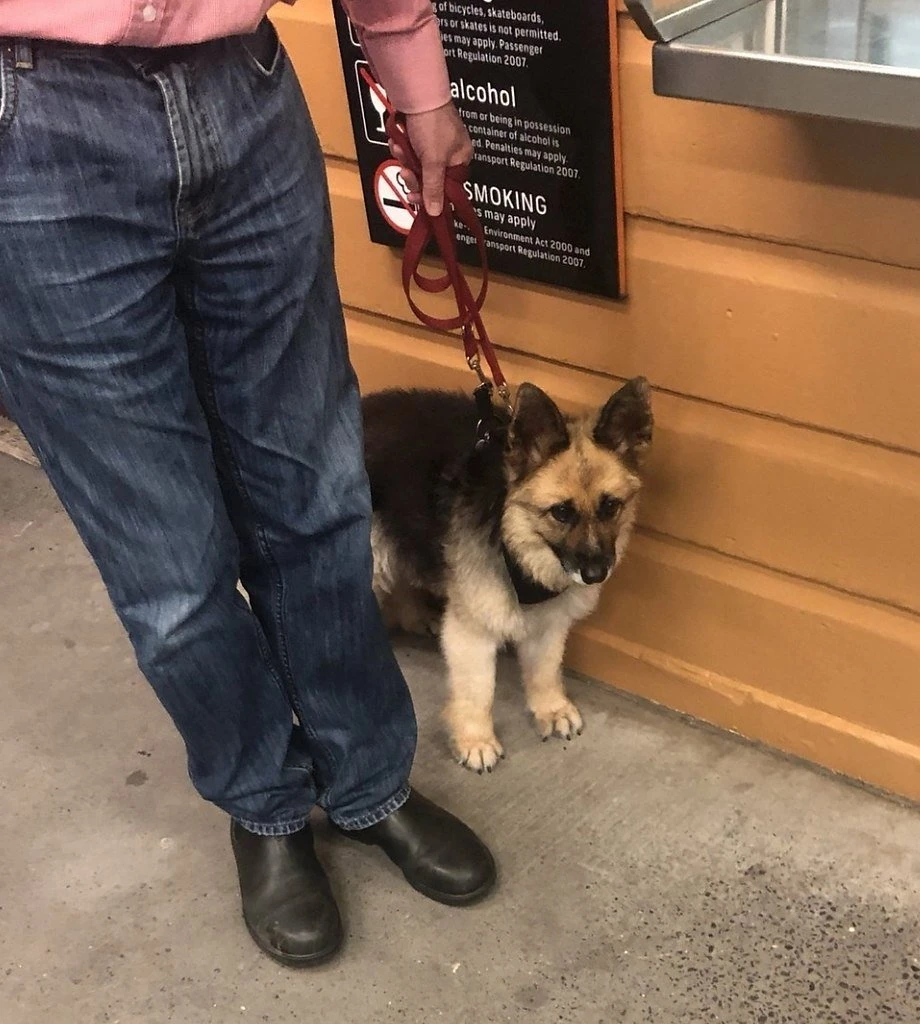
Bone and joint diseases, immune system disorders, vision problems, and allergies are also common in these dogs. Therefore, owning a miniature German Shepherd is a great responsibility and, unfortunately, additional medical expenses. 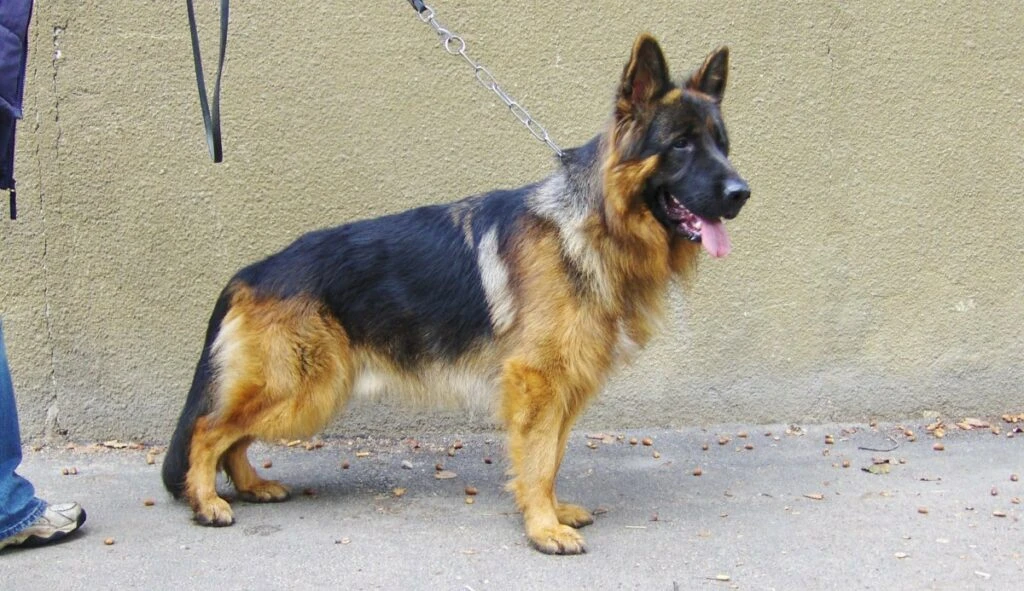
By the way, a miniature shepherd isn't necessarily a dwarf. There's an officially recognized breed called the Shepperdino, whose members look like well-proportioned but miniature German Shepherds.
Add your comment
You might be interested in:










Persistence in achieving a goal

A biker prevented a hit-and-run driver from escaping

Not everyone is having fun on the amusement ride
17 Photos That Will Stop You in Your Tracks (18 Photos)

The cutest lunch delivery ever
Stunning Views of the Martian Horizon from 400 Kilometers

A book titled "A Guide to Rebuilding

Young women, Dancing and George Michael: nothing superfluous

An apology delivered with a running start
