Houseplants make our homes cozy and pleasing to the eye. However, not everyone is patient enough to care for these green decorations or isn't willing to dig in the dirt. 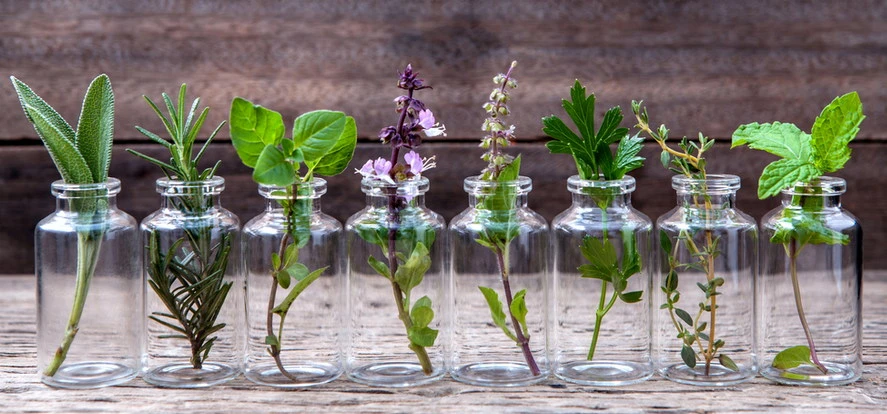
We've discovered that houseplants can easily grow even without soil. Here's a list for you.
Dracaena sanderiana or indoor bamboo 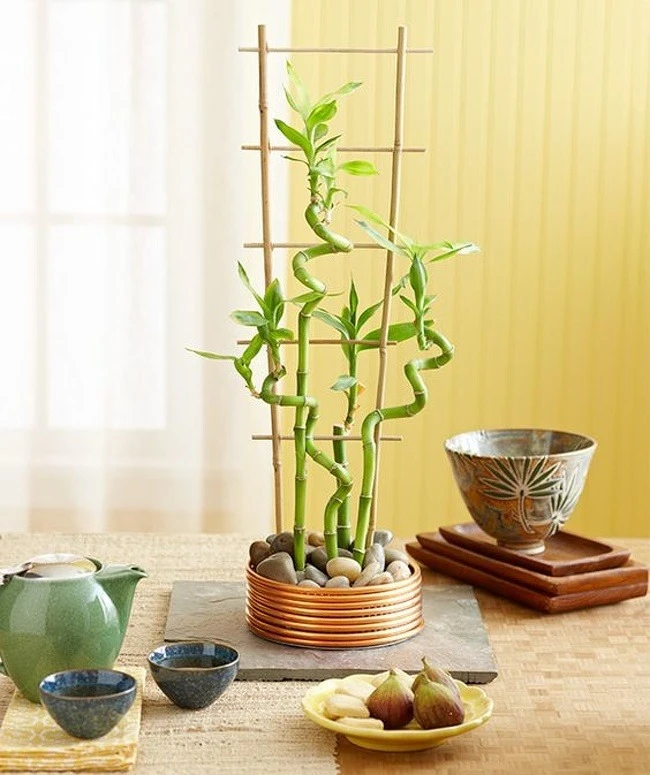
Bamboo grows quite quickly in a simple vase, provided it has enough water for full development. There are different types of bamboo that can be grown indoors and used for decorating.
Garlic 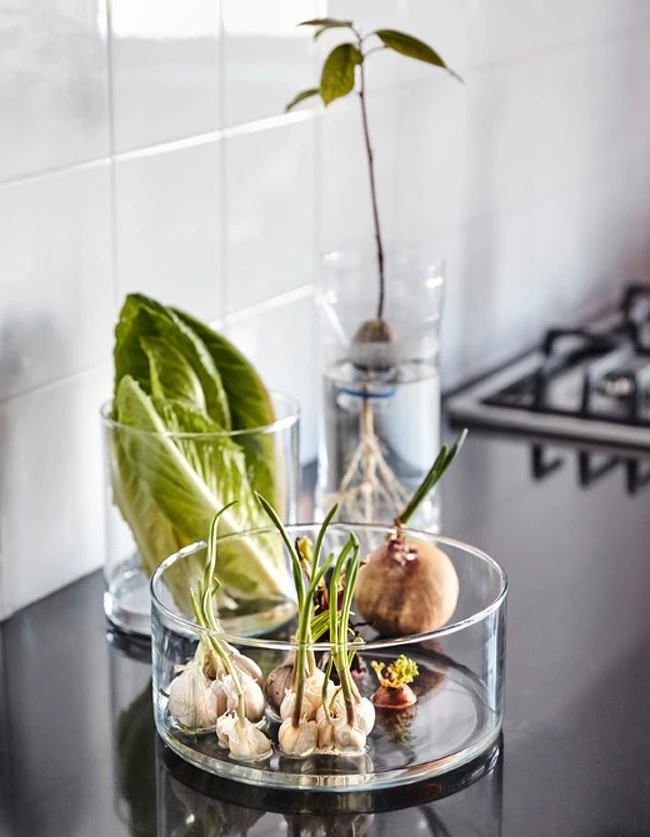
You'll need a shallow container: pour some water into it and place the garlic cloves in it. Edible green sprouts will appear very soon. These green shoots are edible and can be added to a salad.
Chinese Cabbage 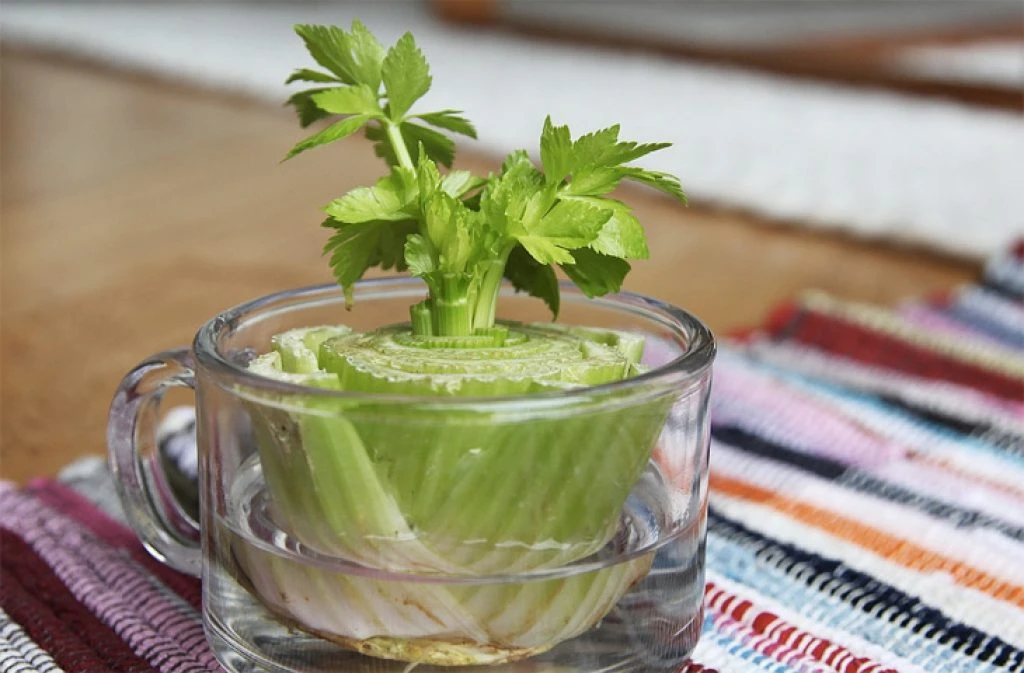
You can grow new Chinese cabbage leaves even if you only have the bottom half of the plant. Place the root in a shallow bowl of water and watch the new leaves emerge.
Green Onions 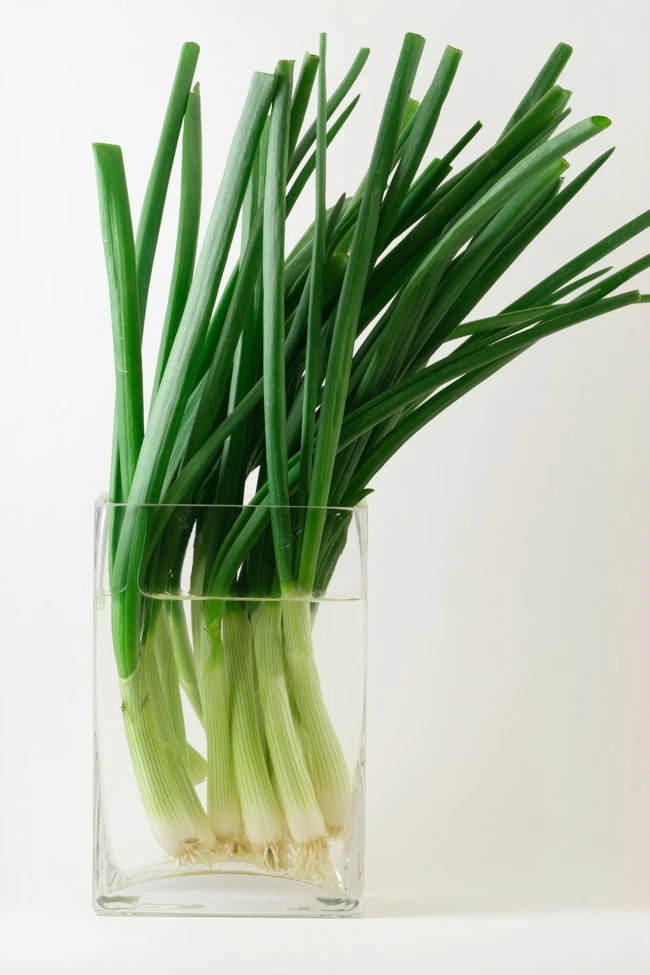
Green onions on the windowsill are practically a tradition. What could be simpler? All you need is a glass, water, and an onion.
Carrots 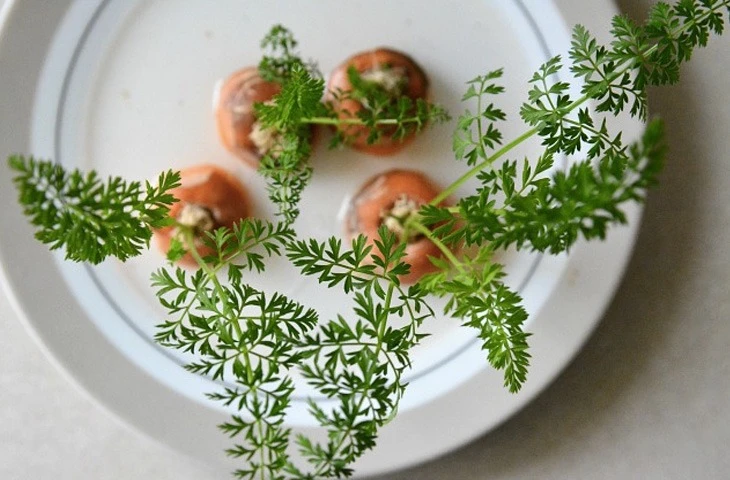
Carrot leaves sprout quickly if placed in an empty container of water. Carrot tops can be added to various salads with May honey for an invigorating boost. Smoothies can also be made from these greens. They are good for reducing puffiness, prolonging youthfulness, and helping to tone the skin.
Golden Epipremnum 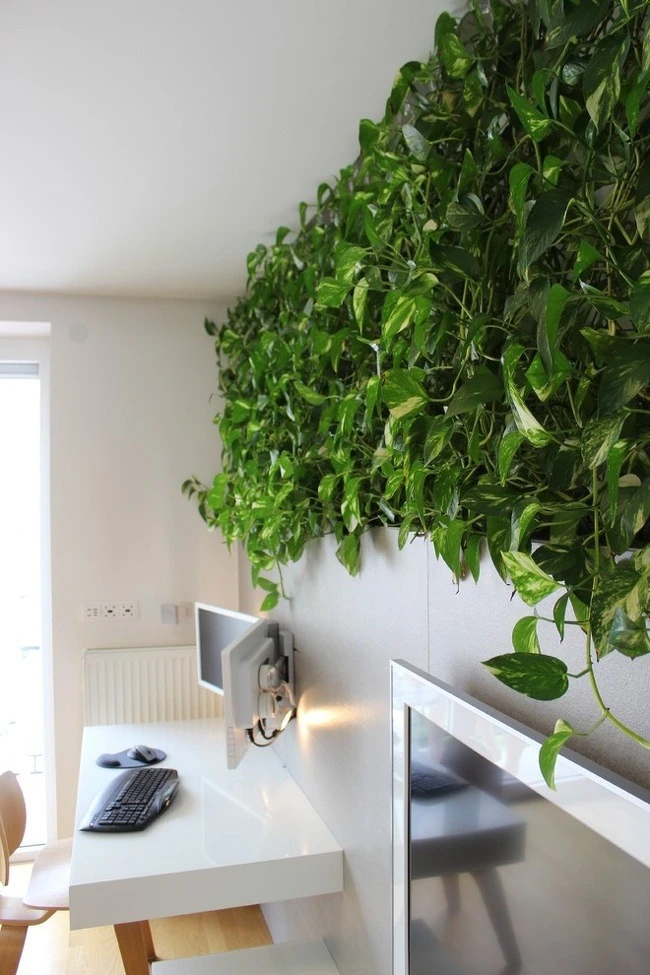
This houseplant is usually grown in a pot, but it also thrives in water. It's popularly known as devil's ivy because it's virtually indestructible. Furthermore, the golden epipremnum stays green even in the dark. It's also ideal for wall decoration.
Mint 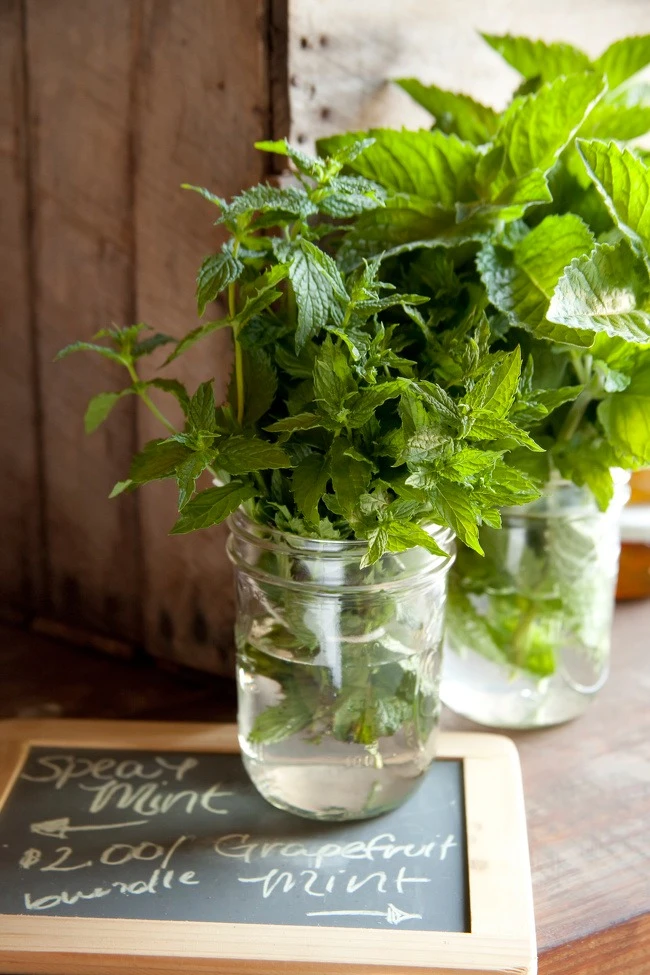
Mint is a wonderful aromatic addition to tea, sweets, and sauces, and it's easy to grow. Simply place its roots in water—that's it. However, it's worth remembering that this herb is not called a "female plant" for nothing, and it's not recommended for men to consume it.
Basil 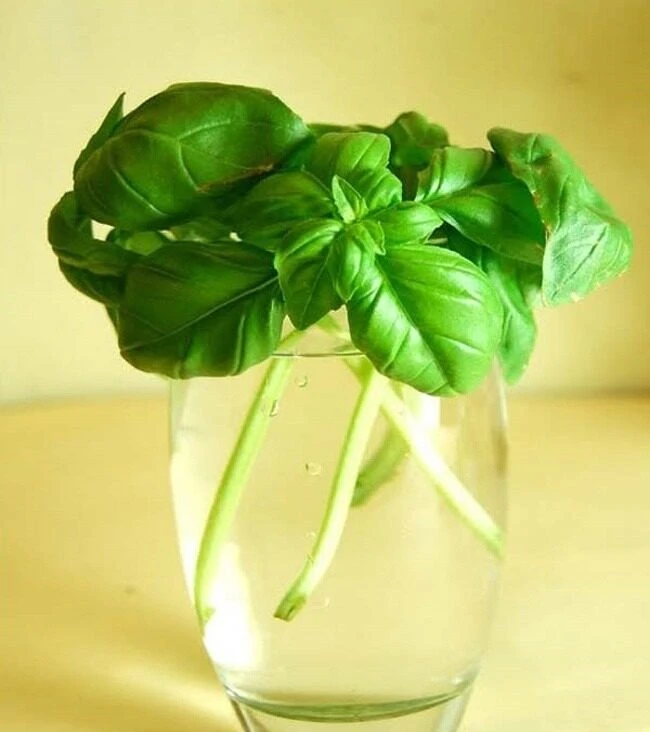
If you enjoy using basil leaves in cooking, you don't have to buy them. You can grow basil plants in a clear container of water on your kitchen windowsill. The shoots will produce new growth of fresh leaves, and you'll always have fragrant basil on hand. The main thing is to change the water periodically or top it up when the moisture evaporates.
Rosemary 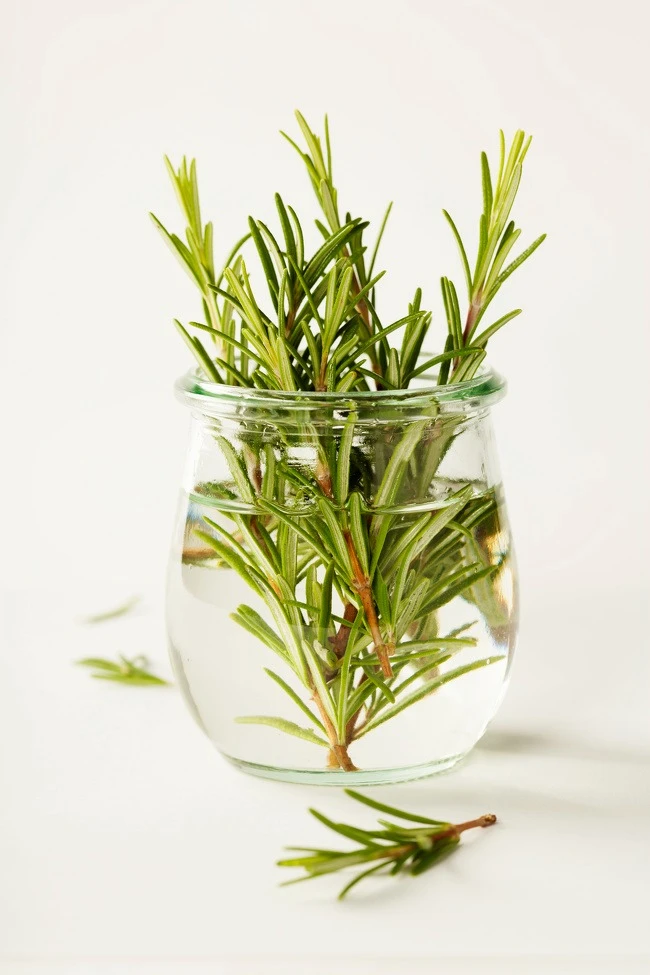
Along with other aromatic herbs, rosemary can also be grown. To root it, just take a few sprigs, 10–12 cm long, and place them in water. Roots will appear in just 1–1.5 weeks. Rosemary should be grown in full sun, misted periodically, and cut back when the stems reach 15 cm.
Tulips 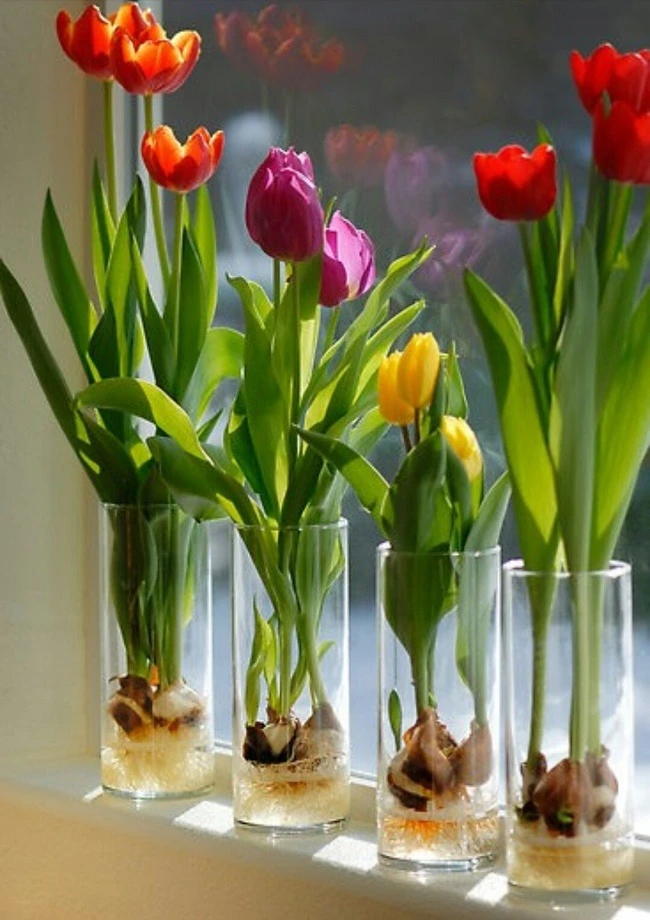
Growing tulips in a vase is an easy task, even for a novice gardener. The key is to select high-quality bulbs, place them in the container, and add a few pebbles on top. Then add water, just enough to barely cover the bulbs. Roots and shoots will gradually emerge from the bulbs.
Hyacinth 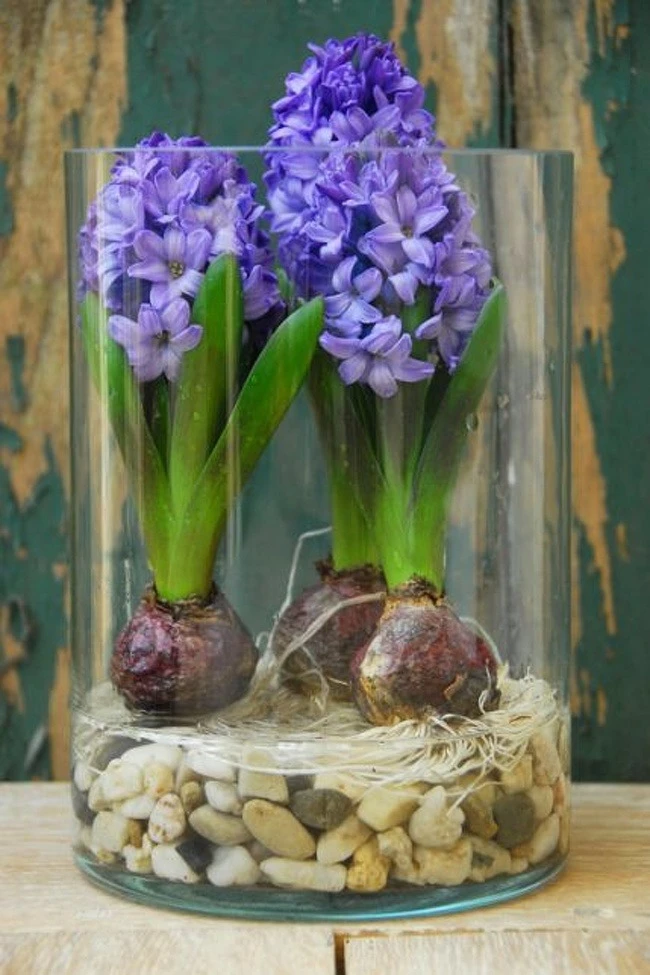
These flowers, like all their aquatic relatives, grow beautifully indoors. Place the bulbs in a vase filled with decorative stones and a little water. Keep in mind that hyacinths love light, so try to provide them with good lighting.
Fiber Optic Grass (Indoor Reed) 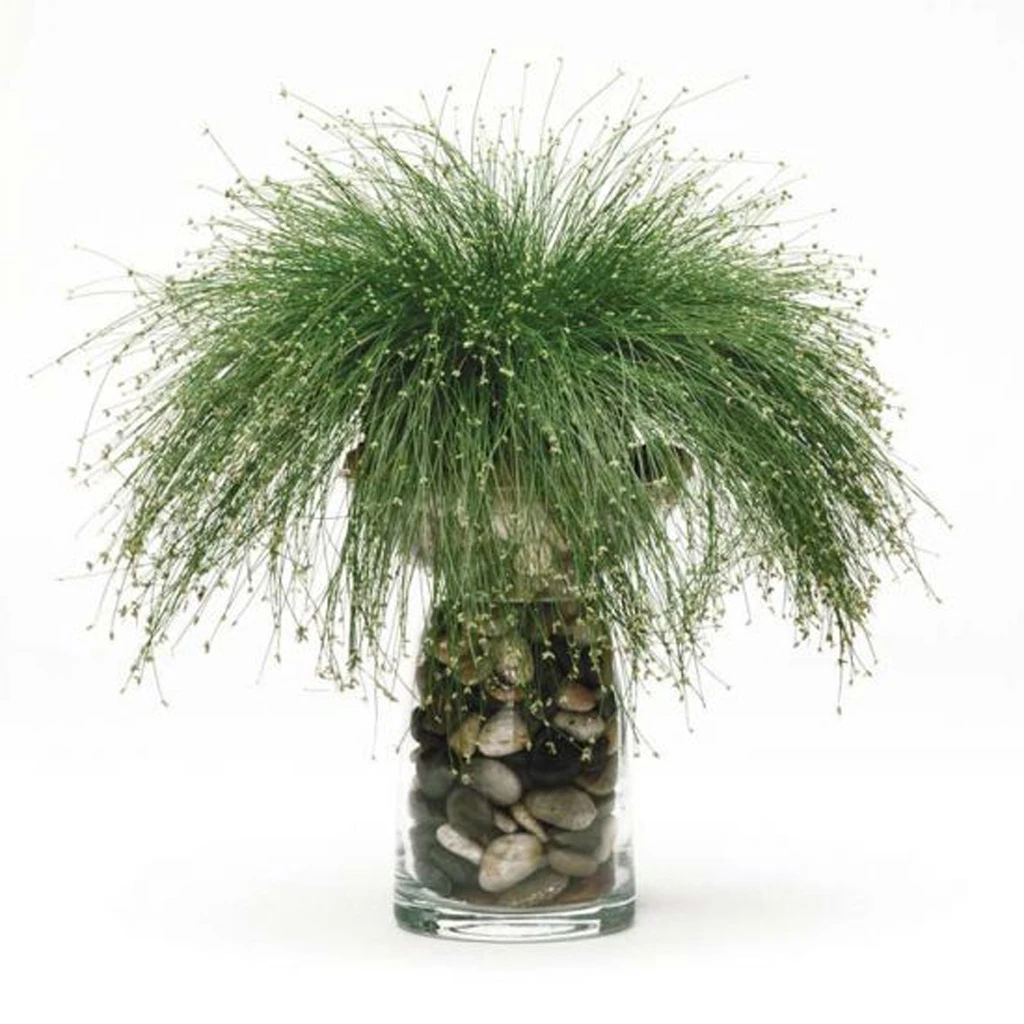
This plant gets its name from its herbaceous leaves, which resemble fiber optic wire. It grows well in water and looks most impressive in tall vases. You can create a mini-palm effect by wrapping the base of an indoor reed with plastic tubing.
Aglaonema 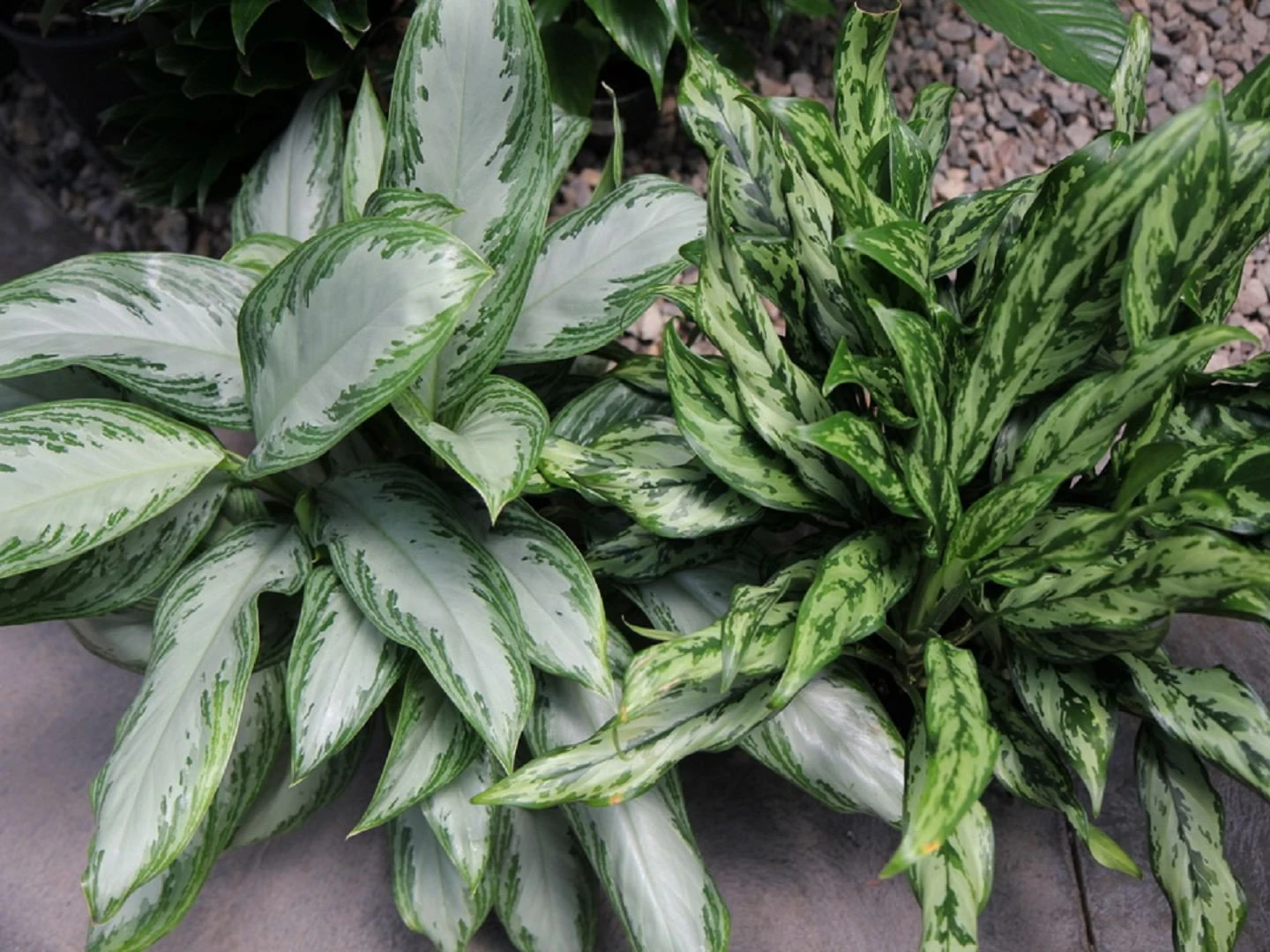
This houseplant is usually grown in a pot with soil, but it can also grow well in water. It can become a large ornamental plant for your home. Simply place the cutting in a container filled with water and watch it develop. It will grow more slowly than in a pot, but it will delight you with its beauty.
Succulents, including cacti 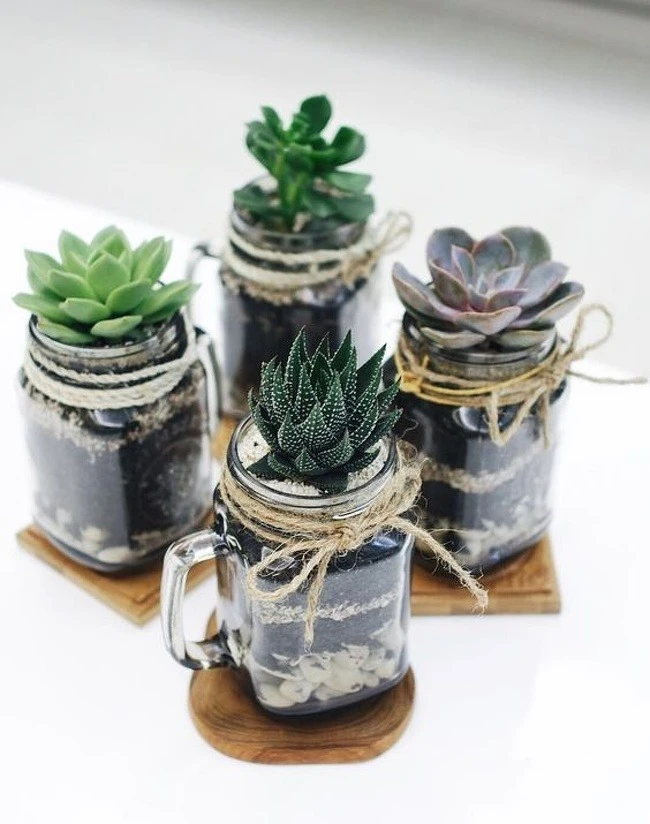
These houseplants are very popular because they don't require frequent watering and large pots. One popular way to grow succulents is hydroponics. Place a cactus in a pot filled with pebbles, then place it in another pot filled with water.
Tillandsia 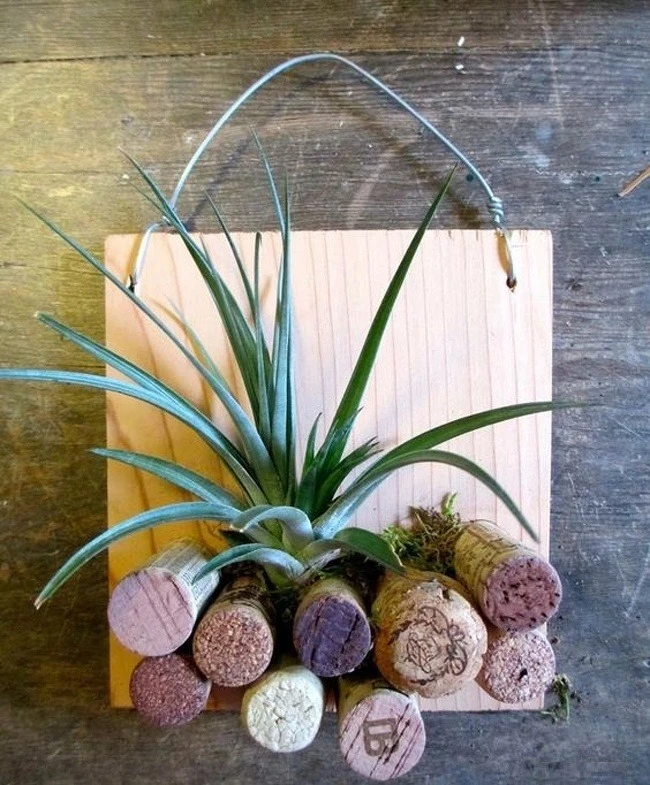
This unique exotic plant can not only grow without soil but can even survive without water. In the wild, atmospheric tillandsia grows attached to other trees and bushes.
Tips
This method of growing indoor plants is suitable for those traveling, going on business trips, or vacationing. The plants can remain in water for long periods without compromising their beauty. 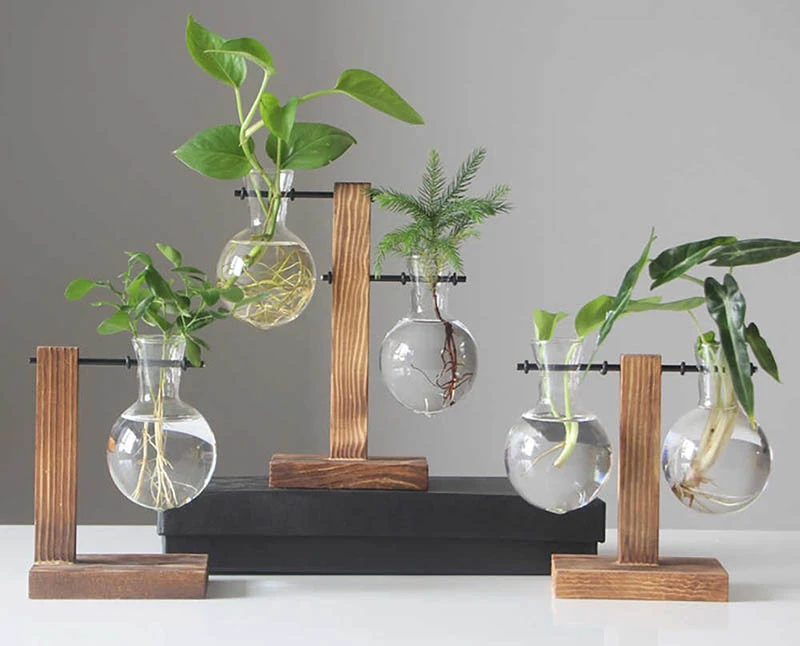
Some species require good lighting, so for additional illumination, you can use a non-incandescent lamp or fluorescent lighting to prevent the water from heating up excessively.
It is not recommended to clean the container in which the plant is grown in water using harsh detergents. Such over-cleaning will result in the death of the plant.
Add your comment
You might be interested in:














Persistence in achieving a goal

A biker prevented a hit-and-run driver from escaping

Not everyone is having fun on the amusement ride

17 Photos That Will Stop You in Your Tracks (18 Photos)

The cutest lunch delivery ever

Stunning Views of the Martian Horizon from 400 Kilometers

A book titled "A Guide to Rebuilding

Young women, Dancing and George Michael: nothing superfluous

An apology delivered with a running start
