Interesting photos from various 20th-century military conflicts (21 photos)
This collection brings pages of military history to life in color: combat scenes, snapshots from various wars and military events of the last century, and atmospheric shots with a military theme. 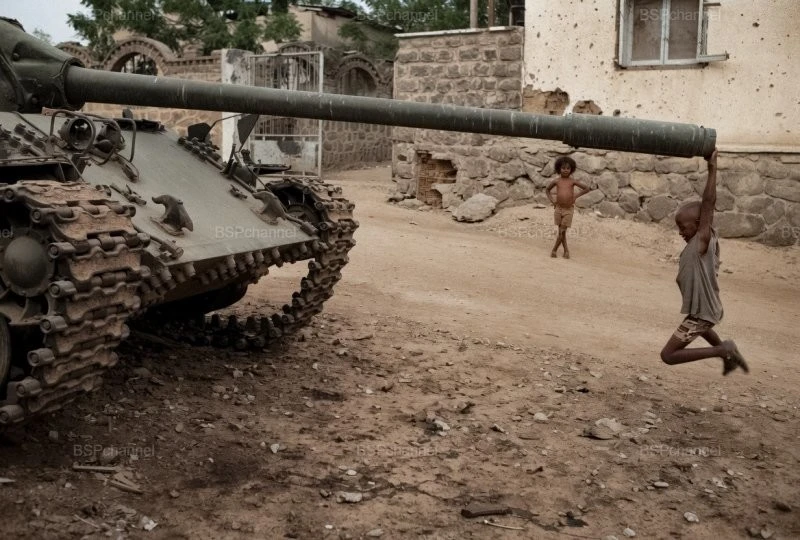
A child hides in a shelter during an air raid alert. Hanoi, Vietnam, 1968. 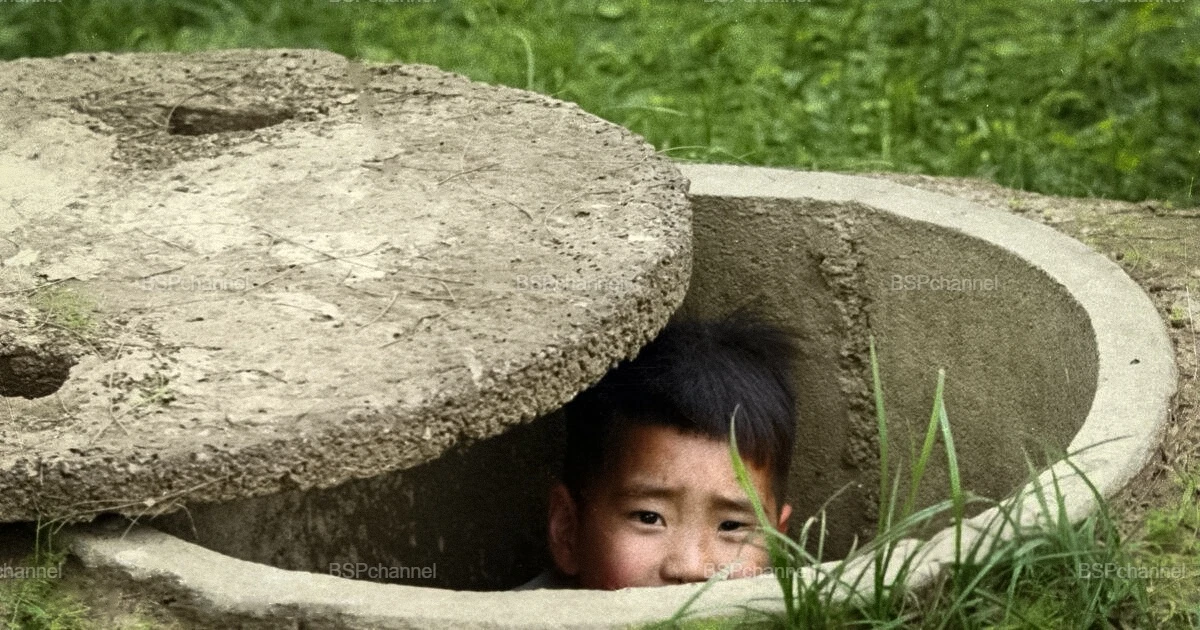
This is an individual concrete bomb shelter of the type installed in large numbers on the streets of Hanoi and other North Vietnamese cities at the height of the Vietnam War. The shelter consisted of a pre-cast concrete cylinder sunk vertically into the ground, deep enough to reach an adult's chest. The shaft was topped with a thick, round concrete lid. It protected the person inside from bomb shrapnel, flying debris, and blast waves during American air raids. In Hanoi, these single-person pits were dug right along the sidewalks, spaced 10 to 20 meters apart. This allowed any passerby to take immediate underground cover within seconds of hearing the air raid siren.
Security forces ride a motorcycle in Caracas during the popular uprising known as the "Caracazo," sparked by economic crisis and rising prices. Venezuela, February 27, 1989. 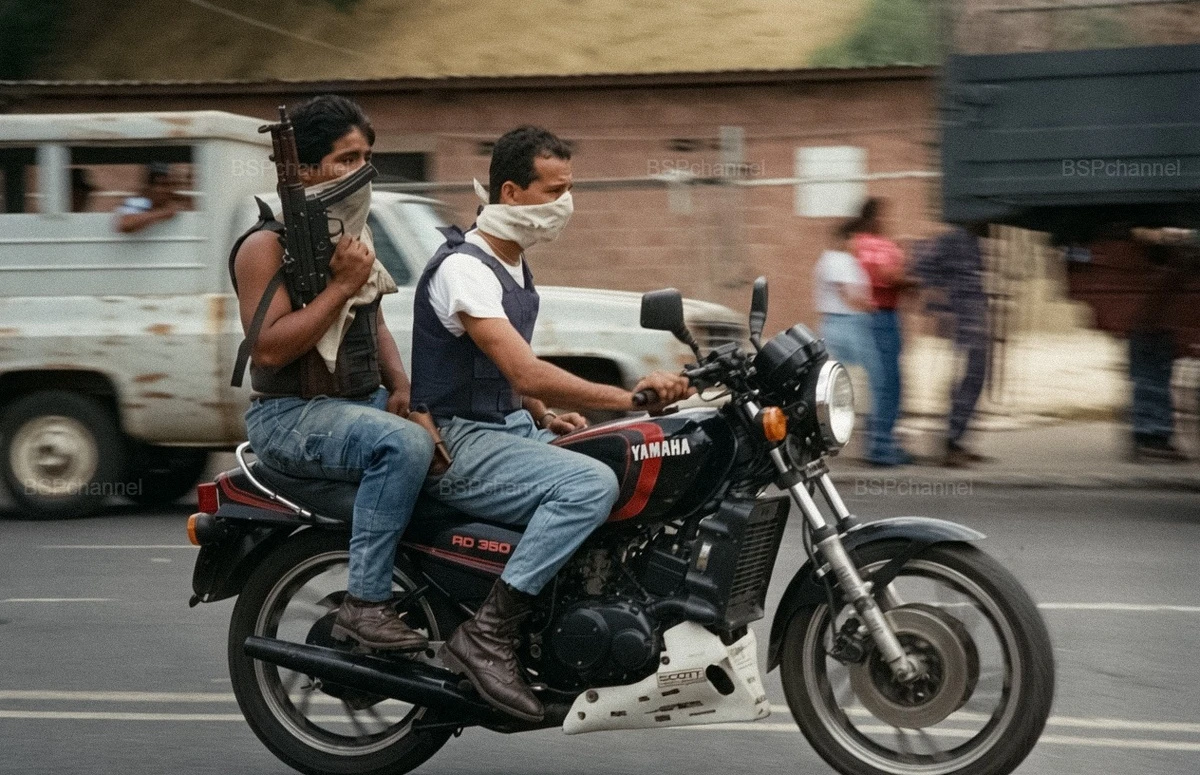
The "Caracazo" was the largest spontaneous popular uprising in Venezuelan history, erupting on February 27, 1989, in the country's capital, Caracas, and its suburbs. President Carlos Andrés Pérez had announced a package of radical neoliberal reforms based on IMF recommendations. A major trigger was the sharp hike in gasoline prices (by 100%) and public transport fares. Starting as a protest by students and drivers in the city of Guarenas, the unrest in Caracas instantly escalated into food riots, mass vandalism, and the looting of shops. Residents of the poorest neighborhoods (*barrios*) literally took over the streets. Authorities suspended constitutional guarantees and deployed the army into the city; troops used lethal force, and the uprising was drowned in blood. Official figures put the death toll at 276, while unofficial estimates range from several hundred to 3,000.
A Soviet military Mi-8 helicopter against the backdrop of the Buddha Shakyamuni statue during the war in Afghanistan, 1980s. 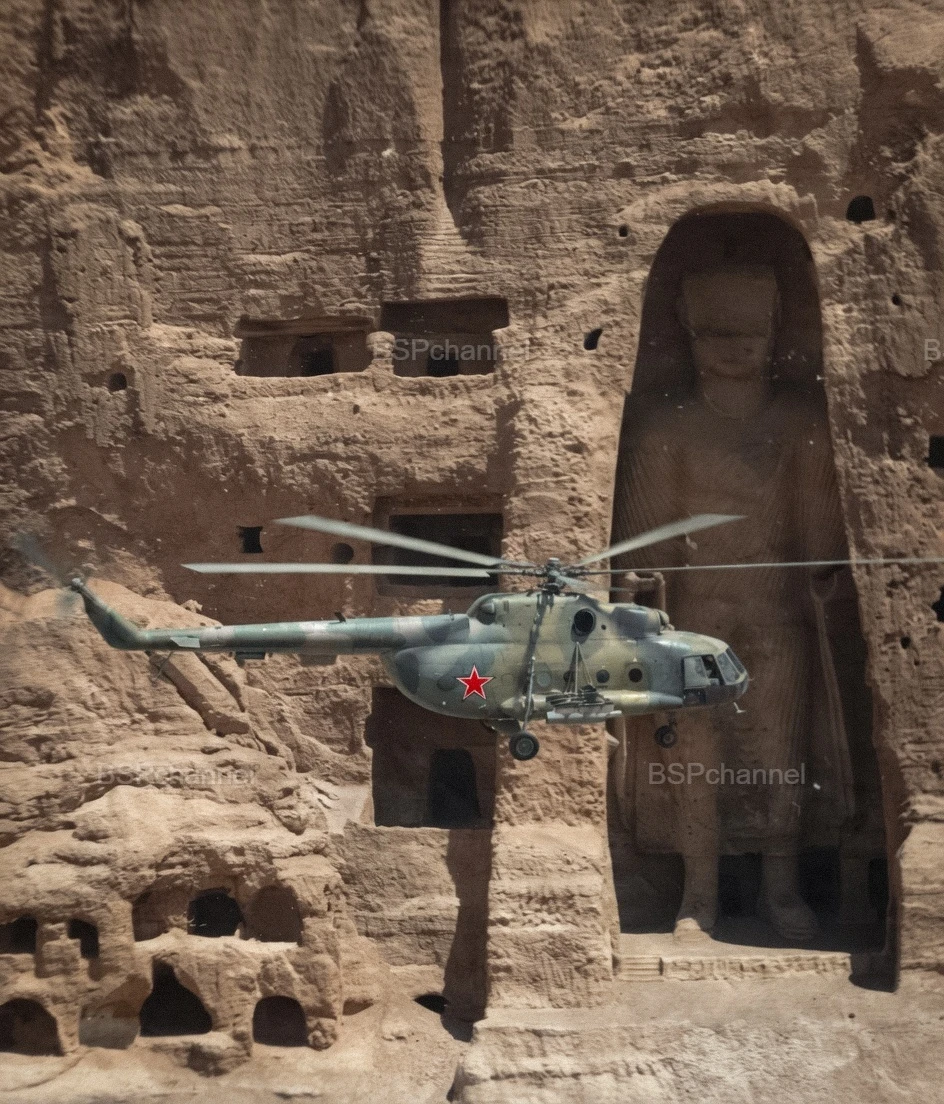
The Mi-8 helicopter: the primary "workhorse" of Soviet aviation in Afghanistan. Helicopters of this series were widely used for reconnaissance, troop deployment, and supplying garrisons amidst the country's rugged mountainous terrain. The Buddhas of Bamiyan: a unique complex of Buddhist monasteries carved directly into the sandstone cliffs of the Bamiyan Valley during the 6th century AD. The image shows the smaller of the two main statues (it stood 37 meters tall, while the larger one reached 55 meters). However, in March 2001, this UNESCO World Heritage site was completely destroyed. The Taliban, then ruling Afghanistan, deemed the ancient sculptures "pagan idols" and blew them up using explosives and artillery, leaving only empty niches in the rock face.
A Škoda PA-II Zelva armored car patrols a city street during the July Putsch. Vienna, Austria. July 27, 1934. 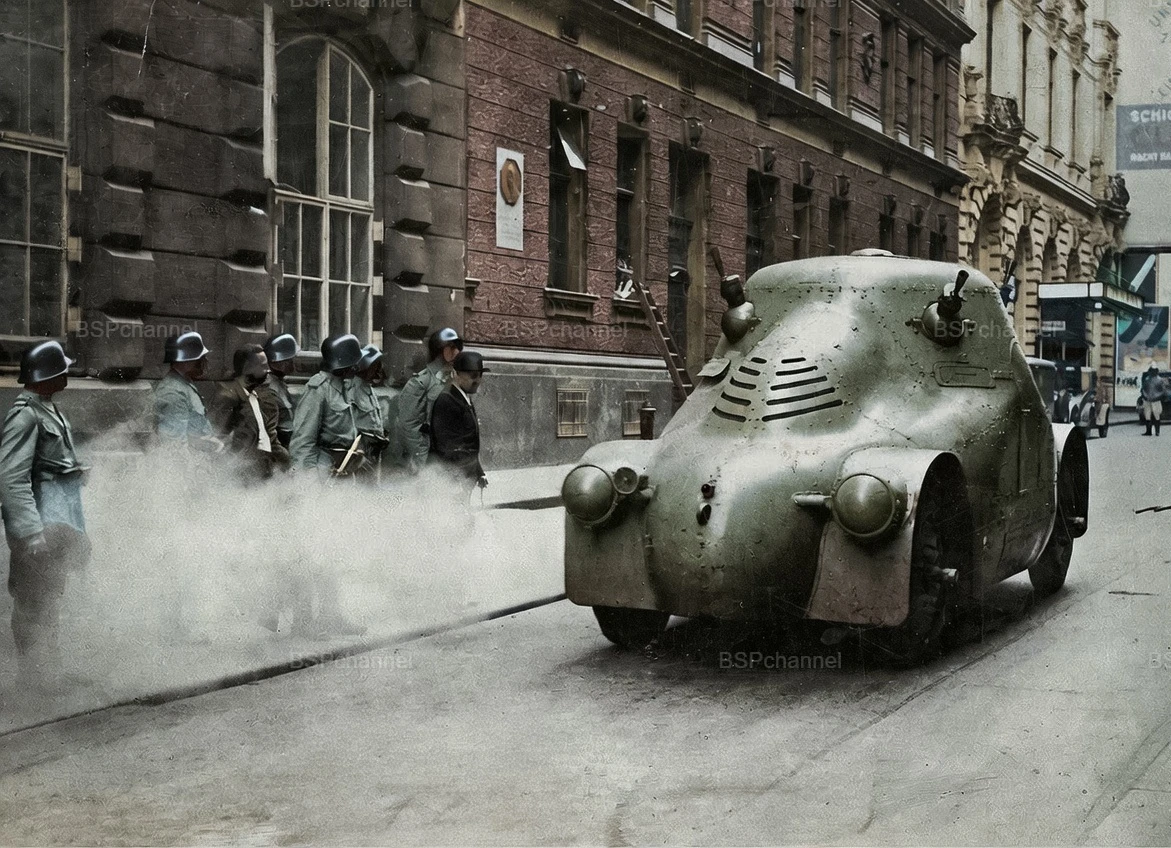
During this period, Austrian Nazis, backed by Berlin, attempted a coup, seizing government buildings and assassinating Chancellor Engelbert Dollfuss. However, the regime held firm—largely due to the intervention of Italy, which deployed troops to the Austrian border, thereby thwarting Hitler's plans.
Children playing with a burnt-out car. Belfast, 1975. 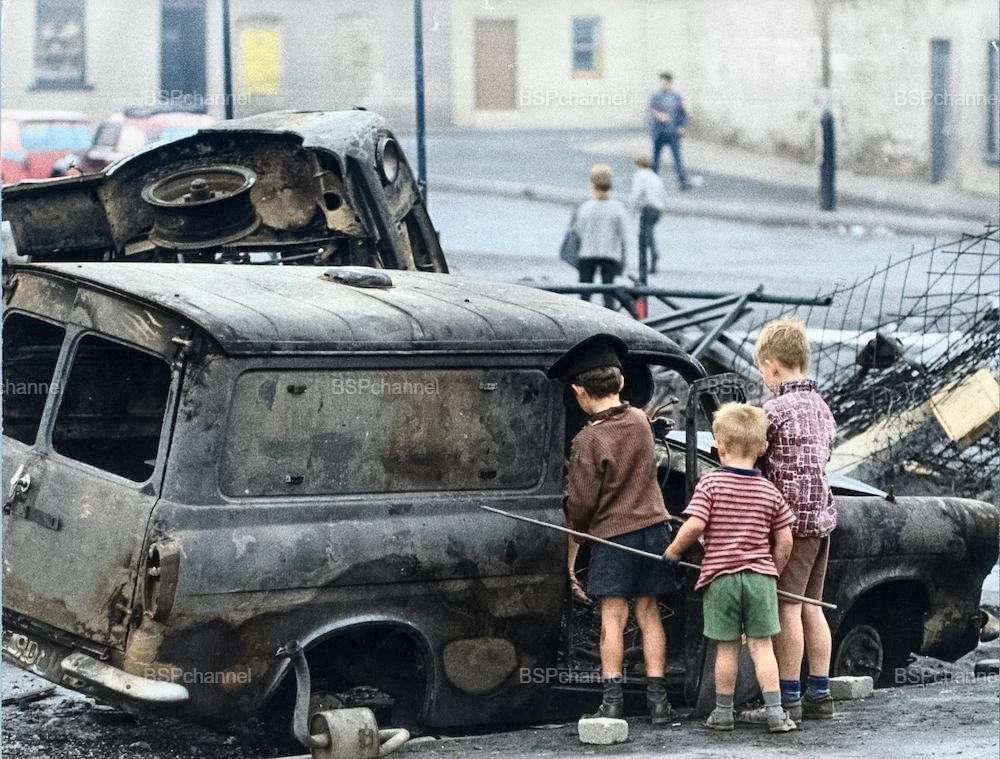
A Lebanese settlement following an Israeli air raid, 1972. 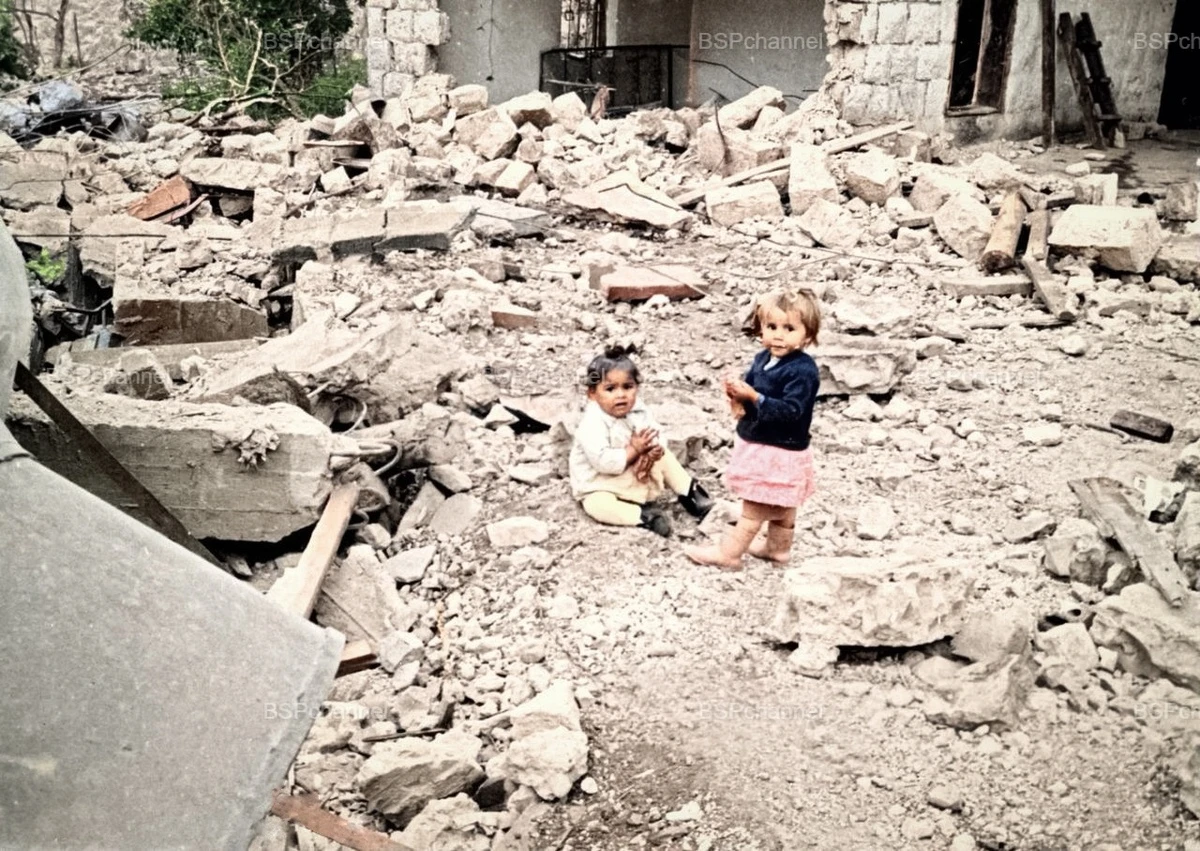
Vietnamese and American troops resting after a tense night spent anticipating a Viet Cong ambush near the village of Binh Gia. January 1965. 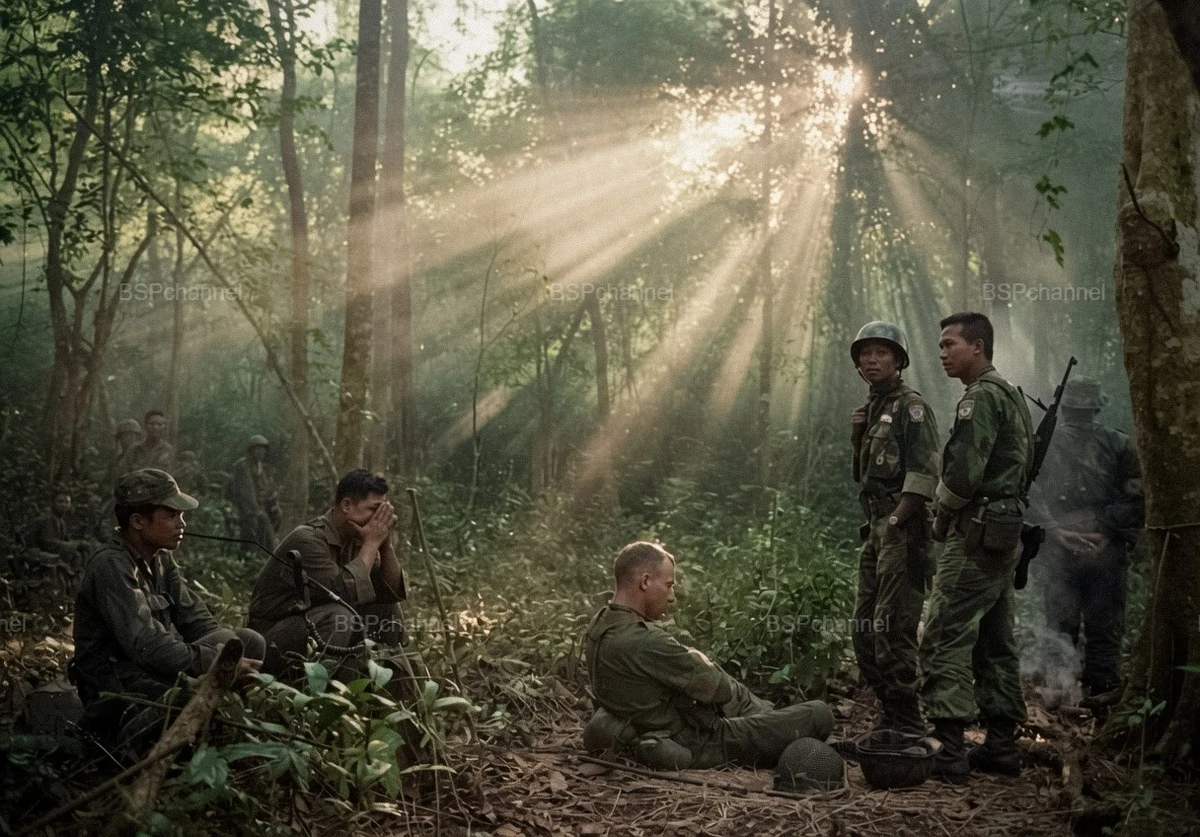
Photographer: Horst Faas
The Vietnam War (1954–1975) was one of the major and most controversial military conflicts of the 20th century; it is often referred to as the "American War" in Vietnam. Essentially, it was a struggle between communist North Vietnam, which sought to unify the country under its rule, and pro-American South Vietnam, which attempted to maintain a pro-Western regime. The conflict was also a significant part of the global Cold War.
Vickers Mk II light tank equipped with experimental flotation gear and an outboard motor. Britain, 1930s. 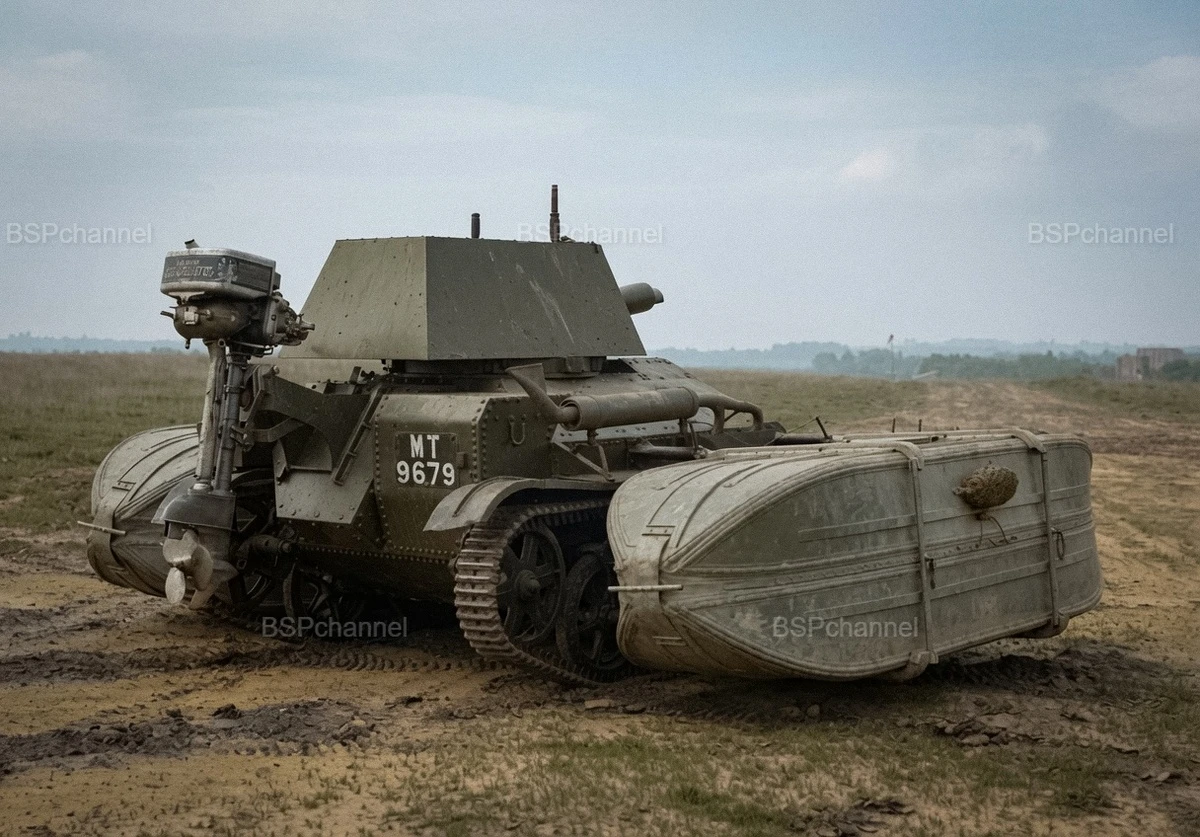
The idea of converting the standard Vickers Mk II land-based light tank (weighing approximately 4.5 tons) into an amphibious vehicle originated with the British War Office and engineers from the Royal Army Ordnance Corps. Since the tank was too heavy to float on its own and would have sunk immediately, the designers opted for a bolt-on flotation system. Bulky pontoons—either collapsible or rigid—were attached to the sides of the tank, directly above the track guards. To provide propulsion in the water, the designers decided against complicating the tank's transmission by installing propellers. Instead, a standard outboard boat motor was mounted at the rear; the crew would lower it into the water before crossing and operate it manually. These attachable pontoons vastly increased the tank's dimensions, turning it into a massive target on land and making maneuvering in wooded areas difficult. The thin-walled pontoons were easily punctured by machine-gun fire or shrapnel. If even a single pontoon was damaged, the tank would lose its balance and instantly capsize in the water. The outboard motor could only propel the heavy tank in perfectly still water; in rivers with strong currents, the vehicle would be swept away helplessly. The experience gained from these trials led the British to abandon the use of attachable flotation systems for light tanks.
An "Oka" OTRK (operational-tactical missile system) self-propelled launcher, disguised as an oil and gas exploration truck, at a technical position in Kapustin Yar, 1979. 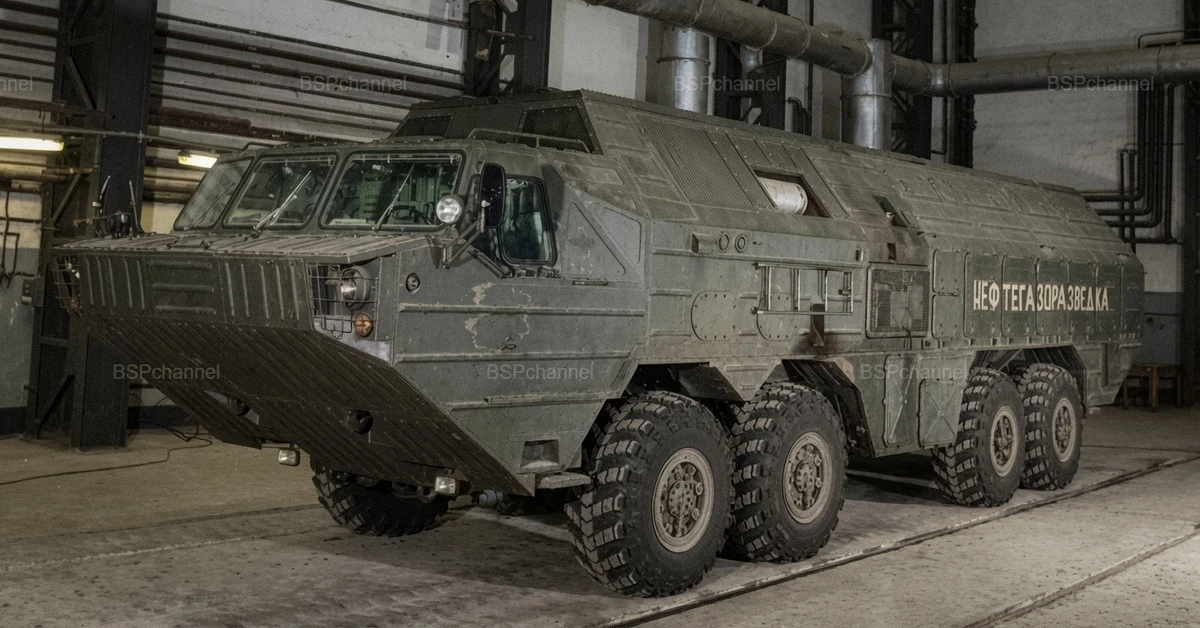
The OTR system featured a highly mobile, autonomous launcher capable of traversing rough terrain and crossing water obstacles by swimming, as well as effectively camouflaging itself. The unit could be easily transported by any means to anywhere in the world. The system enabled covert preparation and guaranteed the destruction of both point and area targets.
A girl holding an assault rifle at a PLO training camp for Palestinian teenagers. Suburbs of Beirut, Lebanese Republic, 1970. 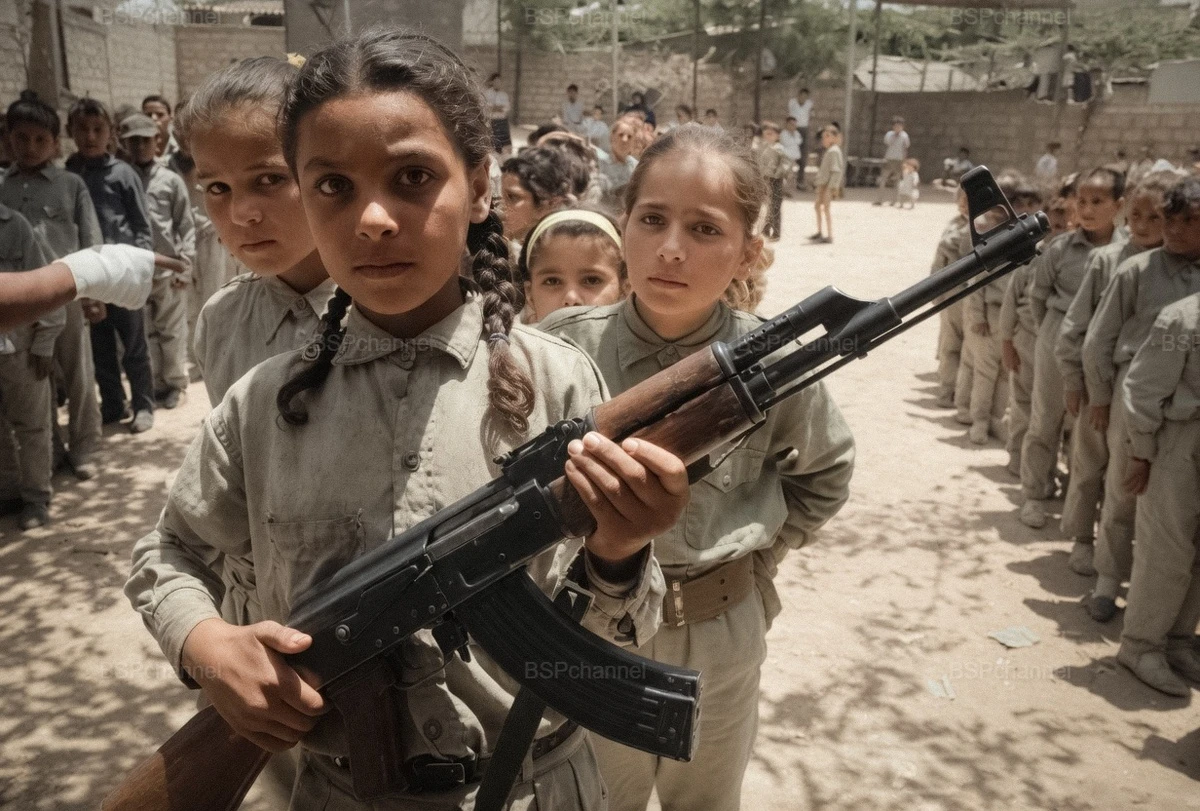
The First Air Mobile Division. Vietnam, Dong Nai Province, 1971. 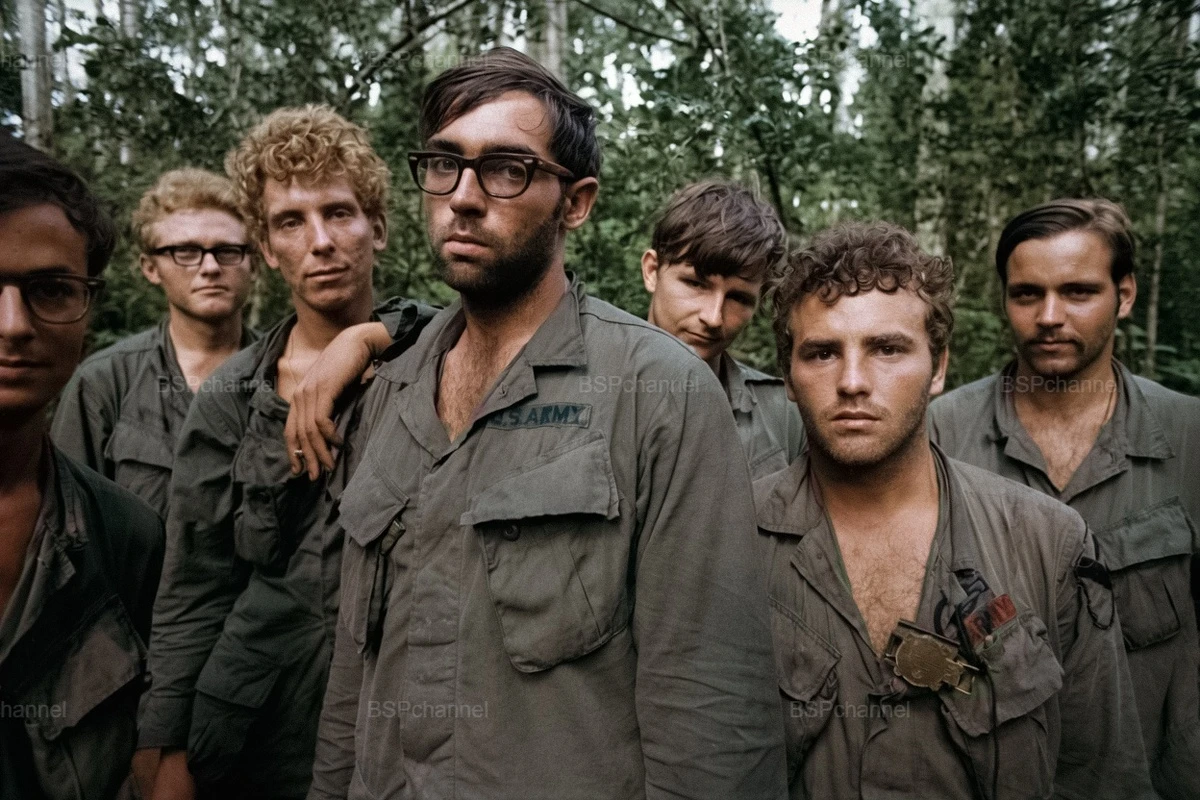
Bach Mai Hospital in Hanoi after a raid by American bombers, 1972. 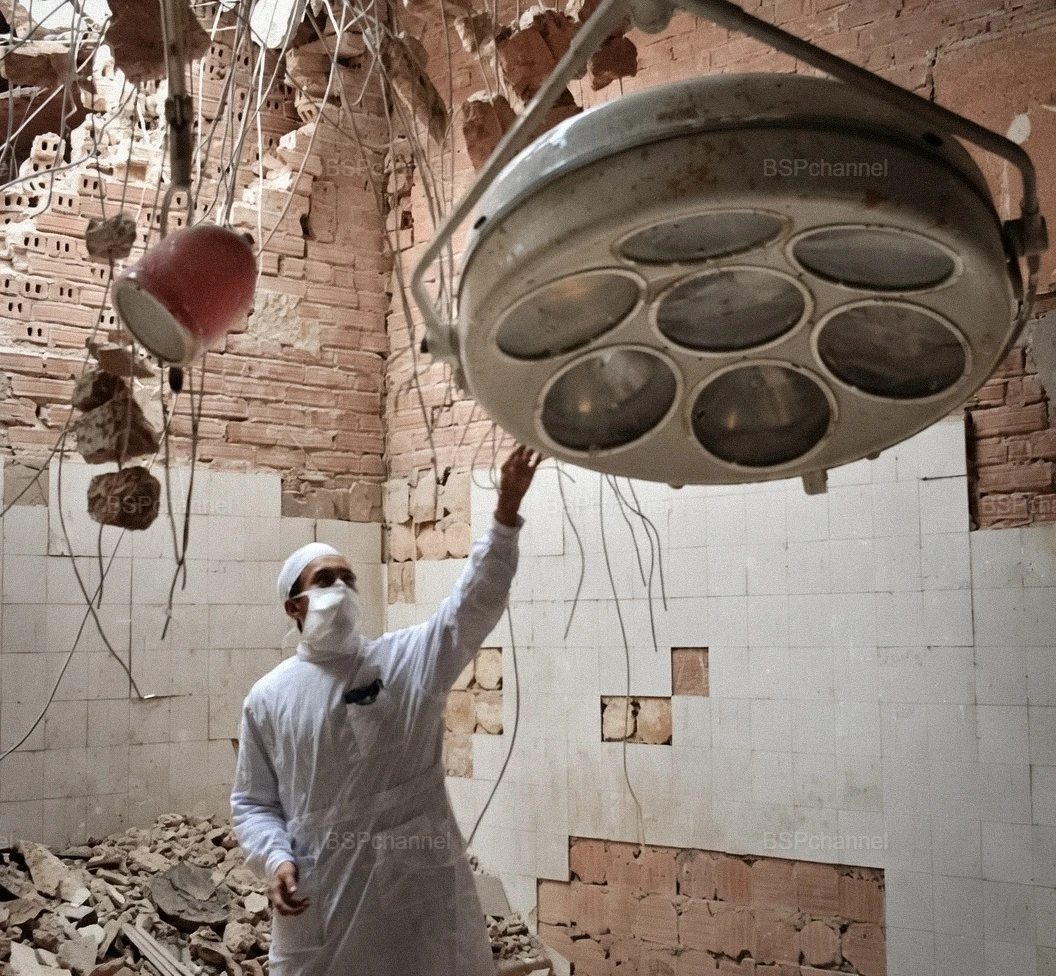
Photographer: Genrikh Borovik
An FV3903 Churchill AVRE tank carrying a massive bundle of wood. This bundle is known as a fascine; 1940s. 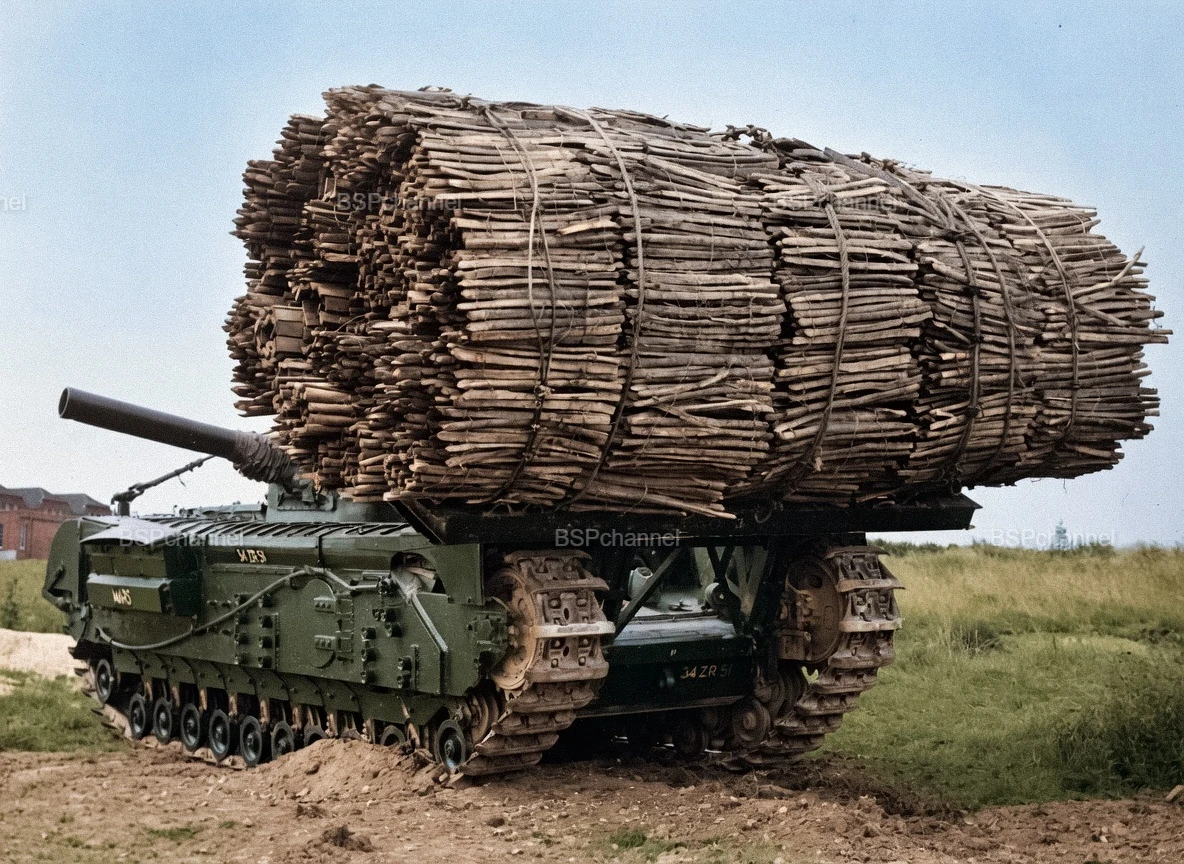
A fascine is a dense bundle of brushwood, sticks, reeds, or straw bound together with wire or rope. It is one of the oldest and most effective engineering devices, used for centuries in both warfare and construction. In wartime, the primary purpose of a fascine is to ensure troop mobility. Fascines were dropped into fortress moats, trenches, and ditches so that infantry, cavalry, and later armored vehicles could quickly cross the obstacle. They were used to line impassable, boggy road sections and swamps, creating a sturdy surface capable of supporting heavy loads. With the advent of tanks during World War I, fascines became an integral part of armored warfare tactics. Heavy British Mark IV tanks carried massive bundles of brushwood on their roofs. Upon reaching a wide German trench (such as those of the Hindenburg Line), the crew would release the fastenings from inside the tank; the fascine would roll into the ditch, allowing the tank to drive across it as if over a bridge. This concept proved so successful that it was employed during World War II and remains in use by modern combat engineering units to this day (plastic pipes bundled together to form a fascine are frequently used now).
American B-29 bombers from the 29th Bombardment Group in flight. The year the photo was taken is unknown. 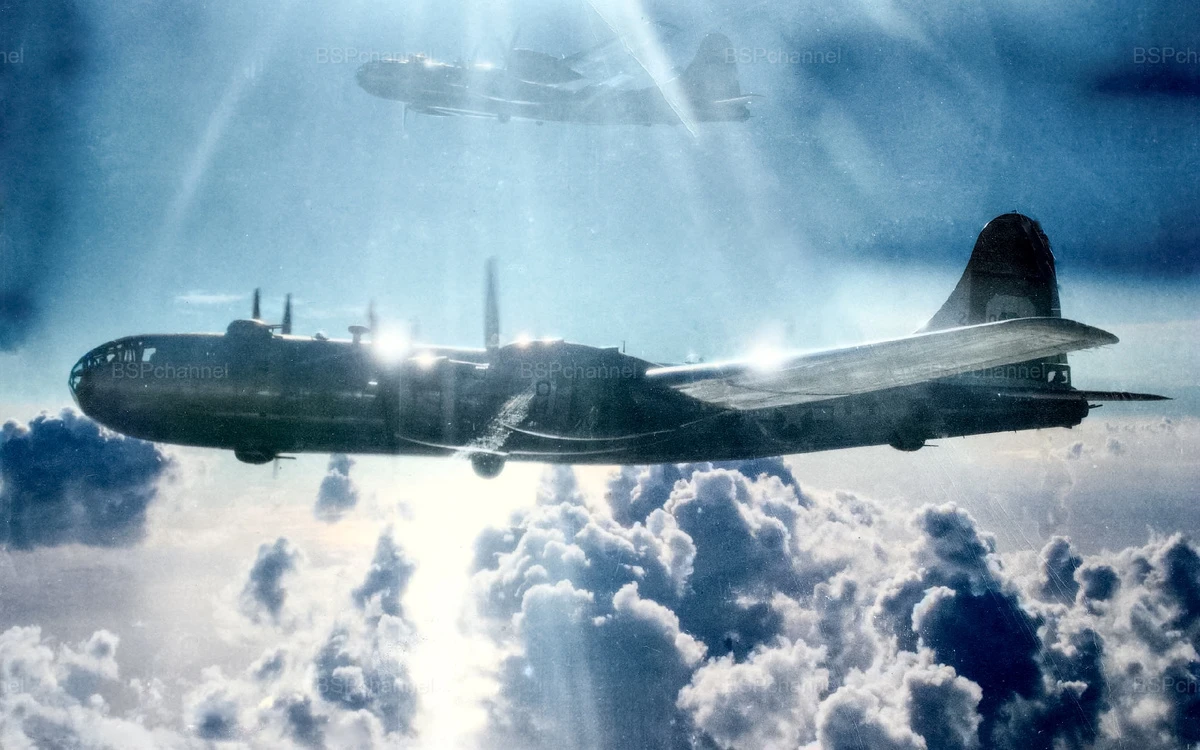
The Boeing B-29 Superfortress was an American four-engine heavy bomber used during World War II. It was one of the most technologically complex, innovative, and expensive military projects of its time. The B-29 earned its place in history as the aircraft that carried out the only combat atomic bombings ever conducted (targeting the cities of Hiroshima and Nagasaki in August 1945).
Spanish Civil War, 1930s. 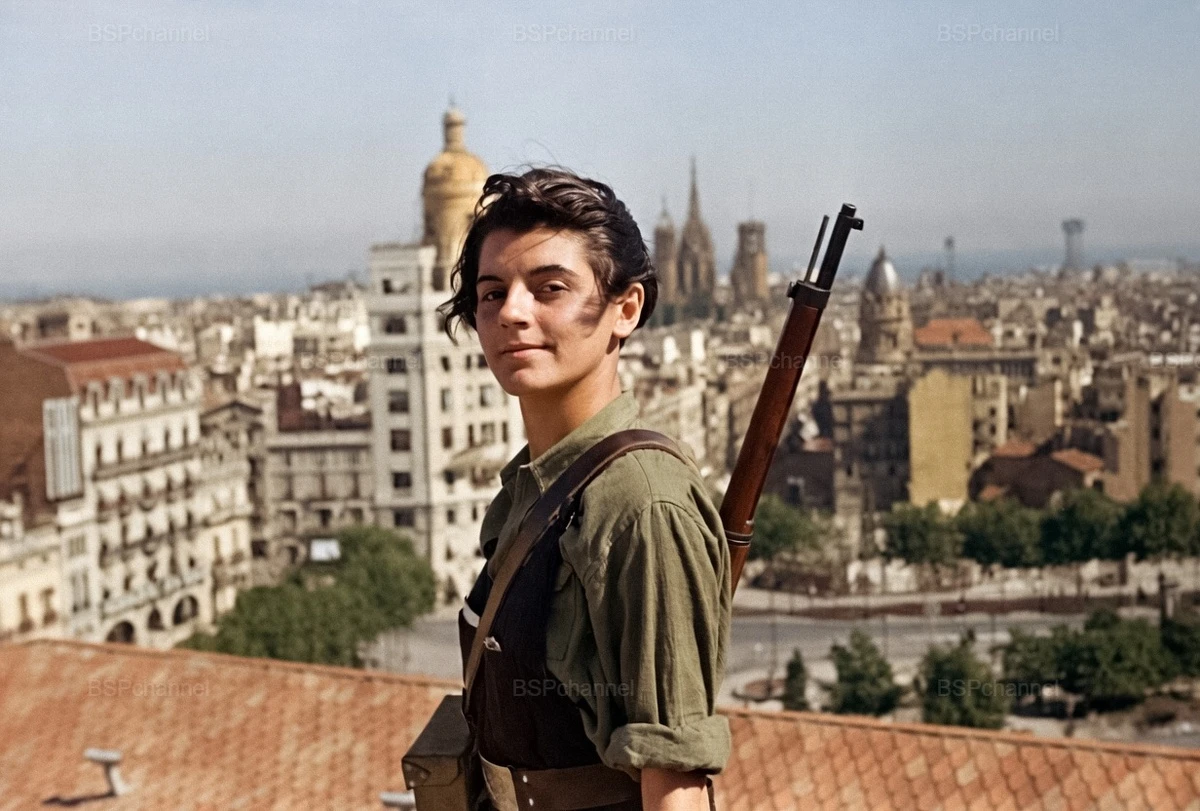
Marina Ginestà i Coloma (1919–2014) was born in Toulouse, France, but linked her destiny to Catalonia and the fight for Republican Spain. She fought with the International Brigades; however, it was not a feat on the battlefield that brought her worldwide fame, but a single photograph. Photographer Hans Guttmann, working under the pseudonym Juan Guzmán, captured her image on the roof of the Hotel Colón in Barcelona. Today, that shot is one of the most iconic and widely reproduced images of the Spanish Civil War.
Military exercises involving the Soviet Union and Warsaw Pact nations in Bulgaria—Operation Rhodope. An-12 transport aircraft, 1967. 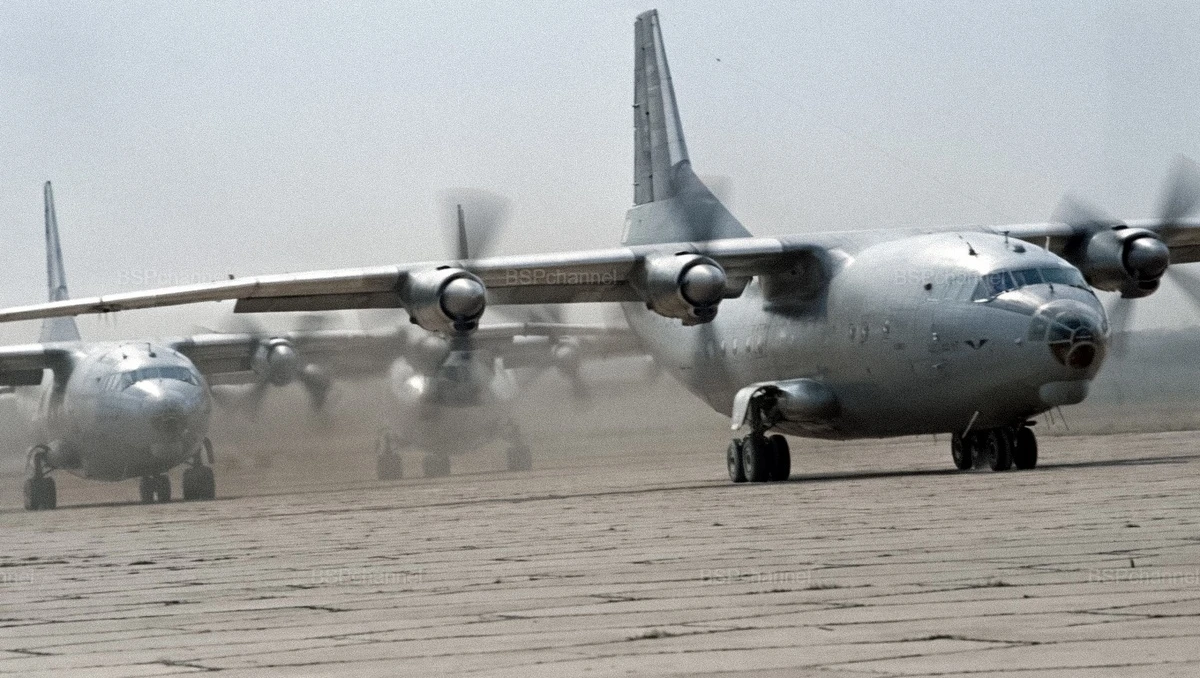
Photographer: Lev Polikashin
The An-12 is a Soviet four-engine military transport aircraft. Developed by the Antonov Design Bureau concurrently with the passenger An-10, it made its maiden flight in 1957. Thanks to its phenomenal reliability, ease of maintenance, and ruggedness, the An-12 has outlived the USSR by many decades. After being retired from military service, hundreds of these aircraft were transferred to civilian airlines.
Landing of Soviet marines from the large landing ship *Aleksandr Tortsev* onto Nokra Island, Ethiopia, 1987. 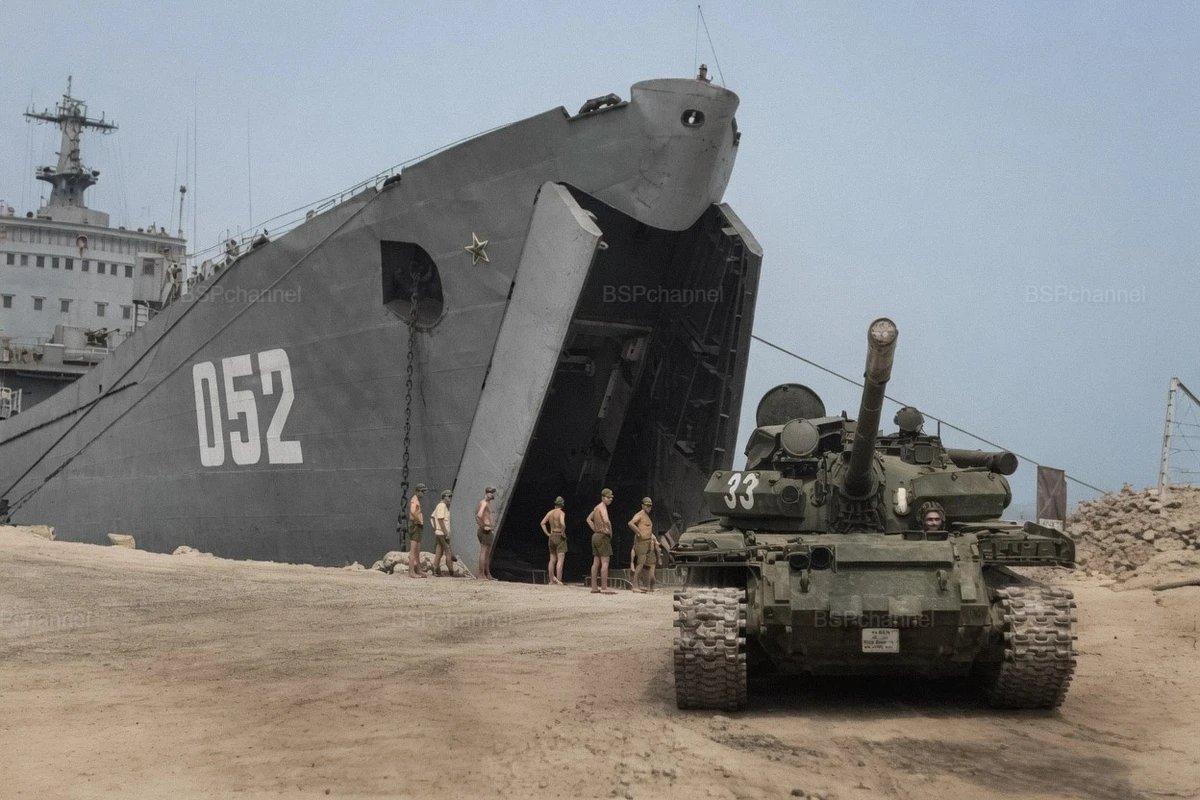
In the 1970s and 1980s, the Marxist government of Ethiopia, led by Mengistu Haile Mariam, waged a protracted and bloody civil war against Eritrean separatists. In exchange for large-scale Soviet military aid, Ethiopia granted the Soviet Union the right to establish the 933rd Soviet Navy Logistics Support Point (PMTO) on Nokra Island.
"Krug" surface-to-air missile systems demonstrating loading onto an An-22 "Antey" aircraft. Domodedovo, 1967. 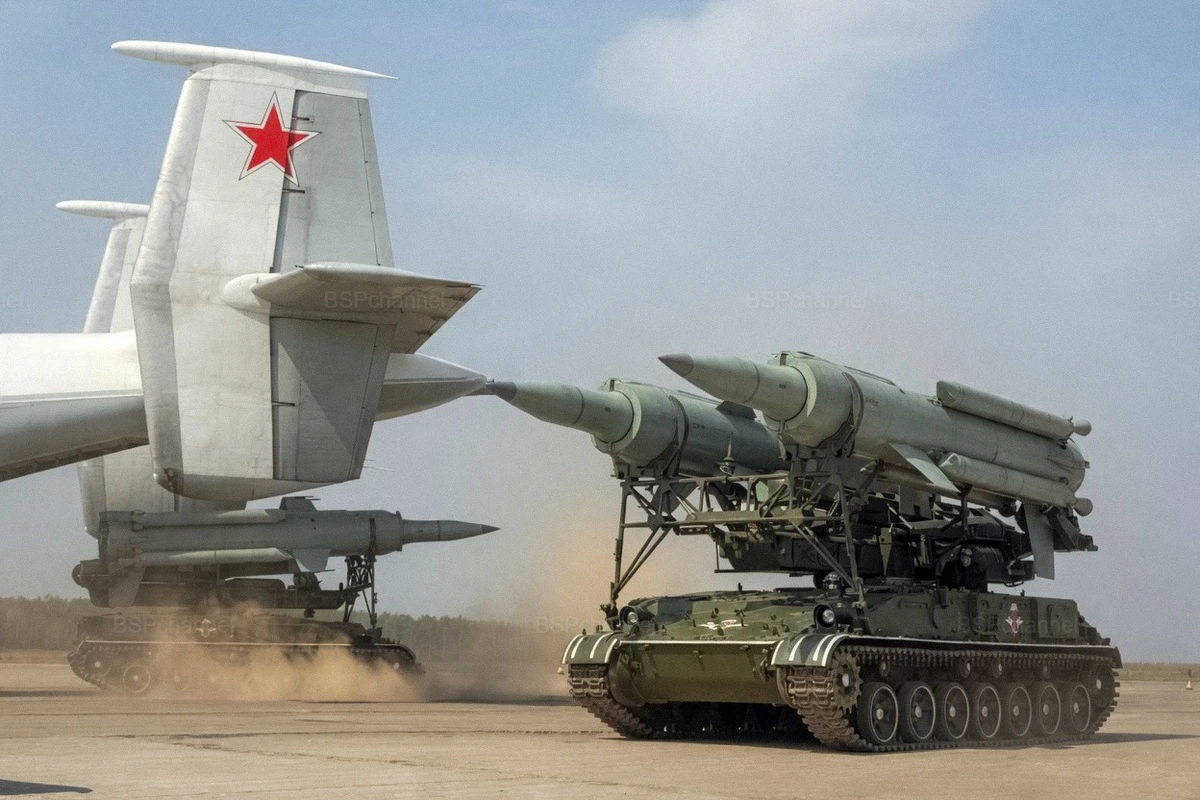
Children playing on an abandoned army tank. Massawa, Eritrea, 1991. 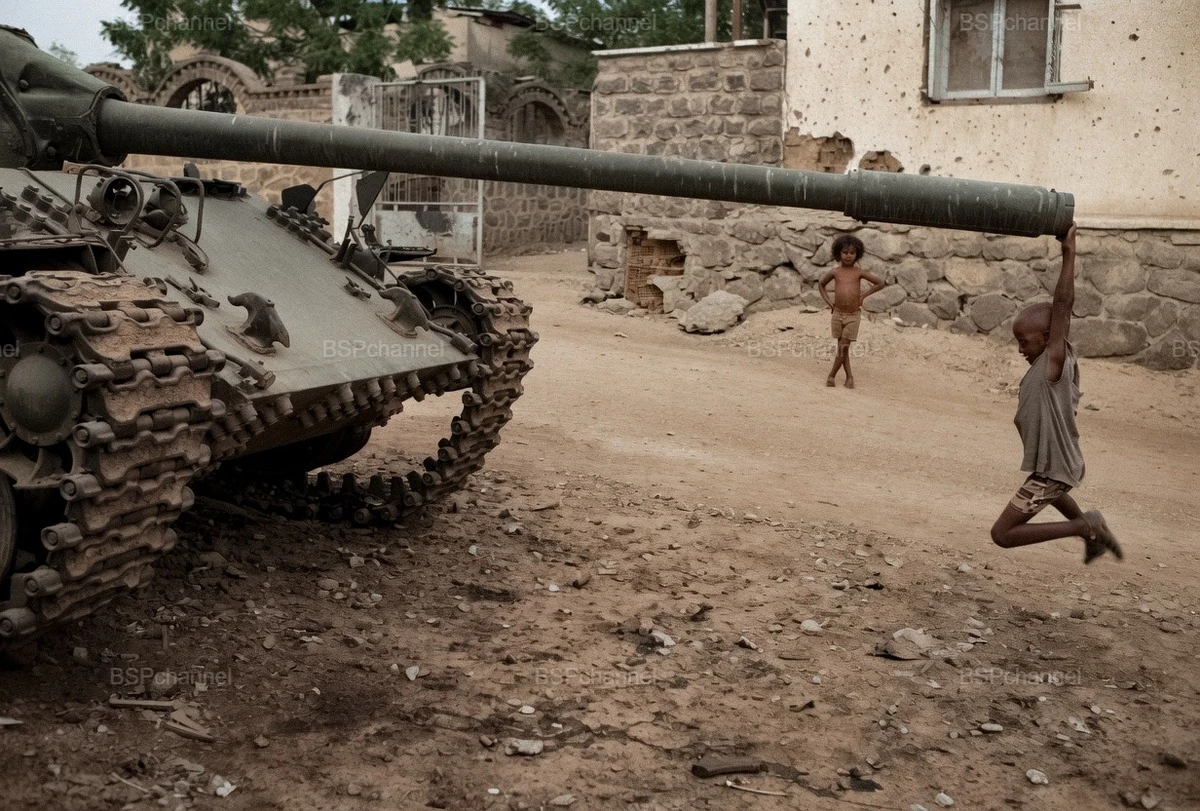
Children playing on a destroyed army tank in a village near Goražde, former Yugoslavia, November 12, 1995. 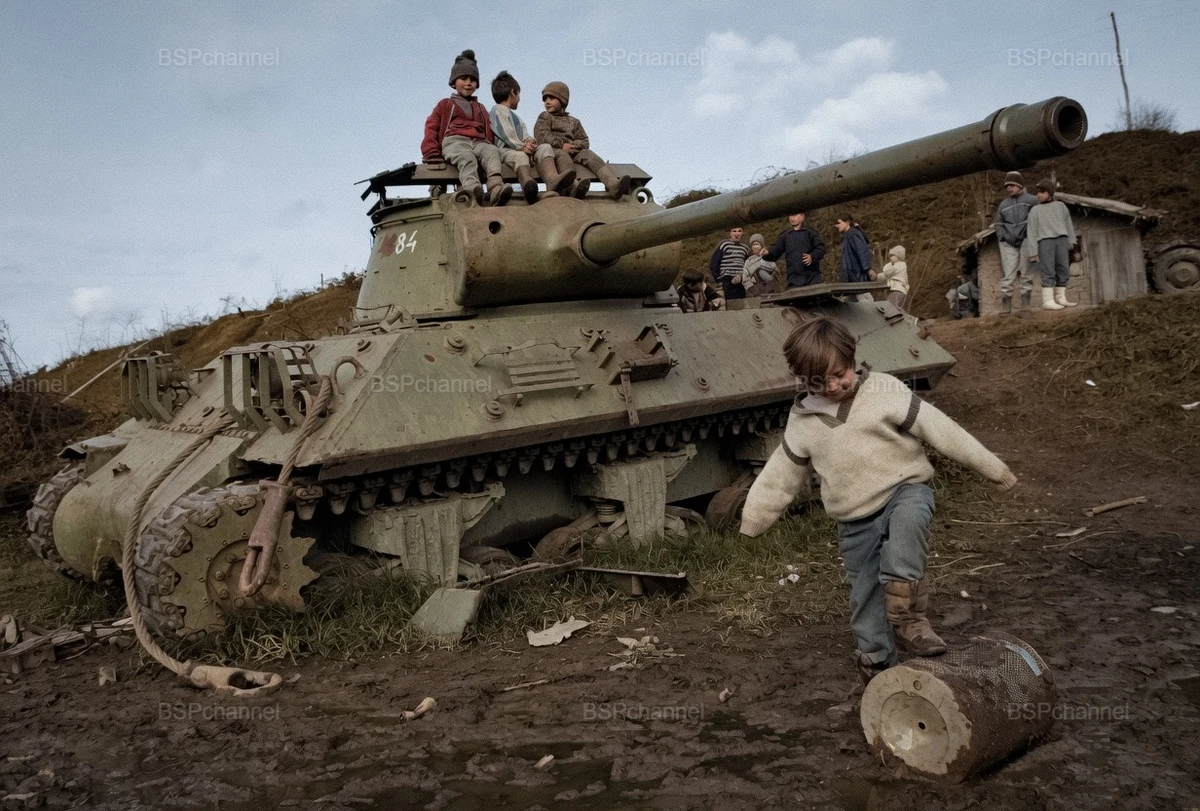
Photographer: Dario Mitidieri