A collection of funny and amusing cat photos to lift your spirits (21 photos)
These colorized images offer us a glimpse into the lives and antics of cats over the past century. Here are 20 amusing, adorable, and incredibly atmospheric shots that are sure to lift your spirits and bring a smile to your face. 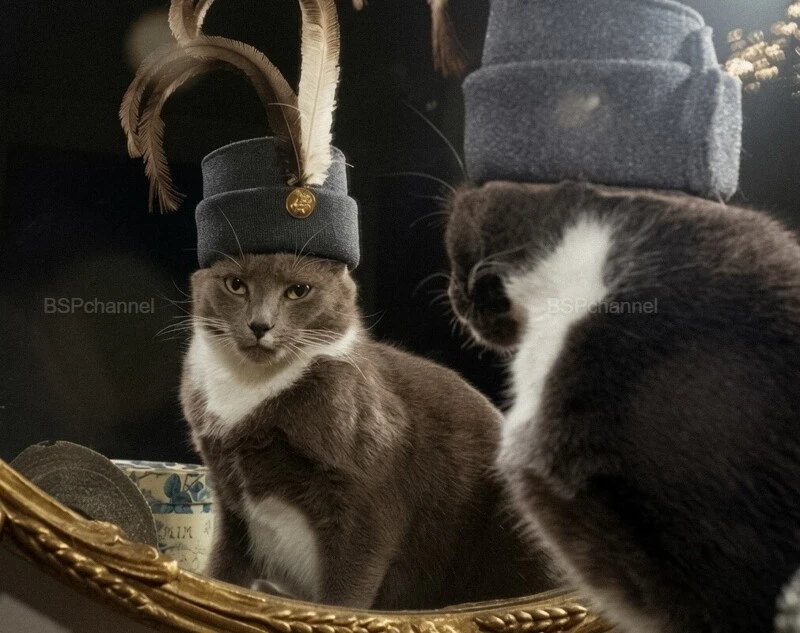
A World War II soldier saying goodbye to Bobby the cat in Sydney, Australia. 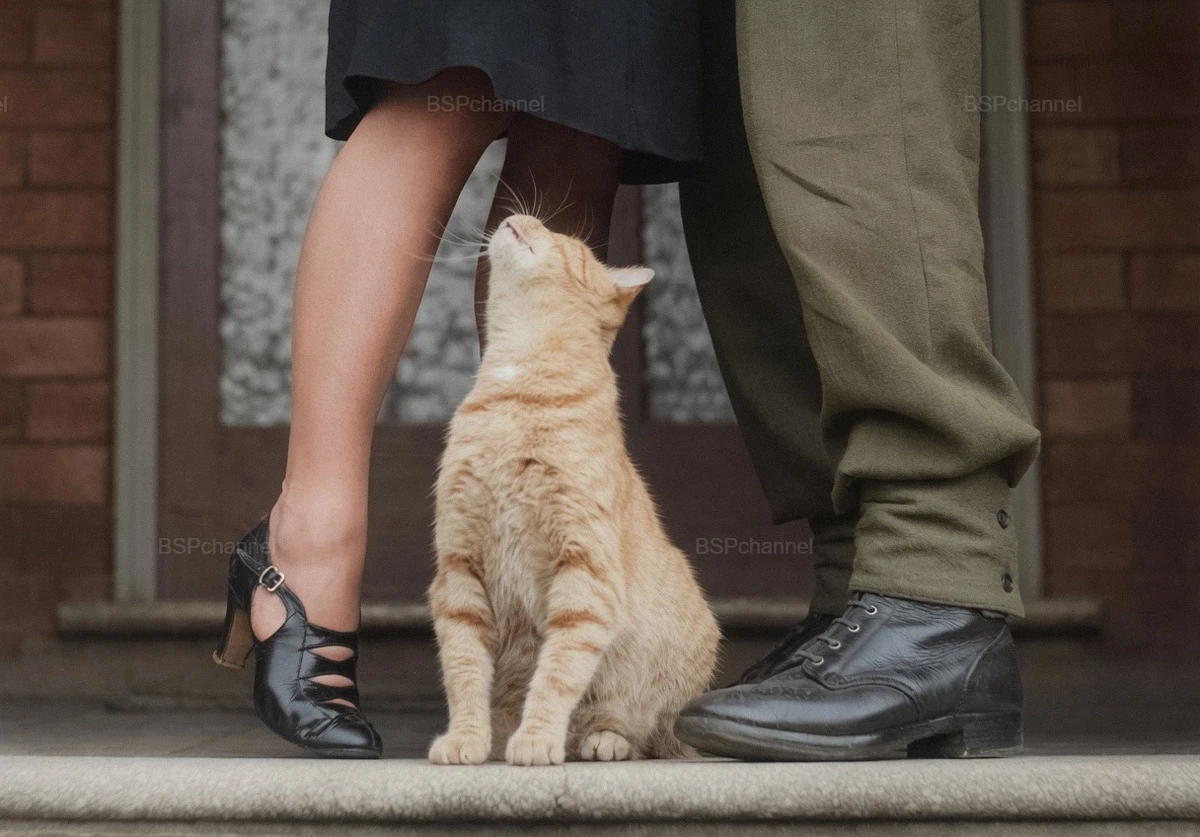
Photographer: Sam Hood
Cat in a tree, New York, 1988. 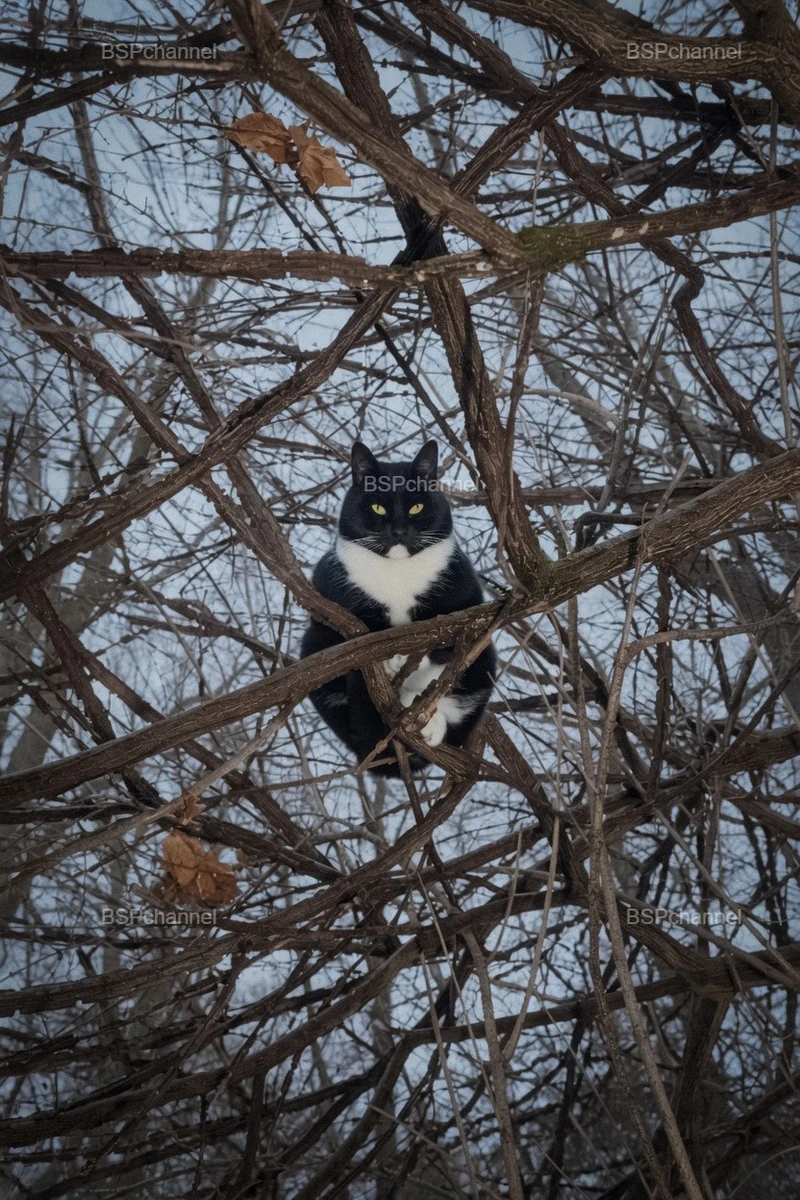
Photographer: Lee Friedlander
Test shot, 1980s. 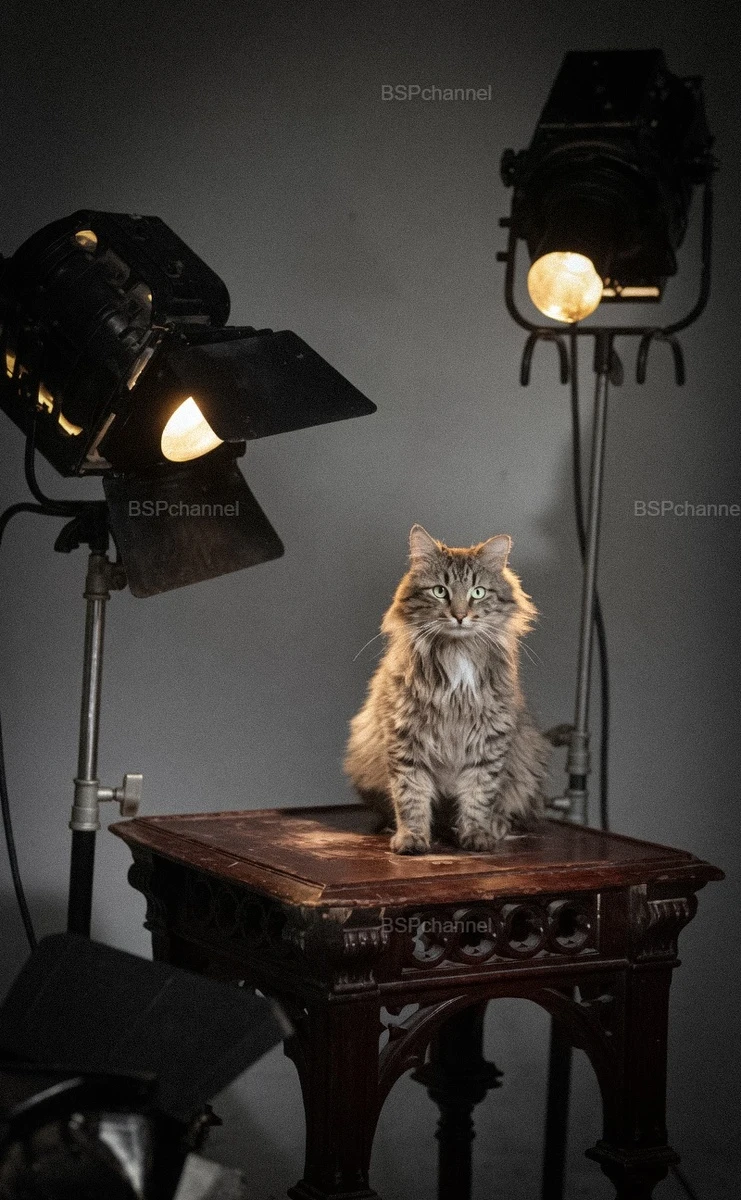
Photographer: Igor Gnevashev
A work by Igor Gnevashev, a legendary Soviet photojournalist and documentary filmmaker, and a master of nuanced psychological reportage. Animals held a very special, heartwarming place in his body of work. He often photographed cats in the most unexpected locations—from Yuzhno-Sakhalinsk to Moscow apartments. Through his lens, they appeared as distinct personalities, each with their own character. In addition to *Photo Test* (*Fotoproba*), his work *Veterinarians* (1968) is widely known. The photographer created many touching images capturing children with their four-legged friends. As a long-time correspondent for the magazines *Soviet Screen* (*Sovetsky Ekran*) and *Soviet Film* (*Sovetsky Film*), Gnevashev frequently photographed animals on film sets.
Félicette—a cat from Paris—was the first cat launched into space, on October 18, 1963, as part of the French space program. 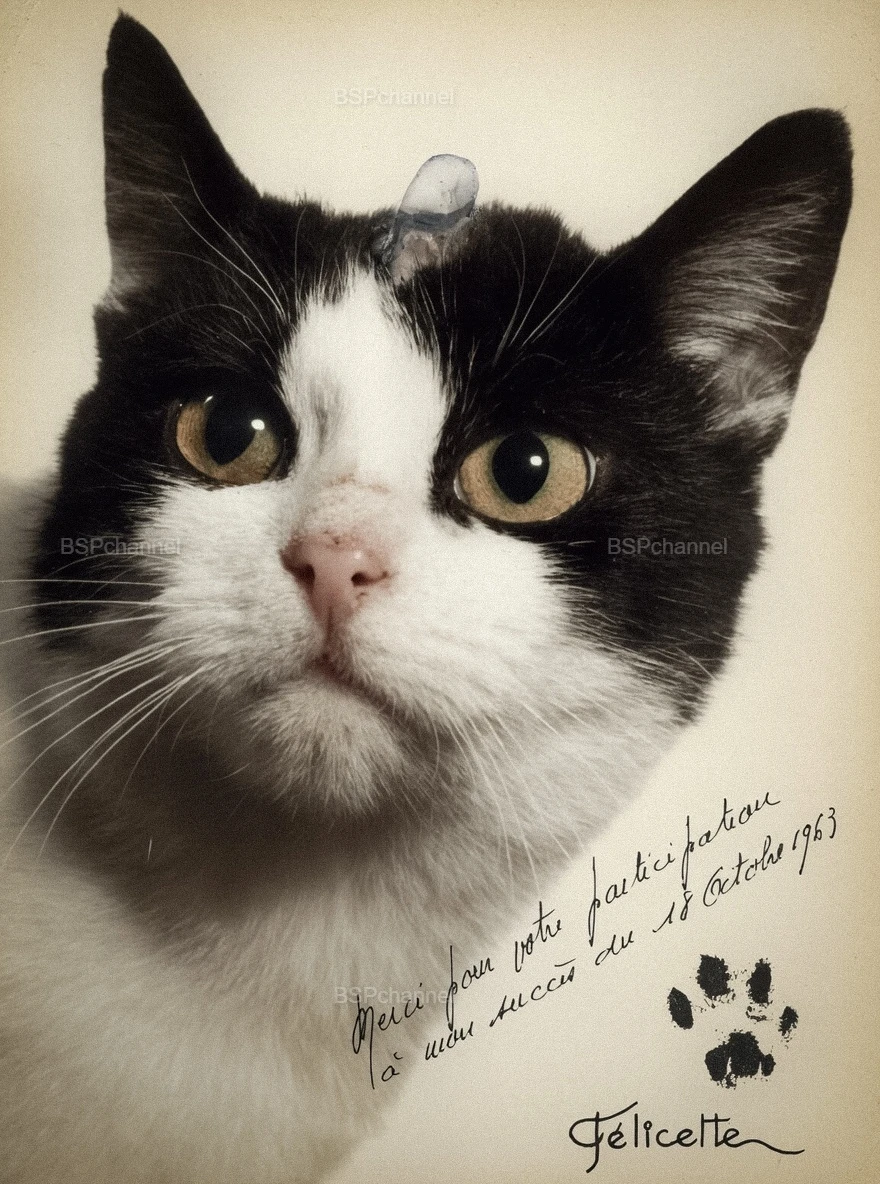
In my roundups about dogs, I always feature one of the Soviet space dogs. But today, I’m writing about a space cat. Félicette was a black-and-white Parisian cat who went down in history as the first and only cat to successfully fly in space. While the USSR was launching dogs (such as Belka and Strelka) and the USA was sending up monkeys, France decided to conduct its research using felines. The launch took place on October 18, 1963, from the French Hammaguir space center in the Sahara Desert (Algeria). A Véronique AG1 launch vehicle carried the capsule to an altitude of 157 kilometers; the cat officially crossed the Kármán line and exited Earth's atmosphere. The entire flight lasted just 13 minutes, with Félicette spending about five of them in a state of total weightlessness. During liftoff, the animal experienced a force of 9.5 g—nearly double the G-force later endured by American astronauts during the Apollo moon missions. Here is the story of how an ordinary cat became an "astro-cat." Initially, French scientists purchased 14 stray cats from dealers (all were female, chosen for their calmer temperaments). The animals underwent training in centrifuges and pressure chambers. To prevent the scientists from becoming emotionally attached to their test subjects, the cats were not given names—only numbers. The future star flew under the designation C341; she was selected just before launch for her ideal weight and unflappable demeanor. After the capsule successfully returned by parachute, the press mistakenly dubbed the heroic cat "Felix" (after the famous cartoon character). When scientists clarified that the cat was female, the name was transformed into the elegant "Félicette." Félicette’s fate proved tragic. To monitor neurological activity, special electrodes had been implanted in her skull prior to the flight. Two months after her triumphant return, scientists euthanized the cat to study in detail the effects of weightlessness on her brain structure. The scientific value of this data proved minimal, and France never launched cats into space again. For a long time, Félicette’s name remained overshadowed by Soviet and American animal astronauts. Justice was finally served thanks to a crowdfunding campaign; in 2019, a bronze statue of Félicette—seated on a globe and gazing at the stars—was unveiled at the International Space University in Strasbourg, France. The inscription on the photograph reads: "Thank you for your part in my success on October 18, 1963."
A stray kitten heads to Lynton and Lynmouth in Devon, England, 1950. 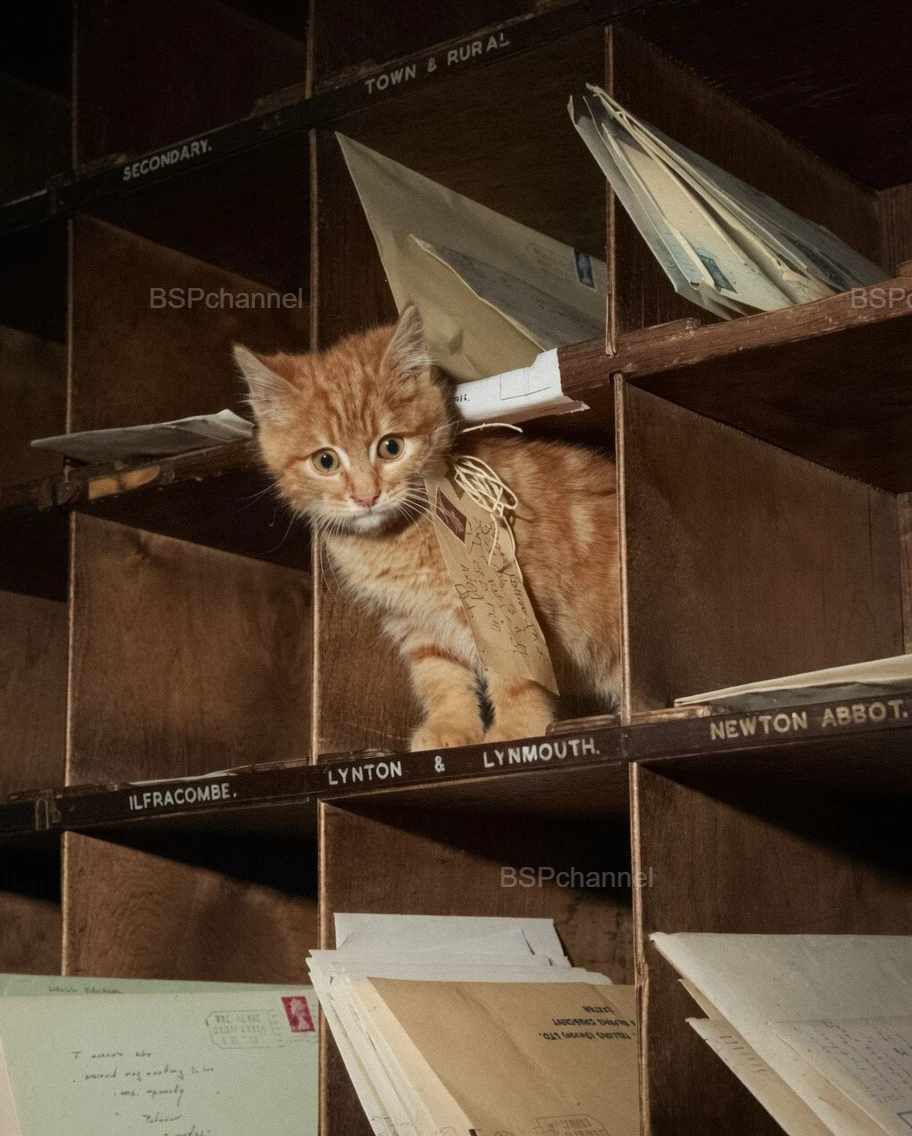
The little one sits on a sorting shelf at the post office, a special luggage tag with the delivery address tied to its collar. In those days, cats officially "served" in the British postal system. Starting in 1868, the UK postal service even allocated funds for the cats' upkeep—known as "saucer money"—so they could guard mailbags and valuable documents against mice and rats.
Untitled, 1963. 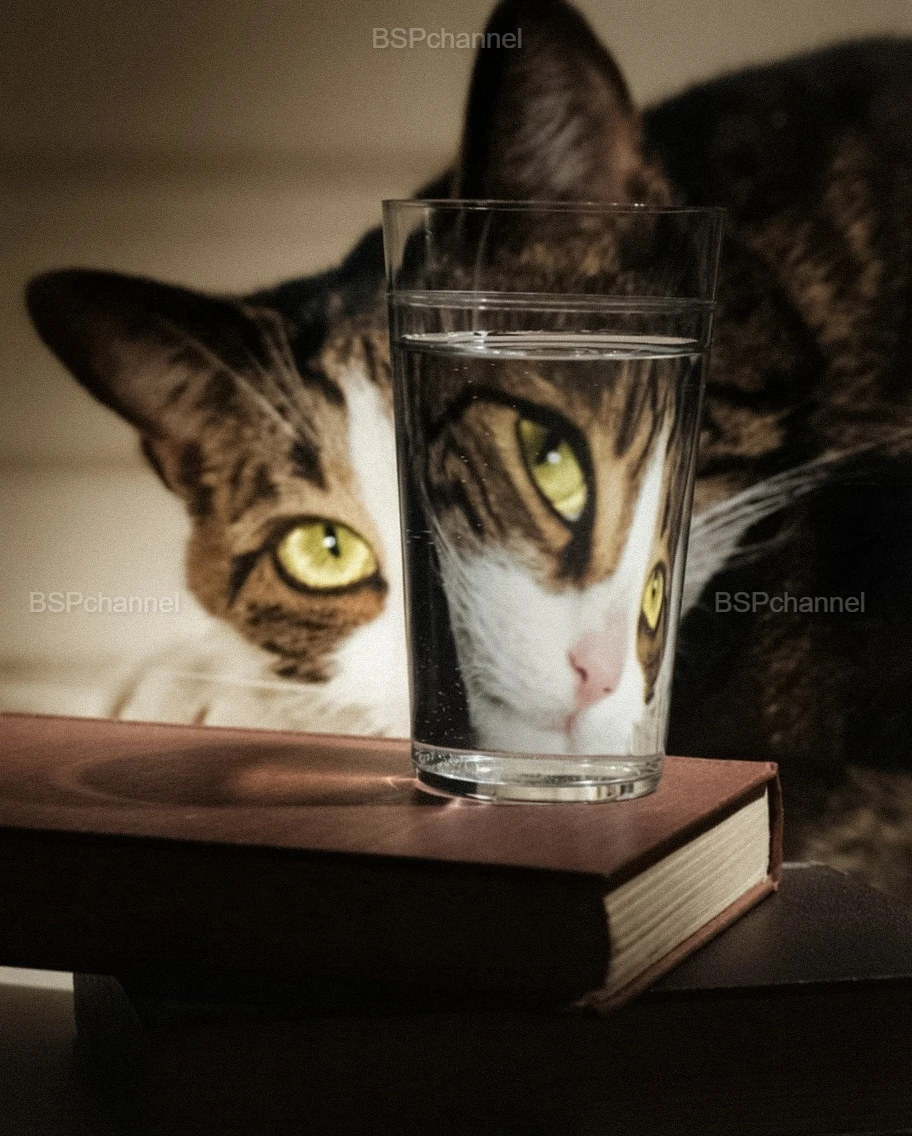
Photographer: Nina Leen
Cat on the steps. Sicily, 1981. 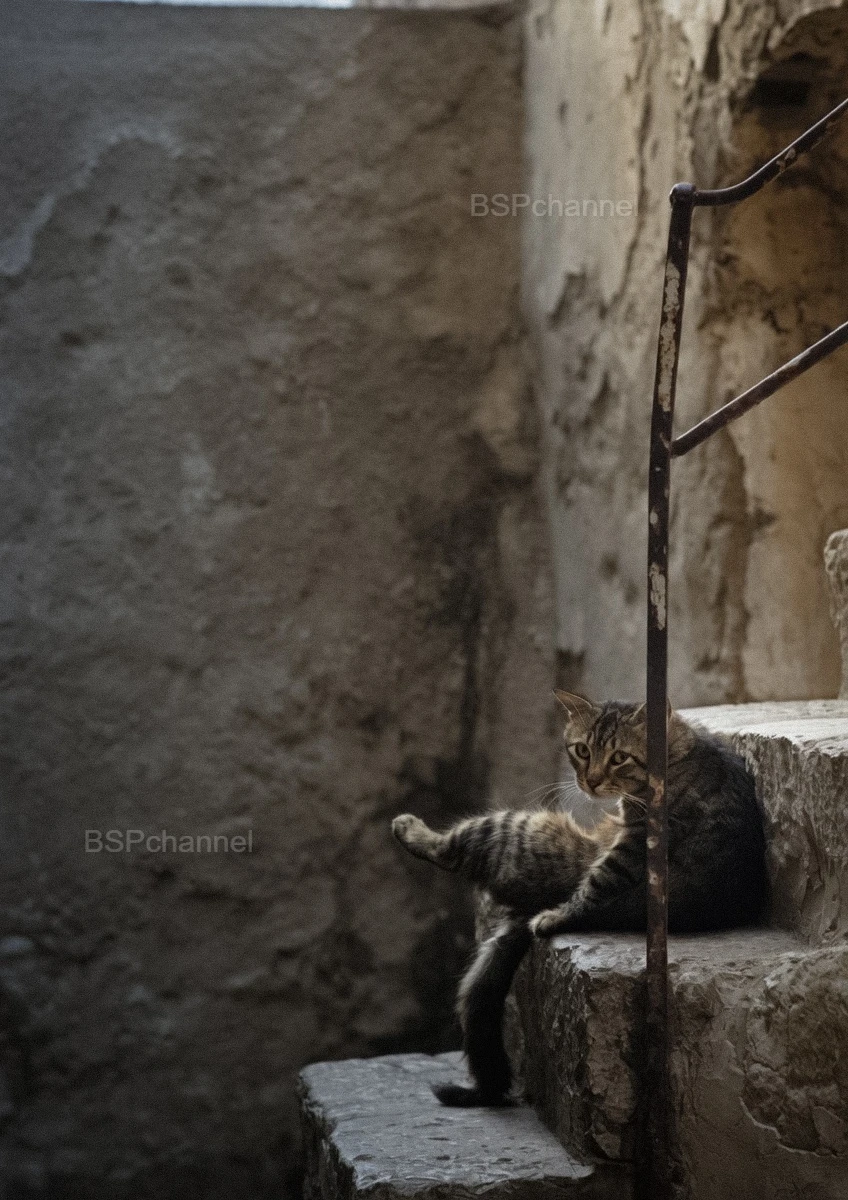
Photographer: Ferdinando Scianna
Black cat. Valparaíso, Chile, 1963. 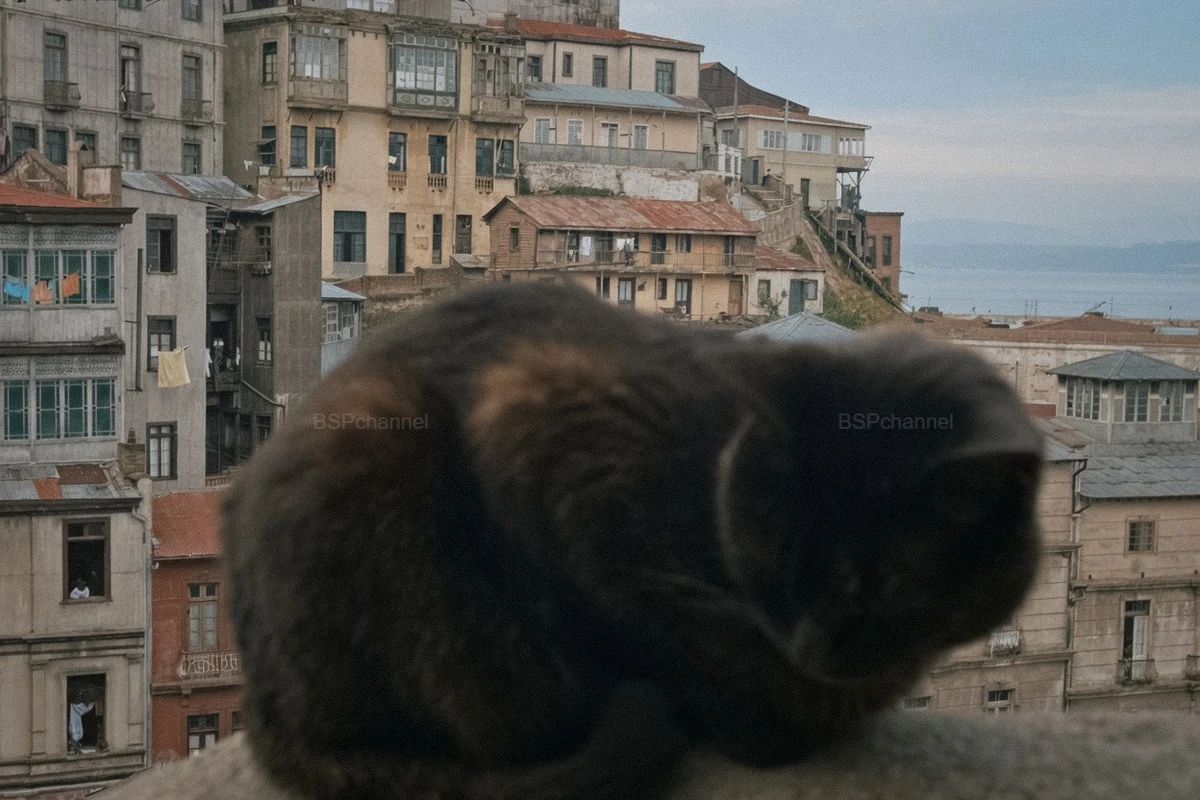
Photographer: Sergio Larrain
Florist's cat. Paris, 1938. 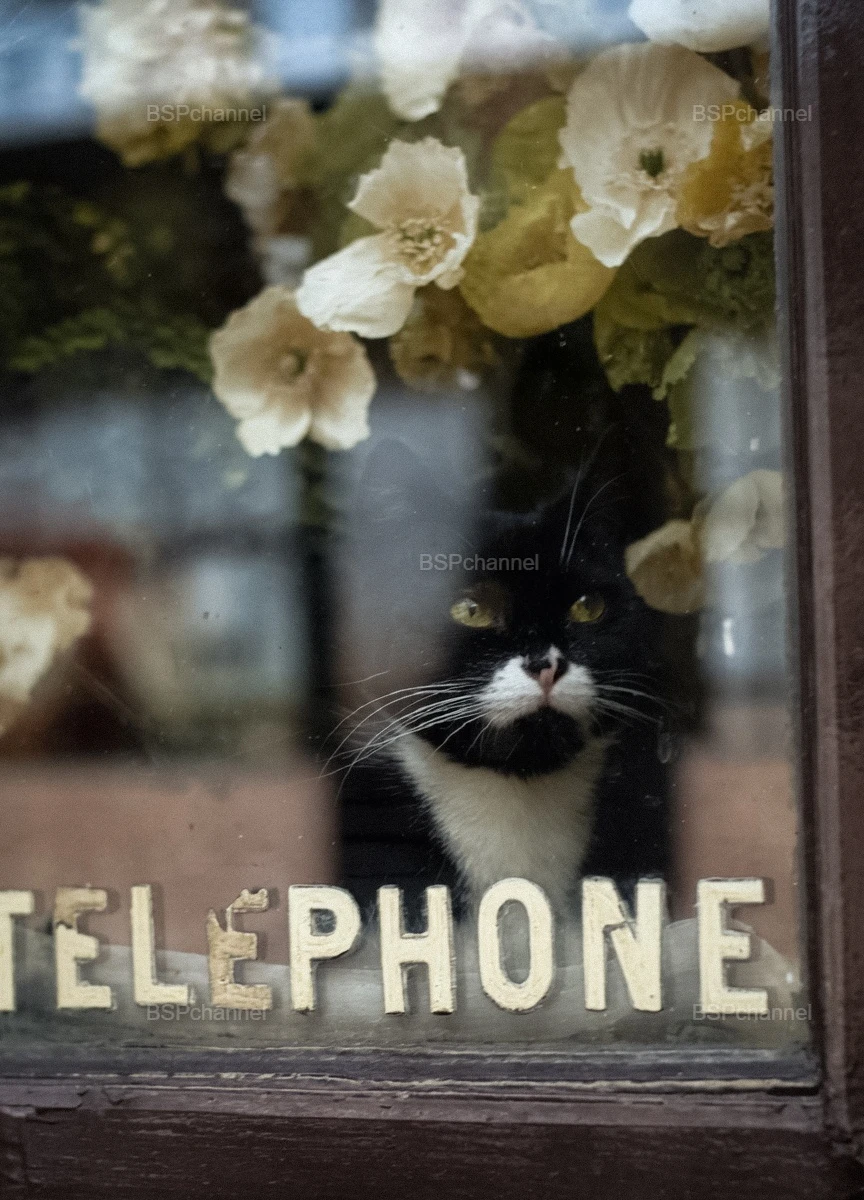
Cats on the roof at night. Paris, 1954. 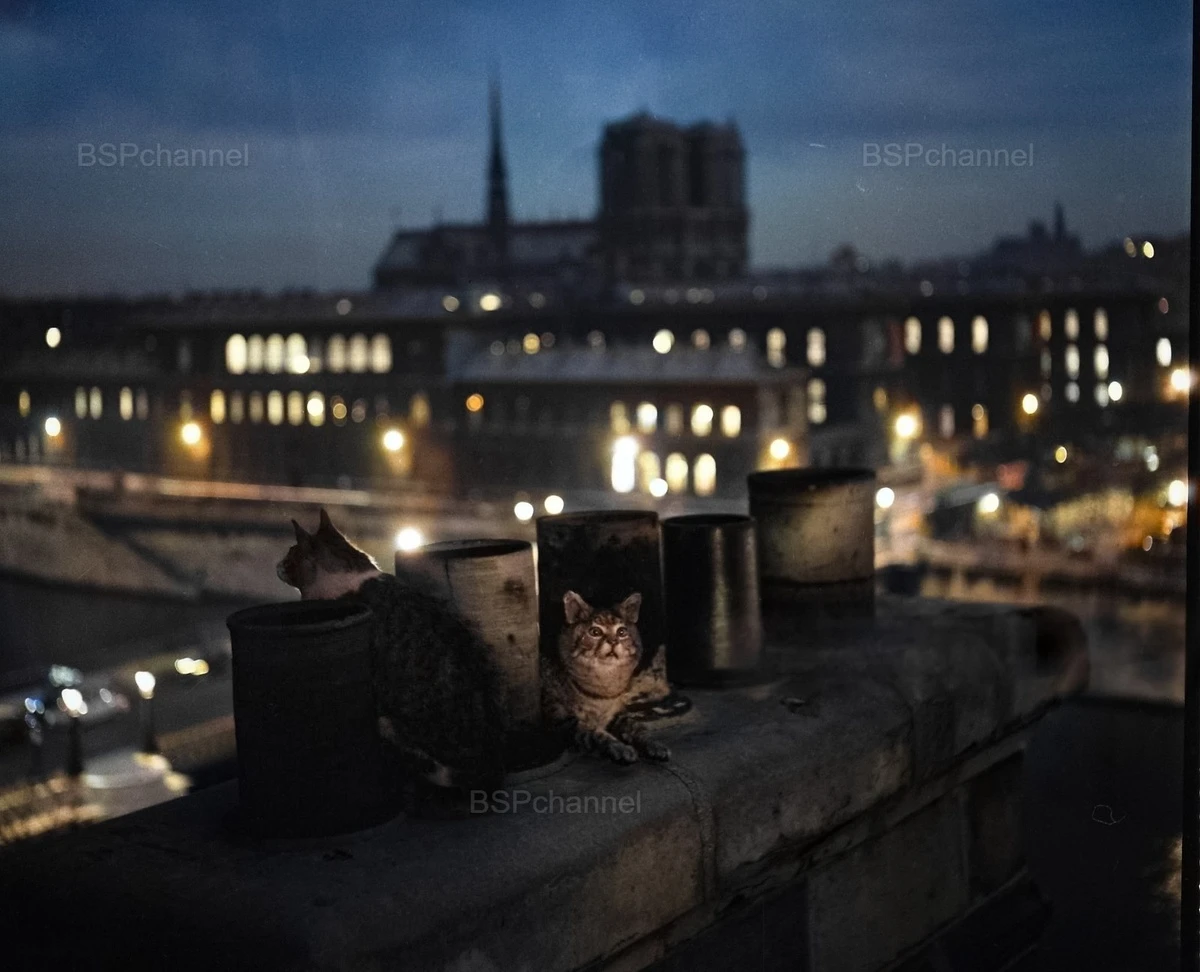
In the background, the outlines of Notre-Dame de Paris—with its famous towers and spire—emerge clearly through the soft night haze.
Street encounter. Naples, 1958. 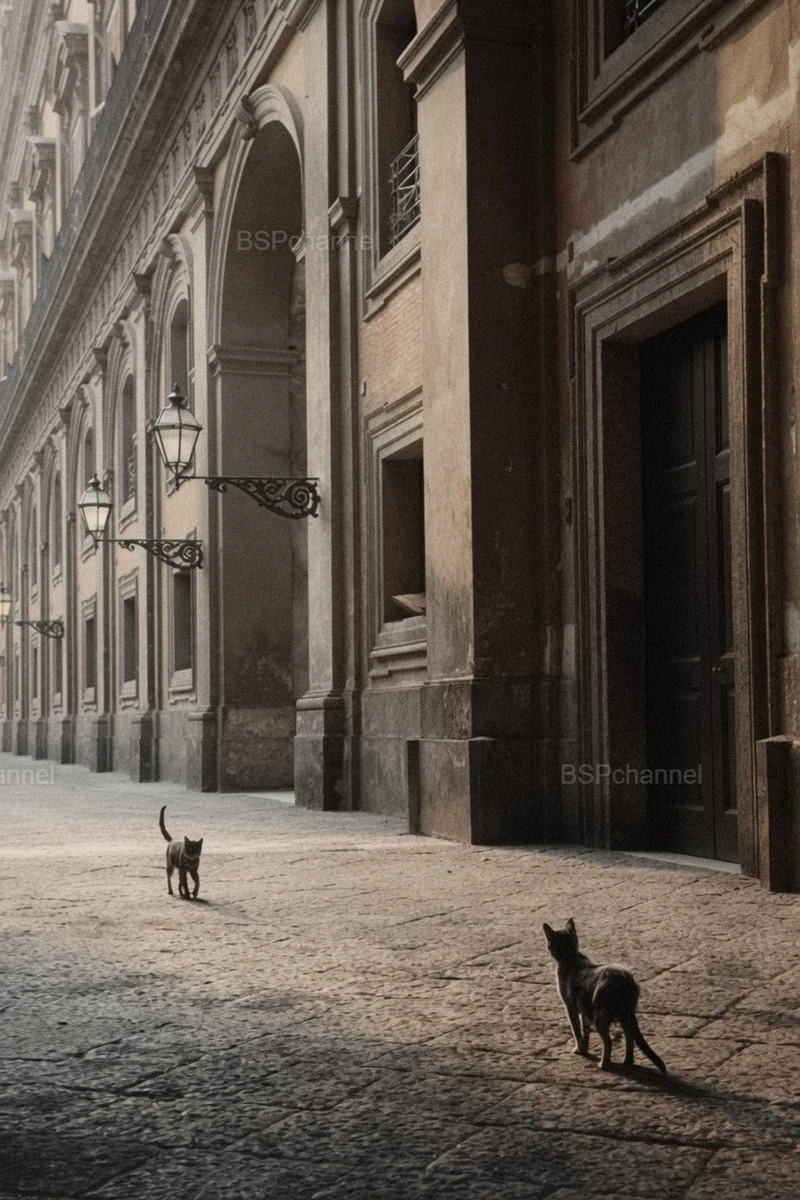
Photographer: Leonard Freed
A large collection of hats belonging to a cat named Monkey, 1948. 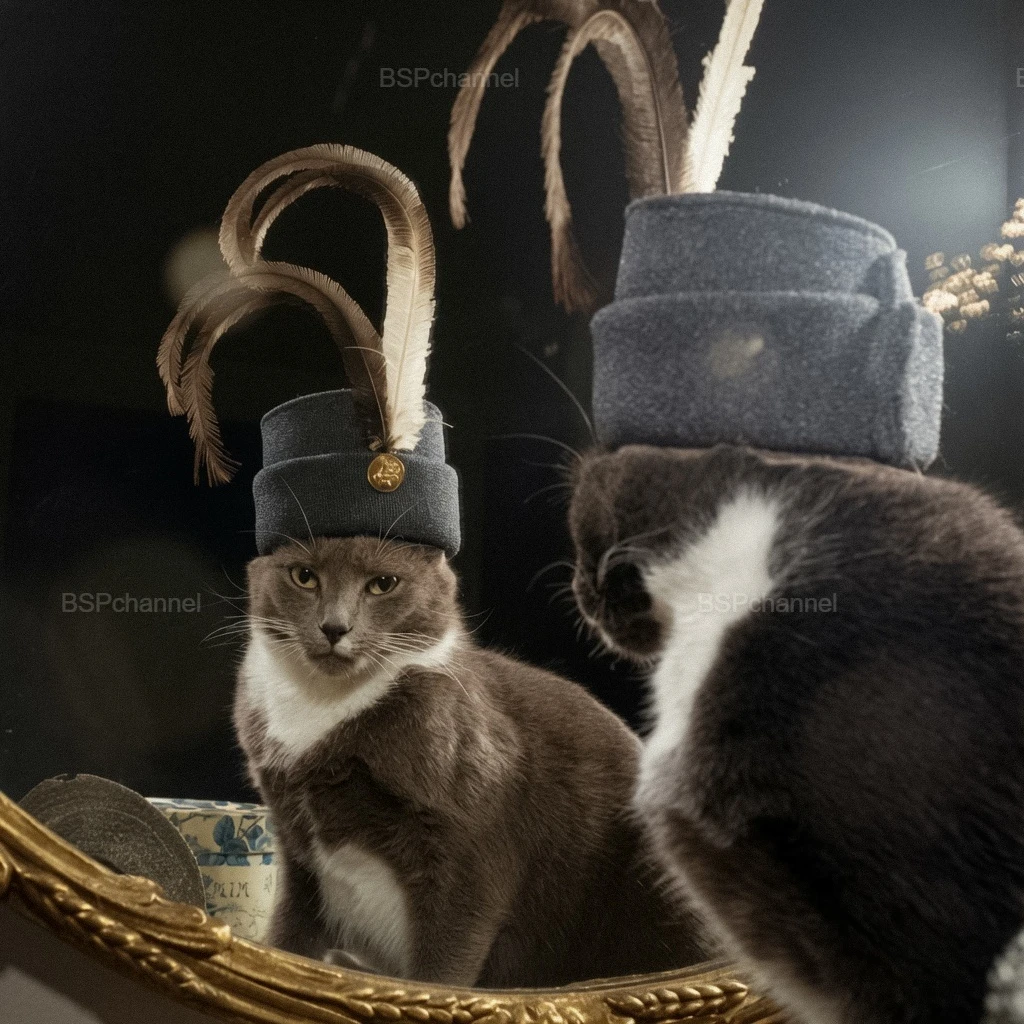
Photographer: James Whitmore
His owners had a huge collection of miniature hats, and the cat posed in them for the camera with striking, aristocratic composure.
Cats wait on the beach while a man wades into the water to fish, 1962. 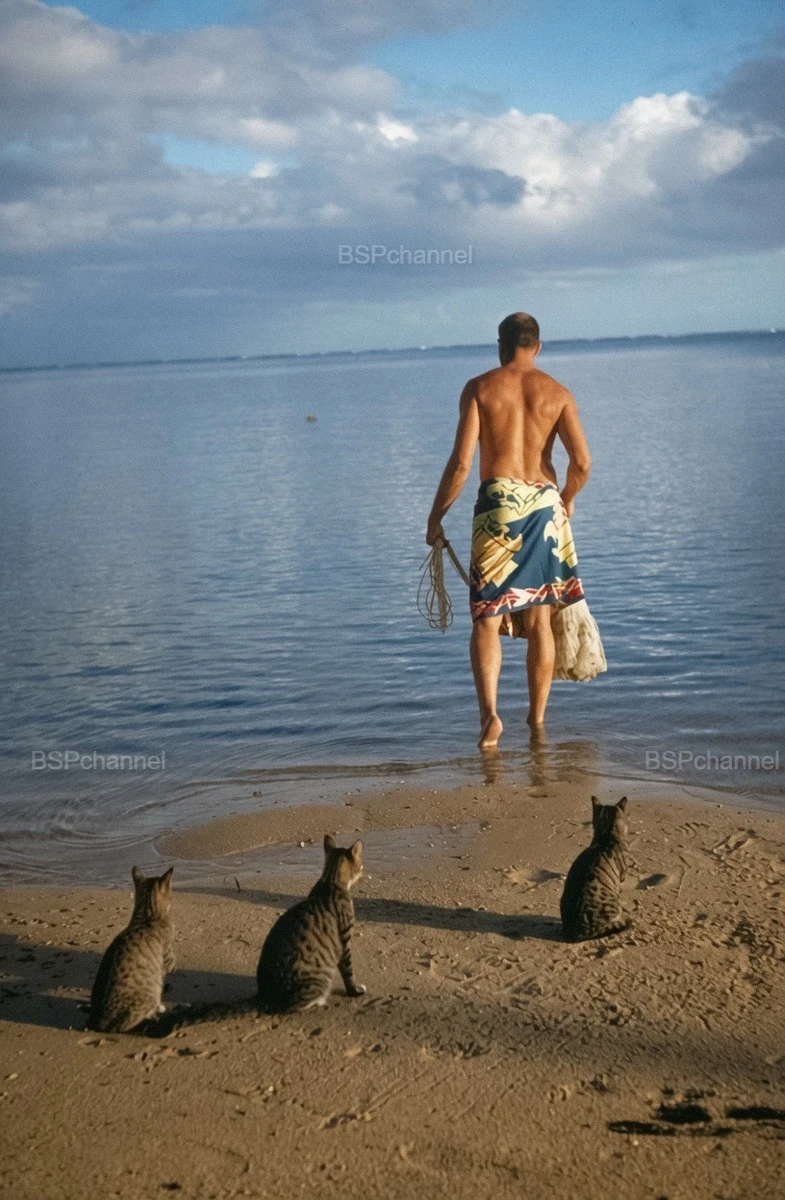
Photographer: Carl Mydans
A kitten climbs out of a pot of milk after falling in, 1940. 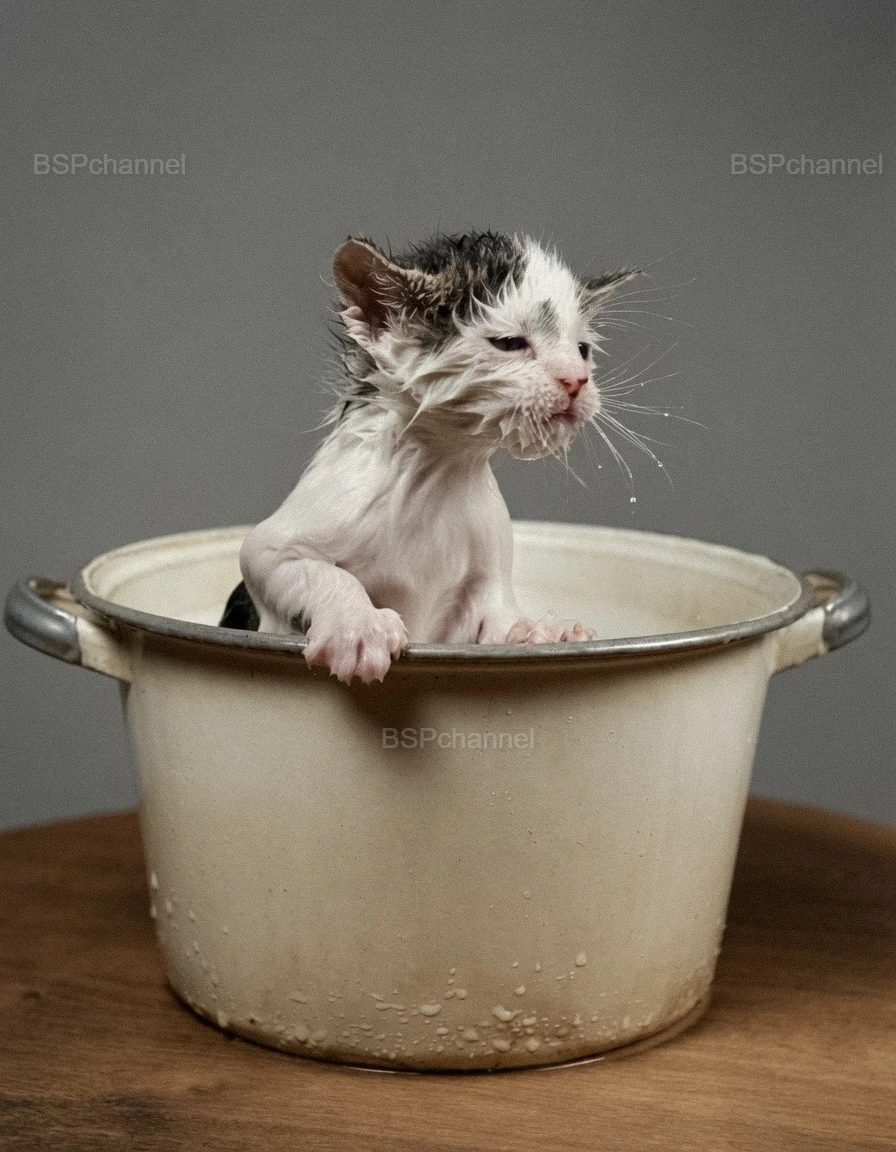
Photographer: Nina Leen
Mrs. A. H. Cattermoul examines the cat Sealy Grey Knight at a cat show in London, 1950. 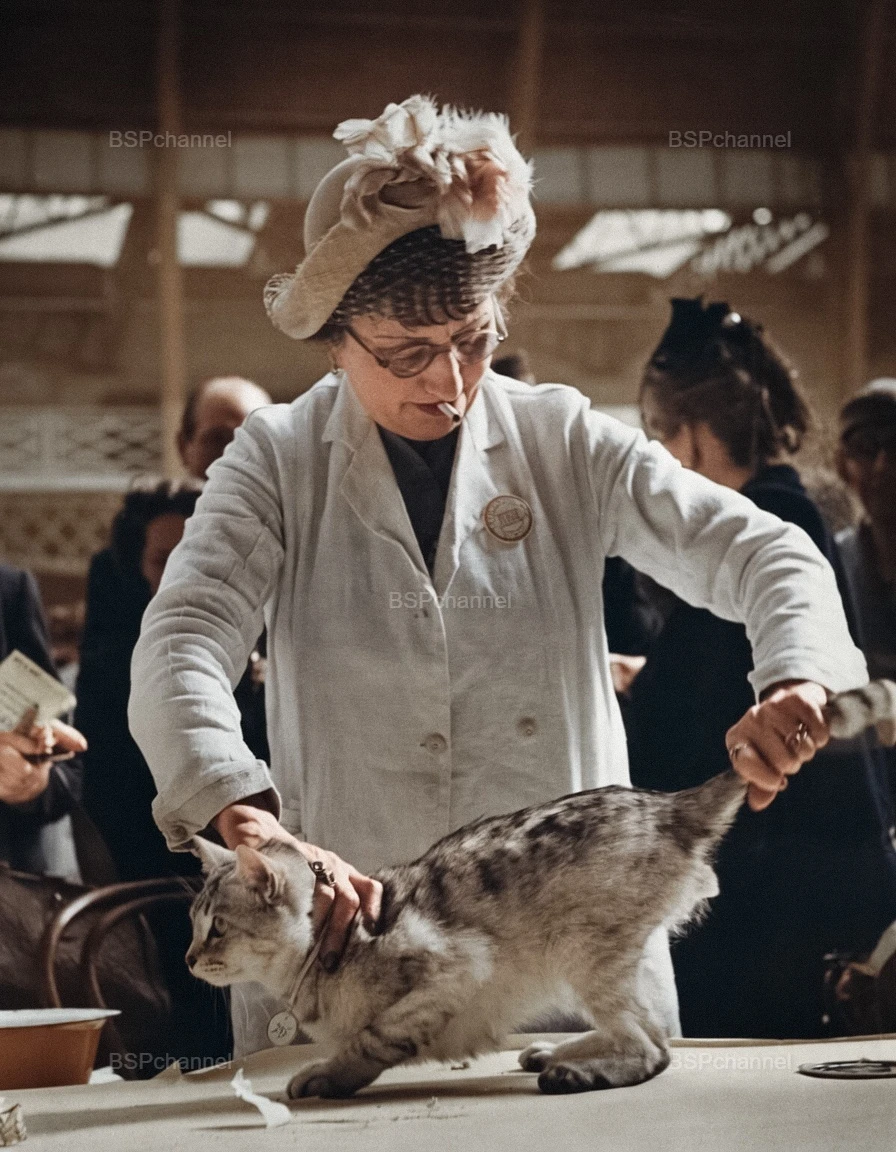
The first major, official cat show in history took place on July 13, 1871, in London at the famous Crystal Palace exhibition hall. The event was organized and inspired by Harrison Weir—a renowned English animal artist, naturalist, and passionate cat lover. Until then, British society viewed cats solely as utilitarian animals for catching mice. Weir, however, wanted to show that cats were incredibly graceful, beautiful, and noble creatures deserving of care and admiration.
Galina (right), daughter of Soviet cosmonaut Yuri Gagarin, and Irina, daughter of cosmonaut Vladimir Komarov, out for a walk, 1967. 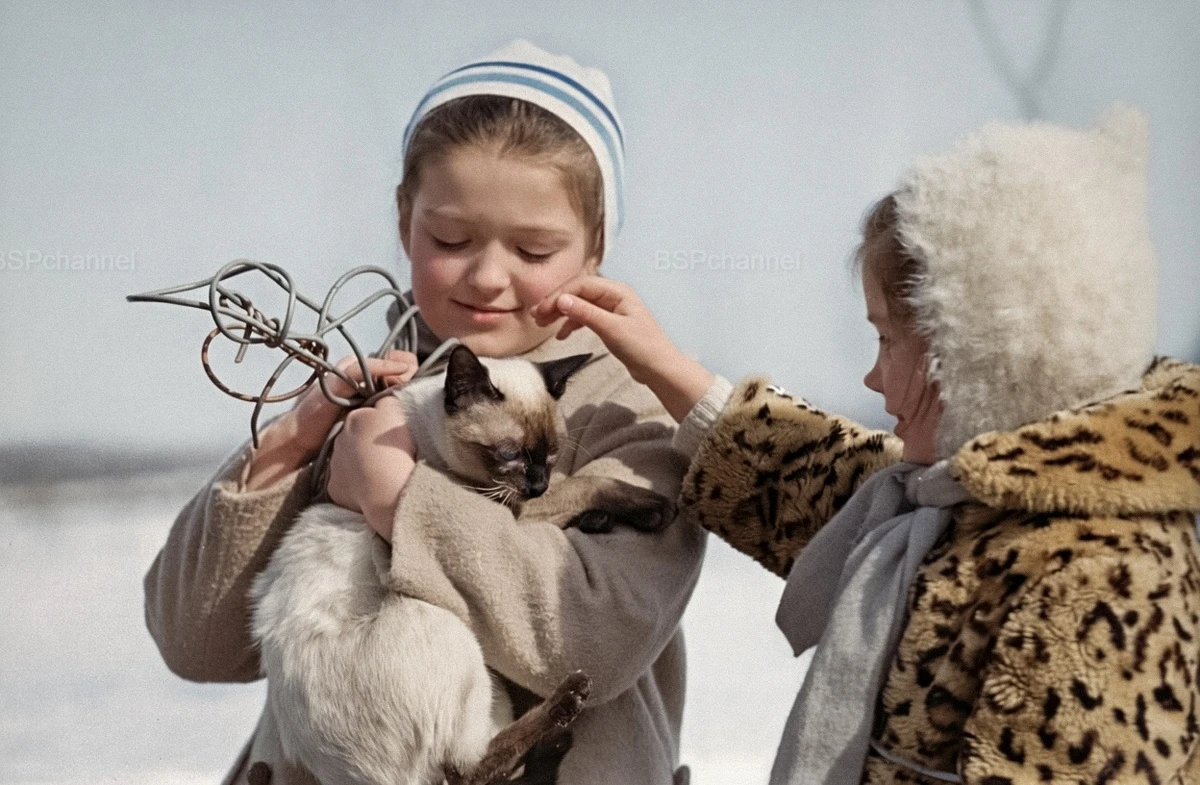
A girl pushing a pram containing kittens, 1945. 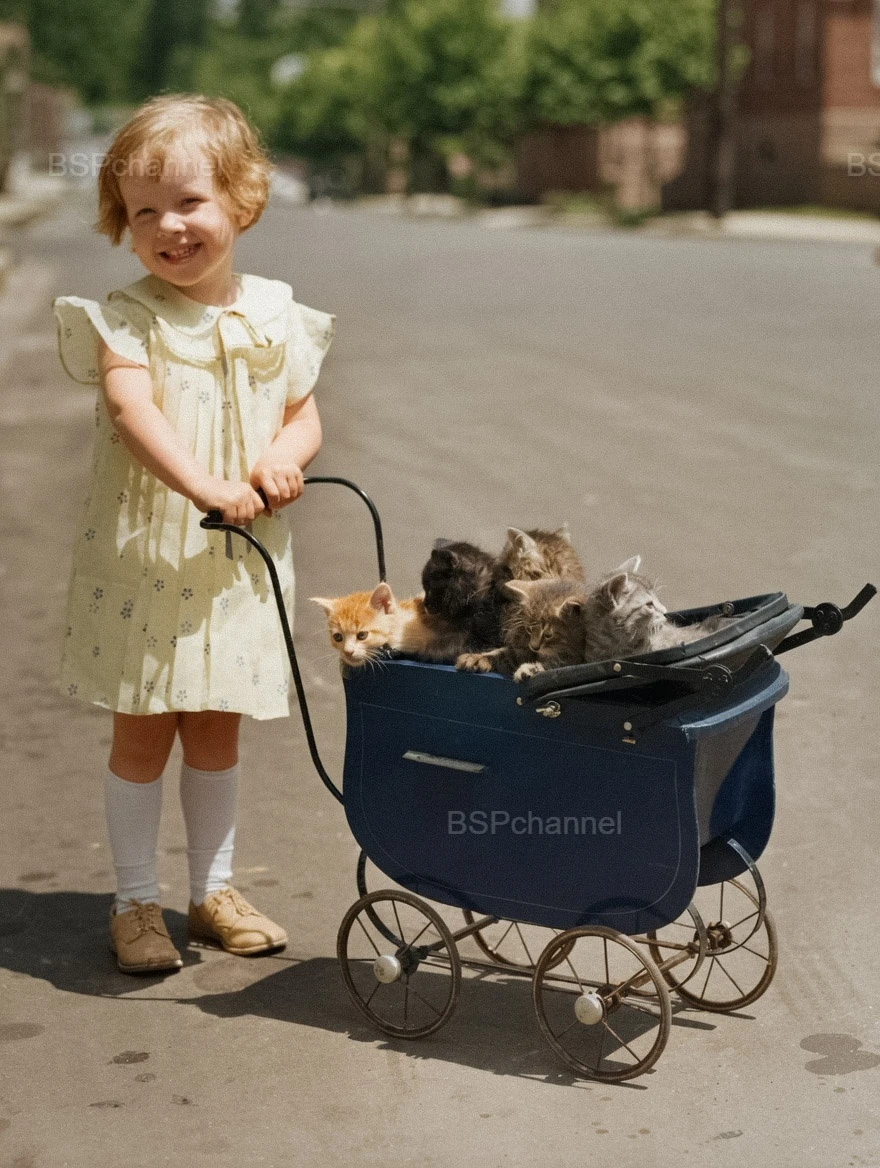
Photographer: Harold M. Lambert
An elderly woman with a pram stops on the street to pet a passing cat. London, 1950s. 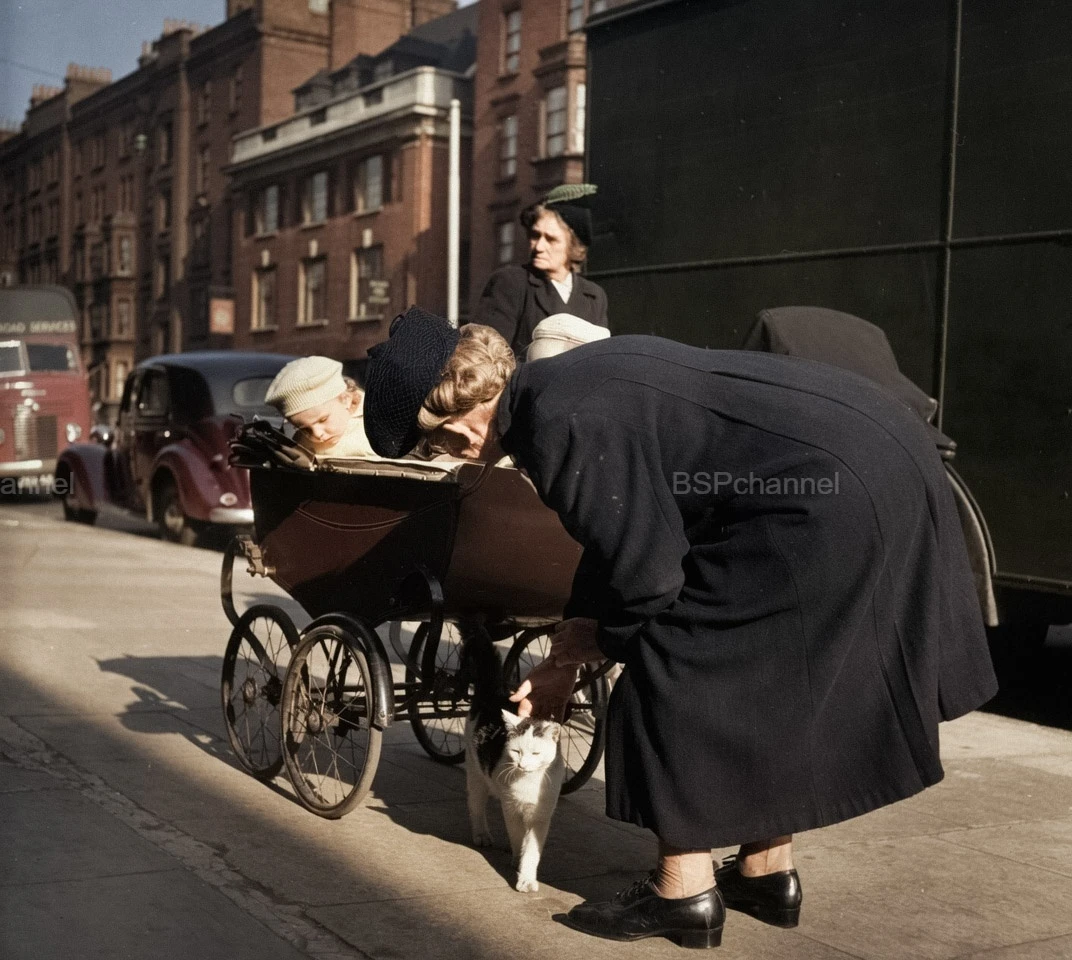
A woman tries to save her home's upholstery by teaching her cat to use a scratching post, 1950. 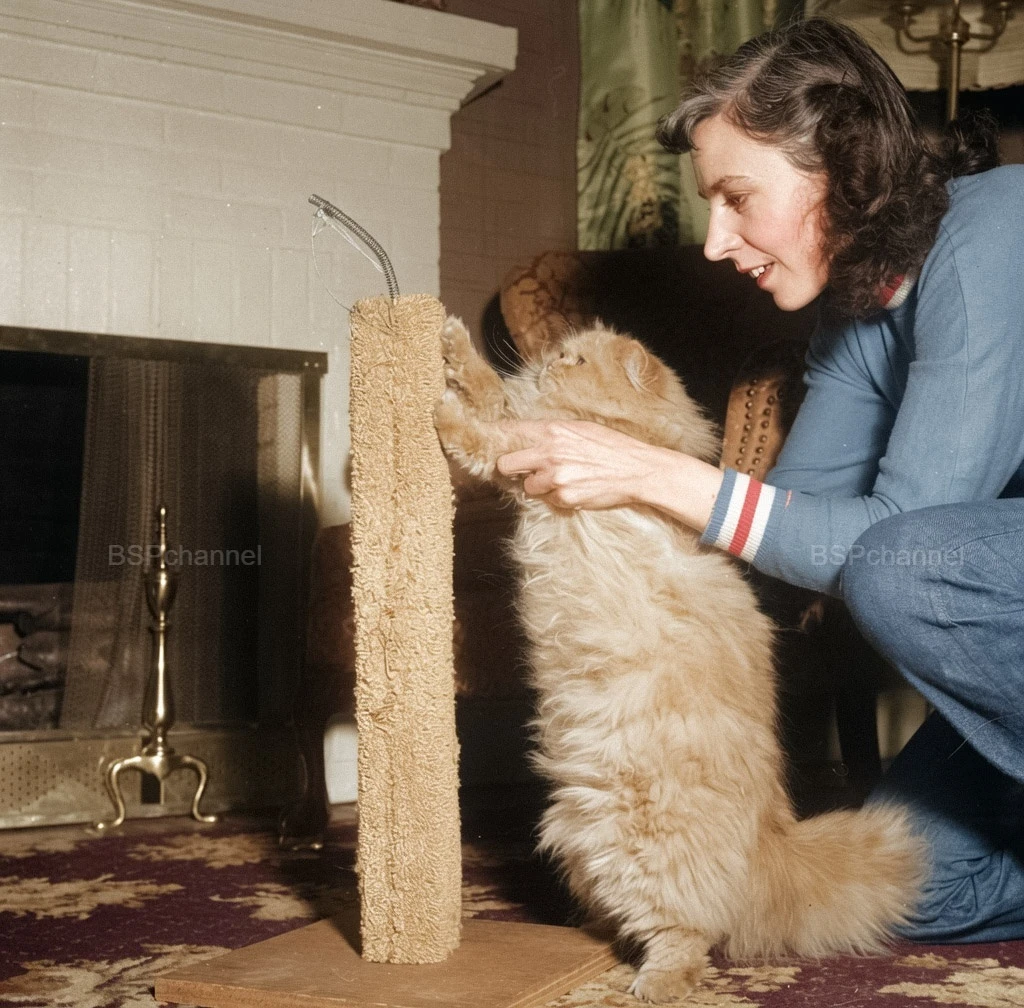
A cat and a white rat, 1964. 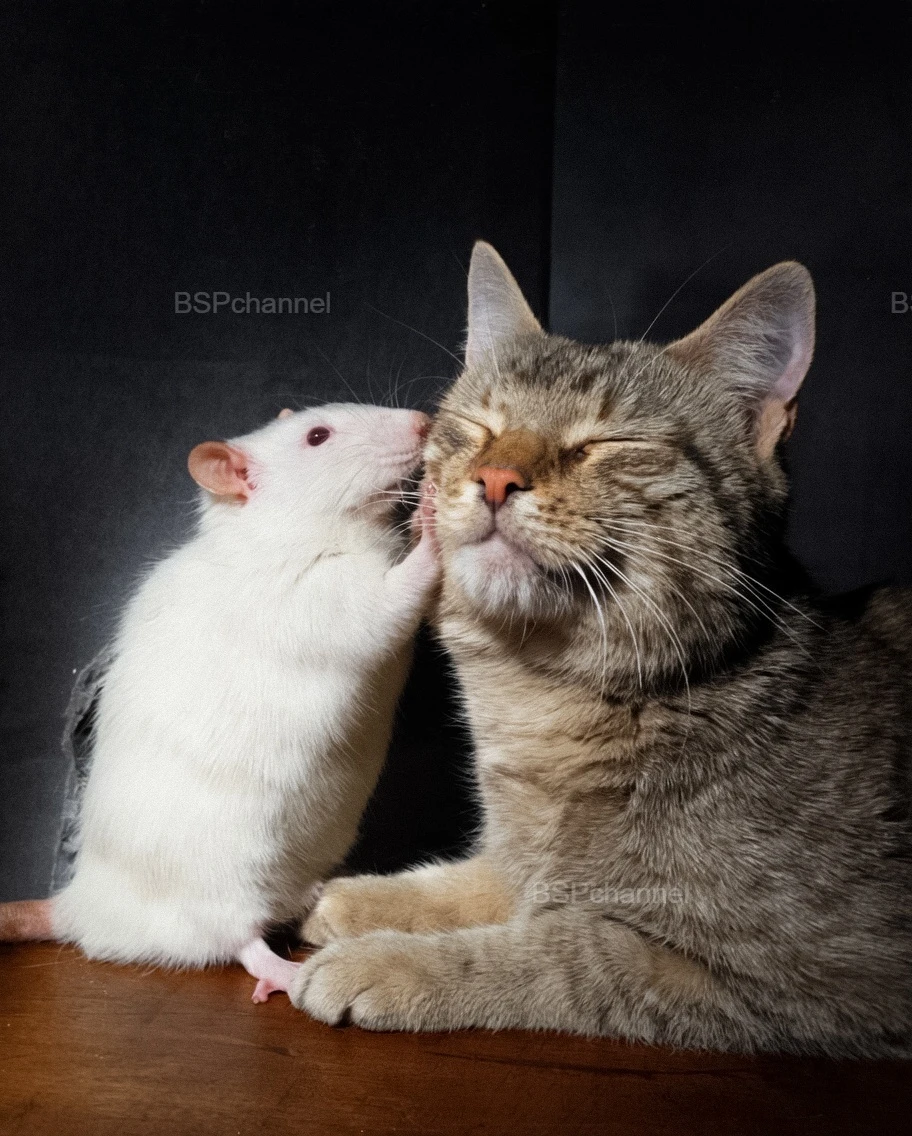
Photographer: Walter Chandoha
Such a close relationship is possible if the animals grew up together from an early age, or if the pet rodent was properly and gradually socialized with a very calm cat—one lacking a strong hunting instinct—under the strict supervision of the owners.