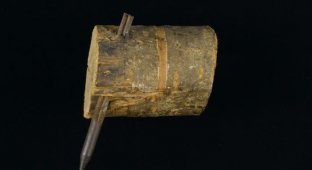
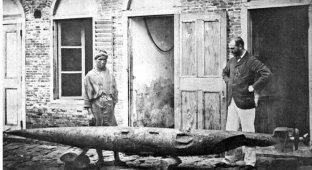
Flechettes: The "darts" of World War I — a forgotten aerial weapon (4 photos)
In the early days of military aviation, inventors sought ways to transform fragile airplanes into combat vehicles. One unusual solution was the flechette—a metal arrow dropped on the enemy from the air. How did this primitive yet formidable projectile influence battle tactics in the early 20th century? Let's explore the history of its creation and use. 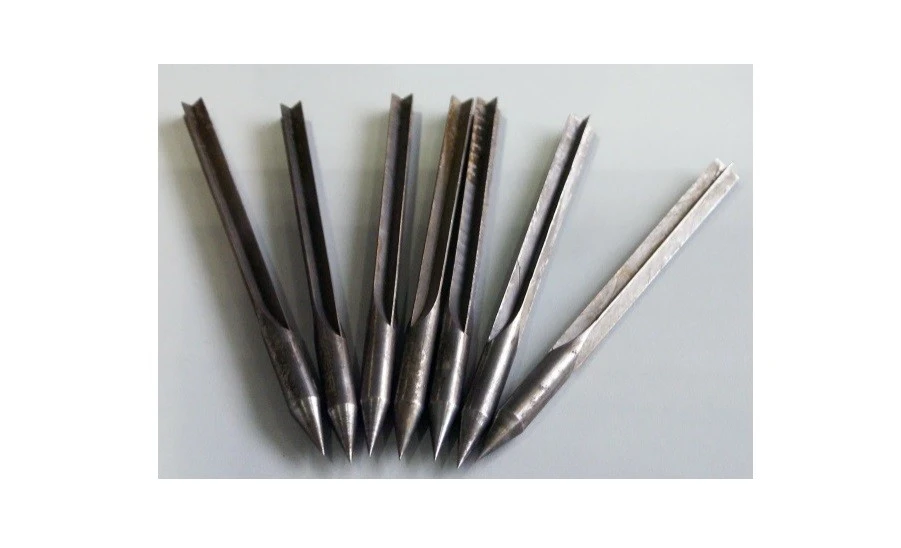
The early 20th century was marked by rapid developments in aviation technology. The first airplanes, which had recently seemed like a curiosity, gradually began to attract the attention of military strategists. How could these machines be used in combat? This issue was actively discussed in the armies of advanced industrialized countries.
The emergence of new types of weapons inevitably led to a transformation in tactical and strategic approaches to combat. The aerial threat, although still limited, could no longer be ignored—there was an urgent need for means of engaging ground targets from above.
The idea of engaging the enemy from the air using special projectiles led to the creation of the flechette (or flachette). Paradoxically, the invention, which originated in France, was not widely adopted there. However, it was appreciated in other countries—for example, in Imperial Germany. 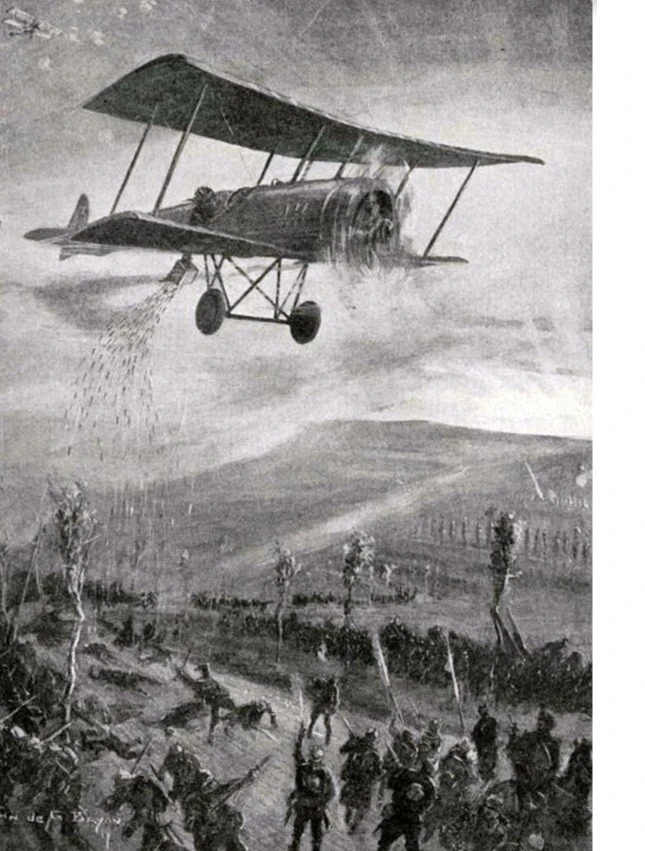
Why didn't this promising development find acceptance among its creators? Perhaps it was due to the conservatism of military circles or the insufficient development of the concept. However, flechettes quickly caught on—they were simply nicknamed "arrows" due to their obvious resemblance to regular arrows.
What exactly was a flechette? Essentially, they were small metal arrows designed for mass drop from an airplane on enemy troop concentrations. Shapes and sizes varied, but the German models proved the most effective.
What did a typical German shell look like? It resembled a round metal rod—no larger than a regular pencil. One end was carefully sharpened, and the other had four longitudinal notches that served as fins. This design ensured flight stability and increased penetration.
Interesting fact: some flechettes bore the inscription "Invention française, fabrication allemande" ("Invented in France, Made in Germany"). This was a kind of ironic gesture by German engineers, emphasizing the paradoxical nature of the situation.
The flechettes were loaded into special cassettes, either loose or in bundles. These containers were suspended under the fuselage of the aircraft. At the right moment, the cassette would open, and a deadly rain of flechettes would descend upon the enemy positions—be they infantry or cavalry.
Interestingly, the effectiveness of flechettes was determined not only by their penetrating power (quite sufficient for their time), but also by their psychological impact. As they fell, the flechettes emitted a sharp whistle, which instilled panic in the ranks of soldiers and frightened horses. Enemy demoralization was an additional bonus to physical damage. 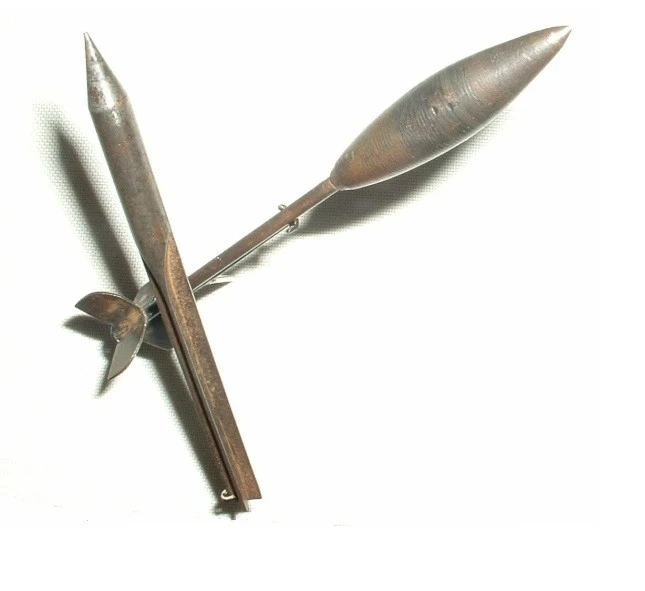
By comparison, similar ideas had been used before—for example, in medieval battles, "garlic" (metal spikes used against cavalry) were used. But flechettes were the first mass-produced "airborne" weapon of this type.
The period of active use of flechettes coincided with the First World War. Despite their apparent primitiveness, they proved to be quite effective in trench warfare.
Modern historians note that flechettes illustrate an important stage in the development of military thought: the transition from traditional methods of warfare to experimental solutions based on new technologies. Although this type of weapon quickly became a thing of the past with the development of bomber aviation, it left its mark on history as one of the first examples of "airborne" destruction of ground targets. 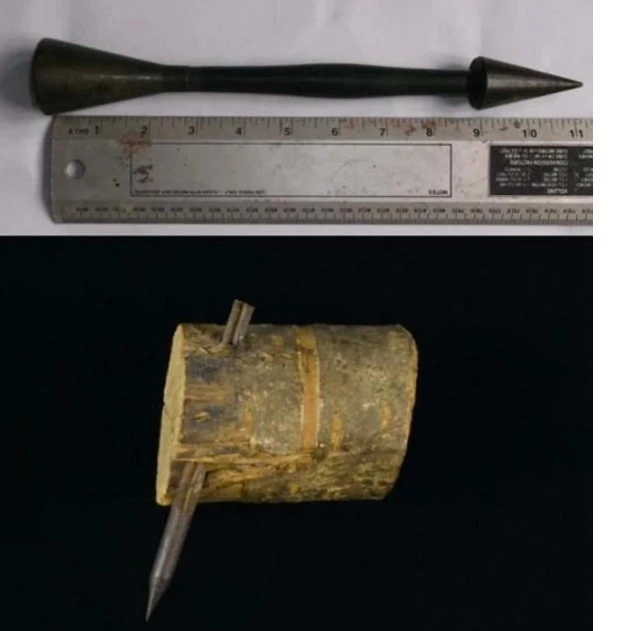
Flechette bombs are a striking example of how a simple idea can acquire formidable power in new conditions. Created in France, they found use in the armies of other countries and became part of the tactical arsenal of the First World War. Their effectiveness combined physical damage with psychological impact, and their history demonstrates the evolution of military thought in the early 20th century. Today, flechettes are seen as a curious artifact of the era, but their role in the development of aerial warfare is difficult to overestimate.