Who are rabbis? Why do Jewish people need them if they aren't priests? (4 photos)
If you think a rabbi is just a Jewish priest, I hasten to disappoint (or delight) you. It's much more amusing: a rabbi is not a priest, not a mullah, not a pastor, but something entirely different. 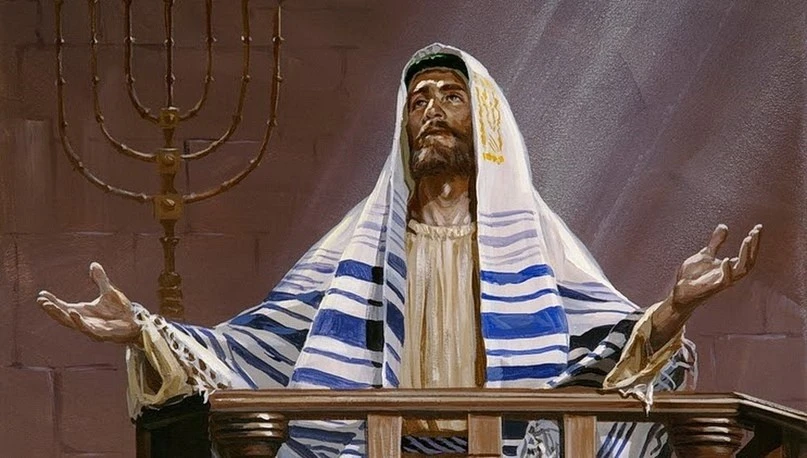
The word itself comes from the Hebrew רַבִּי (rabbi), which literally means "my great one," and in meaning "my teacher" or, more simply, "boss." In ancient times, say, during the time of David and Solomon, this was a respectful term for the kohanim (priests) who swung censers in the Jerusalem Temple, and sometimes for the particularly learned Levites who assisted them.
But rabbis as a distinct entity did not exist at that time. Because the Temple was a place for sacrifices, not for debates about the kosher nature of herring and milk. The most important people then were the priests who offered prayers to God, and not the scholars of the sacred books who shared their wisdom with their neighbors.
Their ideological predecessors were the scribes and sages, who found no place at the Temple. They sat at the gates, expounded on the Torah, and argued until they were hoarse. But no one awarded them the official title of "rabbi." After all, this isn't a title, but simply a respectful address for learned men.
Everything changed in 70 CE. The Romans decided that the Jews were living too well and soon razed Jerusalem to the ground. Without the Temple, sacrifices ceased, as it was the only possible place to serve the Almighty, according to the canons of Judaism. 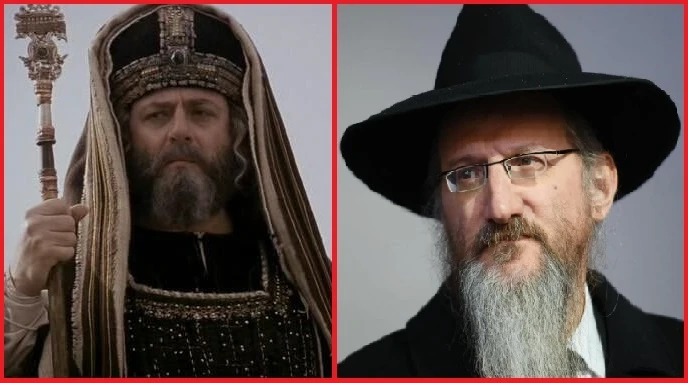
And then the question arose: how can one be a Jew without the Temple?
The sages gathered and decided: if they couldn't pray in the Temple, they would do so in houses of prayer (synagogues) and study the Torah, which is the highest moral law. Thus, the institution of the rabbinate gradually emerged. The rabbis were not just scholars, but mentors, judges, and community administrators all rolled into one. A historic upgrade occurred from Temple priest to community leader.
To become a rabbi, you need to know everything. Well, almost everything: if you don't memorize the Torah and Talmud and can't recite the debate between Hillel and Shammai about which foot to wake up on, you have no place in this profession.
As an expert in Halacha (Jewish law), a rabbi serves as a judge and expert on many issues. He decides whether it's permissible to use an elevator on Shabbat or whether a new variety of cucumber is kosher.
As a community leader, a rebbe must be able to console the grieving and reconcile quarreling spouses (often more difficult than resolving a halachic dilemma). Until the early 20th century, in many countries, rabbis handled administrative and tax matters on an official basis. 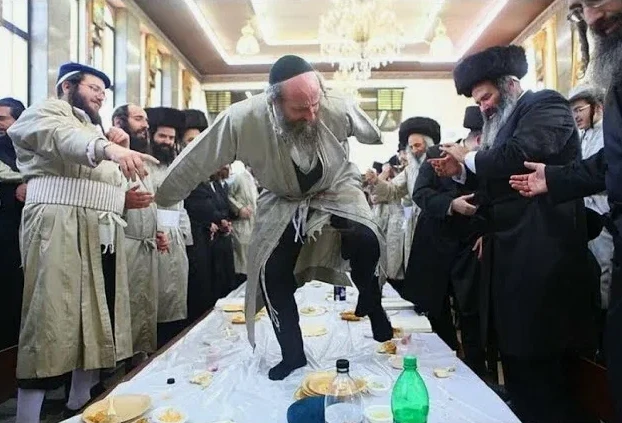
When widespread religiosity became a thing of the past, the institution of the rabbinate did not lose its old functions, but acquired new ones. While a rebbe used to be a chief judge and legislator, today he is more of a social worker and educator: not only conducting services and delivering sermons, but also providing advice on matters of faith and life.
In ancient times, being a rebbe didn't mean having a profession. After all, scholars of Judaism provided their services voluntarily and mastered the mysteries of the Talmud and Torah themselves or with the help of teachers. Therefore, most of them earned money on the side—for example, the famous Hillel was a woodcutter. Among his colleagues were shopkeepers, tailors, and shoemakers. Unfortunately, wisdom doesn't feed.
But sometime in the late Middle Ages, the first religious schools appeared, and communities began supporting their own spiritual leaders. In the empire, in 1857, the position of "official rabbi" was introduced, with educational qualifications and a state salary. In modern Israel, chief rabbis (Ashkenazi and Sephardic) and their staff are considered government officials.
There's another interesting point: the reverent attitude of Hasidic Jews toward their rebbes. A man named Baal Shem Tov, who lived in Poland in the 18th century, is to blame for everything. "Enough dry scholasticism! We need joy and a living sense of God!" he said, and founded a new movement of Judaism. 
The Hasidim have elevated the veneration of their leader to an absolute. For them, a rebbe is not just an intelligent person, but a mystical channel of communication with the Almighty. They believe that a righteous person can influence the heavenly realms simply by their mood. If a rabbi smiles, God is pleased. If he frowns, expect trouble.
That's why Hasidim surround their Rebbe with incredible care, literally hanging on his every word and often ascribing to him near-divine qualities (though they themselves vehemently deny this). In some sects (for example, the Lubavitch Hasidim), the attitude toward the late Rebbe Menachem Mendel Schneerson borders on messianic adoration.