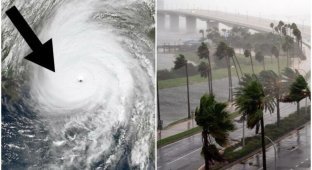
Why hurricanes are given human names (3 photos)
When news headlines mention a hurricane, Katrina, Ian, or Milton, approaching somewhere, it might seem like the name is just a flashy detail invented by journalists. But in reality, hurricane names aren't given for show, but to make them easier to track and distinguish from one another. 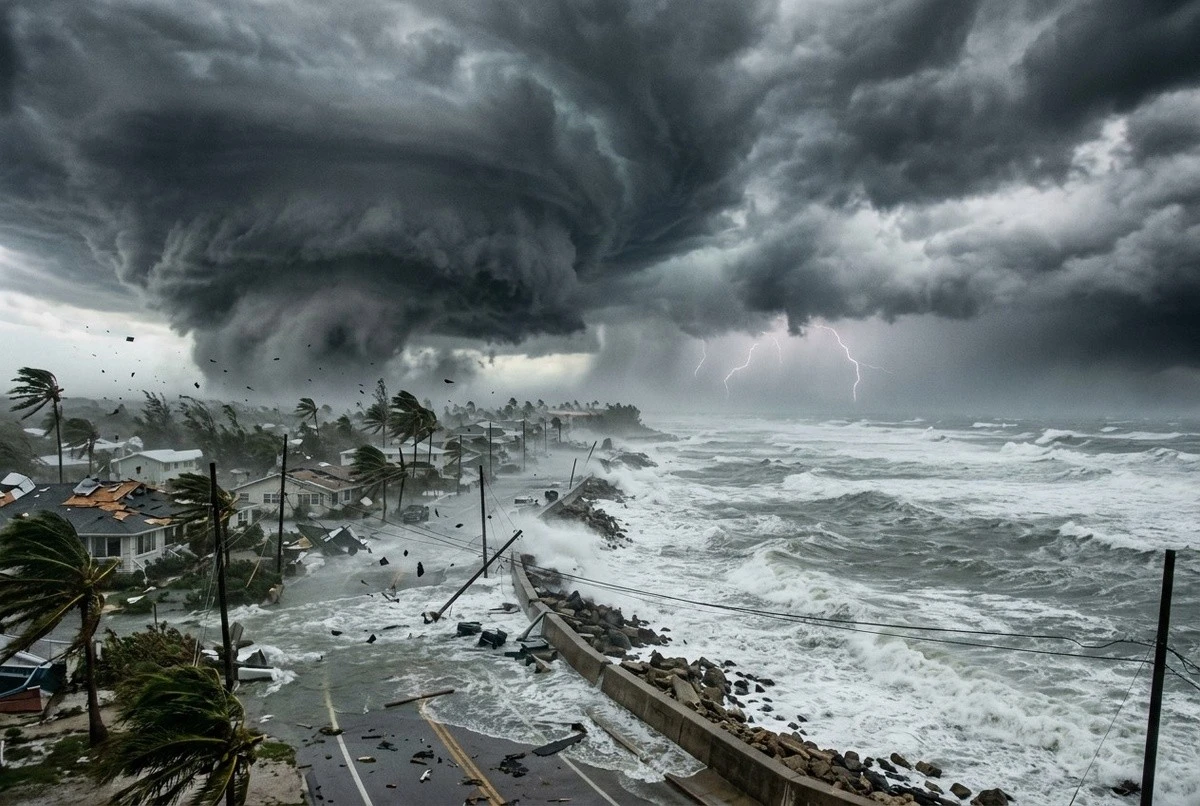
A hurricane isn't just a strong wind, but a massive weather system that can persist for days or even weeks, change direction, strengthen, weaken, and pose a particular threat to certain regions. Sometimes, several storms can coexist in a single ocean basin. In such a situation, announcing "tropical cyclone northeast of the Lesser Antilles" would create confusion.
However, a proper name can solve this problem. Saying "Hurricane Katrina is approaching the coast" is much easier than citing coordinates and direction of travel each time. A short name is easier to remember, quicker to convey in a report, and easier to use in warnings for the public.
The Birth of a Tradition
Previously, storms were named by the location, date, or religious holiday on which they occurred. But this method was extremely inconvenient: names depended on local traditions, could be long, and were not suitable for a unified warning system.
Therefore, meteorologists decided to use pre-prepared lists of names. In the Atlantic, this system became official in the mid-20th century. At first, only female names were used, but later male names were added to the lists. 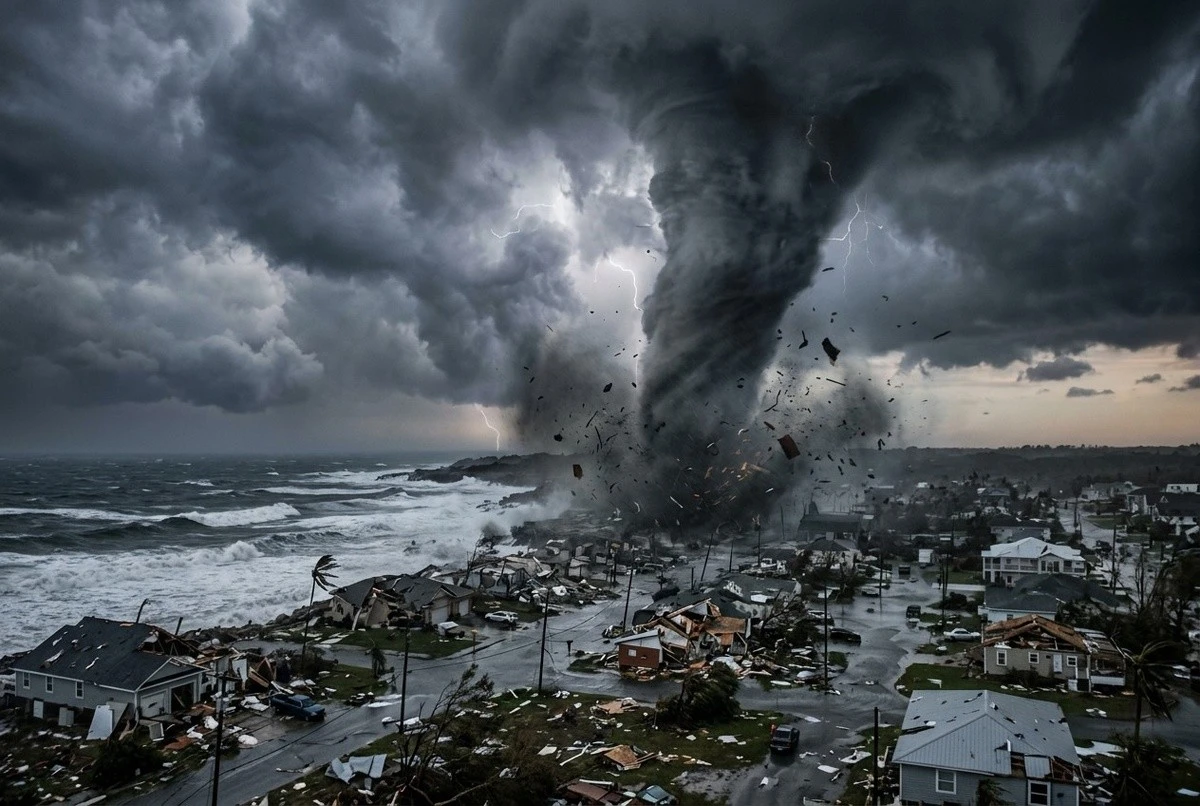
Today, storm names are approved in advance. Different regions of the world have their own lists because such systems form in different ocean basins and are tracked by different meteorological services.
Of course, not every cloud vortex over the ocean receives a name. First, the system must gain sufficient momentum to become a tropical storm. After that, it is assigned a name from the pre-approved list. If the storm intensifies, it may be classified as a hurricane, but the assigned name remains.
Names are repeated, but not always
In the Atlantic, several naming lists are used, which rotate. This means that a name may be reused after several years. However, there is an exception to this rule: if a hurricane is particularly destructive and claims many lives, the name assigned to it may be permanently removed from the list. This is done not only to avoid future confusion, but also out of respect for the victims.
For example, the name "Katrina" is no longer used for new Atlantic hurricanes, as the 2005 disaster made the name a historical one, not just a list item. 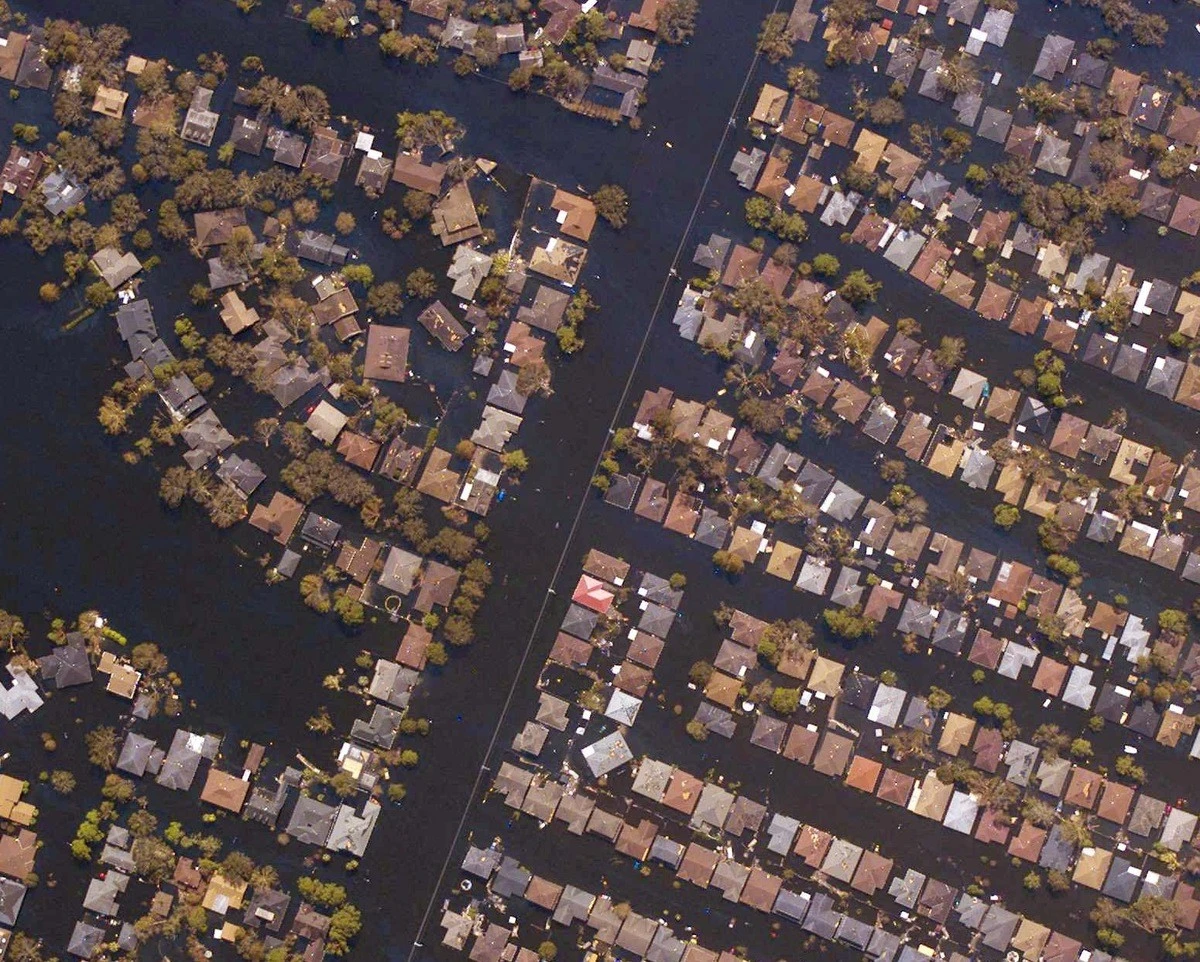
Hurricane Katrina left over 700,000 people homeless.
Why do ordinary people care?
The main purpose of a name is to quickly attract attention. When meteorologists, authorities, rescue workers, and the media are all talking about the same storm, the name helps everyone understand the threat being discussed.
This is especially important during evacuations, government closures, hospital preparations, and warnings for tourists and coastal residents. In such situations, unnecessary confusion, as past experience shows, can cost thousands of lives.
So the hurricane's name isn't an attempt to "humanize" the weather, but a very simple yet reliable safety tool.