A look at the 2026 World Cup innovations set to change football (8 photos)
The 2026 FIFA World Cup in the United States, Canada, and Mexico will be a unique and innovative event, bringing together a record 48 teams for the first time in history, instead of the usual 32. The expanded field of participants increased the total number of matches from 64 to 104, and for the first time, the tournament will be hosted by three host countries. Like the Winter World Cup in Qatar with its anomalous amount of injury time, the 2026 tournament will set new standards for global sporting championships, with innovations that will soon become standard practice for all global football competitions. Let's take a look at these innovations.
1. At the start of the match, all 26 players on a team's roster line up on the field, rather than the 11 starting eleven. Players from both teams will now line up at the center circle in their game jerseys. This is a small but welcome change, as some substitutes, especially the second and third goalkeepers, may never even take the field. 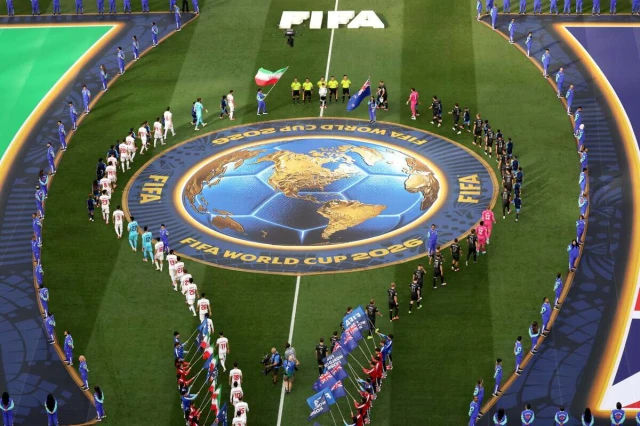
2. 10 seconds for substitutions. Now, the substitute must leave the field faster than a bullet anywhere on it. If they fail to do so, the substitute is kept out for another minute, leaving the team with fewer players.
3. 5 seconds for a throw-in and goal kick. If the players fail to throw in, the ball goes to the other team; if they fail to take the goal kick, a corner kick is awarded. The referee uses characteristic movements with his raised hand to count down the seconds, waving his wrist and bending his fingers. 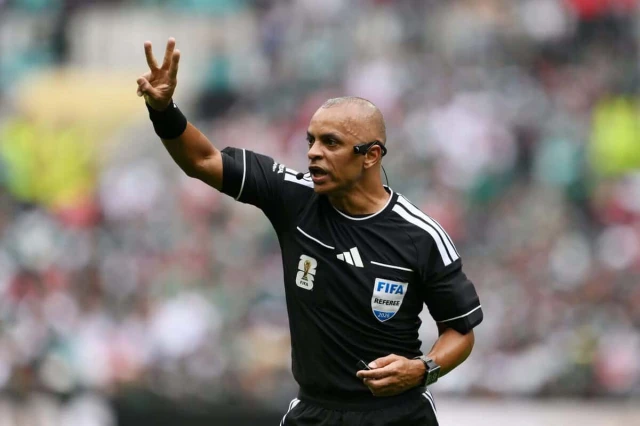
4. No ballboys serving balls. Instead, special automatic stands with spare balls have been installed around the perimeter of the pitch. Players are required to run to these stands themselves and pick up a new ball to put it into play, completely eliminating the tricks of ballboys who previously could deliberately waste time or play into the hands of the home team. 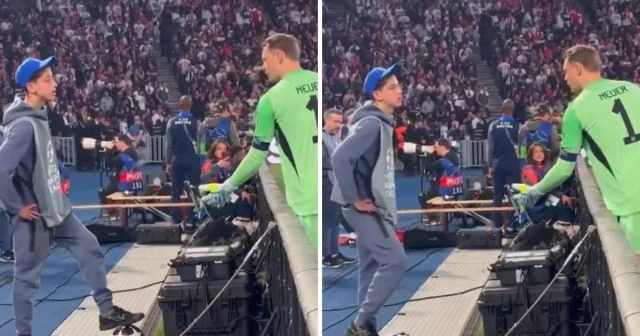
5. Hydration break (aka mid-half commercial break). The most controversial innovation. Around the 22nd and 67th minutes of the match (mid-half), the referee interrupts the game for 3 minutes to allow everyone to drink water. But it quickly became clear that this wasn't a concern for the athletes, but a commercial break that generates millions more for the channels that show football. It's not that hot in North America! 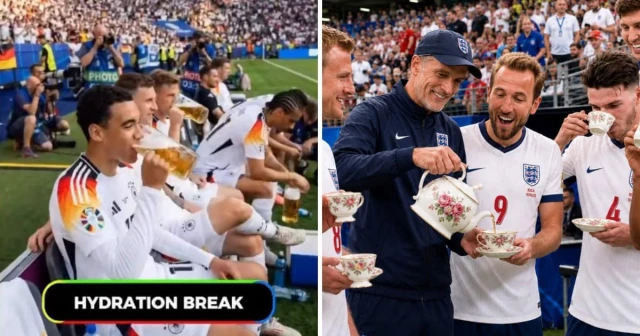
At first, the matches weren't interrupted by commercials, and then they joined the trend. Why not adopt the money-making practice of our Western colleagues?
So it turns out that before, we definitely got a little over 45 minutes of uninterrupted football, and now we only get a little over 20. Fans at the stadium, by the way, whistle loudly when the referee sends the players for a drink of water. 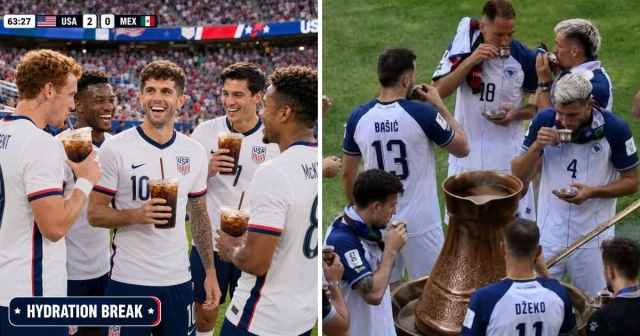
6. Dismissal for speaking with a hand over the mouth. Players are prohibited from covering their mouths with their hands, shirt, or shoulder during confrontations with opponents. This rule was introduced to prevent racist and offensive remarks that cannot be lip-read due to a closed mouth.
This is unofficially known as the "Vinicius Law." In a Champions League match this past winter, Benfica player Gianluca Prestianni pulled his shirt over his mouth and said something to Real Madrid player Vinicius Junior's face. Vinicius then became extremely angry and claimed racial slurs, but they couldn't prove anything from the video footage—lip readers and cameras were powerless because his mouth was covered.
The rule was already in effect at the World Cup: Paraguay midfielder Miguel Almiron was sent off in a match against Turkey. During a scuffle, he said something to an opponent while covering his mouth with his hand. The referee, after reviewing the VAR, showed him a straight red card. However, England player Jude Bellingham was not sent off for the same behavior, despite also covering his mouth with his hand. The practice of enforcing it is still developing. 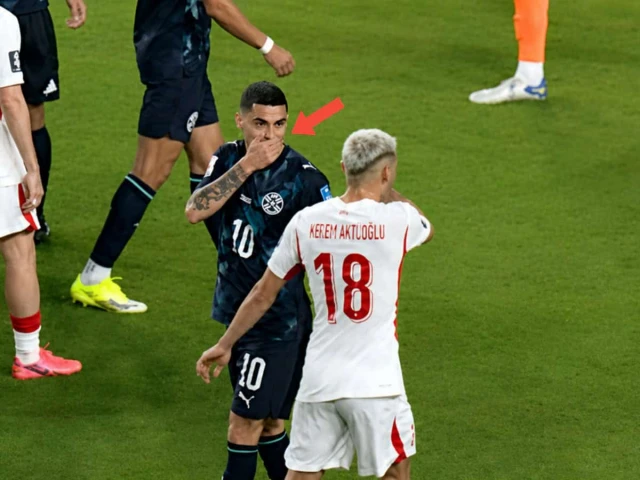
7. If a footballer has received medical attention, he must spend 60 seconds off the field.
This is to prevent faking. If you decide to stall for time by pretending to be ill, the medics will definitely come to you—that's the rule. After that, the footballer is out of the game for a minute, which isn't particularly beneficial for his team. Exceptions include goalkeepers (who can feign injury, since they're half the team) and real, serious injuries, when it's clear the player isn't faking.
7. Referees explain their decision out loud to the entire stadium after reviewing the VAR. This practice was introduced to increase transparency and reduce dissatisfaction in the stands. The referee clearly explains the verdict, for example: "The original goal has been disallowed. Offside has been called" or "The foul was in the penalty area, a penalty has been awarded."
This has already led to several funny moments – referees pronounce their verdicts in English, and their proficiency levels vary wildly. The first to make a difference was Brazilian referee Wilton Sampaio (pictured), who officiated the opening match. Half the stadium didn't understand his verbal explanation. 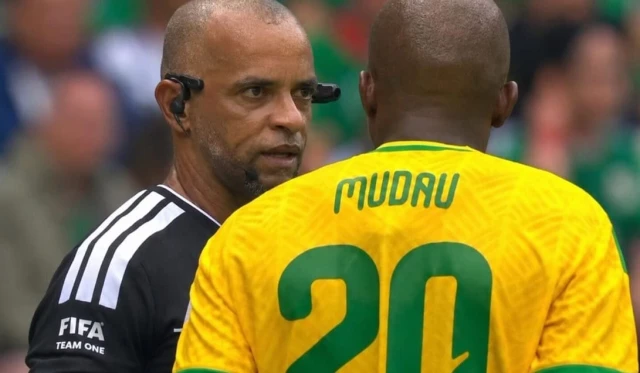
8. VAR can review incorrectly awarded corners and erroneous second yellow cards.
Incorrect corners are reviewed very quickly—literally within 25 seconds, while the team is about to kick the ball. Video referees will correct the error only if the referee awarded a corner, but the ball actually went past the attacker. If the opposite situation occurs and the referee mistakenly awards a goal kick instead of a corner, play will not be stopped to avoid wasting time.
VAR only reviews a second yellow card if it results in a player being sent off. If a replay shows that there was no foul or that the opponent was faking it, the card will be overturned and the player will be reinstated. However, this only works one way: if the referee takes pity on the player and forgets to give him a deserved second yellow, VAR won't be able to intervene and advise.
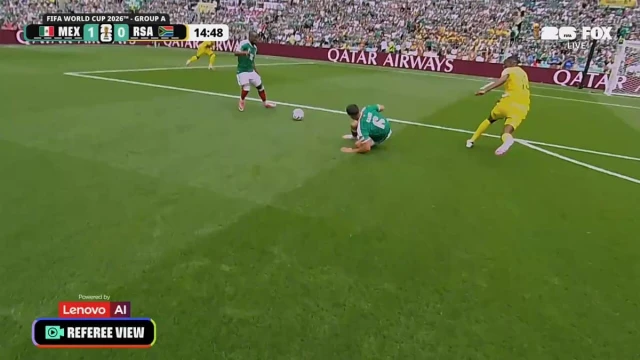
9. Referee View – a camera from the referee's eye. Referee View technology is used at matches. It is a special micro-camera attached to the referee's chest or equipment. It broadcasts a live feed "from the referee's eye," allowing spectators to see the moments of fouls exactly as the referee sees them on the field. Footage from this camera also assists video referees in difficult situations, as it shows the exact angle and direction of the referee's gaze at the moment of decision-making.