They were weighed, but not executed: how one Dutch town refused to burn "witches" (16 photos)
Weighing houses were common in the medieval Netherlands. City authorities monitored the integrity of trade. Merchants weighed goods, and the treasury collected taxes. 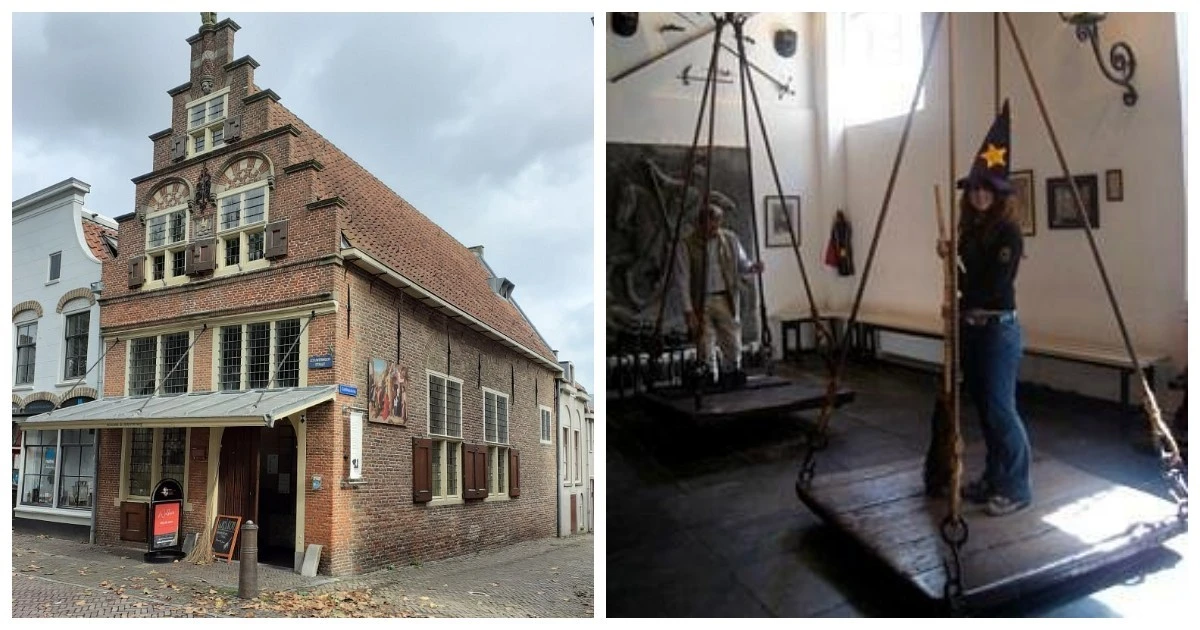
But one building in the small town of Oudewater became famous for a completely different reason. 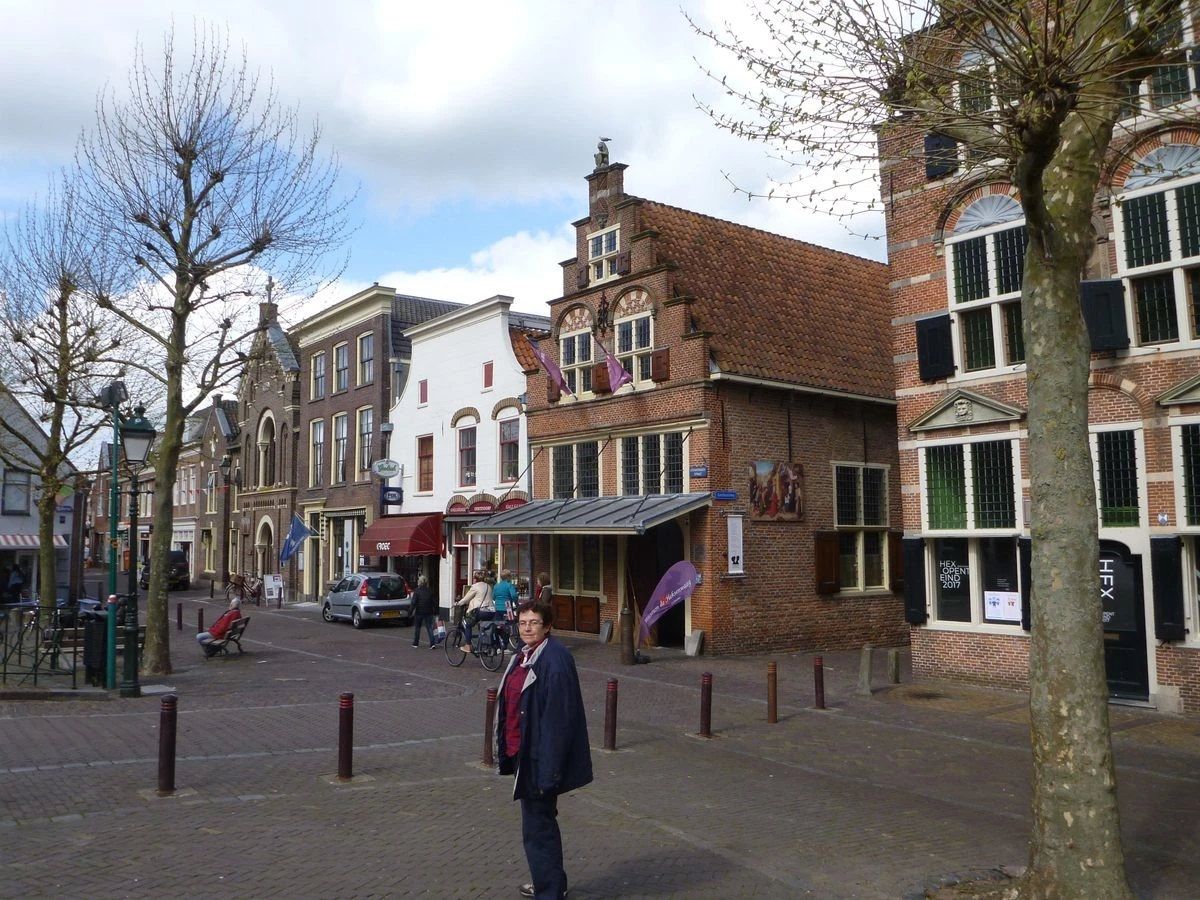
Those suspected of witchcraft were dragged here. 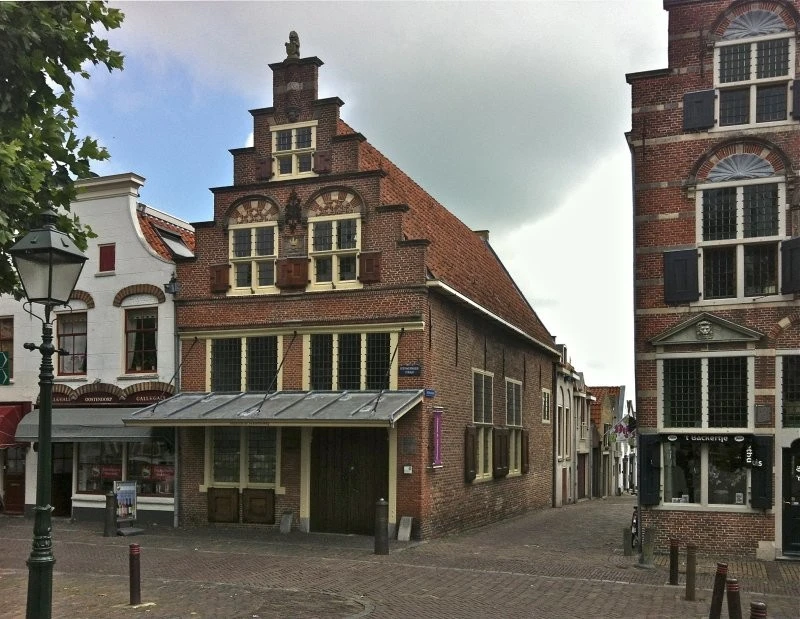
Superstition held that a true witch weighed next to nothing. How else could she fly on a broomstick? To test this, suspects were weighed. A wave of death sentences swept across Europe. The weighers falsified the results, and thousands of innocent people were burned at the stake or drowned. 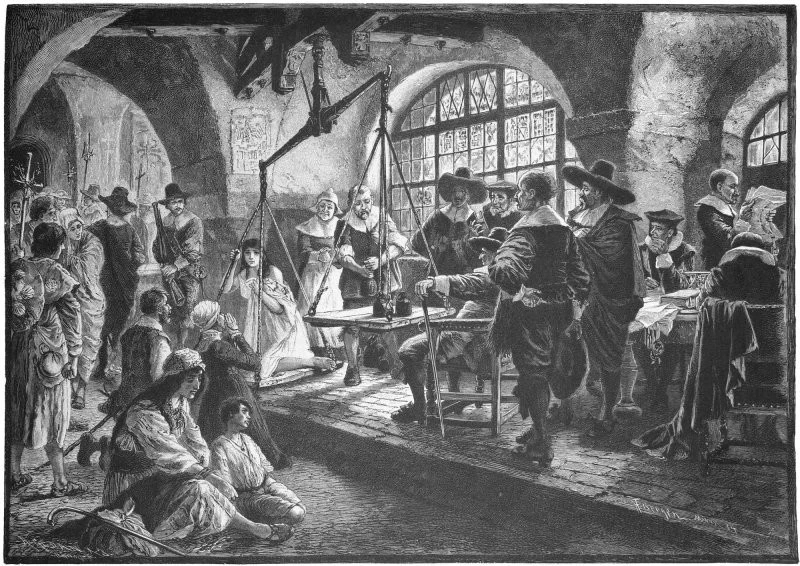
But Oudewater refused to play this game.
Legend and Historical Facts 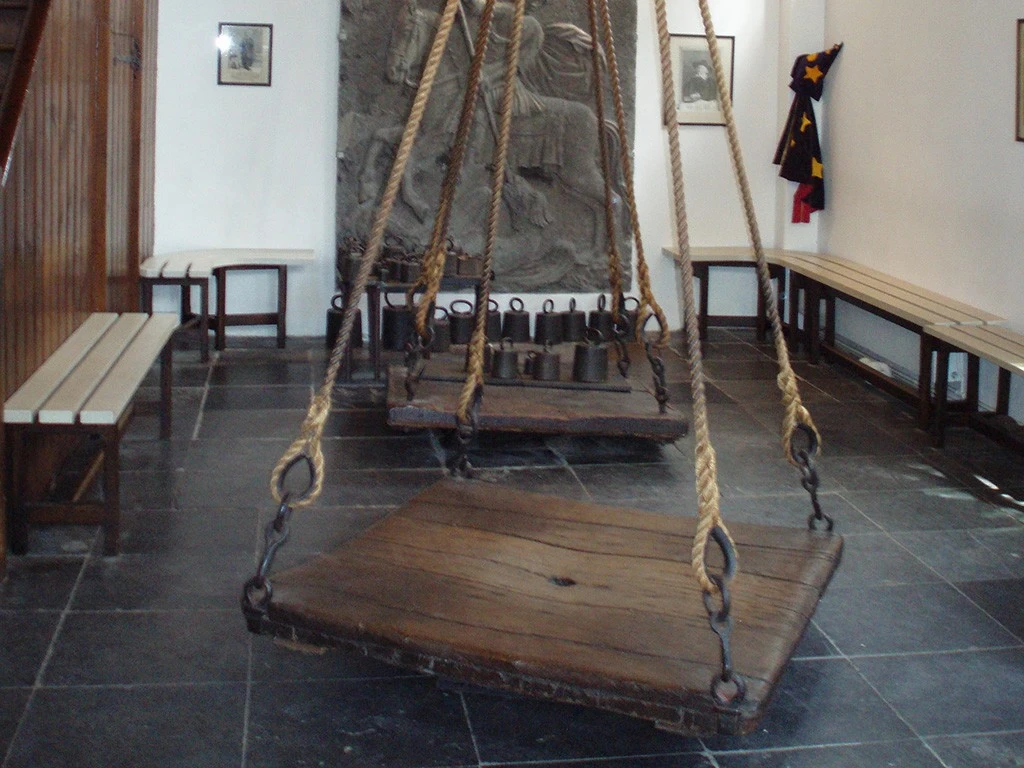
History has it that in 1545, Holy Roman Emperor Charles V attended a witch trial in the village of Polsbrook. The woman was deemed "too light" and sentenced to death. The Emperor had his doubts. 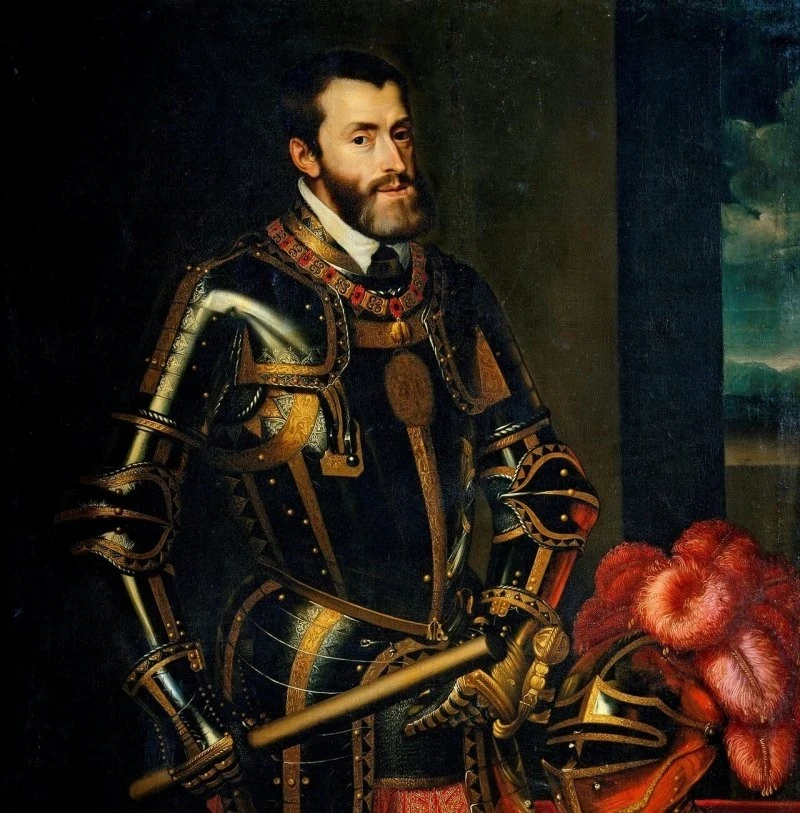
Holy Roman Emperor Charles V
He ordered a reweighing, this time in Oudewater. The result was different: normal weight, a full 50 kilograms. The woman was acquitted. 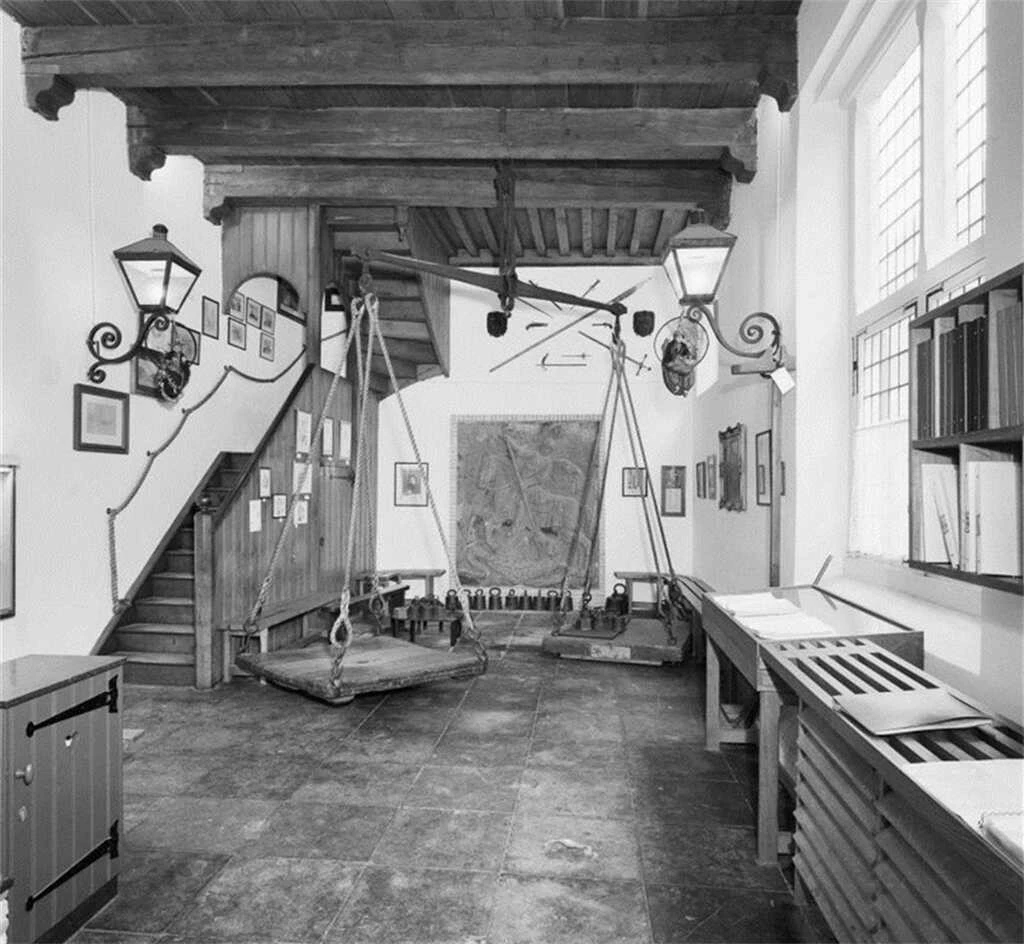
In gratitude for its honesty, Charles V granted Oudewater a privilege: only here could honest weight tests be conducted and official certificates of innocence be issued. 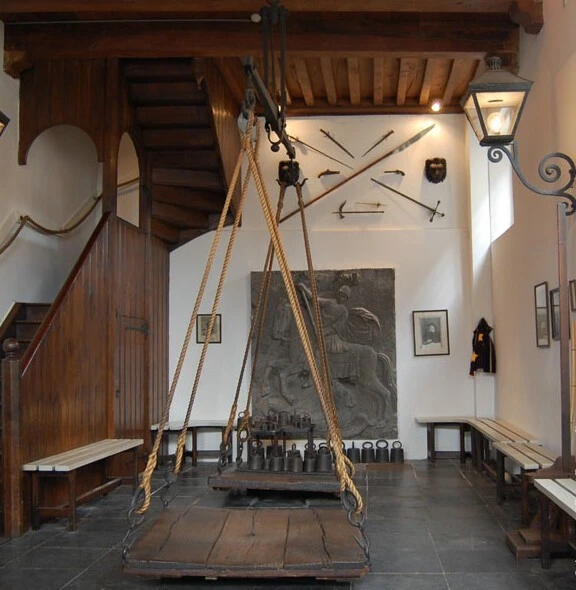
Historians have yet to find the original charter granting this privilege. The building itself, which the emperor visited, was later burned by the Spanish troops of Charles's son, Philip II. The current building, which now houses a museum, dates back to 1595. 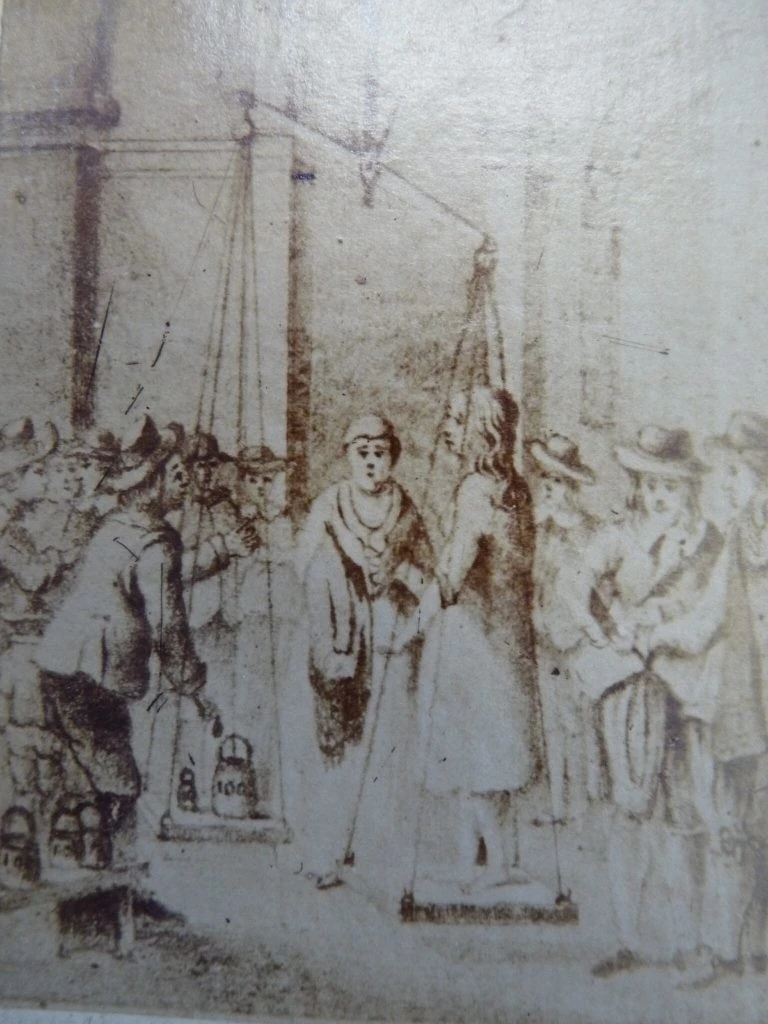
However, the coat of arms of Charles V still adorns the façade. And the main thing remains unchanged: in Oudewater, not a single person has ever been convicted of witchcraft.
The Economy of Honesty 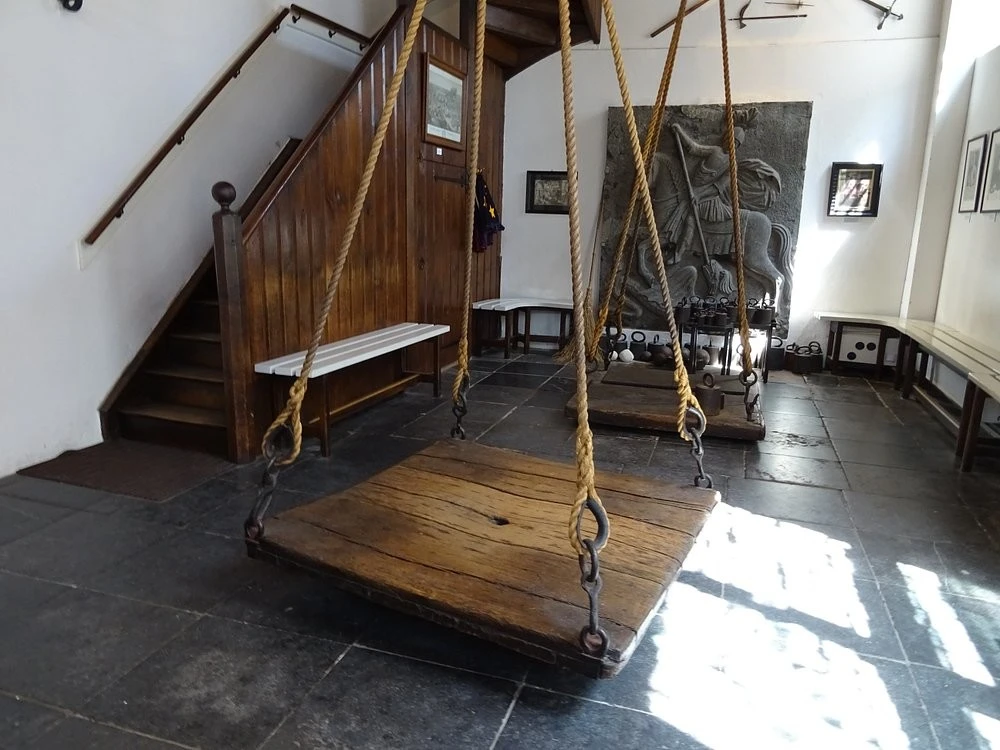
Historical records for the period from 1674 to 1743 list only 13 people who received certificates of normal weight. Most of them were from the Oudewater area itself. The number is modest, but there's an explanation. 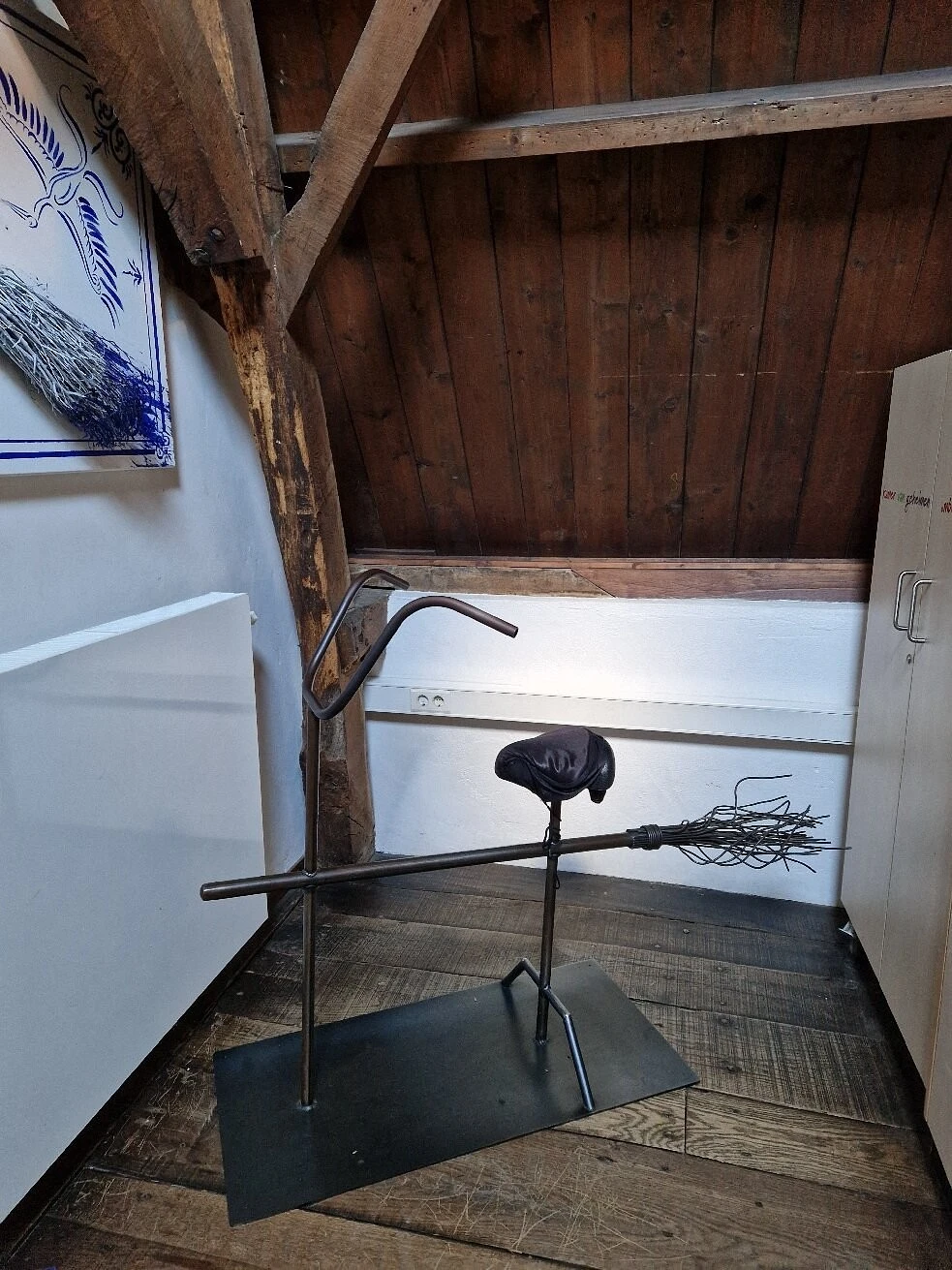
Firstly, judges often refused to send defendants to Oudewater, as it was easier to sentence them locally. 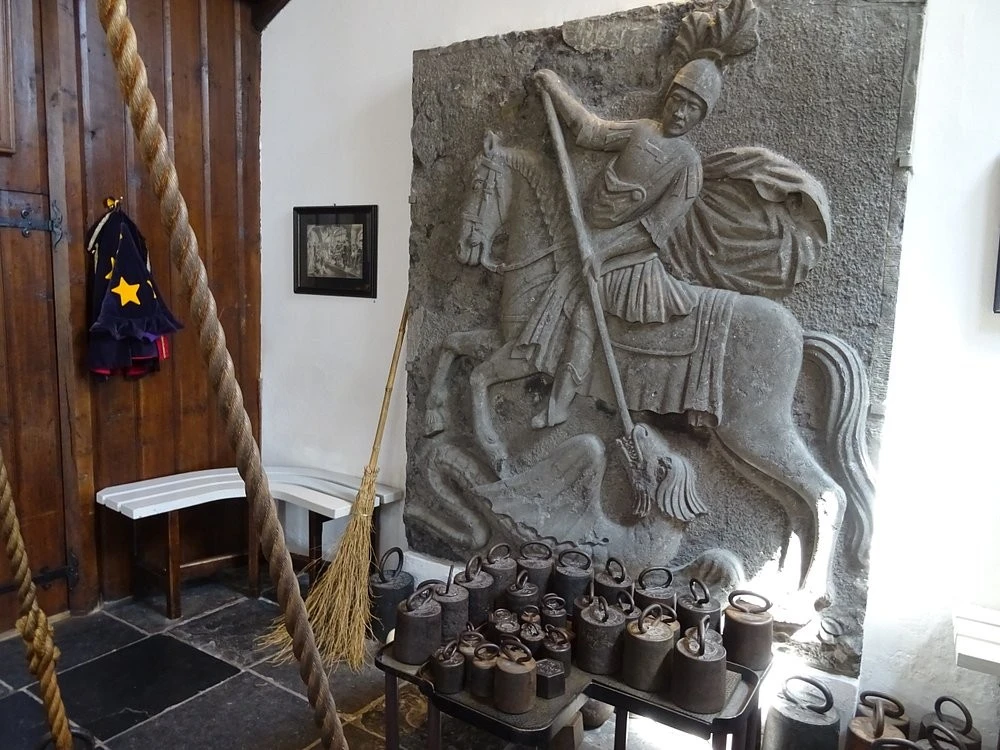
Secondly, there was also a commercial aspect. A fee had to be paid for each weighing, and the certificate was worth money. Researchers speculate that the city was interested in maintaining this practice as a source of income. 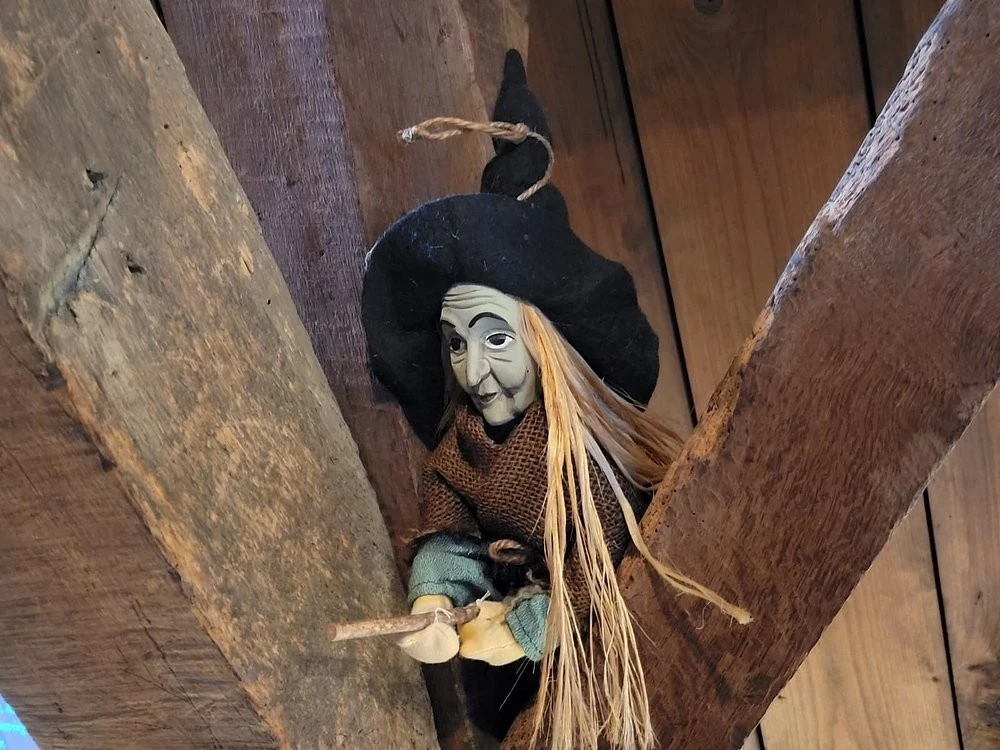
Be that as it may, the town rightfully bore the proud nickname "Free Town of Witches."
What's up with them now? 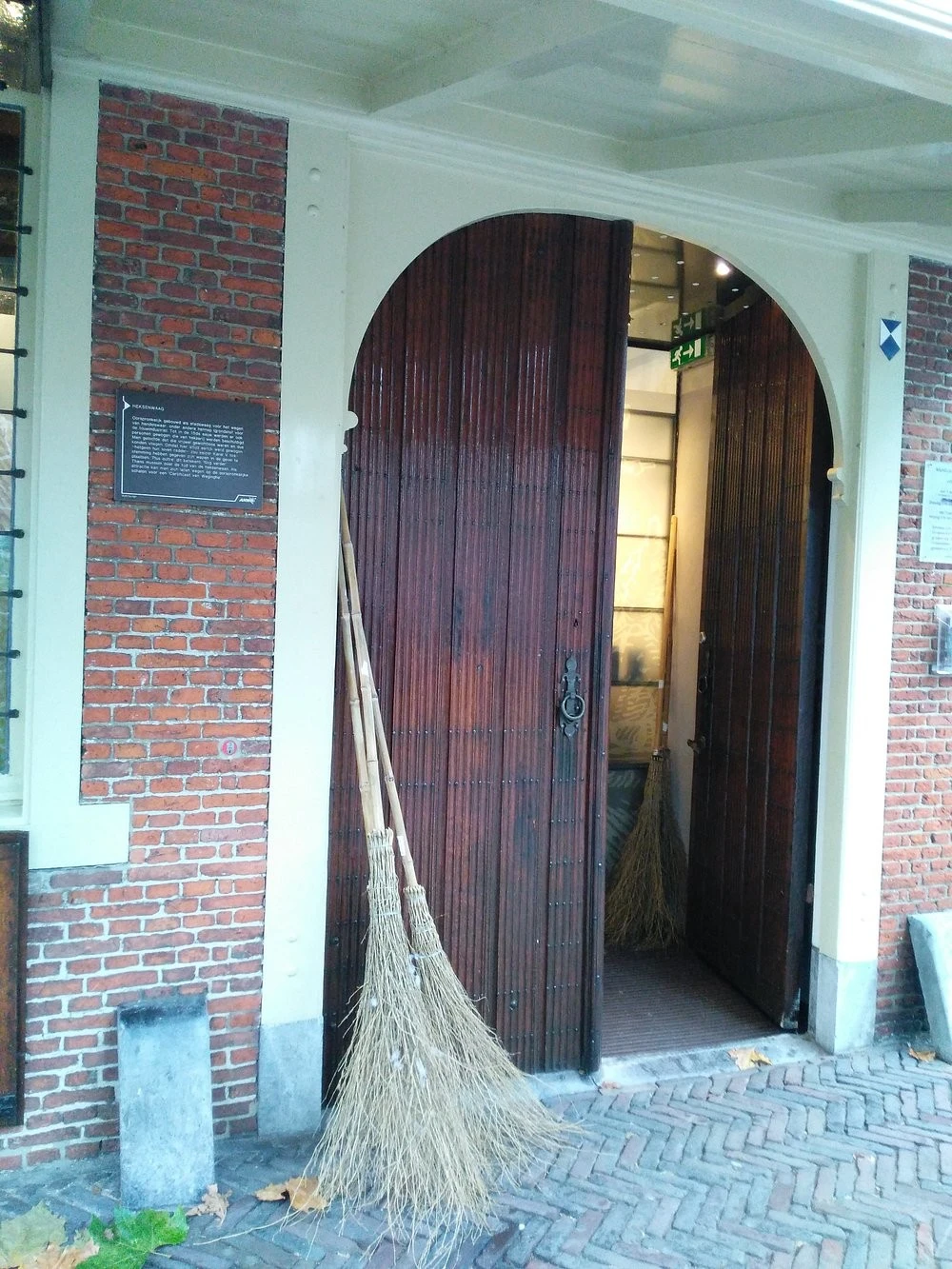
Today, the Witches' Weighing House is the Witches' Weighing House Museum. The building is a national monument. Inside are the original scales, built in 1482 and still functioning, and audiovisual exhibits about the history of witch hunts. 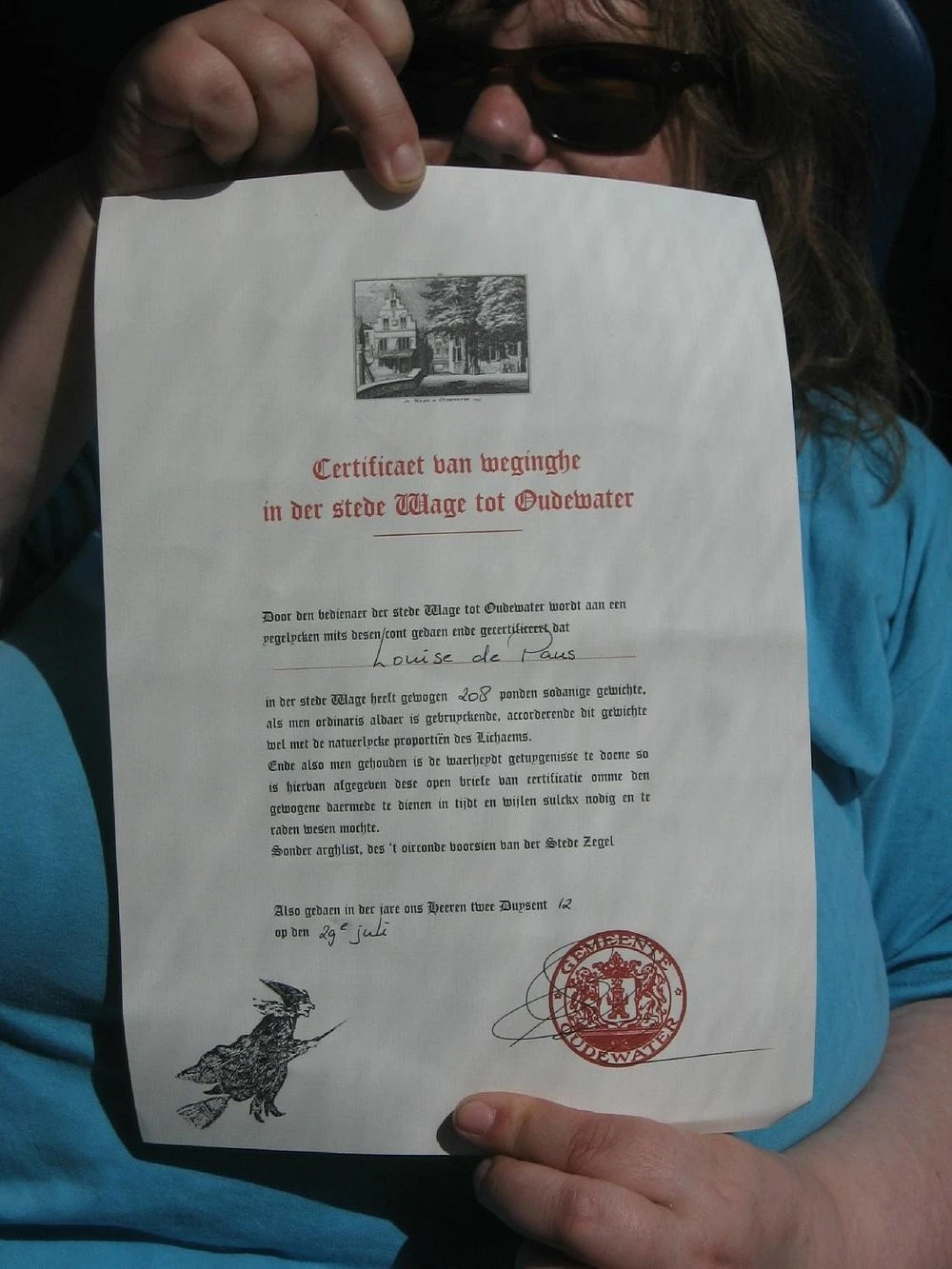
Every visitor can weigh themselves on those ancient scales and receive a personalized certificate officially confirming that their weight corresponds to their body proportions, and therefore, they are not a witch. 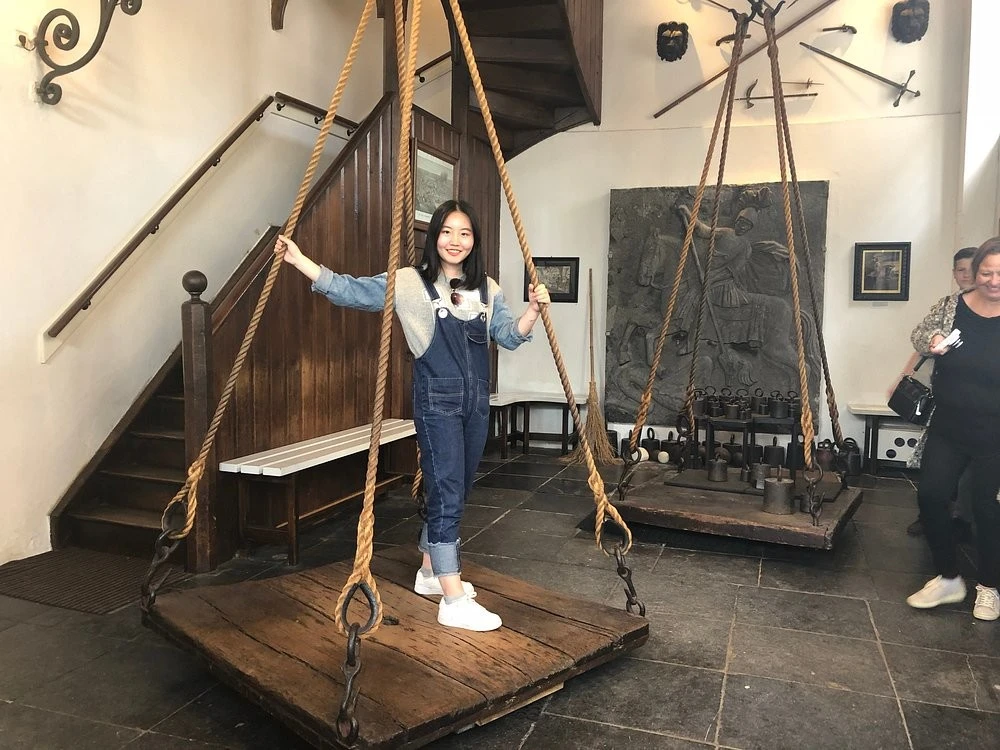
The museum has applied for inclusion on the UNESCO World Heritage List. And although a decision has not yet been made, the fact itself speaks volumes: a modest weighing house from a small Dutch town is laying claim to a place in human history. And rightfully so.