10 Most Terrifying Secrets of the Vatican. What Hides the Holy Place (12 photos)
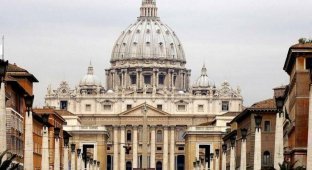
The Vatican. The sacred heart of the Catholic Church. A place of peace, serenity... and terrifying things.
Even in the holiest place in the world, the strange and terrifying find a way to hide.
Get ready to discover the ten most terrifying things hidden inside the Vatican. Who would have thought the divine had such a sinister side? 
An Unknown Prisoner Under the Vatican 
There are persistent rumors of an unknown prisoner allegedly held in the vast underground cells of the Vatican. The identity and history of this prisoner have been shrouded in mystery.
According to these stories, the prisoner was confined in an ancient cell beneath the Vatican—a location marked by undecipherable inscriptions. Speculation suggests this man may have been imprisoned for reasons ranging from political ancestry to possession of forbidden knowledge that threatened Church doctrine.
Some claim that chains and remnants of ancient restraining equipment found in certain restricted areas of the Vatican's underground network lend credence to this story.
Night shift workers and Vatican workers occasionally report hearing chilling sounds from these depths: faint screams, whispers echoing underground.
While there is no concrete evidence to support this prisoner's presence, the legend continues to add mysticism to the hidden and least accessible areas of the Vatican.
The Mysterious Tomb of Pope Alexander VII 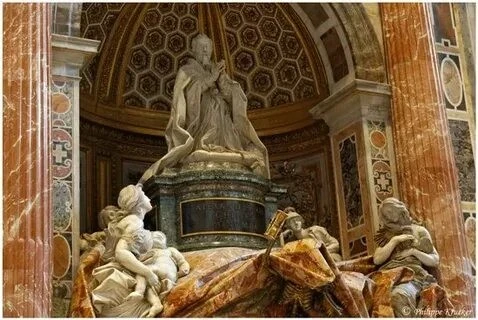
The tomb of Pope Alexander VII in St. Peter's Basilica is a masterpiece created by the renowned sculptor Gian Lorenzo Bernini.
It is famous for its intricate design, especially the striking depiction of Death as a skeleton holding an hourglass—a symbol of the transience of time and the inevitability of death.
The tomb has sparked curiosity and speculation not only because of its artistic elements, but also because of the mysterious circumstances surrounding the Pope's death. Alexander VII died in 1667 after a brief illness, but rumors suggest his death may have been sudden and under suspicious circumstances, possibly connected to political intrigue or secret conspiracies.
These speculations are fueled by the allegorical depiction of Death on the tomb, which some interpret as a subtle hint at the unexpected nature of his death.
Furthermore, rumors circulate that relics or important artifacts may be hidden within the tomb itself. Some legends suggest that objects of great religious or historical significance are concealed within the monument.
Despite these intriguing stories, there is no solid evidence to support the existence of hidden relics or theories about the Pope's mysterious death.
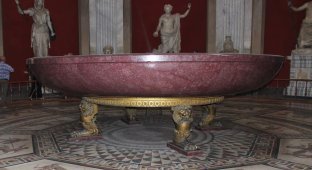
Zodiac Sarcophagus 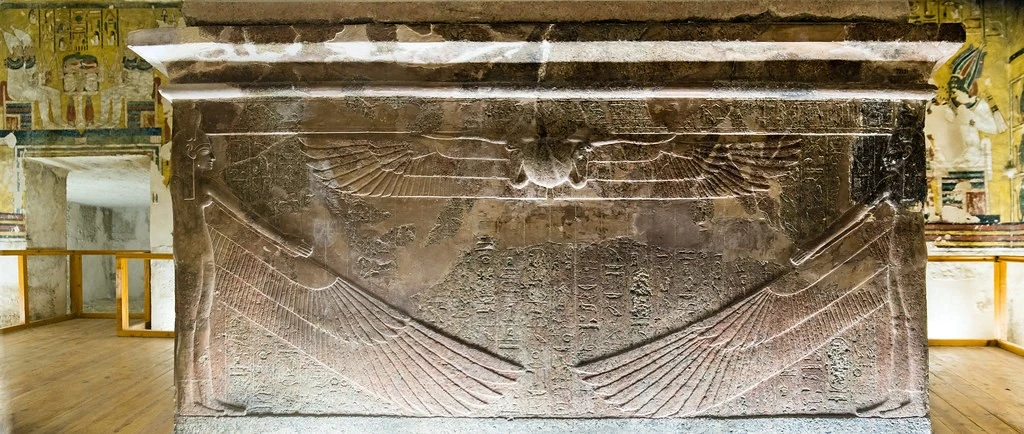
The Zodiac Sarcophagus is an ancient funerary artifact that uniquely depicts a period of religious fusion, combining pagan and Christian symbols in its engravings.
Discovered beneath the Vatican, this sarcophagus likely dates to a time when Christianity was just becoming the dominant faith in Rome, reflecting a period of transition in religious practices.
The sarcophagus is decorated with the twelve signs of the zodiac—a common feature of pagan art, symbolizing the celestial cycle and its supposed influence on human affairs. These pagan symbols are intertwined with Christian icons, such as the ichthys fish, a secret symbol used by early Christians.
The presence of both pagan and Christian imagery on the sarcophagus suggests that it may have belonged to a high-ranking Roman official who converted to Christianity, or was created during a period when the old and new religions coexisted and interacted closely.
The intermingling of these symbols not only highlights the period of religious change but also demonstrates the ways in which elements of different traditions were integrated.
Pope's Escape Tunnels 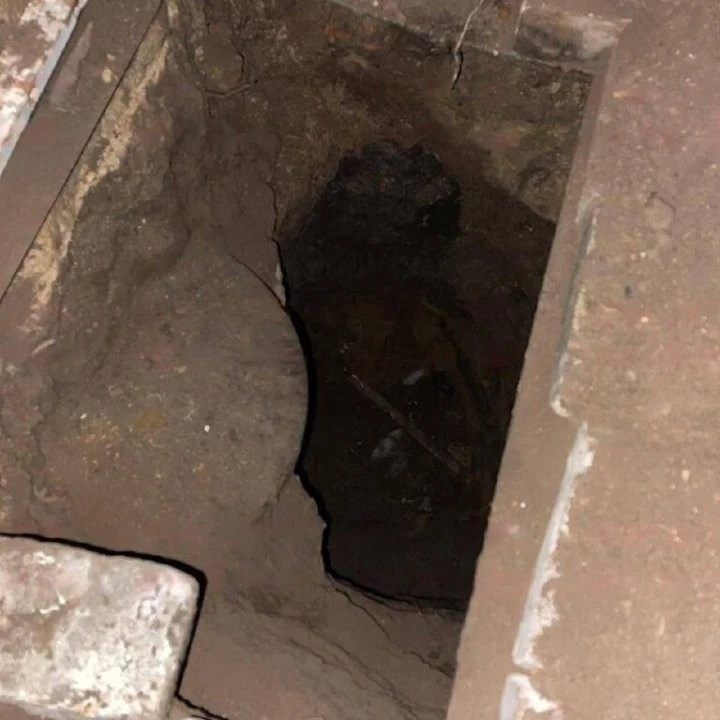
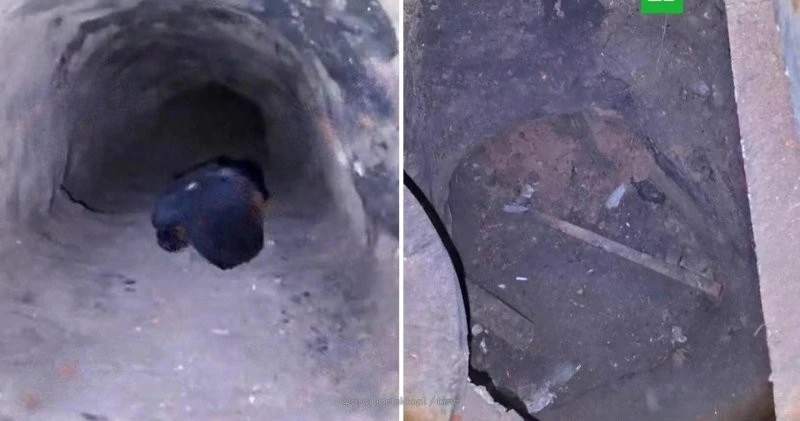
The Vatican maintains a little-known network of escape tunnels known as the Passetto di Borgo. These tunnels historically served as a critical part of the Vatican's defensive infrastructure, providing a secret escape route for popes during times of crisis.
Built in the eleventh century during the reign of Pope Nicholas III, the Passetto di Borgo is a fortified corridor extending approximately 800 meters to Castel Sant'Angelo. This passage was designed to provide a safe escape route during periods of political unrest or invasion.
The most famous use of these tunnels occurred in 1527 during the Sack of Rome. When the troops of Holy Roman Emperor Charles V attacked the city, Pope Clement VII used the Passetto to escape to the safety of Castel Sant'Angelo.
This dramatic event highlights the strategic importance of these escape routes for protecting the Pope during times of emergency. Today, the Passetto di Borgo remains a testament to the Vatican's historical strategies for protecting its leaders. Although rarely used in modern times, its existence continues to fascinate historians and the general public.
Fresco with a Demon in the Pauline Chapel 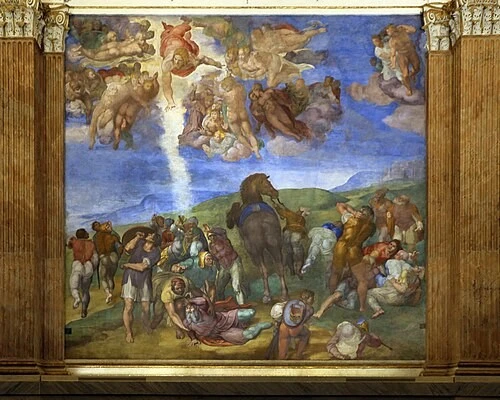
Inside the Vatican's artistic heritage, the Pauline Chapel contains a fresco rumored to contain a hidden image of a demon.
This fresco, part of the chapel's intricate decorations, is said to depict a small, dark demonic figure embedded in the scene of Saul's conversion on the road to Damascus.
The demon's presence is subtle and not immediately noticeable to casual observers. But those who look closely can discern the figure, which stands in stark contrast to the sacred figures surrounding it.
Interpretations of this demon vary widely. Some suggest it reflects Michelangelo's personal struggles or his critical views on certain aspects of the church. Known for imbuing his works with complex and often contradictory messages, Michelangelo may have used this figure as a subtle commentary on his own internal conflicts or the broader societal issues of his time.
Despite these interpretations, there is no definitive explanation for the inclusion of the demon, and the Vatican has not officially commented on its presence or symbolism.
This ambiguity only adds to the mystery of Michelangelo's work within the Vatican, attracting the attention of art historians and visitors alike, intrigued by the possibility of hidden meaning within this masterpiece.
Saint Bernard and the Virgin Mary 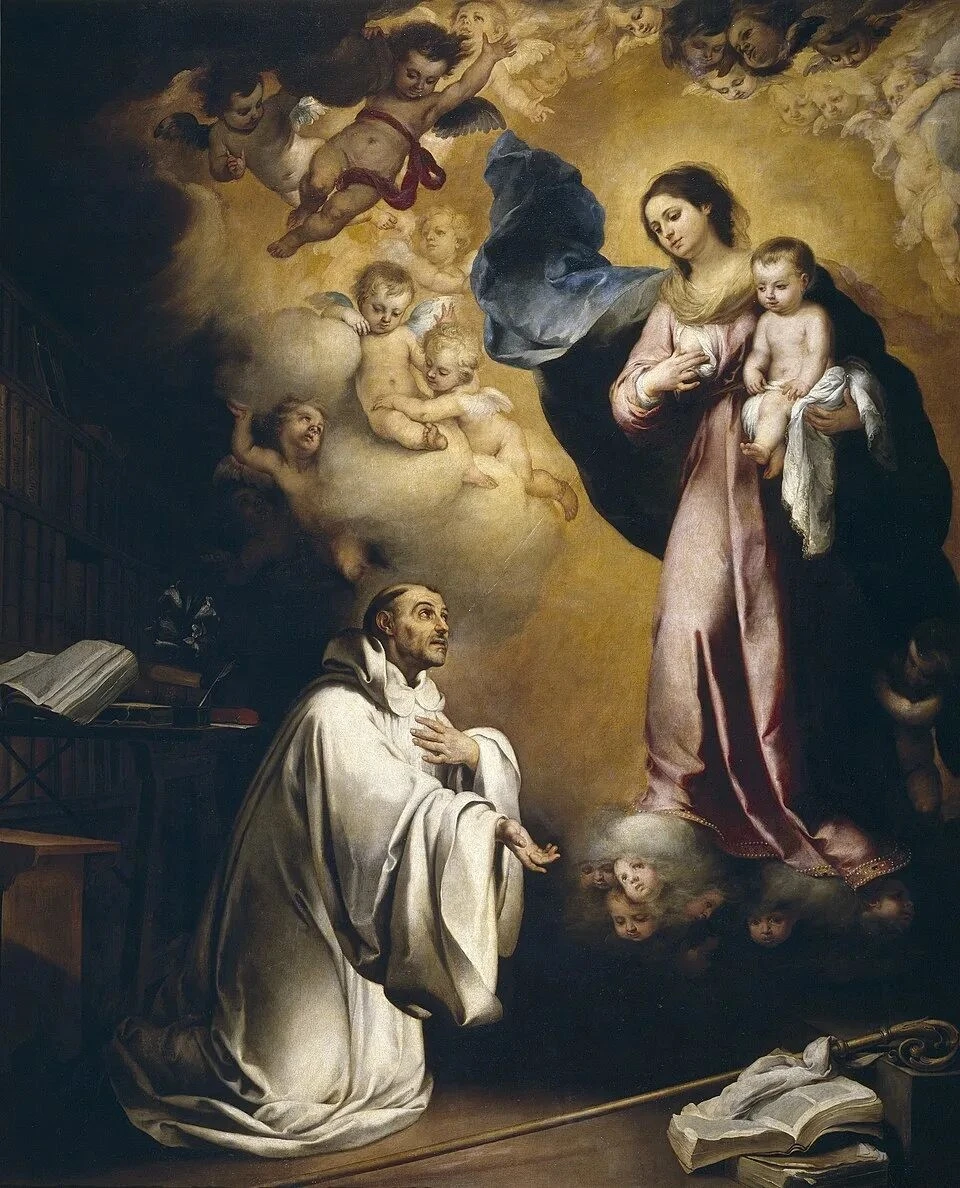
A lesser-known but captivating legend concerns Saint Bernard of Clairvaux, a prominent twelfth-century French abbot and a key figure in the Cistercian monastic reform.
The story tells of Saint Bernard's miraculous encounter with a statue of the Virgin Mary. According to legend, while he was praying passionately before the statue, Saint Bernard asked the Virgin Mary to show her maternal care. In response, the statue supposedly came to life, and the Virgin Mary miraculously poured milk from her breasts directly into his mouth.
This act was interpreted as a profound blessing, symbolizing spiritual nourishment and Mary's grace for it. This event, known as the "Lactation of Saint Bernard," has been depicted in various works of religious art throughout history.
However, it is often omitted from traditional religious education due to its unusual nature and the problems it poses for traditional depictions of holiness and divinity in religious figures.
The Vatican does not officially promote this legend, and it remains a subject of debate and discussion among theologians and historians.
Catacombs of the Lost Cardinals 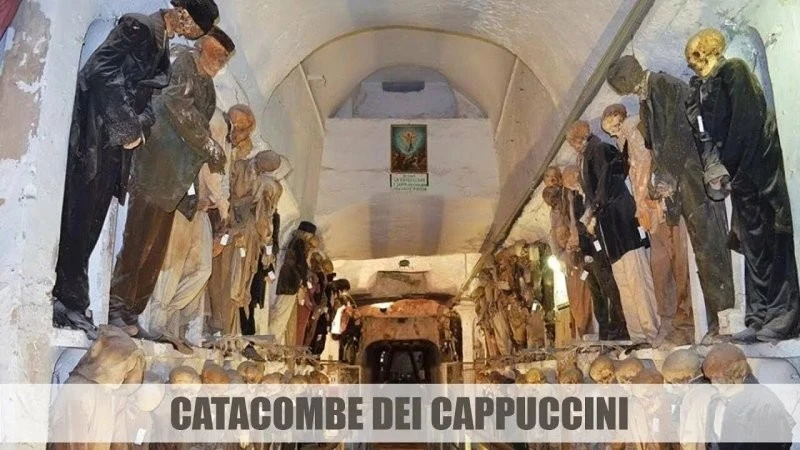
Beneath the surface of Vatican City, hidden catacombs exist known as the Catacombs of the Lost Cardinals.
These underground chambers are said to contain the remains of cardinals who mysteriously disappeared throughout the Vatican's history. The catacombs are supposedly filled with unmarked graves, believed to be the final resting places of these high-ranking clergy who died premature and often unexplained deaths.
Many theories suggest that these disappearances were connected to political intrigue, power struggles, or theological conflicts within the Church. These secret burials contribute to the aura of mystery surrounding the Vatican, an institution known for its complex history and deep involvement in global religious and political affairs.
While the Vatican has never officially acknowledged the existence of these catacombs, the legend persists, fueling speculation about dark aspects of the Church's past.
The idea of the catacombs of lost cardinals captures the imagination, symbolizing the enduring intrigue surrounding what secrets the Vatican may still be hiding within its sacred walls.
Ghost in the Borghese Gallery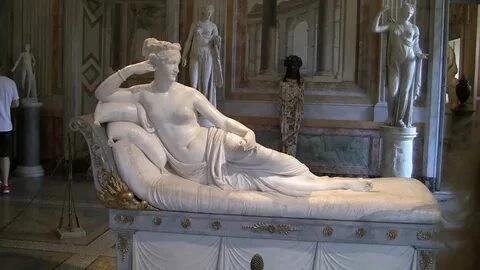
While not directly part of the Vatican, the Borghese Gallery in Rome is closely linked to the history of the Papal States and contains a statue that has become the center of numerous paranormal claims.
This statue, depicting Pauline Bonaparte—Napoleon Bonaparte's sister—as Venus Victorious, was created by Antonio Canova.
Visitors to the gallery have reported various strange phenomena near the statue, ranging from sudden drops in temperature to sensations of invisible touches or gentle stroking of the skin. Some visitors have even claimed to have seen a ghostly figure resembling Pauline Bonaparte, silently wandering among the artworks. This apparition is often described as having a melancholic gaze, adding to the gallery's eerie atmosphere.
These paranormal experiences are likely heightened by the statue's realistic depiction and the dramatic life of Pauline herself, who was renowned for her beauty and turbulent life.
While these ghostly encounters have no scientific confirmation, they continue to attract attention and curiosity, contributing to the folklore surrounding one of Rome's most renowned art collections.
Codex Gigas Bible 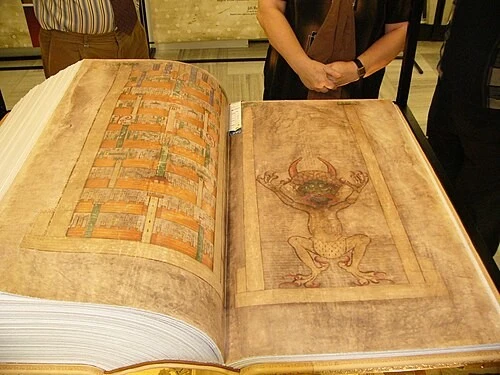
The Codex Gigas, known as the "Devil's Bible," is a massive medieval manuscript dating to the early thirteenth century. It holds the distinction of being the largest known medieval manuscript in existence.
Besides its size, the Codex Gigas is also known for its unique content and the terrifying legend associated with its creation. The manuscript contains a complete version of the Bible along with additional texts on various topics, including works on exorcism and a spectacular full-page, full-color illustration of the devil.
According to legend, the Codex Gigas was created by a monk who, facing execution for breaking his monastic vows, vowed to write a book containing all human knowledge in a single night.
When midnight approached and the monk realized the task was impossible, he supposedly made a deal with the devil to complete the manuscript in exchange for his soul. This terrifying story gave the Codex Gigas its nickname and explains the prominent image of the devil on its pages.
Today, the Codex Gigas is housed in the National Library of Sweden in Stockholm. Despite its supernatural legend, it remains a significant historical artifact, offering valuable insights into the intellectual and spiritual life of medieval Christendom.
The Legend of the Chained Angel 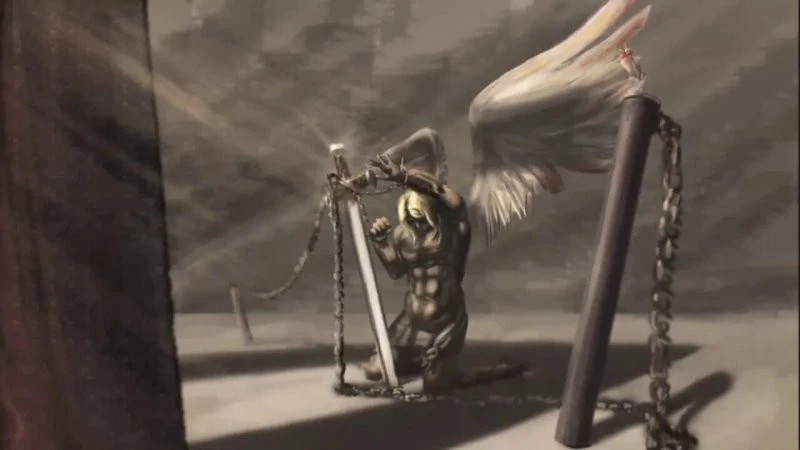
Among the many fascinating legends associated with the Vatican, one of the most persistent is the story of a chained angel, supposedly held within its ancient walls.
According to this legend, the Vatican managed to capture and imprison a celestial being—an actual angel—keeping him captive and hidden from the populace. This angel is said to be kept in chains, possibly deep within a secret chamber beneath the Vatican's complex structure.
The story of the chained angel is filled with dramatic elements, suggesting that the angel may possess divine knowledge or supernatural powers that the Vatican wishes to control or harness for unknown purposes.
This tale fits perfectly with the aura of mysticism surrounding the Vatican—an institution renowned for its extensive archives, ancient relics, and spiritual secrets.
While there is no concrete evidence to support the existence of such a being within the Vatican, the legend persists, fueled by the secretive nature of the church and its long history of protecting religious artifacts and spiritual secrets.
Whether this story is based on fact or entirely fictional, it contributes to the Vatican's already enigmatic reputation, piquing curiosity about what other secrets might lurk within its hallowed halls.
The Vatican is more than just the center of the Catholic faith. It is a place where history, art, politics, and mystery are tightly intertwined. Hidden beneath its majestic domes and ancient walls are stories rarely told in official chronicles.
An unknown prisoner in the dungeons. The mysterious death of a Pope. A sarcophagus that blends paganism and Christianity. Tunnels through which pontiffs escaped. A demon hidden in a Michelangelo fresco. A miraculous feeding from a statue. Lost cardinals in unmarked graves. The ghost of Napoleon's sister. A Bible written in league with the devil. And an angel in chains that no one has ever seen.
Do you believe in these mysteries? Or are they simply legends that humanity has told around campfires for centuries?
The holy place turns out to be more than just a simple place. Perhaps that's precisely what makes it truly holy—the ability to preserve not only light, but also darkness.
What other secrets do you think the Vatican hides? Let us know in the comments.