Slums in the clouds: How ancient Roman developers made millions on deadly high-rises (3 photos)
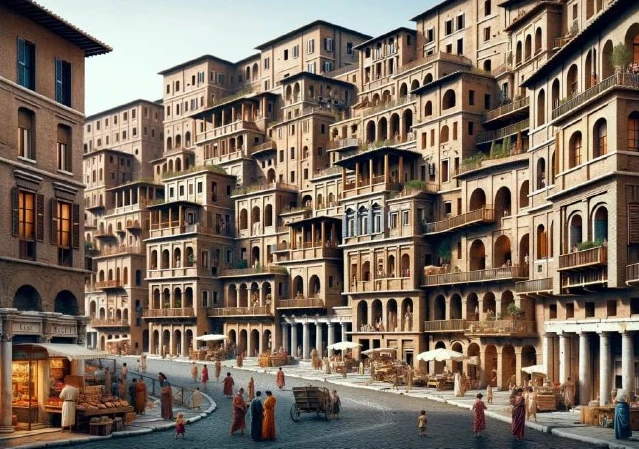
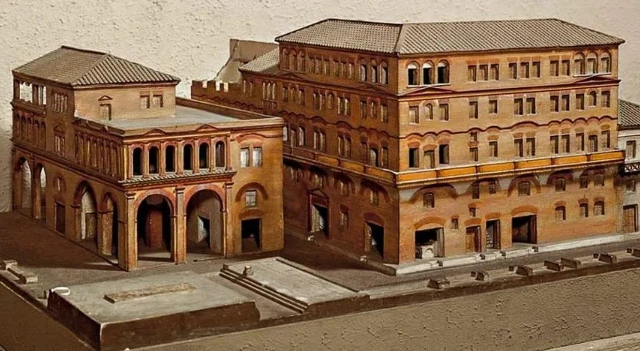
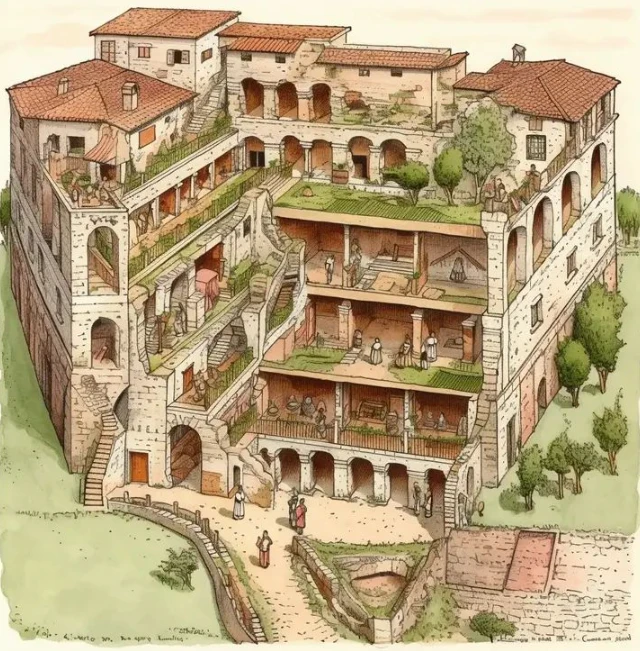
While modern urbanists debate human anthills, historians remind us that the true housing nightmare and insane real estate prices were invented back in Ancient Rome. Seeking superprofits from the capital's scarce land, Roman oligarchs, including the famous Crassus and Cicero, built the city with insulae—the first high-rise apartment buildings for the poor. Around 90% of Rome's population was forced to huddle in these "islands," which were constructed from cheap wood and unbaked brick to save money. Buildings soared to heights of 5, 8, and even 10 stories, regularly collapsing with a crash onto passersby due to the developers' fatal skimping on foundations. The poet Juvenal lamented that Romans risked their lives daily simply by walking beneath the walls of these dilapidated giants, ready to collapse at any gust of wind.
Fires were another lucrative attraction for homeowners and a perpetual bane for residents. With thousands of people simultaneously burning oil lamps and cooking on charcoal braziers among the wooden beams, houses would burst into flames like matchsticks. Only after the Great Fire of Rome virtually wiped the face of the earth in 64 AD were emperors forced to force builders to use concrete and limit building heights to 18–21 meters. However, greedy developers ignored the imperial decrees of Trajan and Augustus, continuing to secretly add extra floors for the sake of extra coin. By the 4th century AD, brazen business had triumphed completely: Rome had a paltry 1,800 private mansions against a colossal 46,600 multi-apartment hives. The hierarchy of comfort in the insulae was inverted compared to modern penthouses—the higher you climbed, the closer you were to poverty. Spacious, luxury apartments of up to 200 square meters, with private toilets and running water, were located exclusively on the ground floor, closest to the escape route. The upper floors were a living hell: tiny, dark rooms without windows, heating, or basic plumbing rented for four times the price of those in the provinces. Residents of the upper floors were forced to lug heavy jugs of water from street fountains every day and shamelessly pour all their waste out of their windows directly onto the heads of hapless passersby.