Unique historical shots that will transport you back in time (21 photos)
Every year, digital archives are replenished with new digitized images from past centuries, making them available to a wider audience. Thanks to this painstaking work, we have a unique opportunity to glimpse everyday life in the 19th century. It is this era that is the focus of today's collection. 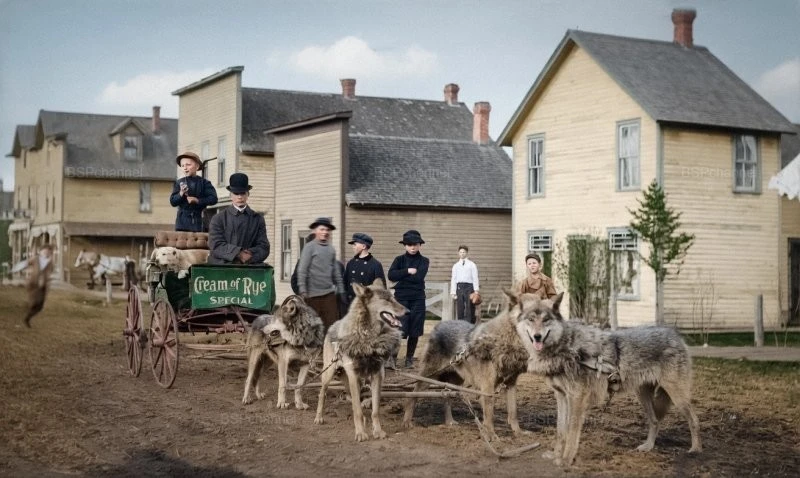
A young man and woman resting among ferns. England, 1857. 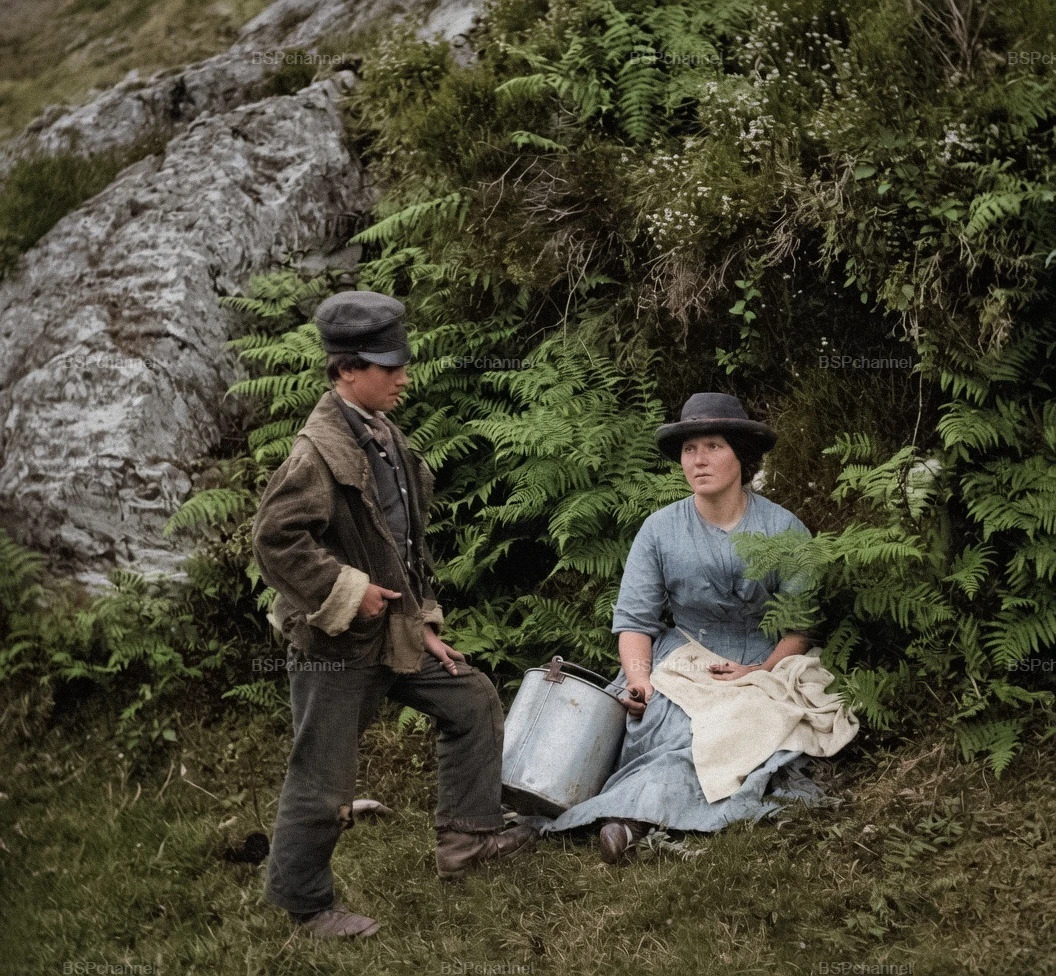
Photographer: William Grundy
The sailing ship Genoa in Le Havre during a storm on September 13, 1885. 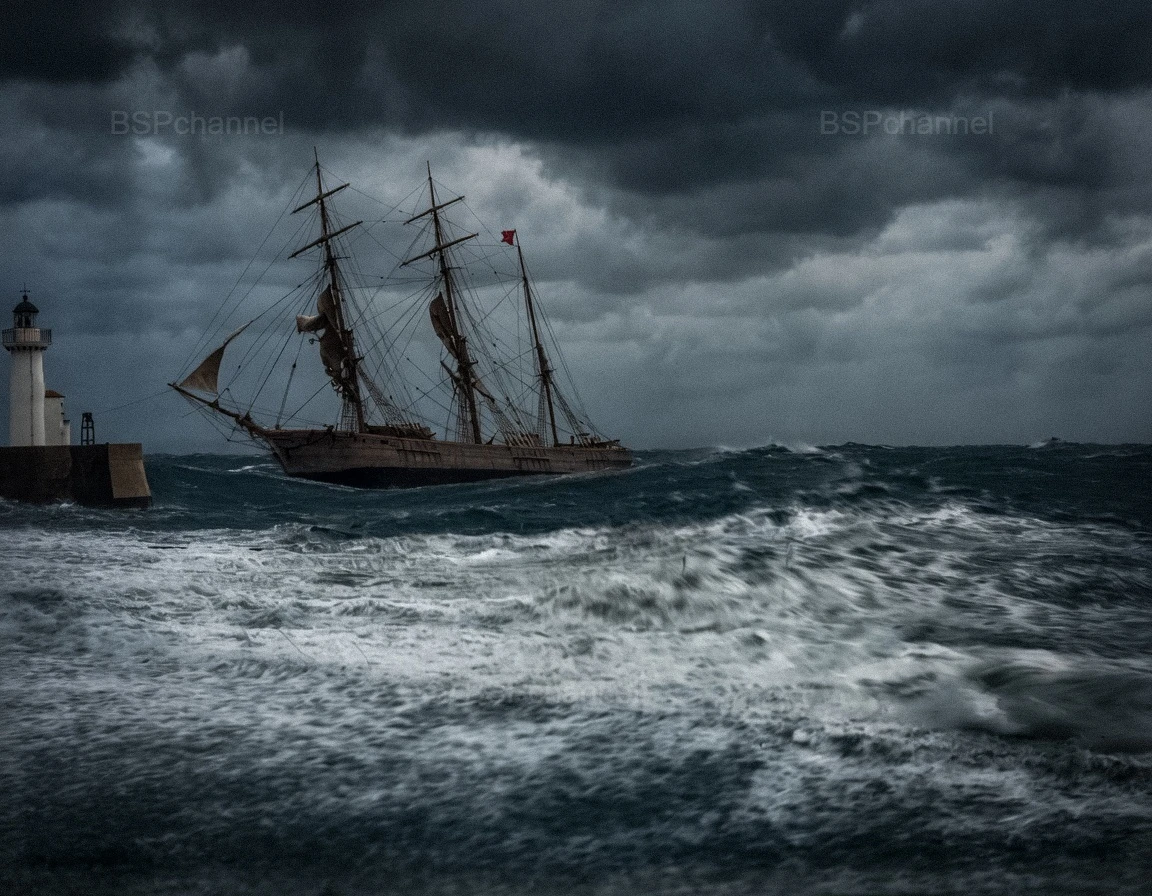
This iconic image was taken by French photographer Paul Pléssé, who captured the dramatic confrontation between a ship and the elements off the coast of Normandy. Until the 1880s, photographing storms and moving objects was virtually impossible: photographers used bulky glass plates with low light sensitivity, requiring long exposures. In such photographs, the water turned into a blurry white mist. Pléssé used dry gelatin silver plates, which were new for the time, and an improved mechanical shutter. This allowed for ultra-fast shutter speeds. The photographer managed to literally "freeze" the moment—the historic image clearly shows the spray of the furious waves crashing against the pier, the foam, the listing hull of the sailboat, and the taut rigging. Despite the dramatic nature of the image, the sailboat Genoa did not sink that day. Unlike many other ships that were wrecked in that autumn storm of 1885 off the coast of France.
German aircraft designer and aviation pioneer Otto Lilienthal prepares to fly a small ornithopter, August 16, 1894. 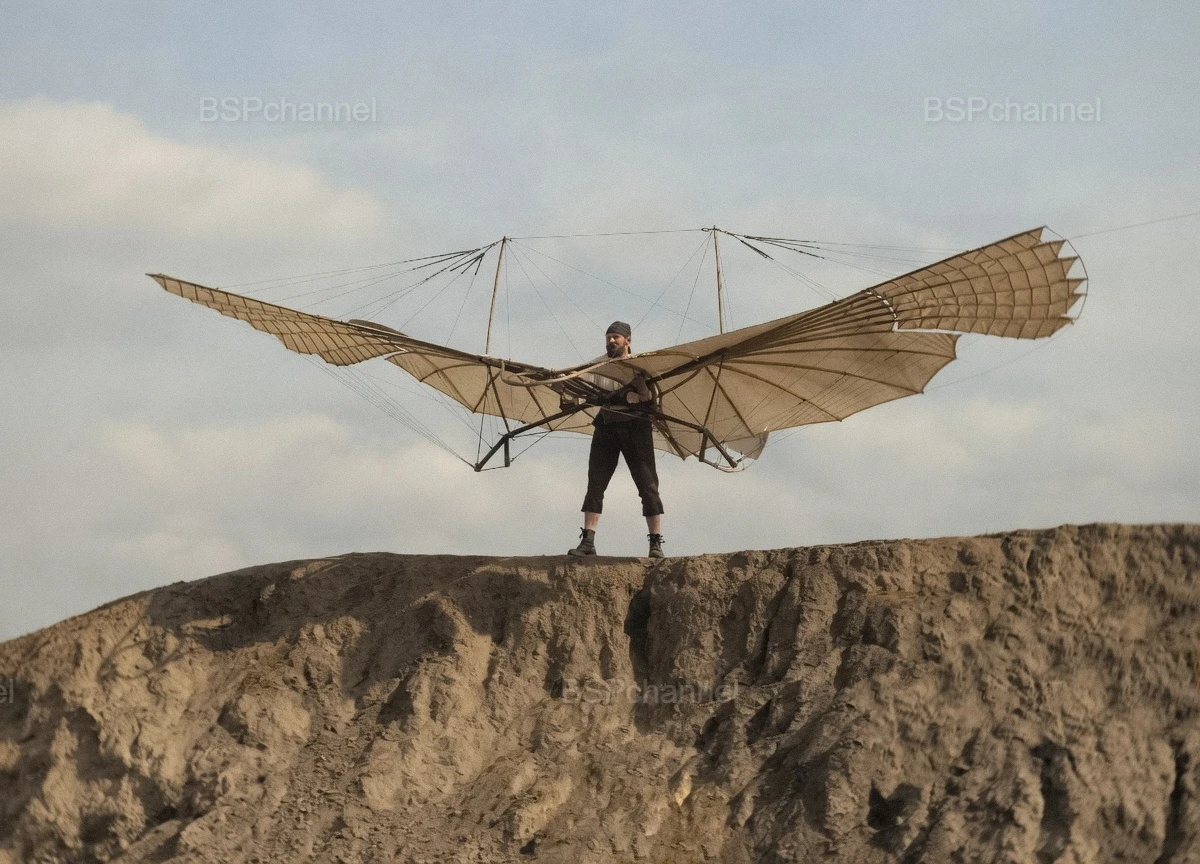
Although Lilienthal became famous for his balanced monoplane gliders, his primary scientific goal always remained the precise replication of bird flight—the ornithopter. The small ornithopter of 1894 was a biplane with a wingspan of approximately 6.7 meters and a surface area of 9.3 square meters. The frame was traditionally made of lightweight and flexible willow twigs and covered with cotton fabric. Unlike conventional gliders, the wings of this craft were movable. Lilienthal installed a compact carbon dioxide engine powered by gasoline vapor (or compressed gas). The design called for a motor to force the wingtips to flap up and down. The photograph itself shows Lilienthal checking the mechanisms before takeoff: he is secured to the frame of the craft, supporting its weight with his shoulders and elbows. The mechanical flapping of the wings proved extremely unstable. The motor's power was insufficient for a proper takeoff from a level surface, and the engine vibrations disrupted the balance. Lilienthal made several dozen simple gliding descents down a hill with this craft, but was never able to achieve full horizontal flight using flapping. The craft demonstrated that creating an effective ornithopter with 19th-century technology was impossible.
An English wildlife photographer stands on his assistant's shoulders to photograph a bird's nest, 1890. 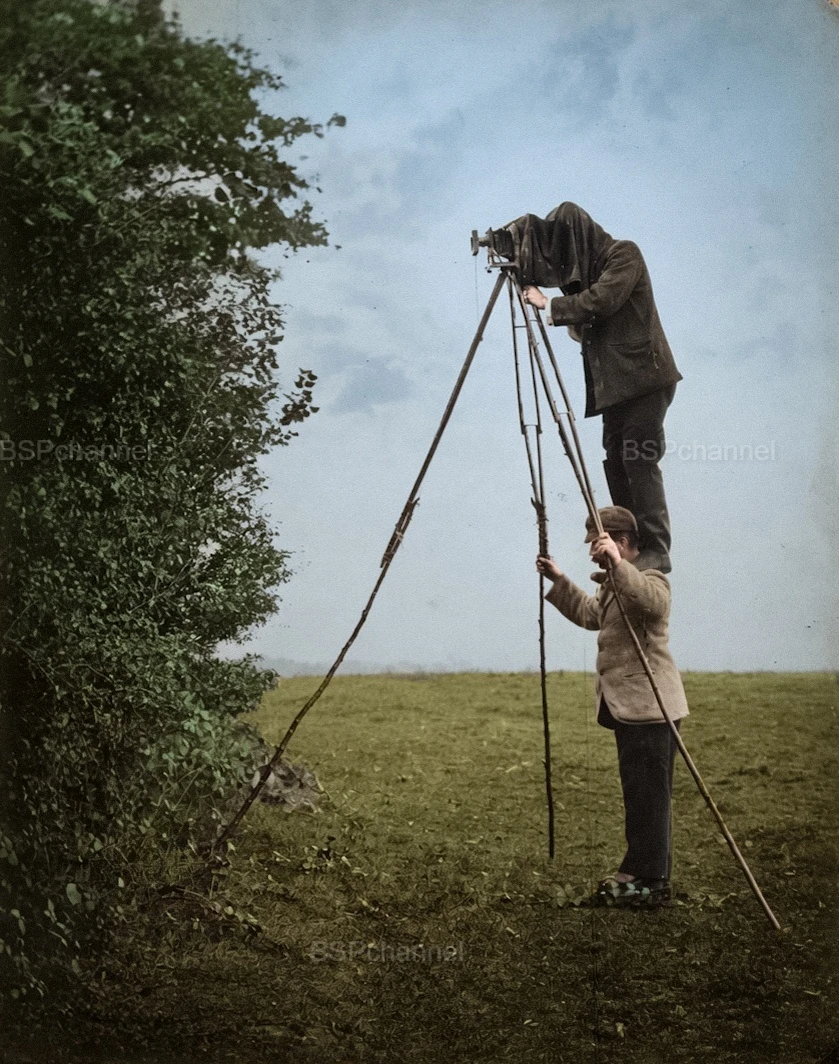
This historic image shows the Kirton brothers, outstanding British pioneers and world-renowned wildlife photographers. Yorkshiremen Richard and Cherry Kirton are considered the world's first professional wildlife photographers. In April 1892, they took the first photograph of a bird's nest with eggs, and in 1895, they published the first nature book illustrated entirely with real photographs (not drawings). In the late 19th century, cameras were noisy, and shutters frightened animals. To get close to birds and animals, the brothers devised incredible camouflage techniques. In addition to using their own bodies as living "stepladders," they created artificial shelters inside hollow tree trunks, constructed fake sheep and bulls to hide inside with their cameras, and even disguised themselves as haystacks.
The wreck of the four-masted barque George Roper off Point Lonsdale, Australia. July 4, 1883. 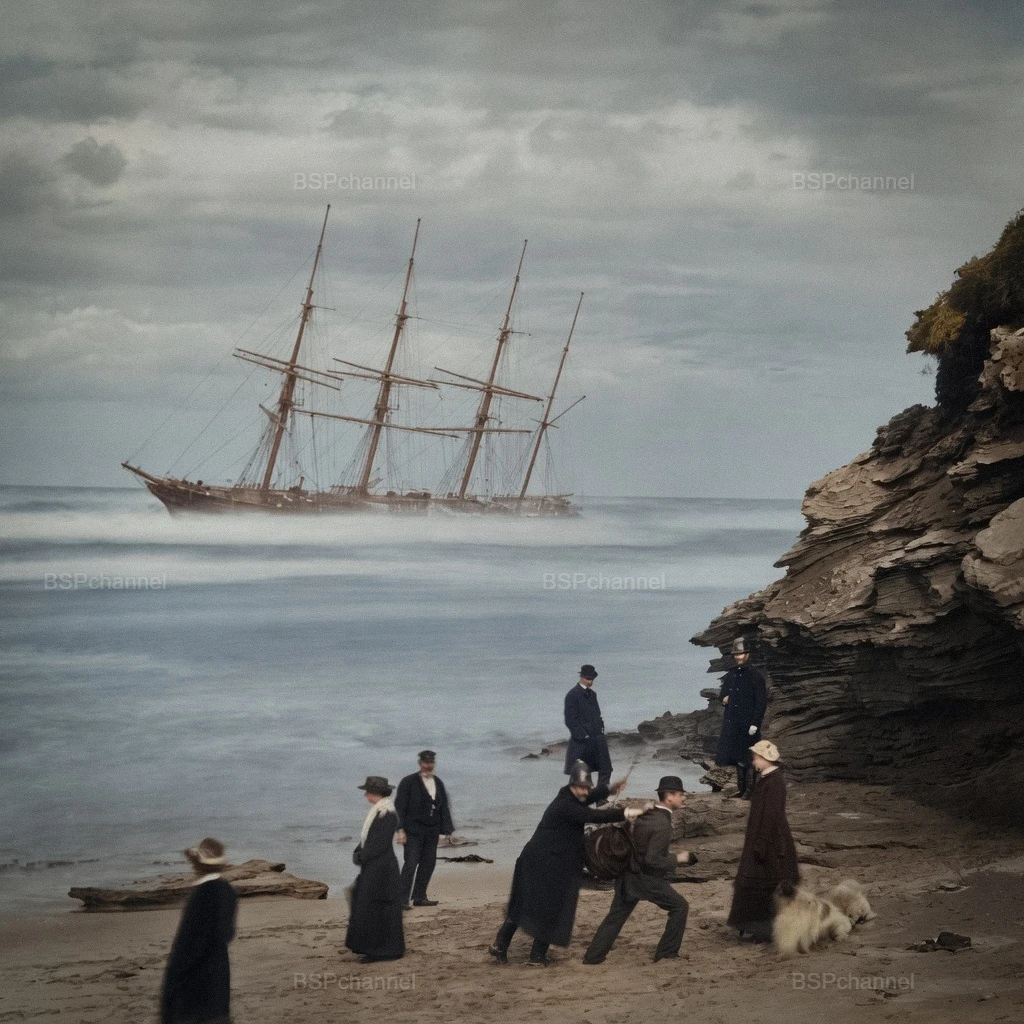
The wreck of the barque George Roper off Point Lonsdale on July 4, 1883, is one of the most famous shipwrecks in the history of the Australian state of Victoria. It occurred on a dangerous reef known as "The Rip" at the entrance to Port Phillip Bay. The vessel struck the reef on its maiden voyage from England to Australia. The four-masted barque was designed as a large, fast international transport for regular service to Australia. On its maiden voyage, it carried 3,842 tons of cargo. On board were rails for Victorian railways, dynamite, alcohol, textiles, and chemicals. The barque made a fast and safe 82-day voyage from England to Cape Otway. On July 4, 1883, approximately 8 miles from the entrance to the bay, the ship encountered a strong headwind. It was taken in tow by the steam tug Williams, captained by local pilot Gifford. Dense fog completely obscured landmarks on the shore. Instead of waiting out the storm at sea, the pilot continued toward the strait. The tug deviated too far to the west. The tug Williams and the barque it was towing simultaneously ran aground on the rocks of Point Lonsdale Reef. The tug sustained a serious hole, began rapidly taking on water, and immediately retreated to the bay for repairs, leaving the barque aground. When the fog cleared, it became clear that the giant ship was stuck fast on the most dangerous section of the reef. Captain John Ward and his entire crew were safely rescued by the rescue boat Albatross; no one was killed.
"Football" at Point Barrow, Alaska, USA, 1897-1899. 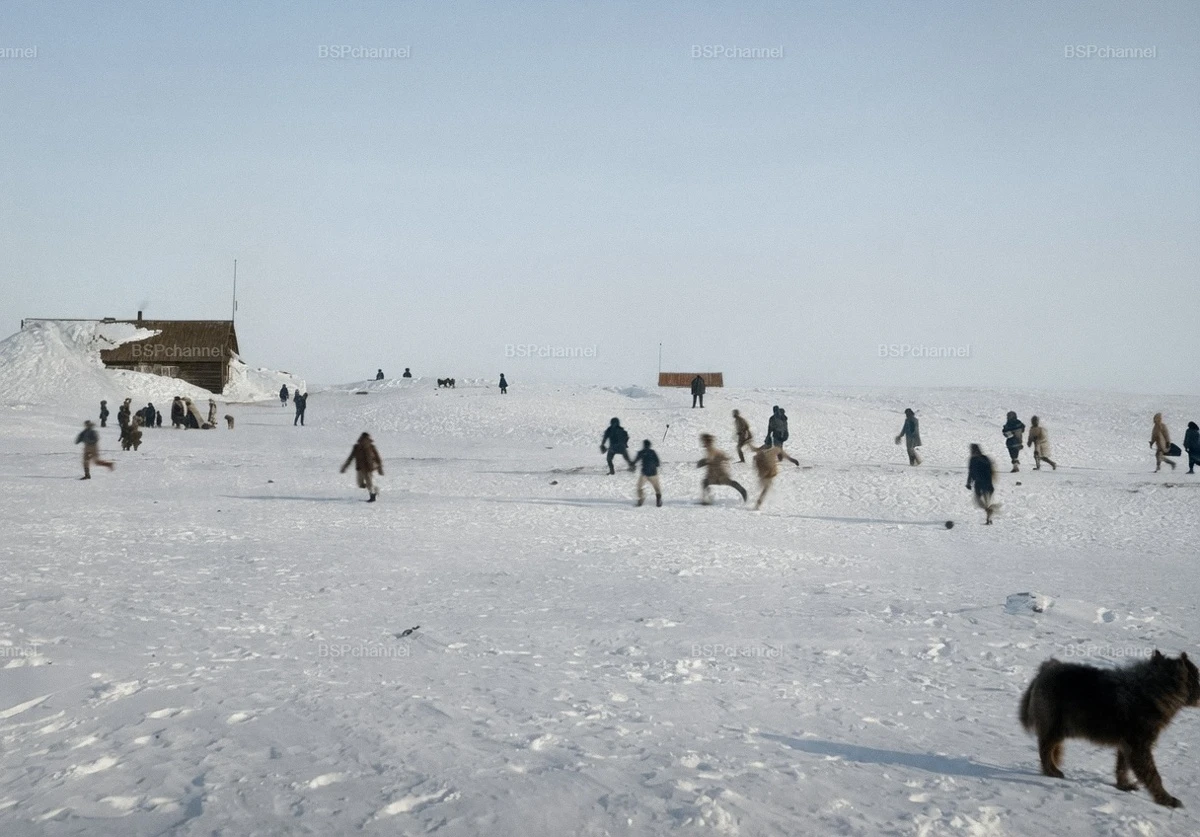
Photographer: Edward Avery McIlhenny
Cathedral of Vieja de Plasencia. Spain, 1868. 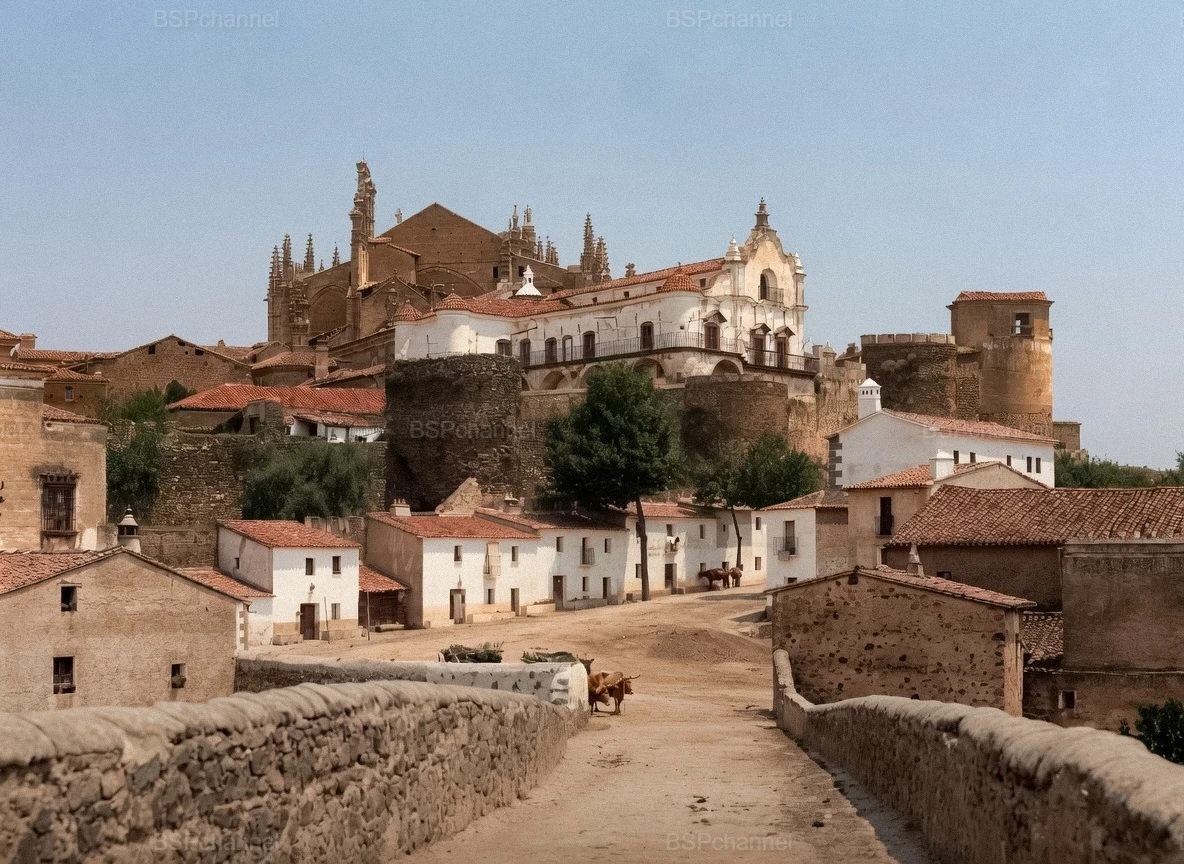
Photographer: Jean Laurent
The city of Plasencia (province of Cáceres) is unique in that it houses two cathedrals, the Old Cathedral (Vieja) and the New Cathedral (Nueva), located close to each other in a single square. The Old Cathedral: Its construction began in the 13th century. Its architecture is a rare example of a transitional style—from austere Romanesque to early Gothic. By the time filming took place in 1868, the cathedral had not functioned as the city's main church for several centuries, having ceded that role to the New Cathedral. The New Cathedral: its construction began in 1498 directly on top of part of the old building. The bishop considered the old cathedral too dark and modest. Initially, plans were made to completely demolish the Old Cathedral, but in the 16th century, due to budgetary constraints and a political crisis, construction of the New Cathedral was halted. Thanks to this incompleteness, the Old Cathedral survived.
Portugal, 1885-1887. 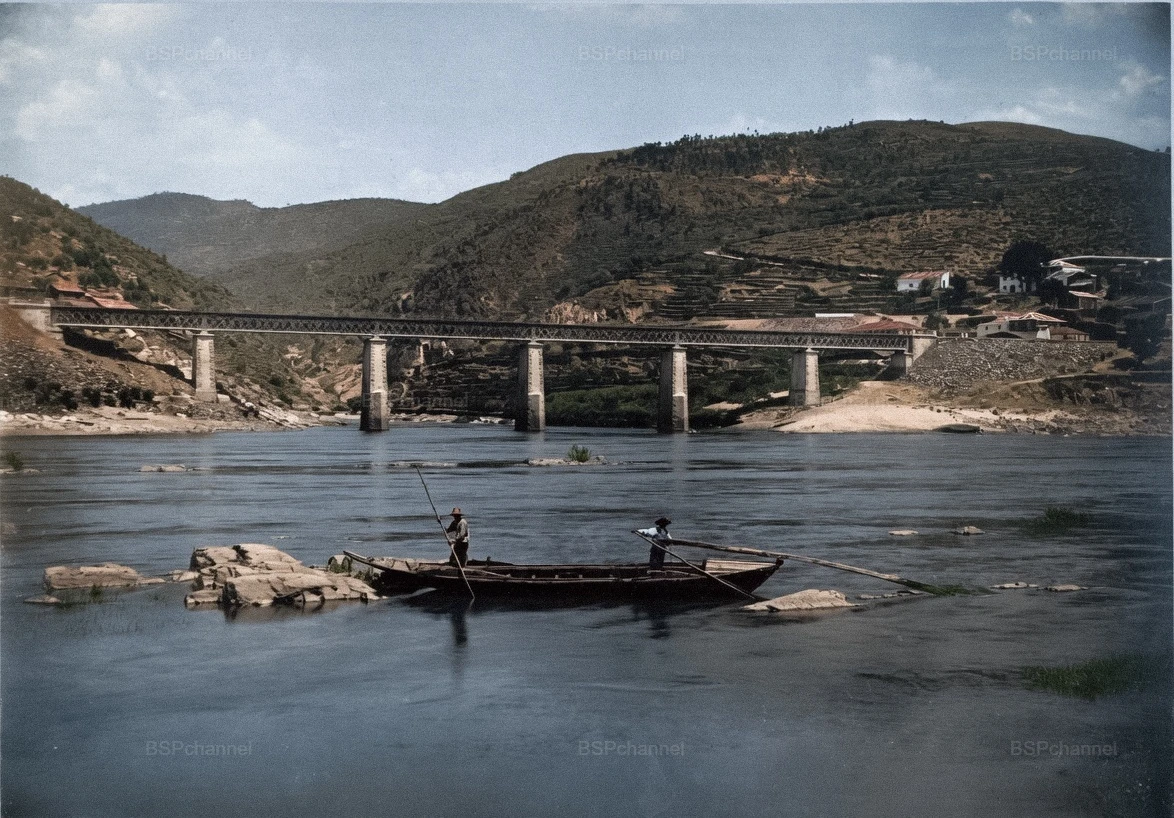
Photographer: Karl Emil Biel
In the background is the Hinze Ribeiro Bridge over the Douro River. Built between 1884 and 1886, the bridge was named after Portuguese Prime Minister Ernesto Hinze Ribeiro. The metal bridge is approximately 280 meters long and was a vital transportation artery for the isolated region of Castelo de Paiva.
General view from the Pont Neuf. Paris, 1855. 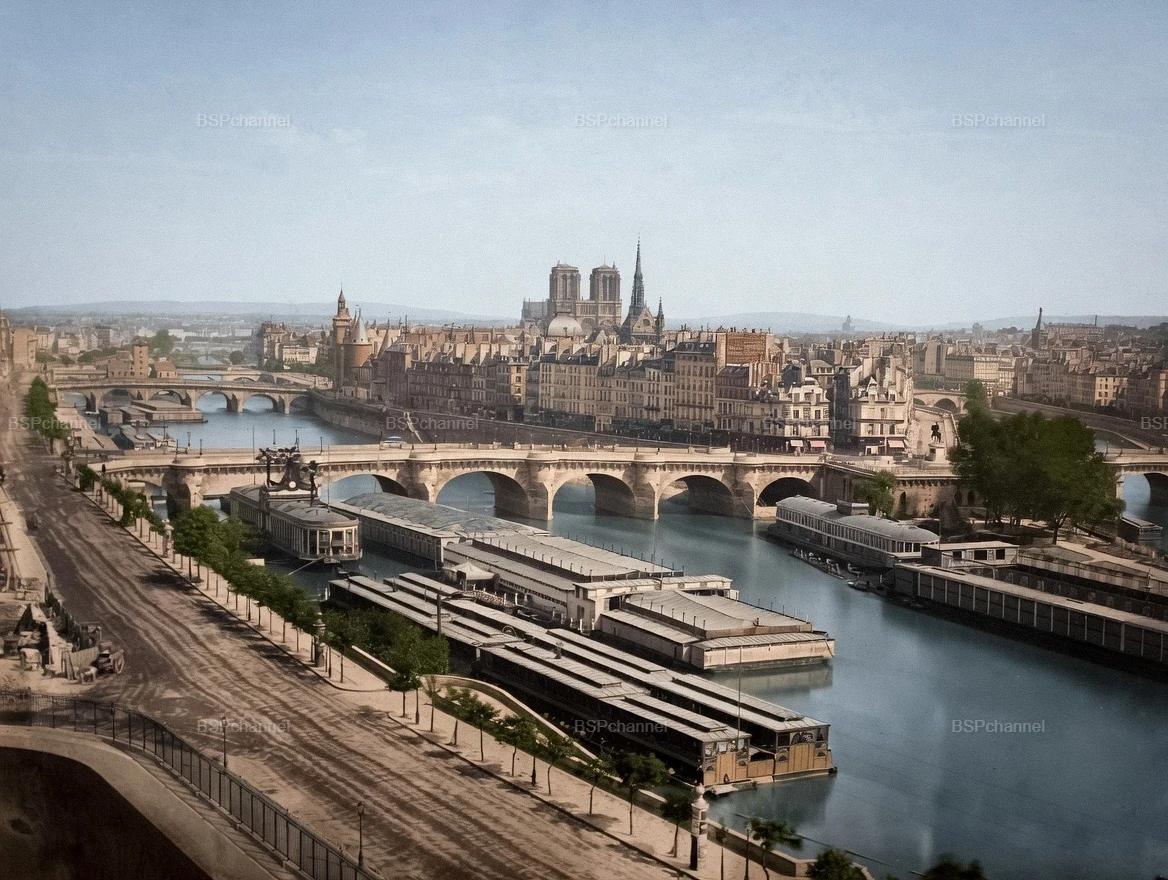
Organ grinder and his wife, New York, 1897. 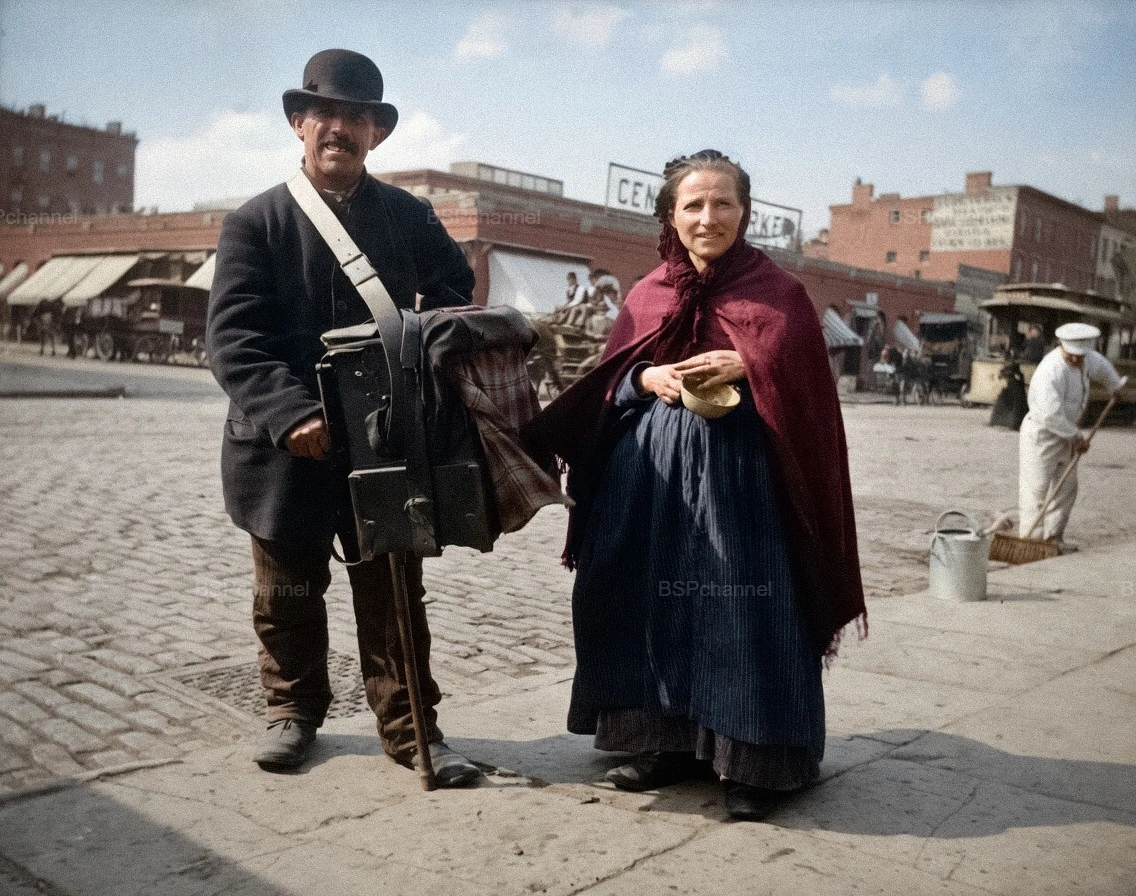
Photographer: Alice Austin
Country landscape with grazing cows. England, 1857. 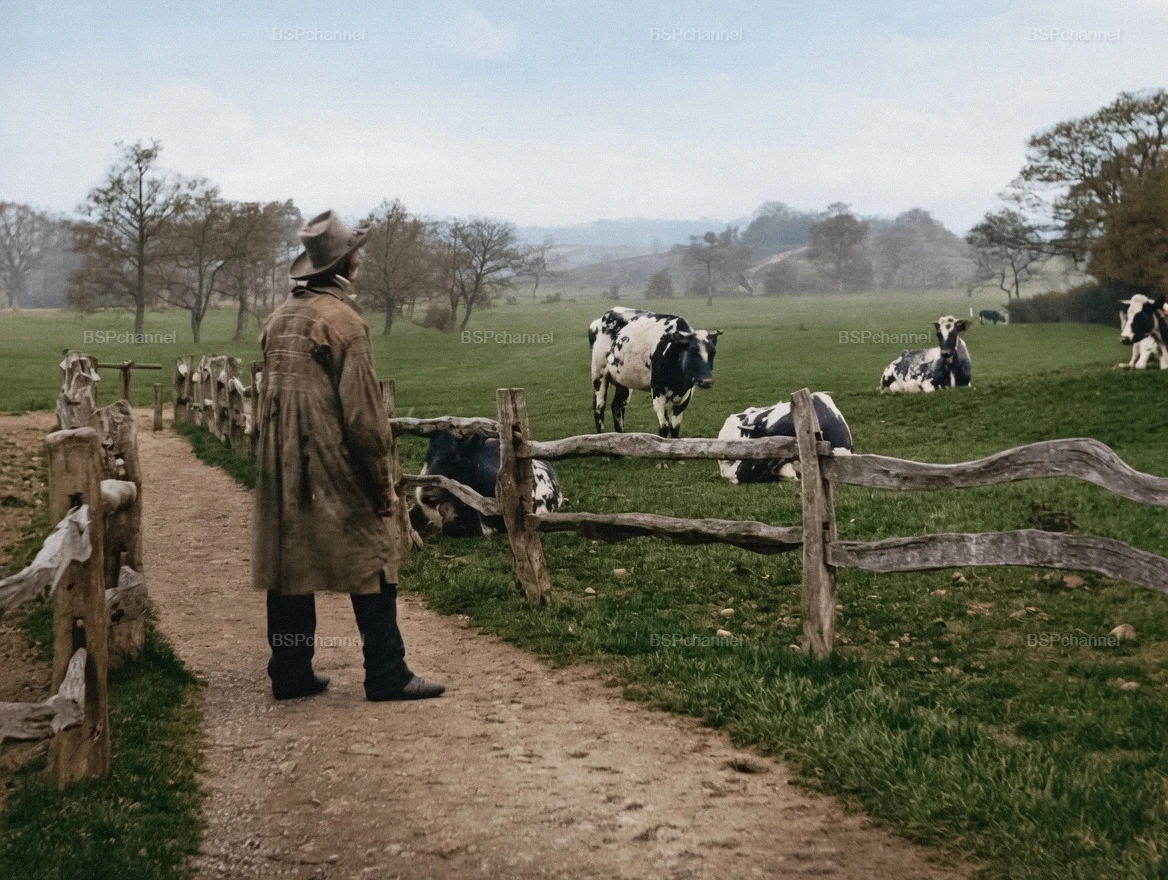
Photographer: William Grundy
Deadwood Stagecoach. USA, 1889. 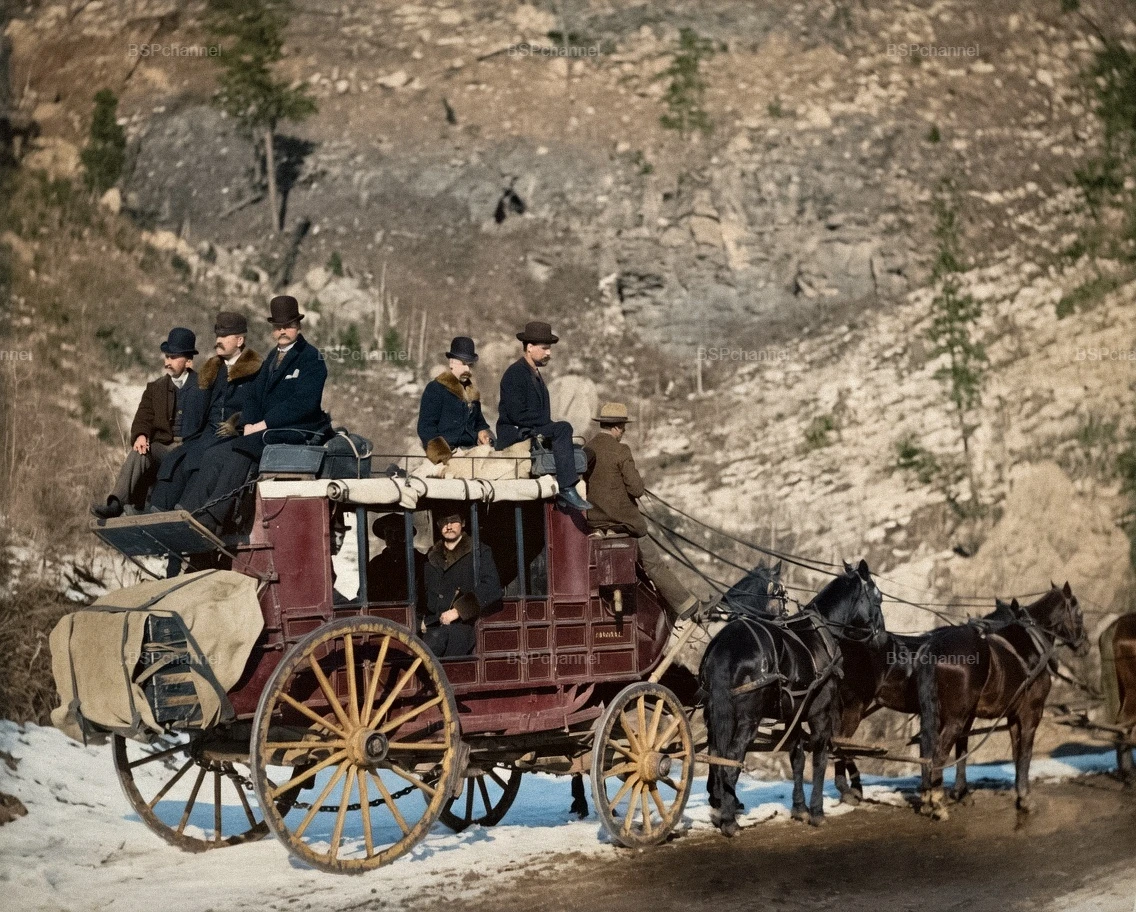
Photographer: John Grabill
In the 19th century, the stagecoach was the main and only means of mass intercity transportation in the United States before the widespread advent of railroads. It played a particularly iconic role during the era of the Wild West, becoming one of the main symbols of the American frontier.
London, late 19th, early 20th century. 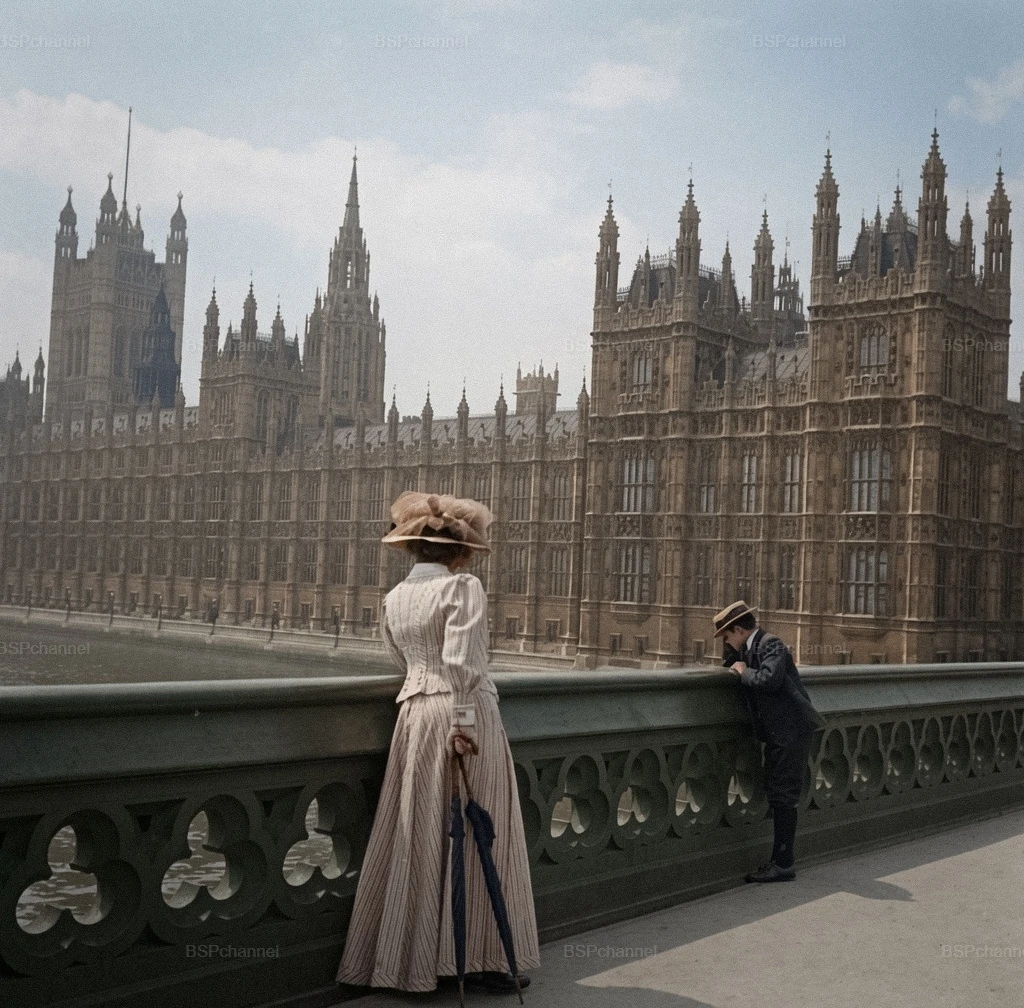
Street vendor selling amazake, a traditional Japanese fermented rice drink. Japan, circa 1880. 
Amazake (translated from Japanese as "sweet sake") is a traditional Japanese sweet fermented rice drink that contains virtually no alcohol (usually 0% or less than 1%). The drink has a thick, creamy texture and is naturally sweet. Due to its rich nutritional content, it is often called a "drinking drip" or "beauty drink" in Japan. Thanks to the fermentation process, amazake is easily digestible and contains a wealth of nutrients: B vitamins, amino acids and minerals, kojic acid (beneficial for skin), dietary fiber, and oligosaccharides.
Paris, 1866. 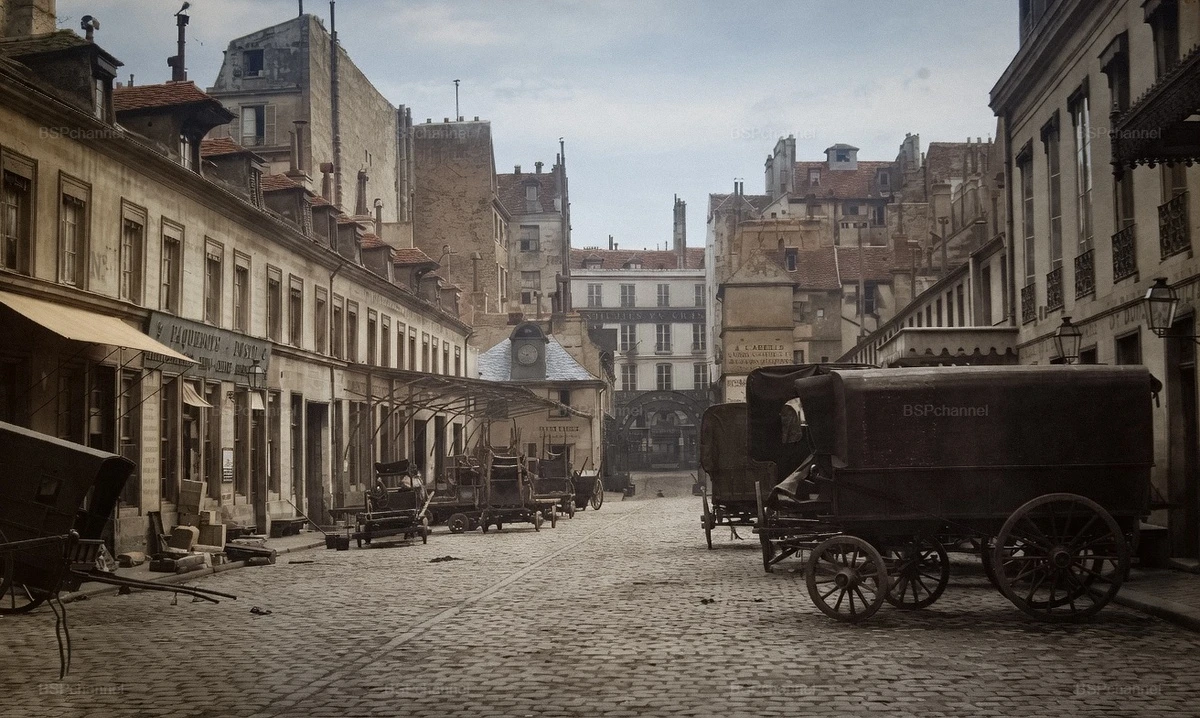
Genoa, Italy, 1871-1876. 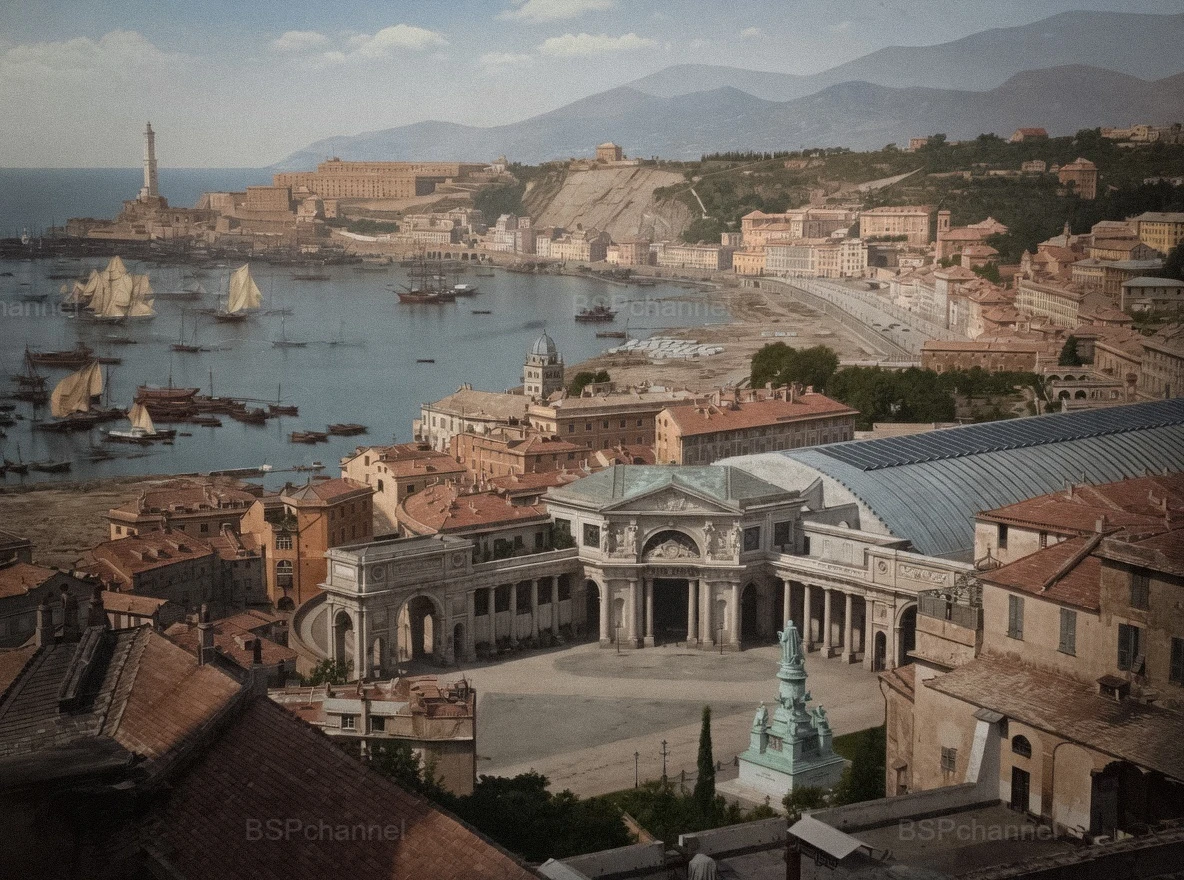
Sled wolves, raised from puppies, harnessed to a wagon. USA, 1890s. 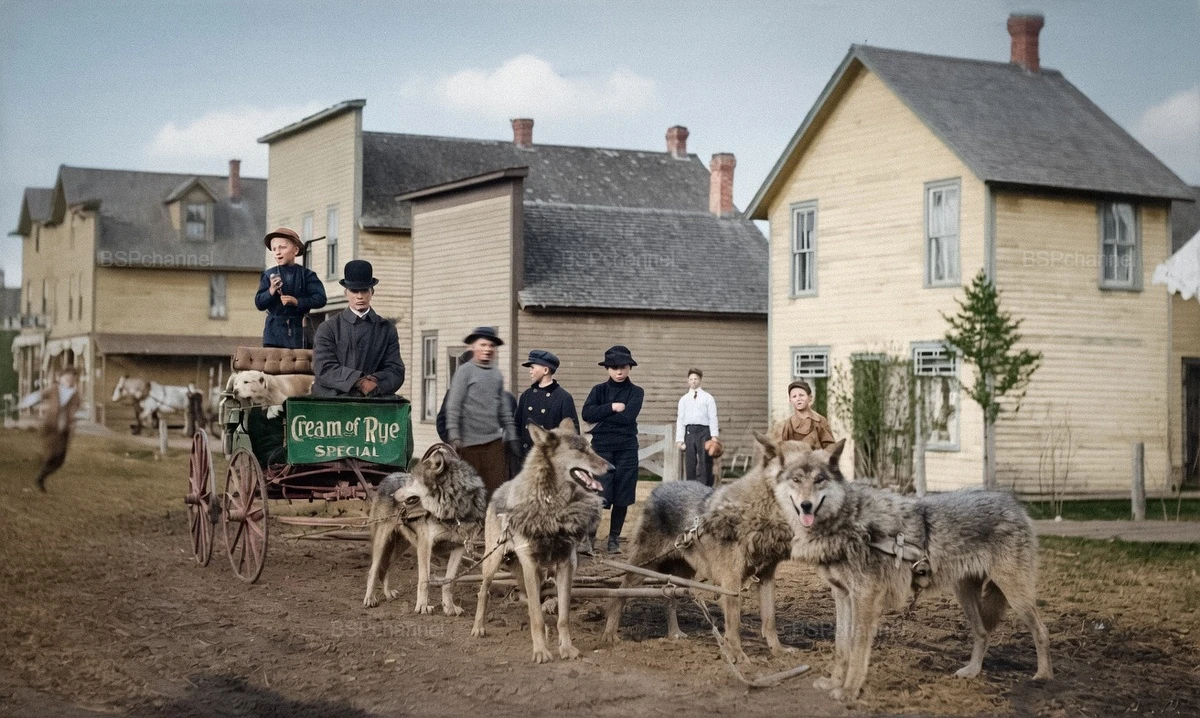
The team belonged to a man named J.A. Damrell. Origin: Damrell found wolf cubs in the Minnesota woods when they were completely blind and nursed them. At various times, his team included four to five trained predators. This wasn't an everyday transport. Damrell and his wife organized a promotional and touring show. They used this wagon to make a grand transcontinental journey from coast to coast, earning money from shows and the sale of commemorative postcards featuring their team. Even though the wolves were raised among humans and obeyed commands, they remained dangerous wild animals. Eyewitnesses of the time recalled that during stops in cities, Damrell strictly forbade onlookers from approaching or petting the "dogs," as the animals would immediately bark at strangers.
Construction of the SS Great Eastern. Millwall, London, 1857. 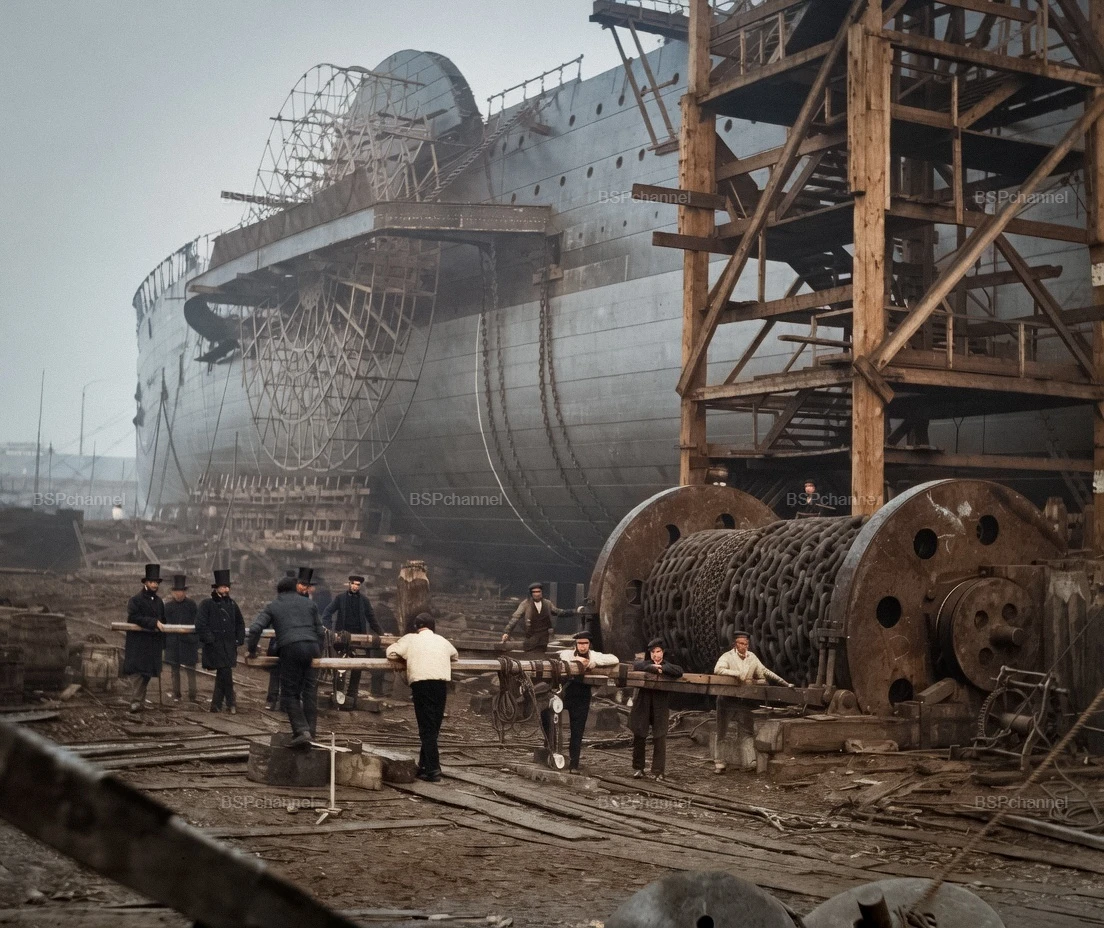
Designed by the legendary engineer Isambard Kingdom Brunel, this ship remained the largest vessel in the world for 40 years, five times larger than any other vessel then in existence. Its dimensions were 211 meters long and 25 meters wide. Its displacement was over 32,000 tons.
Quebec, Canada, 1890-1901. 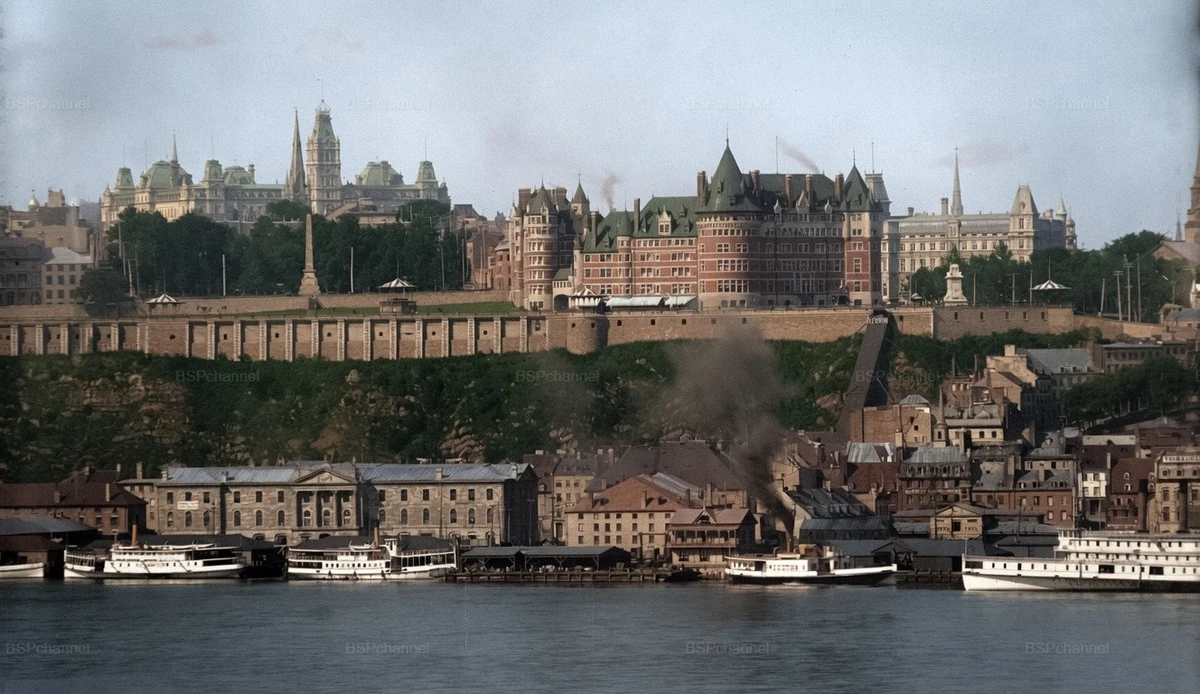
This unique region represents the main stronghold of French culture in North America. It is the only Canadian province where French is the sole official language. Over 77% of the population considers it their native language.
Moulin Rouge, Paris, 1900. 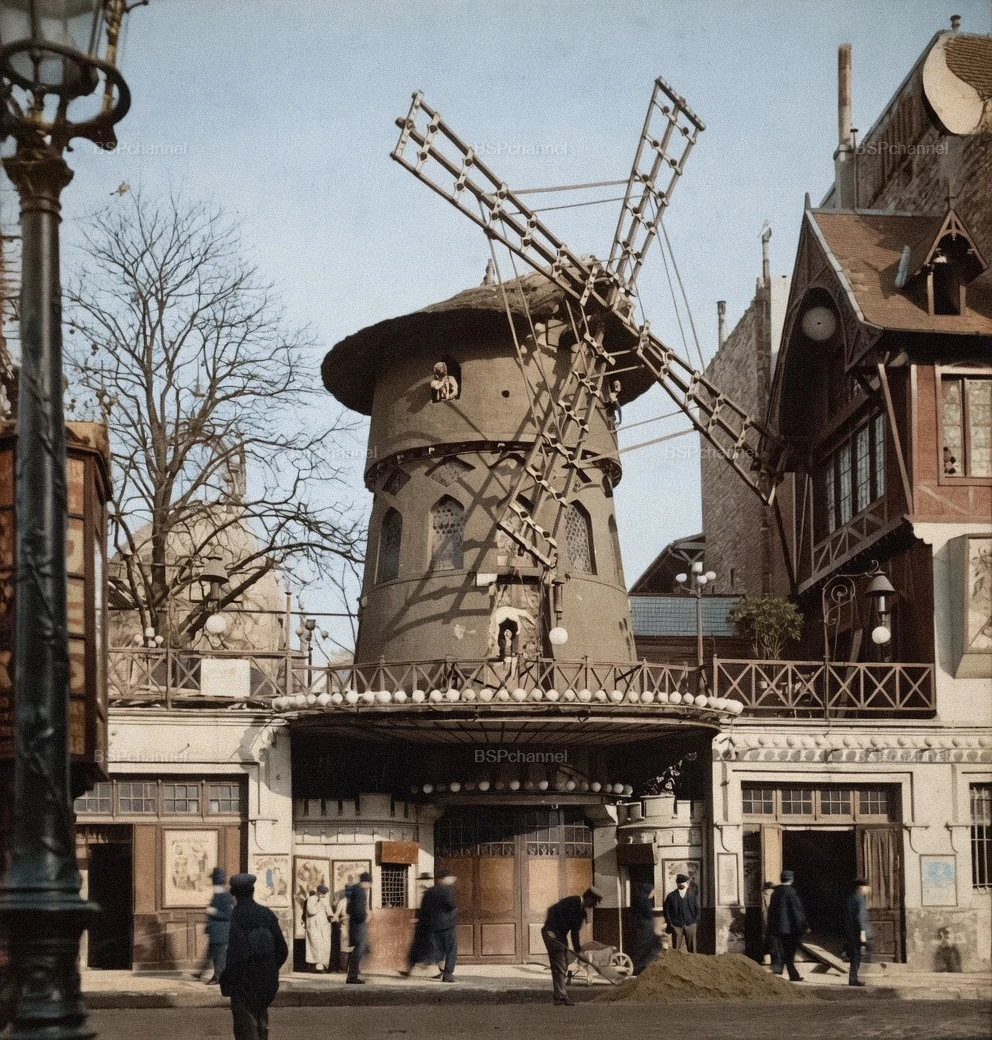
Photographer: Carlton Harlow Graves
The Moulin Rouge (meaning "Red Mill") is one of the most recognizable establishments in Paris and the birthplace of the famous cancan. Located at the foot of Montmartre in the Pigalle district, the cabaret has remained a symbol of bohemian life and French show business for over 130 years. The Moulin Rouge opened its doors on October 6, 1889. Its founders were the experienced entrepreneurs Joseph Oller and Charles Zidler. Interestingly, the red mill appeared in Paris the same year as the famous Eiffel Tower, which was also originally painted red. The establishment's creators wanted to attract a wealthy audience to the bohemian and somewhat scandalous Montmartre district. The atmosphere was extravagant: the garden was adorned with a giant elephant, and the program was striking in its boldness and variety. The opening acts included not only dancers but also circus performers, as well as the famous artist Le Pétomane, whose ability to produce sounds by farting made him the highest-paid entertainer of the time. It was on the stage of the Moulin Rouge that the French cancan gained worldwide fame. Initially considered scandalous, it was its energy and sensuality that attracted crowds of spectators to the cabaret.